These Are The Reasons Mole Tunnels Are Suddenly Appearing Everywhere In Tennessee Yards This July
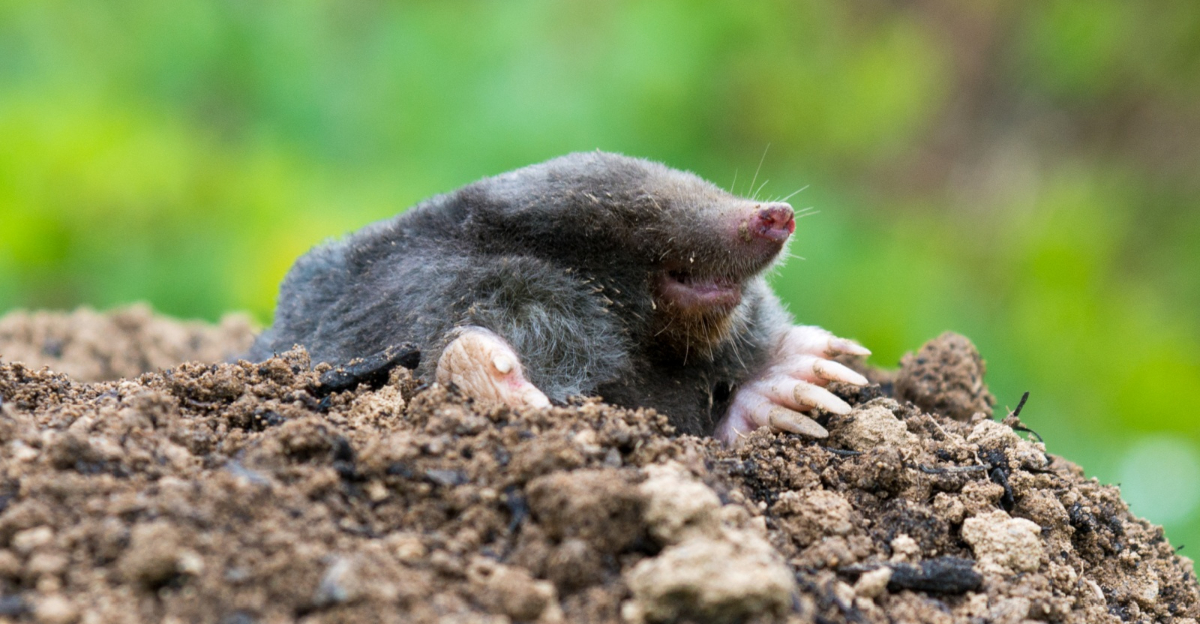
Something has been busy in your yard while you slept. It definitely wasn’t your neighbor’s dog.
Across Tennessee, ridges of raised soil are winding through lawns like tangled rope. The timing has folks genuinely puzzled.
One week the grass looks fine. The next, it’s a maze of raised tunnels that give way softly under your boot. This isn’t random bad luck. Mole activity spikes for real, traceable reasons.
July in Tennessee happens to check every box that sends these animals into high gear. Rain patterns play a part.
So does soil moisture, grub populations, and even breeding cycles. When they all line up at once, your yard becomes an easy target.
Ignore the signs now, and you could be looking at patchy grass, damaged flower beds, and a lawn that takes a full season to bounce back. Before you grab a shovel out of frustration, it helps to know what’s really driving these tunnels.
1. Rain Pushes Moles Closer To The Surface
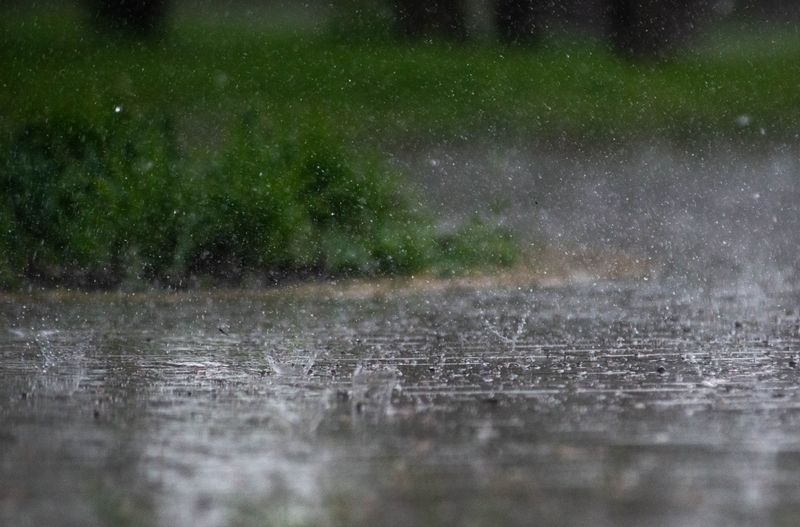
After a heavy Tennessee downpour, your lawn basically becomes an easier path for moles to travel. Mole tunnels are appearing in Tennessee yards this July, and summer rain is a big reason why.
When rainfall soaks the ground, the soil fills with water fast. Moles cannot breathe well in waterlogged tunnels deep underground.
So they move upward, digging new paths just beneath the surface where air can still reach them. Those shallow ridges you see snaking across your lawn? That is a mole adjusting to wet conditions below.
July in Tennessee brings some serious storms, and the ground stays saturated for days after each one. Every time that happens, moles shift their tunneling zone higher.
This behavior is completely instinctive and has nothing to do with your lawn care habits. The mole is simply adjusting to conditions, not targeting your grass on purpose.
Here is the tricky part: once a mole establishes a surface tunnel, it often reuses it. That means one rainstorm can create a lasting mole path through your yard.
The good news is that surface tunnels are easier to spot and treat than deep ones. Catching the problem early, right after a storm, gives you the best window to act.
Watch for raised ridges appearing within 24 hours of rainfall. Those fresh tunnels tell you exactly where the mole is currently active and working.
2. Grubs Multiply In Soil, Drawing Moles In
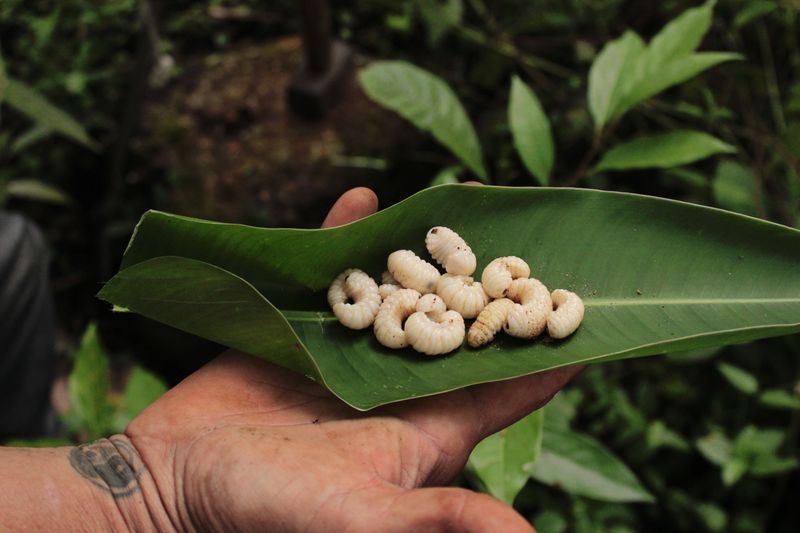
Picture a buffet table set up right under your lawn. That is exactly what July grub season looks like to a hungry mole.
Grubs are the larvae of beetles like Japanese beetles and June bugs, and they hatch in massive numbers each summer. Tennessee soil is practically crawling with them by mid-July.
Moles have an extraordinary sense of smell and can detect grub clusters from several feet away. Once a mole sniffs out a rich feeding zone, it tunnels straight toward it without hesitation.
A single mole can consume a large portion of its body weight in insects each day. When grubs are plentiful, moles become persistent diggers chasing the next meal.
Your Tennessee Garden Changes Every Week. Your Plan Should Too.
Gardening in Tennessee changes quickly throughout the season. Every Friday you’ll receive a simple weekly plan showing exactly what to plant, prune, fertilize, harvest, and protect so you never miss the right timing.
The more grubs your soil harbors, the more attractive your yard becomes to every mole in the neighborhood. It essentially acts as a strong attractant for moles underground.
Reducing grub populations is one of the most effective long-term strategies for discouraging moles. Applying a grub control product in late spring or early summer can dramatically cut their numbers.
Fewer grubs mean fewer reasons for moles to set up shop beneath your lawn. It does not happen overnight, but consistency pays off by the following season.
Check your lawn for grub damage by pulling back a small patch of turf. If you count several grubs per square foot, your yard may be more attractive to moles right now.
3. Earthworms Migrate Upward, Attracting Hungry Moles
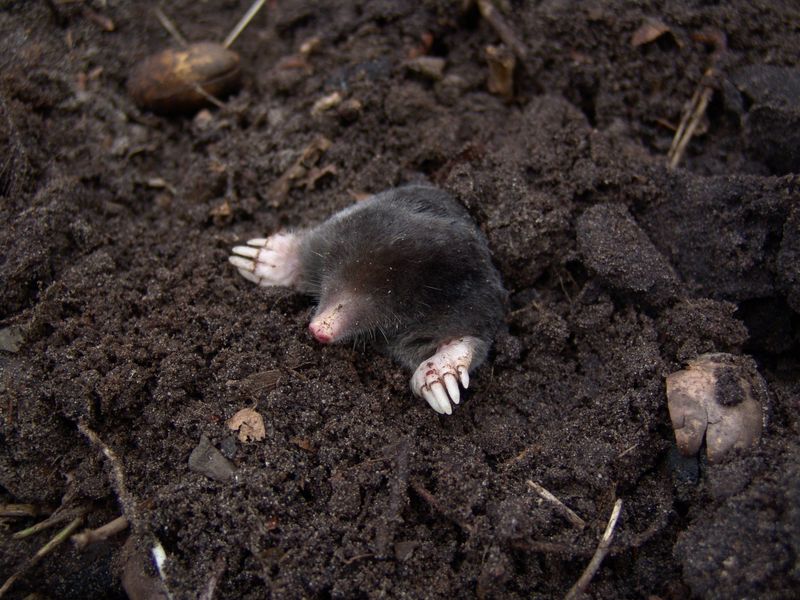
Earthworms are sneaky little travelers, and they move upward through soil when conditions change. Moles follow them like a GPS tracker locked onto a signal.
During warm, humid July nights, earthworms migrate toward the upper layers of soil to breathe and feed on decaying organic matter. Tennessee summers create perfect conditions for this upward migration.
Moles are not picky eaters, but earthworms rank among their absolute favorites. A fat earthworm is a high-protein snack that a mole will tunnel aggressively to reach.
When worm populations rise near the surface, moles redirect their entire tunnel network upward to intercept them. You end up seeing those telltale ridges everywhere across your grass.
Healthy lawns with rich organic matter tend to have more earthworms, which ironically makes them more mole-friendly. It is a frustrating trade-off for homeowners who take great care of their grass.
Some gardeners try to reduce surface moisture at night to discourage worm migration. Running sprinklers in the morning instead of evening can make a small but meaningful difference.
Castor oil-based repellents are sometimes used to make the soil less appealing to worms and moles, though results can vary. Some Tennessee homeowners try them as a non-toxic first step.
The relationship between earthworms and moles is tight and predictable. Wherever worms gather near the surface, moles will show up within days to collect their reward.
4. Dry Spells Send Moles Searching For Moisture
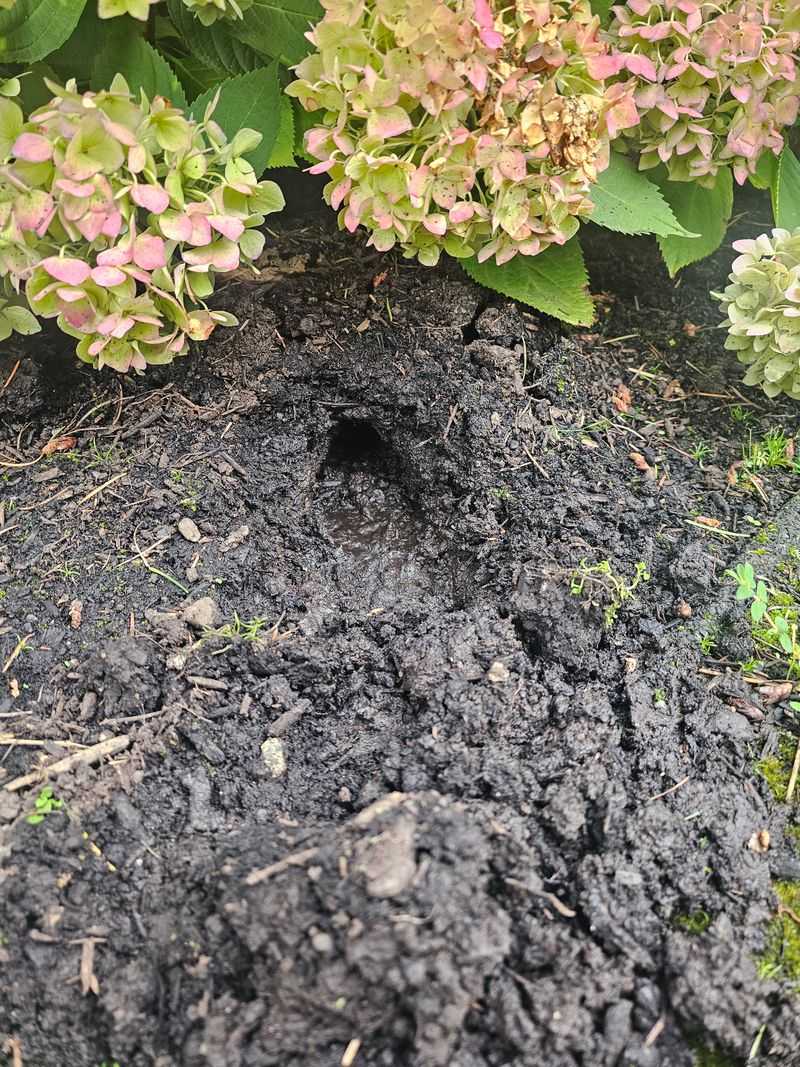
Tennessee summers flip between soaking rains and baking dry stretches faster than you can plan around them. When the dry spells hit, moles become noticeably more active.
Moles need moisture to survive, and so do their prey. When the top layers of soil dry out and harden, food sources burrow deeper to find dampness.
A mole’s instinct is to follow the food, which means tracking moisture through the soil like a bloodhound. Dry conditions push moles into a wider search pattern across larger areas.
This is why you might notice tunnel activity spreading to new parts of your yard during a dry stretch. The mole is not settling in, it is prospecting.
Interestingly, areas near downspouts, garden beds, or leaky outdoor faucets become hotspots during dry periods. Those moisture pockets act like oases for both insects and the moles chasing them.
Homeowners sometimes accidentally attract moles by overwatering specific garden sections while the rest of the lawn dries out. That wet patch becomes the most exciting real estate underground.
Balancing your irrigation across the whole yard can reduce these concentrated moisture zones. A more even soil moisture level makes your property less of a treasure map for searching moles.
When rain finally returns after a dry stretch, moles often become much more active. That burst of digging is them reclaiming territory and restocking their tunnel networks fast.
5. Thatch Buildup Harbors More Insects Underground
There is a hidden layer in your lawn that most people never think about. Thatch is the spongy mat of dried grass, roots, and organic debris sitting just above the soil.
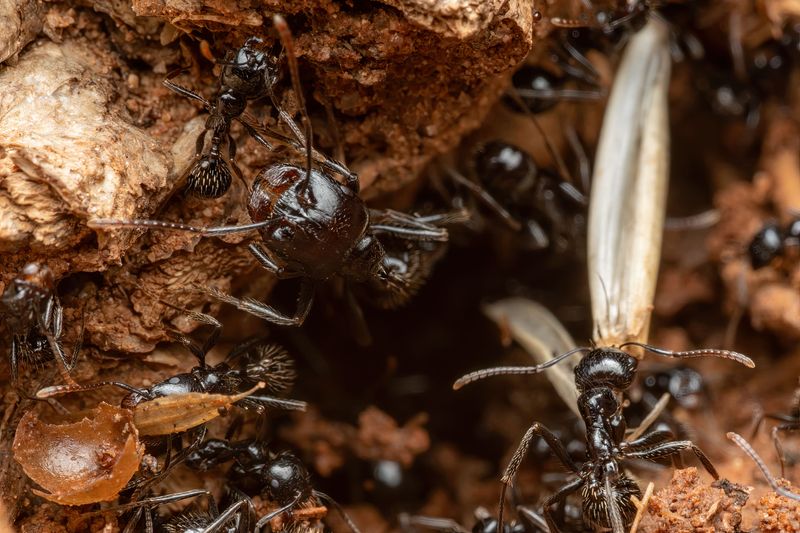
When thatch builds up beyond half an inch, it becomes an appealing habitat for insects. Beetle larvae, ants, and other small bugs love nesting inside that warm, protected layer.
More insects in the thatch means more food packed into a shallow zone that moles can easily reach. July heat speeds up insect breeding cycles, making thatch layers even more densely populated.
A mole tunneling just below the thatch layer is feeding very efficiently. It can cover enormous distances while feeding continuously without ever going deep.
Lawns that skip dethatching for several seasons become especially vulnerable to mole activity in summer. The thicker the thatch, the bigger the insect buffet waiting underground.
Dethatching your lawn in early spring is one of the smartest preventive steps you can take. It removes the habitat that draws insects in large numbers before summer really kicks off.
Power rakes and dethatching machines are widely available at hardware stores and rental centers across Tennessee. Even one good dethatching session can shift the balance significantly in your favor.
After dethatching, overseed and fertilize to encourage dense, healthy turf growth. A thick, vigorous lawn is actually harder for moles to tunnel through and less appealing overall.
6. Irrigation Creates Ideal Tunneling Conditions

Your sprinkler system might be your lawn’s best friend and a mole’s favorite invitation at the same time. Regular irrigation keeps the soil at just the right moisture level for easy digging.
Moles prefer soil that is moist but not soaked, firm but not hard. A well-irrigated lawn in July hits that sweet spot almost perfectly.
Soft, consistently watered soil allows a mole to tunnel at impressive speed with minimal effort. Hard or rocky ground slows them down considerably, but irrigated Tennessee clay soil is almost ideal.
Neighborhoods with irrigation systems tend to see higher mole activity than those relying on natural rainfall alone. The consistent moisture keeps prey near the surface and digging conditions predictable.
This does not mean you should stop watering your lawn, of course. Dry, stressed grass creates its own problems that are harder to fix than a few mole ridges.
Instead, consider adjusting your watering schedule to water deeply but less frequently. Deep watering encourages grass roots to grow downward, making the upper soil slightly less hospitable for shallow tunneling.
Morning watering also allows the surface soil to dry out somewhat by afternoon. That brief drying window can interrupt the consistent moisture belt that moles find so appealing.
Pairing smart irrigation habits with other deterrents gives you a layered defense. No single fix stops moles completely, but smarter watering is a great place to start.
7. Young Moles Disperse To New Territories

Every July, something happens underground that most homeowners have no idea about. Young moles born in spring are now fully grown and ready to strike out on their own.
Mole tunnels are appearing in Tennessee yards this July partly because juvenile moles are dispersing from their birth territories. They travel surprising distances searching for unclaimed ground.
A young mole has never tunneled through your yard before, so it explores aggressively. It creates new surface tunnels rapidly while mapping out its new home range.
This dispersal period often falls between late June and mid-August across the mid-South region. Tennessee’s warm, wet July conditions make it a prime time for young moles to move.
One mole family can produce two to five offspring per litter, and those youngsters all need space. When they scatter, multiple yards in the same neighborhood often get hit at once.
This explains why your neighbor suddenly has mole problems the same week you do. You are not sharing the same mole, you are dealing with siblings from the same family.
Young moles are not yet skilled at avoiding traps or deterrents, which actually works in your favor. Acting quickly during dispersal season gives you a better chance of success than waiting.
Set up deterrents or contact a pest professional before these newcomers establish permanent tunnels. A freshly arrived mole is far easier to redirect than one with a fully built network.
8. Soft Soil After Storms Eases Digging
A big summer storm rolls through Tennessee, and by morning your yard looks completely different. Fresh mole tunnels are cutting across the lawn like someone traced lines with a stick overnight.
Storm-softened soil creates favorable digging conditions for moles. Rain loosens compacted ground and makes pushing through it nearly effortless for these powerful little diggers.
Moles have broad, paddle-shaped front paws built specifically for moving soil. When that soil turns soft and yielding after a storm, they can tunnel notably quickly.
A single mole can tunnel remarkably fast, sometimes covering several feet in just one hour under ideal conditions. Post-storm soil in July is about as ideal as it gets for them.
This is why you often wake up to a completely new tunnel layout after a thunderstorm. The mole took full advantage of those soft conditions while you were sleeping.
Compacted soil, by contrast, slows moles down significantly. Aerating your lawn regularly creates a temporary hardening effect in some zones and can discourage tunnel expansion.
Core aeration in spring removes plugs of soil and encourages deeper root growth. Deeper roots create a denser turf that offers more resistance to shallow tunneling activity.
After every major storm this July, walk your yard and note where new ridges appear. Tracking fresh tunnel activity helps you identify the mole’s current path and take targeted action fast.