What It Really Means When Western Fence Lizards Start Showing Up Around Oregon Yards
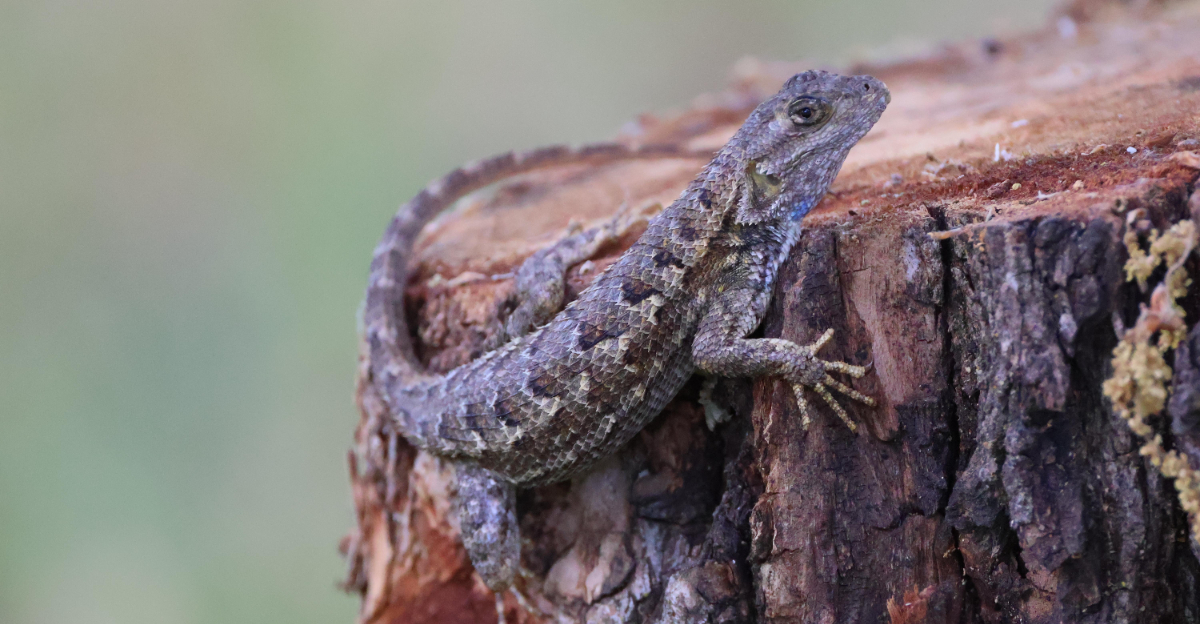
A quick flash of blue beneath a garden bench can be enough to make you stop mid-step. Western fence lizards are easy to overlook until they suddenly seem to be everywhere, sunning on rocks, darting across paths, or disappearing into planting beds.
Their arrival can feel especially noticeable if the yard seemed lizard-free earlier in the season.
One sighting becomes two, then you start spotting them near fences, patios, and warm corners that apparently have excellent reptile reviews.
That sudden activity can raise plenty of questions about what has changed around the property.
Gardens shift constantly as temperatures, vegetation, insects, moisture, and hiding places change, and wildlife tends to notice those changes long before we do.
Western fence lizards are no exception. Where they appear, how often they show up, and what they are doing can offer interesting clues about the environment around your home.
So if these speedy little visitors have suddenly joined the backyard lineup, their presence may be telling a bigger story about your Oregon yard than a simple sunny-day sighting suggests.
1. Your Yard May Have Plenty Of Insects To Hunt
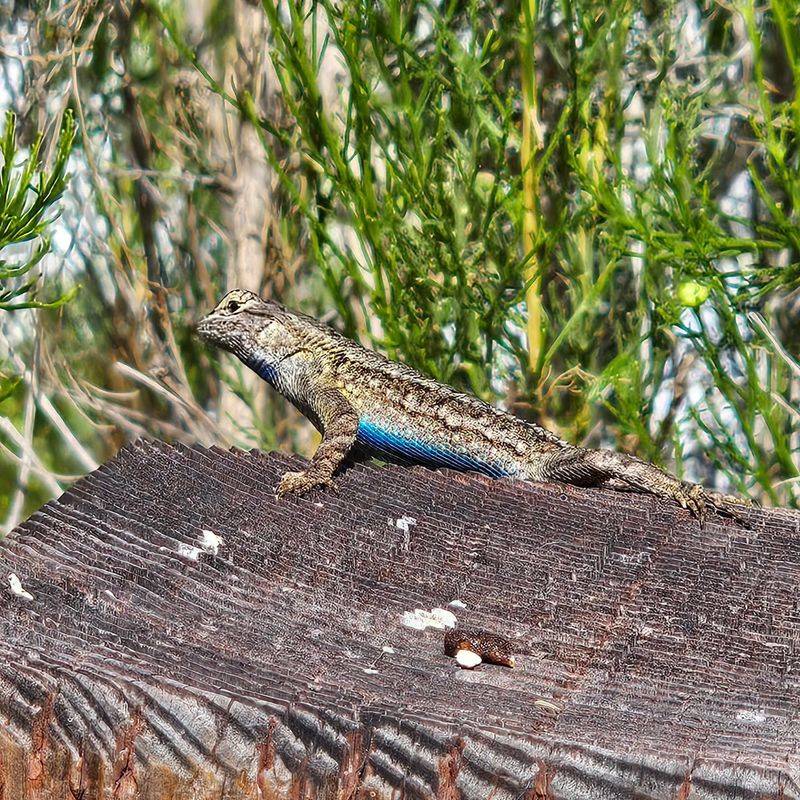
A yard buzzing with insect activity is basically a lizard’s dream buffet. Western fence lizards are active hunters.
They rely almost entirely on live prey, and a garden full of bugs is a major reason they move in.
Flies, crickets, grasshoppers, and small beetles are all fair game. If your yard has tall grass, compost, mulch, or flowering plants, it likely supports a healthy insect population.
That kind of environment sends a signal to lizards that food is nearby and easy to find. You might notice lizards waiting near garden beds or along pathways. That is not random.
They are watching and waiting for prey to move. They hunt by sight and react fast when something small crosses their path.
Having a lizard show up near your vegetable garden is actually a good sign. It means your garden is alive with the kind of small creatures that support a full food chain. Healthy insect populations mean healthy soil and healthy plants.
If you want to keep lizards visiting, avoid using broad-spectrum pesticides. Those products reduce insect populations fast, and fewer bugs means fewer reasons for lizards to stick around.
A more natural yard tends to attract more wildlife overall, including these helpful little reptiles that keep pest numbers in check without any effort from you.
2. Sunny Rocks Give Lizards A Perfect Basking Spot
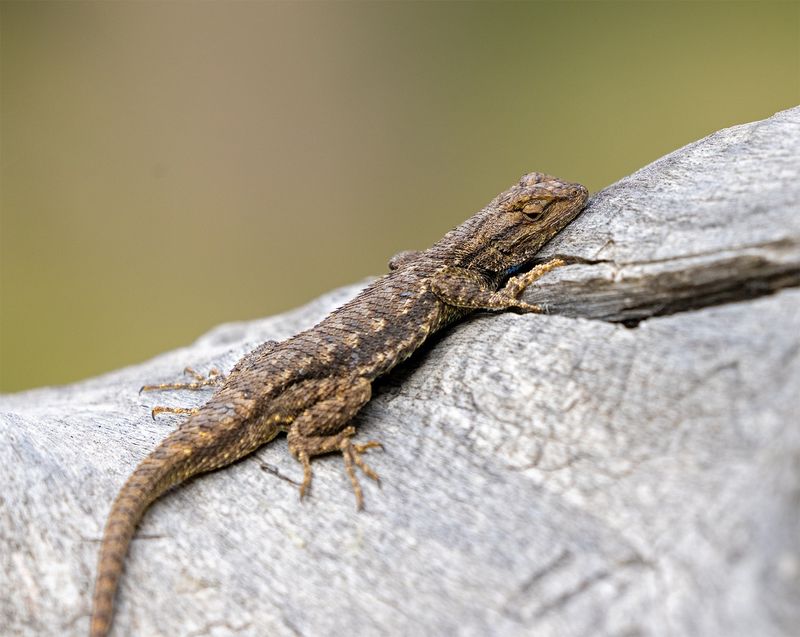
Rocks and lizards go together like peanut butter and jelly. Western fence lizards are cold-blooded, which means they cannot regulate their own body temperature internally.
They depend completely on outside heat sources to warm up and stay active. Flat, sun-exposed rocks are ideal basking spots. They absorb heat throughout the morning and hold warmth well into the afternoon.
A lizard sitting on one of these rocks is not being lazy. It is doing something essential for survival.
Basking raises their body temperature to a level where they can digest food, move quickly, and stay alert. Without that warmth, they become sluggish and vulnerable.
Your Oregon Garden Changes Every Week. Your Plan Should Too.
Gardening in Oregon changes quickly throughout the season. Every Friday you’ll receive a simple weekly plan showing exactly what to plant, prune, fertilize, harvest, and protect so you never miss the right timing.
So when you see one stretched out on a rock, it is actually working hard to maintain the right internal temperature.
Yards with natural stone features, exposed granite, or large decorative boulders are especially attractive to these lizards. Even a concrete stepping stone in full sun can serve the same purpose on a warm day.
If you have been thinking about adding a rock garden or a stone pathway to your yard, you might also be creating prime lizard habitat without even trying. South-facing areas that catch sunlight for most of the day tend to be the most popular.
The lizards know exactly where the warmest spots are, and they will find them quickly once they discover your yard.
3. Warm Walls And Pavers Can Draw Them In
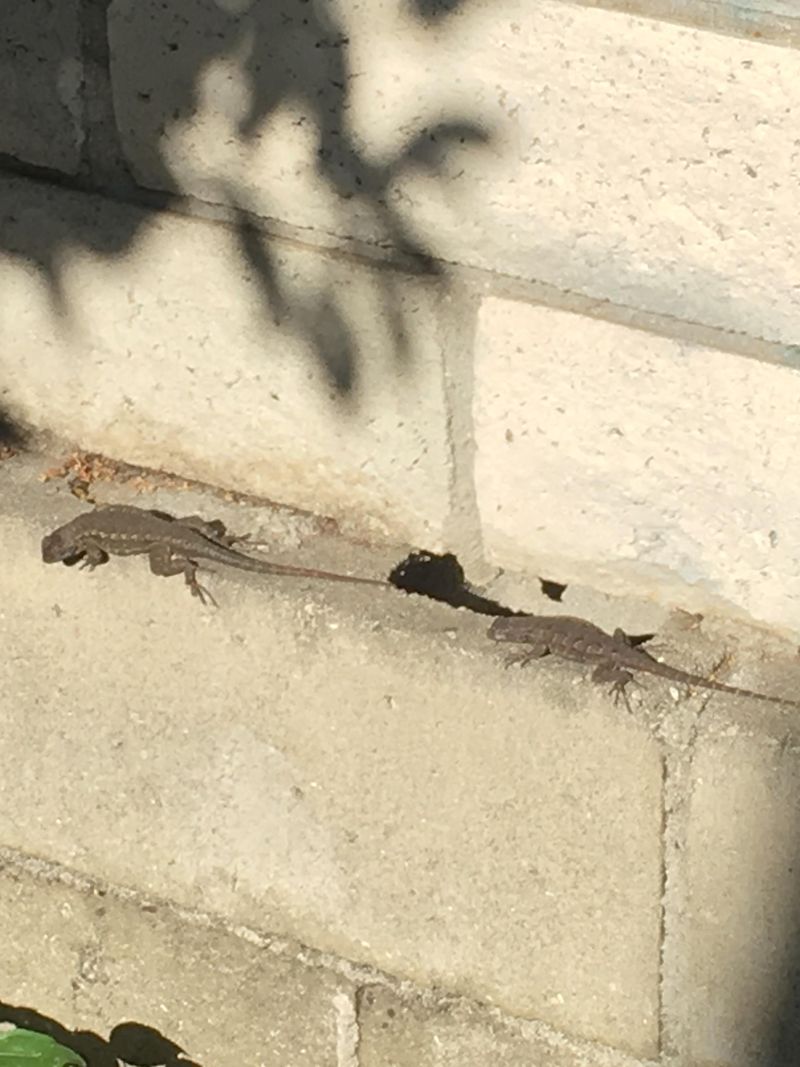
Not everyone has big rocks in their yard, but most people have walls, fences, or pavers. Good news: those work just as well for lizards looking for heat.
Brick walls, concrete block fences, and flat paving stones all soak up solar energy throughout the day.
By midday, a south-facing brick wall can feel surprisingly warm to the touch. For a Western fence lizard, that surface is practically a luxury spa.
They press their bodies flat against it to absorb as much warmth as possible in a short amount of time.
You might spot them clinging to a garden wall in the morning, especially after a cool night. They tend to emerge early when temperatures start rising and head straight for the nearest heat source.
Walls with good sun exposure are often the first stop of the day. Pavers are equally popular. A stone or concrete patio that sits in direct sunlight becomes a warm platform that lizards return to repeatedly.
If your outdoor seating area suddenly has a small reptile visitor, it is probably just borrowing your patio for a morning warm-up session.
Painted or sealed surfaces tend to hold less heat than raw stone or brick. Natural materials work best.
If lizards keep showing up near your walls or patio, it is a clear sign that those surfaces are doing a great job of collecting and storing the sun’s warmth throughout the day.
4. Low Shrubs Give Them Quick Places To Hide
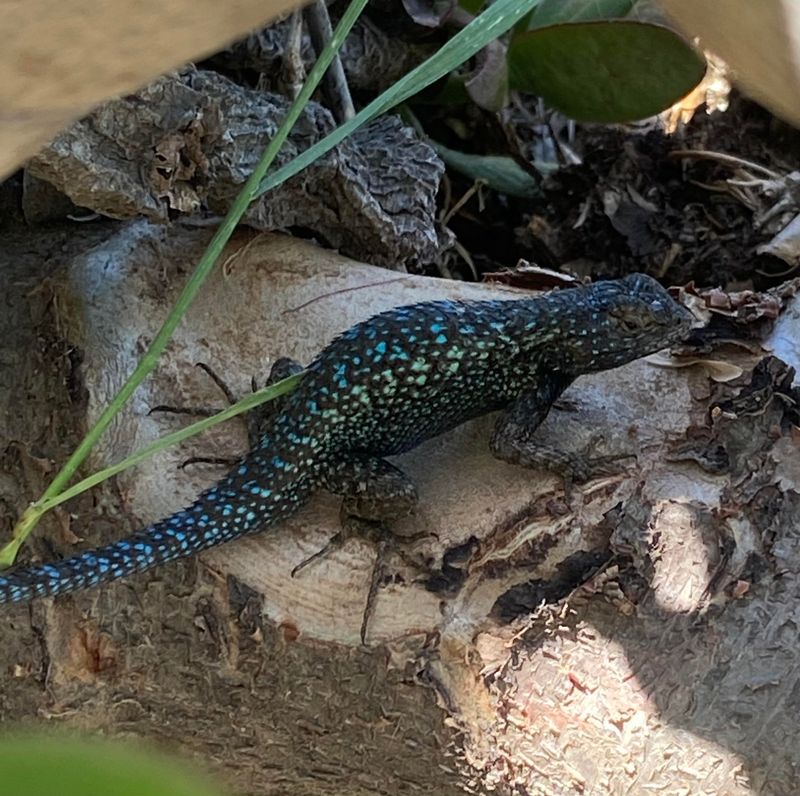
Speed is one of a lizard’s best defenses, but cover is a close second. Low-growing shrubs, ground covers, and dense plantings give Western fence lizards somewhere to bolt when they sense danger.
Without that escape option, they feel exposed and are less likely to stick around. Plants like rosemary, lavender, salvia, and ornamental grasses all create the kind of low canopy that lizards love.
The branches are close to the ground, the foliage is thick enough to hide under, and the spacing lets them move through quickly without getting trapped.
Lizards do not actually live inside shrubs the way birds do. They use them as quick cover when a predator gets too close.
A bird flying overhead, a neighborhood cat, or even a curious dog can send a lizard sprinting for the nearest shrub in under a second.
Yards with a mix of open sunny areas and nearby plant cover are the most attractive to these reptiles. They want warmth, but they also need to feel safe.
A yard with only open lawn and no low plants offers very little security for a small animal. Planting native low shrubs along garden edges or near rock features creates a natural corridor that lizards can navigate safely.
It also benefits pollinators and birds, so the whole yard ecosystem gets a boost from a few well-placed plants near the ground level.
5. Dry Garden Beds Often Suit Them Better Than Wet Ones
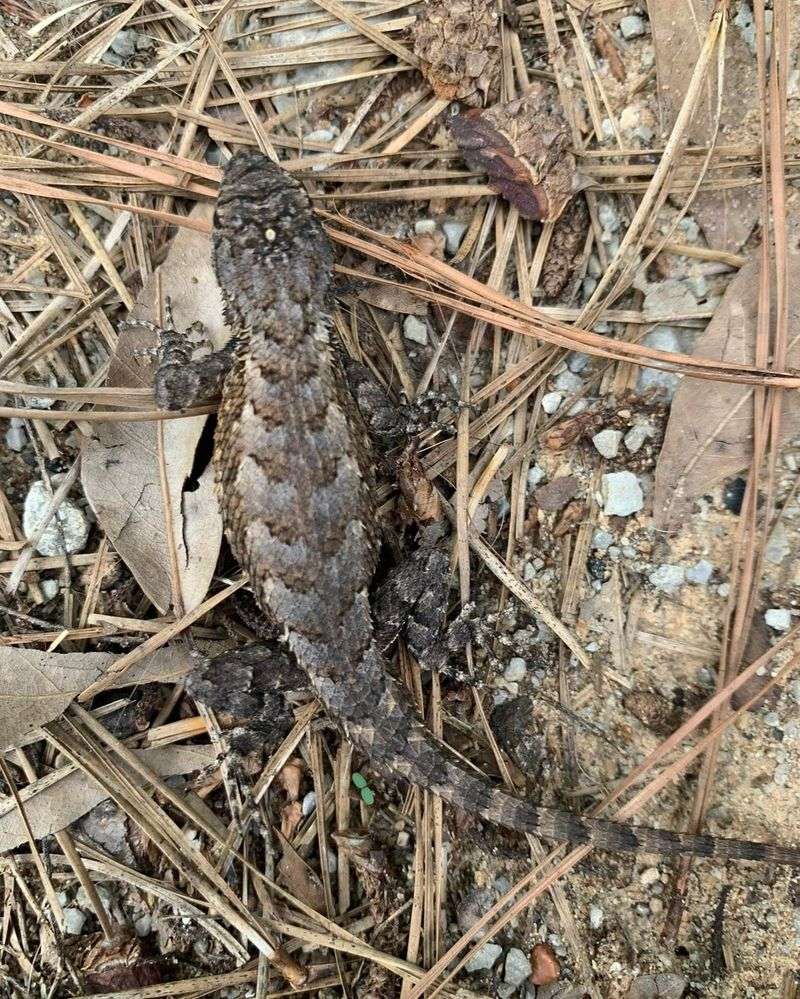
Soggy soil and standing water are not exactly welcoming to a lizard. Western fence lizards strongly prefer dry, well-drained environments.
If your garden beds tend to stay dry and have loose or sandy soil, that is a big part of why lizards feel comfortable there.
Wet conditions create a few problems for them. Mud makes movement harder. Damp soil stays cool longer, which works against their need for warmth.
And moist environments tend to attract different wildlife, including predators that lizards would rather avoid.
Dry garden beds with mulch, gravel, or bare soil patches are much more appealing. These areas warm up faster in the morning and stay drier even after rain.
Lizards can move through them easily and find gaps to tuck into when they need a rest. Drought-tolerant plants also pair well with lizard-friendly yards.
Succulents, ornamental grasses, and native perennials that do not need heavy watering create a habitat that suits lizards naturally.
You get a low-maintenance garden and a built-in pest patrol team at the same time. If you have recently switched to drip irrigation or cut back on overhead watering, you may have noticed more lizard activity as a result.
Reducing moisture in garden beds makes the space more attractive to these reptiles. It is one of those happy coincidences where water-saving habits and wildlife-friendly gardening overlap perfectly and benefit each other.
6. Seeing More Lizards Can Mean The Yard Offers Good Shelter
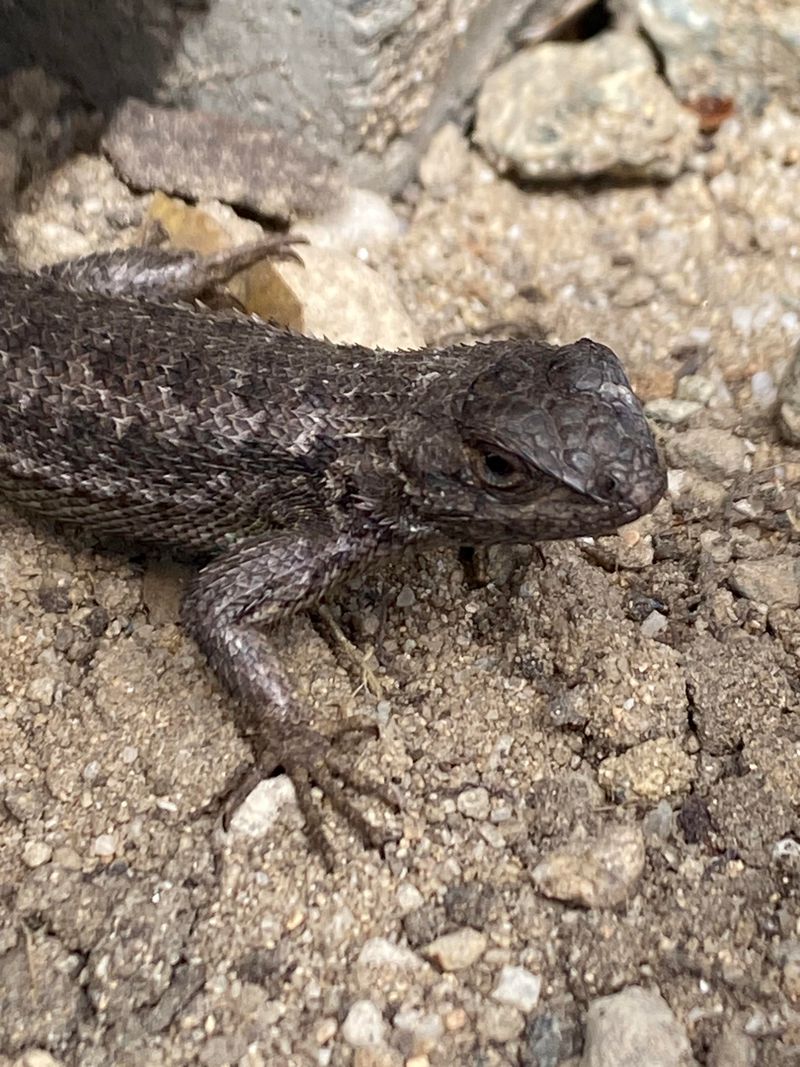
When lizards keep coming back to the same yard, it usually means that space is offering more than just food or warmth. Shelter is a huge factor.
A yard that provides reliable hiding spots, safe sleeping areas, and protection from predators becomes a regular hangout for these reptiles.
Shelter does not have to mean something fancy. Gaps under garden edging, spaces between stacked stones, loose bark on old logs, and even dense ground cover all count.
Lizards are small and flexible. They can squeeze into surprisingly tight spaces when they need to feel secure.
Seeing multiple lizards in one yard is actually a positive sign. It suggests the habitat is stable and supportive enough to hold a small population.
Western fence lizards are somewhat territorial, so if several are coexisting in one space, that space must be offering enough resources for all of them.
Yards that have been left a little more natural tend to attract more lizards than heavily manicured spaces. Perfectly trimmed hedges and tidy bare soil offer very little shelter.
A yard with some natural clutter, like leaf piles, loose stones, or layered plants, creates far more opportunity for lizards to feel safe.
Embracing a slightly wilder aesthetic in parts of your garden is one of the easiest ways to support local wildlife. Lizards are just one of many creatures that benefit when yards feel a little more like nature and a little less like a showroom.
7. They Help Eat Ants, Beetles, And Other Small Bugs
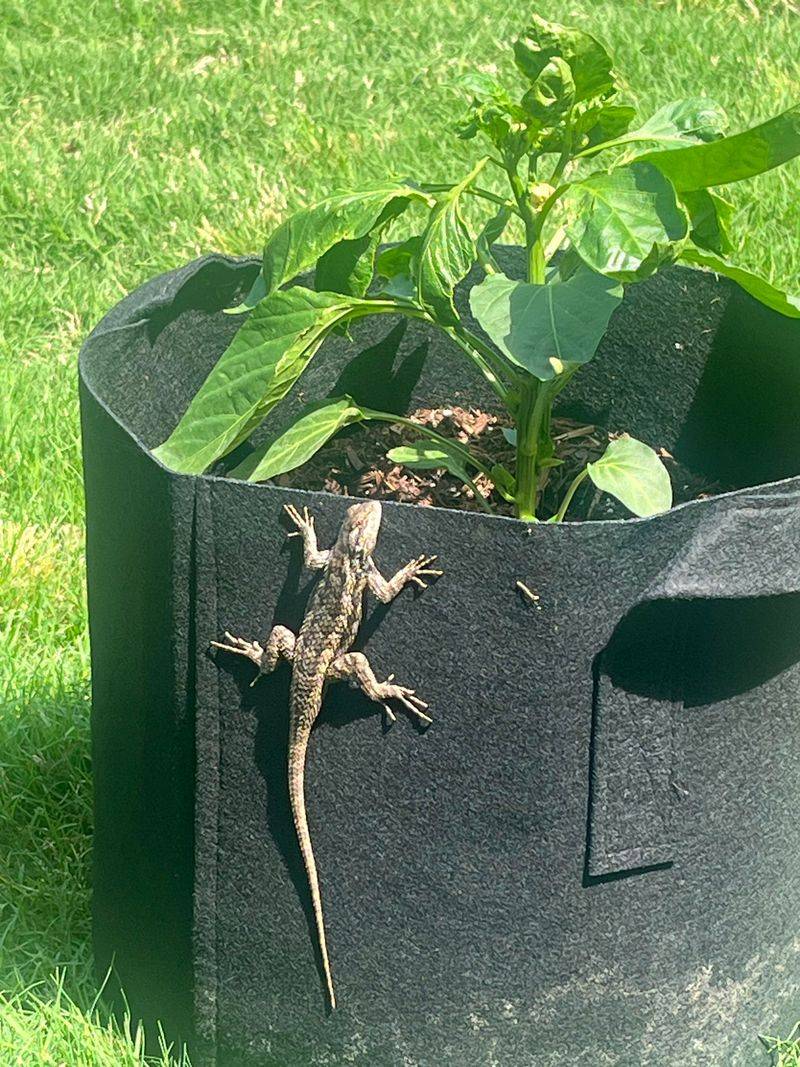
Here is something most people do not realize: having lizards in your yard is like having a free, natural pest control service running around the clock.
Western fence lizards eat a wide variety of small insects, and many of those insects are ones you would rather not have in your garden.
Ants are a common part of their diet. So are small beetles, spiders, mites, and various larvae.
If your yard has been dealing with any of these pests, a lizard or two can make a real dent in the population over time without any sprays or traps needed.
They are surprisingly efficient hunters. Their eyesight is sharp, their reflexes are fast, and they can cover a lot of ground in a short time.
A single lizard can eat dozens of insects in one active day, especially during the warmer months when both bugs and lizards are most active.
Unlike chemical pest control, lizards target living insects selectively. They do not affect plants, soil health, or beneficial insects like bees unless a bee happens to be the right size and in the wrong place at the wrong moment.
Welcoming lizards into your garden is a smart move for anyone trying to reduce pesticide use.
Oregon gardeners who rely on natural methods often find that lizard populations help keep small insect pests at manageable levels.
It is a quiet partnership that benefits both the lizard and the gardener without any extra effort on your part.
8. Wood Piles And Rock Edges Make Handy Retreats
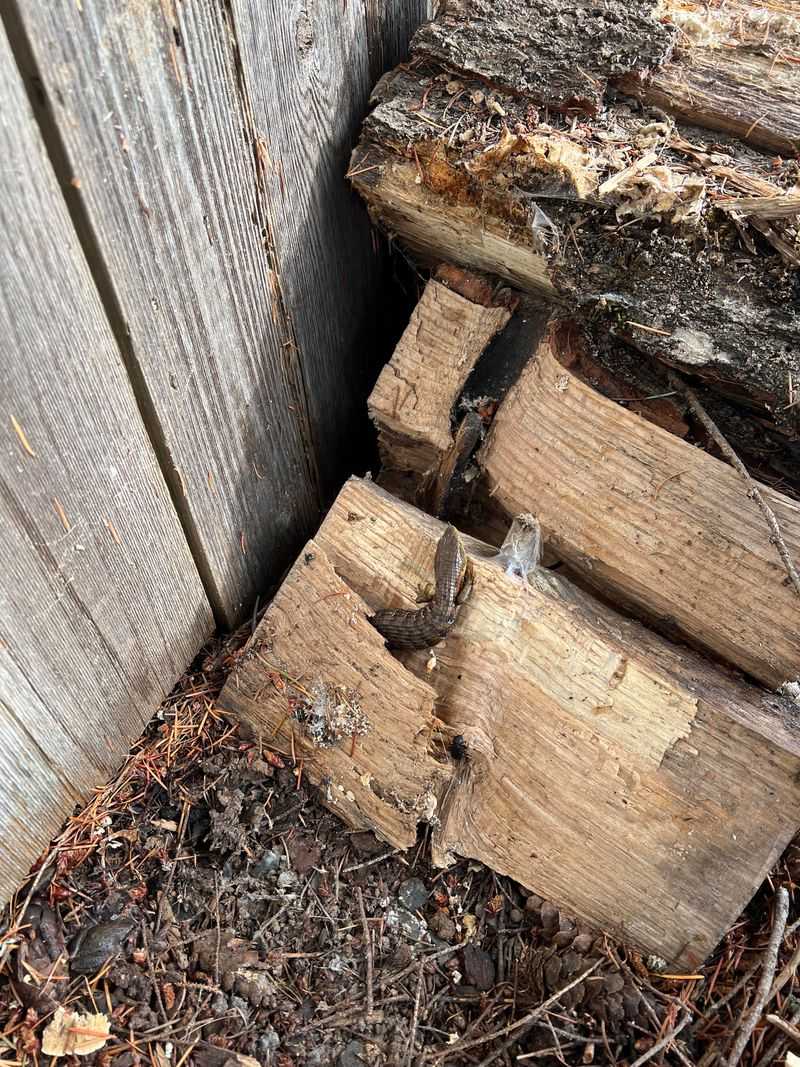
Few things attract lizards quite like a good wood pile. Stacked firewood, old lumber, or even a pile of branches left in a corner of the yard creates a layered structure full of gaps, crevices, and shaded pockets.
For a lizard, that is prime real estate. Wood piles serve multiple purposes at once. They offer shade during the hottest part of the day.
They provide shelter from predators. They also attract insects, which means lizards can hunt close to where they rest.
It is an all-in-one habitat feature that lizards take full advantage of. Rock edges work in a similar way.
The border between a rock wall and the soil, or between stacked stones and a garden bed, creates narrow spaces that lizards use as quick escapes and overnight resting spots.
They wedge themselves into these gaps to stay safe while temperatures drop at night. If you have a wood pile near a sunny wall or a rock border along a garden bed, you may have accidentally created a perfect lizard retreat.
That combination of warmth, cover, and food nearby checks every box on a lizard’s list of habitat requirements.
Keeping a small wood pile in a corner of your yard is one of the easiest ways to encourage lizard activity.
Oregon homeowners who leave natural features in place often find that wildlife, including these helpful little reptiles, shows up and stays without much encouragement needed at all.