The Oregon Ground Cover Outperforming Bark Dust In Every Way
Bark dust can make a yard look tidy fast, but it does not always give much back. After a season of rain, wind, and weeds, that clean layer can start to feel like another chore.
A living ground cover can change the mood of a shaded garden. It can make bare soil look softer while helping the space feel more natural.
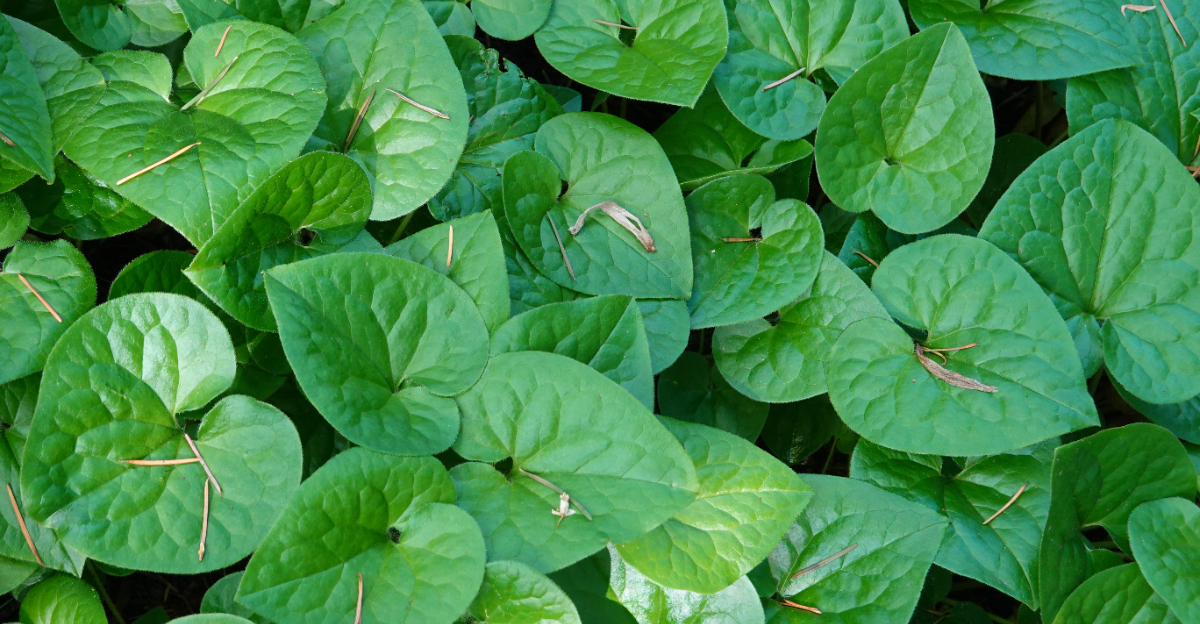
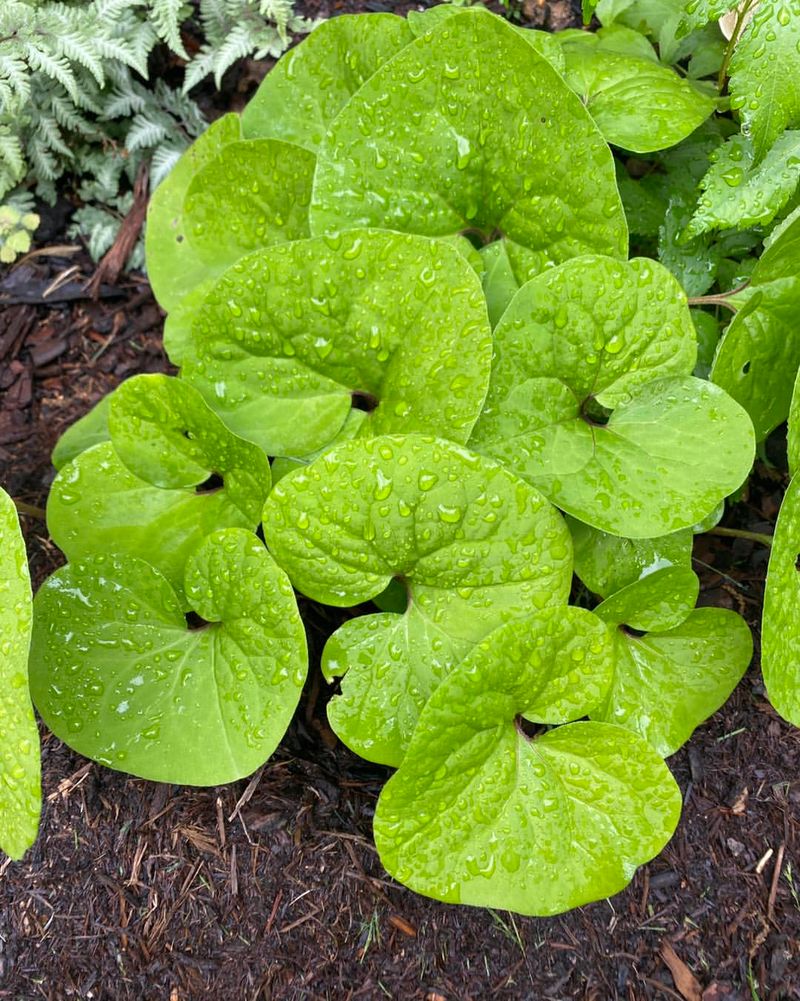
One Oregon native worth a closer look is wild ginger. Its glossy, heart shaped leaves spread low and thick, creating the kind of green carpet many gardeners want under trees and along shady paths.
It is not flashy in the usual way, but that is part of its charm. Give it the right spot, and it can reward you with a woodland look that bark dust cannot copy.
1. Wild Ginger Covers Bare Soil Fast
Bare soil is basically an open invitation for weeds. Every gardener knows that feeling of looking at a patch of dirt and wondering what will show up there next.
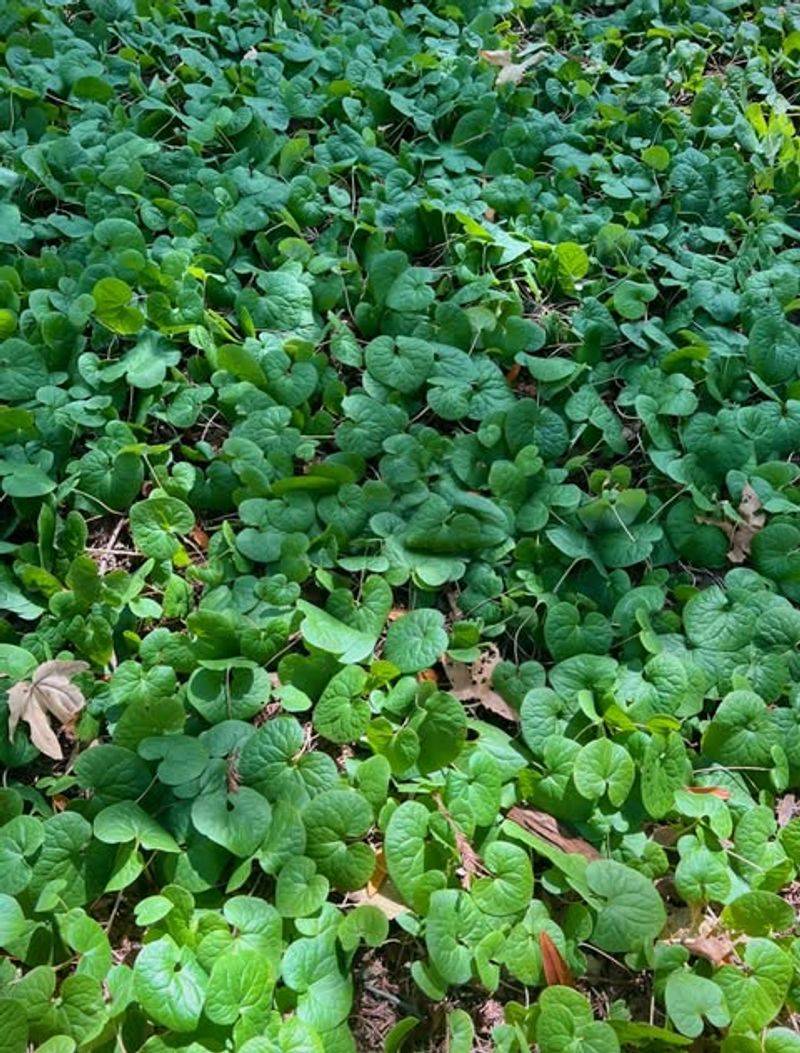
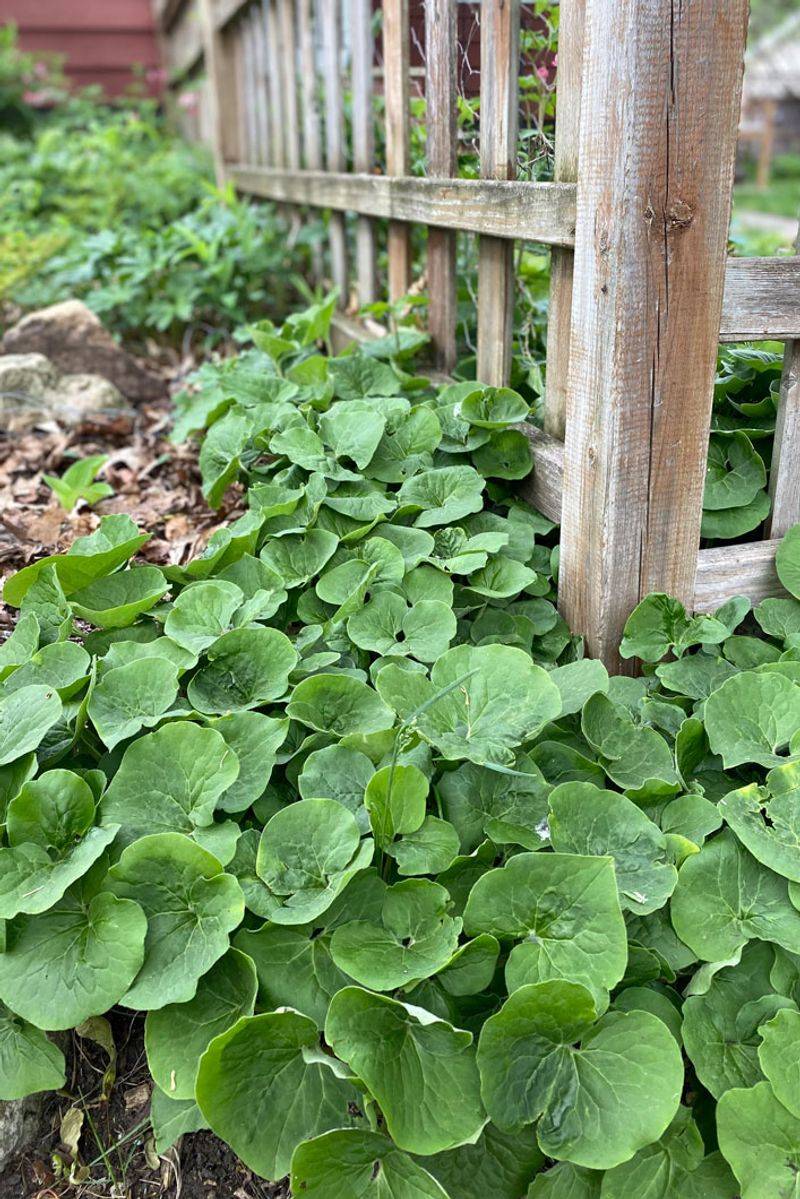
Wild ginger does not give weeds much of a chance. Once established, wild ginger spreads through underground rhizomes that creep outward season after season.
Each plant sends out runners that root as they go, filling in gaps without any help from you. In shaded areas under trees or along north-facing beds, it moves with surprising speed.
Bark dust can cover bare soil too, but it does not grow. It just sits there until it breaks down or washes away.
Wild ginger, on the other hand, actually expands its coverage over time. The more it grows, the more ground it protects.
Planting wild ginger in clusters of three or five speeds things up nicely. Space them about a foot apart and let them do the rest.
Within two to three growing seasons, most bare patches will be fully covered with a thick, green carpet of leaves.
For gardeners in shaded yards with problem spots where nothing else wants to grow, this plant is a real find. It thrives in the same conditions that make other plants struggle.
Low light, moist soil, and tree root competition are all conditions wild ginger handles without complaint. That kind of reliability is hard to beat.
2. Thick Leaves Leave Less Room For Weeds
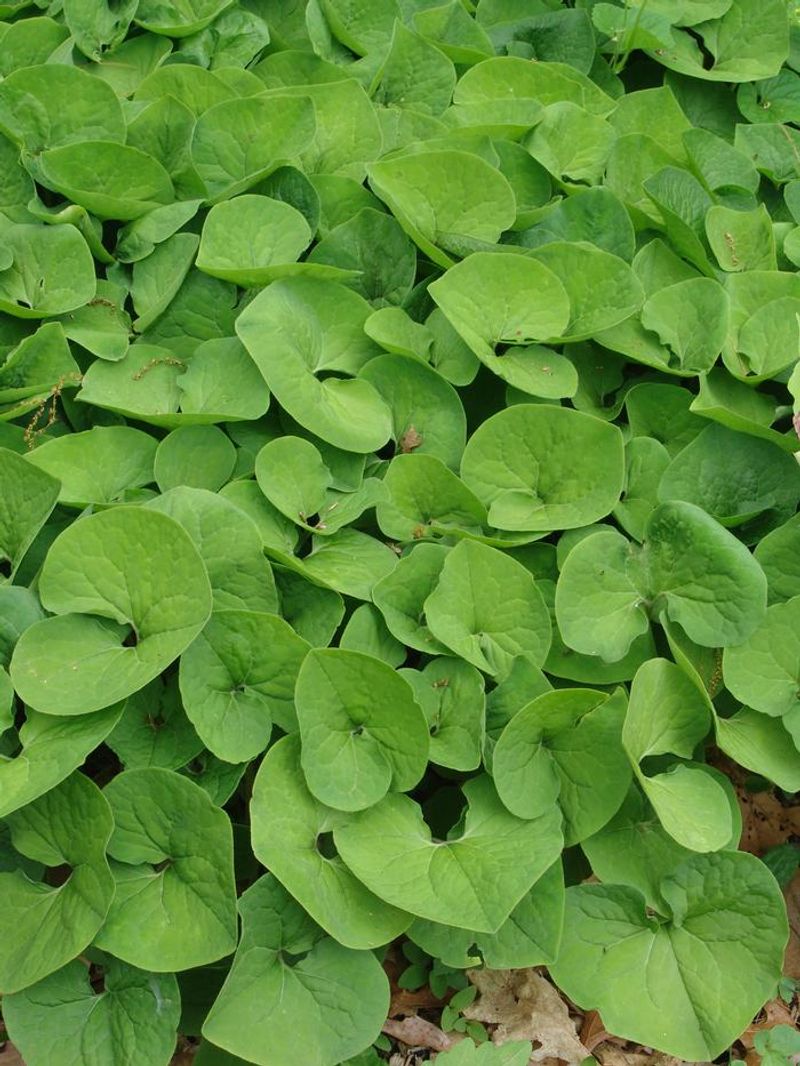
One of the best things about wild ginger is how it uses its leaves like a natural weed barrier. The leaves are wide, waxy, and grow so close together that sunlight barely reaches the soil underneath.
Without sunlight, most weed seeds cannot sprout. Bark dust works by covering the soil surface, but it leaves tiny gaps where weeds push right through.
Wild ginger closes those gaps with living leaf tissue that keeps renewing itself. It is a smarter system because the plant does the maintenance work for you.
Gardeners who struggle with weeds in shaded beds often find that wild ginger cuts their weeding time down dramatically.
Some report barely pulling a weed after the first full season of growth. That kind of time savings adds up fast over a whole gardening year.
Your Oregon Garden Changes Every Week. Your Plan Should Too.
Gardening in Oregon changes quickly throughout the season. Every Friday you’ll receive a simple weekly plan showing exactly what to plant, prune, fertilize, harvest, and protect so you never miss the right timing.
The leaves also stay green through most of our mild winters here in the Pacific Northwest. That means weed suppression continues even when other plants have gone dormant.
Bark dust, by contrast, breaks down over winter and loses its effectiveness right when spring weeds are starting to wake up.
Did you know wild ginger leaves can grow up to six inches wide? That size matters a lot when you are trying to block light from the soil below.
Bigger leaves mean bigger coverage per plant, and that translates directly into fewer weeds and less work for the gardener overall.
3. Bark Dust Washes Away Over Time
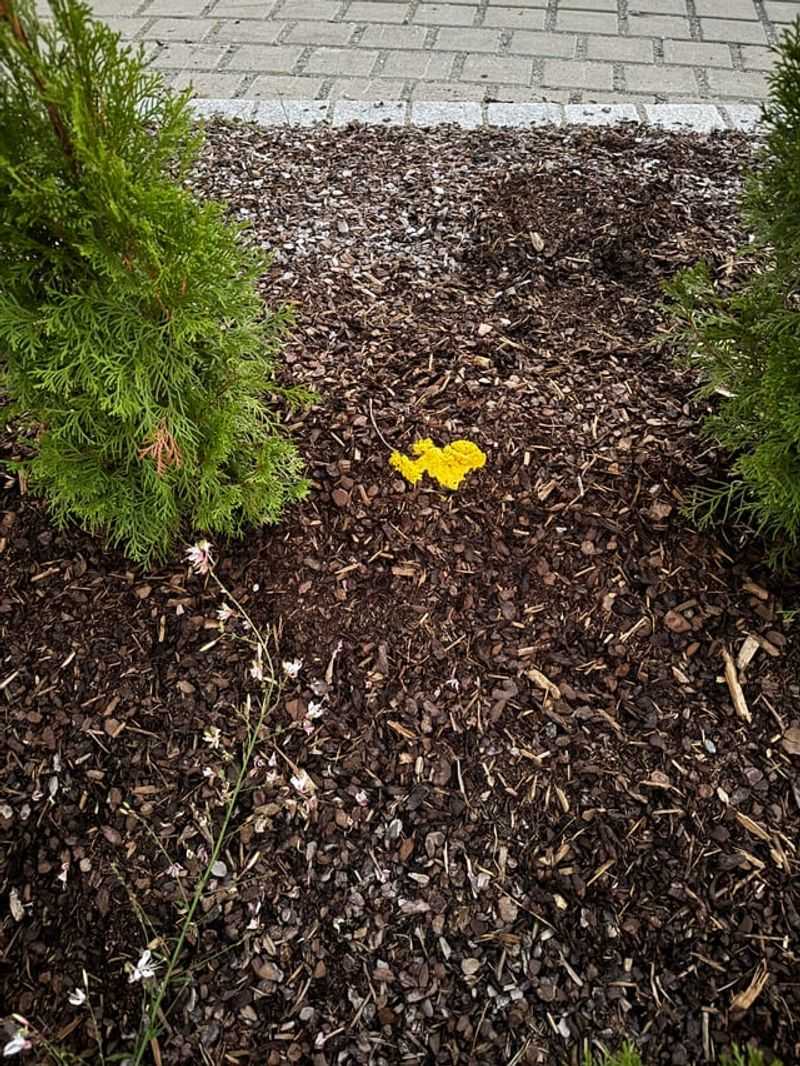
Anyone who has watched a Pacific Northwest rainstorm knows what happens to bark dust. It floats.
It clumps. It ends up in places it was never meant to be. After a hard rain, you can find bark chips scattered across your driveway, sidewalk, and lawn.
Our state gets serious rainfall from October through April. That is a long stretch of wet weather, and bark dust simply cannot hold its ground through all of it.
Homeowners end up replenishing their bark dust every single spring, sometimes even mid-season, just to keep beds looking decent.
Wild ginger does not wash away. Its roots grip the soil firmly, and its dense leaf cover actually slows down water runoff.
Rain hits the leaves first, which softens the impact before water reaches the soil. That means less erosion and less mess to clean up after a storm.
The cost comparison is worth thinking about. A yard that needs fresh bark dust every year adds up to a real expense over time.
Wild ginger requires an upfront investment in plants, but after that, the cost drops to almost nothing. No annual restocking, no cleanup after rain, no replacing what the wind blew into the street.
For anyone tired of the bark dust cycle, switching to a living ground cover is a practical and money-saving move.
Wild ginger is one of the most reliable options available in the Pacific Northwest for exactly this reason.
4. Wild Ginger Helps Soil Stay Cooler
Soil temperature matters more than most gardeners realize. When soil gets too hot in summer, it stresses plant roots, dries out fast, and loses the beneficial microbes that keep it healthy.
Keeping soil cool is one of the quietest but most important jobs a ground cover can do.
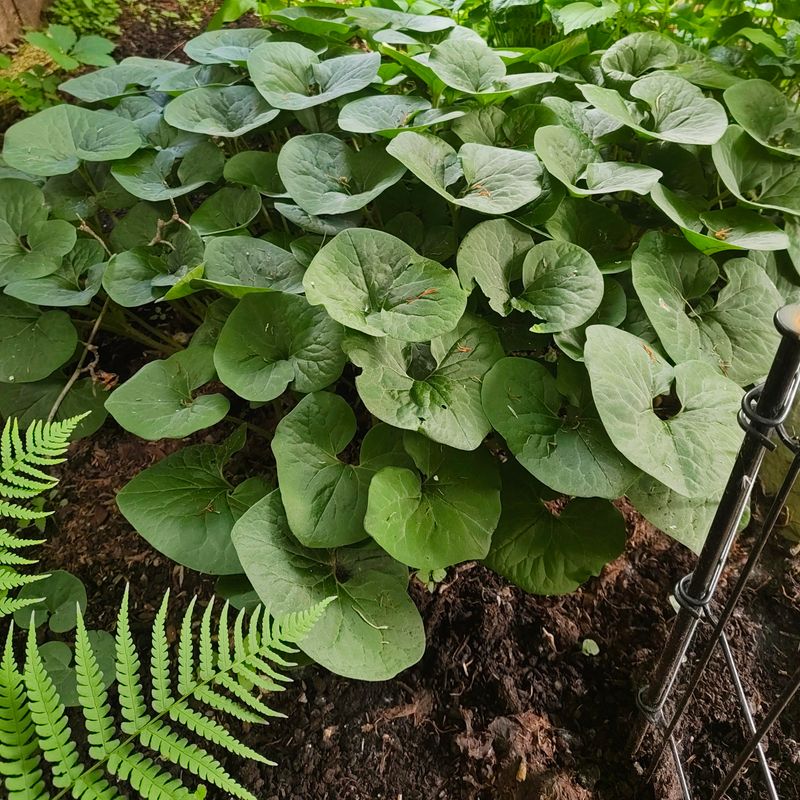
Wild ginger creates a natural shade layer right at ground level. Its thick leaves block direct sunlight from hitting the soil surface, which keeps temperatures noticeably lower on warm days.
Studies on ground cover plants show that covered soil can run several degrees cooler than exposed or bark-dusted soil nearby.
Bark dust does provide some insulation, but it absorbs heat during the day and releases it slowly at night.
That thermal mass effect can actually work against you in summer by keeping soil warmer than ideal for shallow-rooted plants nearby.
Cooler soil also holds moisture longer. When water does not evaporate as quickly, you water less often.
For gardeners trying to conserve water during our dry summers in the Willamette Valley or along the coast, that benefit is genuinely helpful and adds up over the whole season.
Tree roots, perennial flowers, and shade-loving shrubs all benefit from having their root zones kept cool and moist. Wild ginger acts like a living mulch that regulates temperature naturally.
Bark dust tries to do the same thing, but it cannot adapt the way a living plant can. That difference really shows up during a heat wave.
5. Fallen Leaves Blend Right Into The Groundcover
Fall cleanup is one of those garden chores that never seems to end. Leaves fall, you rake, more leaves fall, you rake again.
In beds covered with bark dust, fallen leaves look messy and have to be removed to keep things tidy.
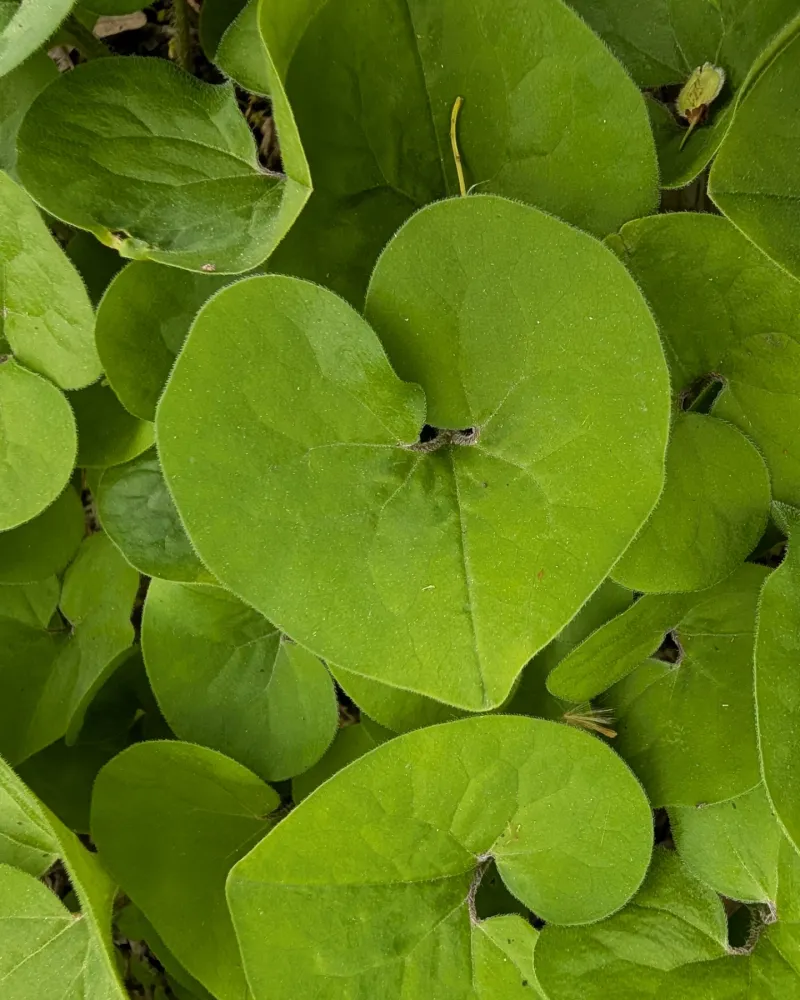
Wild ginger changes that whole dynamic. Leaves that fall onto a wild ginger bed simply settle in and start breaking down naturally.
They tuck between the stems and leaf layers, decompose over winter, and add organic matter back into the soil.
The bed actually feeds itself. From a visual standpoint, fallen leaves on wild ginger look natural rather than messy.
The earthy tones of dried leaves blend with the dark green of the ginger foliage in a way that feels intentional.
Many gardeners actually like the look during the fall and winter months.
In bark dust beds, fallen leaves trap moisture against the wood chips and can encourage mold or fungal growth.
That same moisture in a wild ginger bed feeds the plant roots and supports healthy soil biology.
The difference in outcomes is significant over a full growing season. Skipping the leaf cleanup in wild ginger beds also saves real time and energy.
For gardeners managing larger properties or shaded woodland-style gardens, that is a meaningful advantage.
Less raking, less bagging, less hauling, and a healthier garden bed at the end of it. Wild ginger makes fall feel a lot more manageable than bark dust ever could.
6. Tree Roots Compete Less In Covered Soil
Growing anything under a large tree is one of gardening’s trickiest challenges. Tree roots compete hard for water and nutrients, and they also make the soil compacted and dry.
Most plants struggle there, and bark dust breaks down unevenly in those conditions.
Wild ginger has evolved alongside trees. In its natural habitat across the forests of this state, it grows right at the base of Douglas firs, big-leaf maples, and western red cedars.
It is built for root competition and does not need rich, loose soil to thrive.
When wild ginger covers the soil under trees, it does something bark dust cannot. It keeps the soil surface from compacting under foot traffic and heavy rain.
Compacted soil is bad for tree roots because it reduces oxygen flow underground. A living ground cover keeps soil structure open and breathable.
The leaf litter that builds up under wild ginger also adds organic material that benefits both the ground cover and the tree roots below.
It creates a small ecosystem that supports worms, beneficial insects, and soil microbes. Bark dust, once it fully decomposes, leaves behind very little of lasting value.
For homeowners with large shade trees and bare, weedy areas underneath them, wild ginger is one of the few plants that genuinely thrives in those tough spots.
Planting it around tree bases is not just practical, it is one of the smartest moves you can make in a Pacific Northwest yard.
7. Mature Wild Ginger Needs Very Little Care
There is a certain kind of plant that rewards patience. Wild ginger is exactly that plant.
The first year, it grows slowly and you might wonder if it is doing anything at all. By year two, it starts filling in. By year three, you mostly just watch it work.
Once established, wild ginger needs almost no regular attention. It does not need fertilizing in most Pacific Northwest soils.
It rarely needs watering after the first growing season, especially in areas that receive normal rainfall. Pruning is optional and mostly cosmetic.
Compare that to bark dust, which needs to be replaced every year, sometimes twice. You have to buy it, haul it, spread it, and then watch it wash away or break down before the next season.
The labor and cost involved in maintaining bark dust beds adds up faster than most homeowners expect.
Wild ginger does benefit from a little extra water during the driest weeks of summer, especially in its first two years.
After that, its root system is deep enough to find moisture on its own. A brief check in late July or August is usually all it takes to keep things looking healthy.
For busy homeowners, older gardeners, or anyone who just wants a low-effort yard, mature wild ginger is a genuinely easy plant to live with.
It does not demand much, and it gives back a lot. That trade-off is about as good as it gets in the garden.