What Louisiana Orchids Need In July To Bloom, And The Heatwave Mistake To Avoid
July orchids in Louisiana live inside a greenhouse without walls. The humidity clings to every leaf, and the sun turns a windowsill into a slow oven by mid-afternoon.
Roots that thrived in June suddenly gasp for air, and blooms that looked steady can wilt within a single scorching week. Most growers assume more water solves the stress, but that single move often drowns roots already struggling to breathe in the thick air.
What an orchid needs in this heat has almost nothing to do with instinct and everything to do with reading the plant itself. A yellowing leaf, a shriveled root tip, a spike that stalls, each one is a signal worth catching before it becomes a setback.
This is the month that separates orchids that coast into fall blooms from those that spend the season recovering instead.
Steady Warmth And Rising Humidity Drive July Growth
Your orchid is paying attention to the weather, even indoors. Louisiana’s July heat signals to many orchid varieties that it is time to push new growth before a cooler season arrives.
Phalaenopsis and Cattleya types both respond to consistent warmth by activating root tips and leaf nodes. You will notice new green root tips appearing at the base of healthy plants.
Humidity is the partner that makes warmth work. Without moisture in the air, warm temperatures alone can stress roots instead of encouraging them.
Aim for indoor humidity between 50 and 70 percent during July. A simple hygrometer from any hardware store gives you real-time readings.
Placing a shallow tray of pebbles and water beneath your pots raises local humidity around the plant. The water evaporates upward without letting roots sit in standing liquid.
Grouping orchids together on a shelf also creates a small humid microclimate. Plants naturally release moisture as they breathe, and neighbors benefit from that shared air.
Reliability matters more than perfection here. A steady 72 to 85 degree range with reliable moisture in the air tells your orchid that conditions are safe for blooming.
Sudden drops at night or dry afternoon spells from an air vent can confuse the plant. Protecting your orchid from those swings is the first step toward a reliable flower spike this season.
Watering By Root Color Instead Of A Fixed Schedule
Forget the calendar when it comes to watering your orchid in July. Root color is the most honest signal your plant sends.
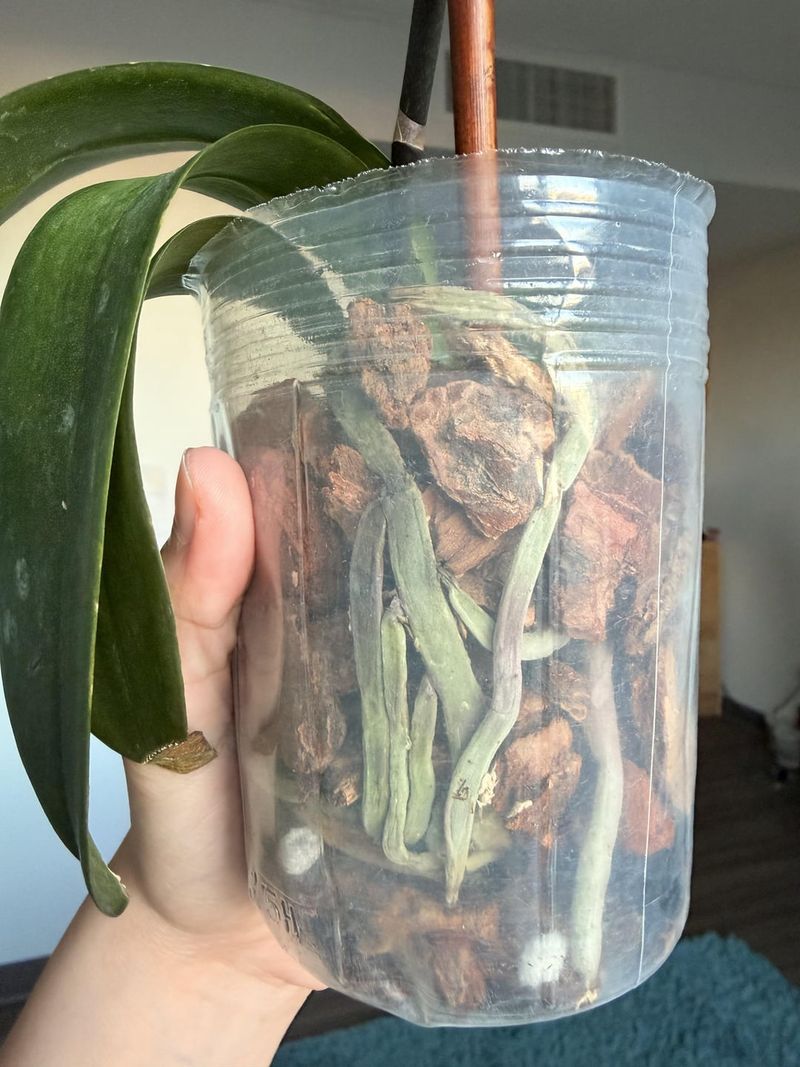
Silver or grayish-white roots mean the potting medium has dried out and the plant is ready for water. Bright green roots mean moisture is still present and watering now would be too soon.
Overwatering is the number one mistake orchid growers make during summer. The heat makes people assume the plant needs more water, but soggy roots rot faster in warm conditions.
Clear plastic nursery pots make this method easy to practice. You can see root color at a glance without disturbing the plant or digging through bark chips.
When roots show silver, take the pot to a sink and run room-temperature water through the medium for about thirty seconds. Let it drain completely before returning the pot to its tray.
Your Louisiana Garden Changes Every Week. Your Plan Should Too.
Gardening in Louisiana changes quickly throughout the season. Every Friday you’ll receive a simple weekly plan showing exactly what to plant, prune, fertilize, harvest, and protect so you never miss the right timing.
Avoid letting the pot sit in collected runoff. Stagnant water at the bottom of a decorative outer pot is a fast path to root rot, especially in July heat.
In peak summer, some orchids need water every four to five days. Others stretch to seven or eight days depending on pot size and indoor airflow.
Let the roots guide your watering decisions. Once you train your eye to read root color, you will rarely overwater or underwater your Louisiana orchid again.
Light Feeding To Support The Next Flower Spike
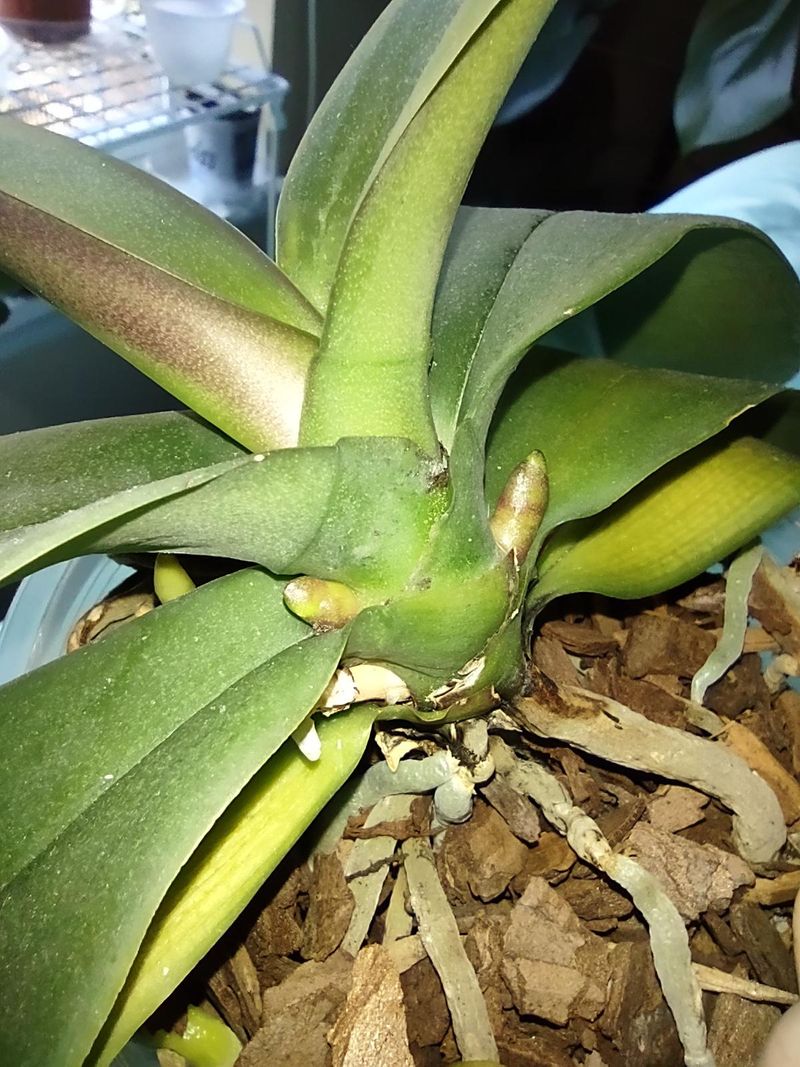
Feeding your orchid in July is like giving it a quiet nudge in the right direction. You are not trying to force a bloom, you are building the energy reserves that make one possible.
A balanced fertilizer labeled 20-20-20 works well during active growth months. Dilute it to one quarter of the recommended strength to avoid burning tender root tips.
Fertilizing once every two weeks through July gives the plant a steady trickle of nutrients. More frequent feeding at full strength causes salt buildup in the bark medium over time.
Salt accumulation blocks nutrient absorption and stresses roots from the inside out. Flushing the pot with plain water every third watering prevents that buildup from becoming a problem.
Phosphorus has long been marketed as the nutrient behind flower production, though a balanced formula works just as well for most home growers. Some growers switch to a bloom booster formula like 10-30-20 in late July to encourage spike development.
Watch your plant carefully after introducing any new fertilizer. Yellow leaf edges or mushy new growth tips are signs that the concentration is still too strong.
Healthy feeding shows up as firm, dark green leaves and plump pseudobulbs on Cattleya types. Those visual cues confirm the plant is storing energy for the next bloom cycle.
A well-fed orchid heading into August has a strong foundation. That stored energy is what pushes a flower spike up through the fall, rewarding your careful July attention with color.
Filtered Light That Avoids Leaf Scorch
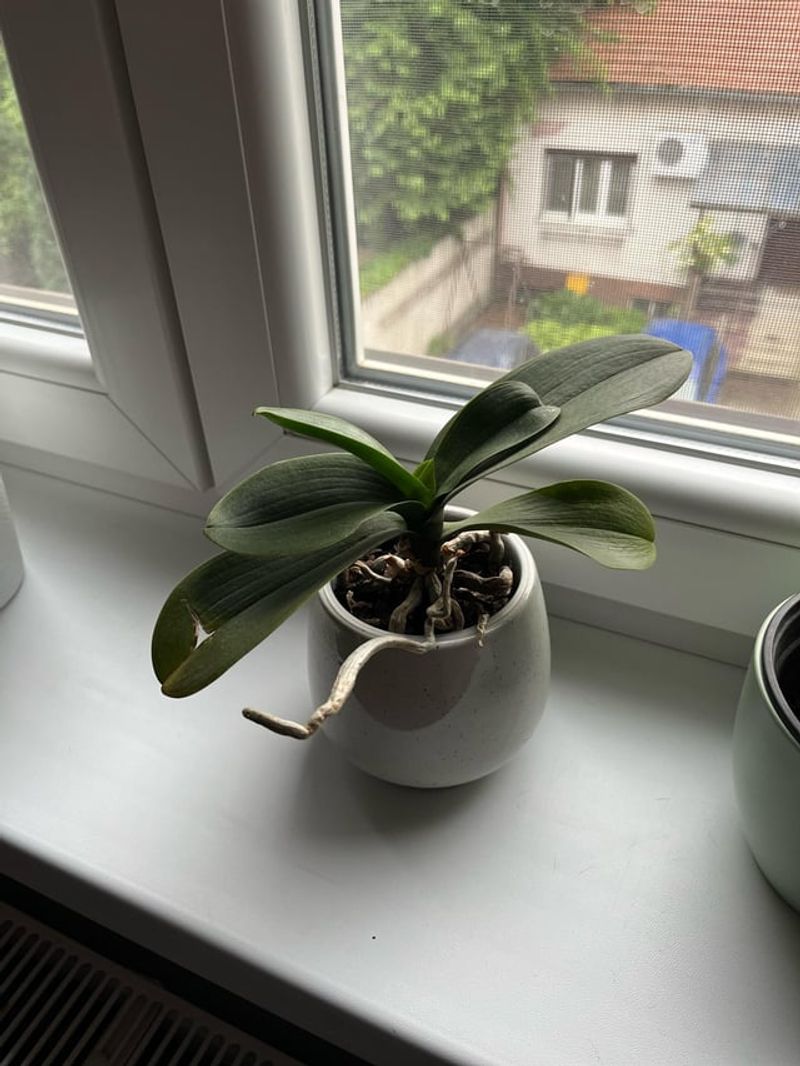
Direct afternoon sun in July is a scorcher, and orchid leaves have no sunscreen. A bleached yellow patch on a leaf is the plant telling you it got burned.
Most orchids grown indoors thrive in bright, indirect light. East-facing windows in a Louisiana home offer gentle morning sun that fades before temperatures peak in the afternoon.
South and west windows deliver intense light that needs filtering. A single layer of sheer curtain cuts intensity enough to protect leaves while still delivering the brightness orchids crave.
Phalaenopsis varieties prefer lower light and burn easily in direct sun. Dendrobiums and Cattleyas can handle more brightness but still need protection from the harshest midday rays.
Leaf color tells you a lot about light levels. Deep forest green leaves mean the plant is not getting enough light, while a yellowish green with firm texture means the level is close to perfect.
Reddish or purplish tints on leaf edges sometimes indicate too much direct sun exposure. Moving the plant back six inches from the glass often resolves the issue.
Grow lights are a reliable backup when natural light is inconsistent. Full-spectrum LED panels set on a twelve-hour timer give orchids steady, controllable exposure regardless of outdoor cloud cover.
Getting light right in July supports every other part of orchid care. A plant that photosynthesizes efficiently is a plant that has the raw fuel to build a flower spike worth waiting for.
Airflow And Spacing To Prevent Rot In Humid Air
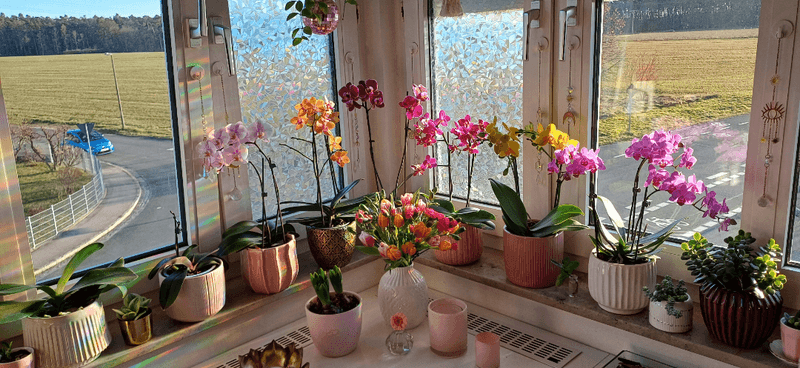
Stagnant humid air is the biggest risk factor for a healthy orchid collection. When moisture sits on leaves and in crown centers without moving, fungal rot follows quickly.
Good airflow does not mean blasting plants with a fan on high. A gentle oscillating fan set on low nearby is enough to keep air circulating without stressing the foliage.
Spacing between pots matters just as much as fan placement. Crowded plants trap moisture between leaves and block the natural movement of air around each crown.
A general rule is to keep at least two inches of open space between each pot. That gap allows air to move freely and lets each plant dry off after watering or a humidity spike.
Wire shelving works better than solid wood or plastic trays for collections. Air can move upward through the shelf surface, drying the base of pots and preventing moisture from collecting underneath.
Crown rot is especially common in Phalaenopsis during Louisiana’s humid summers. Water pooling in the center where leaves emerge from the base can rot the growing point within days if air does not circulate.
If water lands in the crown during watering, blot it out gently with a paper towel. That thirty-second step prevents one of the most common causes of plant failure during the hot season.
Spacing and airflow cost nothing but a few minutes of rearranging. Those small adjustments protect your entire collection from the kind of rot that spreads from plant to plant fast.
Air Conditioning That Dries Out Buds Before They Open
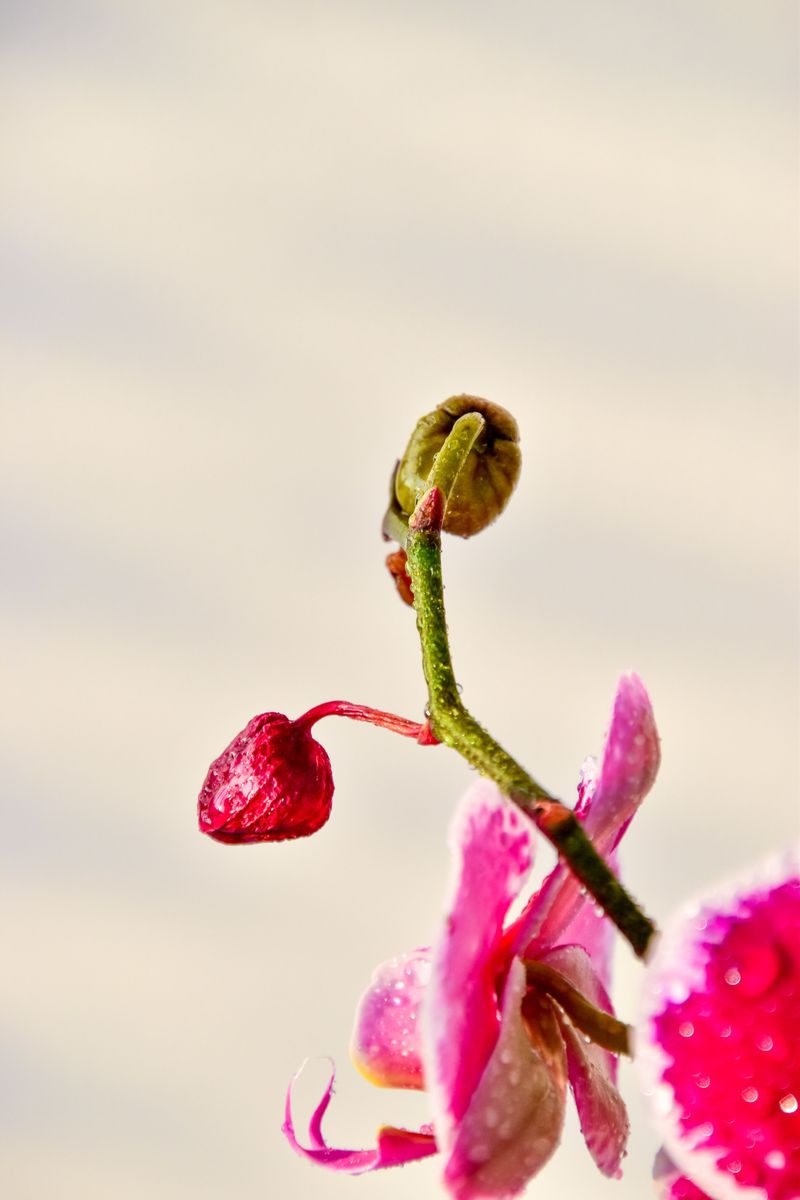
Here is the heatwave mistake that catches even experienced growers off guard every single July. Running the air conditioner constantly to beat the heat can quietly ruin orchid buds before they ever open.
Central AC systems pull moisture out of indoor air as they cool it. That dry, cold output is the opposite of what a budding orchid needs at its most vulnerable stage.
Bud blast is what growers call it when closed buds shrivel and drop before blooming. The buds look healthy one day and start yellowing and falling the next, seemingly without reason.
Placing orchids directly in front of or below an AC vent is the most common trigger. The dry, cold air hits the buds repeatedly and strips away the moisture they need to swell and open.
Moving plants at least four feet away from any active vent solves most bud blast cases. Even a small distance creates a buffer zone where air mixes and loses its harshest drying effect.
Running a small humidifier near your orchid collection counteracts the drying effect of AC. A cool-mist model set to maintain 55 percent humidity keeps buds plump through the opening process.
Some growers mist the air around their budding orchids lightly in the morning. Avoid misting directly on closed buds, as trapped moisture in tight bud clusters can cause spotting or fungal issues.
Protecting buds from AC damage is the single most important July tip for Louisiana orchid growers. Nail this one detail, and your blooms will reward you with weeks of stunning color.