What Michigan Gardeners Bury In Their Soil To Improve It For Free
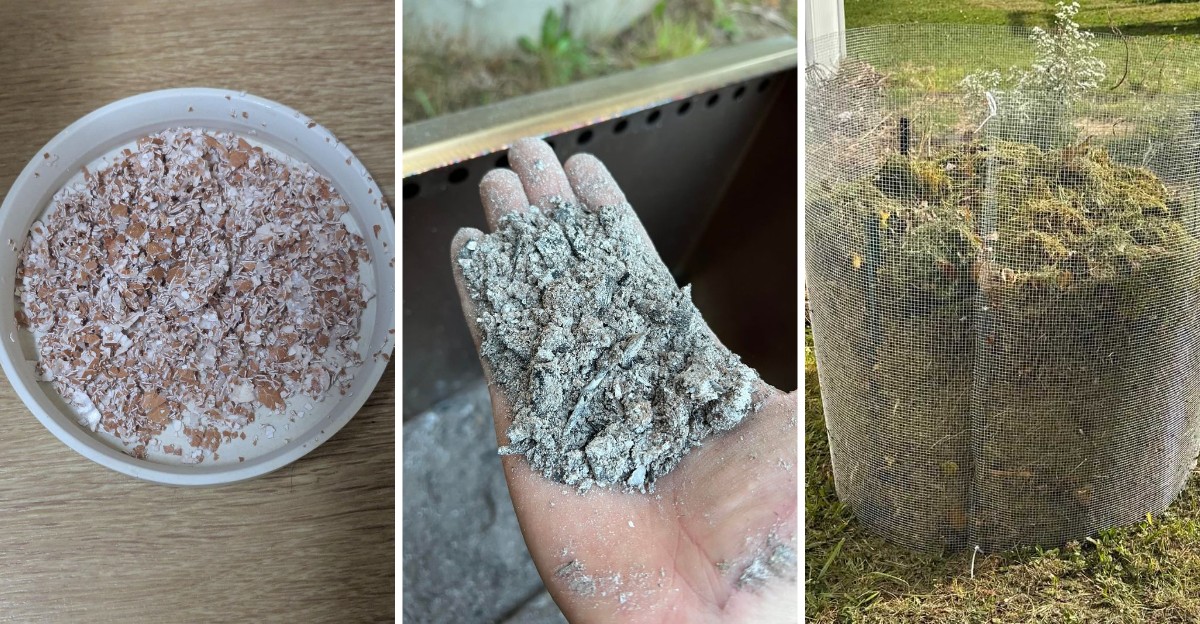
Good soil is hard to come by in Michigan, caught between stubborn clay and dry lakeshore sand. Hit that clay with a shovel once and you’ll understand why.
Garden centers happily sell the cure in heavy plastic bags stacked right beside the checkout register. Your wallet notices every April, and the trunk of your car remembers it even longer.
Meanwhile, the answer keeps turning up in your kitchen, your backyard, and the bin by the curb. Longtime growers across the state have leaned on it quietly for generations, and no receipt required.
Soil does not read price tags, and it holds no loyalty to any fancy brand name. Feed it well and most soil problems sort themselves out over a season.
1. Used Coffee Grounds From The Morning Pot
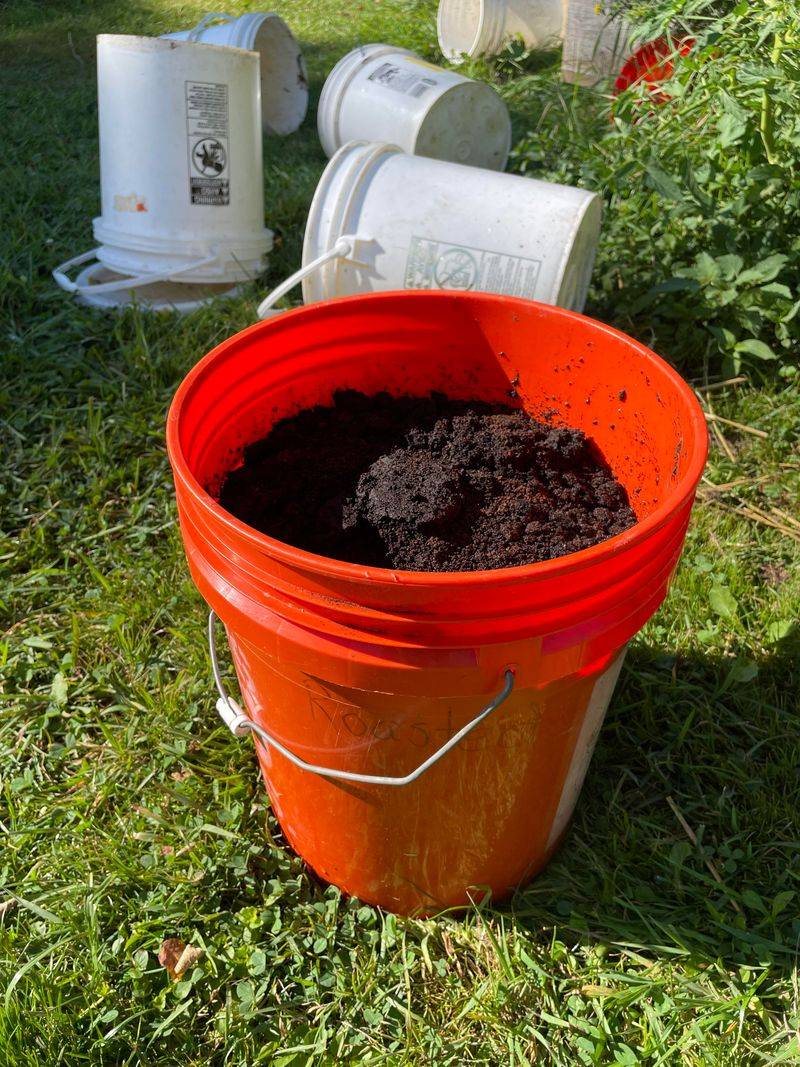
Michigan mornings run on coffee, and the leftover grounds are too good for the trash bin. Gardeners here bury them a few inches deep between tomato plants and shrubs.
Grounds add nitrogen slowly as soil microbes break them down over several weeks. They also loosen heavy clay, which shows up across much of southeast Michigan.
Spread them thin, since a thick wet layer can mat together and block water. A handful per plant, mixed into the top inch of soil, works nicely.
Many coffee shops will hand over used grounds in a bucket if you ask. Ask at the counter before closing time and bring a lidded container.
Worms seem to enjoy them, and more worms means better tunnels for air and rain. Earthworm activity alone can change how quickly your beds drain each spring.
Grounds sit closer to neutral than most people expect, so they will not acidify beds much. Blueberry growers still need sulfur or peat moss for a real pH change.
Mix grounds with shredded leaves for a balance of green and brown material. Carrots and beets grow straighter in that softer ground.
Fall is a fine time to dig them in, right after the last harvest. Winter freezing and thawing finish the job before you plant in May.
Keep grounds away from brand new seedlings, since a heavy dose can slow tender roots. Established plants handle them without any fuss at all.
2. Crushed Eggshells From Breakfast Leftovers
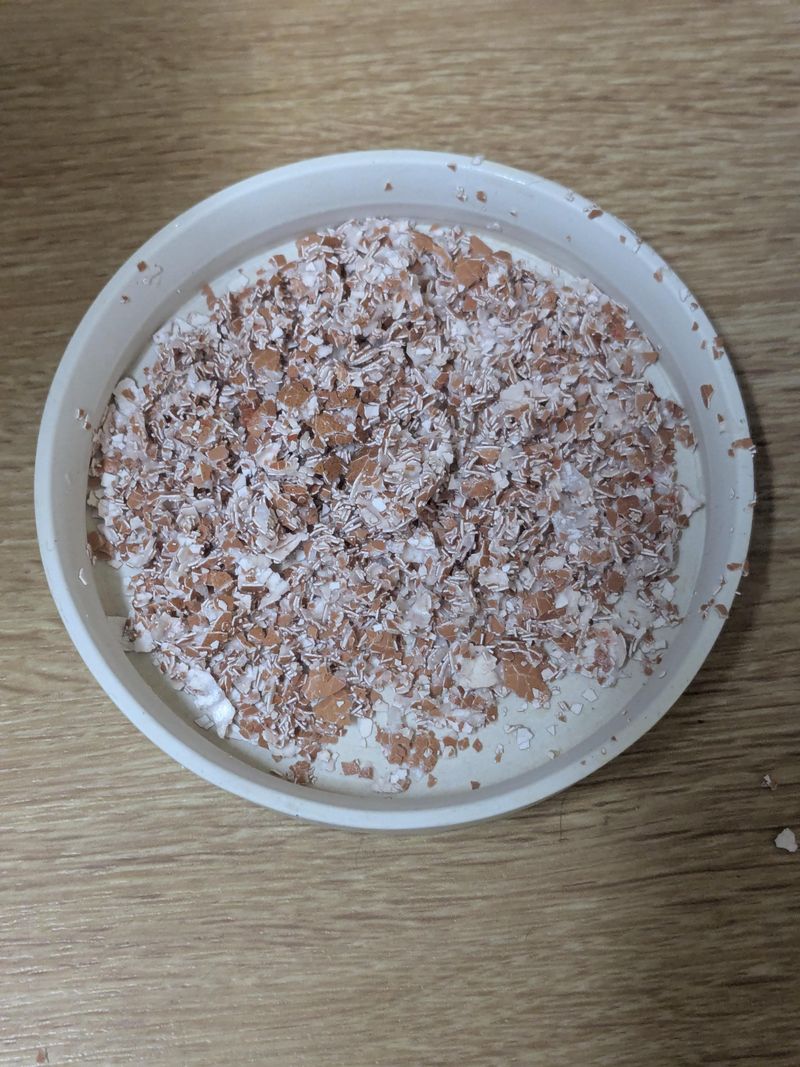
Breakfast leaves behind a free soil amendment that most people rinse straight down the drain. Eggshells are mostly calcium carbonate, and Michigan vegetable beds use plenty of calcium.
Rinse the shells, dry them on a windowsill, then crush them into a coarse powder. A rolling pin or old coffee grinder turns them to dust in seconds.
Bury the powder in the planting hole under tomatoes, peppers, and squash each spring. Calcium supports steady fruit development, and pairing it with even watering helps prevent the sunken brown patches called blossom end rot.
Whole shell halves break down slowly, sometimes taking years in cool northern ground. Grinding them fine is the trick that actually speeds up the whole process.
A winter of breakfasts fills a coffee can, which covers one small raised bed. Store them dry so the kitchen does not start smelling like a barn.
Your Michigan Garden Changes Every Week. Your Plan Should Too.
Gardening in Michigan changes quickly throughout the season. Every Friday you’ll receive a simple weekly plan showing exactly what to plant, prune, fertilize, harvest, and protect so you never miss the right timing.
Some gardeners scatter sharp shell pieces around hostas to discourage slugs after summer rain. Results vary, though the calcium still feeds the soil either way.
Shells nudge acidic ground slightly toward neutral, which suits beans, cabbage, and crisp lettuce. Michigan soils under pine trees often lean acidic and appreciate that help.
Toss crushed shells into the compost pile too, where they balance wet kitchen scraps. The pile stays less sour and finishes noticeably faster.
Backyard chickens and wild birds will eat leftover crushed shells as a calcium snack. Nothing from that carton needs to reach the garbage can.
3. Shredded Maple And Oak Leaves
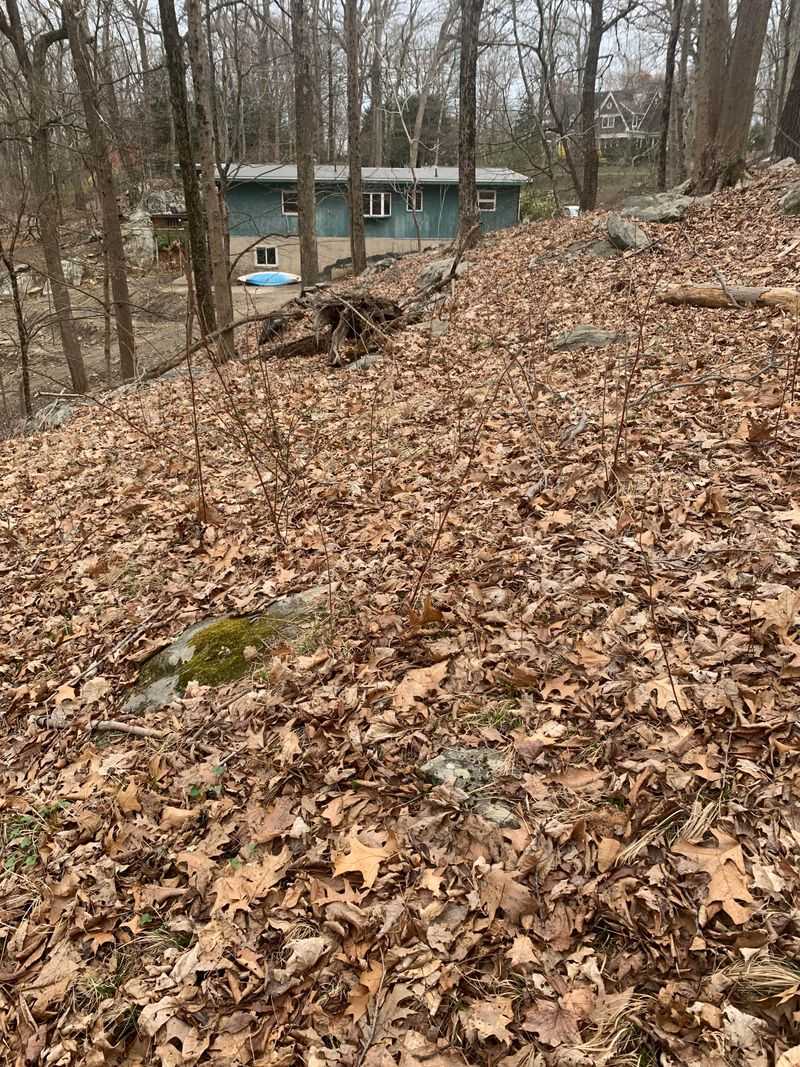
Every October, Michigan yards vanish under maple and oak leaves, and most get bagged for pickup. Burying them instead turns a chore into next year’s dark, crumbly soil.
Run the mower over a pile twice to shred leaves into confetti sized pieces. Whole leaves mat into a soggy blanket that water struggles to pass through.
Dig a trench about a foot deep in an empty bed and fill it. Cover the leaves with soil and let a long winter do the slow work.
Oak leaves break down slower because of their tough structure and heavy tannins. Maple leaves soften quickly, so mixing both gives a steady supply of food.
Leaf mold holds water like a sponge, which matters during dry July stretches. Sandy soil near the lakeshore benefits the most from that extra moisture.
Fungi and worms move in fast, building the crumbly structure gardeners call good tilth. You can feel the difference with a trowel by the following June.
Skip black walnut leaves, since juglone from those trees bothers tomatoes and peppers. Plenty of Michigan properties have a walnut standing somewhere along the fence line.
Neighbors often leave bagged leaves at the curb, and most are glad to share. One afternoon of collecting can supply an entire garden at no cost.
Add a scoop of grass clippings or coffee grounds to speed up decomposition. Nitrogen keeps the microbes working instead of stalling out in cold ground.
4. Grass Clippings From The Weekend Mow
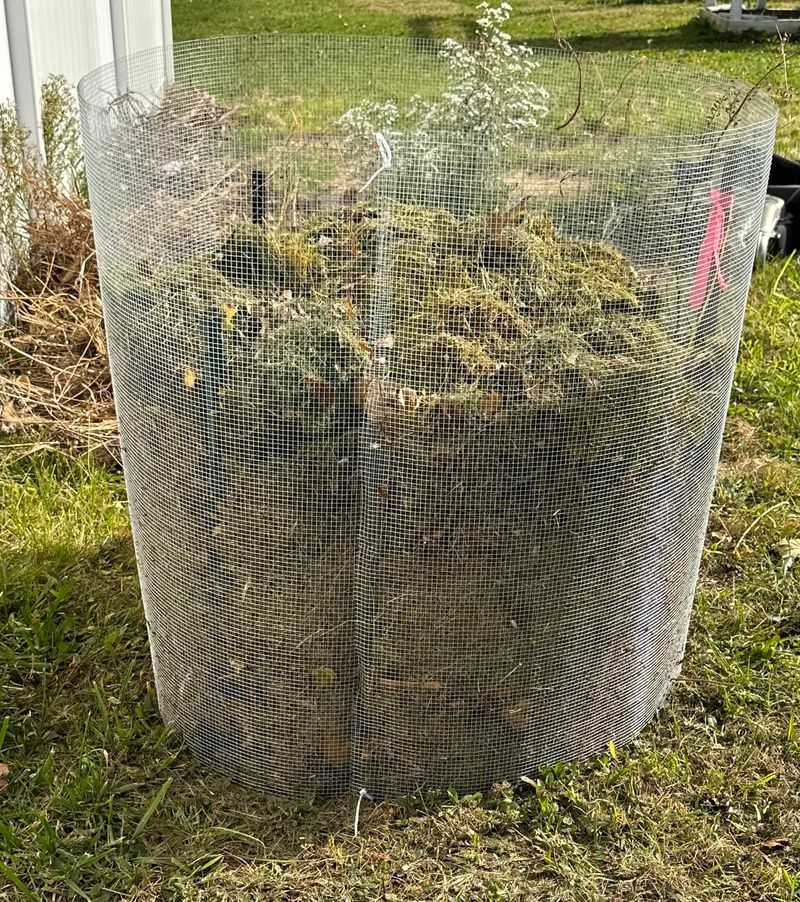
That bag hanging off the mower holds free fertilizer, not yard waste. Fresh clippings carry nitrogen, potassium, and moisture straight back into hungry garden beds.
Bury a thin layer under a few inches of soil between rows of beans. Clippings rot fast and release their nutrients within a couple of warm weeks.
Thick piles turn slimy and smell sour, so keep any buried layer under two inches. Spread whatever is left over as a light mulch instead.
Skip clippings from lawns treated with weed and feed products earlier that season. Herbicide residue can linger and twist tomato leaves into strange curled shapes.
Michigan lawns grow fast through May and June, giving you buckets every single week. Save some in a dry pile for the thinner days of August.
Half rotted clippings mixed with shredded leaves make quick compost right inside the trench. Layer them like lasagna and cover the whole thing with soil.
Grass runs roughly four percent nitrogen by dry weight, which rivals many bagged fertilizers. The price difference is honestly hard to argue with.
Dig clippings in before planting rather than piling them around tender young seedlings. Decomposing grass heats up slightly and can stress small, shallow roots.
By August, that buried grass has vanished and left dark, loose soil behind. Zucchini responds especially well to that extra nitrogen.
5. Fish Scraps From A Great Lakes Catch
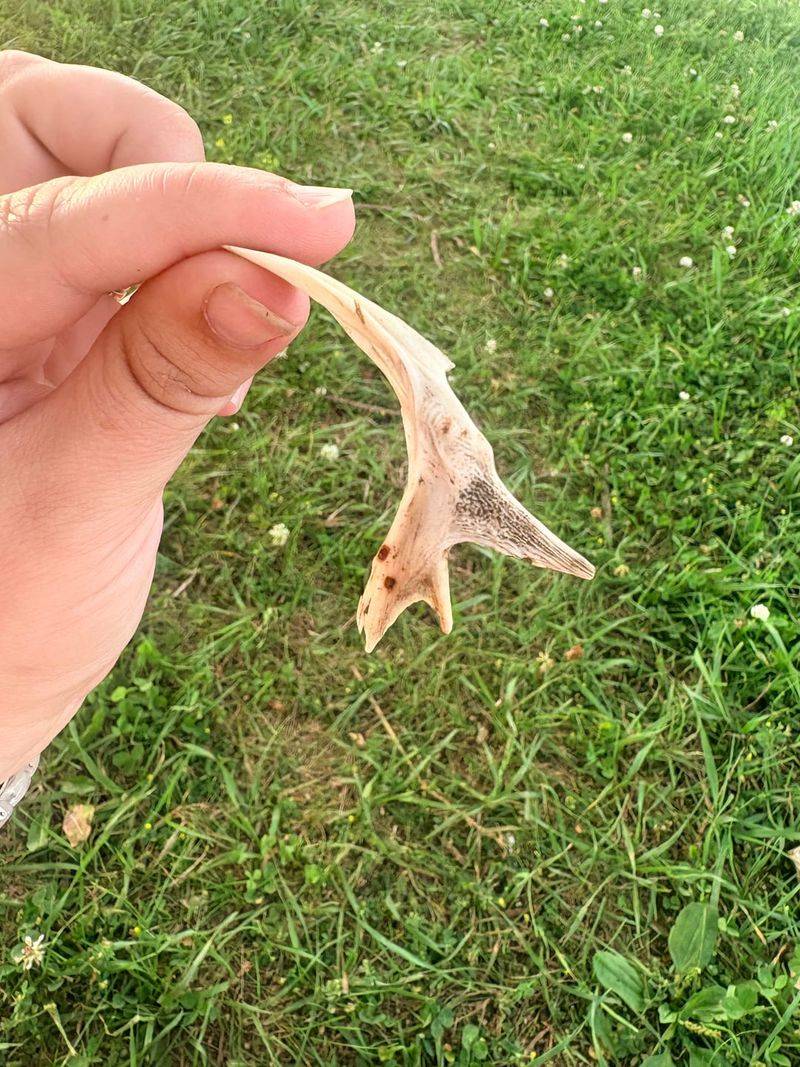
Anglers coming off Lake Michigan with a cooler of perch end up with heads and bones. Buried deep, those scraps feed a garden the way they fed ancient cornfields.
Dig at least twelve inches down, drop the scraps in, and cover them well. Shallow burial invites raccoons, skunks, and the neighbor’s dog to redecorate your bed.
Fish supplies nitrogen, phosphorus, and trace minerals that plants draw on all season long. Corn, squash, and pumpkins respond to it especially strongly.
Fall is the smartest time for this, right after salmon season winds down. Cold ground slows odor while soil life quietly works through the material.
One walleye carcass per hill of corn is plenty, according to old accounts. Much more than that can burn roots and turn the spot unpleasant.
Cleaning stations at public boat ramps sometimes offer scraps to gardeners who simply ask. Bring a sealed bucket and clean up after yourself.
Avoid burying fish in containers or shallow raised beds where drainage stays limited. Open ground handles that kind of decay far better.
Mark the spot with a stake so you remember not to dig there. Surprises of that particular kind are memorable for all the wrong reasons.
By planting time, the bones have softened and the soil smells like plain earth. Pumpkins grow on regardless.
6. Wood Ash From The Winter Fireplace
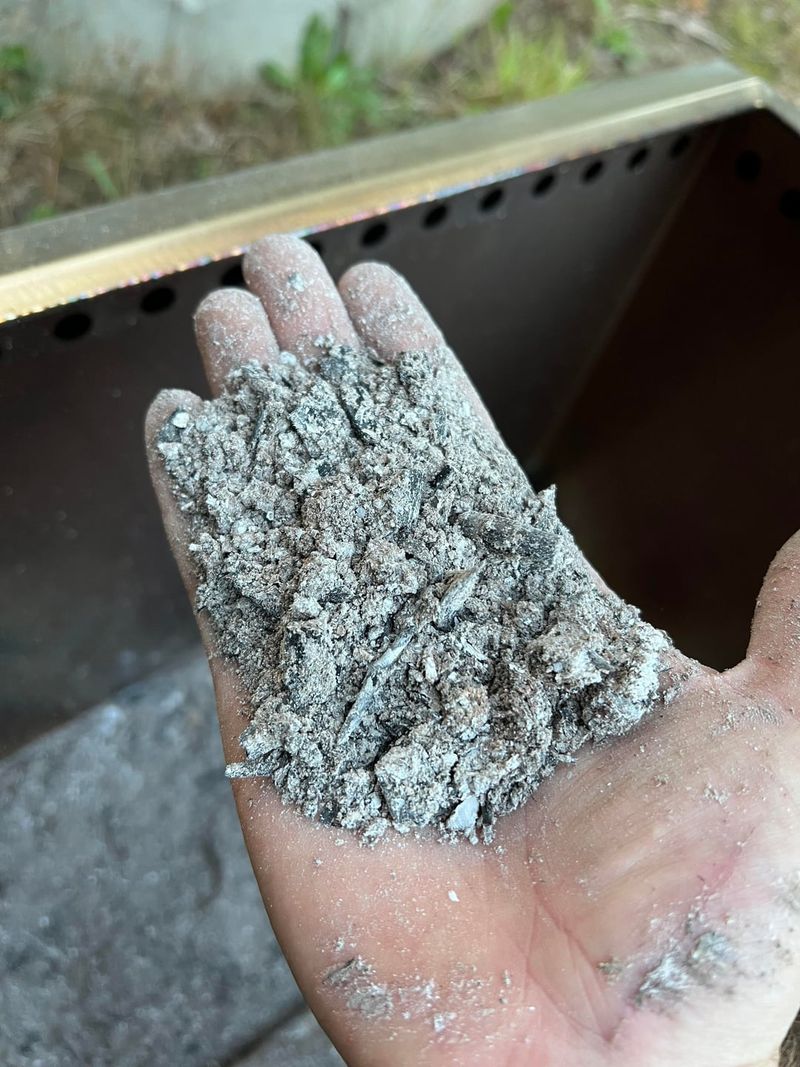
After a long Michigan winter, the woodstove leaves behind buckets of pale gray ash. Sprinkled and dug in lightly, it delivers potassium and calcium at no cost.
Ash raises pH, so test your soil first with a cheap kit from the hardware store. Beds already sitting near neutral do not need any boost.
Use roughly one or two cups per ten square feet, worked into the top inches. Heavy handed applications can lock up nutrients and stunt growing plants.
Only ash from untreated hardwood belongs anywhere near a vegetable garden. Charcoal briquettes, painted boards, and treated lumber leave behind residues you do not want.
Asparagus, beets, cabbage, and lilacs all appreciate the sweeter conditions ash creates. Blueberries and potatoes prefer acid, so keep the ash far away from them.
Store ash in a metal can with a tight lid, away from the house. Warm embers hide inside a pile for longer than most people expect.
Spring works better than fall, since snowmelt and rain wash nutrients away quickly. Apply on a calm day so dust does not blow into your face.
Michigan hardwood such as oak, maple, and beech produces ash rich in minerals. Softwood ash carries less, though it still does honest work.
Water the bed after digging ash in so everything settles down properly. Your rhubarb and garlic will show their thanks by early June.
7. Plain Cardboard And Newspaper Scraps
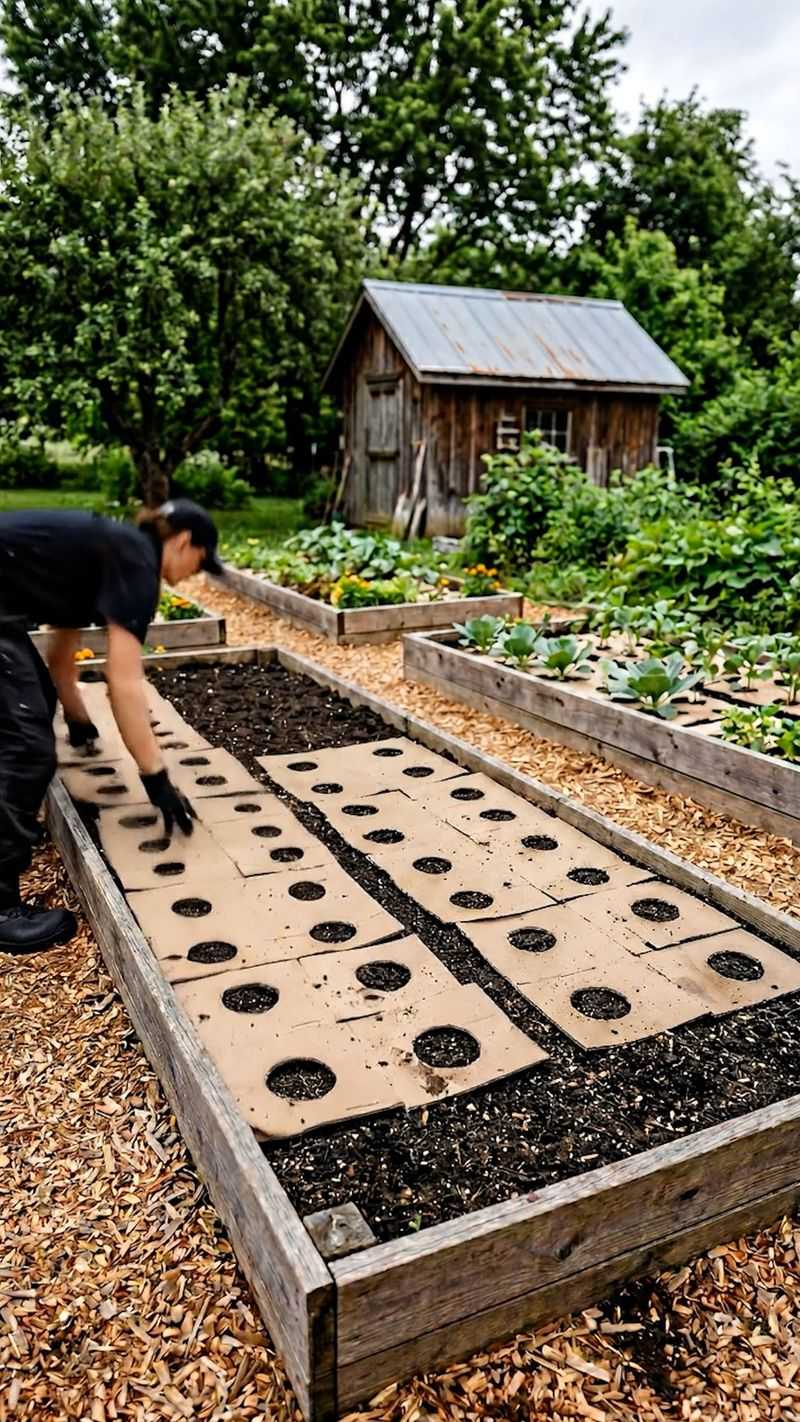
Delivery boxes pile up fast, and the recycling truck is not your only option. Shredded cardboard buried in a bed becomes worm food and future organic matter.
Peel off tape, staples, and shiny labels before tearing the cardboard into rough strips. Plain brown corrugated board is exactly what you want down there.
Soak the pieces in a wheelbarrow of water so they soften instead of drying. Dry cardboard underground acts like a barrier rather than a sponge.
Lay wet strips across the bottom of a new raised bed before adding soil. Weeds and quackgrass underneath give up within a single season.
Newspaper works the same way, since modern soy based ink is garden safe. Skip glossy inserts and anything wearing a heavy colored coating.
Carbon rich paper pairs beautifully with nitrogen rich scraps like clippings or coffee grounds. On its own it can tie up nitrogen for a while.
Worms treat soggy cardboard like a buffet and leave rich castings behind. A bed built this September will be ready by late spring.
Michigan gardeners use this trick to turn lawn into growing space without a tiller. Cardboard, leaves, and compost stacked in fall save hours of digging.
Come planting day, those layers have melted into something dark and loose. Those flattened boxes end up doing more good in the ground than in the recycling bin.
8. Banana Peels From The Fruit Bowl
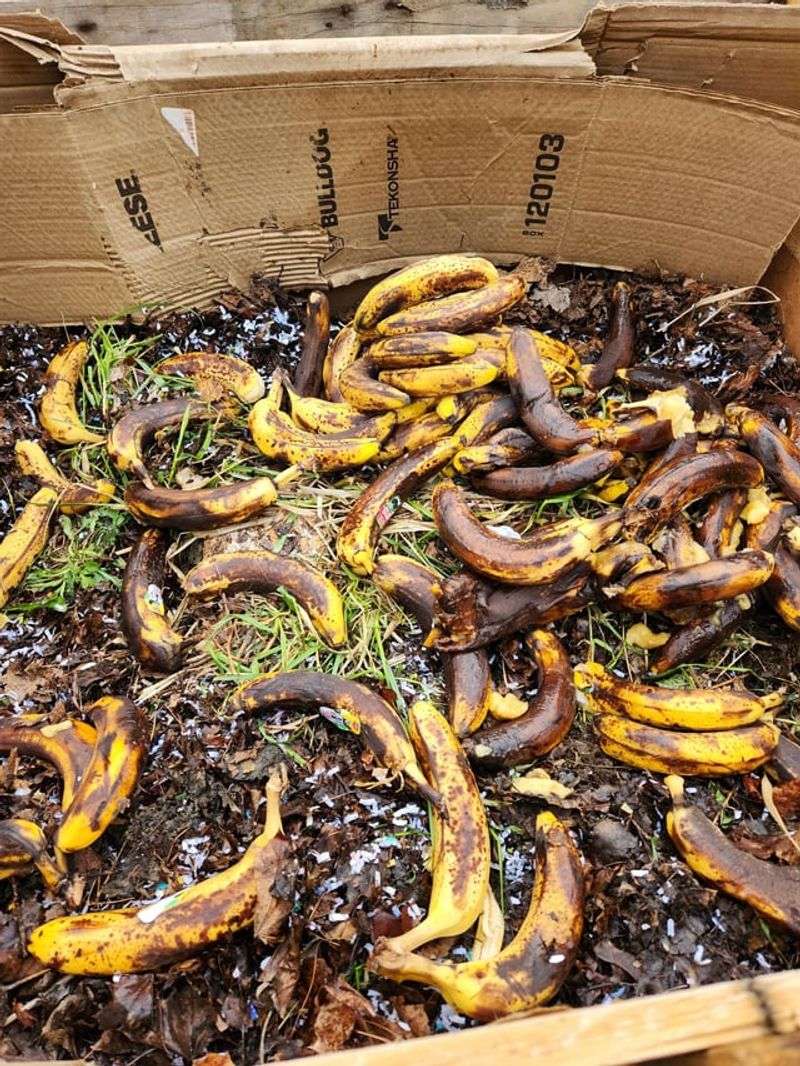
Michigan kitchens toss ripe banana peels into the compost bin without a second thought. Buried instead, right under a rose bush or a tomato plant, the peels break down into potassium and calcium plants like to see.
Chop the peels into two-inch pieces so soil microbes can work through them faster. Whole peels take much longer and can attract fruit flies before they soften.
Dig a shallow hole a few inches deep and tuck one peel per plant. Cover the hole so nothing pokes through the mulch layer above.
Potassium supports flowering and fruit set, which matters for tomatoes, peppers, and roses alike. Michigan gardeners lean on this trick heading into midsummer bloom.
Peels break down within a few weeks in warm soil, faster than eggshells or cardboard. Cooler fall ground slows the process down but still finishes the job by spring.
Skip peels from bananas treated with fungicide sprays close to harvest, since residue can linger. Organic peels sidestep that risk.
Mix chopped peels with coffee grounds for a faster, balanced breakdown. The combination keeps nitrogen and potassium working side by side.
Worms move toward buried peels quickly, tunneling and aerating the surrounding soil. That extra activity alone can loosen compacted clay beds over a season.
By late summer, the peel has vanished and left dark, crumbly soil in its place. Roses and tomatoes planted nearby tend to push out fuller blooms and fruit once that potassium works its way through the bed.