What Michigan Gardeners Should Do With Hostas In June For Bigger Fuller Plants
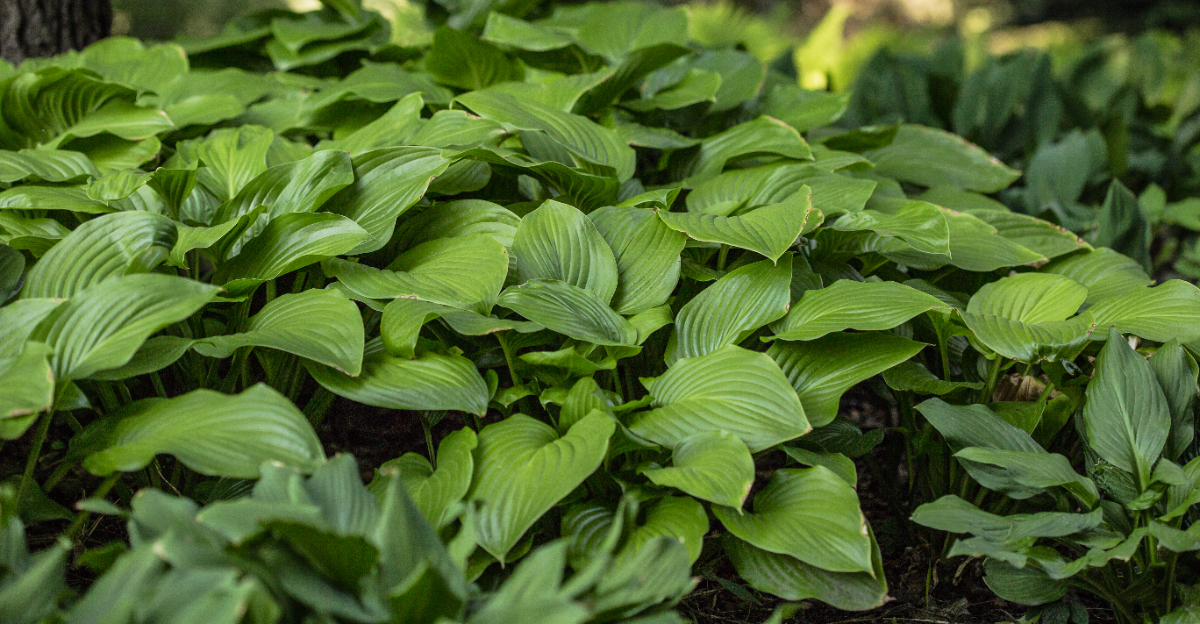
Hostas are one of the most reliable shade plants a Michigan gardener can grow, but most people plant them and walk away, assuming they will handle the rest on their own.
For the most part they do, but June is the month where a small amount of attention produces a noticeably bigger payoff.
The plant is actively pushing its largest growth of the season right now, and what it receives during this window directly affects how full and impressive it looks through the rest of summer.
Michigan’s warm June days accelerate hosta development faster than the cooler spring weeks that preceded them, making this a responsive time to act.
Gardeners who give hostas a little targeted care in June consistently end up with plants that are fuller, healthier, and more visually striking than those left entirely to their own devices through the growing season.
1. June Is The Best Time To Keep Hostas Evenly Moist During Active Growth
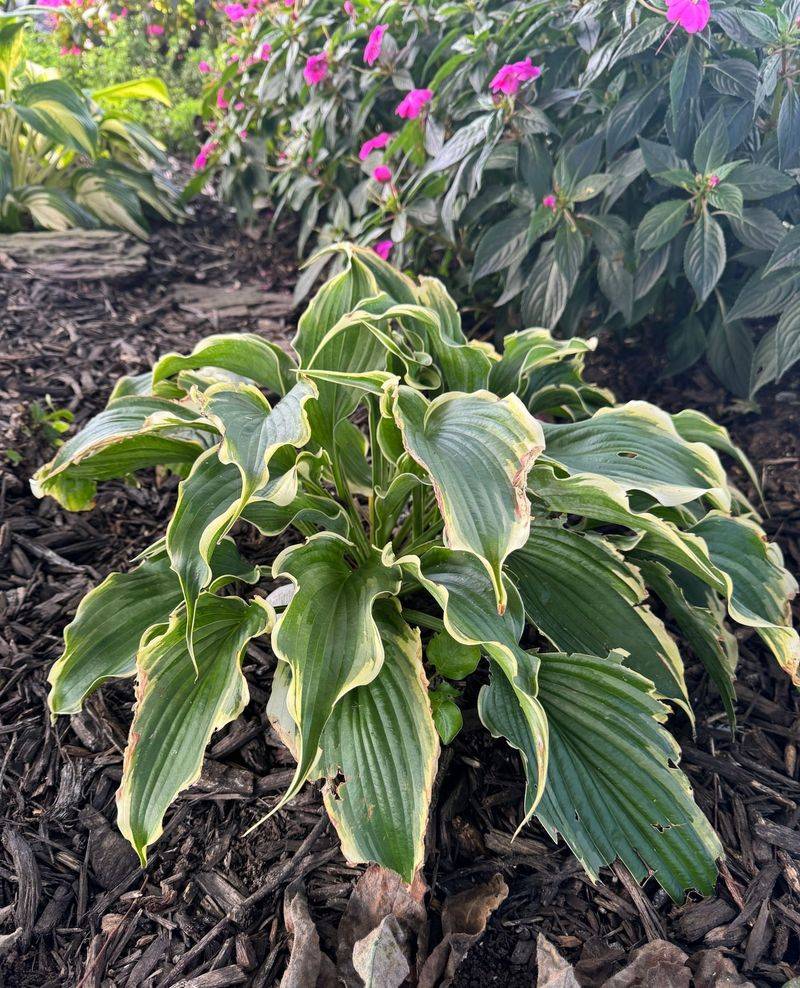
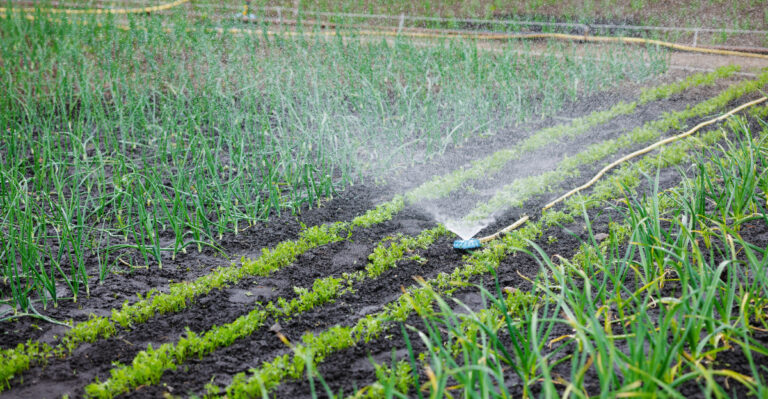
Water is everything for hostas right now. During June, Hosta spp. are in full expansion mode, pushing out new leaves and stretching their root systems deeper into the soil.
Giving them consistent, deep moisture during this window is one of the smartest things you can do for bigger, fuller growth later in summer.
Shallow watering every day actually does more harm than good. It trains roots to stay near the surface where they dry out faster.
Instead, water deeply two or three times per week, soaking the soil six to eight inches down so roots chase moisture deeper into the ground.
Michigan gardens vary a lot. Clay soil holds moisture longer, so you can water less frequently, but you need to watch for standing water around the crown.
Sandy soil drains fast and may need watering every other day during dry spells. Shaded woodland beds stay moist longer than open sunny spots, so always check the soil before reaching for the hose.
Container hostas dry out the quickest and may need daily attention when temperatures climb. Morning watering works best across the board because it gives leaves time to dry before evening, which reduces disease pressure.
Consistent soil moisture in June builds the strong root system that supports impressive foliage through the rest of the growing season.
2. Mulching Around Hostas Helps Leaves Stay Larger And Healthier
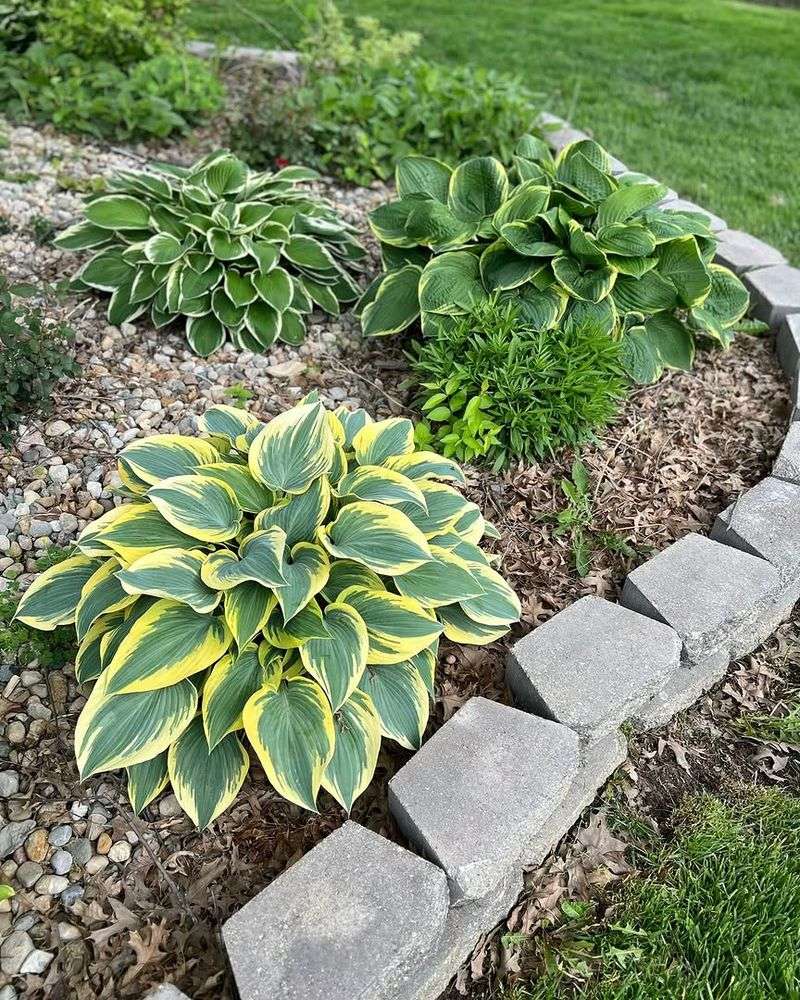
Mulch might be the most underrated tool in a hosta gardener’s toolkit. A good layer of organic mulch around your Hosta spp. does several important jobs at once, and June is the perfect time to get it in place before summer heat really takes hold.
Mulch slows moisture evaporation from the soil surface, which means your hostas stay hydrated longer between waterings. It also keeps soil temperatures cooler during hot Michigan afternoons, which is exactly the kind of stable environment hosta roots love.
Cooler roots mean less stress and more energy directed toward growing those big, beautiful leaves.
Shredded hardwood bark, shredded leaves, or wood chips all work well. Aim for a two to three inch layer spread evenly around each plant.
Your Michigan Garden Changes Every Week. Your Plan Should Too.
Gardening in Michigan changes quickly throughout the season. Every Friday you’ll receive a simple weekly plan showing exactly what to plant, prune, fertilize, harvest, and protect so you never miss the right timing.
Thicker than that can trap too much moisture against the crown and cause problems. Always leave a small gap between the mulch and the base of the plant so air can still circulate freely around the crown.
Mulch also suppresses weeds that compete with your hostas for water and nutrients. Fewer weeds mean less work for you and more resources available for your plants.
Refreshing or adding mulch in June gives your hostas a real advantage heading into the hottest part of the Michigan summer, and the results show up clearly in leaf size and overall plant fullness.
3. Morning Sun And Afternoon Shade Create Fuller Michigan Hostas
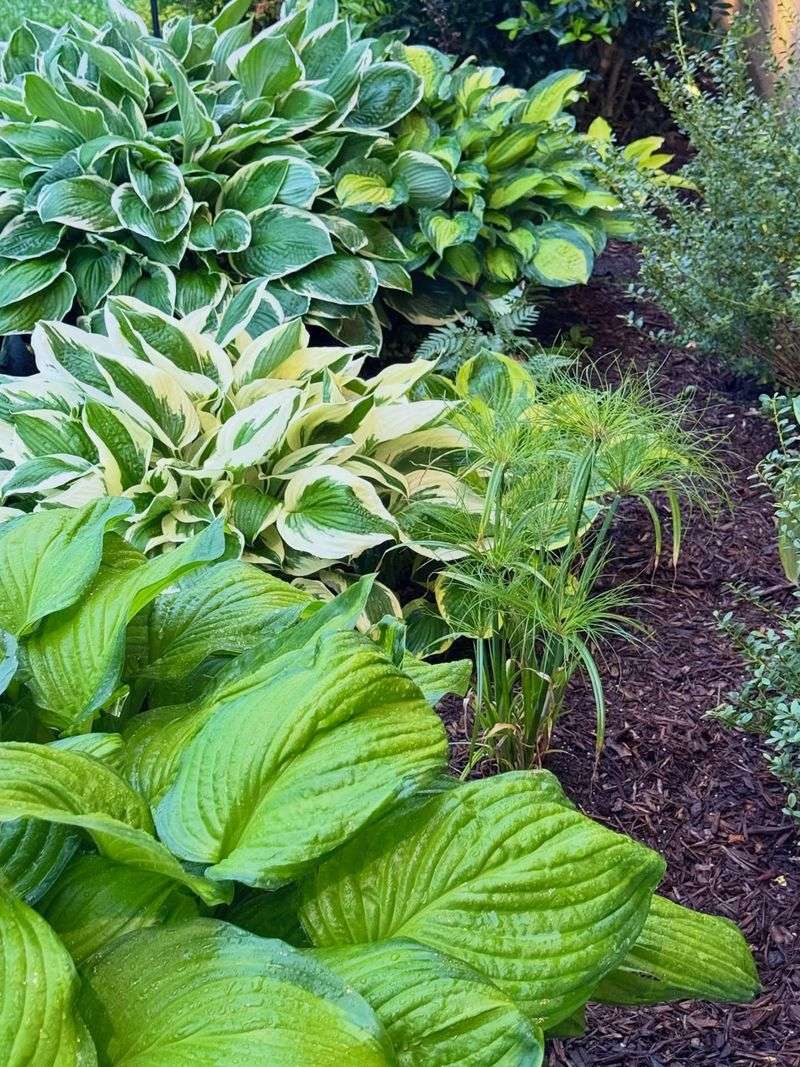
Light placement is one of those things that separates struggling hostas from truly stunning ones.
Hosta spp. have a reputation as shade plants, but many varieties actually grow fuller and more vigorously when they receive a bit of gentle morning sun paired with protection from harsh afternoon heat.
Michigan summers can bring some seriously intense afternoon sun, especially in July and August.
Hostas planted in spots that get direct western or southern afternoon exposure often end up with scorched edges and smaller leaves than plants tucked into smarter positions.
Morning light from the east is much gentler and gives the plant energy without the stress.
Filtered light under deciduous trees is often the sweet spot. The shifting patterns of light and shade throughout the day mimic the woodland conditions where hostas naturally thrive.
If you are working with a garden bed that gets too much open sun, adding a shade structure or planting taller perennials nearby can soften the light enough to make a real difference.
Blue and green leaved varieties generally prefer deeper shade, while gold and chartreuse types often need more light to develop their best color.
Paying attention to where your hostas sit in relation to sun patterns in June helps you make small adjustments now that produce noticeably fuller, healthier plants by midsummer. Sometimes moving a plant just a few feet changes everything.
4. June Feeding Helps Support Strong Summer Hosta Growth
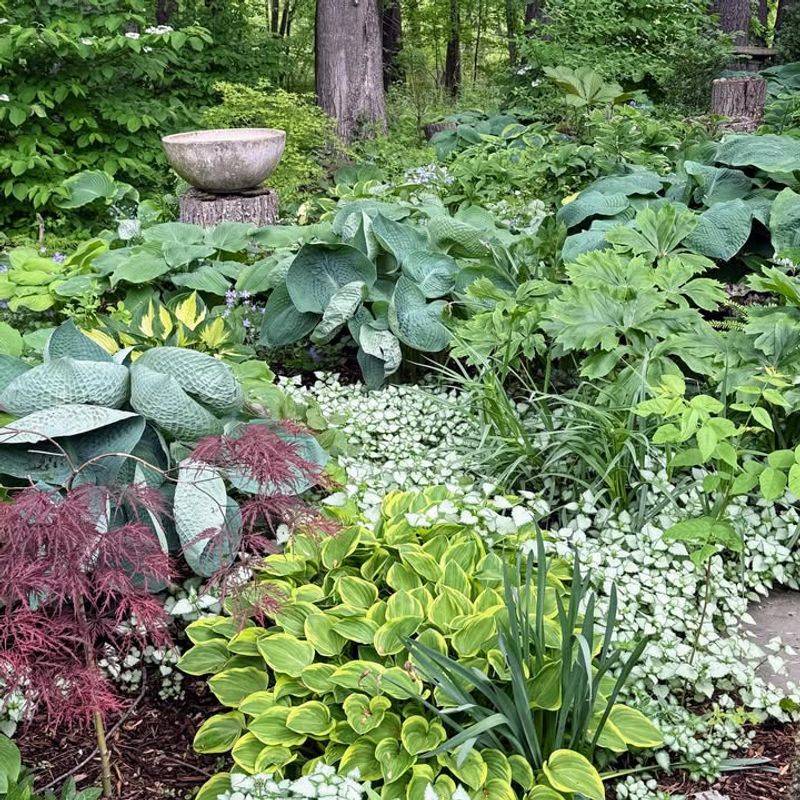
Feeding your hostas in June is one of those timely moves that pays off big.
Hosta spp. are actively expanding their leaves right now, and a balanced fertilizer applied during this growth surge gives the plant the nutrients it needs to build bigger, thicker foliage rather than thin, underwhelming leaves.
A balanced granular fertilizer with an equal ratio of nitrogen, phosphorus, and potassium works well for most hostas.
Nitrogen supports leafy green growth, phosphorus encourages strong root development, and potassium helps the plant manage stress through summer heat.
Apply it according to the package directions, and always water it in well so nutrients reach the root zone.
Timing matters a lot here. Early to mid-June is ideal because the plant is still in its main growth phase.
Fertilizing too late in summer can push soft new growth that struggles to harden off before cooler weather arrives. One well-timed feeding in June is often all most hostas need for a full season of impressive foliage.
Avoid overdoing it. Heavy fertilizing does not produce proportionally bigger plants.
It can actually create weak, floppy growth that looks poor and attracts pests. For hostas growing in rich, amended soil, you may not need much fertilizer at all.
A light, balanced feeding in June keeps growth steady, healthy, and genuinely impressive without creating problems down the road.
5. Slug Damage Weakens Hostas More Than Many Michigan Gardeners Realize
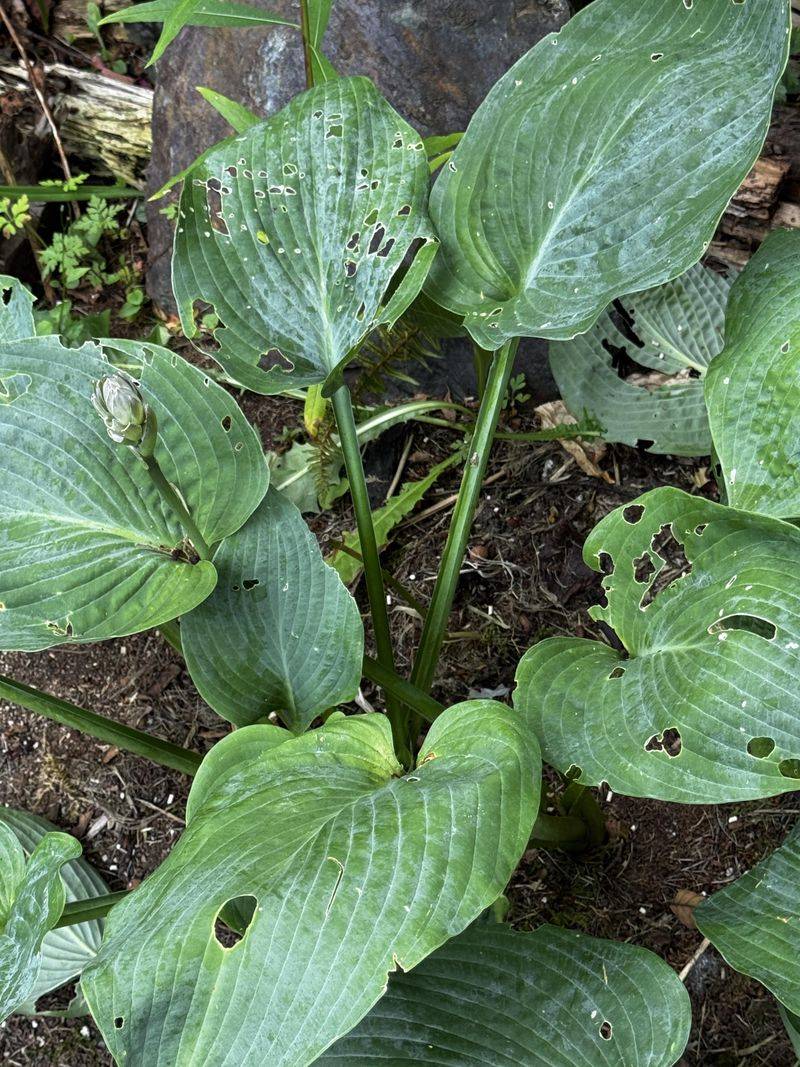
Slugs are one of the most common and frustrating challenges for Michigan hosta gardeners, and June is prime time for them. Hosta spp. are a favorite target because of their broad, soft leaves.
What looks like minor leaf damage early in the season actually adds up to real stress that reduces the plant’s ability to photosynthesize and grow to its full potential.
Slugs feed mostly at night and hide during the day under mulch, debris, and dense foliage. The tell-tale signs are irregular holes in leaves and silvery slime trails across the soil or foliage.
Catching the problem early makes management much easier than trying to deal with a large population later in summer.
Reducing slug habitat helps a lot. Pull mulch slightly away from the crown so slugs have fewer hiding spots near the plant.
Water in the morning rather than evening so the soil surface dries out before nightfall, making conditions less hospitable for slug activity. Good airflow around plants also discourages them from settling in.
Hand picking slugs in the evening with a flashlight is surprisingly effective for small gardens. Iron phosphate baits are a safe and practical option for larger areas and break down naturally in the soil without harming other wildlife.
Protecting your hosta leaves from slug damage in June keeps the plant cleaner, stronger, and better able to put energy into growing full and impressive through the rest of the season.
6. Crowded Hostas Often Stay Smaller Than Properly Spaced Plants
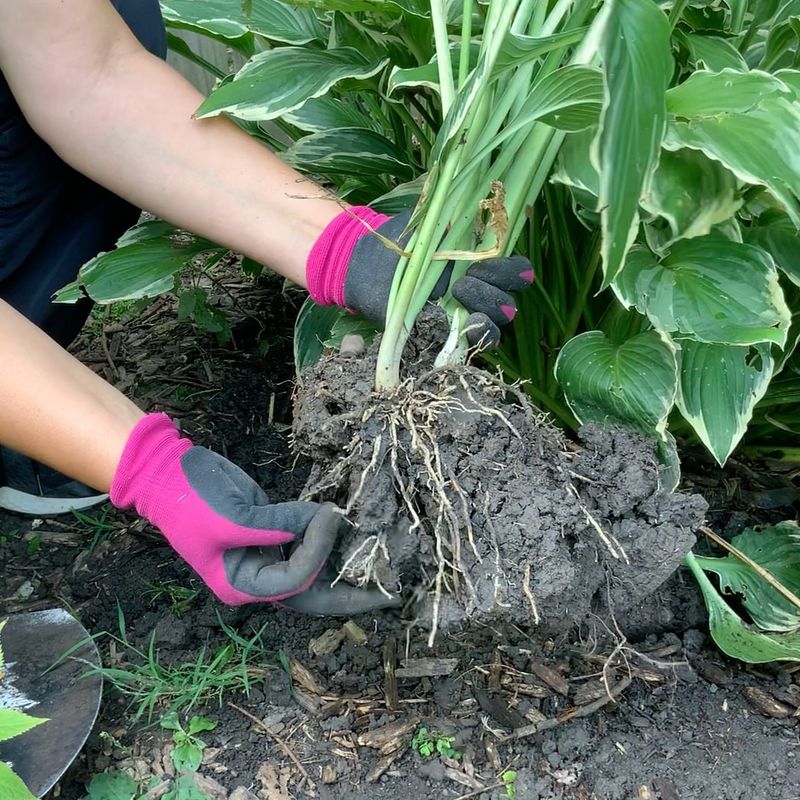
Here is something many gardeners discover a few seasons too late. Hostas planted too close together never quite reach the size they are capable of.
Hosta spp. can look deceptively small when you first plant them in spring, which makes it tempting to space them tightly to fill a bed quickly. But those young plants grow, and they grow fast.
When hostas crowd each other, they compete directly for soil moisture, nutrients, and airflow. Roots tangle and fight for the same resources, which means no single plant gets everything it needs to reach its full potential.
The result is a collection of medium-sized, somewhat crowded plants instead of the bold, impressive clumps you were hoping for.
Mature spacing depends on the variety. Miniature hostas may only need twelve inches between plants, while large varieties like Sum and Substance or Empress Wu can easily spread four to six feet wide at maturity.
Researching the mature size of each variety before planting saves a lot of digging and rearranging later.
If your hostas are already crowded, June is a good time to assess the situation before summer heat peaks. Early summer division is possible but should be done carefully and followed by consistent watering to help plants recover.
Giving each hosta the space it genuinely needs to expand creates the kind of bold, full, statement-making clumps that make Michigan shade gardens truly worth showing off.
7. June Is When Michigan Gardeners Should Watch For Hosta Scorch
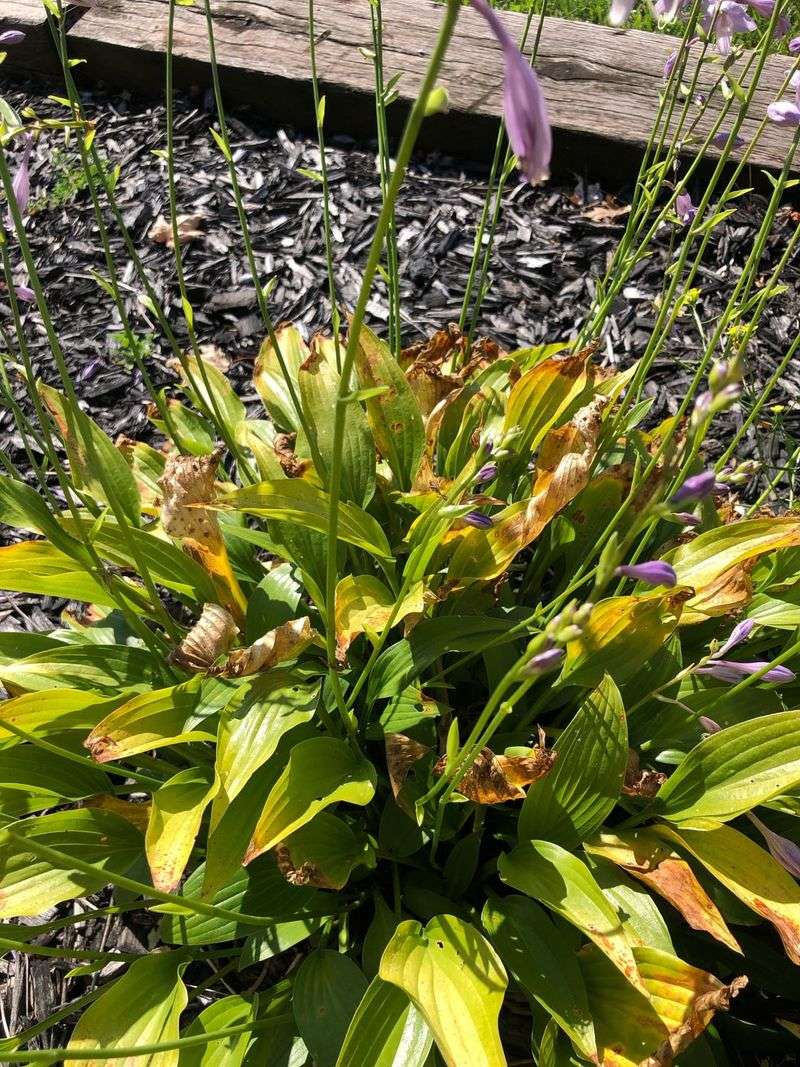
Brown, crispy leaf edges on hostas are a frustrating sight, and they show up more often in June than many gardeners expect. Hosta spp. are sensitive to excessive heat and direct afternoon sun, and Michigan summers can deliver both.
Leaf scorch is not a disease. It is a stress response, and understanding what causes it helps you prevent it before it becomes a real problem.
Scorch usually appears first on the outer edges of leaves exposed to the most intense light. Reflected heat from walls, patios, driveways, or light-colored structures can make the problem significantly worse even in spots that do not receive direct sun for long.
South and west-facing exposures are the most common culprits in Michigan landscapes.
Dry soil dramatically increases scorch risk. When roots cannot pull up enough moisture to replace what leaves lose through transpiration on hot days, the plant essentially overheats from the edges inward.
Keeping soil consistently moist in June dramatically reduces the chance of scorch developing, especially during heat waves.
If you spot scorched leaves early, increasing shade and deep watering can stop the damage from spreading further. Scorched leaves will not recover their appearance, but the plant itself stays healthy if you address the conditions causing the problem.
Repositioning plants that sit in problem spots is worth considering in fall. Prevention through smart placement and consistent moisture is always easier than trying to manage scorch damage after it appears.
8. Removing Damaged Leaves Helps Hostas Stay Cleaner And More Vigorous
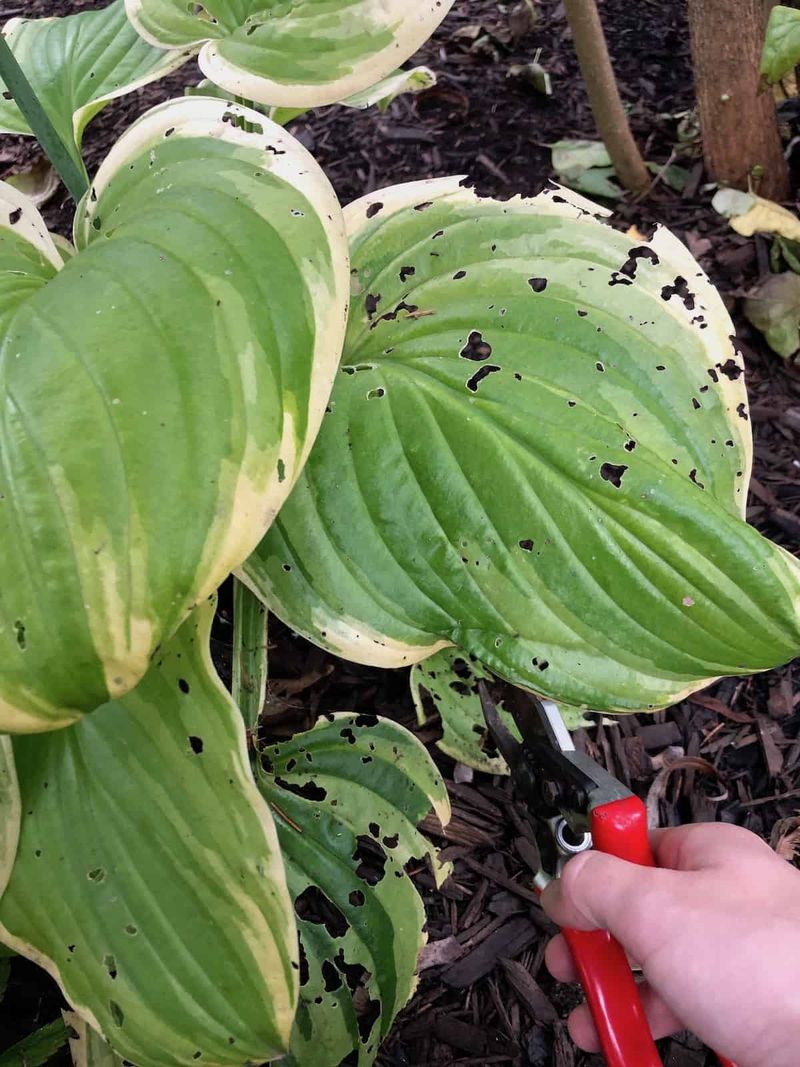
Grooming your hostas in June takes just a few minutes and makes a bigger difference than most people realize.
Hosta spp. that carry torn, slug-damaged, or yellowing leaves spend energy maintaining tissue that is no longer contributing to the plant’s health or appearance.
Removing that damaged foliage redirects the plant’s resources toward the healthy leaves that actually support growth.
Clean, sharp pruning shears or scissors work best for this job. A clean cut heals faster than a ragged tear and reduces the chance of introducing pathogens into the plant.
After each cut, wiping the blades with a diluted bleach solution or rubbing alcohol keeps things sanitary, especially if any leaves showed signs of disease before removal.
Yellowing leaves near the base of the plant are normal as hostas mature through the season, but removing them promptly improves airflow around the crown.
Better airflow means less humidity trapped near the base, which discourages fungal issues and slug activity. The plant looks noticeably cleaner and more polished after a good grooming session.
Do not remove more than a quarter of a plant’s foliage at one time. Hostas rely on their leaves for photosynthesis, and taking too much at once stresses the plant unnecessarily.
A light, regular grooming approach throughout June keeps your hostas looking sharp, growing vigorously, and heading into the peak of summer in the best possible condition for full, impressive growth.
9. Healthy Soil Creates Much Bigger Hostas Over Time
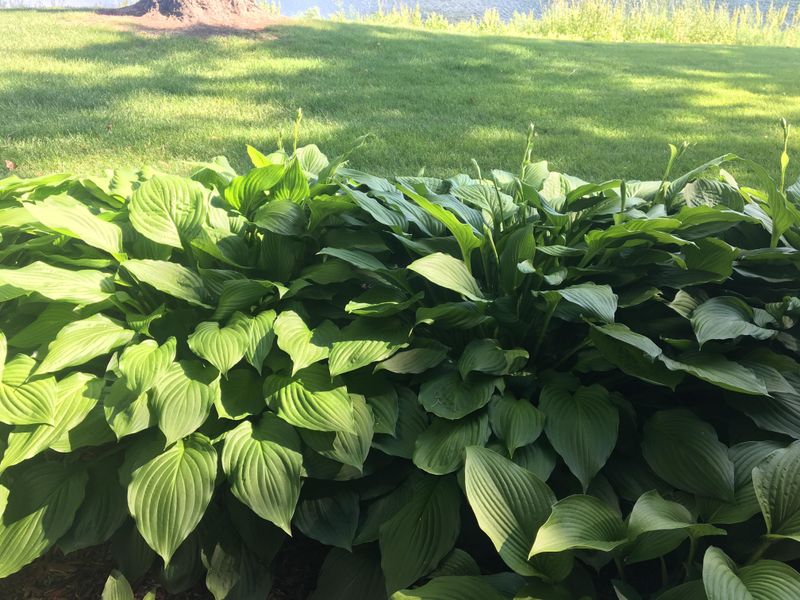
Everything starts with the soil. Hosta spp. are capable of growing into genuinely impressive plants, but only when the soil beneath them gives their roots what they need.
Rich, moisture-retentive soil with good drainage and plenty of organic matter is the foundation that separates average hostas from the spectacular ones people stop to admire.
Michigan soils vary widely. Heavy clay holds moisture but can suffocate roots if it stays waterlogged.
Sandy soils drain quickly but dry out fast and often lack nutrients. Both benefit enormously from the addition of compost, which improves structure, moisture retention, and biological activity all at once.
Working two to three inches of compost into the bed each year builds soil quality steadily over time.
June is a great time to top-dress around your hostas with a half-inch layer of finished compost. You do not need to dig it in.
Earthworms and natural soil activity will incorporate it gradually, feeding the soil ecosystem and improving structure season after season.
Combining a compost top-dress with a fresh layer of organic mulch creates a powerful one-two combination for hosta health.
Long-term soil improvement is the most rewarding investment you can make in your hosta garden. Plants grown in genuinely good soil produce more leaves, bigger leaves, and stronger root systems that handle summer stress with ease.
Building better soil in June and every season that follows is the quiet secret behind the most jaw-dropping Michigan hosta gardens you will ever see.