The Arizona Flowers That Reward Gardeners With More Blooms After Pruning
Bright blooms can fade fast once intense heat settles in Arizona, especially during long dry stretches. A lot of plants begin looking thin and tired by midsummer, even when watering stays consistent.
Others react very differently after a quick trim and start pushing out fresh color again surprisingly fast.
Cutting back faded growth often helps plants redirect energy into new buds instead of holding onto old blooms. That is why light pruning becomes so important during the warmest part of the season.
Even a small cleanup can completely change how full and healthy flower beds look later on.
Careful timing matters too. Heavy cutting during extreme heat can create extra stress, especially in rocky soil or containers that dry quickly during the afternoon.
Gentle shaping and removing spent flowers usually works much better through summer.
Fresh growth usually appears much faster once old stems and fading blooms are finally cleared away.
1. Lantana Quickly Pushes Out Fresh Color After A Light Trim
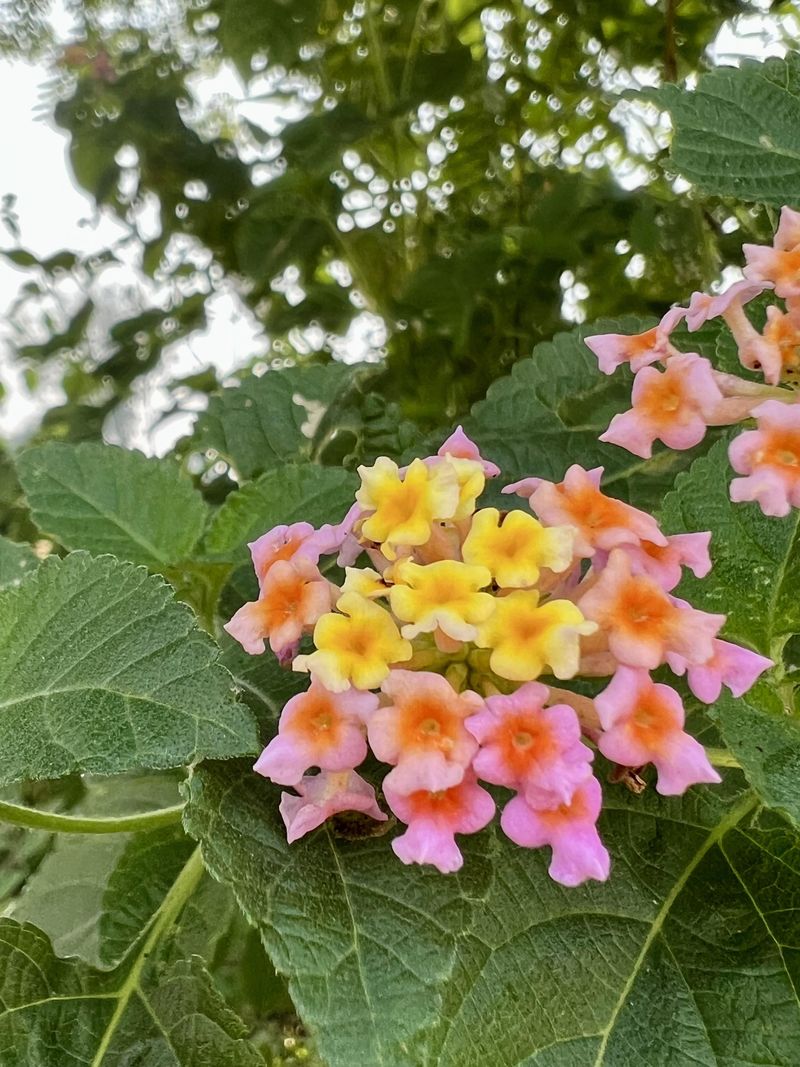
Few plants bounce back as fast as lantana after a quick trim. Cut it back by about one-third and watch new flower clusters appear within days.
Lantana is tough, sun-loving, and practically made for hot, dry climates.
When stems get long and woody, flowering slows down noticeably. A light shearing removes old growth and signals the plant to redirect energy into fresh buds.
No complicated technique is needed here.
Trim in late spring before peak heat sets in, then again in late summer once temperatures begin to ease. Avoid cutting into thick, woody stems too deeply, since that can stress the plant without much benefit.
Lantana also benefits from deadheading spent flower heads between full pruning sessions. Removing faded clusters keeps the plant looking tidy and encourages continuous blooming rather than seed production.
Water deeply after trimming to support new growth. Lantana is drought-tolerant once established, but a good drink after pruning helps it recover quickly.
Pair it with well-draining soil for the best results.
Expect compact mounding shapes and vivid color in shades of orange, yellow, pink, and red. Pollinators love it.
Butterflies especially flock to lantana clusters, making it both a beautiful and wildlife-friendly addition to any warm-climate garden.
2. Autumn Sage Responds Well To Midseason Cutbacks
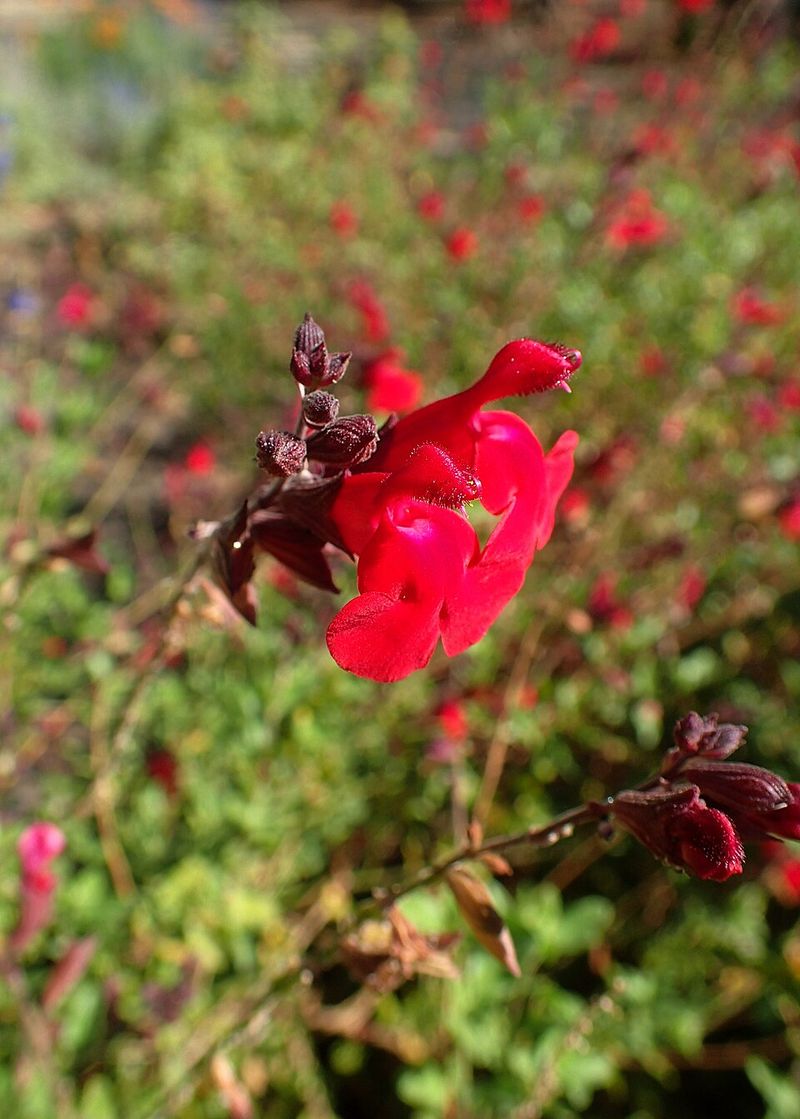
Autumn sage earns its reputation as one of the most reliable bloomers in hot, dry gardens. Cut it back by half in midsummer and it responds with a flush of bright red, pink, or white flowers within weeks.
Without pruning, autumn sage can get leggy and open in the center. Stems stretch outward, flower production drops, and the plant loses its tidy shape.
A firm midseason cutback fixes all of that.
Prune in late June or early July before the monsoon season begins. New growth will push out quickly once summer rains arrive, and the plant will look full and healthy heading into fall.
Use clean, sharp shears and cut just above a leaf node. Avoid tearing stems, which can invite disease.
Your Arizona Garden Changes Every Week. Your Plan Should Too.
Gardening in Arizona changes quickly throughout the season. Every Friday you’ll receive a simple weekly plan showing exactly what to plant, prune, fertilize, harvest, and protect so you never miss the right timing.
A smooth, clean cut heals faster and reduces stress on the plant during hot weather.
Autumn sage is drought-tolerant but appreciates a deep watering right after pruning. One good soak is enough to support new growth without waterlogging the roots.
Hummingbirds are wild about autumn sage blooms. A well-pruned plant covered in fresh flowers becomes a genuine feeding station in the garden.
Keeping it compact and blooming consistently encourages more wildlife visits from late summer through early winter.
Few things feel more rewarding for gardeners than seeing that steady activity around the yard.
3. Angelonia Continues Flowering Longer With Occasional Pruning
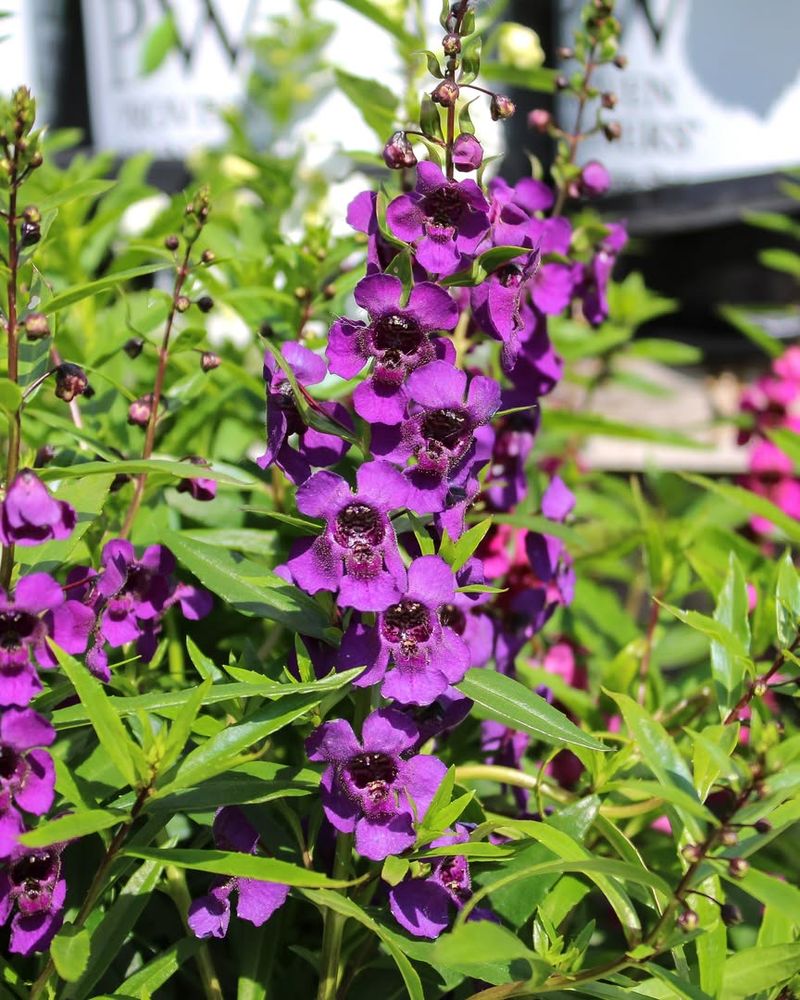
Angelonia rarely gets enough credit for how well it handles heat. Nicknamed the summer snapdragon, it blooms through temperatures that shut down most other flowers.
Occasional light pruning keeps that performance going strong.
Left completely alone, angelonia develops long, bare stems with flowers only at the tips. Pinching or trimming those stems back encourages branching, which means more tips, and more tips means more blooms overall.
Pinch just above a leaf set to encourage two new stems where one grew before. Repeat this every few weeks during the growing season for the best results.
It takes less than five minutes per plant.
No need for heavy cutting with angelonia. Light, frequent pinching beats one dramatic pruning session.
Regular attention keeps the plant full, upright, and covered in color from late spring through early fall.
Angelonia grows well in containers and garden beds alike. In containers, pruning also prevents the plant from getting top-heavy and flopping over in afternoon winds, which can be an issue during stormy summer months.
Fragrant foliage is another bonus. Brushing against the leaves releases a light, pleasant scent.
Combined with its long bloom time and heat tolerance, angelonia is one of the most practical flowering plants for hot climates.
Limited water needs also make it a strong choice for gardeners dealing with long, intense summers.
4. Petunias Rebound Fast Once Leggy Stems Are Removed
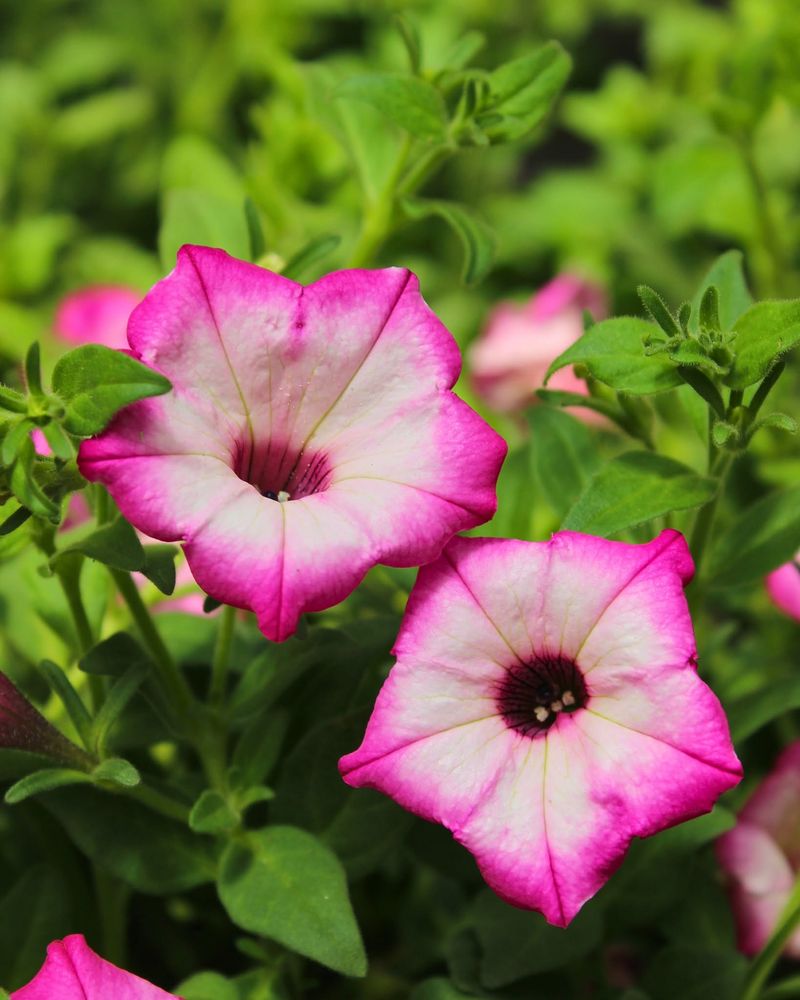
Petunias start strong but tend to fall apart by midsummer if left alone. Stems stretch, flower production slows, and the whole plant looks tired.
A hard cutback changes everything almost immediately.
Cut leggy stems back by half or even two-thirds. It looks dramatic, but petunias handle it well.
Within one to two weeks, new shoots push out from the base and along the remaining stems.
Midseason pruning works best in late June or early July. Cut back, water thoroughly, and add a balanced fertilizer to support the new flush of growth.
The combination of all three steps speeds up recovery noticeably.
Wave petunias and spreading varieties respond especially well to aggressive trimming. Standard upright types benefit from lighter shaping.
Know your variety before cutting, since some handle harder pruning better than others.
Deadheading spent blooms between major pruning sessions also helps. Removing faded flowers prevents seed formation, which signals the plant to keep producing blooms rather than shifting energy toward reproduction.
One thing worth noting: petunias in intense heat may struggle even after pruning if they lack consistent moisture. Water regularly, mulch around the base to retain soil moisture, and give them some afternoon shade if possible.
With the right care after trimming, petunias can look as good in September as they did in April, which is a genuinely impressive comeback for any flowering annual.
5. Verbena Fills Out Again With A Light Summer Shearing
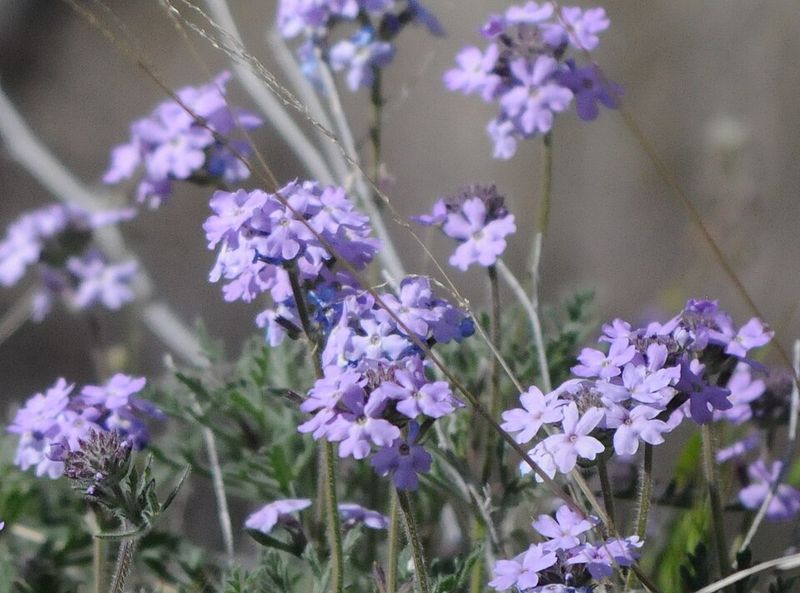
Verbena has a habit of spreading wide and then going bare in the center. A light shearing fixes that problem quickly and brings the whole plant back into a compact, blooming shape.
Cut trailing stems back by about one-third in midsummer. Focus on any bare or stretched sections first.
New growth fills in fast, especially if a watering follows the trim within a day or two.
Heat-tolerant verbena varieties handle summer shearing without much stress. Homestead Purple and Tapien series are two reliable options that rebound especially well after trimming.
Both hold up in intense summer heat better than older standard varieties.
Between shearing sessions, remove faded flower clusters regularly. Spent blooms left on the plant signal seed production, which slows down the overall flowering rate.
A quick pass with scissors every week or so keeps things moving.
Verbena grows well in both ground beds and containers. In containers, regular trimming also keeps trailing stems from becoming unmanageable or snapping off in wind.
Shape matters as much as bloom count when growing in pots.
Planting verbena in full sun with well-draining soil gives it the best chance of thriving after each pruning. Partial shade locations tend to produce weaker regrowth and fewer blooms overall.
Consistent sun exposure, light feeding after trimming, and good drainage help verbena perform reliably for months.
Healthy plants often continue blooming from spring through the first cool nights of fall.
6. Zinnias Produce More Flowering Stems After Regular Snipping
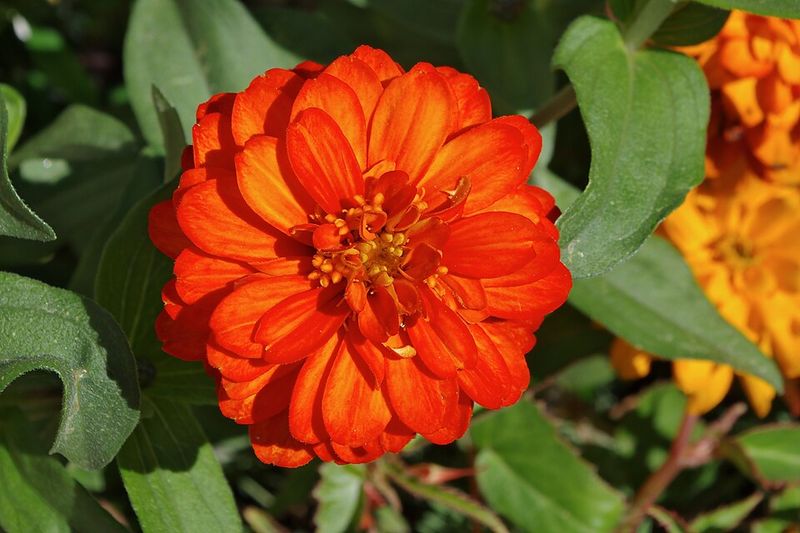
Zinnias are probably the most satisfying flowers to prune in any summer garden. Snip one stem and two more grow back in its place.
That branching response is exactly what makes regular snipping so worthwhile.
Pinch the growing tip of a young zinnia plant when it reaches about six to eight inches tall. That first pinch creates two main stems instead of one, and the branching compounds from there with each additional trim.
Once blooming begins, cut flowers for bouquets or remove spent heads right at a leaf node. Either action encourages the plant to push out new lateral stems.
A zinnia that gets regular attention produces far more flowers than one left completely alone.
Zinnias grow quickly in warm weather, so they respond to pruning faster than most other annuals. In peak summer conditions, new buds can appear within a week of a good trim.
The turnaround is genuinely fast.
Powdery mildew is a common issue with zinnias in humid conditions. Pruning helps by improving airflow through the plant.
Removing crowded inner stems reduces moisture buildup and slows the spread of fungal problems.
For the most productive zinnia plants, combine regular snipping with consistent watering and a balanced fertilizer every two to three weeks. Full sun is non-negotiable.
Zinnias grown in partial shade produce fewer stems and smaller blooms, no matter how carefully they are pruned throughout the season.
7. Cuphea Maintains Steady Bloom Cycles With Seasonal Shaping
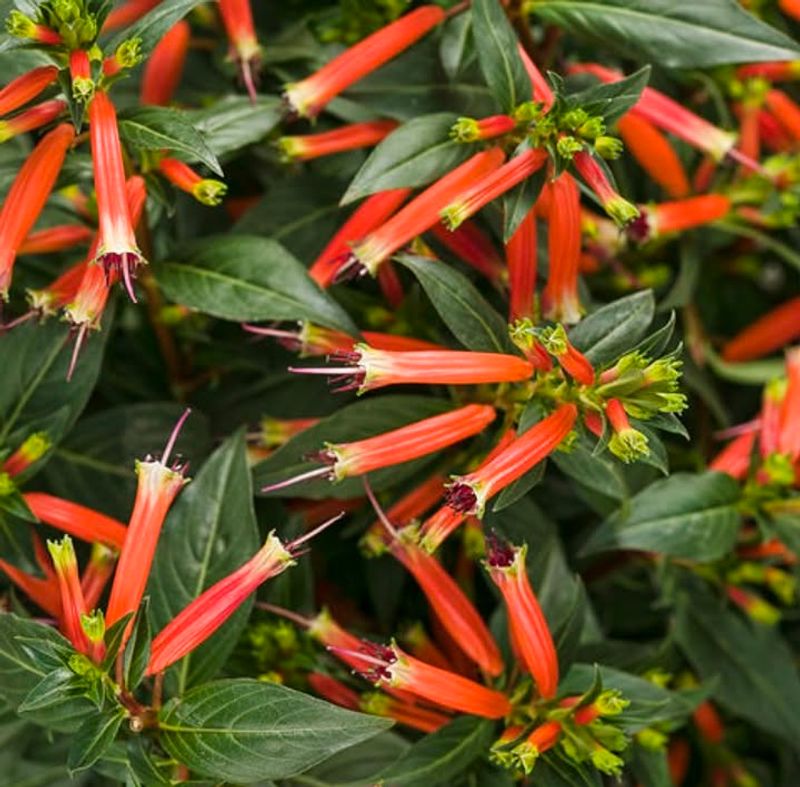
Cuphea is one of those plants that works harder than it gets credit for. Hummingbirds love it, it handles heat without complaint, and a little seasonal shaping keeps it blooming almost nonstop from spring through fall.
Without pruning, cuphea gradually becomes woody and open. Stems elongate, the center thins out, and flowering becomes sparse and uneven.
A seasonal trim reshapes the plant and restores consistent bloom production across the whole canopy.
Cut back by about one-quarter to one-third in early spring before new growth starts. A second light shaping in midsummer after the first major flush of blooms encourages a strong second round of flowering heading into cooler months.
Cigar plant is one of the most popular cuphea varieties in warm-climate gardens. Its bright orange and red tubular flowers are a hummingbird magnet, and the plant stays relatively compact with regular attention.
Bat-faced cuphea is another excellent option with similar pruning needs.
Water deeply after each shaping session. Cuphea is moderately drought-tolerant but appreciates consistent moisture during active regrowth.
Avoid overhead watering when possible, since wet foliage in warm weather can invite fungal issues.
Plant cuphea in full sun for the strongest bloom output. Partial shade locations produce acceptable results but tend to stretch stems faster between pruning sessions.
In Arizona, full sun exposure and seasonal shaping help cuphea stay compact and healthy.
Strong flowering often continues from the first warm days of spring through late autumn.
8. Blanket Flower Sends Up New Buds After Spent Blooms Are Cleared
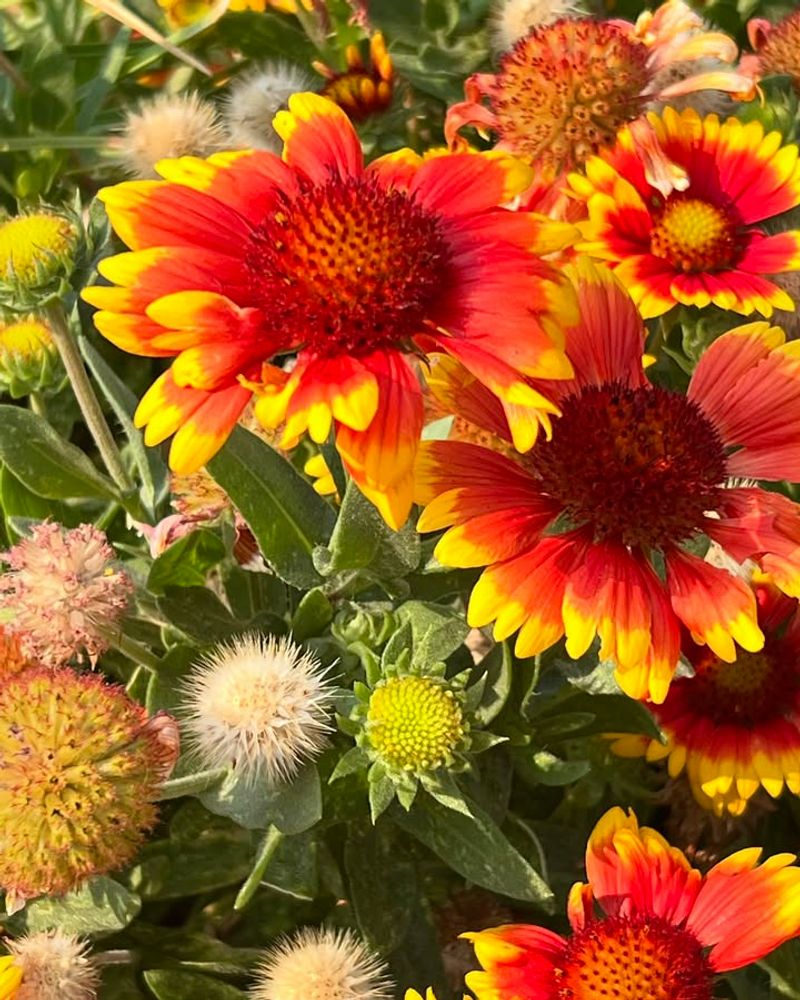
Blanket flower looks like it was designed specifically for hot, dry gardens. Bold red and yellow petals, tough stems, and a near-constant bloom cycle make it a standout choice.
Removing spent blooms keeps that cycle running without interruption.
Once a flower fades, the plant shifts focus toward seed production if nothing is done. Snipping off the spent bloom head right below the base of the flower redirects that energy back into new bud development.
Deadhead every few days during peak bloom season for the best results. It sounds like a lot of work, but each session only takes a few minutes.
The payoff is a plant that looks consistently full and colorful rather than patchy and faded.
Blanket flower also benefits from a harder cutback in late summer. Trim the whole plant down by about one-third to refresh growth before fall.
New stems push out quickly and often carry some of the season’s best blooms.
Well-draining soil matters a lot with blanket flower. Soggy roots cause more problems than drought stress ever will.
Plant in raised beds or amended soil if drainage is an issue in your yard.
Blanket flower is also a reliable perennial in warmer growing zones, meaning the same plant returns year after year with proper care.
That combination of low water needs, easy pruning, and strong regrowth makes it a practical and rewarding choice for any low-maintenance garden.