What Missing Songbirds In Your North Carolina Yard This September Are Really Telling You
A noticeably quiet yard this September, without the usual songbird activity North Carolina homeowners expect, often has a specific explanation rather than being cause for alarm.
Migration plays a major role this time of year, as many species that spent summer in the area begin moving south, temporarily thinning out local bird populations before winter residents arrive.
Changes in available food sources, like a lack of berries, seeds, or insects compared to a neighboring yard, can also cause birds to feed elsewhere instead.
Weather patterns and even recent yard changes, such as removed vegetation or altered feeder placement, can shift where birds choose to spend their time.
Understanding these seasonal patterns helps put a quieter yard into proper context rather than assuming something has gone wrong.
1. Migration Can Temporarily Change Your Yard
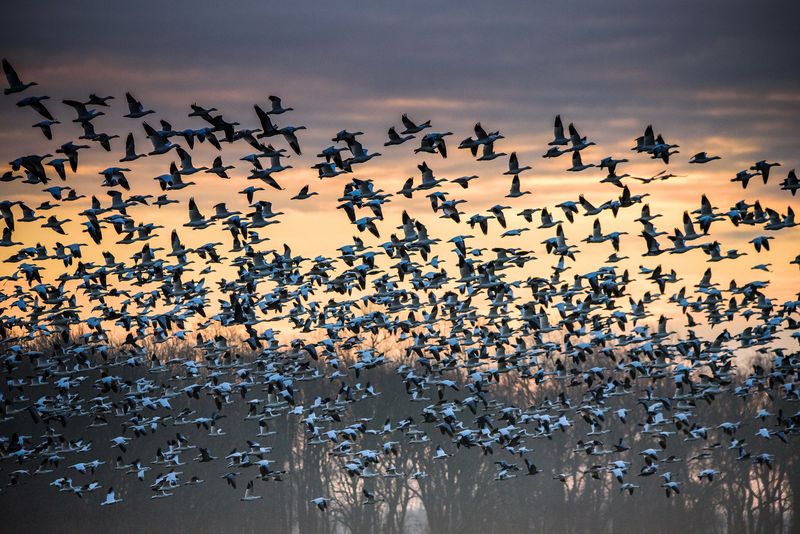
September is prime travel season for songbirds, and many are simply on the move. Some species that spent the summer nesting in your area are heading south for the cooler months ahead.
At the same time, brand new birds from farther north are passing through your yard for just a day or two. That means the familiar faces you loved all summer might be gone, while unfamiliar visitors stop by for a quick rest and snack.
North Carolina sits along a busy migration route, so your yard becomes a rest stop for travelers. Warblers, vireos, and thrushes often move through quietly, feeding in treetops instead of at feeders. You might not even notice them unless you look closely.
Because these birds keep changing, your yard can feel busy one morning and empty the next. That back and forth is completely normal during fall movement.
Fun fact: some tiny warblers weigh less than a few coins yet travel hundreds of miles. To spot passing migrants, keep binoculars handy and check trees early in the day when birds are most active.
Try not to worry if your regular summer crowd disappears. They are following an ancient pattern shaped by daylight and instinct.
Keep your feeders clean and stocked, and you may catch a surprise guest resting before it continues its long journey. The quiet stretches are just part of the seasonal rhythm.
2. Natural Food May Be Available Elsewhere
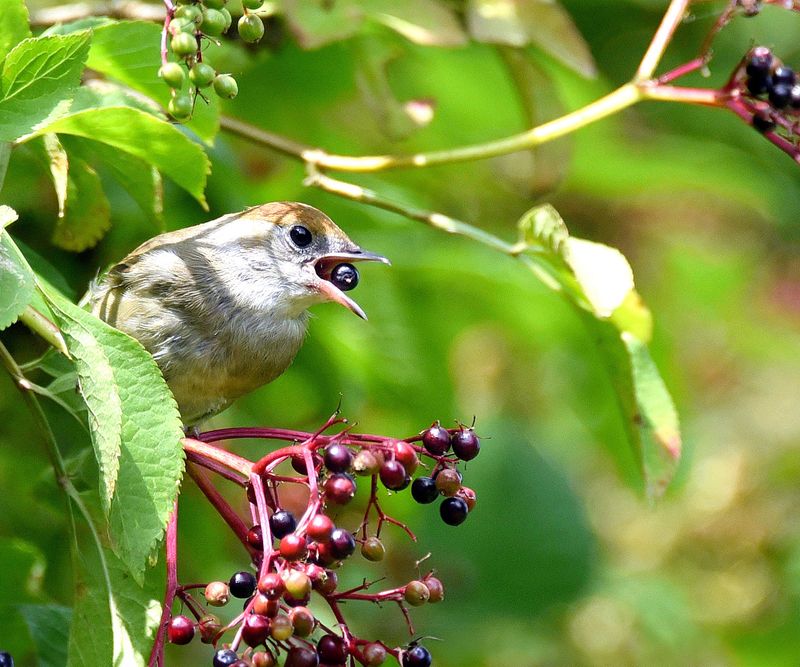
When September rolls in, nature spreads out a giant buffet. Wild berries ripen, seed heads dry out, and insects buzz around fields and forest edges.
With so much fresh food waiting outside, birds often skip your feeders for a while. Why settle for seeds in a tube when juicy pokeberries, dogwood fruit, and grass seeds are everywhere?
This is actually great news for your local birds. It shows the habitat around you is healthy and full of the meals they crave. Songbirds naturally prefer wild food because it gives them a wider mix of nutrients they need before colder weather.
You might notice your feeder traffic drops sharply right when your neighborhood plants burst with fruit. That timing is no accident.
Instead of feeling ignored, use this as a chance to make your yard more tempting. Plant native shrubs like beautyberry, elderberry, or serviceberry that offer natural snacks birds adore. These plants pull in more visitors than any store bought mix ever could.
Your North Carolina Garden Changes Every Week. Your Plan Should Too.
Gardening in North Carolina changes quickly throughout the season. Every Friday you’ll receive a simple weekly plan showing exactly what to plant, prune, fertilize, harvest, and protect so you never miss the right timing.
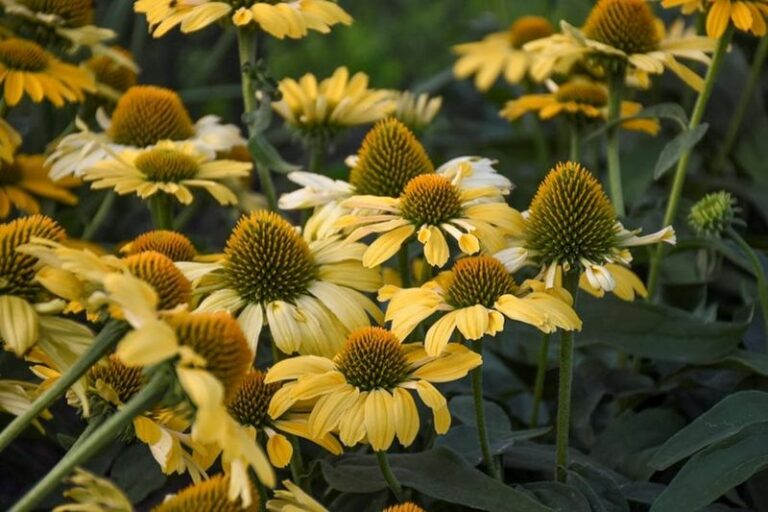
Leaving a few flowers to go to seed also helps. Coneflowers and sunflowers become tiny snack stations once their petals fade.
Keep your feeders up anyway, since the wild feast will not last forever. Once berries and seeds thin out, hungry birds will circle back to your reliable supply.
Think of your feeder as a backup restaurant that stays open when nature closes for the season. Patience pays off beautifully here.
3. Weather Can Change Bird Activity
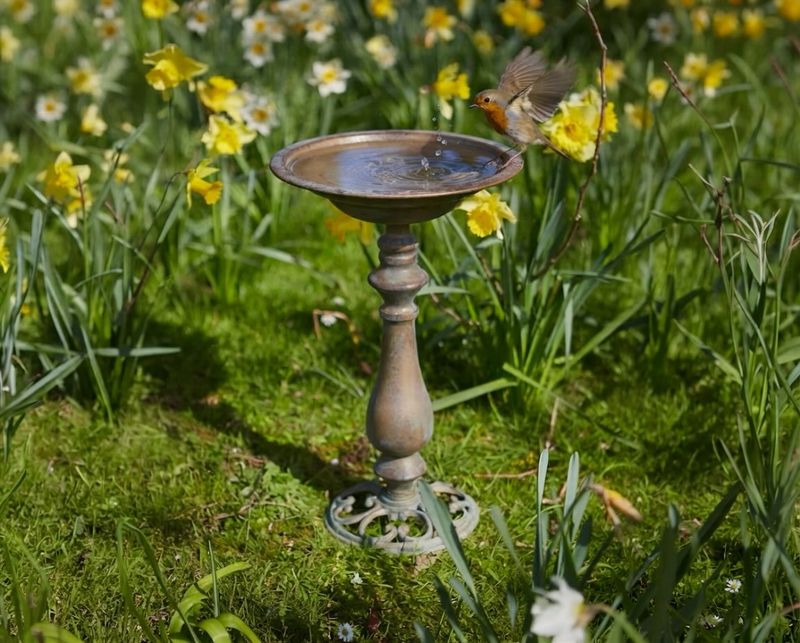
Weather has a huge say in when birds show up. A gray, rainy morning can keep songbirds tucked away in sheltered branches instead of hopping around your feeder.
Strong winds make flying harder and burn extra energy, so birds often wait for calmer skies. On blustery days your yard might seem totally empty until the air settles down.
Temperature swings play a role too. When a cool front sweeps through North Carolina, birds sometimes feed heavily right before it arrives, then hunker down while it passes. That means a burst of activity followed by hours of quiet.
Storms coming in can also push birds to hide early. Many species sense pressure changes and adjust their plans faster than any weather app.
You can turn this to your advantage. Watch your feeders in the calm hours right after rain ends, since hungry birds often rush out to refuel. Early mornings and late afternoons tend to be busiest once skies clear.
Keeping food dry helps a lot during wet stretches. Soggy seed clumps together and loses its appeal, so covered feeders stay popular. A little roof or dome keeps everything fresh.
Do not read too much into one quiet, stormy day. Birds are simply waiting out the rough patch, just like you might stay inside during a downpour.
Once the weather smooths out, your feathered crowd usually returns in full, chirping and busy as ever. Fall weather shifts fast, and so do bird visits.
4. Birds May Be Moving Into Fall Flocks
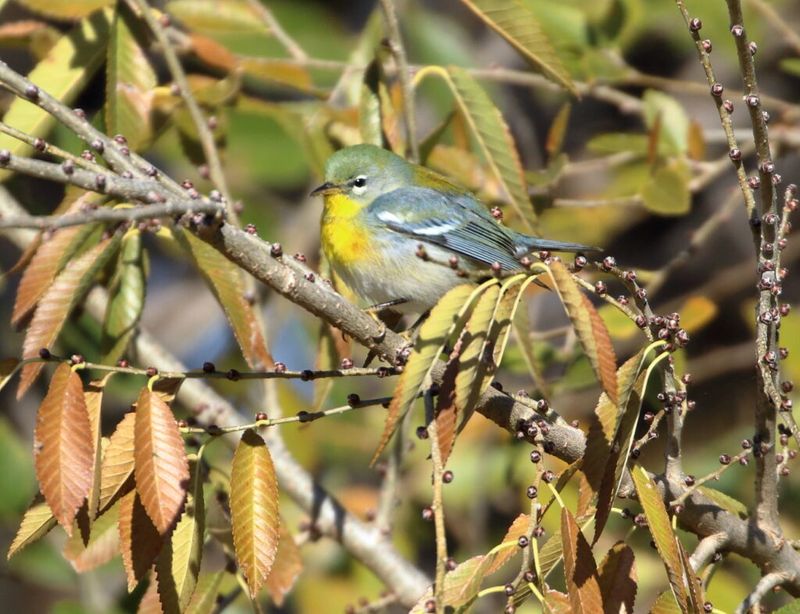
Once nesting season wraps up, songbirds trade family life for group living. Many that spent summer guarding tiny territories now team up into flocks.
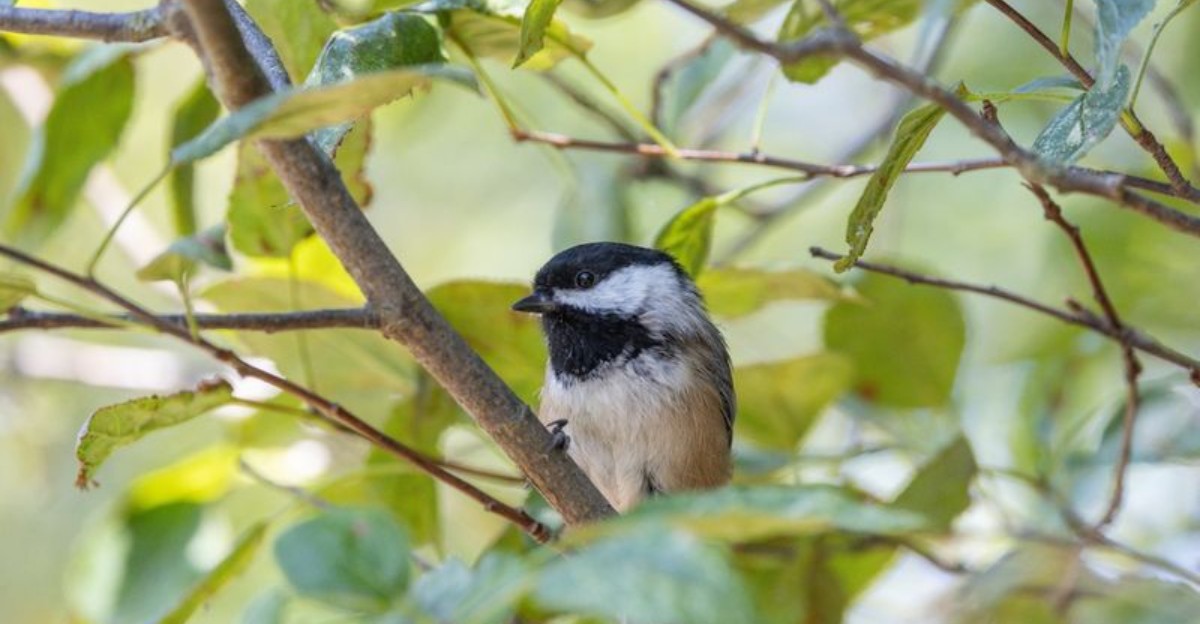
These groups can be a single species, like a band of chickadees, or a lively mix of several kinds traveling together. Flocking gives birds extra eyes to spot danger and more helpers to find food.
Because flocks roam over wider areas, they might visit your yard only when their loop brings them near.
One day dozens arrive at once, and the next they are foraging three streets over. That roaming pattern explains why your yard swings between crowded and quiet.
Mixed flocks are especially fun to watch in fall. You might see titmice, nuthatches, warblers, and woodpeckers all moving through the same trees in a noisy, cheerful parade.
To catch these traveling groups, listen for a sudden wave of chirps and calls. That chatter often means a flock is passing through, so grab your binoculars fast.
Offering a variety of foods helps too. Suet, seeds, and peanuts attract different flock members, making your yard a worthwhile stop on their route.
Do not be discouraged by the empty stretches between visits. A wandering flock simply has a big neighborhood to cover, and your yard is one of many stops.
When they finally swing back, the burst of activity feels like a little party. This social shift is one of the most exciting parts of autumn birdwatching, so enjoy the show whenever it arrives.
5. Your Yard May Have Less Cover Than Nearby Areas
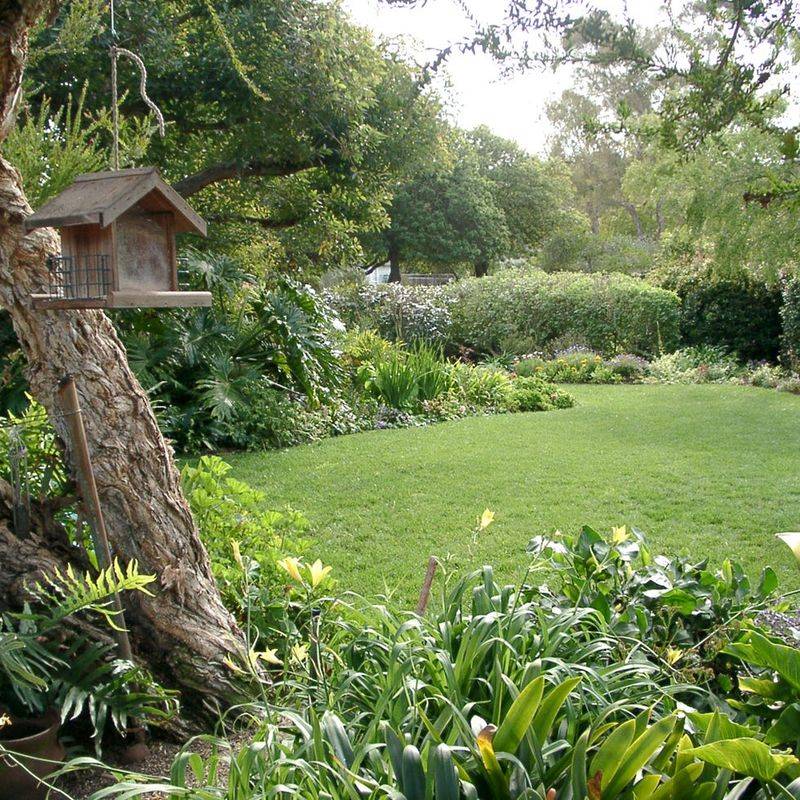
Songbirds love a safe place to hide. Thick shrubs, leafy trees, and tangled vines give them cover from hawks and cats while they feed and rest.
If your yard is mostly open lawn, birds may feel exposed and choose leafier spots nearby instead. Shelter matters just as much as food to a small bird.
A neighbor with dense hedges and tall trees might pull in the crowd simply because it feels safer. Birds want a quick escape route within a short hop of any feeder.
The good news is that adding cover is easy and rewarding. Planting native shrubs and small trees creates hiding spots that make your yard far more inviting. Even a brush pile in a quiet corner offers instant shelter.
Placement helps too. Set feeders within about ten feet of bushes so birds can dart to safety in a flash. Feeders stuck in wide open space often get fewer visitors.
Layering plants works wonders. A mix of low shrubs, medium bushes, and taller trees gives birds different levels to perch, feed, and shelter in.
Evergreen shrubs and trees can provide valuable cover through fall and winter because they retain foliage when many deciduous plants have lost theirs. Hollies and cedars are both bird favorites in North Carolina.
Give your yard time after adding new plants, since birds need to discover the fresh cover. Once they trust the safety your yard provides, visits usually climb. A little greenery turns a plain lawn into a bustling bird haven that stays busy for years.
6. Water Can Affect Bird Visits
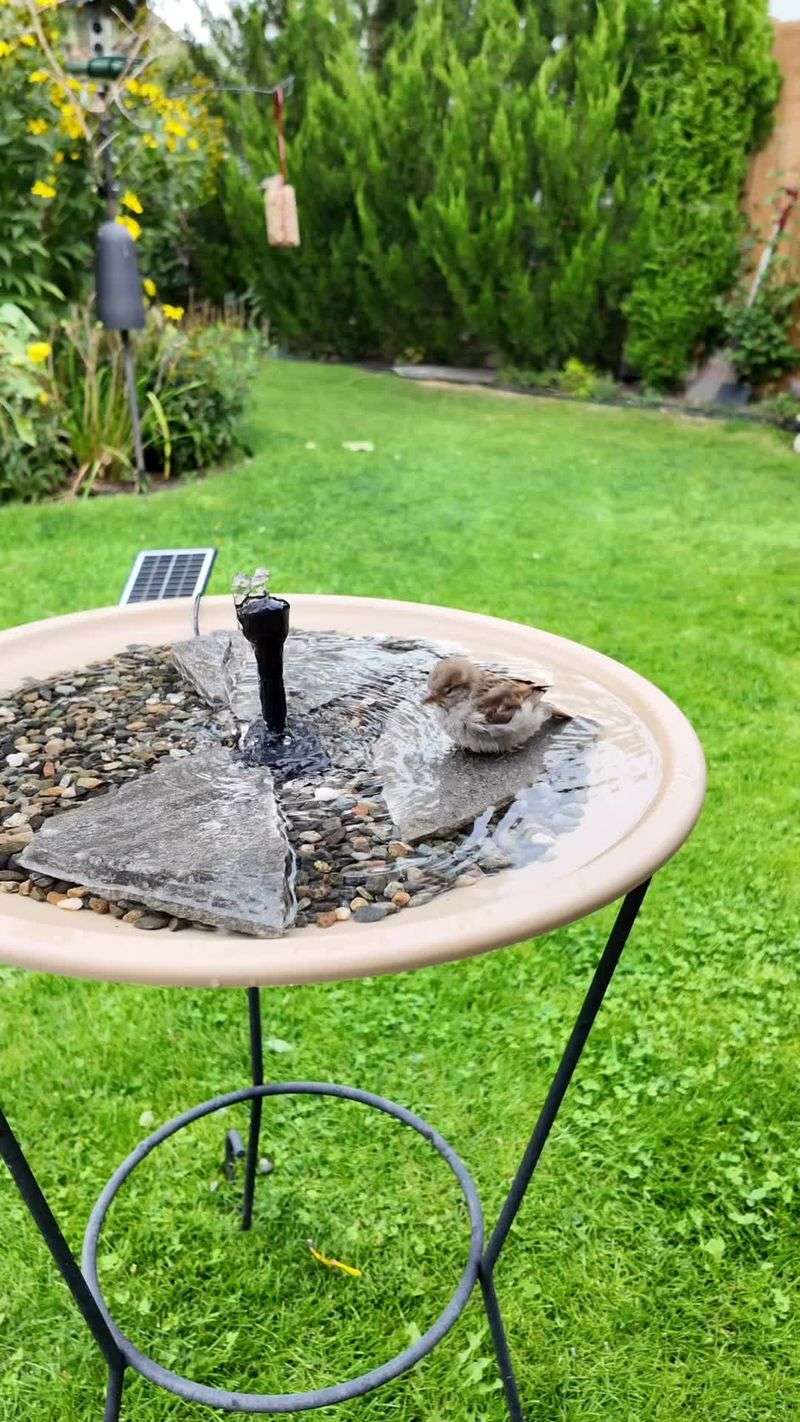
Water is a magnet for songbirds, sometimes even more than food. Birds need it for drinking and for keeping their feathers clean and ready for flight.
During dry September stretches, natural puddles and streams can shrink or vanish. When that happens, a reliable water source in your yard becomes a real treasure.
A simple birdbath can pull in visitors you rarely see at feeders. Some birds that ignore seeds still stop by for a splash and a sip.
The key is keeping the water shallow and clean. Birds like it only an inch or two deep, since they wade rather than swim. A few flat stones inside give them safe footing.
Moving water works like a bird dinner bell. The sound and sparkle of a small dripper or fountain catches their attention from far away, drawing them in fast.
Freshness matters a lot. Change the water every day or two to keep it clear and safe, especially in warm weather when it turns cloudy quickly.
Place your birdbath near shrubs so birds have a safe perch to shake off and preen. A spot with a little shade keeps the water cooler and cleaner.
If your yard has felt quiet lately, adding water might be the quickest fix of all. It costs little and rewards you with lively splashing and constant activity. Once birds learn your yard offers a dependable drink, they often make it a regular stop.
A simple bath can transform a sleepy yard into a busy gathering place almost overnight.
7. Pesticide Use Can Reduce Available Food
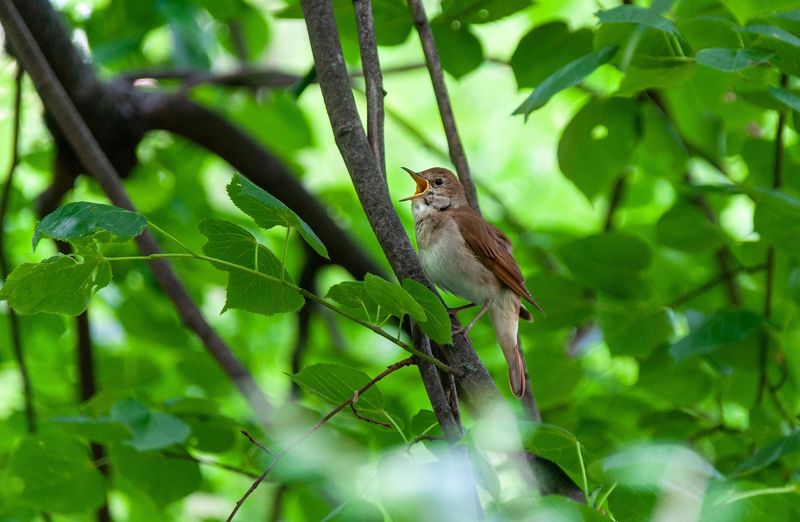
Many songbirds rely on insects for a big part of their meals, especially in warmer months. Caterpillars, beetles, and bugs give them protein they cannot get from seeds alone.
When yards get sprayed with strong insecticides, those tiny meals disappear fast. Fewer insects means fewer reasons for hungry birds to visit your space.
Even birds that love seeds often feed insects to their young or snack on them for extra energy. So wiping out bugs quietly takes food off the table for everyone.
Cutting back on sprays is one of the kindest things you can do for local wildlife. A yard buzzing with harmless insects becomes a natural feeding ground that birds seek out.
You do not need a perfectly bug free lawn to enjoy it. A few chewed leaves are a small price for a garden full of birdsong.
Try spot treating problem areas instead of blanketing your whole yard. Targeting only the trouble keeps most helpful insects safe and available.
Native plants naturally support the right kinds of bugs. They feed caterpillars that later become bird food, building a healthy chain right in your backyard.
Letting some parts of your yard grow a little wild helps too. Leaf litter and native plants shelter the insects birds hunt for all day long.
Over time, a spray free approach rewards you with more butterflies, more bugs, and far more birds.
Your yard becomes a living, connected system where everything supports each other. Small choices about chemicals make a surprisingly big difference for the birds you hope to see.
8. A Quiet Yard Is Not Necessarily A Bad Sign
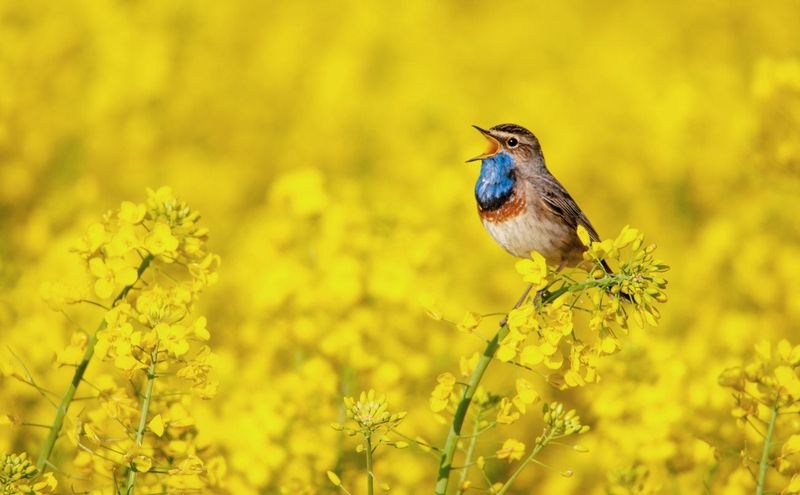
A hush in your yard this September usually means the seasons are simply turning. Birds shift their habits with the calendar, and quiet stretches are part of that natural rhythm.
Migration, wild food, flocking, and weather all work together to change who shows up and when. None of these point to a problem in your yard.
Think of fall as a reshuffling of the deck. Summer regulars head out while new travelers pass through, so the cast of characters keeps changing.
The best thing you can do is keep your yard ready and welcoming. Native plants, clean water, fresh food, and safe shelter make your space valuable whenever birds swing back around.
Steady care pays off in the long run. A yard that offers what birds need earns a spot on their regular routes, season after season.
Keep feeders clean and stocked even during slow weeks. When migration or cold weather sends birds looking for food, your reliable supply will stand out.
Notice the little visitors you do get, since even a single new species is a fun surprise. Quiet does not mean empty, just calmer for now.
Enjoy this slower stretch as a chance to plan improvements, like adding a shrub or a second birdbath. Small upgrades now bring bigger rewards later.
Autumn quiet always gives way to lively returns. As the weather cools and wild food fades, your feeders and plants become prime real estate again. Stay patient, keep caring for your space, and the birdsong will fill your yard once more.