What Nesting Birds In Texas Actually Need Beyond Feeders
There’s a familiar rhythm in many Texas backyards once spring settles in. Birds show up early, songs carry through the morning, and feeders start getting more attention.
It feels like you’re doing your part just by keeping them filled, but nesting season asks for a little more than that.
Birds looking to raise young need safe spots, reliable water, and materials that help them build without stress. In Texas, where heat can rise quickly and weather can shift, those details matter more than people expect.
A yard that supports nesting birds often looks a bit different from one built just for feeding. Small changes can make a big difference in whether birds stay or move on.
The ideas ahead focus on what truly helps birds settle in and feel secure.
1. Native Plants That Feed Birds And Their Nestlings
Oak trees alone support hundreds of caterpillar species, making them one of the most valuable plants you can grow for nesting birds in Texas. Native plants have co-evolved with local wildlife over thousands of years, which means birds instinctively recognize and rely on them for food and shelter.
A yard full of native species is essentially a living grocery store for parent birds working hard to feed their chicks.
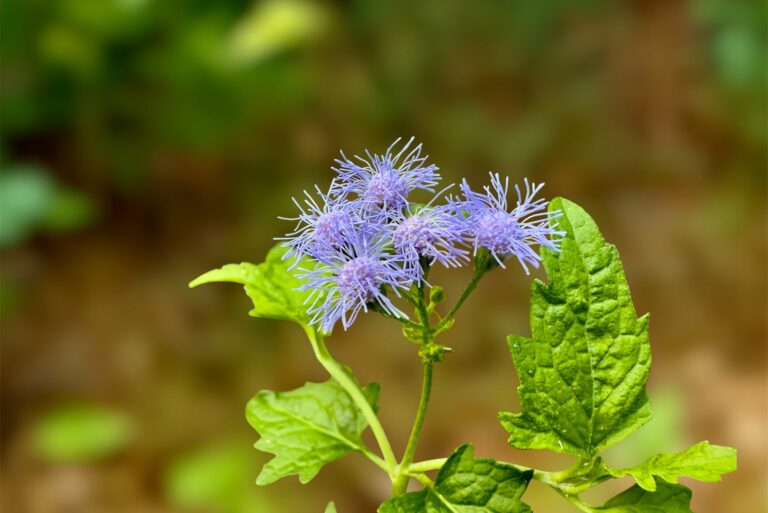
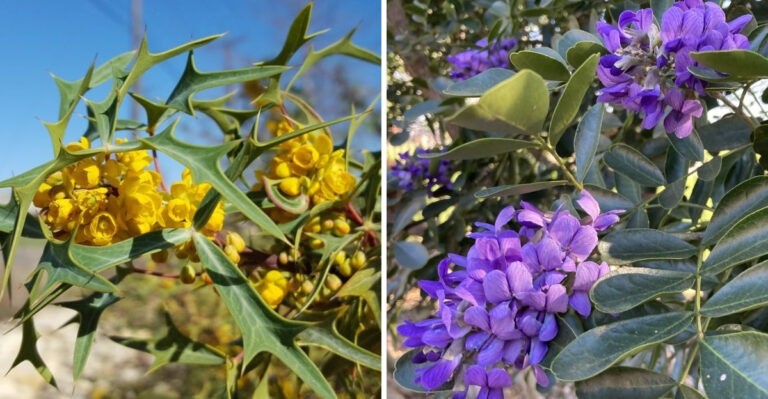
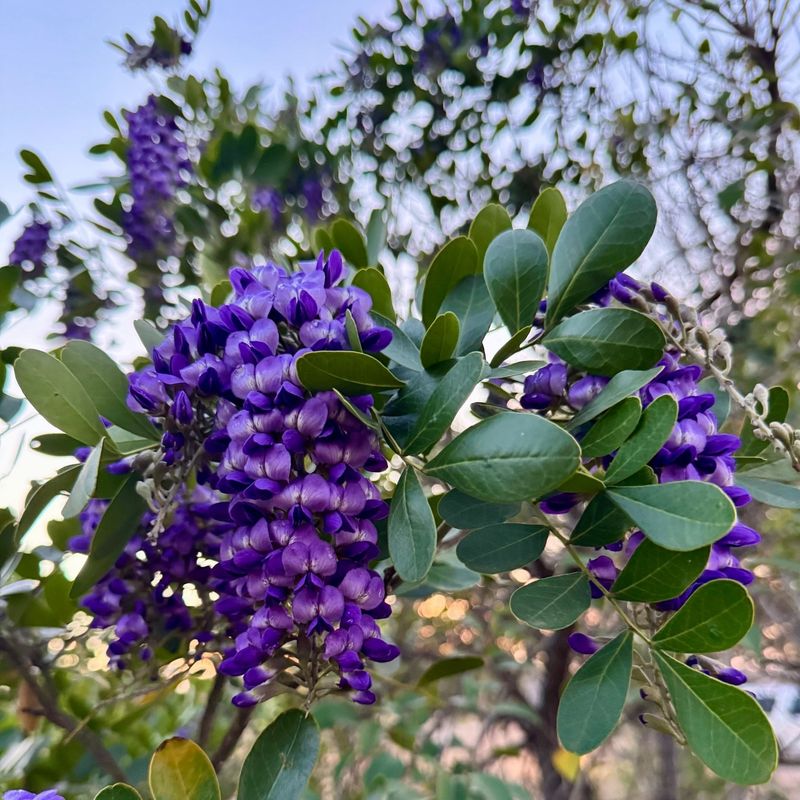
Plants like Texas mountain laurel, beautyberry, and native sunflowers produce seeds, berries, and nectar that birds need throughout the nesting season. Non-native ornamental plants, while pretty, often fail to support the insects that baby birds depend on for protein-rich meals.
Swapping even a few non-native shrubs for native ones can make a measurable difference in how many birds successfully raise young in your yard.
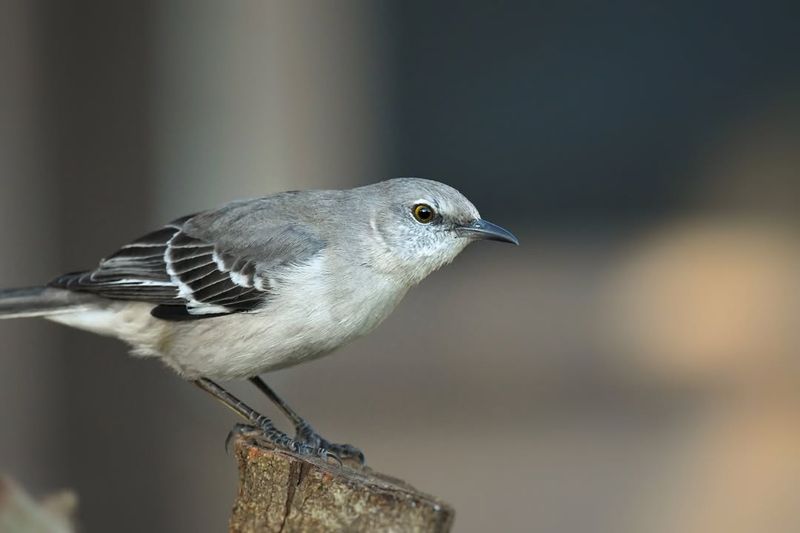
Beyond food, native trees and shrubs provide natural perches, singing posts, and staging areas where birds feel safe. Species like Carolina wrens, northern mockingbirds, and painted buntings are commonly spotted in Texas yards that feature diverse native plantings.
Visiting a local Texas native plant nursery is one of the best first steps any homeowner can take toward creating a yard that genuinely supports nesting birds from egg to fledgling.
2. Safe, Shallow Water For Drinking And Bathing
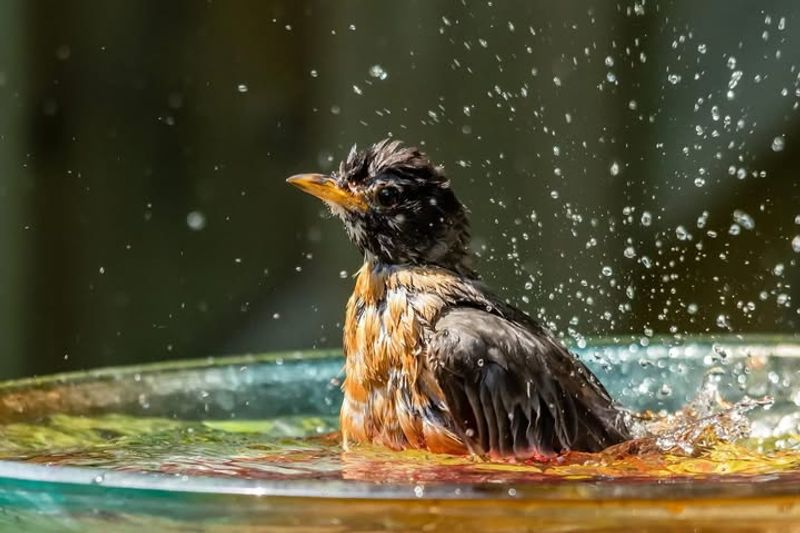
Water is one of the most overlooked resources in any bird-friendly yard, yet it can be even more attractive to birds than a well-stocked feeder. During Texas summers, temperatures regularly push past 100 degrees Fahrenheit, making a reliable source of clean, fresh water absolutely critical for birds raising chicks.
Parent birds need to stay hydrated to keep up with the exhausting demands of feeding and protecting a nest full of hungry babies.
The key word when setting up a water feature is shallow. Most birds prefer water that is only one to two inches deep, allowing them to wade in comfortably without risk of slipping or struggling.
Adding a flat rock or two to the center of a birdbath gives smaller birds a secure footing and makes the setup welcoming for a wider range of species. A gentle dripper or small fountain also helps by creating sound and movement, which draws birds in from surprisingly long distances.
Keeping the water clean is just as important as providing it in the first place. Algae, mosquito larvae, and bacteria can build up quickly in standing water, especially in the Texas heat.
Rinsing and refilling the birdbath every two to three days keeps it fresh and safe. Placing the water source near shrubs gives birds a quick escape route if a predator appears, making the spot feel much more inviting for regular visits throughout the nesting season.
3. Dense Shrubs And Trees For Cover And Protection
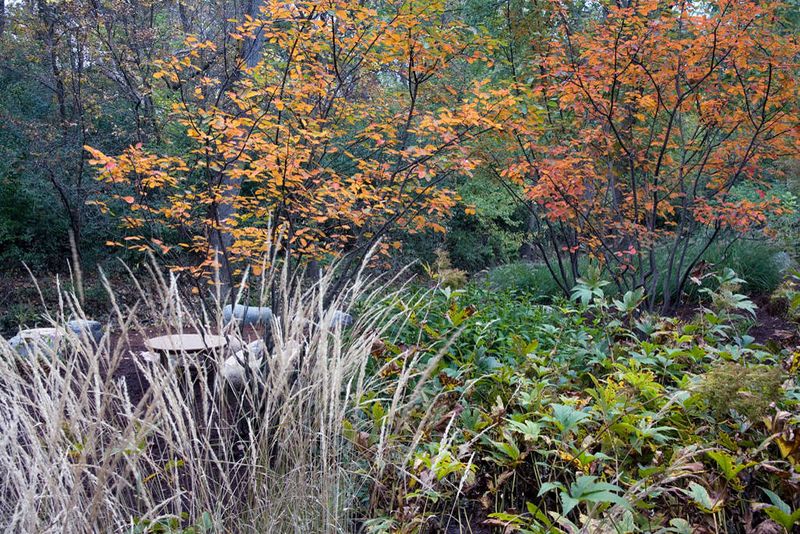
Few things matter more to a nesting bird than feeling safe. Dense shrubs and trees act as natural shields, hiding nests from predators and giving parent birds a place to retreat when danger feels close.
In Texas, where hawks, raccoons, and neighborhood cats are common threats, thick vegetation can be the difference between a successful nest and a failed one.
Yaupon holly, native cedar, and wax myrtle are excellent choices for Texas yards because they grow thick and full, offering year-round cover. Thorny shrubs like hawthorn or wild rose are especially useful because their sharp branches discourage climbing predators from poking around near nesting sites.
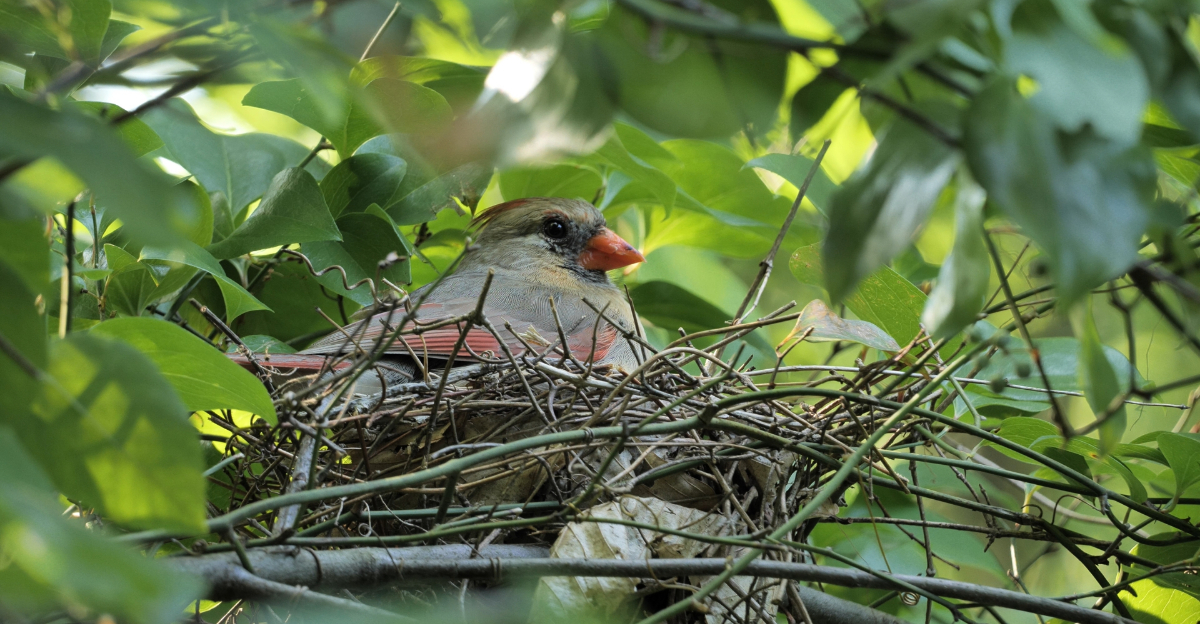
Birds like northern cardinals, mourning doves, and loggerhead shrikes actively seek out these kinds of dense, protective spots when choosing where to build their nests each spring.
Layering your plantings is a smart strategy that mimics the structure of a natural Texas woodland edge. Tall trees provide the upper canopy, medium shrubs fill in the middle layer, and low groundcover plants complete the picture.
Each layer attracts different species and creates a rich, diverse habitat that supports more birds overall. Even a modest suburban yard in Texas can be transformed into a layered wildlife haven with thoughtful plant selection.
The more structural variety your yard offers, the more species you are likely to attract and support through the full nesting season each year.
4. Secure Nesting Spots In Branches, Cavities, And Boxes
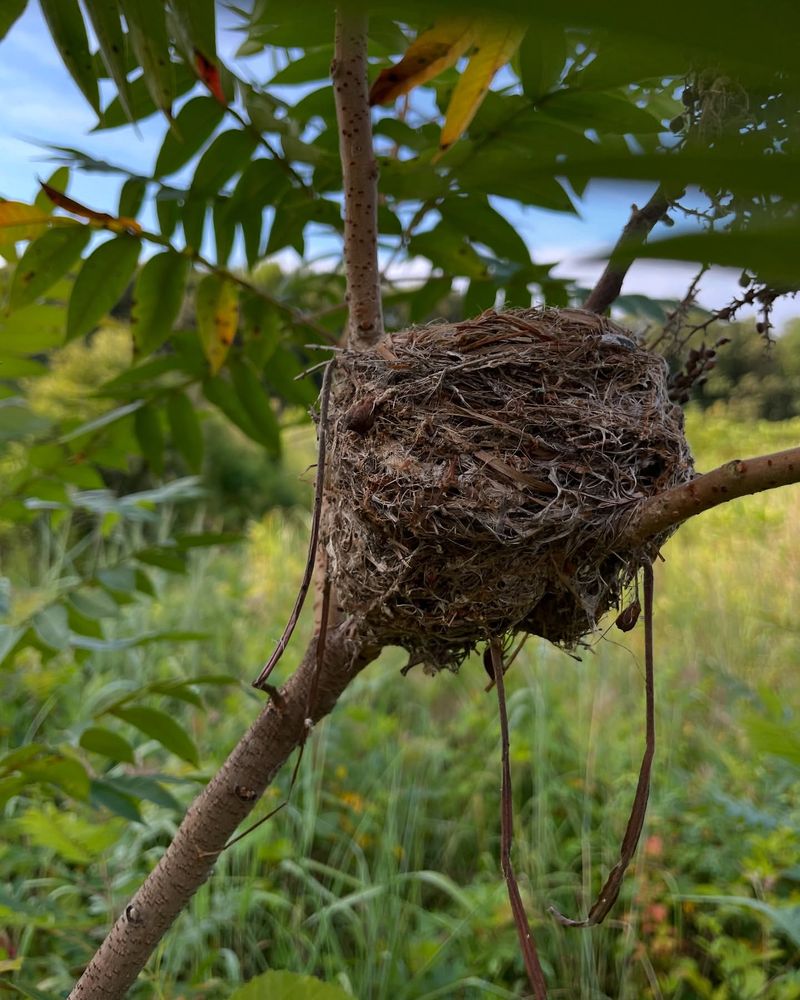
Not every bird builds an open cup nest in a shrub. A surprising number of Texas bird species are cavity nesters, meaning they raise their families inside hollow spaces in trees or inside specially designed nest boxes.
Carolina chickadees, eastern bluebirds, Carolina wrens, and great crested flycatchers all fall into this category, and they actively search for suitable cavities each spring across Texas.
Natural tree cavities are increasingly hard to find in manicured suburban yards where aging or decaying trees are routinely removed. Putting up a nest box is one of the most direct and rewarding ways to support these birds.
The entrance hole size matters enormously since a one and one-eighth inch hole suits chickadees perfectly, while bluebirds need closer to one and a half inches. Mounting the box at the right height, ideally five to ten feet off the ground, and facing it away from the afternoon sun will make it far more appealing to prospective tenants.
Proper placement also means thinking about predator guards. A metal baffle mounted below the box on the post goes a long way toward keeping raccoons and snakes from raiding the nest.
Checking and cleaning boxes between nesting seasons removes parasites and old material, keeping the box healthy for future occupants. Texas birding groups like the Texas Bluebird Society offer detailed guidance on box placement and maintenance, making it easy for any homeowner to get started with cavity nest support right in their own backyard.
5. Insect-Rich Habitat For Raising Hungry Chicks
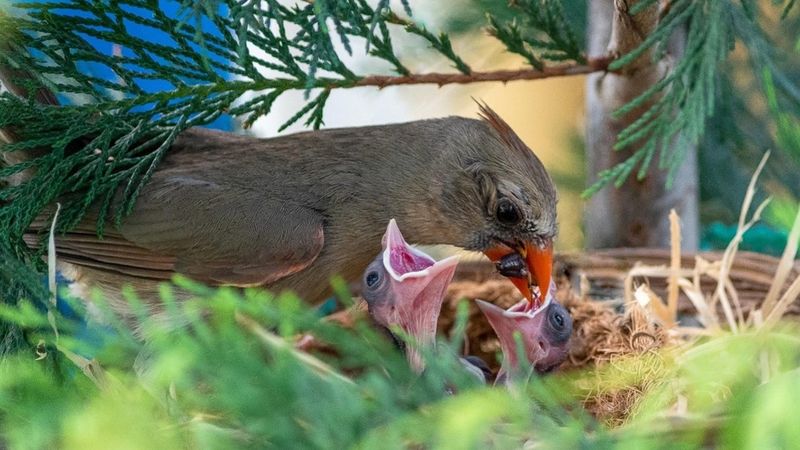
Baby birds are not seed eaters. Almost every songbird chick in Texas, including those raised by species you might think of as seed lovers, is fed a steady diet of soft-bodied insects during the first weeks of life.
Caterpillars, beetles, flies, and spiders are packed with the protein and fat that nestlings need to grow quickly and develop strong feathers and bones. Without a healthy insect population nearby, parent birds are forced to travel farther and work harder to find enough food.
Creating insect-rich habitat does not require much effort, but it does require a willingness to let your yard be a little less tidy. Leaving a pile of fallen leaves in a corner, keeping a section of bare or loosely mulched soil, and allowing some patches of native wildflowers to go to seed all encourage insects to take up residence.
Rotting logs are particularly valuable because they shelter dozens of insect species that birds love to forage through on cool Texas mornings.
Native plants play a starring role here too. Research consistently shows that native trees like oaks and native shrubs like native viburnums support exponentially more insect species than non-native ornamentals.
More insects mean more food for more birds, which translates directly into more successful nesting attempts each season. Thinking of insects not as pests but as essential links in the food chain helps shift the way you manage your Texas yard toward something that truly works for wildlife.
6. Natural Nesting Materials Like Twigs, Grass, And Moss
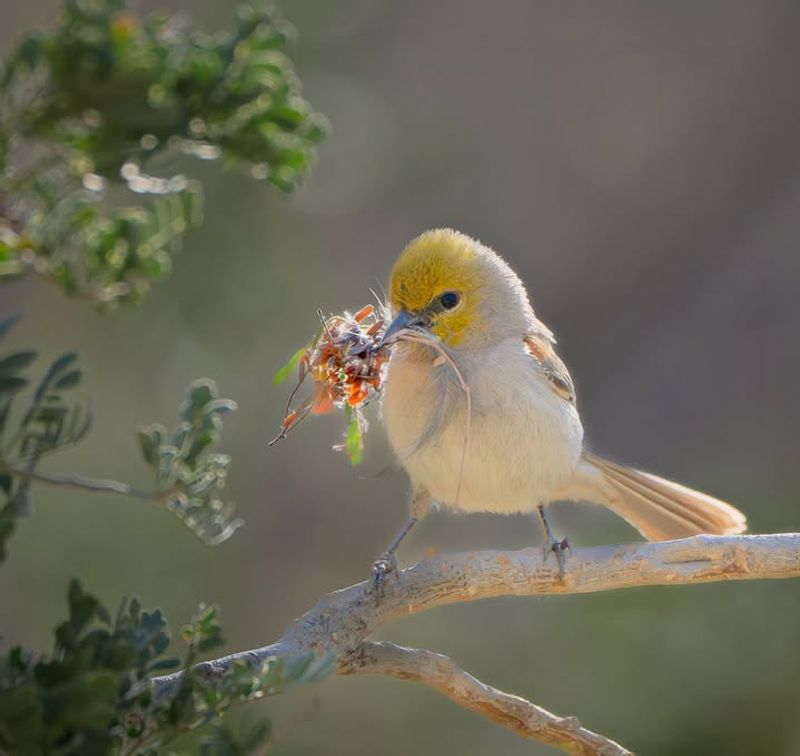
Watch a nesting bird long enough and you will see it making dozens of trips back and forth, each time carrying a tiny piece of material to weave into its nest. Birds are remarkably selective builders, and the materials they choose depend on the species and what is locally available.
In Texas, species like the golden-cheeked warbler famously seek out strips of Ashe juniper bark to construct their tightly woven nests, making native trees not just food sources but literal building supplies.
You can make your yard a one-stop shop for nest builders by leaving natural materials accessible. Allow dried grass clippings to remain on the lawn in small amounts, leave small twigs where they fall after pruning, and let patches of moss grow in shaded corners.
Some bird lovers set out a small mesh basket or wire cage filled with materials like pet fur, dried plant fibers, and small feathers to give birds an easy supply of soft lining material for the inside of their nests.
Avoid offering materials like dryer lint, synthetic fibers, or treated yarn. These can absorb moisture and fail to hold their shape, making nests less stable and potentially harmful to developing chicks.
Sticking to natural, untreated materials keeps things safe and practical. Watching a Carolina wren or a black-crested titmouse gather nesting supplies from your Texas yard is one of the most satisfying signs that your habitat efforts are genuinely paying off season after season.
7. A Safer Yard With Fewer Pesticides And Toxins
Pesticides are one of the most serious threats facing nesting birds across Texas and the rest of North America. When insecticides are sprayed on lawns and gardens, they do not just affect the target pests.
They spread through the food chain, reducing the overall insect population that birds depend on and sometimes poisoning birds directly when they eat contaminated insects or drink from puddles near treated areas. Neonicotinoids, a widely used class of insecticides, have been linked to serious problems in bird populations in multiple scientific studies.
Reducing or eliminating pesticide use in your yard is one of the highest-impact changes you can make for nesting birds in Texas. Start by identifying what pest problems you actually have and exploring natural alternatives first.
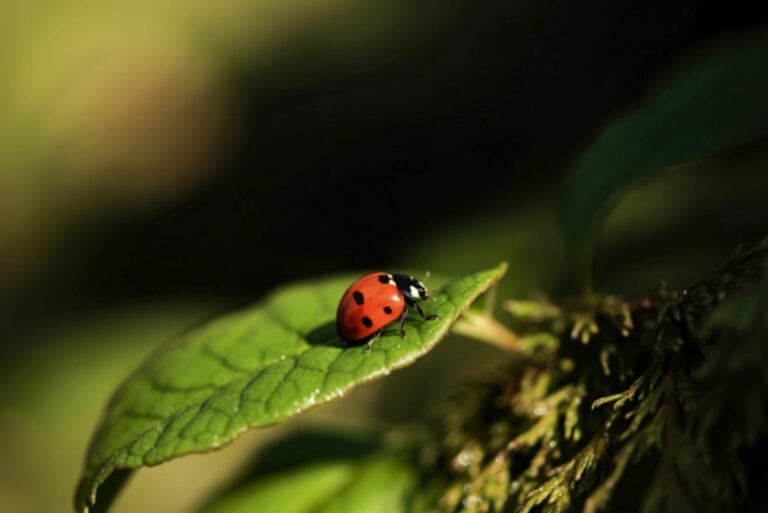
Introducing beneficial insects like ladybugs and lacewings, using physical barriers, and planting pest-resistant native species are all effective strategies that keep your garden healthy without harming the broader ecosystem. Many Texas gardeners find that a naturally managed yard actually has fewer pest problems over time because the predator-prey balance stabilizes on its own.
Herbicides also deserve attention. Broad-spectrum herbicides can eliminate native plants and groundcover that insects and birds rely on.
Letting some so-called weeds like native clovers and wild violets remain in your lawn actually supports pollinators and seed-eating birds. Making the shift to a lower-chemical yard takes patience, but the results, measured in more birds, more insects, and a more vibrant Texas backyard ecosystem, are absolutely worth the effort.
8. Less Disturbance From Cats, Mowing, And Heavy Cleanup
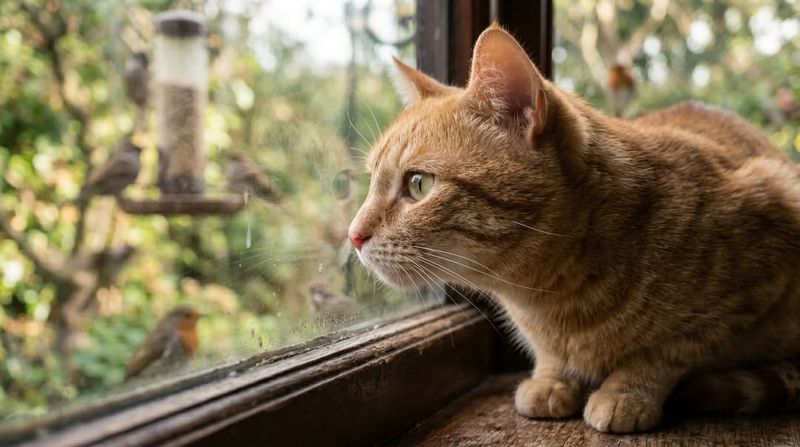
Outdoor and feral cats are among the leading causes of songbird population loss across the United States, and Texas is no exception. A cat does not need to be a skilled hunter to disrupt a nesting bird.
Simply prowling near a nest can disrupt parent birds and may reduce feeding visits, which can affect chick survival during critical growth windows. Keeping pet cats indoors during nesting season, which in Texas typically runs from March through July, is one of the most direct ways to protect nesting birds in your neighborhood.
Lawn mowing schedules also matter more than most people realize. Ground-nesting birds like meadowlarks build their nests directly in grass, and low-nesting species like song sparrows and yellowthroats often choose spots very close to the ground in unmowed patches.
Raising your mower blade height and avoiding mowing areas where you have noticed bird activity can prevent accidental nest destruction during the busiest part of the breeding season across Texas.
Heavy yard cleanup deserves a second look too. Raking every leaf, removing every fallen branch, and clearing all plant debris may feel tidy, but it strips away the habitat structure that nesting birds need.
Leaving some brush piles, keeping a section of your yard in a more natural state, and resisting the urge to trim every shrub right after flowering can make your Texas backyard a genuinely welcoming place for birds to nest, raise their young, and return to year after year.