Why Red-Flowering Currant Is One Of The Best Plants For Oregon Fence Lines
Fence lines can be tricky little strips of garden real estate. They need plants that look good, behave themselves, handle Oregon’s moody weather, and maybe offer a bit of privacy without turning into a leafy monster.
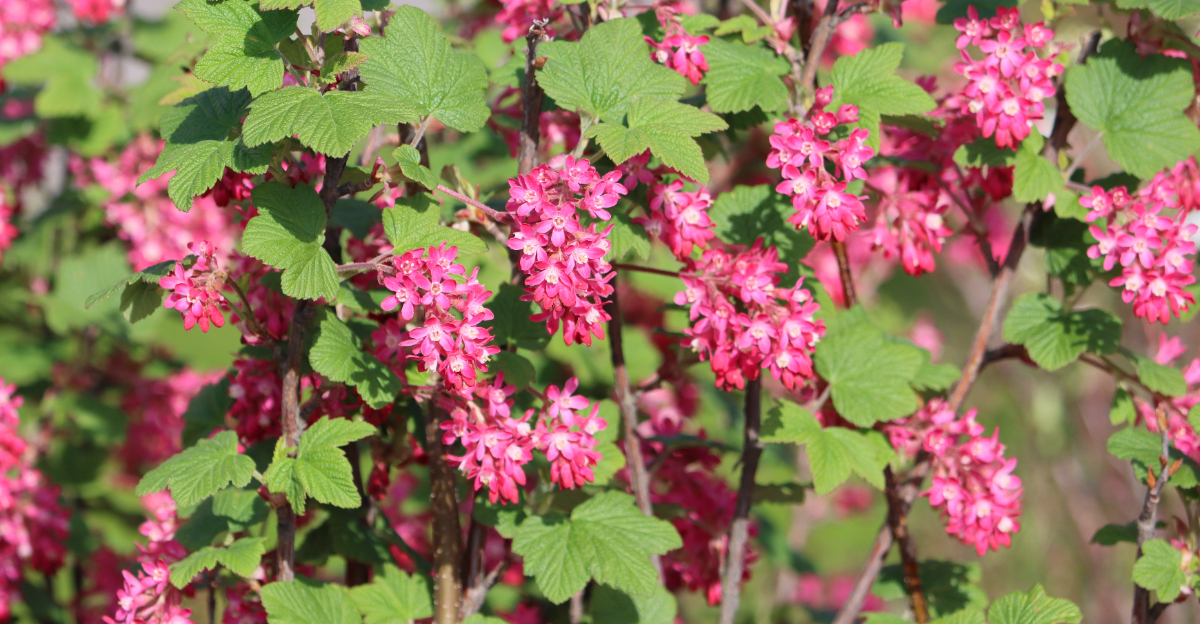
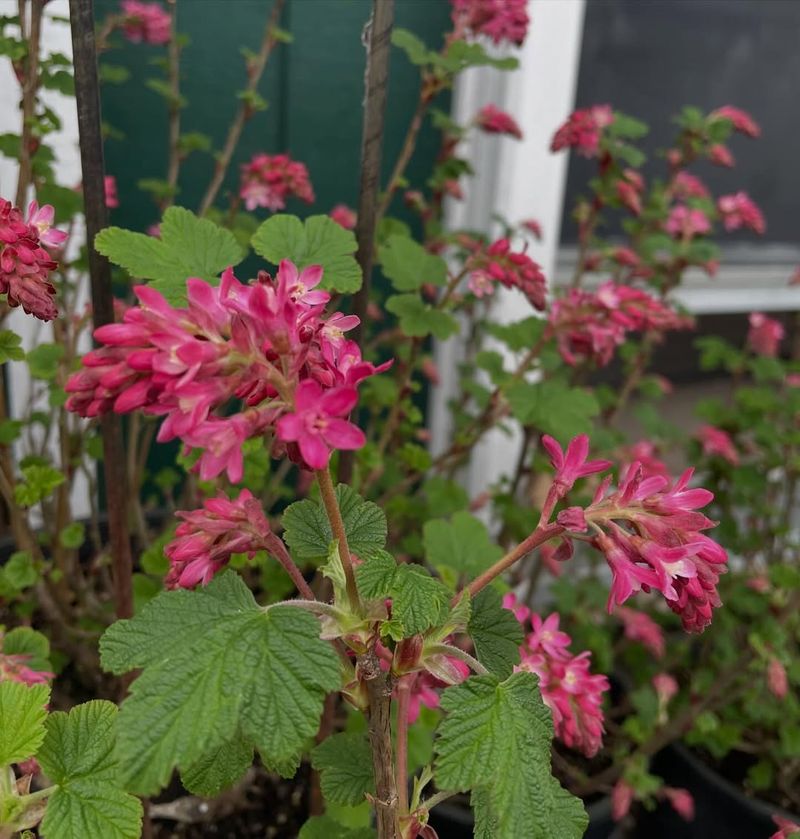
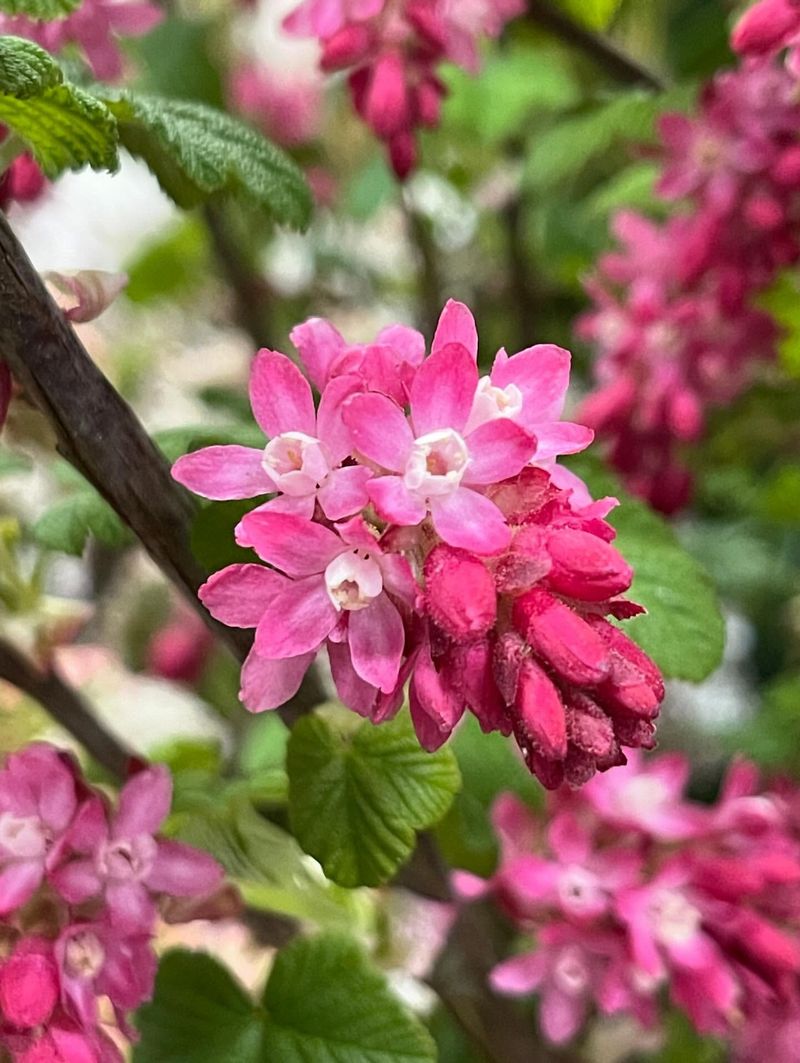
Red-flowering currant checks those boxes with serious style. This Pacific Northwest native wakes up spring with dangling clusters of pink to rosy-red blooms, just when the garden is hungry for color and hummingbirds are ready for a snack.
It can soften a plain fence, fill awkward gaps, and bring that relaxed woodland-meadow charm Oregon yards do so well.
Even better, it’s tougher than it looks once established, with a no-fuss personality that makes it a favorite for gardeners who want beauty without babysitting.
If your fence line feels bare, boring, or a little too “hello, neighbors,” this flowering shrub might be the glow-up it has been waiting for.
1. A Native Oregon Favorite
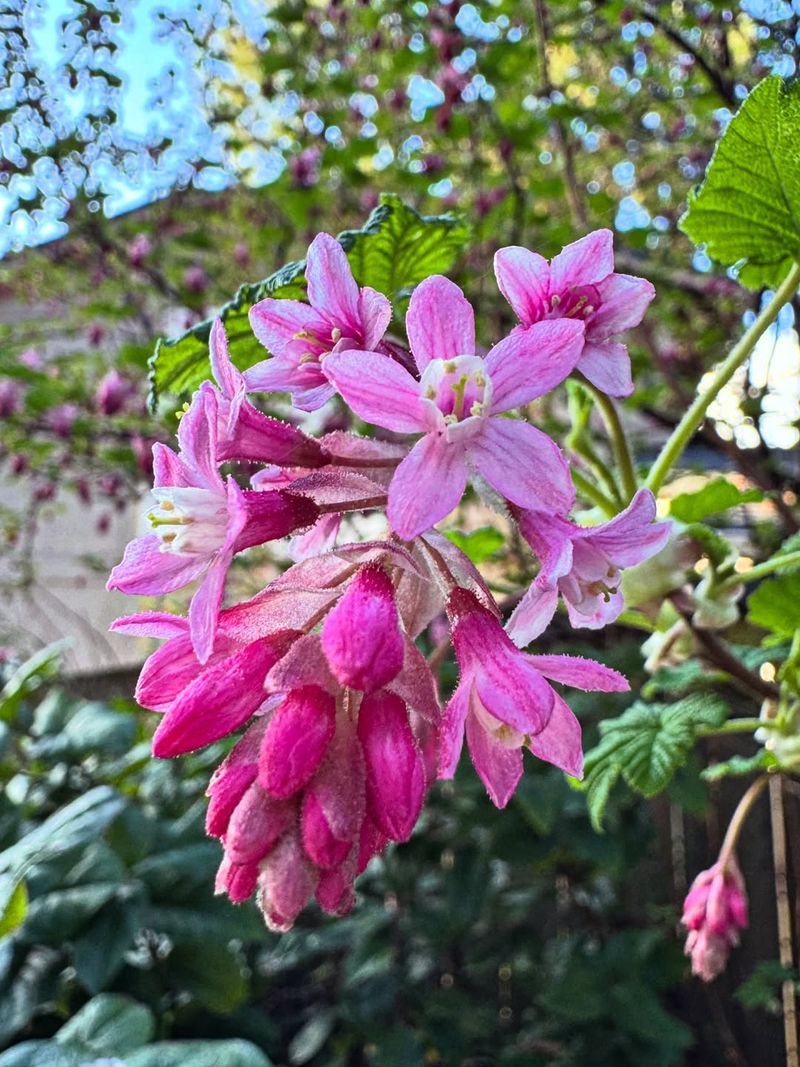
Long before nurseries started selling fancy imported plants, red-flowering currant was already thriving across Oregon’s hillsides, forests, and open slopes. Ribes sanguineum is its scientific name, and it has been a part of the Pacific Northwest landscape for thousands of years.
That kind of staying power says a lot.
Because it is native to Oregon, this shrub is perfectly adapted to the region’s wet winters and dry summers. It does not need special soil amendments or extra watering once it gets settled in.
The plant basically knows how to take care of itself in this environment.
Native plants also support the local ecosystem in ways that non-native plants simply cannot match. Red-flowering currant provides food and shelter for birds, insects, and other wildlife that evolved alongside it.
Planting it along your fence line means you are giving back to Oregon’s natural world while also making your yard look fantastic. That is a win you can feel good about every single day.
2. Perfect For Fence Lines
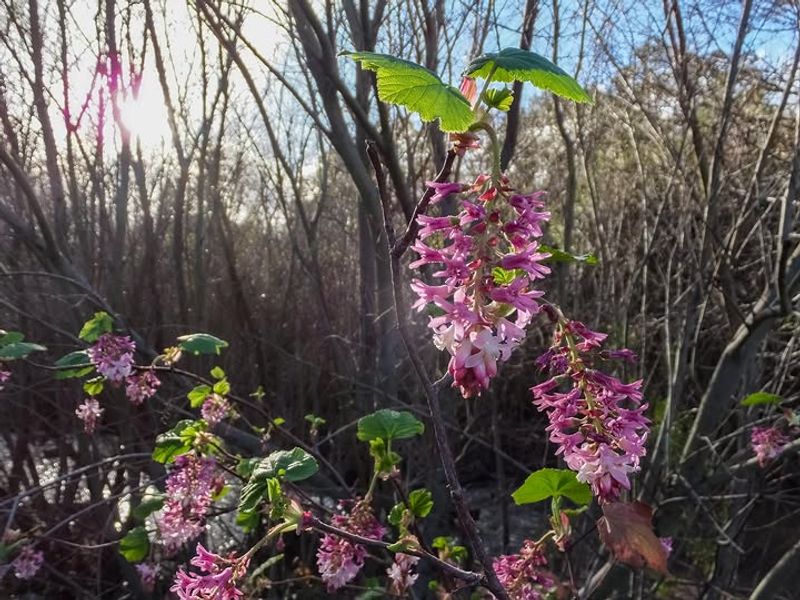
Fence lines can be tricky spots to plant. The soil is often compacted, the space can be narrow, and you want something that looks intentional rather than accidental.
Red-flowering currant handles all of these challenges with ease.
Growing between six and twelve feet tall, it fills vertical space beautifully without taking over your entire yard. Its upright, arching branches naturally follow the shape of a fence line, creating a soft and layered look.
You get structure without rigidity, which is exactly what most Oregon homeowners are looking for.
Unlike some shrubs that spread aggressively underground or drop messy debris constantly, red-flowering currant stays relatively tidy. It grows at a moderate pace, so you are not constantly cutting it back to keep it in check.
Plant it along your fence in Oregon and within a couple of seasons, you will have a living boundary that looks like it was always meant to be there. It softens hard edges, adds color, and creates a sense of depth that a bare fence simply cannot offer.
3. Spring Color That Stands Out
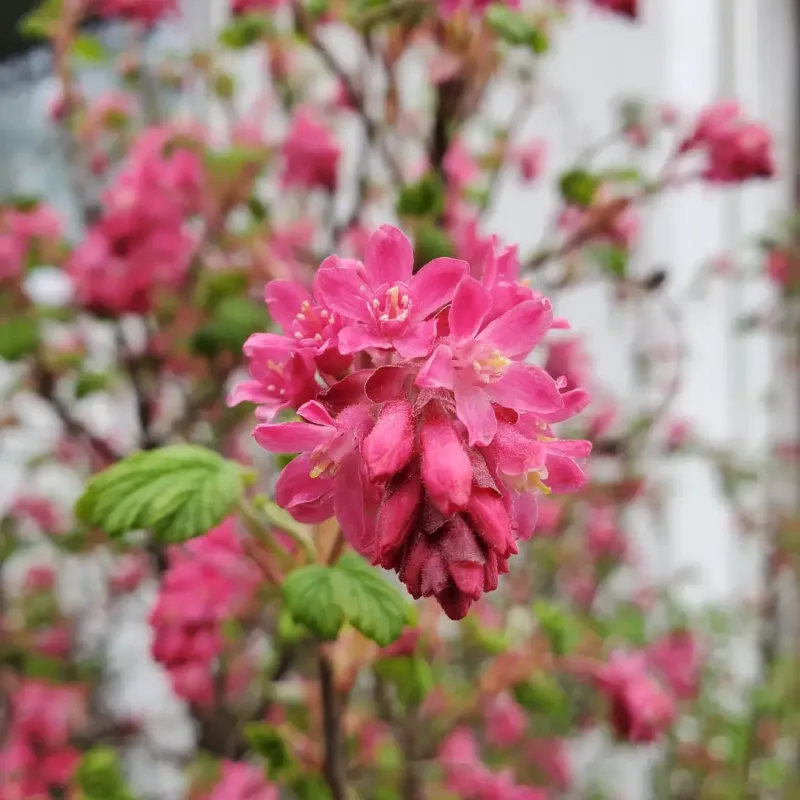
Few plants put on a spring show quite like red-flowering currant. When most of the yard is still waking up from winter, this shrub explodes with cascading clusters of deep pink to crimson flowers.
Your Oregon Garden Changes Every Week. Your Plan Should Too.
Gardening in Oregon changes quickly throughout the season. Every Friday you’ll receive a simple weekly plan showing exactly what to plant, prune, fertilize, harvest, and protect so you never miss the right timing.
The color is bold, saturated, and impossible to ignore.
The blooms appear in early to mid-spring, often before the leaves fully open. That means the flowers stand out even more against the bare branches, creating a dramatic look that feels almost theatrical.
Oregon gardeners who have planted it along their fences often say it becomes the first real sign of spring in their neighborhood.
After the flowers fade, the shrub produces small blue-black berries that add another layer of visual interest through summer and into fall. The foliage also turns warm golden tones in autumn, giving you color across three seasons from one single plant.
For a fence line that looks alive and interesting nearly year-round, red-flowering currant delivers in ways that most ornamental shrubs simply do not. It earns its place in any Oregon yard through sheer visual generosity.
4. Attracts Hummingbirds And Pollinators
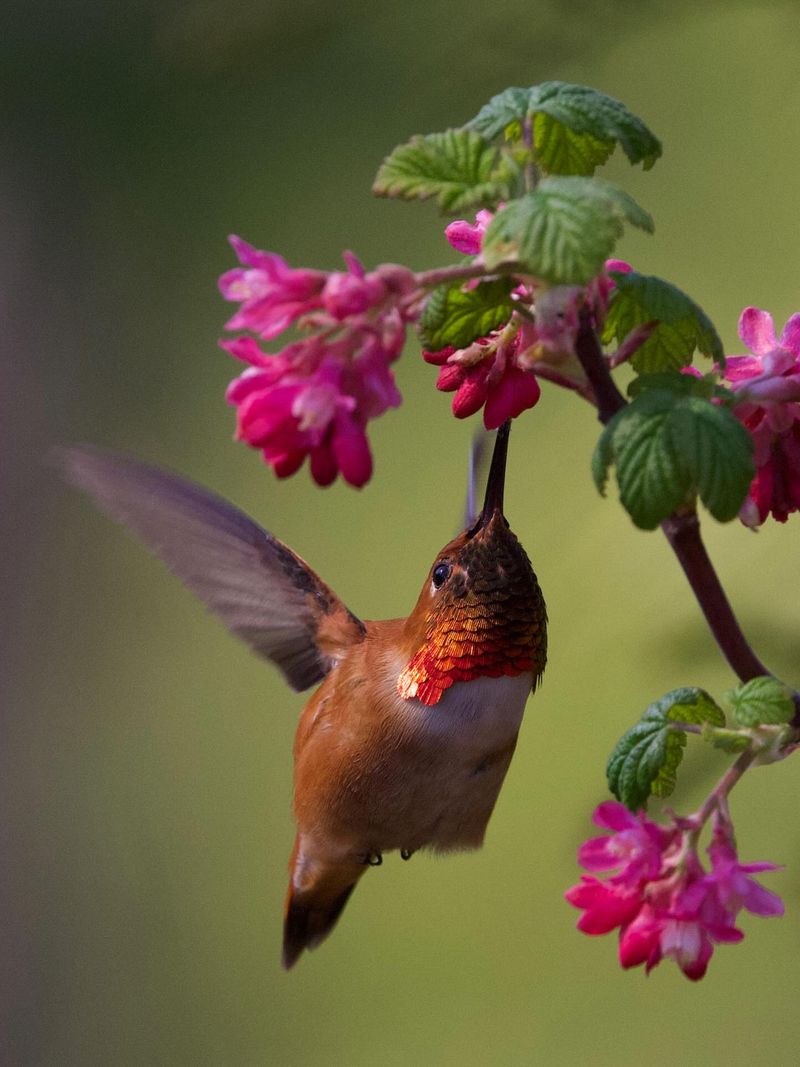
Hummingbirds in Oregon start looking for food the moment they arrive in early spring. Red-flowering currant blooms at exactly the right time to greet them.
The tubular pink flowers are perfectly shaped for hummingbird feeding, and the birds return to these shrubs year after year once they discover them.
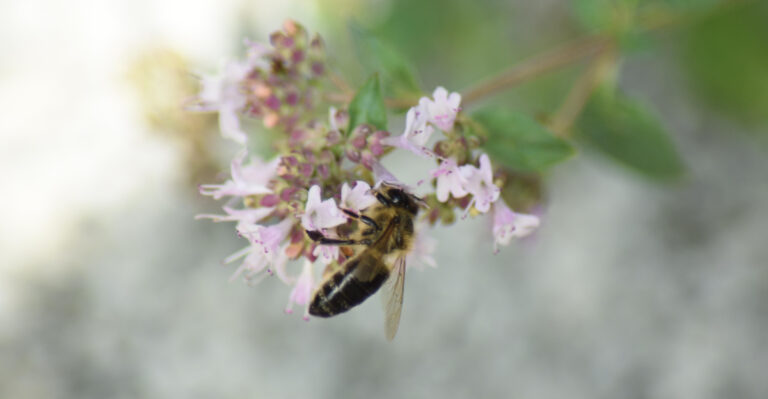
Beyond hummingbirds, the flowers also attract native bees, butterflies, and other beneficial pollinators. Having a fence line full of blooming currant shrubs essentially turns your yard into a pollinator highway during spring.
That activity is not just beautiful to watch, it also benefits every other plant in your garden by increasing pollination.
Oregon has seen declines in native pollinator populations in recent years, so planting red-flowering currant is a genuinely meaningful contribution to the local environment. You are not just decorating your yard, you are actively supporting the insects and birds that keep Oregon’s ecosystems healthy.
Neighbors often notice the hummingbirds visiting and want to know what plant is attracting them. It becomes a conversation starter and a source of quiet pride for anyone who has made the choice to plant it.
5. Low-Maintenance Once Established
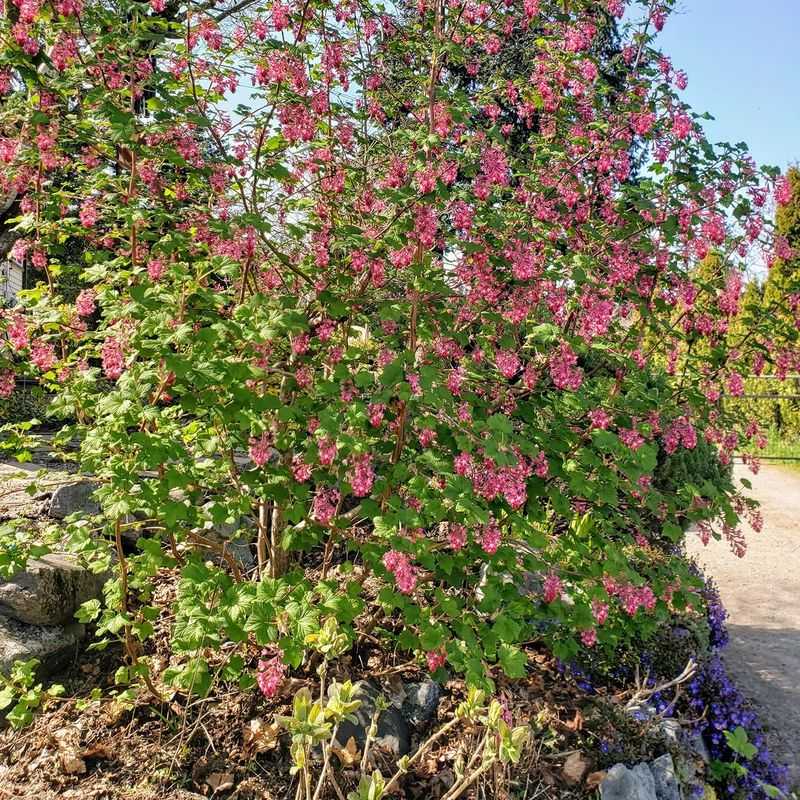
Gardening should be enjoyable, not exhausting. One of the biggest reasons Oregon homeowners love red-flowering currant is how little attention it needs after the first year or two.
Once the roots are established, this shrub is remarkably self-sufficient.
It is drought-tolerant, which matters a lot during Oregon’s dry summer months. You do not need to run a drip line to it or remember to water it every few days.
The plant draws on deep moisture and handles dry spells without wilting or looking stressed. That kind of resilience is genuinely rare in a flowering shrub.
Pruning is minimal and optional. You can shape it lightly after blooming if you want a tidier look, but it does not require it.
Fertilizing is rarely necessary, especially if your soil has decent organic matter. Pests and diseases are not a major concern with this plant, particularly when grown in Oregon where it evolved naturally.
For busy homeowners, parents, or anyone who wants a beautiful yard without constant upkeep, red-flowering currant along the fence line is one of the most practical choices available in the Pacific Northwest.
6. Adds Privacy Without Overcrowding
Privacy is something most homeowners want, but not everyone wants a solid wall of green blocking out all light and air. Red-flowering currant strikes a balance that is hard to find in other shrubs.
It grows full enough to create a visual screen without becoming a dense, suffocating hedge.
The arching branches fill in nicely over time, creating layers of foliage that block sightlines from the street or neighboring yards. Yet the plant still allows air to move through it freely, which keeps the garden feeling open and breathable.
That quality is especially valued in Oregon’s wetter regions where air circulation helps prevent mold and mildew on nearby plants.
Because it grows at a moderate rate rather than racing skyward, you stay in control of how much privacy it provides. You can plant multiple shrubs close together for a denser screen, or space them out for a lighter, more natural look.
Either way, the result feels organic and relaxed rather than forced or formal. For Oregon homeowners who want a fence line that feels like a natural extension of the landscape, red-flowering currant delivers exactly that kind of easy, unfussy privacy.
7. How To Plant And Care For It
Getting red-flowering currant off to a strong start is straightforward. Fall and early spring are the best times to plant in Oregon, when the soil is moist and temperatures are mild.
Choose a spot along your fence that gets full sun to partial shade, as the shrub handles both conditions well.
Dig a hole about twice as wide as the root ball and roughly the same depth. Place the plant so the top of the root ball sits level with the surrounding soil.
Backfill with the native soil you removed, water it in deeply, and add a layer of mulch around the base to hold in moisture during Oregon’s dry summer season.
For the first season, water it once a week during dry spells to help the roots establish. After that, rainfall in most parts of Oregon takes care of the rest.
Light pruning right after the blooms fade helps maintain a nice shape and encourages healthy new growth for the following year. Avoid heavy pruning in late summer or fall, as that can remove next year’s flower buds.
With just a little attention early on, your fence line will reward you with beauty for many years ahead.