What North Carolina Camellias Need After Blooming To Stay Healthy And Strong
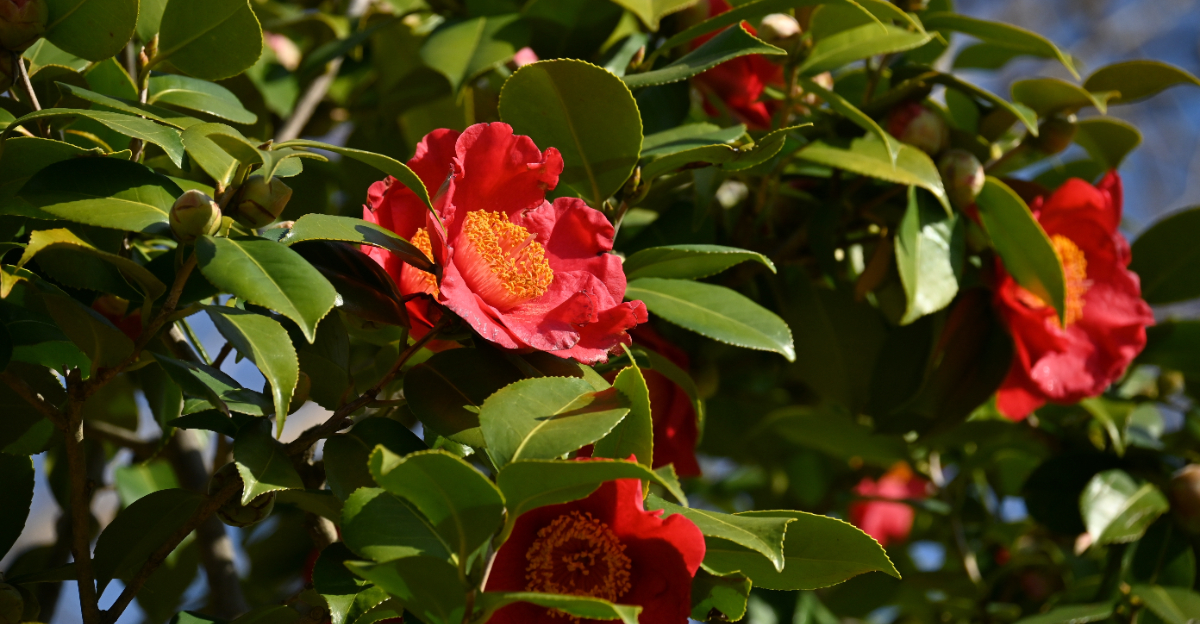
Once camellia blooms fade, it is easy to think the plant is done for the season. In North Carolina, that is actually when an important stretch begins.
What you do after flowering can affect how healthy the shrub stays, how well it grows through spring and summer, and how many blooms you get the next time around.
This is the point when camellias begin putting energy into new growth and setting up for the months ahead.
A little care now can help them recover from blooming, hold their rich green leaves, and stay strong through heat, humidity, and dry spells. The wrong moves can create stress, weak growth, or fewer flowers later.
For gardeners who want full, healthy camellias that keep looking beautiful long after bloom season ends, post bloom care matters more than it may seem at first glance.
1. Why Post Bloom Care Matters For Camellias In North Carolina
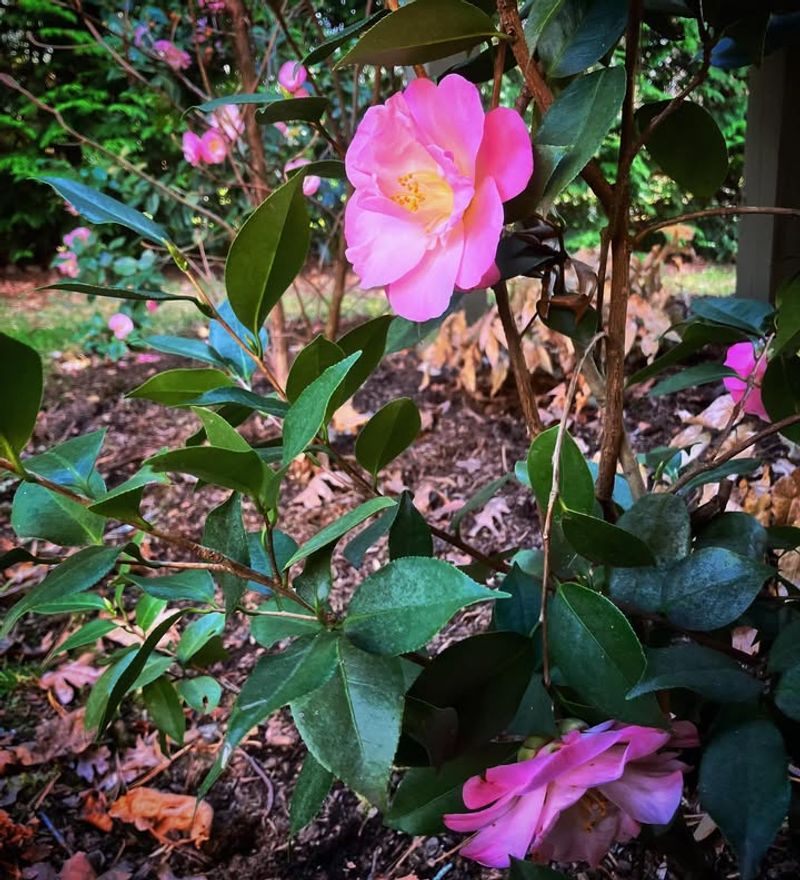
Most gardeners focus all their energy on camellias while they are blooming, but the weeks right after flowering may actually matter even more.
North Carolina’s spring weather shifts quickly, and camellias are already working hard to push out new growth while still recovering from their blooming cycle.
What happens during this window directly shapes next year’s flowers. Across North Carolina, conditions vary quite a bit. The Piedmont brings clay-heavy soil and warm, humid springs.
The Coastal Plain offers milder winters but intense summer heat. The Mountains see cooler temperatures that linger longer into spring. Each region creates its own set of challenges for camellias recovering from bloom.
Skipping post-bloom care can leave camellias weak, stressed, and more vulnerable to pests and fungal problems. Strong roots, healthy foliage, and well-set flower buds all depend on consistent attention during this period.
North Carolina gardeners who treat this phase seriously tend to see fuller, more reliable blooms year after year. Good post-bloom habits build the kind of plant strength that shows up beautifully every single season.
2. When To Prune Camellias After Blooming
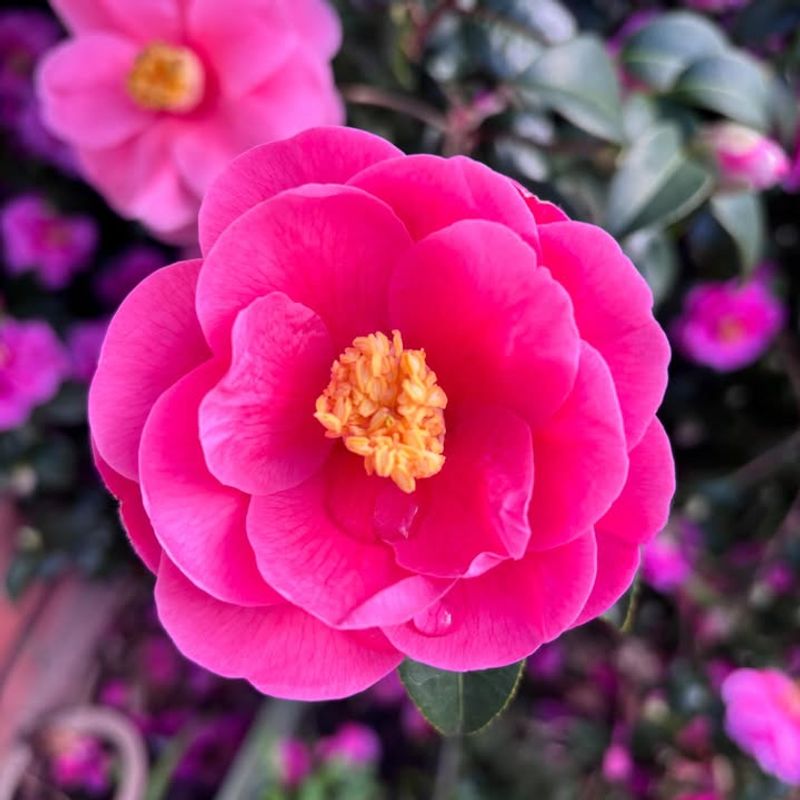
Timing matters more than most people realize when it comes to pruning camellias. The best window for pruning in North Carolina opens right after the last flowers drop from the plant.
Acting quickly during this time helps camellias channel their energy into fresh, healthy growth rather than holding onto spent wood.
One of the most important things to remember is that camellias start setting next year’s flower buds surprisingly early in the summer. Pruning too late, especially after mid-June across most of North Carolina, risks cutting off buds that are already forming.
That mistake can leave a plant with noticeably fewer blooms the following season.
Timing can shift slightly depending on where you garden in North Carolina. In the warmer Coastal Plain, flowering wraps up earlier, so pruning can often begin in late February or early March.
Piedmont gardeners typically prune in March. Mountain gardeners, where springs run cooler, may wait until April.
Watching the plant rather than the calendar is always the smartest approach. When the last bloom drops and new leaf buds start swelling, that is your reliable signal to get started with pruning.
3. How To Prune Without Weakening The Plant
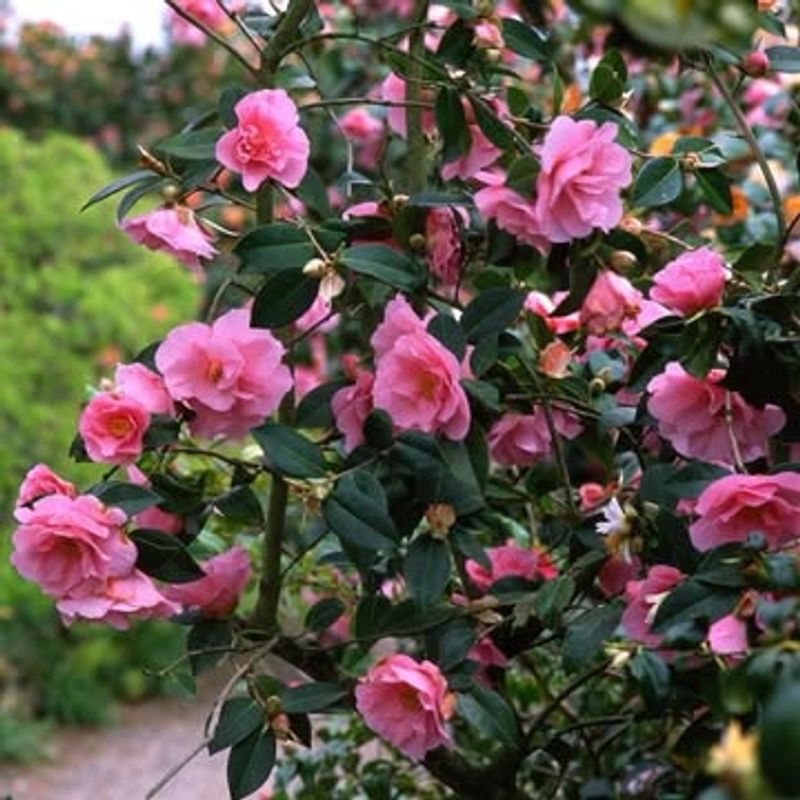
Camellias are forgiving shrubs, but they respond much better to thoughtful pruning than to aggressive cutting. The goal after blooming is not to dramatically reshape the plant but to clean it up, open the canopy a little, and encourage strong new growth.
Light, careful pruning almost always produces better results than heavy cutting for established camellias in North Carolina landscapes.
Start by removing any branches that cross over each other or rub together, since those create wounds that invite disease. Next, take out any stems that look crowded, weak, or growing inward toward the center of the shrub.
Removing these allows better airflow through the plant, which is especially helpful in North Carolina’s humid spring and summer conditions where fungal problems can develop quickly.
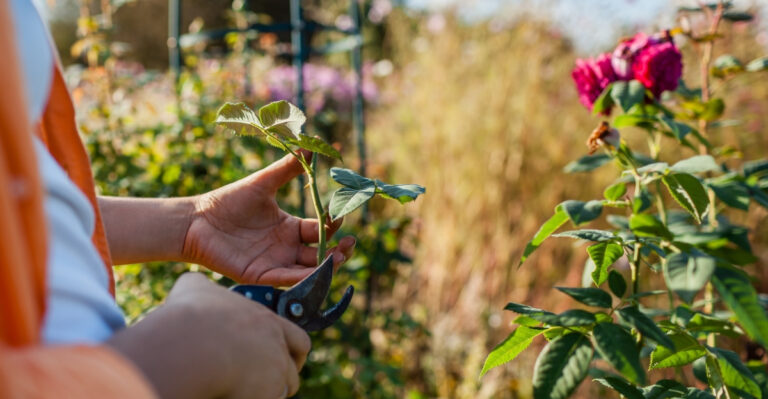
Always use sharp, clean pruning shears to make smooth cuts just above a leaf node or outward-facing bud. Ragged cuts heal slowly and can become entry points for pests.
Avoid cutting back more than one-third of the plant in a single season, as heavy pruning puts real stress on the root system.
Shaping the shrub so it follows its natural rounded form keeps it looking beautiful while still supporting vigorous, healthy growth through the rest of the year.
4. Why Mulch Helps Camellias Recover After Blooming
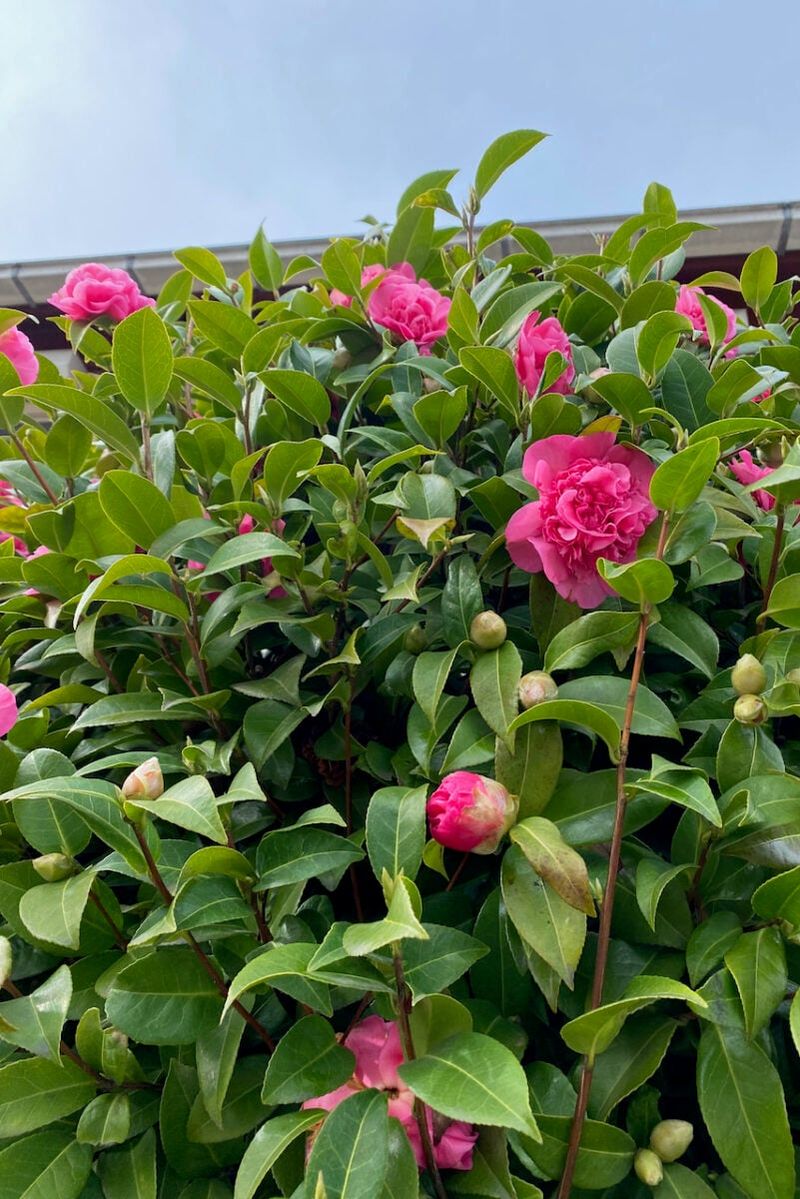
Mulch might be the single most underrated tool in any North Carolina camellia gardener’s routine. Right after blooming ends, spreading a fresh layer around the base of the plant does several important things at once.
It holds soil moisture, keeps root temperatures steady, and slowly breaks down to improve the soil over time.
Camellias have shallow, fibrous root systems that sit close to the soil surface, making them sensitive to temperature swings and drying out. North Carolina springs can flip between warm days and cold nights, and summer heat arrives fast.
A 2 to 3 inch layer of pine bark or pine straw insulates those roots beautifully, reducing stress during these temperature shifts.
Pine bark and pine straw are especially good choices across North Carolina because they break down gradually and contribute organic matter that lowers soil pH slightly, which camellias prefer.
In the Piedmont especially, where heavy clay soil compacts easily, mulch helps protect the root zone from surface compaction caused by foot traffic and heavy rain.
Keep the mulch pulled back a few inches from the main trunk to prevent moisture buildup against the bark. Refreshing the mulch layer each spring after blooming is one of the simplest habits that pays off with visibly stronger, healthier plants.
5. How To Water Camellias The Right Way After Blooming
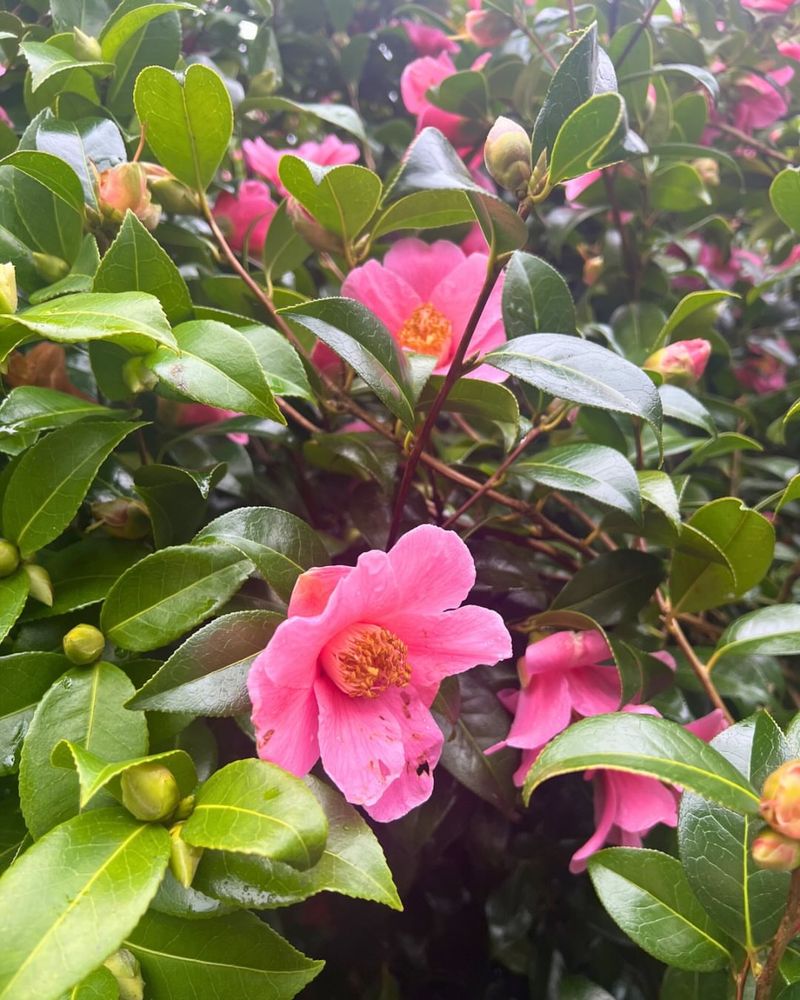
Watering camellias correctly after blooming takes a little more thought than simply turning on the hose. Spring growth flushes in North Carolina can be rapid, and camellias need steady, consistent moisture to support all that new leaf and stem development.
Irregular watering during this period can cause stress that shows up weeks later as yellowing leaves or poor bud set.
The key is keeping the soil evenly moist without letting it stay soggy. Camellias absolutely do not perform well in waterlogged conditions, and root problems from poor drainage are one of the more common issues gardeners face across the state.
In the Piedmont and Mountain regions where clay soil is common, water can pool and sit longer than the plant appreciates. Raised planting beds or improved soil drainage can help a lot in those areas.
Sandy soils along the Coastal Plain drain quickly and may need more frequent watering during dry spring spells. A good rule of thumb is to water deeply once or twice a week rather than giving the plant a light sprinkle every day.
Deep watering encourages roots to grow downward, building a stronger root system overall. Always check the soil a few inches down before watering again, because feeling actual soil moisture is far more reliable than following a fixed schedule.
6. What Camellias Need From Soil And Feeding After Blooming
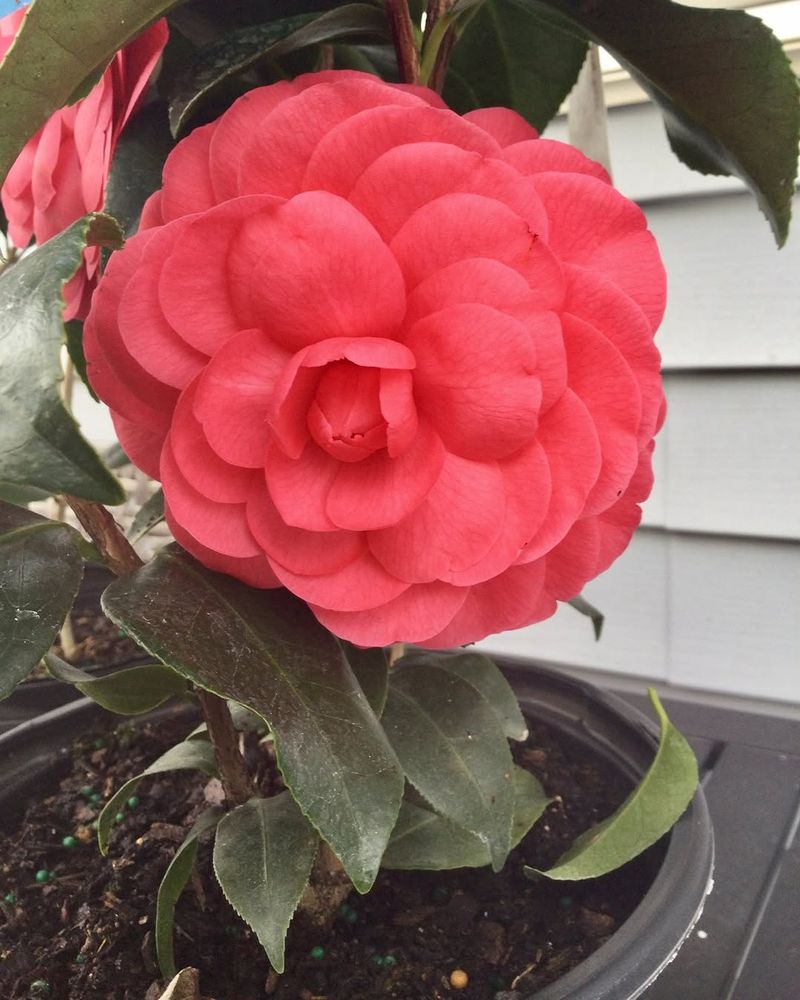
Healthy soil is the foundation that everything else depends on when it comes to growing great camellias in North Carolina. After blooming wraps up, the plant shifts all of its energy toward producing new leaves and eventually setting flower buds for the following year.
Giving it the right soil conditions and a gentle nutrient boost at this stage makes a real difference in how strong that growth turns out.
Camellias prefer acidic soil with a pH between 5.5 and 6.5, which happens to match the naturally acidic soils found in many parts of North Carolina. However, heavy clay soil common in the Piedmont can compact and restrict drainage, creating stress even when pH is correct.
Mixing in organic matter like compost or aged pine bark helps loosen clay soil and improves both drainage and root health over time.
For feeding, a slow-release fertilizer formulated for acid-loving plants works well when applied in early spring just as new growth begins.
Avoid fertilizing too late in the season because pushing tender new growth in late summer can leave it vulnerable before cooler weather arrives.
Never over-fertilize, as too much nitrogen pushes leafy growth at the expense of flowers. A single, well-timed feeding after blooming is usually all an established camellia in North Carolina truly needs.
7. Problems To Watch For After Flowers Fade
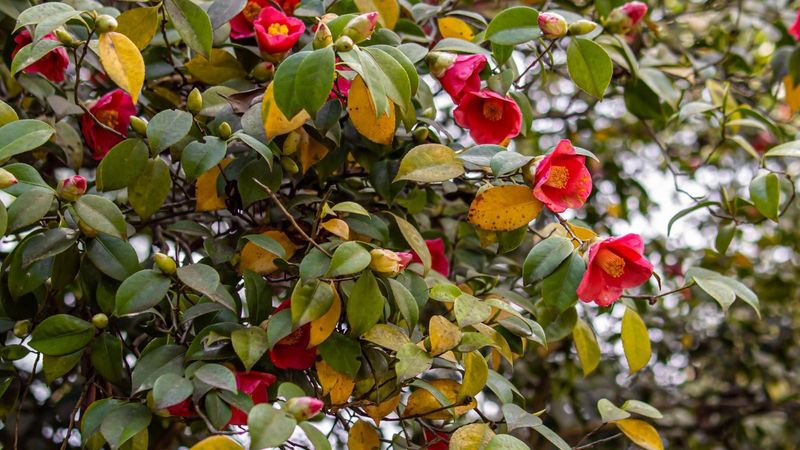
Once the blooms fade and the plant moves into its growth phase, a few common problems can creep in if you are not paying attention.
North Carolina’s warm, humid spring weather creates ideal conditions for fungal issues, especially when spent blooms are left on the ground or tangled in the branches.
Cleaning up fallen petals promptly is one of the easiest ways to reduce the risk of petal blight spreading through the plant.
Yellowing leaves after blooming can signal several different things, including poor drainage, nutrient deficiency, or pH that has drifted too high. Checking the soil moisture and doing a simple soil pH test can help narrow down the cause quickly.
Gardeners across North Carolina, especially in areas with clay-heavy Piedmont soils, should pay close attention to drainage since standing water around roots leads to serious stress over time.
Scale insects are another problem worth watching for closely. These small, shell-like pests attach to stems and the undersides of leaves, quietly weakening the plant by feeding on its sap. Early detection makes them much easier to manage with horticultural oil sprays.
Checking the plant every week or two after blooming ends gives you a real advantage, because catching problems early almost always means less effort and better outcomes for your North Carolina camellias in the long run.
8. How Good Post Bloom Care Leads To Better Blooms Next Season
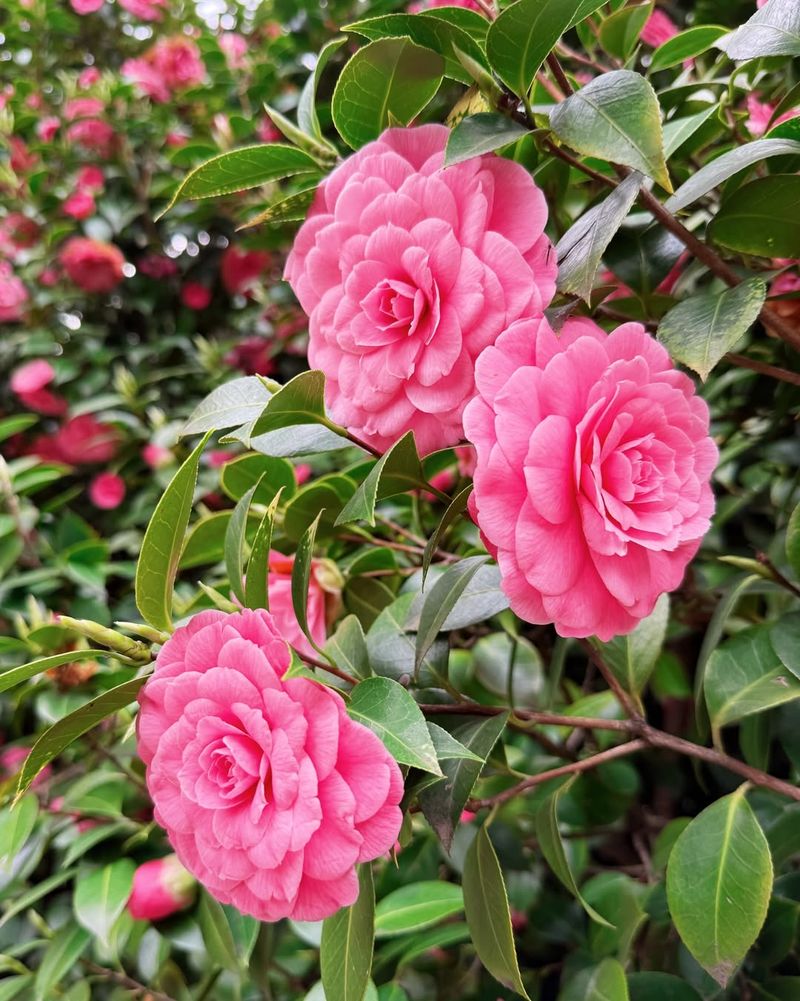
Every step of post-bloom care connects directly to what your camellias will look like next season. Pruning at the right time encourages the plant to put energy into strong new growth rather than holding onto old, spent wood.
That fresh growth is exactly where next year’s flower buds will eventually form, so giving it the best possible start matters more than most gardeners expect.
Mulching, watering correctly, and feeding with the right fertilizer all work together to build a root system that can support heavy flowering.
Camellias in North Carolina that grow in well-maintained soil with consistent moisture tend to set more flower buds and hold them through the season without dropping them prematurely.
Strong roots translate directly into stronger blooms, and that connection becomes very clear after a season or two of consistent care.
Staying on top of pests and drainage issues rounds out the picture, because a plant under stress from scale insects or waterlogged roots simply cannot produce its best flowers.
North Carolina gardeners who commit to post-bloom care often notice a visible improvement in bloom count and flower quality within just one growing season.
The effort required is genuinely modest compared to the reward of watching a well-cared-for camellia burst into full, spectacular color every year right on schedule.