What North Carolina Gardeners Can Direct Sow In April
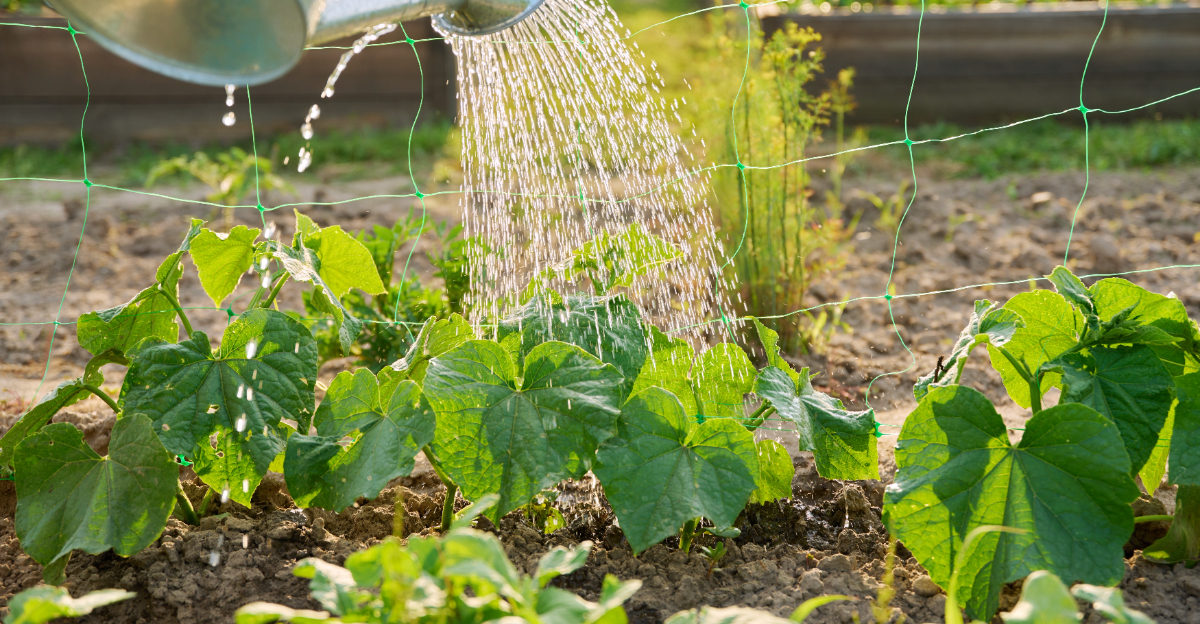
April is when North Carolina gardens shift into full gear. Warmer soil, longer days, and fading frost risk create the perfect conditions to start planting directly outdoors.
After weeks of waiting, this is the moment when garden beds finally feel ready for real progress. Across the Coastal Plain, Piedmont, and foothill regions, April offers one of the best planting windows of the entire season.
Seeds placed in the ground now have the warmth and moisture they need to sprout quickly and grow strong. Gardeners who take advantage of this timing often see faster results and more productive beds as spring continues.
It is the kind of month where a little effort goes a long way. With the right choices, North Carolina gardens can fill with color, fresh vegetables, and steady growth that carries well into the warmer months ahead.
1. Green Beans
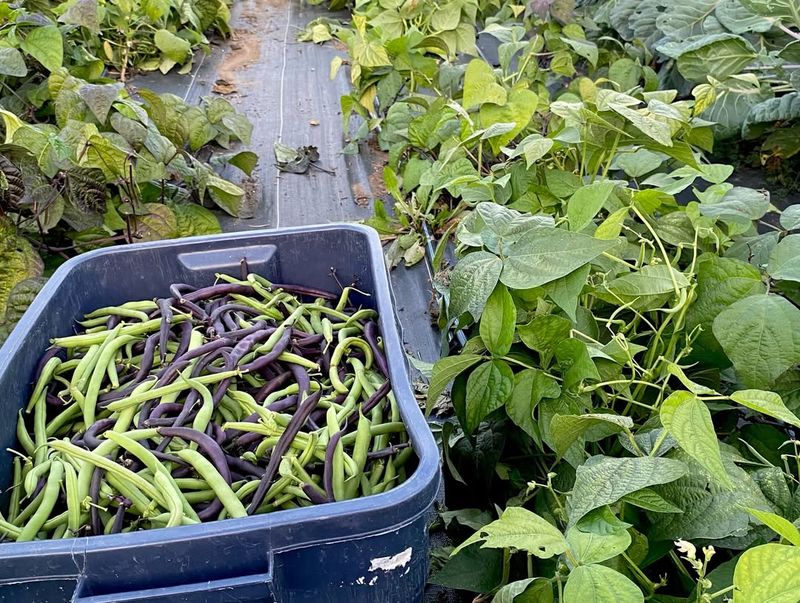
Few vegetables are as rewarding to grow as green beans, and April in North Carolina is practically made for planting them.
Once the soil temperature climbs to at least 60 degrees Fahrenheit, usually mid to late April across most of the state, you can push seeds directly into the ground and watch them take off.
Beans are not fans of cold, wet soil, so waiting for that warmth makes a real difference in how fast they sprout.
Bush beans are a popular choice for beginners because they stay compact and do not need staking. Plant seeds about one inch deep and space them two to three inches apart in a spot that gets full sun.
Pole beans need a little more room, around six inches between plants, plus a trellis or stake to climb. Both types produce generous harvests when given consistent moisture and good drainage.
One of the best things about green beans is how quickly they go from seed to table. Most varieties are ready to harvest in about 50 to 60 days.
In North Carolina, that means fresh beans on your plate by early summer. Succession planting every two weeks keeps the harvest going longer. Green beans also fix nitrogen in the soil, which is a natural bonus for your garden beds.
2. Cucumbers
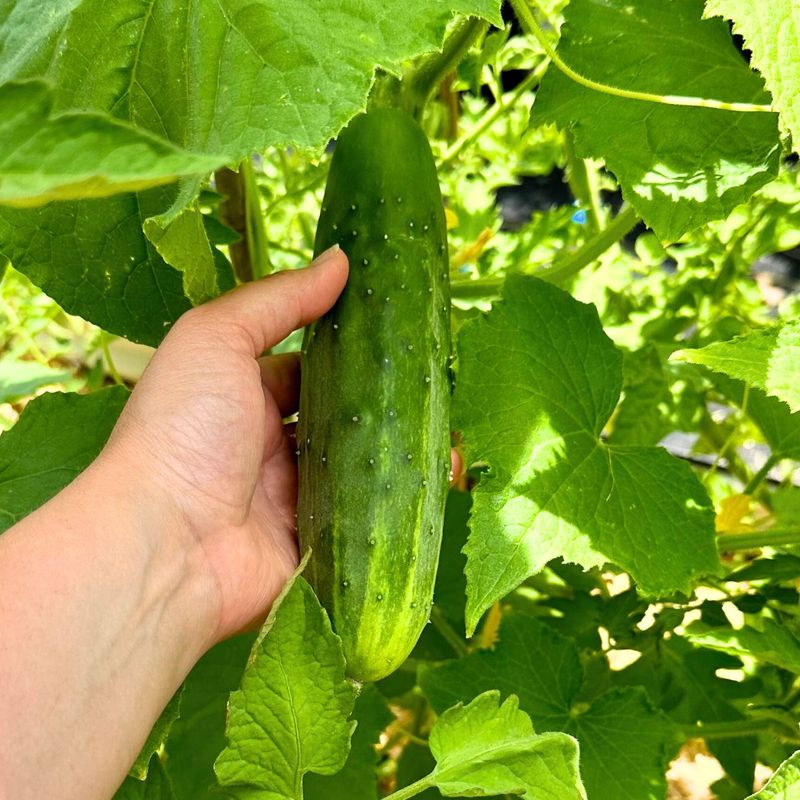
Cucumbers are one of those vegetables that practically beg to be grown in North Carolina, where warm springs and hot summers create ideal growing conditions.
April is the sweet spot for getting seeds into the ground, especially in the Piedmont and coastal regions where soil warms up faster.
Wait until after the last frost date for your area, which in most of North Carolina falls between late March and mid-April, before sowing cucumber seeds outdoors.
Plant seeds about half an inch to one inch deep, in groups of two or three. Once seedlings emerge, thin them to the strongest plant in each group.
Cucumbers love full sun and need at least six to eight hours of direct light daily. They also grow fast, so having a trellis or fence ready at planting time saves a lot of trouble later.
Vining types especially appreciate something to climb. Soil temperature is the real key with cucumbers. Seeds germinate best when the soil is between 70 and 95 degrees Fahrenheit.
Planting too early in cool soil leads to slow, uneven sprouting. Once established, cucumber plants grow quickly and can start producing fruit in as little as 50 days.
Water them consistently at the base to keep foliage dry and reduce the chance of powdery mildew, which is common in humid North Carolina summers.
3. Squash
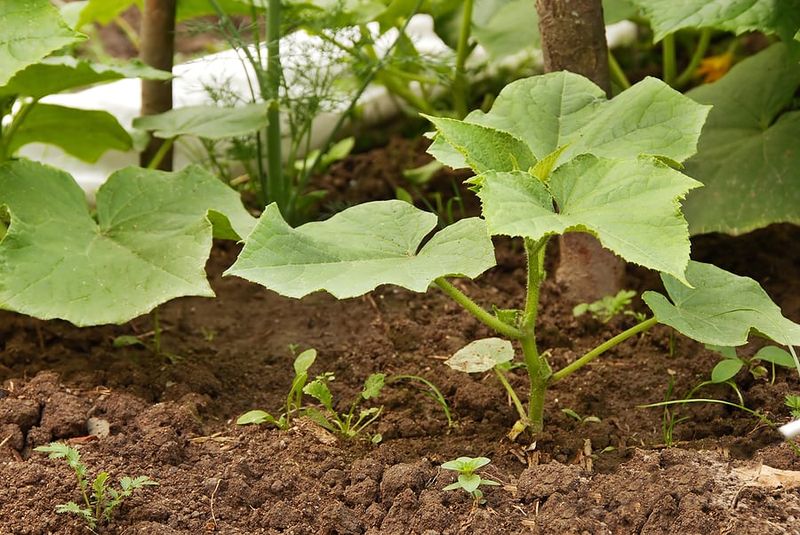
Summer squash is one of the most productive plants you can grow in a North Carolina garden, and April is the perfect time to get seeds in the ground.
Varieties like zucchini and yellow squash germinate quickly in warm soil and can go from seed to harvest in as little as 45 to 55 days. That means if you plant in mid to late April, you could be picking squash before June is over.
Squash seeds do best when soil temperatures are at least 60 degrees Fahrenheit, though they really thrive between 70 and 95 degrees. Plant seeds about one inch deep in groups of two or three, then thin to the strongest seedling once they sprout.
Give each plant plenty of room, at least two to three feet apart, because squash spreads out quickly with big, broad leaves that shade the soil and hold in moisture.
Full sun is a must for squash. Choose a spot in your garden that gets at least eight hours of direct sunlight each day.
Good drainage also matters, since squash roots do not like sitting in wet soil. A layer of mulch around the base helps regulate soil temperature and keeps weeds down.
Squash plants are heavy feeders, so mixing compost into your soil before planting gives them a strong, healthy head start right from day one.
4. Zinnias
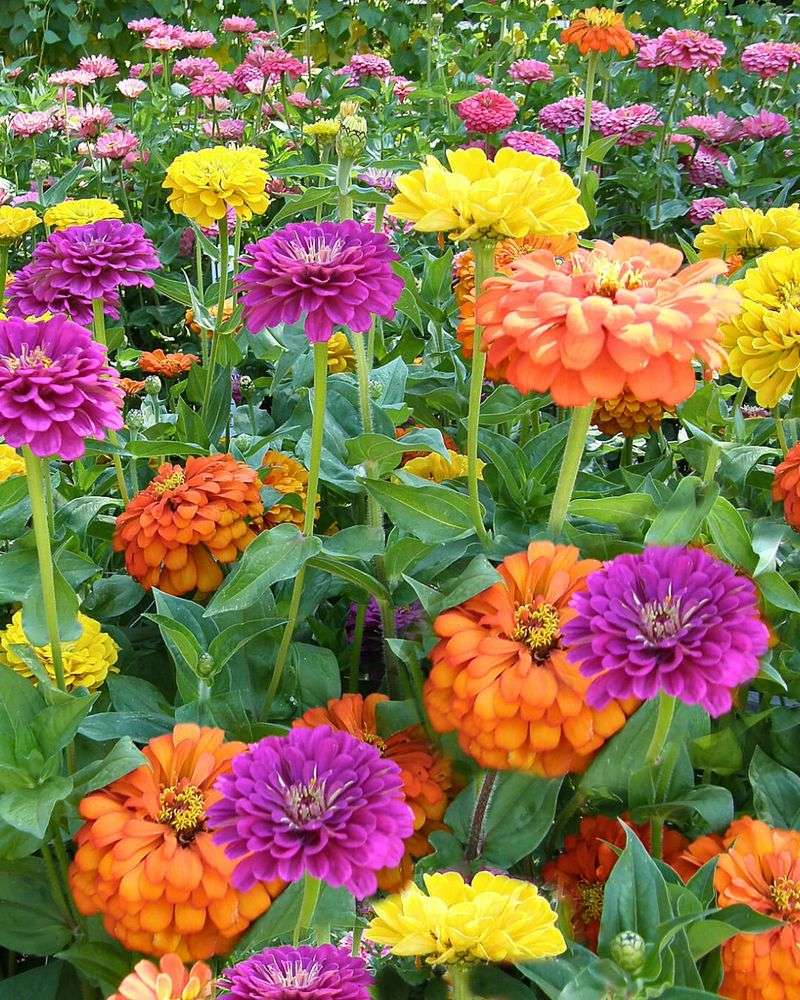
If you want a garden full of color all summer long, zinnias are your best friend. These cheerful, sun-loving flowers are one of the easiest plants to grow from seed, and April in North Carolina is a great time to scatter them directly into your garden beds.
Zinnias prefer warm soil and sunny conditions, so waiting until the second half of April gives seeds the best chance to sprout quickly and grow strong.
Plant zinnia seeds about a quarter inch deep in a spot with full sun. They are not picky about soil as long as it drains well.
Thin seedlings to about six to twelve inches apart once they reach a couple of inches tall. This gives each plant enough airflow to stay healthy through North Carolina’s humid summer months.
Good spacing also helps reduce powdery mildew, which zinnias can be prone to in warm, moist conditions.
Zinnias bloom in an incredible range of colors, from bright orange and hot pink to deep red and creamy white. They attract butterflies and pollinators all season long, making them a wonderful addition to any garden.
Deadheading spent blooms regularly encourages the plant to keep producing new flowers. One of the most satisfying things about zinnias is that the more you cut them, the more they bloom.
They make gorgeous, long-lasting cut flowers that brighten up any room inside your home.
5. Sunflowers
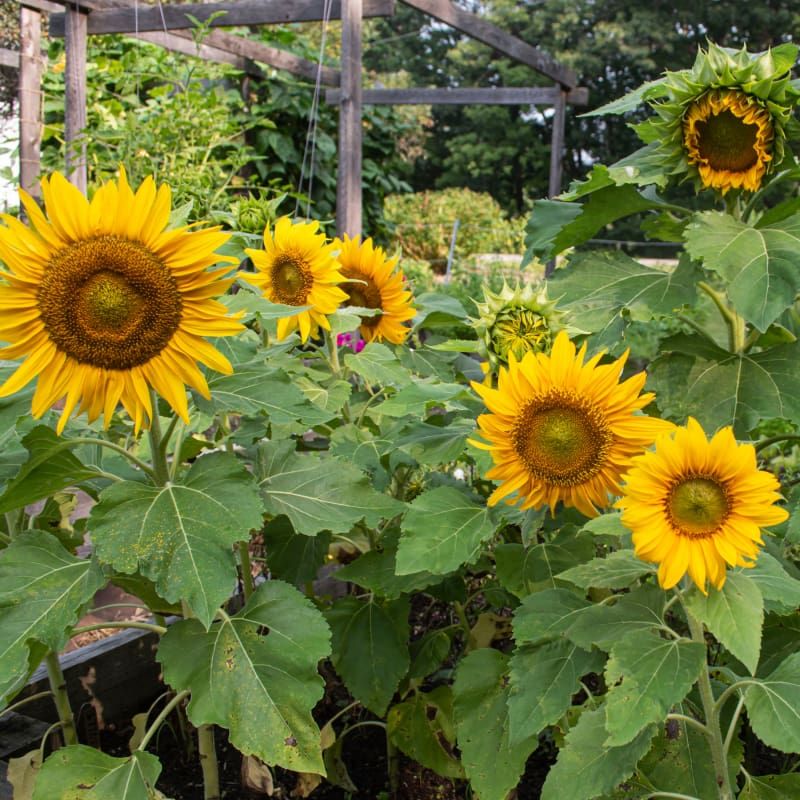
Sunflowers are one of the most joyful plants you can grow, and they could not be easier to start from seed. In North Carolina, April is a reliable time to direct sow sunflower seeds, especially once the soil has warmed and frost risk has passed.
These plants love heat and full sun, so they fit right into the warming spring conditions across the Piedmont, coastal plain, and even many mountain foothills areas of the state.
Plant sunflower seeds about half an inch deep and space larger varieties at least twelve to eighteen inches apart. Smaller, multi-branching types can be spaced a bit closer together.
Sunflowers are surprisingly low-maintenance once established. They have deep taproots that help them handle dry spells, though regular watering during germination and early growth gives them the best start.
A sunny spot with well-drained soil is really all they ask for. Most sunflower varieties go from seed to bloom in 70 to 100 days, which means April planting leads to summer blooms right when you want them.
Taller varieties can reach six to ten feet high and make a dramatic statement in any garden. Shorter varieties work well in containers or along borders. Sunflowers also attract birds and pollinators, making them a great companion for vegetable gardens.
Did you know sunflowers actually track the sun when they are young? That movement is called heliotropism, and it is genuinely fascinating to watch.
6. Carrots
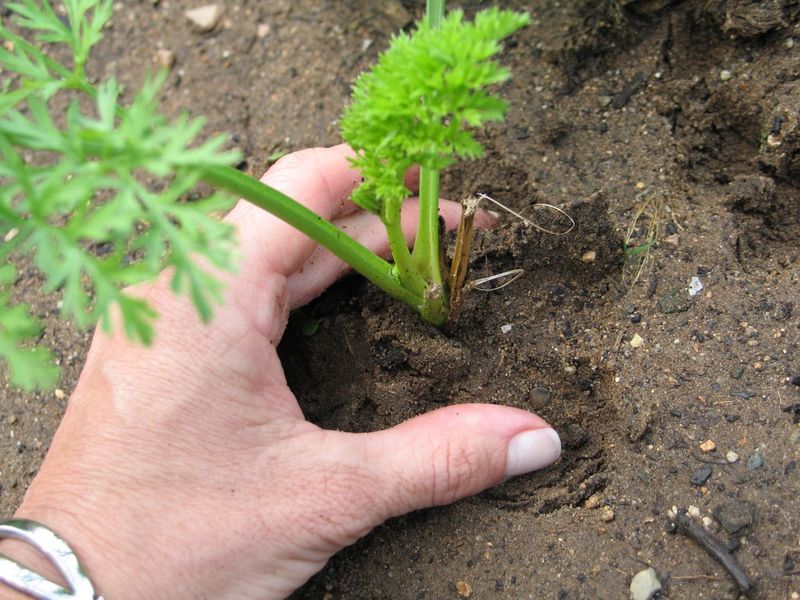
Carrots are a cool-season crop, which means early April is actually the ideal window for planting them in North Carolina. Unlike warm-season vegetables, carrots prefer soil temperatures between 45 and 75 degrees Fahrenheit for germination.
Once summer heat really kicks in, carrot growth slows down and root quality can suffer. Getting seeds in the ground early in April gives them time to develop before temperatures climb too high.
One of the most important things to know about growing carrots is that they need loose, deep, well-drained soil. Rocky or compacted ground causes roots to fork and twist, so take time to work your soil at least ten to twelve inches deep before sowing.
Scatter seeds thinly in rows and cover with just a quarter inch of fine soil. Carrot seeds are tiny and can take up to two weeks to germinate, so be patient and keep the soil consistently moist during that time.
Thin seedlings to about two to three inches apart once they reach a few inches tall. Crowded carrots struggle to develop properly sized roots.
In North Carolina, raised beds work especially well for carrots because the soil tends to be looser and easier to manage. Most varieties are ready to harvest in 70 to 80 days.
Baby carrot varieties mature faster and are a fun option for young gardeners looking for a quick and tasty reward from their garden.
7. Beets
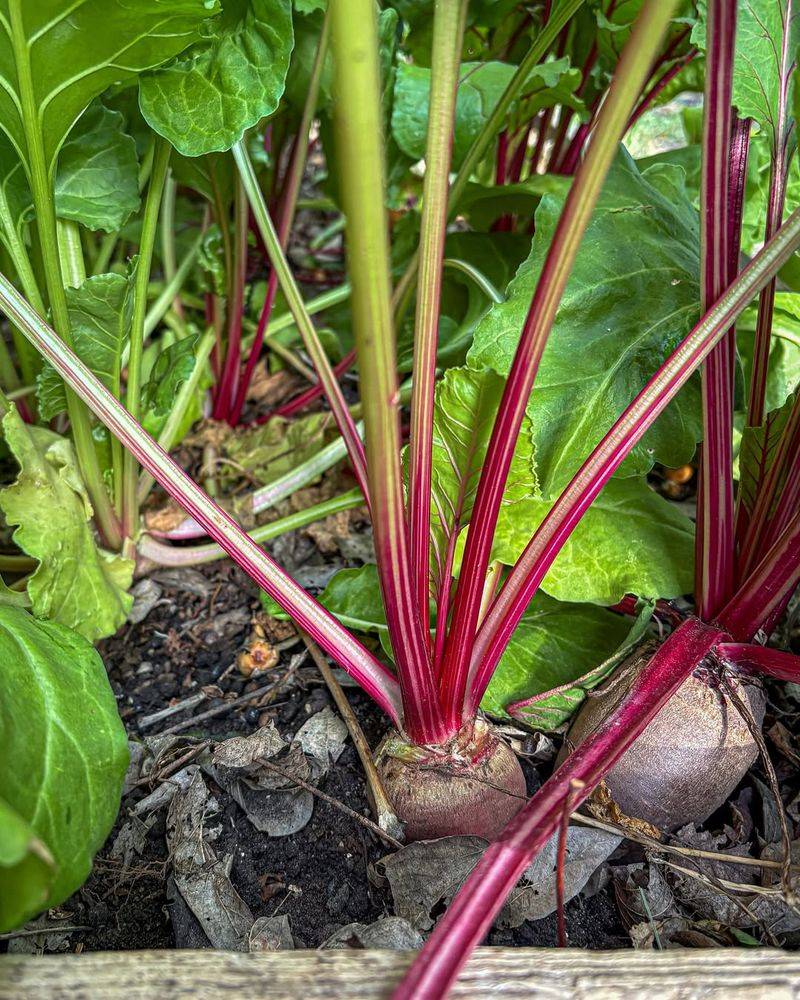
Beets are one of those underrated garden vegetables that deserve a lot more attention. In North Carolina, early to mid-April is a great time to direct sow beet seeds because they thrive in cool, mild weather.
Beets are frost-tolerant to a degree, meaning they can handle a light chill without much trouble. As long as soil temperatures are above 50 degrees Fahrenheit, beet seeds will germinate reliably and grow steadily through the spring season.
What makes beets especially appealing is that you get two crops in one. The roots are the obvious prize, but the leafy green tops are also edible and taste similar to Swiss chard when sauteed or added to salads.
Plant beet seeds about half an inch deep and one to two inches apart in rows. Each beet seed is actually a cluster of seeds, so multiple seedlings often sprout from one spot.
Thin them to about three to four inches apart to give roots room to expand properly underground.
Beets prefer full sun but can tolerate partial shade, which makes them flexible for different garden layouts across North Carolina. Keep the soil evenly moist and avoid letting it dry out completely during the growing period.
Most varieties mature in 55 to 70 days. Popular choices like Detroit Dark Red, Chioggia, and Golden beets are all reliable performers in North Carolina gardens.
Adding a light layer of compost at planting time gives beets a nutritional boost they will put to great use.
8. Radishes
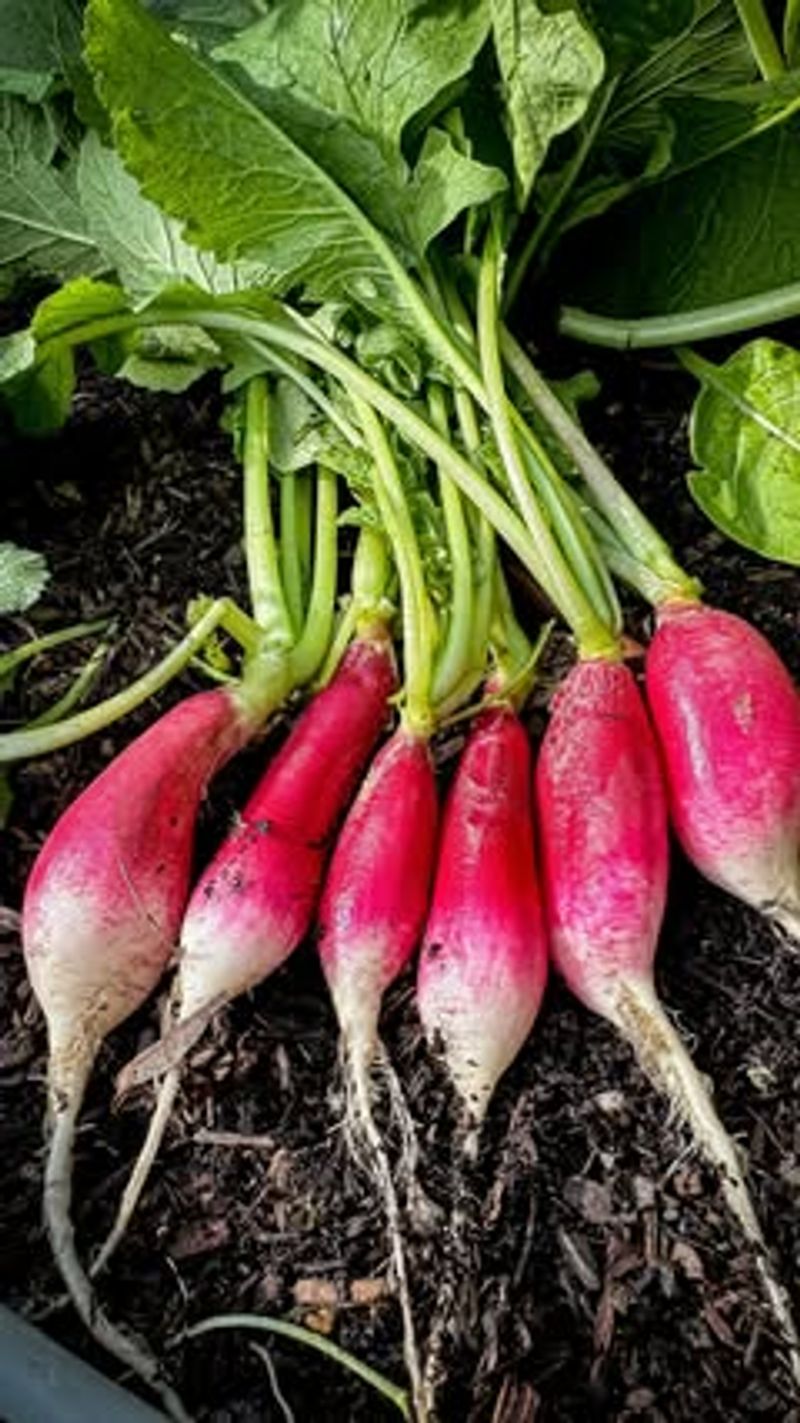
Radishes might just be the most satisfying vegetable to grow for impatient gardeners. Plant them in early April in North Carolina, and you could be pulling crisp, colorful roots from the ground in as little as three to four weeks.
That incredibly fast turnaround makes radishes a perfect choice for filling gaps in the garden while slower crops are still getting established. They are also one of the easiest vegetables to grow from seed, with almost no fuss required.
Sow radish seeds about half an inch deep and one inch apart in rows. Thin seedlings to two inches apart once they sprout, which usually happens within just a few days of planting.
Radishes love cool soil, making early April in North Carolina a sweet spot before the heat of late spring sets in.
Once temperatures consistently climb above 75 to 80 degrees Fahrenheit, radishes tend to bolt and become less flavorful, so earlier planting really does pay off.
Full sun and well-drained soil give radishes the best conditions to develop firm, flavorful roots. Varieties like Cherry Belle and French Breakfast are popular in North Carolina gardens because they mature quickly and hold their texture well.
Radishes also work as companion plants, helping to loosen soil for nearby crops like carrots. Succession planting every week or two throughout April keeps a steady supply coming until the weather warms too much for the cool-season growing period to continue.
9. Corn
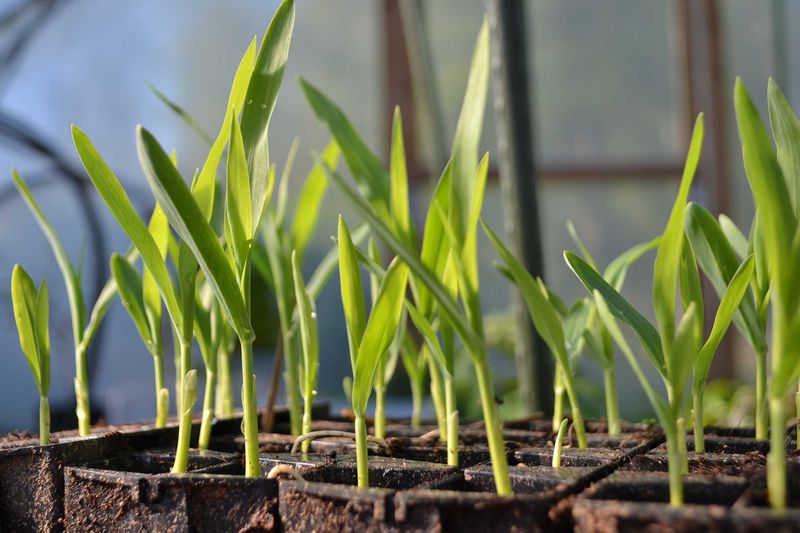
Sweet corn has a way of making a garden feel like a real farm, and North Carolina’s warm spring climate is well-suited for growing it from seed.
Mid to late April is the right time to direct sow corn in most parts of the state, once soil temperatures reach at least 60 degrees Fahrenheit.
Cooler soil slows germination and can lead to patchy stands, so checking soil temperature before planting is genuinely worth the effort.
Corn is wind-pollinated, which means it needs to be planted in blocks rather than single rows. A grid of at least four rows wide gives pollen the best chance of reaching neighboring plants and producing full ears.
Plant seeds one inch deep and nine to twelve inches apart within rows, with rows spaced about thirty inches apart. Block planting is especially important for home gardeners in North Carolina who are working with smaller garden spaces but still want a solid harvest.
Sweet corn grows quickly in warm conditions and typically matures in 70 to 90 days depending on the variety. Water needs increase as the plants grow taller, especially during tasseling and ear development.
Consistent moisture at that stage directly affects how full and sweet the ears will be. Silver Queen and Incredible are classic varieties that perform well in North Carolina.
Planting a few weeks apart staggers the harvest and keeps fresh corn coming to the table all through summer.
10. Okra
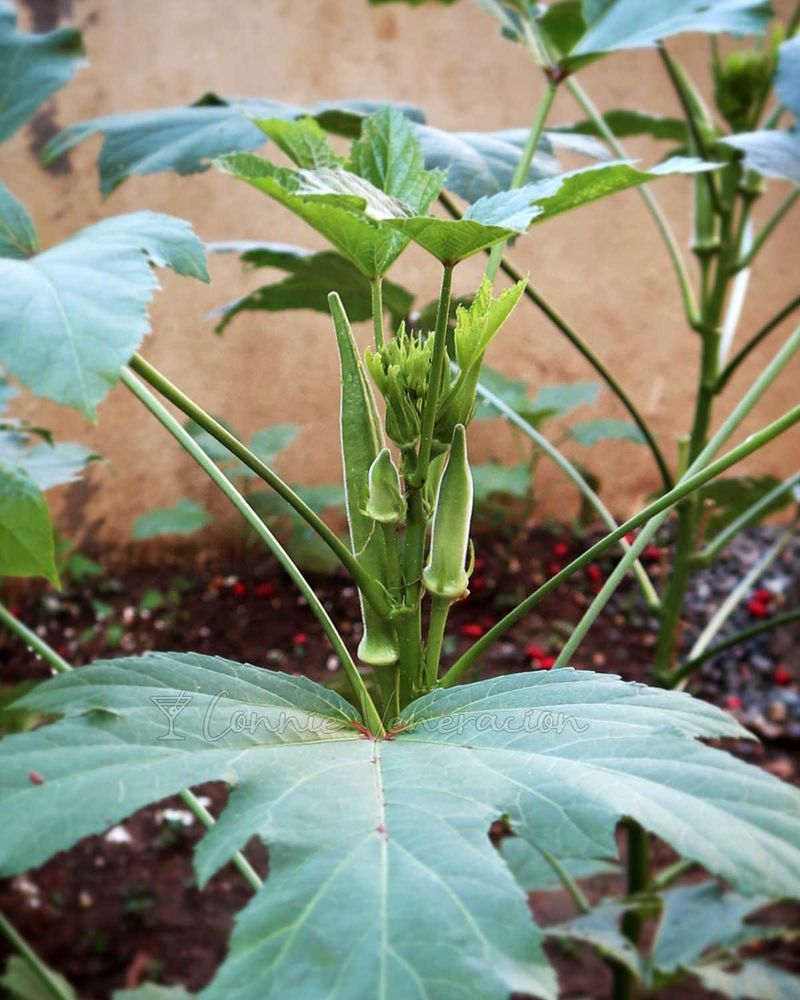
Okra is a true Southern garden staple, and North Carolina’s warm climate is one of the best places to grow it. Late April is the ideal time to direct sow okra seeds, particularly in the warmer coastal and Piedmont regions of the state.
Okra is a heat-loving plant that needs soil temperatures of at least 65 to 70 degrees Fahrenheit for good germination. Sowing too early in cool soil leads to poor sprouting, so patience in the first weeks of April really pays off.
Soaking okra seeds in water for several hours before planting helps soften the hard seed coat and speeds up germination. Plant seeds about one inch deep and space them twelve to eighteen inches apart in rows.
Okra grows into tall, upright plants that can reach four to six feet high by midsummer, so give them a spot in the garden where they will not shade out shorter crops. Full sun all day long is non-negotiable for this heat-loving vegetable.
Once okra starts producing pods, harvesting regularly is key. Pods are most tender and flavorful when picked at two to four inches long.
Leaving pods on the plant too long makes them tough and woody. Varieties like Clemson Spineless and Burgundy are reliable performers across North Carolina gardens.
Okra is also surprisingly drought-tolerant once established, which is a real advantage during the hot, dry spells that sometimes hit the state in late summer months.