What North Carolina Soil Needs Before September Ends For Successful Spring Planting
Spring planting success in North Carolina often depends on groundwork laid months earlier, and September is one of the last real windows to get the soil ready.
As fall settles in, there’s still time to address nutrient gaps, structure issues, or organic matter that may have been depleted by a hot, dry summer.
Skipping this preparation can mean starting spring with soil that’s compacted, low in nutrients, or slow to warm and drain properly once planting season arrives.
Because soil takes time to recover and rebuild, working on it now gives it months to improve before it’s needed again. A little investment in the soil this September can pay off significantly once spring planting gets underway.
1. Start With A Soil Test
Before you add a single scoop of anything to your garden, find out what the soil already holds. A soil test is like a report card for your dirt, and September is one of the best times to take one.
The weather is still warm, and you have plenty of time before spring to make changes. Testing now means your soil has months to adjust, so nutrients settle in and pH shifts before your seeds go in the ground.
A good test from your local North Carolina Cooperative Extension office reveals the numbers that matter most.
You learn your pH level, which shows how acidic or alkaline the soil is. You also see phosphorus and potassium levels, plus other nutrients that plants crave.
Without these results, you are basically guessing. Guessing wastes money and can even harm your plants.
Collecting a sample is easy. Grab small scoops from several spots around the bed, mix them in a clean bucket, and send the blend off for testing.
Within a couple of weeks, you get clear recommendations tailored to what you plan to grow. That kind of guidance takes the mystery out of gardening.
Think of the test as your roadmap. Once you know exactly where your soil stands, every other step becomes simpler and smarter.
You stop throwing products at problems that may not exist and start giving your garden precisely what it needs for a strong spring start.
2. Correct Soil pH Based On The Test
Here is something many gardeners never learn: even rich soil packed with nutrients can let plants down if the pH is off. That single number controls how well roots can grab the food waiting in the ground.
When pH sits too low or too high, nutrients get locked up where roots cannot reach them.
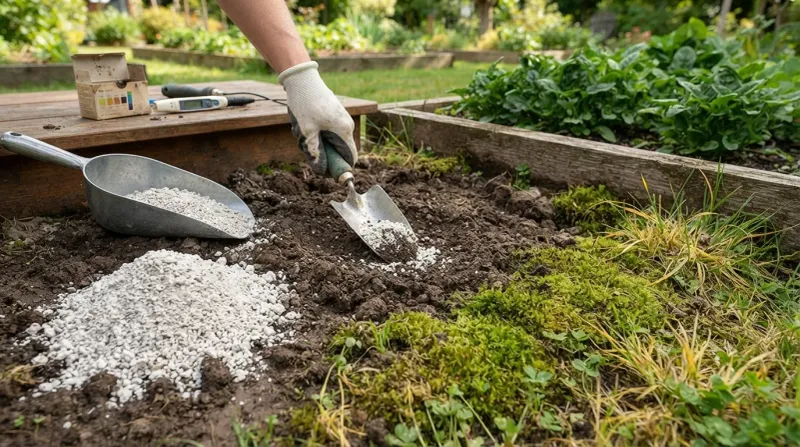
Much of North Carolina soil leans acidic, which means lime is often the go-to fix. But here is the catch: you should only add lime when your soil test actually calls for it.
Tossing lime on the ground every year out of habit is a mistake. Too much lime can push pH the wrong direction and cause fresh problems.
Your test results will tell you the exact amount to apply, if any. Follow those numbers closely rather than guessing.
Your North Carolina Garden Changes Every Week. Your Plan Should Too.
Gardening in North Carolina changes quickly throughout the season. Every Friday you’ll receive a simple weekly plan showing exactly what to plant, prune, fertilize, harvest, and protect so you never miss the right timing.
Lime also works slowly, taking months to change the soil, which is exactly why fall is the ideal time to spread it. By the time spring rolls around, the pH has had a chance to settle into a friendlier range.
If your test shows the soil is too alkaline, sulfur may be recommended instead. Again, let the results guide you.
The goal is balance, not extremes. Many vegetables and flowers grow well in slightly acidic to neutral soil, but the ideal range varies by plant.
Get that number right, and every other nutrient in your soil works harder. Skip this step, and even the best compost or fertilizer may go to waste. Precision here pays off big when planting season begins.
3. Add Finished Compost To Improve Soil
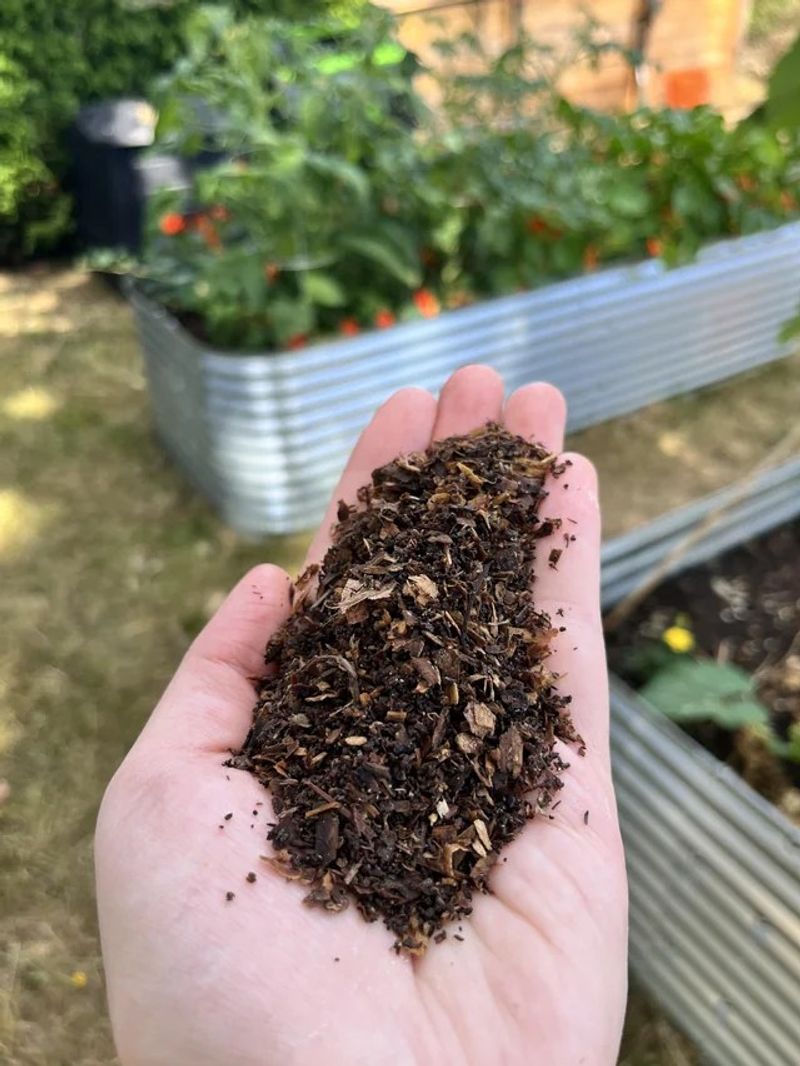
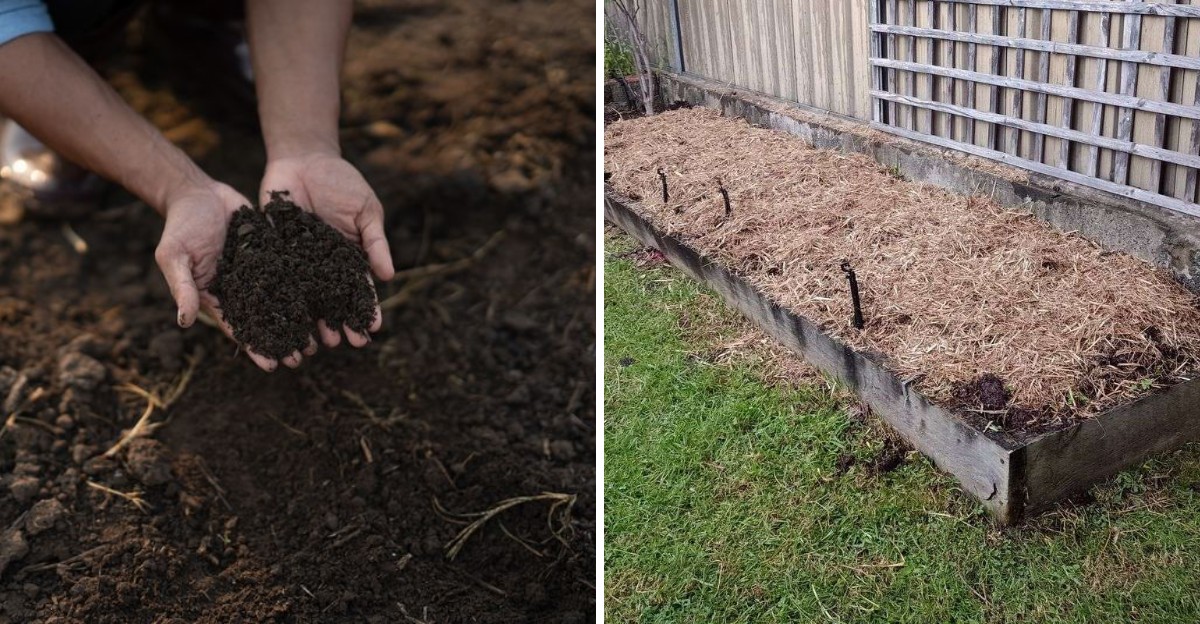
Compost is the closest thing to magic that a garden ever sees. Dark, crumbly, and rich, finished compost feeds your soil in ways no bag from the store fully matches.
Working it in during fall gives everything time to blend before spring planting.
What makes compost so valuable is how it improves soil structure. Sandy soil holds moisture better once compost is added, and heavy clay loosens up so roots can spread with ease.
That balance helps water soak in slowly instead of running off or pooling on top.
Compost also boosts organic matter and wakes up the tiny living things in your soil. Earthworms, fungi, and helpful microbes all thrive when you feed them, and they return the favor by keeping your soil loose and full of life.
A garden bursting with biological activity grows stronger plants. Still, compost has its limits, and it helps to know them. While it adds a gentle mix of nutrients, it cannot fix a major deficiency on its own.
If your soil test shows you are short on phosphorus or potassium, compost alone will not close that gap.
Use it as a wonderful base builder rather than a cure-all. Spread a layer a few inches thick across your beds and let winter weather work it in.
Come spring, you will notice softer soil, better moisture, and healthier roots. Compost rewards patience, and the effort you make now shows up in every plant you grow later.
4. Improve Drainage Before Spring
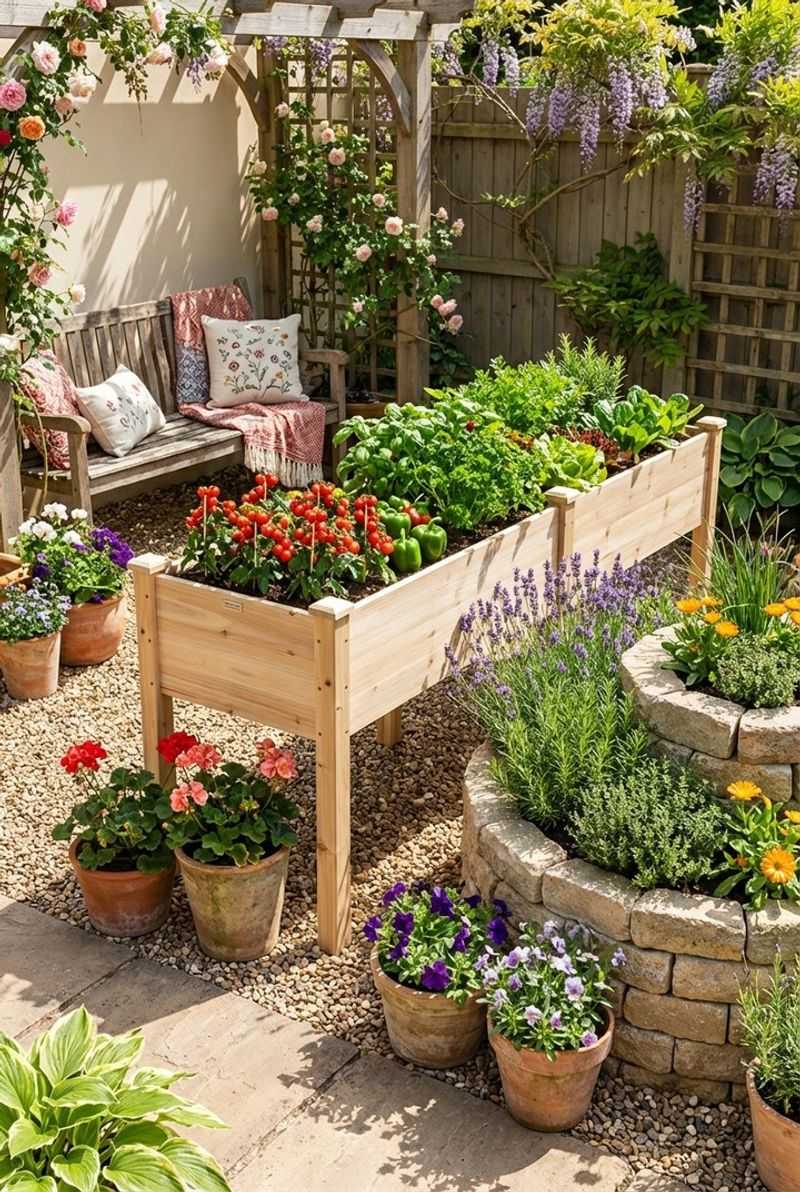
Nothing frustrates a gardener faster than plants that struggle in soggy ground. Many North Carolina beds hold too much water, especially in areas heavy with clay, and roots simply cannot handle sitting in puddles.
When soil stays waterlogged, roots start to rot and plants weaken. Fall is the smartest time to tackle drainage problems. The weather is calm, your beds are often empty, and you have space to make real changes without rushing.
Trying to fix drainage after spring planting is far harder, since digging around living roots can damage them.
There are several ways to help water move through your soil. Adding organic matter like compost loosens tight clay and creates little channels for water to flow.
Building raised beds lifts plant roots above soggy spots, giving them a drier, healthier home.
You might also shape your beds with a gentle slope so extra water drains away instead of collecting. In really wet areas, a simple drainage trench can carry water off to a better spot. Watch how your yard behaves after a heavy rain to spot the trouble areas.
Good drainage means air can reach the roots, and roots need oxygen just as much as water. Balanced soil that drains well but still holds some moisture creates the sweet spot every plant loves.
Handle this now, and you spare yourself a headache later. When spring arrives, your seedlings will settle into ground that stays just moist enough without drowning, giving them the strong start they deserve.
5. Do Not Work Saturated Soil
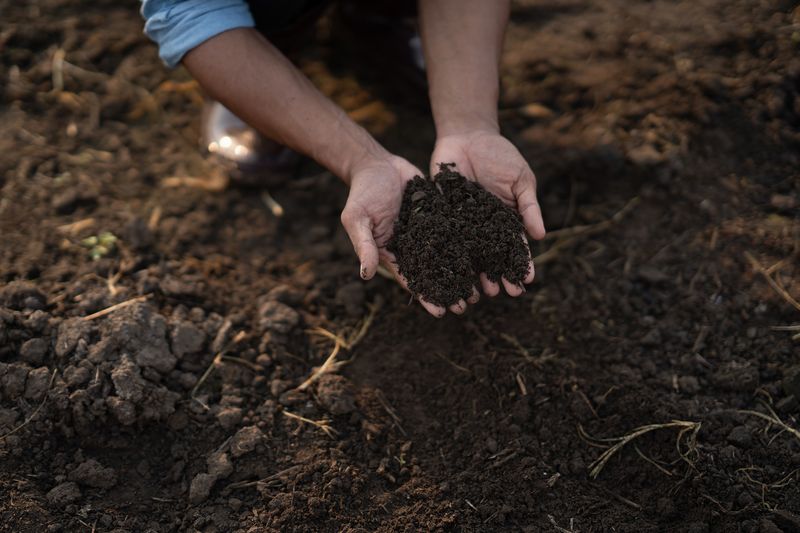
Patience is a real skill in gardening, and nowhere does it matter more than knowing when to dig. Working soil while it is soaking wet is one of the quickest ways to ruin it. Wet soil may feel ready, but turning it over causes lasting harm.
When you dig or till saturated ground, the soil particles smash together and squeeze out the air pockets plants depend on. That crushing creates compaction, leaving the soil tight and hard.
Once compacted, roots struggle to push through and water cannot soak in properly. Wet clay is especially tricky. Dig it while soggy, and it dries into rock-hard clods that feel almost like bricks.
Breaking those chunks apart later takes a huge amount of effort, and your soil structure never fully recovers. So how do you know if the soil is ready? Try the simple squeeze test.
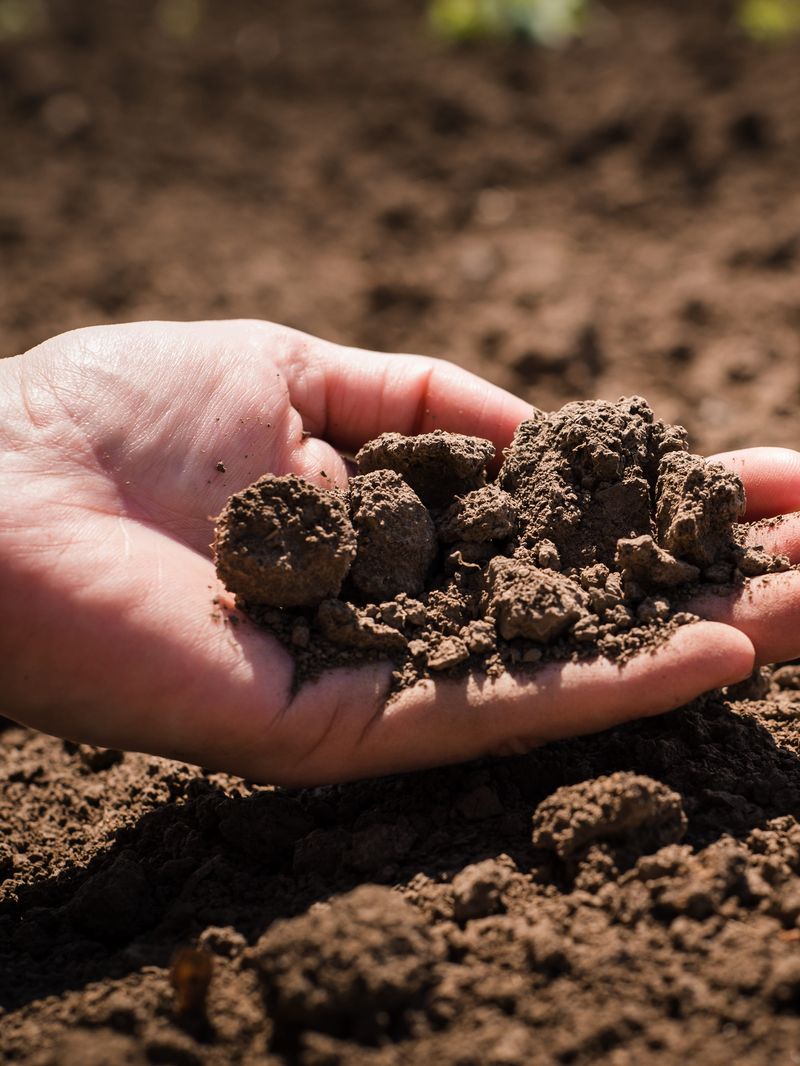
Grab a handful and press it into a ball, then poke it. If the ball crumbles apart easily, the soil is workable. If it stays sticky and holds its shape like clay, it is still too wet, so wait a few days.
North Carolina fall weather often brings steady rain, which means timing your work takes a little planning. Watch the forecast and give beds time to drain after storms.
Slowing down protects all the hard work you put into building good soil. A little waiting keeps your ground loose, airy, and ready to welcome roots. Rushing only sets you back, so let the soil tell you when the moment is right.
6. Keep Soil Covered Over Winter
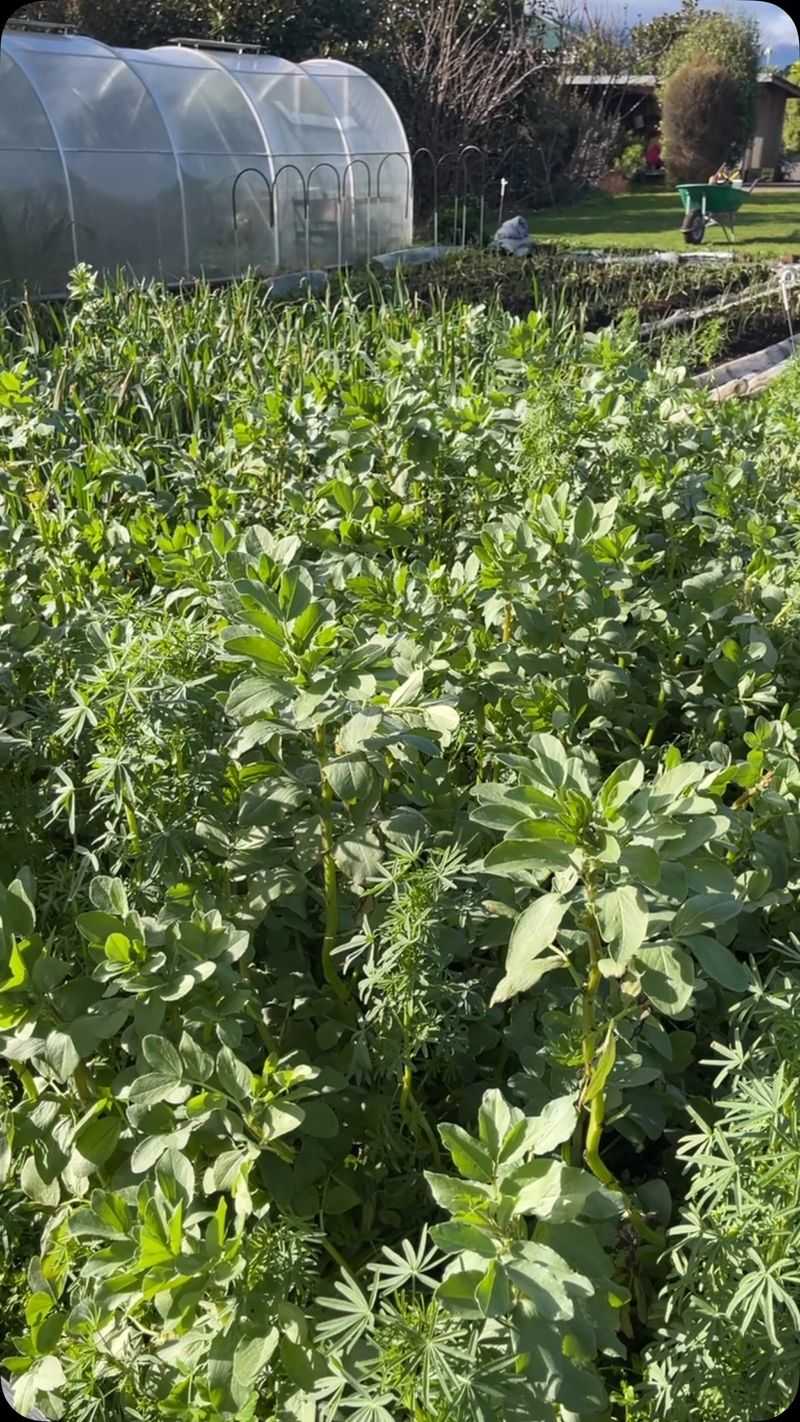
Bare soil sitting through winter is like leaving your garden unprotected against the weather. Rain, wind, and cold all take a toll, washing away the good stuff you worked to build.
Covering your soil keeps that hard work safe until spring. Mulch is one of the easiest ways to shield the ground. A thick layer of straw, shredded leaves, or wood chips acts like a cozy blanket.
It stops rain from pounding the surface and carrying away precious topsoil through erosion.
Cover crops offer another smart choice, and many gardeners love them. Plants like clover, rye, or winter peas grow through the cold months and hold the soil in place with their roots.
When spring comes, you turn them under and they add fresh organic matter back into the ground.
Keeping soil covered also fights off weeds. Without sunlight reaching the surface, weed seeds have a tough time sprouting, which means less pulling for you later. That head start saves real time when the busy planting season begins.
There is a bonus below the surface too. Covered soil stays home to earthworms and helpful microbes that keep working through winter, quietly improving your ground.
Even leftover plant material from your last harvest can serve as a light cover if it is healthy.
Where practical, keep exposed soil covered over winter to reduce erosion and protect soil structure. A protected bed comes into spring softer, richer, and full of life. That simple layer makes a surprising difference when it is time to plant again.
7. Avoid Blind Fertilizer Applications
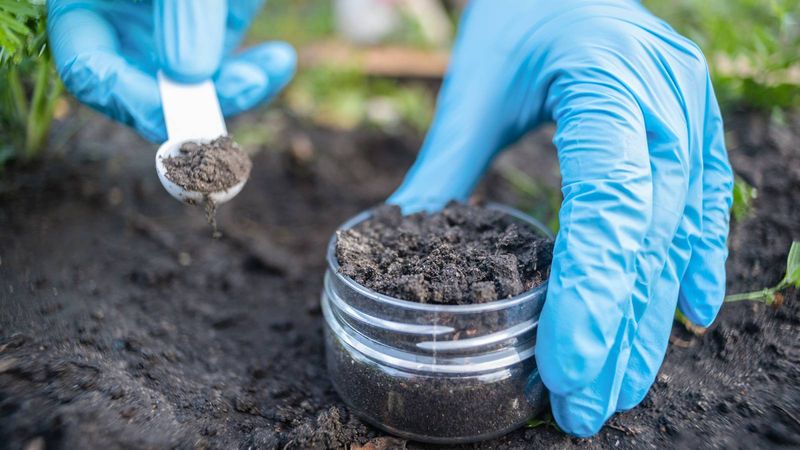
Reaching for fertilizer without a plan is like taking medicine without knowing what is wrong. It might not help, and it could even make things worse.
Adding nutrients your soil already has in plenty throws the whole balance out of whack.
Plants need nutrients in the right amounts, not just more of everything. Too much of one nutrient can actually block a plant from taking in another.
For example, piling on phosphorus when levels are already high can lock out other important minerals your plants need.
That is exactly why a soil test matters so much before you spread anything. The results show you what your soil truly lacks and what it has enough of.
With those numbers in hand, you buy only what your garden needs instead of wasting money on products that sit unused.
Blind fertilizing also carries a hidden cost beyond your wallet. Extra nutrients that plants cannot use often wash away with rain, ending up in streams and rivers where they cause pollution.
Being thoughtful protects both your garden and the water around you. Fall is a great moment to plan your fertilizer strategy for the coming year. Once you know your soil test results, you can map out what to add and when.
Some amendments even work best when applied in fall, giving them time to break down.
Let the science guide your choices rather than habit or guesswork. A targeted approach grows healthier vegetables and flowers while saving you effort. Smart feeding beats heavy feeding every single time in the garden.
8. Let Fall Soil Preparation Do The Work
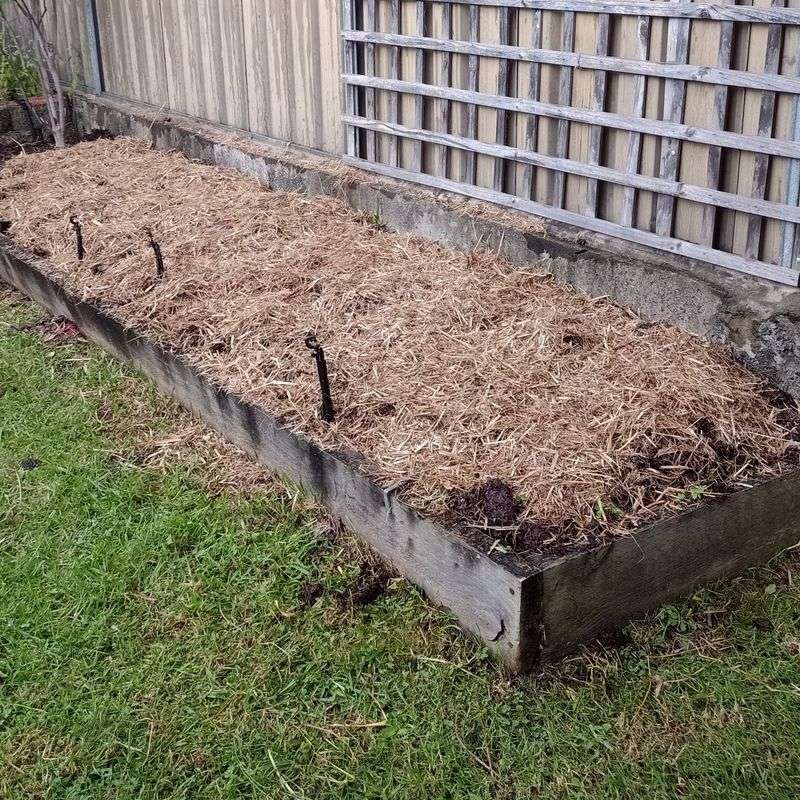
Everything you do this fall adds up to a garden that practically prepares itself. When you handle the soil now, winter becomes your quiet helper, working while you rest indoors.
By spring, your beds are ready and waiting, saving you a scramble later.
Think of the season as a team effort. Testing your soil tells you exactly what it needs, and correcting real deficiencies fixes problems before they slow you down.
Each step builds on the one before it, creating a strong foundation piece by piece.
Adding organic matter like compost feeds the soil and improves its structure over the cold months. Those materials break down slowly, releasing goodness right when spring roots start reaching out. Time does the mixing for you.
Protecting the soil surface with mulch or cover crops keeps everything in place and full of life. While the weather turns cold, your ground stays sheltered, holding onto nutrients and moisture instead of losing them.
Just as important is knowing when to leave the soil alone. Avoiding unnecessary digging keeps the structure intact and lets beneficial creatures do their quiet work underground. Sometimes the best move is simply stepping back.
Come spring, you will feel the payoff in your hands. The soil turns soft and crumbly, roots settle in fast, and plants take off with real energy. All that early effort turns into stronger harvests and fewer headaches.
Fall preparation is the gift you give your future self. Set the stage now, and your North Carolina garden will thank you all season long.