The Florida Gutter Problem That Keeps Mosquitoes Breeding Even After The Yard Looks Dry
Sprayed the yard. Dumped every bucket, flipped the kiddie pool, checked under the deck for anything holding water.
Mosquitoes showed up that evening anyway, same as always, like none of it mattered. It didn’t, not really.
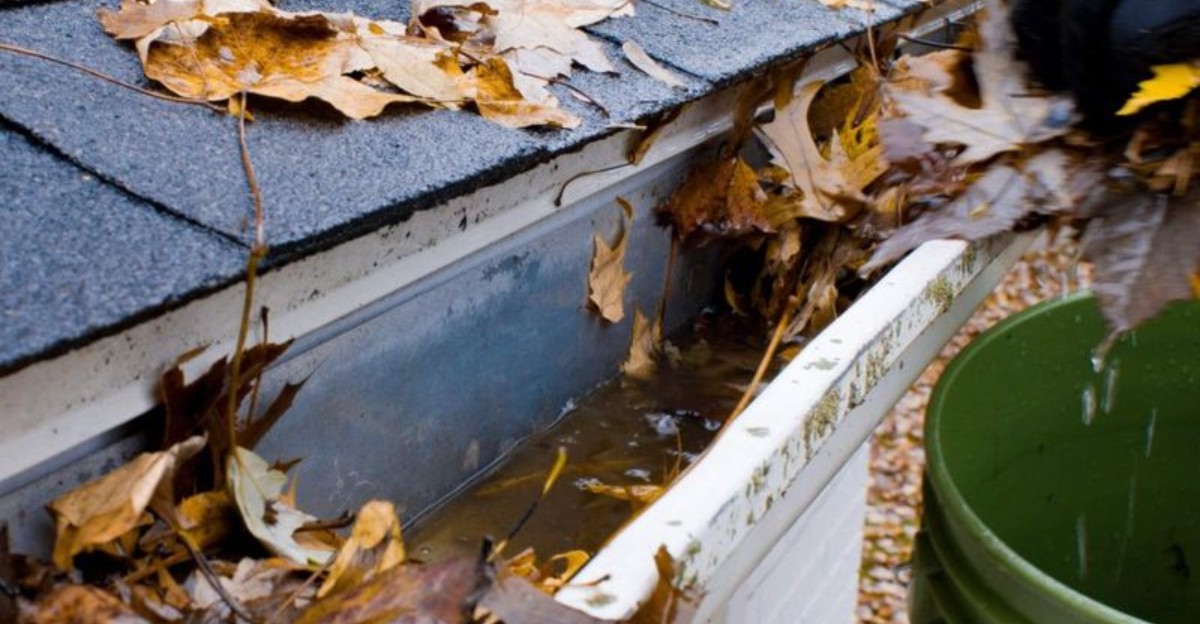
The water they needed was ten feet up, sitting in a gutter nobody’s cleaned since spring. A clogged gutter holds water just fine, no rain required for days, tucked somewhere nobody looks unless they’re already up on a ladder for something else.
Mosquitoes don’t care that it’s technically part of the roof and not the yard. They just need it wet and left alone, and gutters offer both for weeks at a time.
Every trick at ground level can work exactly as intended and still lose to a problem sitting in plain sight, just too high up for anyone in Florida to notice it.
1. Follow The Water After The Lawn Looks Dry
Sunbaked grass fools almost everyone. The yard drains, the driveway dries, and the assumption sets in that the water problem solved itself.
Water rarely vanishes all at once in Florida. It drains from open ground quickly, then lingers in shaded, enclosed spots where sun cannot reach.
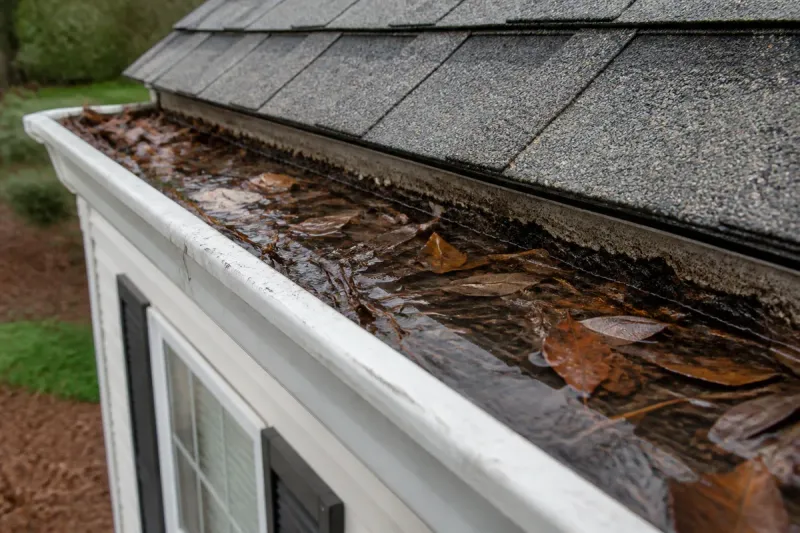
A gutter tucked under a roof overhang is one of the shadiest, most protected spots on the whole property.
Mosquitoes need shockingly little to get going. Researchers point out that a bottle cap of standing water is enough for a female to lay eggs and for larvae to develop.
A ten-foot gutter section holding a quarter inch of water offers far more space than that.
Try this after the next storm. Wait two or three days until the yard feels firm, then set up a ladder or use a phone on a pole to peek into the gutter trough.
Water still sitting there tells you the drainage path is blocked somewhere.
Walk the full perimeter rather than checking one corner. Roof valleys dump extra volume into certain spots, and those spots clog first.
Following the water instead of trusting the lawn changes what you find. The dry yard was honest about itself, just not about the roofline above it.
2. Clear The Leaf Sludge That Turns Gutters Into Mosquito Habitat
Peel back a clogged gutter and you find something closer to swamp muck than yard debris. Oak leaves, pine needles, roof grit, and bits of shingle break down into a dark, spongy sludge that holds moisture like a sponge left in a sink.
Pest control sources across Florida list clogged gutters among the top breeding spots on residential property. The sludge does two jobs at once.
It dams the flow so water pools, and it feeds the larvae, since young mosquitoes graze on the microorganisms growing in decaying plant matter.
Many homes can get by with seasonal gutter cleaning, while properties surrounded by live oaks, pines, or palms may need attention more often. Florida homes surrounded by live oaks, pines, or palms usually need more, sometimes every couple of months during storm season.
Your Florida Garden Changes Every Week. Your Plan Should Too.
Gardening in Florida changes quickly throughout the season. Every Friday you’ll receive a simple weekly plan showing exactly what to plant, prune, fertilize, harvest, and protect so you never miss the right timing.
Scoop rather than blast. A plastic gutter scoop lifts the sludge out in clumps, while a pressure washer tends to push the mess sideways into the downspout and create a fresh blockage.
Bag the debris, then rinse the trough with a garden hose and watch where the water goes.
Quick tip worth remembering: schedule cleanings after the heaviest leaf drop in your neighborhood, not on a calendar date borrowed from a northern state. Florida trees shed on their own timeline.
3. Remember That A Dry Gutter Can Still Harbor Mosquito Eggs
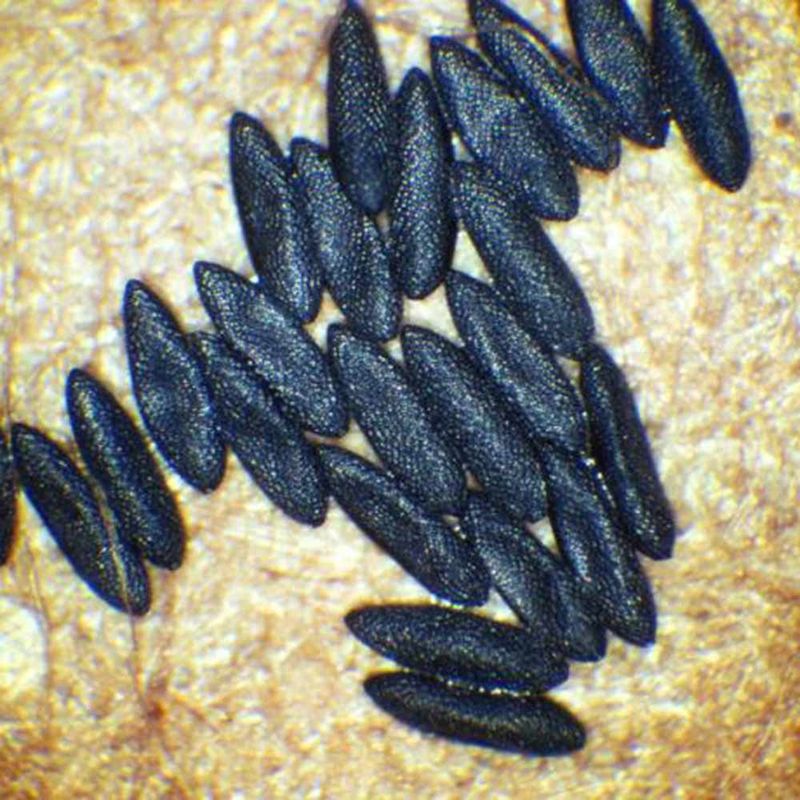
Aedes mosquitoes can lay eggs on damp surfaces just above the waterline, and some of those eggs can survive periods of drying. When water returns, previously deposited eggs may hatch if conditions are right.
A gutter that looks bone dry in April can be carrying a whole waiting roster. When the first real rain arrives, water rises over those eggs and hatching begins, sometimes within hours.That explains the mystery every Florida homeowner has experienced.
A storm passes through, and three days later the backyard feels twice as buggy as it did all month. That means some mosquito activity after a storm can come from eggs already deposited in containers or other water-holding spots.
Practical response: scrub, do not just drain. Wiping or brushing the inside walls of the gutter dislodges eggs that a simple rinse leaves behind.
A stiff brush on an extension pole works well, and a bucket of soapy water helps loosen the residue.
The same logic applies to birdbaths, buckets, and plant saucers. Emptying them helps, though a quick scrub of the sides does considerably more.
Treating a dry gutter as harmless is the gap that keeps the cycle running. Clean it when it is dry, and the next rain arrives with far less waiting for it.
4. Take Tiny Pockets Of Trapped Water Seriously
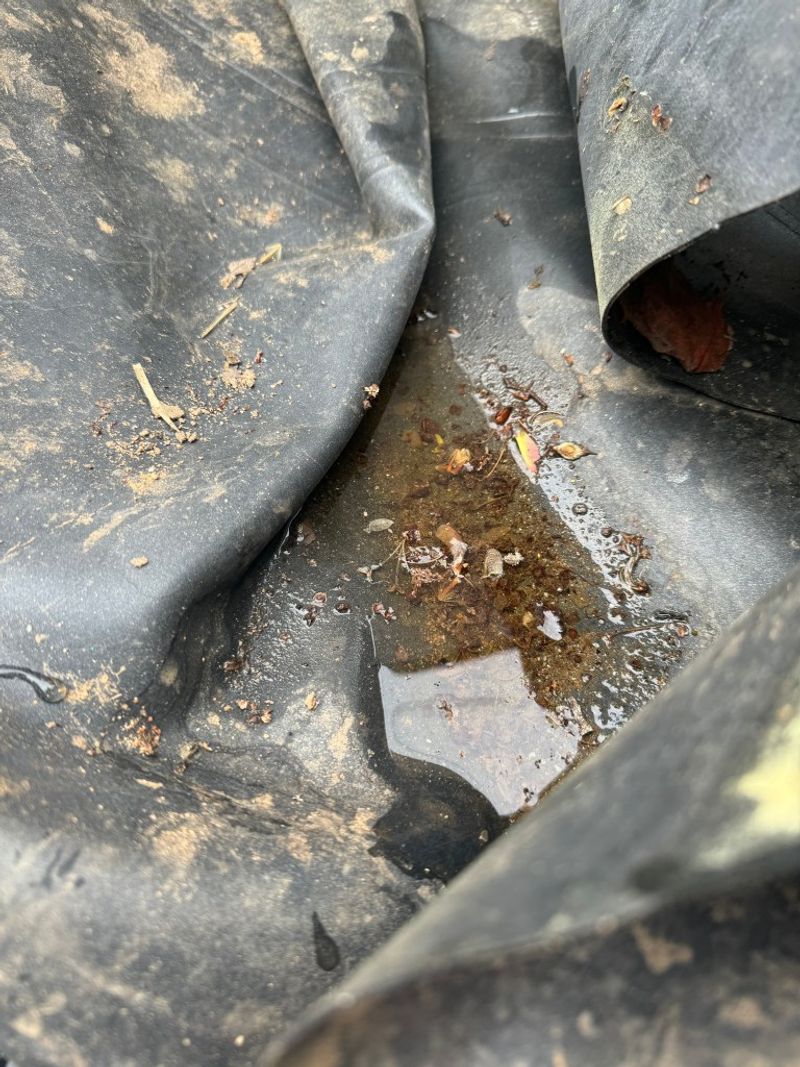
A bottle cap. That is genuinely the benchmark experts use for how much water a mosquito needs to raise a family, and in Florida warmth the whole process can wrap up in roughly a week.
Gutters create these pockets in ways that are easy to miss. A slight dent from a ladder, a sagging hanger, or a seam that settled over time leaves a low spot holding a shallow puddle no wider than a coffee mug.
From the ground it is invisible.
The rest of the property plays along. Plant saucers, flowerpot rims, forgotten buckets, wrinkled tarps, upturned toys, dips in patio furniture cushions, and old tires all collect the same modest amount.
Make a habit of the tip-and-toss walk. Once a week, stroll the yard and flip anything that cups water, even items that seem too small to matter.
For gutter low spots, the fix is adjusting the hangers so the trough slopes properly toward the downspout. A helper and a level make short work of it.
Fun bit of perspective: a female mosquito can deposit a hundred or more eggs at a time. She is not looking for a pond.
She is looking for a puddle the size of a bottle cap, and Florida yards hand them out freely.
5. Inspect Gutters Regularly Before Mosquitoes Complete The Cycle
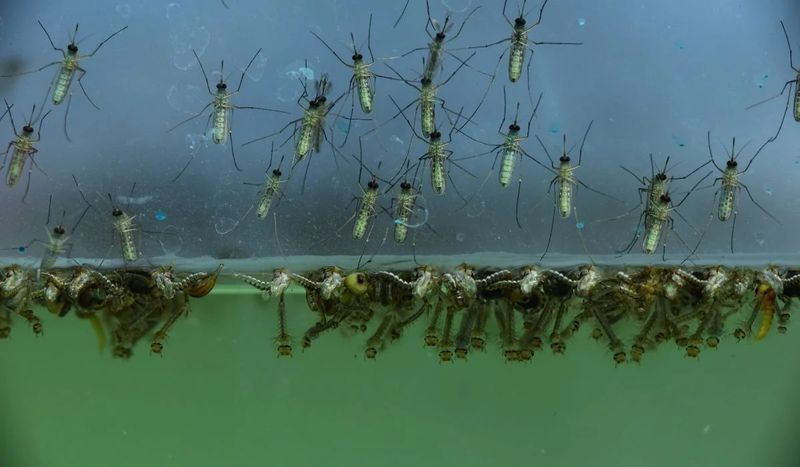
In warm conditions, some mosquitoes can develop from egg to adult in roughly a week or two
Put that on a calendar and the math gets uncomfortable. Water that collects in a gutter on Monday can be releasing adults by the following Monday, which means a monthly check misses three full generations.
Regular inspection does not mean climbing a ladder every Saturday. Most of the inspection can happen from the ground with a phone camera on an extension pole, or with binoculars aimed at the roofline after a rain.
What you are looking for is simple. Standing water, overflow stains on the fascia, plants sprouting from the trough, or water dripping from seams hours after the rain stopped.
Tie the check to something you already do. Right after mowing works well, since you are outside anyway and the lighting is usually good.
If water is present, you have a few days of margin before larvae mature, so flushing the gutter promptly interrupts the cycle before anything takes flight.
Consistency beats intensity here. A quick weekly glance keeps the roofline from quietly running its own nursery all summer long while the yard below looks perfectly tidy.
6. Trace The Drainage Path From Roof Edge To Downspout Outlet

Water takes one continuous trip: roof shingle, gutter trough, downspout, extension, and finally the ground. A blockage anywhere on that route backs everything up behind it.
Downspouts hide the most stubborn clogs. A wad of leaves lodged at the elbow keeps the trough full even when the visible gutter looks tidy, and you would never spot it from the yard.
Slope is the other half of the equation. A common installation guideline is roughly a quarter inch of slope per ten feet.
Corrugated extensions deserve extra suspicion. Those accordion ridges cradle small amounts of water in every fold, turning a drainage fix into a row of miniature breeding cups.
Smooth-wall extensions solve that neatly.
Run a hose into the top of the gutter and watch the outlet. Weak flow, gurgling, or water backing up tells you exactly where to focus.
Buried drain pipes count too. If the underground line runs flat or slopes the wrong way, water sits in it and finds its way back toward the surface.
Following the whole path once a season keeps surprises rare. Water that leaves cleanly has no chance to become anything else.
7. Count Irrigation As A Refill Along With Florida Rainfall
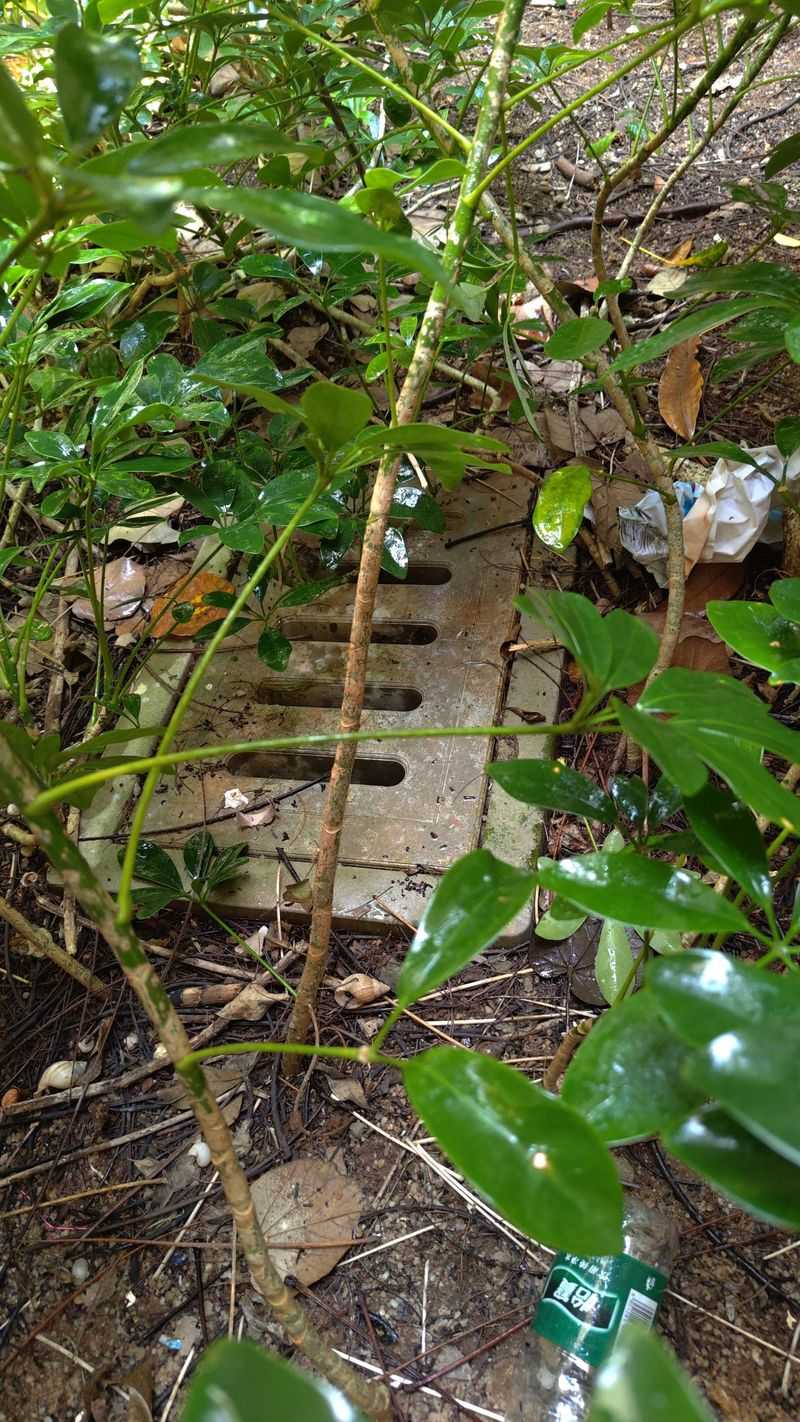
Rain gets all the blame, but the sprinkler system runs on a schedule whether the sky cooperates or not. Three mornings a week of irrigation is three reliable refills for anything holding water.
Misaimed heads are a common culprit. A sprinkler spraying the wall or foundation soaks mulch beds that stay damp for days, and spray reaching the roof edge can top off a gutter low spot directly.
Leaky outdoor faucets and drip lines add to it. A slow drip into a saucer or a dip in the soil creates the kind of small, steady reservoir mosquitoes settle into happily.
Worth checking: run each zone manually and watch where the water actually lands. Heads shift over time, especially after mowing or landscaping work.
Adjust the arcs so spray stays on turf and beds instead of hardscape and walls. Rain sensors help as well, since they pause the system after storms and cut the amount of extra water sitting around.
Over-irrigated beds also tend to stay soft and low, which invites shallow puddles that linger between cycles.
Thinking of irrigation as scheduled rainfall reframes the whole picture. Gutters and yard alike get refilled on a timer, and mosquitoes are perfectly happy to take advantage of the reliability.
8. Check Beneath Gutter Guards Instead Of Trusting The Cover
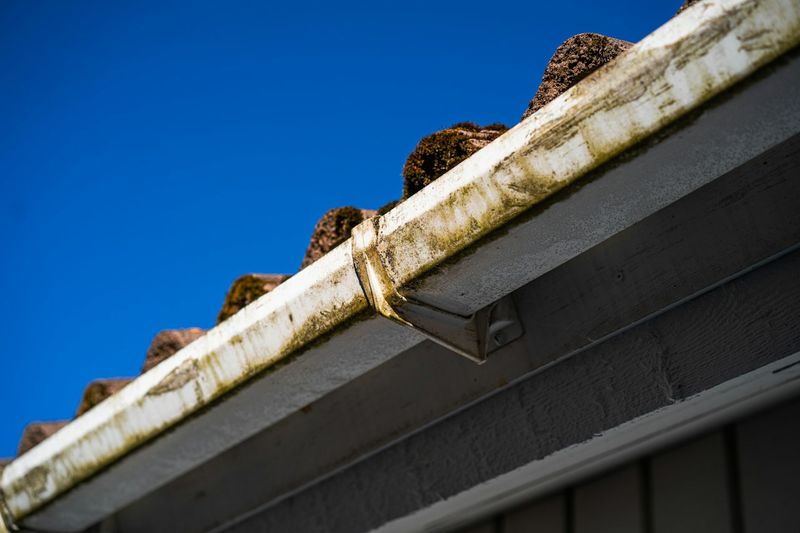
Gutter guards get sold as a finish line. Install them once, the pitch goes, and the debris problem is handled forever.
Reality lands somewhere softer. Guards reduce big debris well, though fine material like pollen, roof granules, and pine needles still works its way through or mats across the surface, blocking water intake and backing up the trough beneath.
Certain styles cause trouble in Florida specifically. Foam inserts and brush-style guards hold moisture inside the material itself, which is not ideal in a humid climate and can attract pests rather than repel them.
The cover also creates a shaded, protected chamber. Water sitting under a solid guard stays cooler and undisturbed, which suits mosquito larvae just fine and hides them from casual inspection.
So lift a section now and then. Pop off or unclip a piece of guard a few times a year, especially after heavy storms, and look at what is underneath.
Micro-mesh guards mounted with proper slope tend to perform best in Florida conditions, and they still benefit from a rinse each season.
Treating guards as a helpful assistant rather than a permanent solution keeps expectations honest. They cut the workload considerably, yet the trough underneath still deserves your eyes a few times a year.
9. Fix The Drainage Source Before Relying On Yard Treatments

Spray treatments knock down adults flying around today. They do not touch the water producing tomorrow’s batch, which is why yards sometimes feel buggy again a week after service.
Mosquito control programs call the better approach source reduction, and it consistently ranks as the most effective method for container-breeding species. Remove the water, and the production line has nowhere to operate.
Around a house, source reduction looks like ordinary maintenance. Clear the gutters, unclog the downspouts, replace corrugated extensions with smooth ones, repair leaky spigots, and fill low spots in the yard that hold puddles for days.
An appealing detail: none of that involves chemicals. No pesticide application, no exposure concerns for pets or kids playing in the grass, no reapplication schedule.
Treatments still have a place. They work best as support after the water sources are handled, not as a substitute for fixing them.
If gutter work feels out of reach, hiring a cleaning service once or twice a year usually costs less than a season of repeat spraying.
Addressing those sources can make a noticeable difference during the next stretch of stormy weather. The yard stays comfortable through storm season, and the nightly hum around the patio drops off in a way that treatments alone rarely deliver.