What North Florida Gardeners Should Not Prune In March
March is when many North Florida gardeners feel the urge to grab the pruners. The days are longer, the yard is waking up, and after a quiet winter it feels good to finally start cutting things back and tidying up the landscape.
But this is also the month when a lot of well-meaning gardeners accidentally ruin spring blooms. Many shrubs and trees have already set their flower buds, even if they still look sleepy from winter.
A few quick cuts in the wrong place can mean no flowers at all this year.
Before you head outside with the pruning shears, there are a few plants you will want to leave alone for now. Some of the most common yard favorites in North Florida are on that list.
And a few of them might already be sitting in your yard.
1. Azaleas That Have Not Finished Blooming
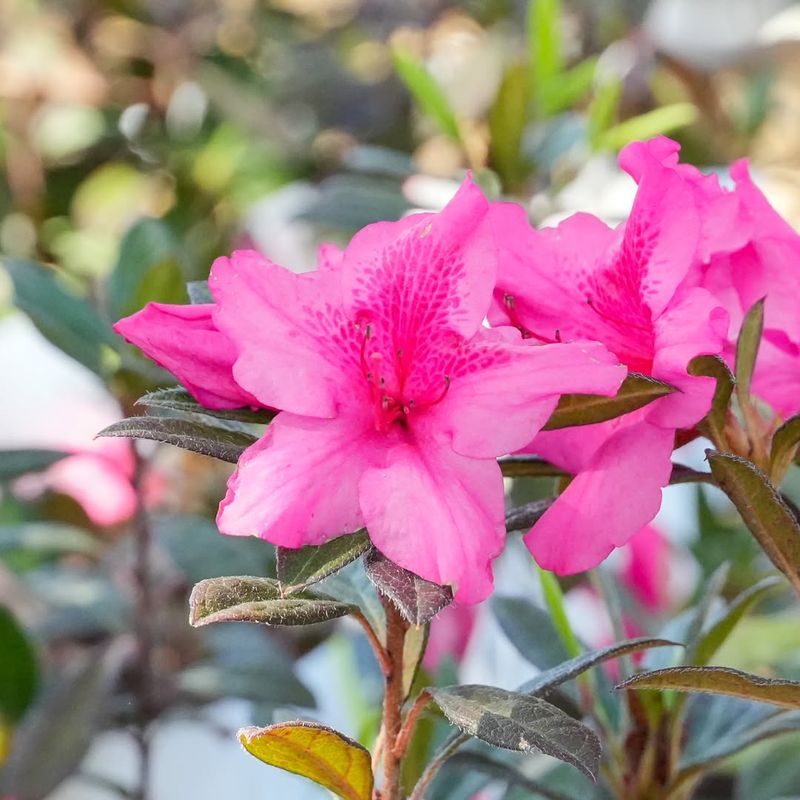
Few sights in a North Florida yard are as cheerful as azaleas exploding into color every spring. Those bold blooms are the result of months of quiet preparation, and the buds you see in March were actually formed on last year’s branches.
Snipping those branches now means saying goodbye to your flower display before it even gets started, which is why a little patience matters so much this time of year.
Azaleas are one of the most beloved flowering shrubs in North Florida, and they reward patient gardeners with weeks of stunning color. The trick is to let them finish their full blooming cycle before you even think about reaching for your pruning shears.
Rushing the process by trimming too early can leave your plant looking sparse and bare when your neighbors’ azaleas are still glowing with fresh color and full, healthy blooms.
Once the last petals fall, usually by late April or early May in North Florida, that is the perfect window to shape your azalea. Pruning right after blooming gives the plant the whole summer to grow fresh branches that will carry next year’s flower buds.
Give your azaleas the time they deserve, and they will reward you with an even bigger show next spring.
2. Camellias That Are Still Flowering
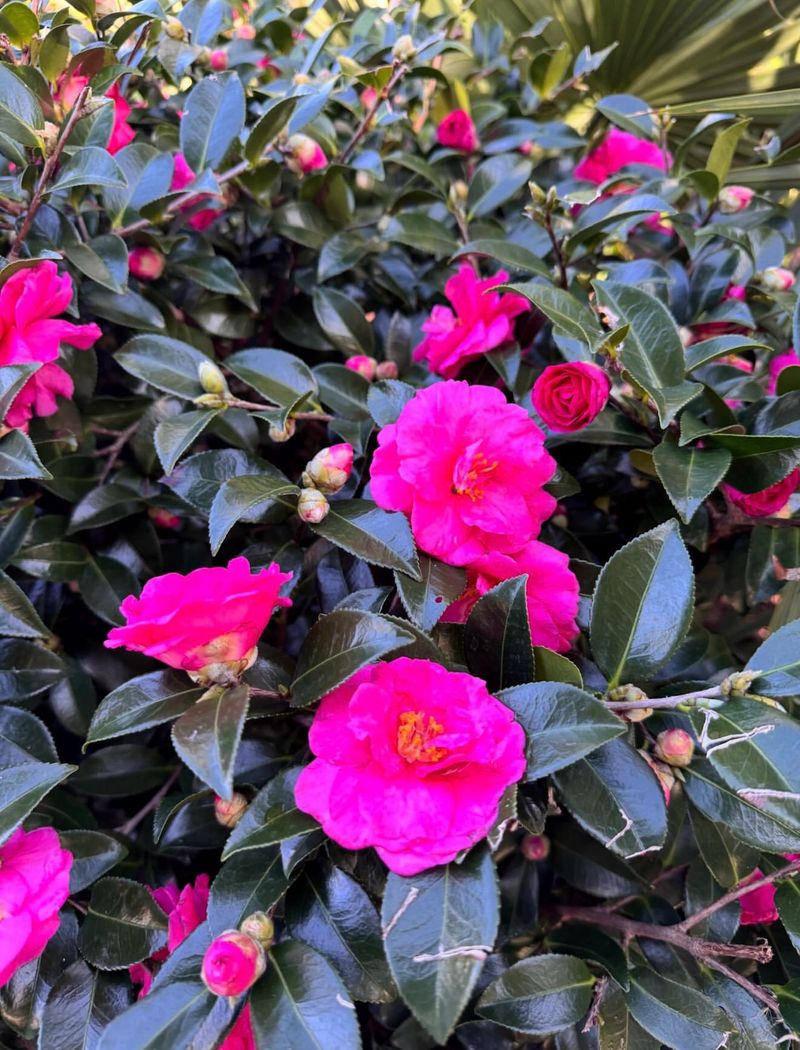
There is a quiet kind of elegance to this classic flowering shrub that makes it stand out in any North Florida garden. Camellias can bloom as early as fall depending on the variety, while others hold onto their flowers well into March.
If your plant still has open blooms or swelling buds, it is best to leave the pruning shears where they are and simply enjoy the show for a little longer.
Pruning while a camellia is still flowering does more than remove those beautiful blooms. It interrupts the plant’s natural energy cycle at an important moment.
These shrubs put a great deal of energy into producing their waxy, long-lasting flowers, and cutting them back too soon can leave the plant under extra stress as warmer weather starts to arrive. That can also take away part of the seasonal display that makes camellias such favorites in North Florida landscapes.
In North Florida, the best time to prune a camellia is right after flowering ends, which may be late March or early April depending on the variety you are growing. A light shaping at that point helps the plant stay neat without cutting off next season’s buds before they have a chance to form.
Heavy pruning is usually not the best approach, since camellias tend to respond better to selective trimming that removes dead wood, damaged stems, or awkward branching.
3. Gardenias That Set Flower Buds On Old Wood
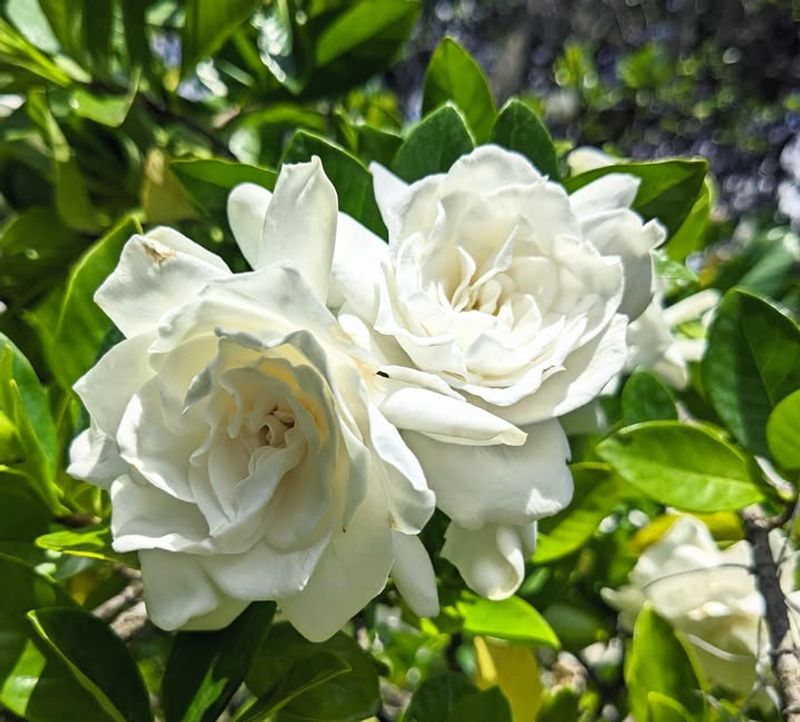
Walk past a gardenia on a warm North Florida evening and the scent alone stops you in your tracks. That rich, sweet fragrance is one of the most memorable things about a Southern garden, and it comes from flowers that develop on branches grown the previous year.
Pruning in March puts those precious buds at serious risk.
Gardenias are a little fussier than some other flowering shrubs, and they really do not appreciate being cut back at the wrong time. When you remove old wood in early spring, you are essentially removing the very branches that carry this season’s flower buds.
The result is a green but flowerless shrub for the entire growing season, which is a frustrating outcome for any North Florida gardener who was looking forward to those gorgeous white blooms.
Waiting until after your gardenia finishes blooming, usually by midsummer, is the safest strategy. At that point, a light trim helps the plant keep its shape and encourages healthy new growth that will carry buds for the following year.
Skip any major reshaping during the spring months. Gardenias are worth the patience, and North Florida’s long, warm growing season gives them plenty of time to bounce back beautifully after a well-timed, post-bloom pruning.
4. Indian Hawthorn Before Spring Bloom Ends
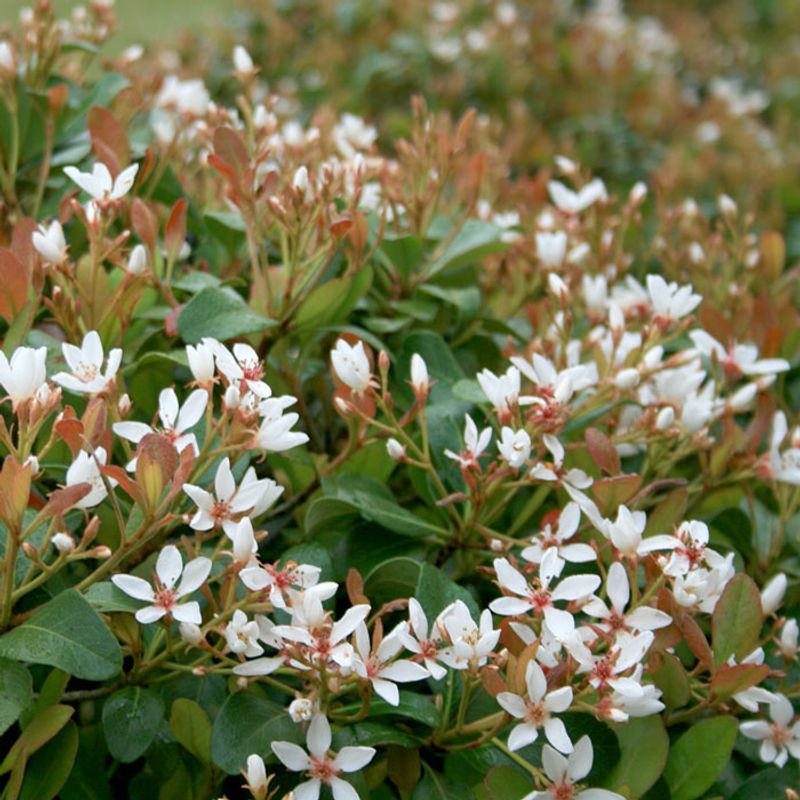
Few shrubs earn their spot in a North Florida landscape as easily as this one. Tough, compact, and covered in charming clusters of small spring flowers, Indian hawthorn brings a soft, cottage-garden feel to almost any yard.
Those blooms do not last very long, though, and trimming the plant before they finish means cutting the whole show short just when it is getting started.
What many gardeners do not realize is that Indian hawthorn sets its flower buds on the previous season’s growth, much like azaleas and gardenias. In North Florida, March falls right in the middle of its usual blooming period, so pruning at that point can remove both the flowers that are already open and the buds still waiting to open.
Instead of enjoying that spring display, you may end up with a neatly shaped shrub that stays green but misses its most colorful moment of the season.
A little patience really pays off here. Once flowering wraps up, usually by late April in much of North Florida, a light trim can help the shrub stay tidy while also encouraging dense, bushy growth.
Try not to remove more than one-third of the plant at a time if you want to keep it looking full and balanced. Once established, Indian hawthorn is also fairly drought tolerant, which adds to its appeal as an easy-care choice for North Florida yards when its natural blooming schedule is allowed to finish first.
5. Bigleaf Hydrangeas That Bloom On Old Wood
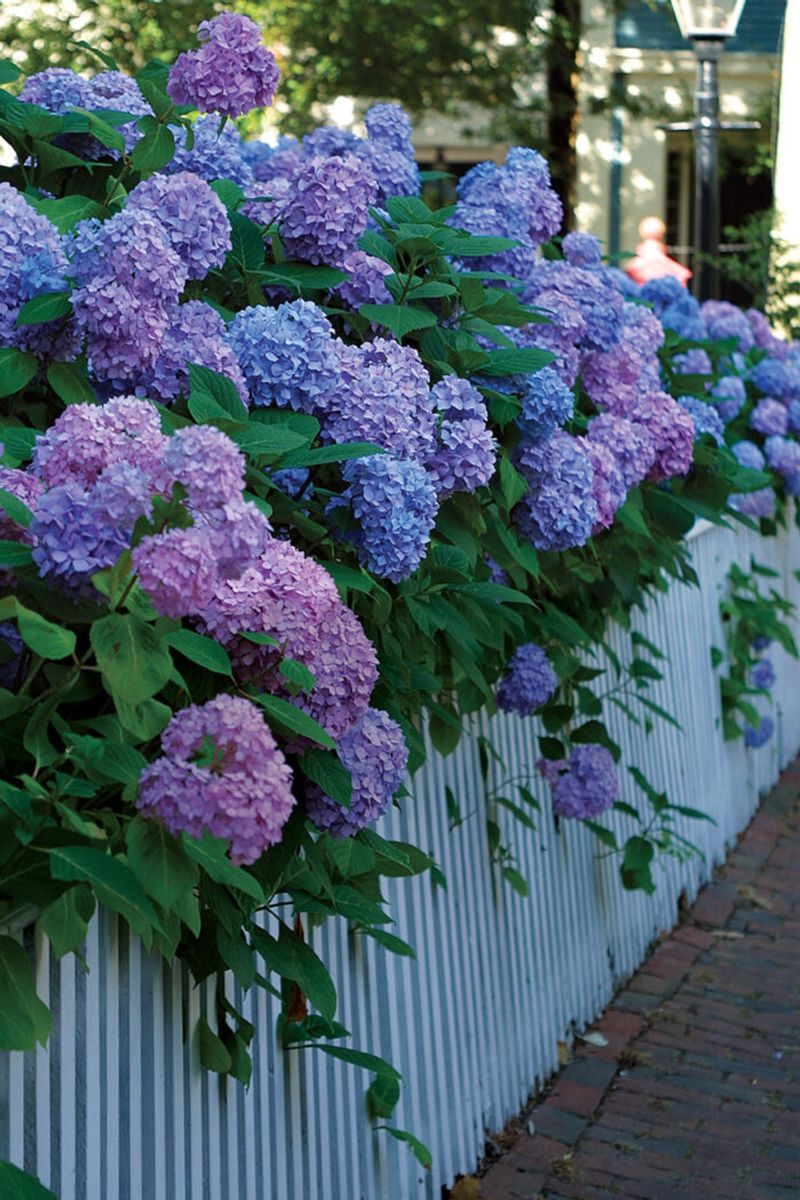
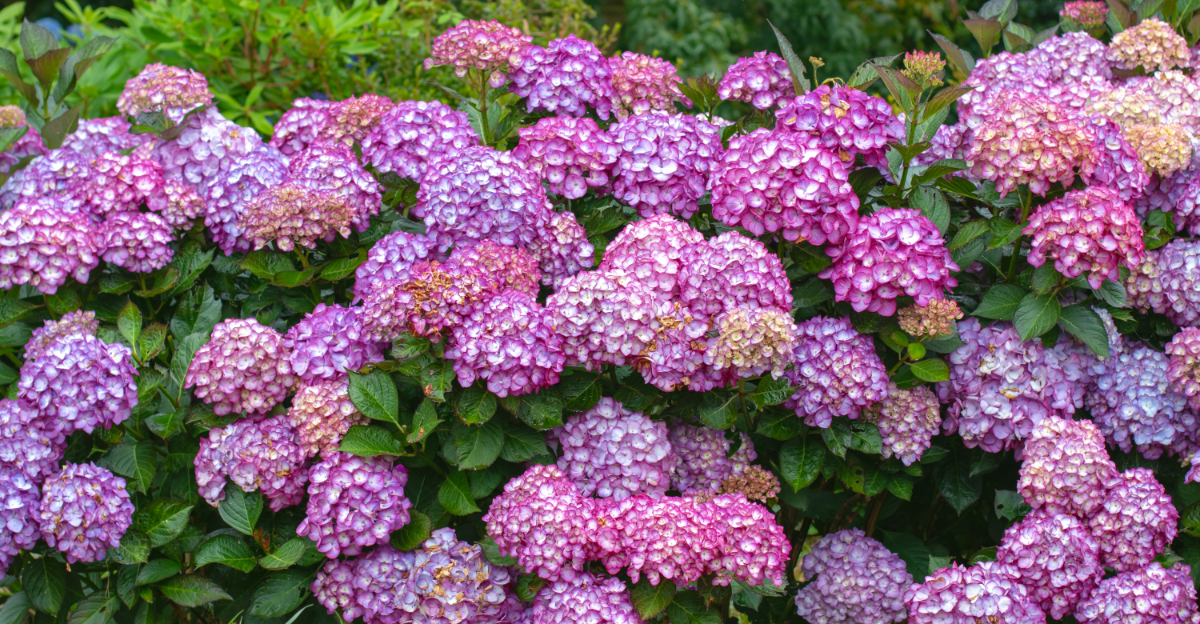
With their big, round flower heads in shades of pink, purple, and blue, these shrubs are absolute showstoppers in a North Florida garden. Bigleaf hydrangeas bring the kind of color that instantly draws the eye.
Here is the catch, though: these beauties bloom on old wood, meaning the flower buds are sitting right there on last year’s branches waiting for warmer weather to open up. Prune them in March and those buds go right into the yard waste bin.
This is one of the most common pruning mistakes North Florida gardeners make. It is tempting to tidy up a hydrangea in early spring when you are out doing other yard work, but bigleaf varieties simply cannot recover their buds for the current season once they are removed.
You will have a healthy-looking green shrub with no flowers all summer long, which is a real disappointment after waiting all year.
The golden rule for bigleaf hydrangeas is to only remove obviously broken or completely lifeless stems in early spring. Hold off on any shaping or size control until after flowering ends in summer.
North Florida gardeners who follow this simple rule are rewarded with those iconic pom-pom blooms that make hydrangeas one of the most photographed plants in the region. A little restraint in March goes a long way toward a spectacular summer display.
6. Oakleaf Hydrangeas That Already Set Spring Buds
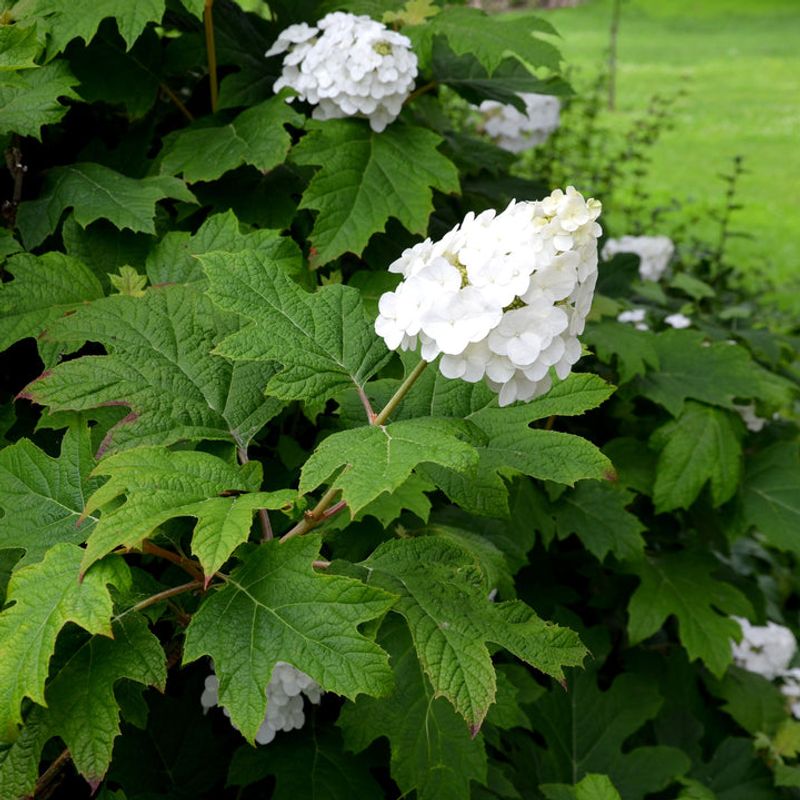
A true North Florida native treasure, this shrub stands out for its distinctive lobed leaves that resemble oak foliage. Oakleaf hydrangeas also produce striking cone-shaped clusters of white flowers that gradually shift to a soft pinkish tan as summer moves along.
They are tough, shade tolerant, and remarkably beautiful in a natural landscape setting, but they do share one important trait with their bigleaf cousins: they bloom on old wood.
By the time March arrives in North Florida, these shrubs have already quietly set their flower buds on last year’s branches. Those buds may not look especially impressive yet, just small, tightly closed nubs along the stems, but they hold the full promise of the coming bloom season.
Cutting the plant back at that stage removes all of those buds and leaves the shrub without its summer flower display, which can be a frustrating mistake after months of waiting.
If you feel tempted to tidy up your oakleaf hydrangea in March, keep it simple and remove only branches that are clearly broken, damaged, or rubbing awkwardly against each other. Beyond that, it is better to let the plant carry on undisturbed until blooming has finished.
Once the flowers fade, usually in midsummer, that is the right time for any light shaping. North Florida’s climate suits oakleaf hydrangeas beautifully, and giving them room to bloom naturally helps them put on their best show year after year.
7. Loropetalum Before Its Spring Flower Show

If you have ever driven through a North Florida neighborhood in late winter or early spring and spotted a shrub covered in bright magenta, ribbon-like flowers, you were probably looking at a loropetalum. Also called Chinese fringe flower, this plant is a bold, colorful addition to any yard, and it earns its keep with minimal fuss.
However, March is absolutely the wrong month to prune it.
Loropetalum bursts into its most vibrant flower display right around late winter through early spring in North Florida, which puts it squarely in the danger zone for mistimed pruning. The flowers emerge on older wood, and cutting back branches before or during bloom removes that spectacular show you have been waiting for since fall.
Some gardeners trim loropetalum in early spring thinking they are helping the plant, but they end up with a plain burgundy shrub with no flowers for the season.
Waiting until after the spring flower show is completely over is the smart move. Once blooming finishes, a light shaping helps keep loropetalum from getting too large or leggy, which is a common issue in North Florida’s warm, fast-growing conditions.
This plant responds well to pruning at the right time and will fill back in quickly. Just give it the chance to finish its floral performance first, and you will have one of the most eye-catching shrubs on the block.
8. Spring Blooming Viburnums Before They Finish Flowering

They may not get the same spotlight as azaleas or hydrangeas, but these shrubs are a real gem in North Florida gardens. Viburnums earn their place with dependable beauty and a strong seasonal presence.
Many viburnum varieties produce clusters of small, sweetly fragrant white flowers in early spring that attract pollinators and fill the garden with a gentle, pleasant scent. Cutting them back in March, before those flowers are done, is a missed opportunity you will regret all season.
Spring-blooming viburnums set their flower buds on the previous year’s growth, which is the same story as most of the other shrubs on this list. By March, those buds are opening up or getting ready to open, and any pruning at this stage removes the blooms along with the branches.
North Florida gardeners are sometimes surprised to learn that even a light trim can significantly reduce the number of flowers that appear.
The best approach is simple: wait. Let your viburnum finish its full spring bloom, enjoy the flowers and the pollinators they attract, and then pick up your pruning shears once the petals have dropped.
A trim right after blooming, typically by late April or early May in North Florida, allows the plant to put out new growth all summer long. That new growth is exactly what will carry next year’s flower buds, keeping the cycle going and your garden looking spectacular every single spring.