What Not To Prune In South Florida During March

Your South Florida garden is waking up, and March is buzzing with new shoots, swelling buds, and the first hints of blooms – but one wrong snip now can erase weeks of growth.
Every spring, eager gardeners make the same mistake: they reach for the pruning shears just as plants are gearing up to shine.
From Bougainvillea’s vibrant bracts to tropical hibiscus buds, March is a month of delicate transitions. Cut too soon, and you’ll trade color and flower power for green stems and delayed blooms.
But leave the shears aside, and your garden can explode into a riot of flowers and fresh growth all season long.
Knowing which plants to let grow untouched now is the secret to a South Florida garden that wows neighbors and pollinators alike.
1. Bougainvillea Holds Flower Buds And Vibrant Spring Color

Walking past a South Florida fence draped in brilliant magenta or coral bougainvillea in March is one of those garden moments that makes all the effort worthwhile.
What many gardeners do not realize is that those vivid papery bracts are already forming on the tips of branches that grew last season.
Cutting those branch tips in March removes exactly the growth where the color will appear, leaving you with a green vine and no show for weeks.
Bougainvillea in South Florida responds well to pruning stress, but timing matters enormously. The plant sets its most impressive flower display when it experiences a mild dry spell followed by warmth, which March naturally provides.
Interrupting that cycle with heavy cuts delays blooming and can push flowering well into late spring or summer.
If you notice crossing branches or dead wood, light cleanup is fine. However, hold off on any significant shaping or reduction cuts until after the main spring flush has finished.
Letting bougainvillea run a little wild through March rewards you with the kind of color that stops neighbors in their tracks. Patience here pays off beautifully in a South Florida landscape.
2. Tropical Hibiscus Protects Developing Blooms And Early Spring Flowers

Few plants are as closely tied to the South Florida garden identity as tropical hibiscus, with its dinner-plate-sized blooms and glossy green foliage that thrives in the region’s heat and humidity.
By March, hibiscus plants are already pushing out new growth and developing flower buds along fresh stems.
Pruning those stems now removes the buds before they ever get a chance to open, cutting your bloom count significantly for the coming weeks.
Tropical hibiscus blooms on new growth, which means the plant needs those young shoots to produce flowers. When gardeners trim back hibiscus in early spring, they force the plant to redirect energy into producing replacement growth rather than flowers.
In South Florida’s warm climate, the plant will recover, but the bloom gap can last four to six weeks.
A better approach is to wait until late spring or early summer, after the first major flush of blooms has passed, before doing any meaningful shaping.
In the meantime, remove spent flowers and yellowing leaves to keep the plant tidy without sacrificing bud development.
Feeding with a balanced fertilizer in March encourages strong blooms without requiring you to pick up the pruning shears at all.
3. Plumbago Maintains Flowering Stems And Blue Bloom Potential

That soft powder-blue color plumbago brings to a South Florida garden is hard to replicate with any other plant, and March is right when it starts to remind you why you planted it in the first place.
New growth is emerging rapidly, and the tips of those fresh stems are exactly where the flower clusters will form over the coming months.
Cutting those tips now sacrifices the blooms that would otherwise appear from April through fall.
Plumbago is a vigorous grower in South Florida’s warm climate, and it can look a little shaggy by late winter. The temptation to tidy it up in March is understandable, but restraint goes a long way.
Light removal of truly dead or damaged stems is acceptable, but cutting back the green, actively growing tips delays the flowering cycle noticeably.
If the plant has become overgrown or is sprawling into pathways, consider waiting until a bloom cycle completes before doing structural pruning.
Plumbago rebounds quickly after a hard cut in late spring or early summer, and you will lose less flowering time overall.
In the meantime, enjoy watching those new shoots stretch toward the South Florida sun, knowing each one carries future blooms.
4. Ixora Preserves Flower Buds And Summer Bloom Readiness

Ixora is a South Florida garden staple, beloved for its dense clusters of tiny flowers in shades of red, orange, yellow, and pink that seem to glow in the subtropical sun.
By March, ixora is already building up the energy it needs for its main summer bloom period, and new growth tips are quietly forming flower buds that will open in the months ahead.
Pruning those tips now disrupts the bud development process and pushes the bloom timeline back considerably.
One of the most common mistakes South Florida gardeners make with ixora is shearing it into tight geometric shapes repeatedly throughout the year.
This practice removes flowering tips constantly, which is why many ixora hedges produce very few blooms despite being otherwise healthy.
March is especially the wrong time to shear, since the plant is preparing for its best seasonal display.
Ixora also prefers acidic soil, and March is a good time to check soil pH and apply an acidifying fertilizer rather than reaching for pruning shears.
If the shrub has some crossing branches or dead interior wood, those can be removed carefully without disturbing the outer growth tips.
Letting ixora develop naturally through spring sets the stage for a spectacular summer show across South Florida landscapes.
5. Crotons Keeps Colorful Foliage And Tender New Growth

Crotons are the paint palette of the South Florida garden, splashing bold yellows, reds, oranges, and greens across beds and borders with a drama few other plants can match.
March brings a flush of tender new growth on crotons, and those soft young leaves are some of the most vibrant the plant will produce all year.
Cutting into that new growth now removes the freshest color and stresses the plant during one of its most active growth periods.
Beyond the aesthetic loss, crotons pruned in March are also more vulnerable to stress because the tender new shoots are sensitive to any remaining cool nights that South Florida occasionally sees through mid-March.
Fresh cuts expose the plant to moisture loss and potential fungal issues during periods when humidity fluctuates.
The combination of new growth and unpredictable late-season cool spells makes March a risky time to prune.
Crotons rarely need heavy pruning in a well-planned garden. If a branch has been damaged by wind or a rare cold night, removing it cleanly is fine.
For general shaping, waiting until late spring, when temperatures are consistently warm and new growth has hardened off, gives the plant its best recovery conditions. South Florida’s heat will push vigorous new growth quickly once the timing is right.
6. Young Fruit Tree Branches Supports Structure And Future Fruit Production

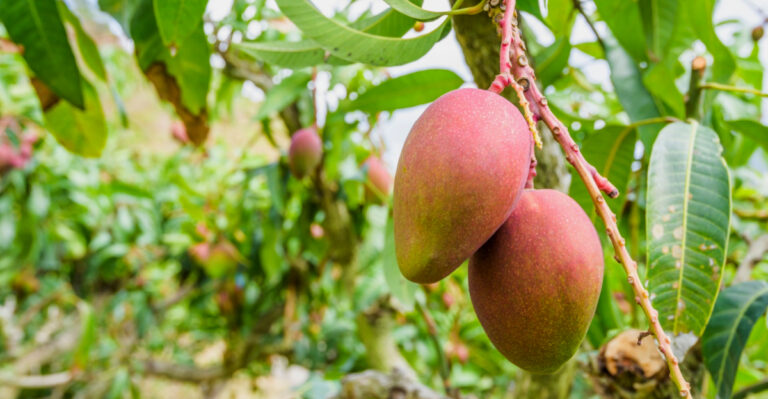
Anyone who has grown a young mango, avocado, or citrus tree in South Florida knows the excitement of watching it put on new growth and begin to take shape.
March is one of the most active months for young fruit trees in the region, with branches extending, leaves unfurling, and in some cases, early flower clusters beginning to form.
Pruning young branches at this stage removes the structural growth the tree needs to develop a strong, productive canopy.
Young fruit trees in South Florida are still establishing their root systems and building the branch framework that will eventually support heavy fruit loads.
Every branch removed now is energy the tree invested that cannot be recovered.
In established trees, selective pruning after harvest makes sense, but in trees under three years old, March cuts can slow development and delay the first significant fruit production by a full season or more.
The better strategy in March is to focus on feeding young trees with a balanced fruit tree fertilizer and ensuring consistent irrigation as temperatures climb. If there are clearly dead or damaged twigs, those can be removed without concern.
Structural pruning, when it is needed, is best done after the tree completes its spring flush and growth hardens. Patience with young fruit trees in South Florida pays off with years of productive harvests ahead.
7. Pentas Retains Early Buds And Nectar For Pollinators

Butterfly gardeners in South Florida have a special appreciation for pentas, a reliable nectar source that draws swallowtails, monarchs, and native bees throughout the warm months.
By March, pentas that overwintered or were planted in late winter are pushing out new growth and forming the early flower clusters that pollinators will depend on as spring activity picks up.
Cutting those stems now removes the early buds and sets back the nectar supply at exactly the moment when butterfly populations begin to increase.
Pentas is a fast grower in South Florida’s climate, so it may look leggy or uneven after winter.
The instinct to cut it back hard in March is understandable, but even a modest trim removes developing flower heads and delays the first bloom flush by two to three weeks.
That gap matters for pollinators that are actively looking for food sources in early spring.
Rather than pruning, a light pinch of the very tips can encourage bushier growth without sacrificing the buds already forming lower on each stem.
Applying a light dose of bloom-boosting fertilizer in March encourages strong flowering without requiring cuts.
Pentas planted in full sun across South Florida gardens will fill in quickly and reward a hands-off approach with weeks of continuous color and pollinator activity throughout spring and summer.
8. Newly Planted Shrubs Protect Root Establishment And Energy Reserves

Planting new shrubs in late winter and early spring is a popular move in South Florida, since warming soils and increasing rainfall help roots establish quickly.
But those same newly planted shrubs are in a vulnerable phase during March, using every bit of stored energy to push roots into surrounding soil while simultaneously pushing out new leaves.
Pruning at this stage pulls energy away from root establishment and toward replacing the foliage that was removed, which can slow overall development for weeks.
A newly planted shrub has not yet developed the deep, extensive root system it needs to handle the stress of both establishment and pruning recovery at the same time.
South Florida’s sandy soils drain quickly, which means young roots are working hard to access water and nutrients before the summer rainy season begins.
Adding the stress of pruning to that equation is an unnecessary setback that most plants in this phase do not need.
The most helpful things you can do for newly planted shrubs in March are mulching the root zone to retain moisture, watering consistently, and letting the plant direct its energy toward rooting.
If a branch was damaged during planting or shipping, removing it cleanly is fine.
Shaping and structural pruning can wait until the shrub has been in the ground for at least one full growing season and is showing strong, vigorous growth.