What Oregon Gardeners Should Do With Sunflowers After The First Flowers Fade
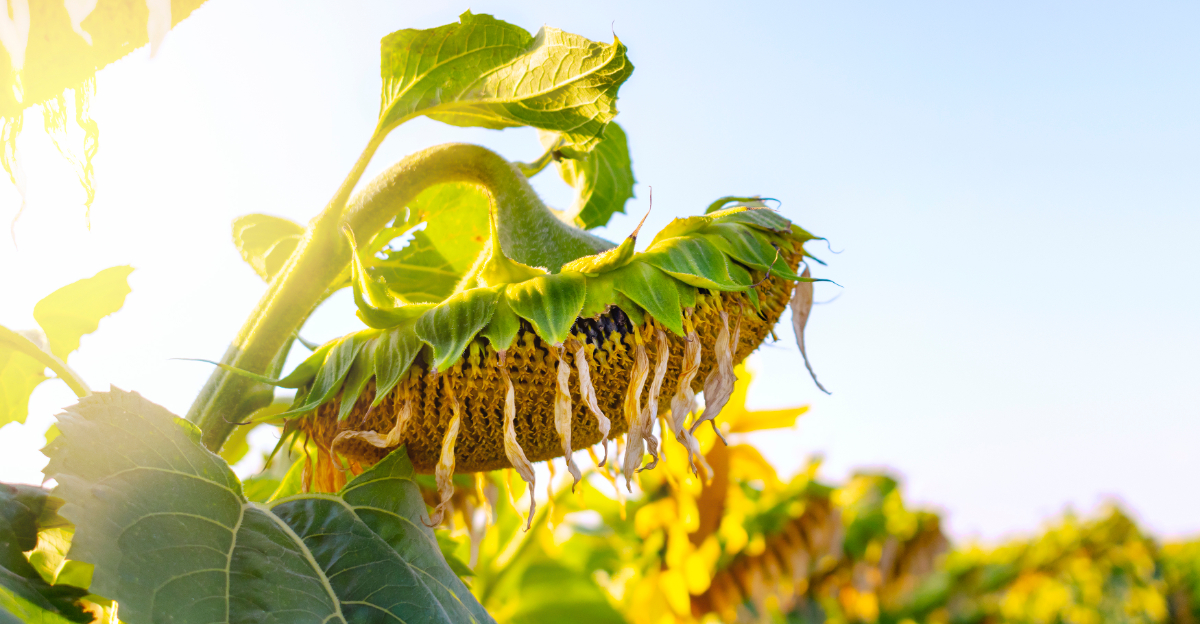
Those golden heads that dominated your yard all summer are starting to bow. Petals scatter across the soil, and the once-proud stalks look tired and heavy. This moment often gets treated as the end of the show, but it’s actually the beginning of round two.
Oregon’s damp autumn air and gentle temperature swings give sunflower growers an edge most regions can’t match. The soil stays workable longer, and seeds mature slowly instead of drying out too fast.
What happens in the next few weeks quietly decides how your garden performs next spring. A handful of overlooked details separate gardeners who get free birdseed and richer soil from those who miss out entirely.
Skip the wrong move here and you lose a season’s worth of potential. Get it right, and next year’s blooms come back stronger, taller, and even more photogenic.
Removing Faded Blooms Pushes Branching Varieties To Produce New Flowers
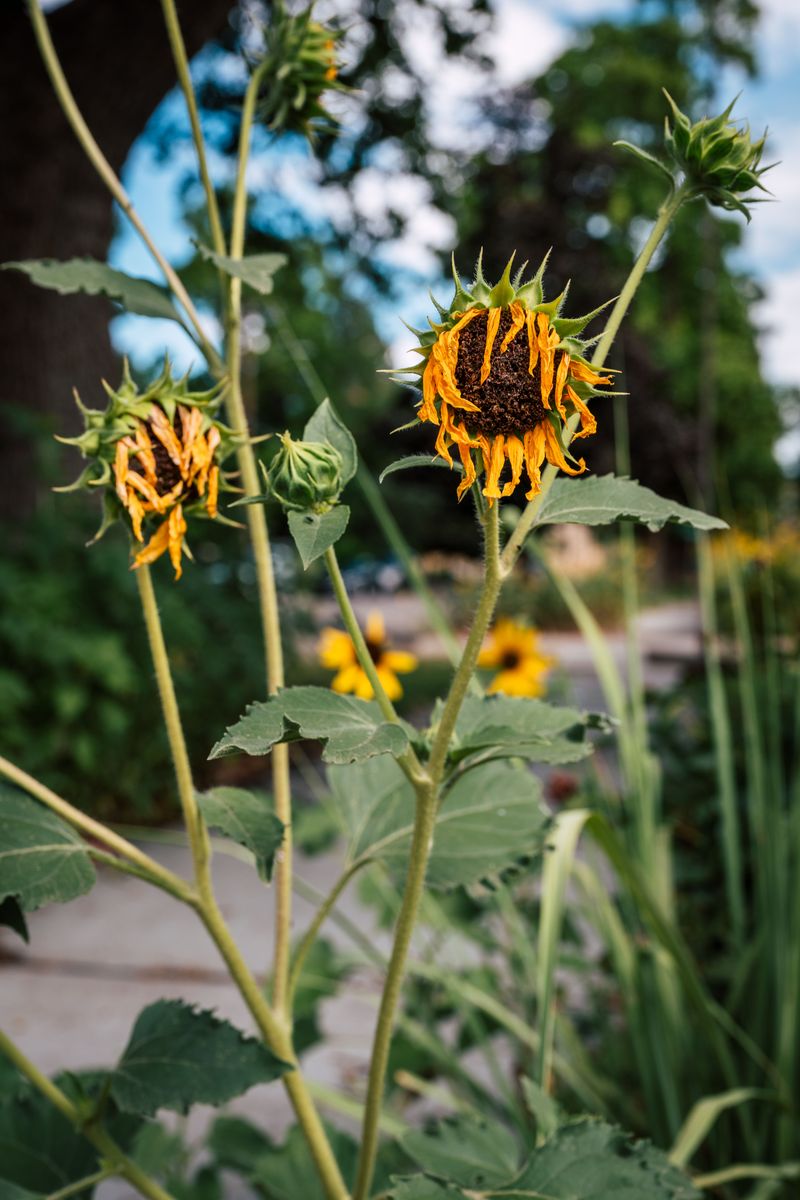
Snip that sad, drooping head and watch your garden wake back up. Removing branching sunflower varieties is one of the most rewarding moves an Oregon gardener can make after the first flowers fade.
Branching types like Autumn Beauty or Italian White do not stop at one bloom. They send out side shoots that carry fresh flower buds, but only when the main head signals that its job is done.
Removing that faded head cuts off the signal to stop blooming. Your plant redirects energy toward those waiting side branches instead of pouring everything into seed production.
Use clean, sharp pruning shears and cut just below the spent flower head. Make your cut above a healthy leaf node to encourage the best branching response from the stem.
Timing matters here in the Pacific Northwest. Oregon summers are shorter than gardeners in warmer states enjoy, so trimming spent blooms early in the season buys you precious extra weeks of color before fall rains settle in.
Check your plants every few days once blooming starts. Catching faded heads quickly keeps the cycle moving and prevents the plant from shifting into full seed mode too soon.
Not all sunflowers respond this way, so identification is key. Single-stem giants like Mammoth Russian are bred to produce one large head and rarely branch even with regular trimming.
Stick to removing spent blooms on your multi-stem varieties and leave the giants alone. The reward is a garden that keeps blooming long after neighbors have already pulled their spent plants.
Leaving Flower Heads Intact Allows Seeds To Fully Develop
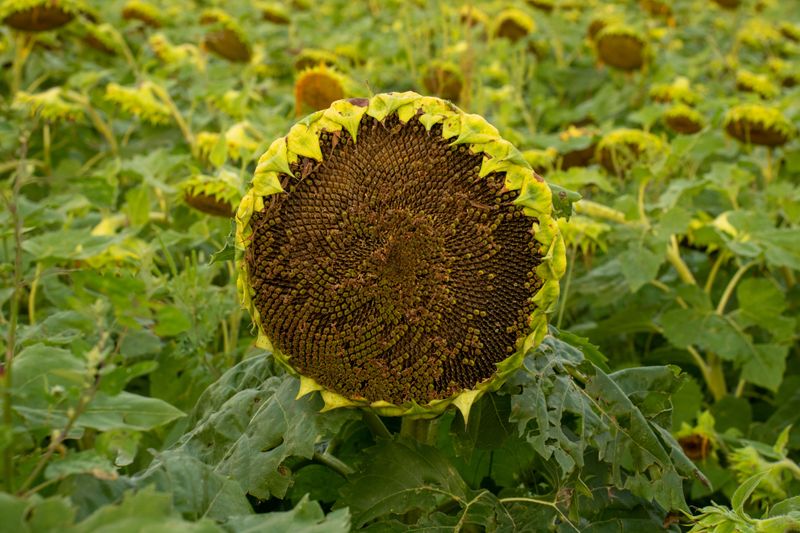
Some sunflower heads deserve to stay right where they are. If you planted a seed-producing variety like Mammoth Russian or Skyscraper, leaving the head intact is the smartest move you can make after those first petals drop.
Seeds need time to mature fully after the petals fall. The back of the flower head turns from green to yellow, then to brown as the seeds inside dry down and lock in their nutrients.
Oregon’s mild late-summer temperatures actually help this process move steadily. There is rarely a harsh early frost in western Oregon that would cut seed development short before it finishes.
Your Oregon Garden Changes Every Week. Your Plan Should Too.
Gardening in Oregon changes quickly throughout the season. Every Friday you’ll receive a simple weekly plan showing exactly what to plant, prune, fertilize, harvest, and protect so you never miss the right timing.
Watch the head carefully during this stage. When the back turns fully brown and the seeds feel firm when pressed, full maturity has arrived and the head is ready for the next step.
Patience pays off here in a big way. Seeds harvested too early tend to shrink during storage and lose viability, meaning fewer successful sprouts if you plan to replant them next spring.
Letting seeds mature on the stalk also concentrates flavor and oil content. Sunflower seeds meant for snacking or bird feeding are noticeably plumper and more nutritious when left to finish naturally.
Cover the ripening head loosely with a paper bag if squirrels or birds are aggressive in your yard. Secure the bag with twine so it stays in place during Oregon’s breezy late-summer afternoons.
Fully developed seeds are almost always worth the wait.
Seed Heads Left Standing Become A Food Source For Birds
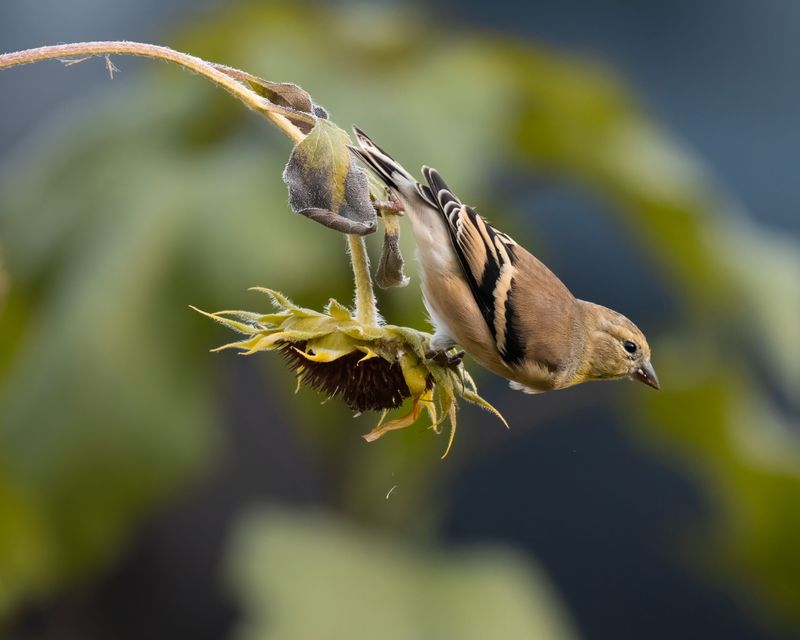
Few sights in a fall garden beat a goldfinch clinging to a dried sunflower head. Leaving seed heads standing after blooms fade turns your garden into a natural bird feeding station that costs you nothing extra.
Oregon is home to a wide range of seed-eating birds that ramp up their feeding activity in late summer and fall. Goldfinches, chickadees, house finches, and dark-eyed juncos all seek out sunflower seeds as a high-fat food source before colder months arrive.
Standing seed heads offer something a plastic feeder simply cannot match. Birds can cling, perch, and forage in a way that feels genuinely natural and keeps them active and healthy.
You also get a front-row seat to the action from your kitchen window. Watching a flock of goldfinches work through a dried head on a gray October morning is genuinely one of fall gardening’s best rewards.
Resist the urge to tidy up too early. Many gardeners pull spent sunflowers in September, not realizing that birds depend on those heads well into November in the Pacific Northwest.
Leaving several heads standing through the season does not make your garden look neglected. Pair them with ornamental grasses or late-blooming perennials and the effect looks intentional and beautiful.
Once the seeds are fully claimed by wildlife, the bare stalks can come down. By then, you will have given local birds a serious calorie boost heading into the rainy season.
Nature handles the cleanup when you step back and let it.
Stalks And Roots Need A Plan Before Oregon Rains Arrive
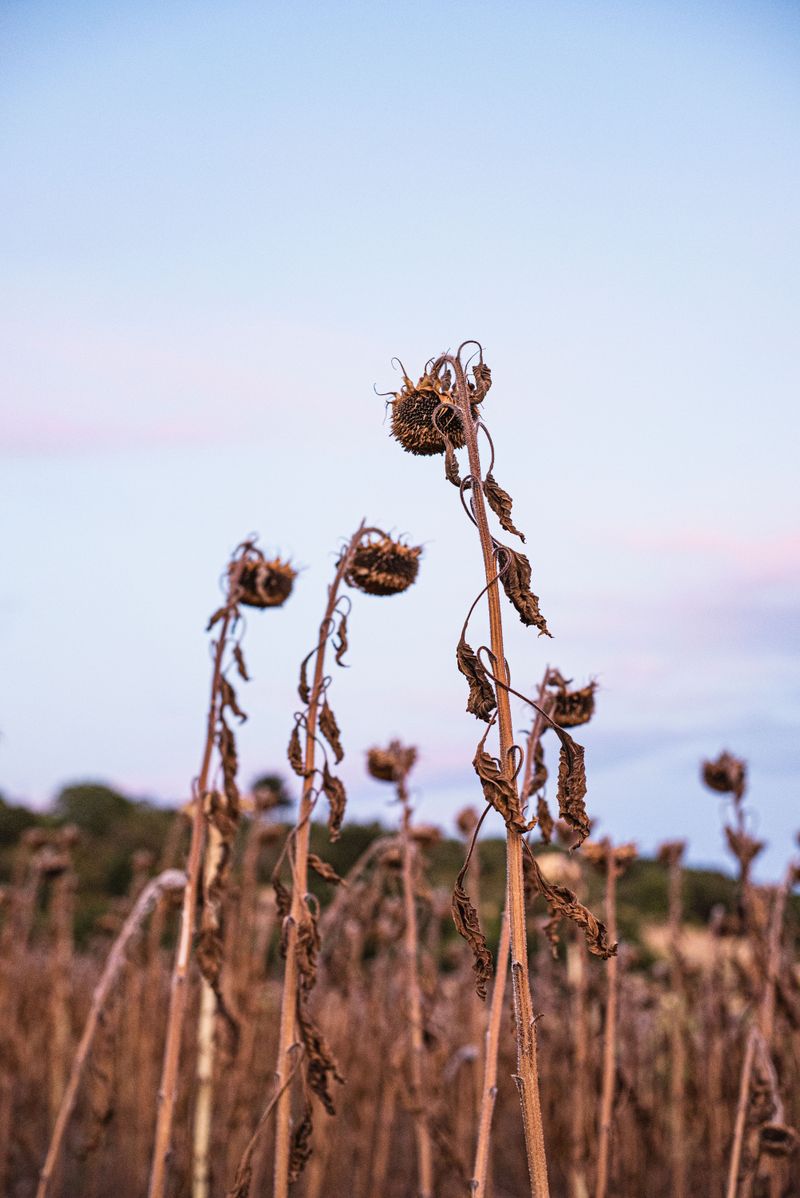
Oregon rains do not wait for you to get organized. Once October arrives in the Willamette Valley, the ground softens fast and spent sunflower stalks become a soggy, heavy mess if you have not made a plan.
Sunflower stalks are thick and woody, which means they take much longer to break down than typical garden debris. Leaving them flat on the ground through a wet Oregon winter creates a breeding ground for mold and slugs.
Cutting stalks down to a few inches above the soil line is the cleanest approach for most home gardens. Short stubs dry out faster and are easier to remove or chip down when spring arrives.
Roots are worth thinking about separately from the stalks. Sunflower roots grow deep and fibrous, and pulling them out while the soil is still workable in early fall is far easier than struggling with them in January mud.
If you have a chipper or shredder, run the dry stalks through it. Shredded sunflower material breaks down much faster in a compost pile than whole stalks, which can take well over a year to decompose.
No chipper? Chop stalks into short sections with loppers and layer them into your compost bin. Mix them with wet leaves or kitchen scraps to keep moisture levels balanced through the wet months ahead.
Getting ahead of this task before the first big fall rain saves hours of frustration. A little planning now means a clean, ready garden bed when spring planting season rolls back around.
Saving Seeds Requires A Few Extra Steps Before Storage
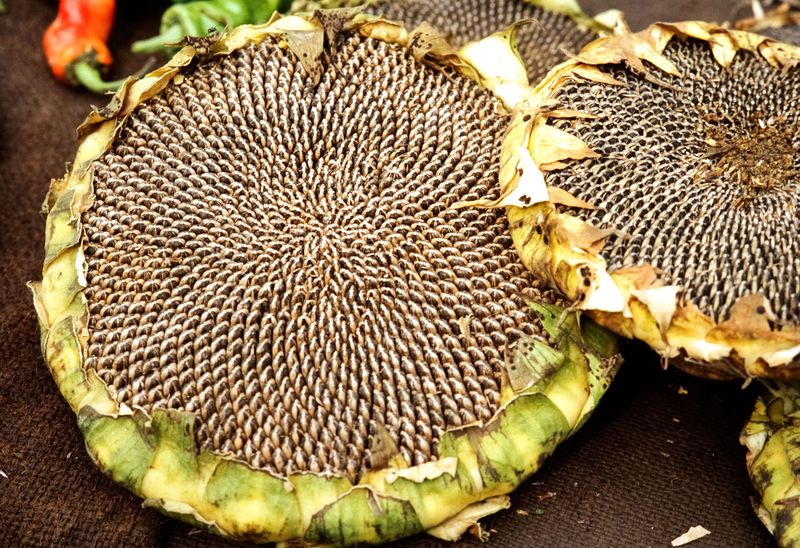
Saving sunflower seeds sounds simple, but a few skipped steps can ruin an entire harvest before spring arrives. Getting the process right takes maybe an hour of effort and pays off with free seeds for next year’s garden.
Start by cutting the seed head when the back is fully brown and the seeds feel firm. Bring it inside before Oregon rains can introduce moisture that leads to mold during the drying process.
Rub the seed head firmly over a bucket or tray to release the seeds. They should pop out without much resistance if they are truly mature and ready for storage.
Spread the seeds in a single layer on a clean paper bag or screen. Let them air dry for at least two weeks in a warm, well-ventilated spot away from direct sunlight.
Moisture is the biggest threat to long-term seed storage. Even a small amount of trapped humidity inside a sealed container can cause mold to develop and undo months of careful work.
Test for dryness by pressing a seed between your fingers. A properly dried seed snaps cleanly rather than bending or feeling soft at the center.
Store dry seeds in a paper envelope or small glass jar with a tight lid. Label each container with the variety name and harvest year so you are not guessing next spring.
Keep stored seeds in a cool, dark location like a basement shelf or the back of a kitchen cabinet. Properly saved sunflower seeds stay viable for up to three years under the right conditions.
Garden Beds Benefit From What Sunflowers Leave Behind
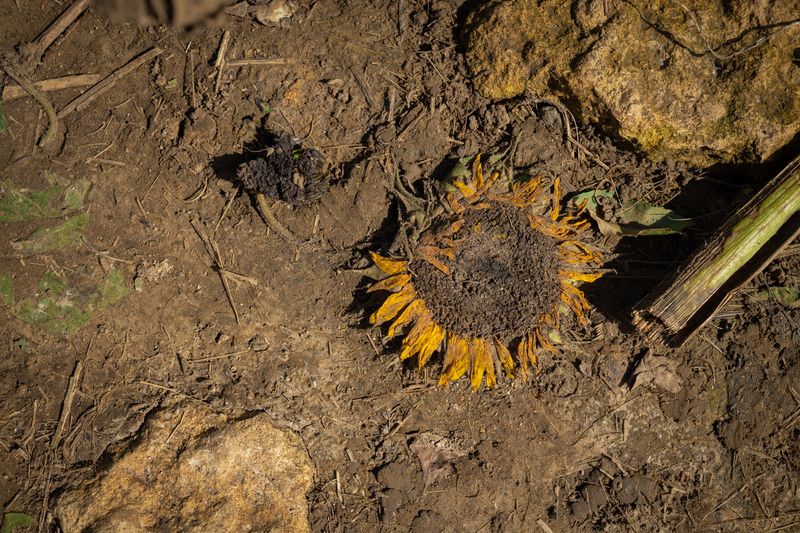
Sunflowers are quiet overachievers when it comes to soil health. Long after the blooms fade and the stalks come down, the real payoff shows up in what those plants left behind in the ground.
Sunflower roots go deep, sometimes reaching four feet or more into the soil. That root depth breaks up compacted layers that shallower plants rarely reach, improving drainage in Oregon’s notoriously heavy clay soils.
As roots decompose over winter, they leave behind channels that improve aeration. Better airflow in the soil means healthier microbial activity, which is the foundation of genuinely productive garden beds.
Sunflowers also pull nutrients up from deep soil layers through their roots during the growing season. When those roots break down, some of those nutrients get released back into the upper soil zone where your next crop can access them.
Chopped sunflower leaves and small stems make excellent green material for a compost pile. Mixing them with carbon-rich brown material like dried leaves creates a balanced pile that breaks down efficiently through the wet Oregon winter.
Adding a layer of compost or aged manure to the emptied bed after removing stalks gives the soil a nutrient boost before spring. Letting it sit through winter allows everything to integrate naturally without any extra work on your part.
Cover the bed with a thick layer of straw mulch to protect soil structure from heavy winter rains. Your future spring plants will thank you with stronger roots and faster early growth.