This Farm Bird Could Be Maryland’s Best Natural Tick Control
Ticks in Maryland are multiplying faster than you’d expect. You already know the itch, the rash, the fear that follows a hike. Nobody warns you how aggressive these bites have become this season.
Doctors across Maryland see far more tick borne illness threatening you than ever before. Sprays fade, traps often fail, and you’re left exposed anyway. Meanwhile a loud, strutting creature could be quietly protecting you instead.
Something moves through your yard that ticks never see coming. Every pass it makes clears ticks before you even notice. Farmers have relied on this method for generations, and now you can too.
Suburban homeowners are only now catching on for your benefit. Loud and completely unmistakable, this creature turns your property into hostile territory for ticks.
This approach offers a hands-on, chemical-free alternative to sprays and traps. Once you understand what this creature truly does, you cannot ignore what happens next.
What Bird Is A Natural Tick Deterrent
Forget everything you thought you knew about pest control. The guinea fowl is a farm bird that has been quietly eating ticks for centuries, and it is finally getting the attention it deserves.
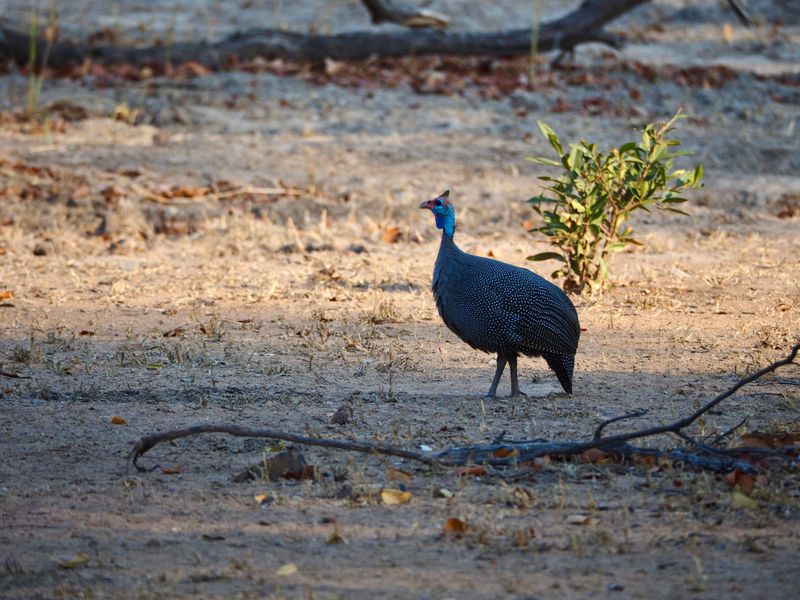
Guinea fowl are originally from Africa, where they roamed savannas and picked insects off the ground. Farmers across the eastern United States have been raising them for decades as a natural tick deterrent.
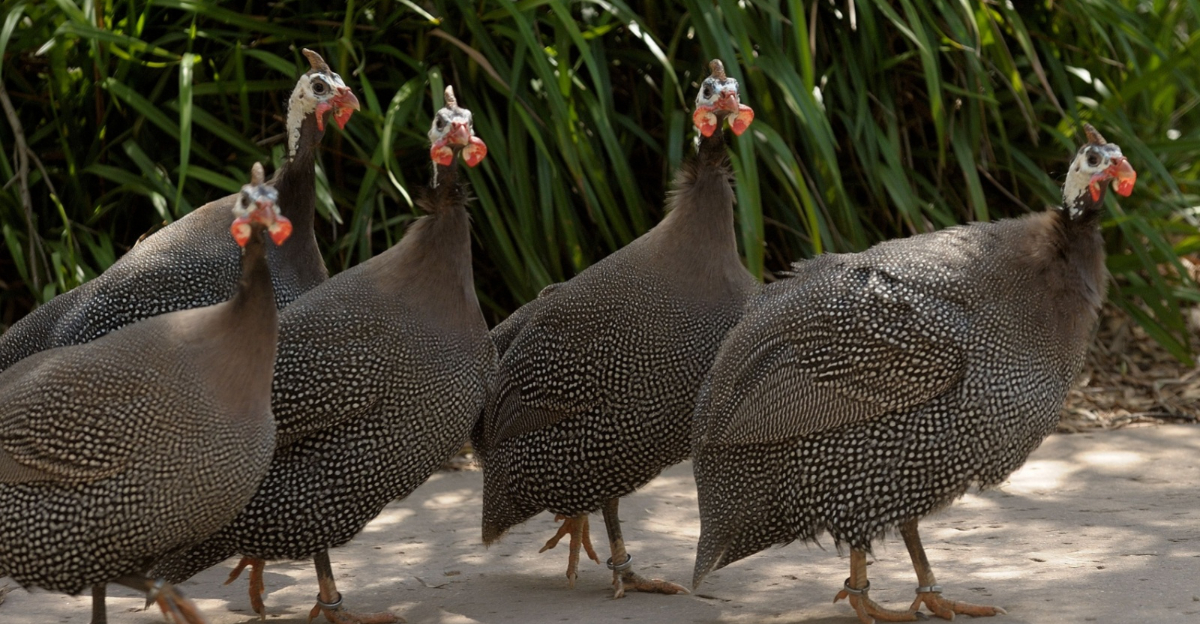
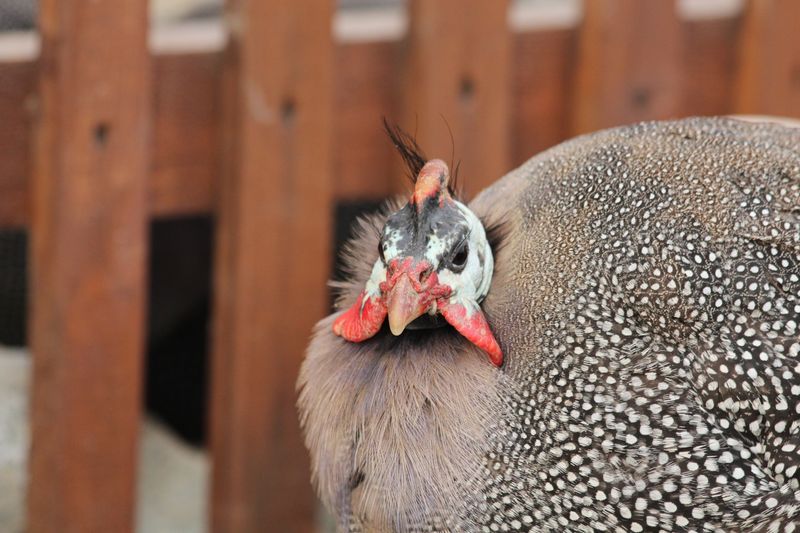
These birds look a little like a helmeted chicken crossed with a polka-dotted turkey. They have spotted gray feathers, a bony head crest, and an unmistakable loud call that sounds like they are always alarmed about something.
What makes them special is their obsessive, focused foraging style. They walk slowly through grass and leaf litter, scanning every inch of ground for movement.
A guinea fowl foraging nearby can meaningfully reduce local tick numbers, though outcomes vary by property and season.
Anecdotal reports from farmers suggest guinea fowl may consume dozens of ticks during a single day of foraging, though exact figures vary widely and lack rigorous scientific confirmation.
Maryland’s humid summers and wooded suburban yards create perfect tick habitat. That is exactly where this bird thrives as a living, breathing form of natural tick control.
They are not picky eaters either. Beyond ticks, they snack on mosquitoes, beetles, and other yard pests without scratching up garden beds the way chickens do.
If you have been fighting ticks on your property, this bird might be the scrappy, feathered solution you never expected.
Why This Bird May Help With Tick Control
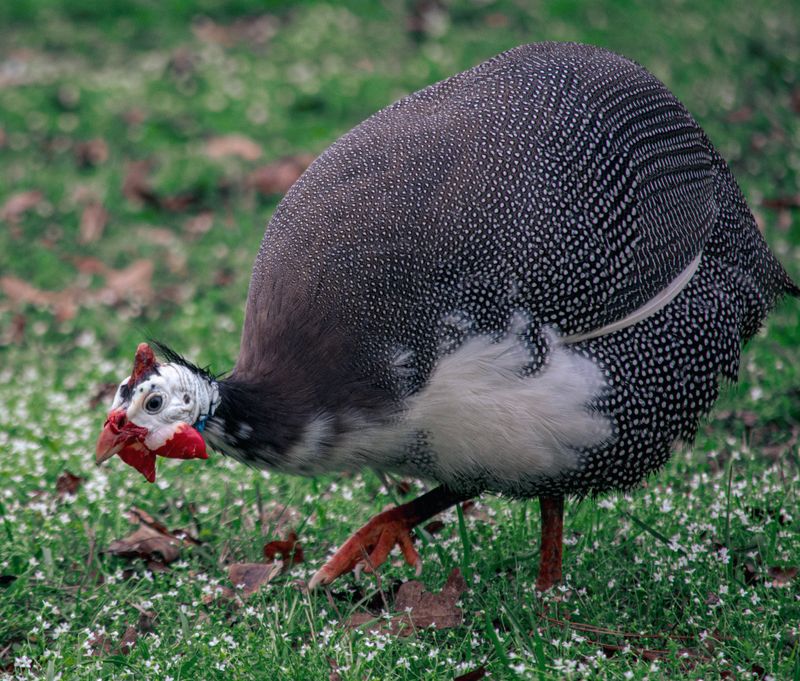
Sharp eyes and relentless hunger make guinea fowl remarkable hunters. Their vision is tuned to detect the tiniest movement, which means a slow-crawling tick is basically a flashing target to them.
Unlike chickens, guinea fowl do not scratch the soil. They walk steadily and peck with precision, which allows them to cover more ground without disturbing plant roots or flower beds.
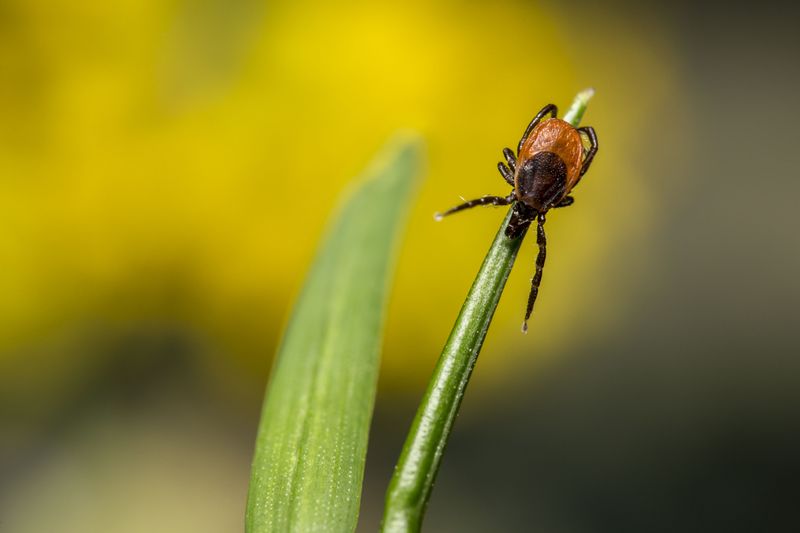
Ticks are ambush predators themselves. They wait on grass blades and leaf edges, hoping a warm body walks by so they can latch on.
Your Maryland Garden Changes Every Week. Your Plan Should Too.
Gardening in Maryland changes quickly throughout the season. Every Friday you’ll receive a simple weekly plan showing exactly what to plant, prune, fertilize, harvest, and protect so you never miss the right timing.
Guinea fowl flip that equation completely. They move through the exact zones where ticks hide, eating them before the ticks ever get a chance to attach to a person or pet.
A 2024 study published in the Journal of Medical Entomology examined guinea fowl as a tick control method and found the relationship more complicated than expected, since the birds can also become tick hosts themselves. Results vary from property to property.
The birds are also active during the hours ticks are most likely to be questing, which is the term scientists use when ticks stretch their legs out waiting for a host. Early morning and late afternoon are prime tick activity windows.
Guinea fowl happen to forage most aggressively during those same windows. It is almost like nature designed them as a counter to tick season.
Their foraging range can cover significant ground each day, often stretching well beyond a typical suburban yard.
That kind of ground coverage is difficult to replicate with sprays or traps, making guinea fowl a useful complement to other tick management methods.
How Many Birds You Need For Your Property
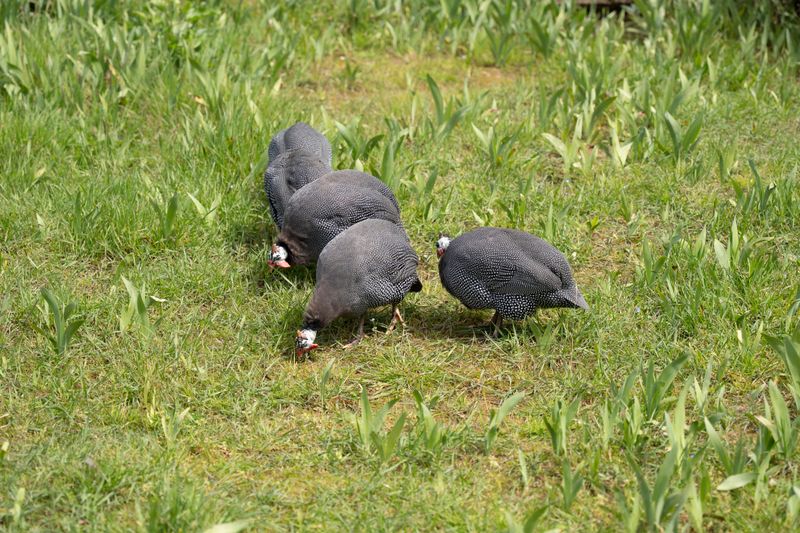
More is not always better, but with guinea fowl, a small flock goes a long way. Most backyard farmers recommend starting with four to six birds for a half-acre property.
If your yard is closer to a full acre, aim for eight to twelve birds. They naturally spread out while foraging, so a bigger flock covers more ground without crowding each other.
One thing to plan for is noise. Guinea fowl are not quiet birds, and a larger flock gets louder fast.
Your neighbors will have opinions about this, so a heads-up conversation before you get the birds is a smart move.
Keets, which is what guinea fowl chicks are called, are easier to train to return to a coop at night. Starting with keets instead of adult birds helps them bond to your property as home base.
Adult guinea fowl purchased from a farm may wander off entirely if they do not recognize your yard as their territory. Raising keets from a young age dramatically reduces that risk.
Plan on at least two birds minimum, because guinea fowl are flock animals and get stressed when alone. A lonely guinea fowl becomes a noisy, anxious mess that nobody wants to deal with.
For an average Maryland suburban lot of about a third of an acre, many keepers find a small flock of around four birds works well. That balance can help manage tick coverage alongside noise and feeding costs.
Getting the flock size right from the start means better results and fewer headaches down the road.
Where To Let Them Roam For Best Results
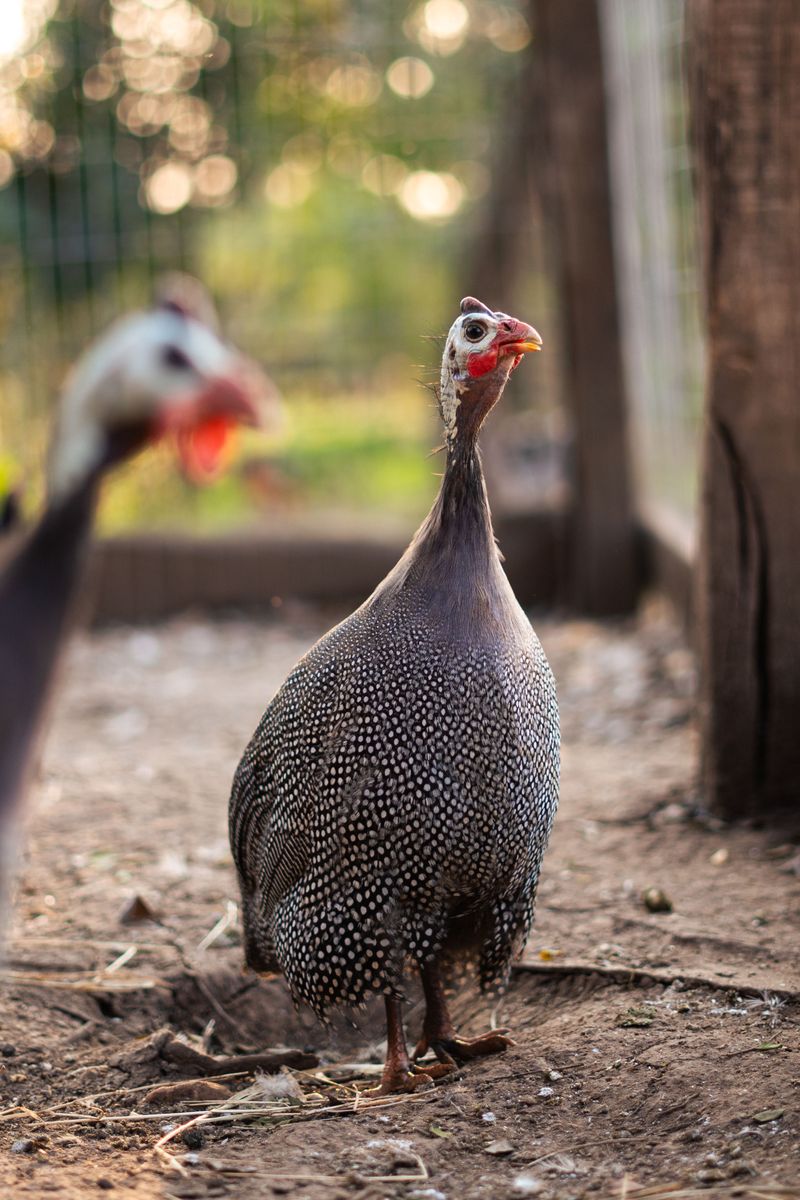
Location is everything when it comes to tick habitat. Ticks thrive along the edges where mowed lawn meets tall grass, brush, or woods, and that transition zone is exactly where guinea fowl should spend most of their time.
If your yard backs up to a tree line or has overgrown areas near a fence, those spots are tick hotspots. Directing your birds toward those zones will give you the biggest payoff.
Guinea fowl are natural wanderers, so they will explore on their own. But you can encourage them toward problem areas by placing their feed and water near those zones early in the morning.
Do not let them free-range unsupervised near busy roads. These birds have no traffic sense and will walk right into the street without a second thought.
A partially fenced yard with a run that opens toward the wooded edge is the ideal setup. It gives the birds access to prime tick territory while keeping them away from dangerous areas.
Wet areas like drainage ditches, creek banks, and shady corners also hold high tick populations. If your property has any of these features, make sure your flock has regular access to those spots.
Rotate their foraging areas every few days if possible. Fresh ground means fresh ticks, and giving an area a rest before returning keeps the birds motivated and searching actively.
Smart placement of your flock turns a casual hobby into a seriously effective form of natural tick control across your whole yard.
Other Benefits Beyond Tick Control
Tick patrol is just the beginning of what these birds bring to the table. Guinea fowl are also ferocious hunters of other yard pests, including Japanese beetles, grasshoppers, and even small snakes.
Gardeners love them because they eat harmful insects without trampling flower beds. A chicken will scratch your mulch into a disaster zone, but guinea fowl step lightly and peck with targeted precision.
They also work as a surprisingly effective alarm system. Guinea fowl are loud and alert, and they will sound off at hawks, foxes, stray dogs, and anything else that enters their territory.
Many farmers keep guinea fowl specifically because they warn the rest of the flock about aerial predators. That same instinct translates well to suburban yards where hawks can be a real problem for backyard chickens.
Their droppings are high in nitrogen and make a solid natural fertilizer. If you let them roam across your lawn, you are essentially getting free fertilization along with pest control.
Guinea fowl eggs are smaller than chicken eggs but packed with rich, creamy flavor. Many people who raise them find the eggs to be a bonus they did not even expect when they started out.
The birds also eat stink bugs, which have become a major nuisance across the mid-Atlantic region. Some homeowners report a noticeable drop in stink bug activity after introducing a flock, though results vary.
When one bird offers this many advantages, it starts to feel less like a farm pet and more like a full-service yard management crew.
Getting Started With Tick-Eating Birds
Starting a guinea fowl flock is easier than most people expect. You do not need a massive farm setup, just a secure coop, a small run, and a commitment to letting them out daily during tick season.
Look for keets at local feed stores in spring, or order them from a reputable hatchery online. Breeds like the Pearl, Lavender, and White guinea fowl are all solid choices for tick control in a suburban yard.
Young keets need a heat lamp, chick starter feed, and a clean brooder box for the first six weeks. After that, they are tough, low-maintenance birds that handle Maryland summers and winters without much fuss.
Build or buy a coop that locks securely at night. Predators like foxes, raccoons, and owls will absolutely target guinea fowl after dark if they are left exposed.
Train your keets to return to the coop at dusk by rewarding them with grain each evening. Once this habit is set, they will put themselves to bed reliably every night.
Check local zoning laws before you commit. Poultry ordinances vary by county and municipality in Maryland, so a quick call to your local zoning office before you commit saves a lot of headaches later.
Connect with local guinea fowl groups on social media for tips, troubleshooting, and even free keets from people who have an overflow. The community is enthusiastic and genuinely helpful.
For many homeowners, this hands-on approach becomes a rewarding part of managing tick populations naturally.