What Oregon Gardeners Should Stop Fertilizing Before September Arrives
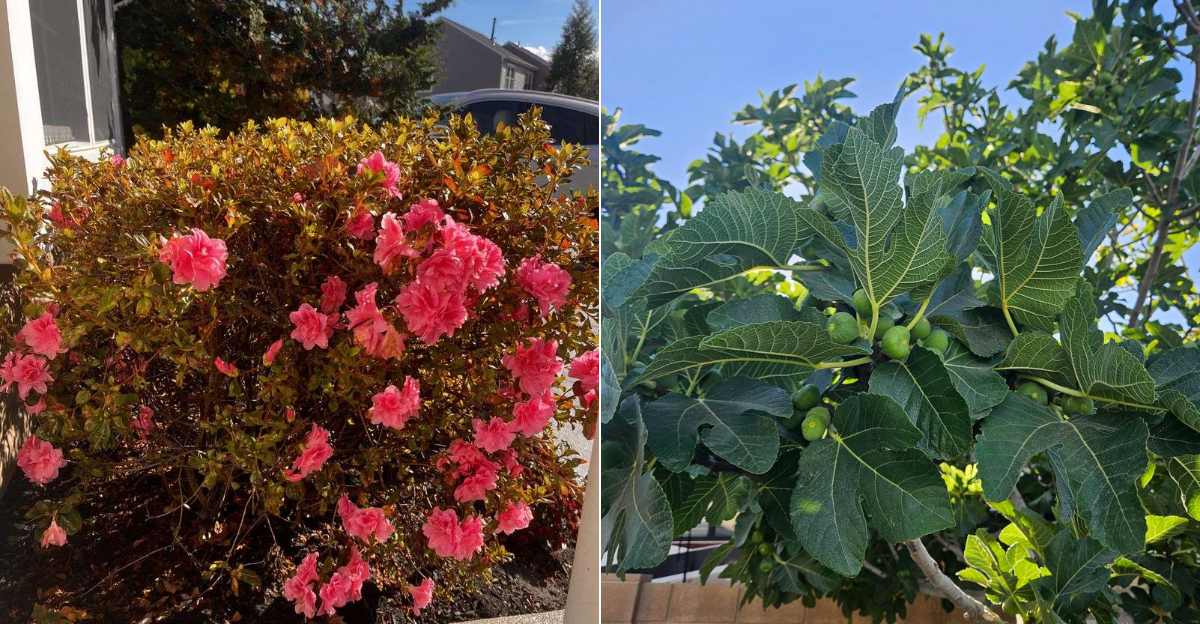
Late August is one of those awkward moments when the garden still looks active, but the season is already starting to turn. That makes fertilizer a trickier decision than it was a month ago.
Some plants can still use a boost, while others are better off easing out of vigorous growth before cooler weather arrives. Feeding at the wrong time can encourage tender new growth just as the plant should be preparing for fall.
The catch is that the plants most at risk are not always the ones that look tired. A lush, healthy shrub may actually be the one that needs you to put the fertilizer away.
Before September arrives, it is worth knowing which parts of the yard should stop getting fed so they can shift into the next season on their own terms.
1. Roses That Need To Stop Pushing Tender New Growth
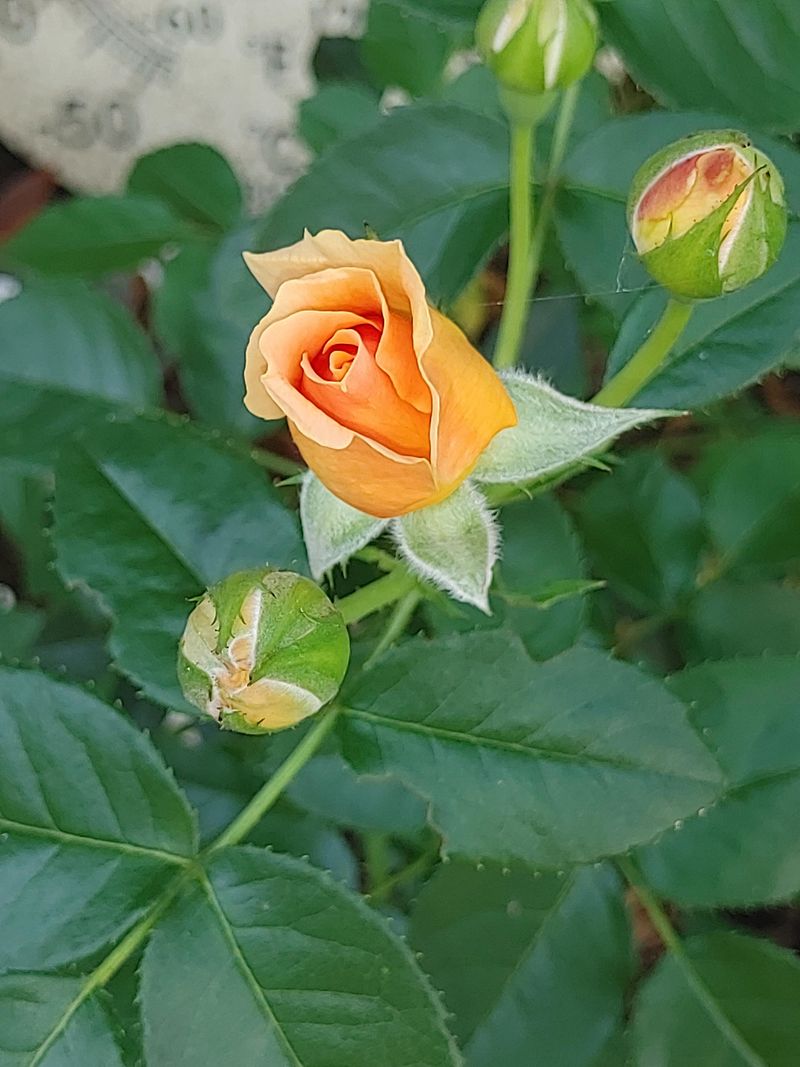
Most Oregon gardeners love seeing fresh rose buds pop up all season long. But when late August rolls around, that new growth can become a real problem.
Soft, tender stems that shoot up right before fall are much more likely to get damaged when temperatures drop.
Roses need time to harden off before cold weather arrives. That means stopping nitrogen-rich fertilizer by mid to late August at the latest.
Nitrogen pushes leafy, soft growth, and that is exactly what you do not want heading into September. If you keep feeding your roses now, you are encouraging them to grow when they should be slowing down.
A good rule of thumb is to give your roses their last balanced fertilizer feeding around six weeks before your first expected frost. In many parts of the Pacific Northwest, that means wrapping up fertilizing by mid-August.
After that, let the plant use up what nutrients are already in the soil.
You can still water your roses regularly. Just skip the fertilizer.
Let any remaining blooms finish naturally. If you see new buds forming very late in the season, do not panic.
Just avoid encouraging more with extra feeding. Letting your roses slow down now will help them come back stronger and healthier once spring returns.
A little patience in late summer goes a long way for these classic garden favorites.
2. Hydrangeas Better Off Hardening Up For Fall
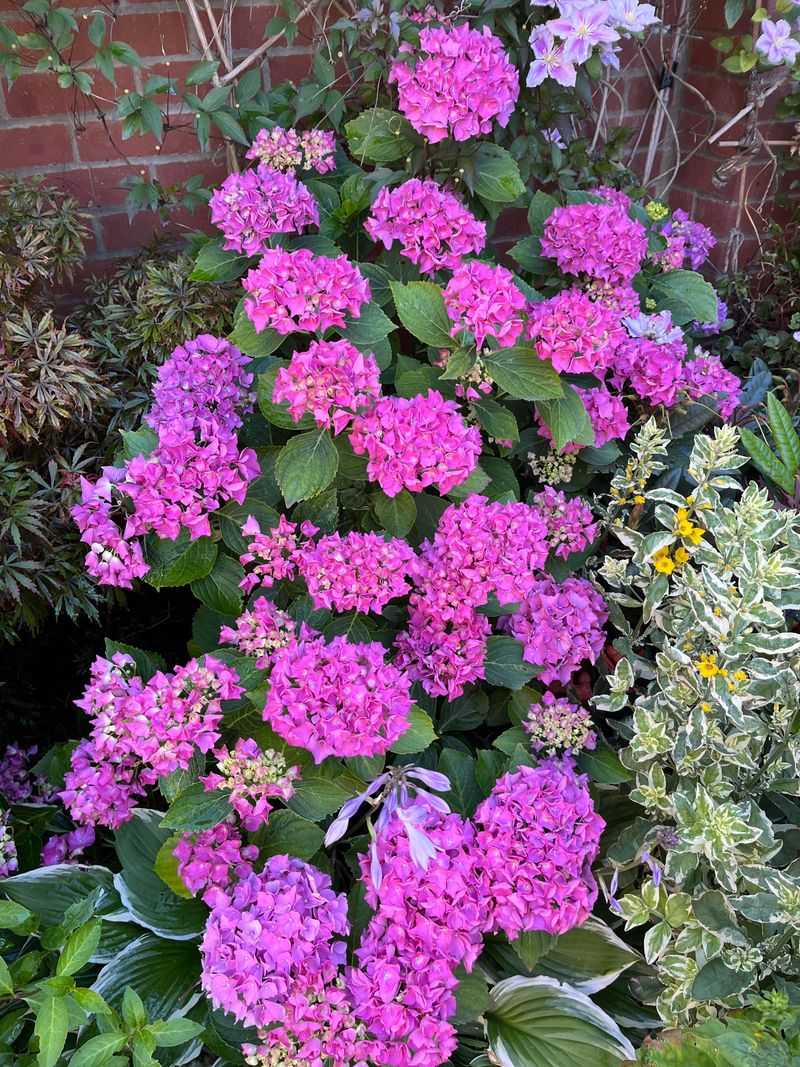
Few plants make a garden look as full and beautiful as hydrangeas in bloom. They are showstoppers all summer long.
But once you get close to September, those big, leafy shrubs need to shift gears and stop putting out new growth.
Feeding hydrangeas with nitrogen late in the season pushes out soft new stems. Those young stems have not had enough time to toughen up.
When an early frost hits, they can suffer serious damage that sets the whole shrub back for the following year.
Most gardeners should stop fertilizing hydrangeas by early August. That gives the plant several weeks to use up remaining nutrients and gradually slow its growth.
If you are using a slow-release fertilizer, check the label carefully. Some slow-release formulas keep feeding your plants for months, which can be a problem if applied too late in the summer.
Your Oregon Garden Changes Every Week. Your Plan Should Too.
Gardening in Oregon changes quickly throughout the season. Every Friday you’ll receive a simple weekly plan showing exactly what to plant, prune, fertilize, harvest, and protect so you never miss the right timing.
One handy tip is to watch for the blooms starting to dry and take on that papery texture. That is the plant’s natural signal that it is winding down for the season.
Work with that signal rather than against it. Stop adding nutrients, reduce watering slightly, and let the plant do what it does naturally.
Gardeners who give their hydrangeas this rest period every fall are often rewarded with bigger, more beautiful blooms the next summer.
3. Blueberries That Do Not Need A Late Nitrogen Boost
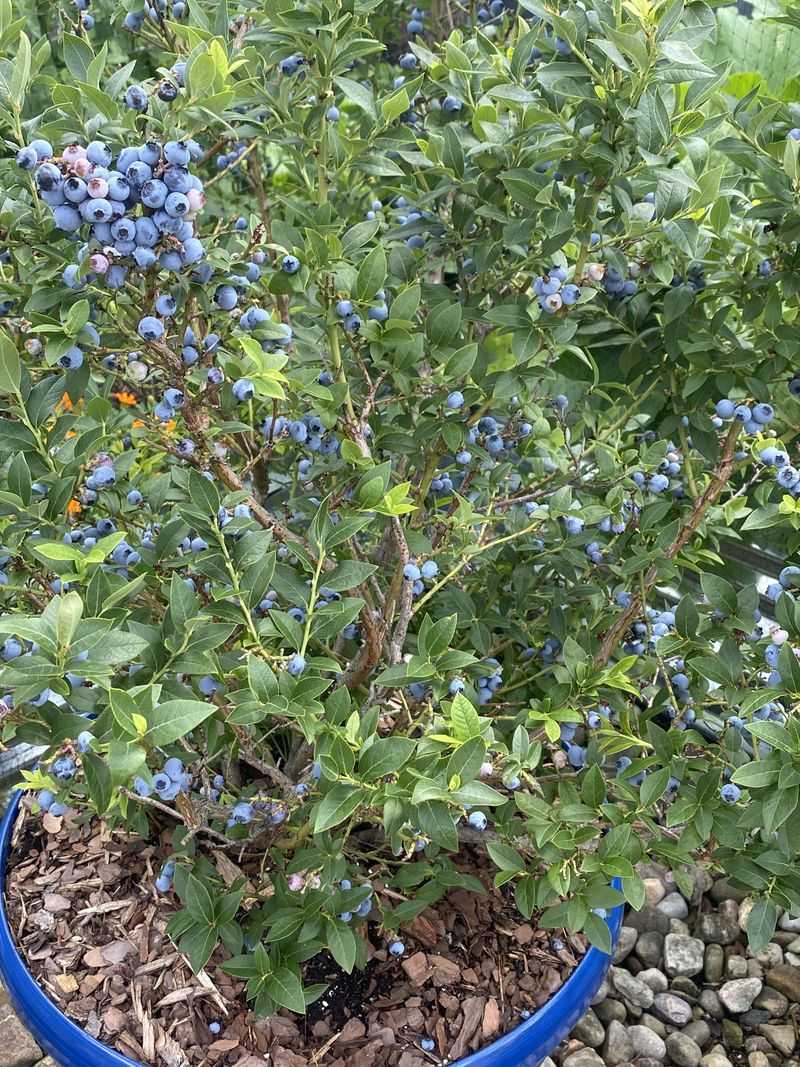
Blueberries are one of the most rewarding fruits you can grow in the Pacific Northwest. They love the climate here, and they produce well when cared for properly.
But one common mistake gardeners make is reaching for fertilizer too late in the growing season.
By August, your blueberry bushes should be done with their main growth push for the year. The berries have ripened or are close to it.
The plants are naturally starting to think about fall. Adding nitrogen at this point tells the bush to keep growing, which is the last thing it needs right now.
Late nitrogen feeding can also reduce cold hardiness in blueberries. The soft new growth that fertilizer encourages is not ready to handle frost.
Blueberries are actually quite cold-hardy when they go into dormancy properly. But that process gets interrupted when you keep feeding them past mid-summer.
The best schedule for blueberry fertilizing is to apply it in early spring and once more in late spring. After that, let the soil nutrients do the work.
A soil test can tell you if there is anything truly lacking. Blueberries prefer acidic soil, so focus on maintaining the right pH rather than adding more fertilizer.
Stop feeding by the end of July, and your blueberry bushes will be in great shape heading into the cooler months ahead.
4. Rhododendrons Preparing For Cooler Weather
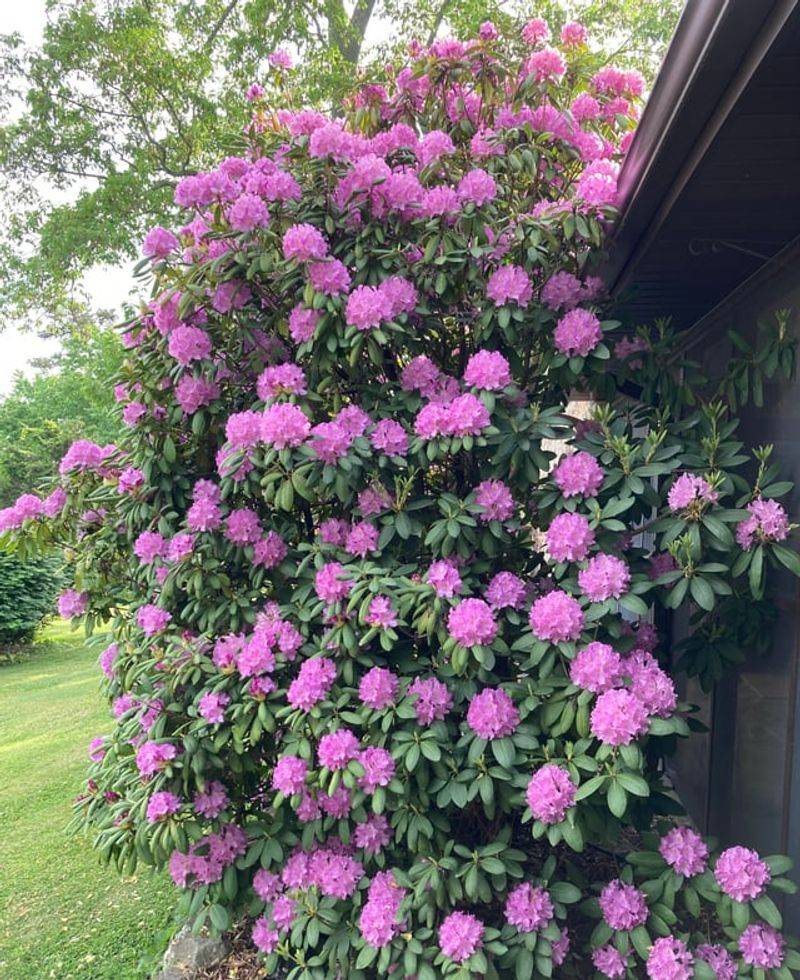
They are tough, beautiful, and bloom brilliantly in spring. But they need some help from gardeners to get through the colder months in good shape.
One of the biggest mistakes rhododendron owners make is fertilizing too late in the year. These evergreen shrubs should get their last feeding no later than July.
Feeding them in August or beyond encourages tender new growth that will not have time to harden before the cold arrives.
When soft new shoots get hit by frost, they can turn brown and droopy. The plant usually survives, but it takes time and energy to recover from that kind of stress.
It is much easier to just avoid the problem by stopping fertilizer in early summer.
Rhododendrons also do not need heavy feeding to begin with. They are not big feeders.
A light application of a fertilizer made for acid-loving plants in early spring, right after blooming, is usually all they need for the whole year. After that, a good layer of mulch around the base helps hold moisture and keep the roots comfortable.
Let the plant coast through late summer and fall on its own. Oregon gardeners who follow this simple routine tend to have the healthiest, most reliable rhododendrons in the neighborhood year after year.
5. Azaleas That Should Be Done Feeding By Now
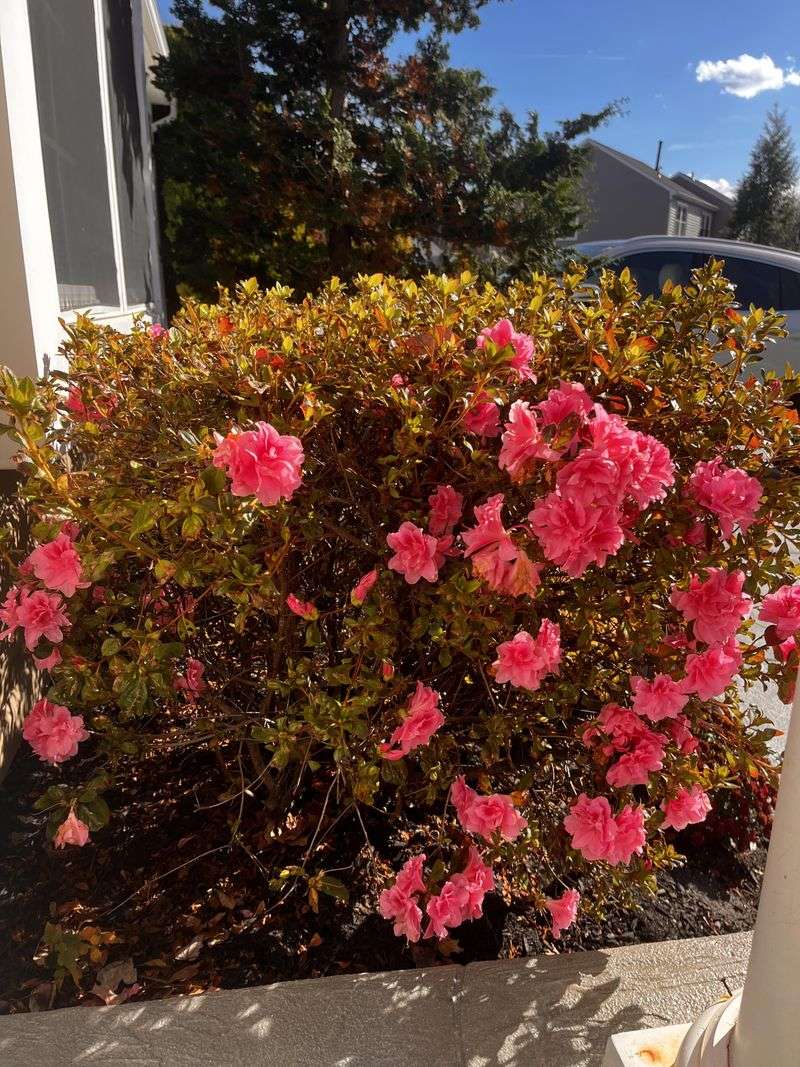
Azaleas and rhododendrons are close cousins, and they share a lot of the same care needs when it comes to fertilizing. By the time August rolls around, your azaleas should already be done getting extra nutrients for the year.
If they are not, now is the time to stop.
Feeding azaleas too late in the season is one of the quickest ways to run into trouble come fall. Nitrogen encourages soft, leafy growth.
That new growth needs several weeks to firm up before frost arrives. In areas where fall frosts come early, that time simply is not there if you are still fertilizing in August or September.
Did you know that azaleas actually set their flower buds in late summer and early fall? Those buds will become next spring’s blooms.
Pushing the plant to keep growing vegetatively during this time can actually reduce the number of flowers you get next year. Let the plant focus its energy on bud development instead.
Keep things simple with azaleas. Feed them once in early spring with an acid-formulated fertilizer.
A second light feeding in late May or early June can help if the plant looks like it needs a boost. After that, put the fertilizer away.
Water consistently through dry summer stretches, and let the plant do the rest naturally. Your patience now will show up as a gorgeous spring display next year.
6. Lavender That Gets Leggy With Late Fertilizer
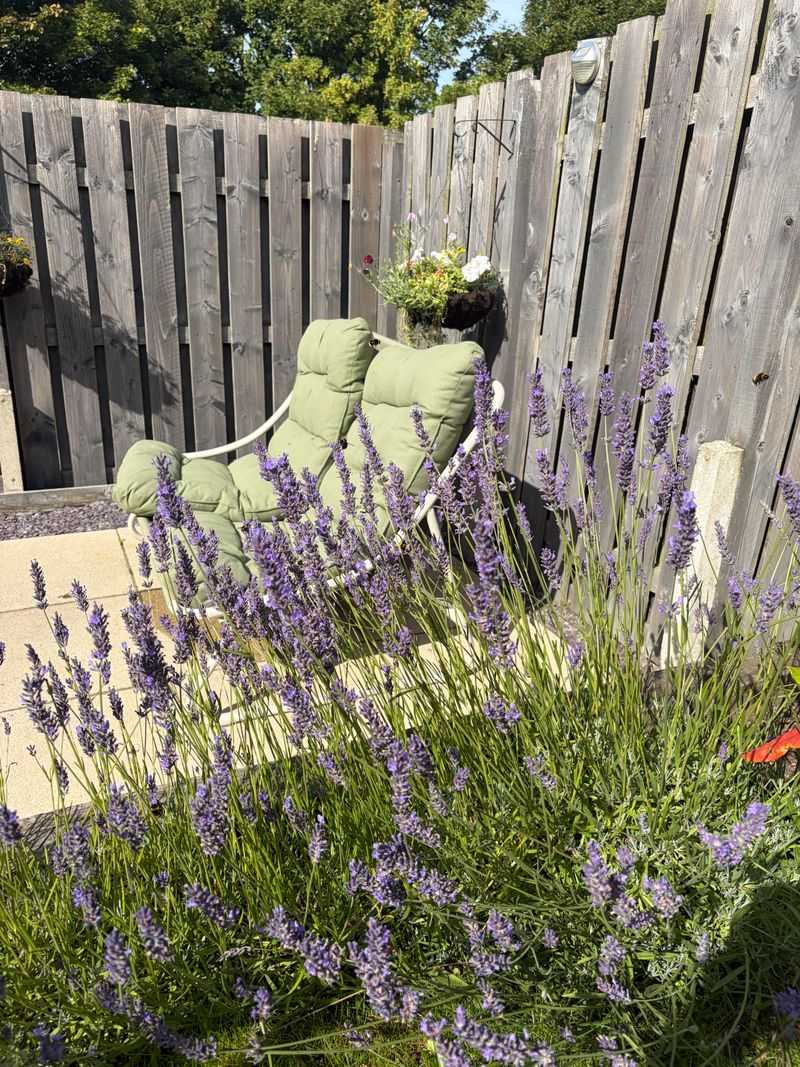
It loves poor, well-drained soil and does not ask for much. That is exactly why fertilizing it late in the season is such a common and costly mistake.
When lavender gets too much nitrogen, it responds by pushing out long, floppy stems instead of the compact, bushy shape most gardeners want. This is called getting leggy.
A leggy lavender plant looks a little sad, and it is also more likely to split open in the center during wet fall and winter weather.
Lavender should rarely be fertilized at all. If you feel the need to feed it, a very light application of a low-nitrogen fertilizer in early spring is the most you should do.
After that, leave it alone. The plant prefers to grow a little slowly and stay woody and sturdy.
That is what makes it so tough and long-lasting.
Late-season growth on lavender is also very vulnerable to cold. Those soft new stems that shoot out after an August feeding will not have time to harden before frost arrives.
Instead of fertilizing, focus on giving your lavender a light trim after it finishes blooming. That gentle shaping encourages a tidy form without pushing new growth.
Gardeners across Oregon who treat lavender this way are rewarded with healthier, longer-lived plants that smell just as amazing every single year.
7. Fruit Trees That Need To Slow Down, Not Speed Up
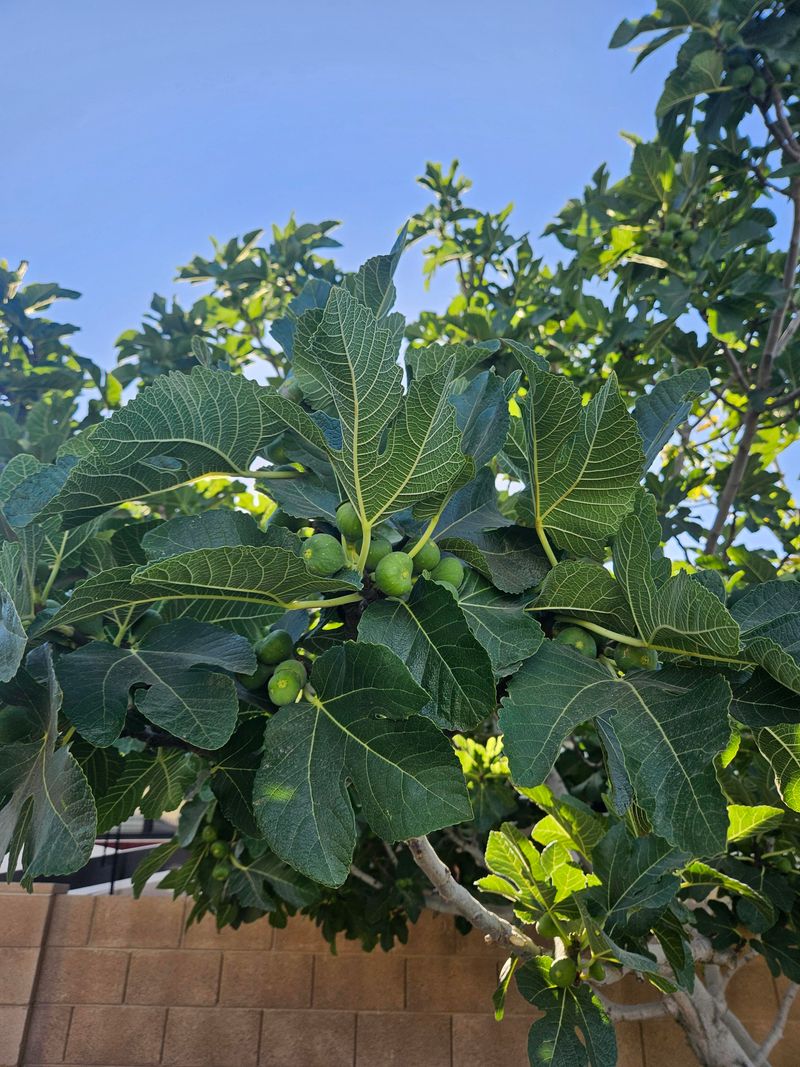
Fruit trees work incredibly hard all season long. From flowering in spring to carrying heavy loads of fruit through summer, they put a lot of energy into producing your harvest.
By late Oregon summer, they deserve a break, not another dose of fertilizer.
Feeding fruit trees with nitrogen after mid-summer tells them to keep pushing new leafy growth. But the tree should be focused on two things right now: ripening fruit and preparing for dormancy.
Extra nitrogen gets in the way of both. It can also make the tree more attractive to pests and diseases that love soft, lush growth.
Another concern with late fertilizing is cold hardiness. Fruit trees that keep pushing new growth into fall are not as ready for freezing temperatures.
The wood needs time to mature and harden. Trees that go into winter with lots of soft, unripened wood are at much greater risk of cold damage to their branches and bark.
The best practice is to give fruit trees their only fertilizer application in early spring, just as new growth is starting. A soil test every few years can tell you if something specific is missing.
Beyond that, good watering habits and a layer of compost around the base are usually all your trees need. Let them wind down naturally before September, and they will reward you with another great harvest next year.