What It Means When Centipedes Hide Under North Carolina Patio Pots After Rain
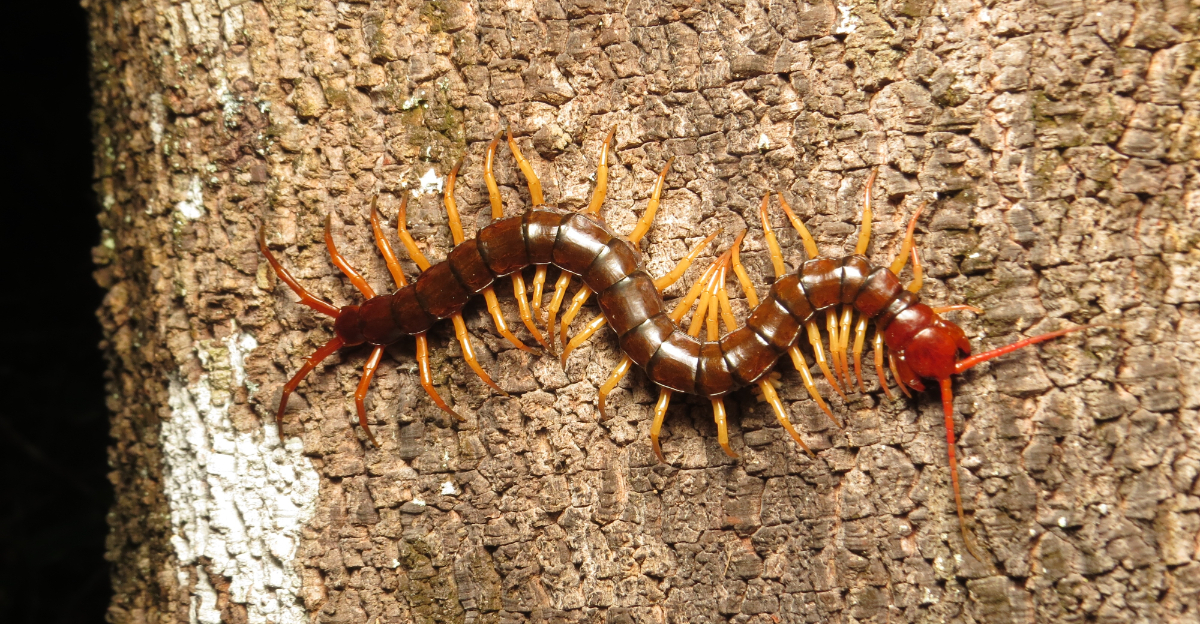
Lift a flowerpot off your patio in North Carolina after a summer downpour, and you might get more than damp concrete staring back. Dozens of thin, fast-moving legs bolt for cover in every direction at once, disappearing into cracks before you can even flinch.
It’s not an infestation, and it’s not personal. Centipedes treat patio pots the way most of us treat an umbrella during a storm, a quick, convenient shelter until conditions improve.
There’s a very specific reason these pots become such reliable hideouts, and it has everything to do with how a centipede survives. Once you know what’s happening underneath that clay rim, the whole scene starts to make a lot more sense.
A Response To Moisture, Not A Warning Sign
There’s a biological reason behind this scramble, not a bad omen. These creatures are simply responding to changes in their environment.
What they’re really chasing is comfort, not confrontation. Moisture keeps their bodies from drying out, which is critical for their survival.
Centipedes breathe through tiny openings in their body called spiracles. Without enough humidity, those openings lose moisture too fast, making it hard for them to function.
A wet patio pot creates a perfect microclimate. The soil underneath stays damp, the air pocket is humid, and the weight of the pot blocks wind and sunlight.
This is not a sign of an infestation or a problem with your home. Centipedes are outdoor creatures that happen to find your pots convenient after a downpour.
They are not nesting or colonizing your North Carolina patio. They are resting, rehydrating in a sense, and waiting for conditions to settle.
Think of it like finding a cat curled under a porch during a storm. The centipede is just doing what makes sense for its body.
Seeing one or two after rain is normal in the Carolinas. Spotting dozens regularly might mean conditions near your patio are consistently too damp.
Once you understand the moisture connection, the whole thing feels far less alarming. These bugs are predictable, and predictable things are manageable.
Why Rain Pushes Centipedes Toward Shelter
Rain does something interesting to the soil. It compresses air pockets underground and pushes small creatures upward and outward.
Centipedes typically live in leaf litter, mulch, and loose soil. When rain saturates those spots, the environment becomes waterlogged and uncomfortable fast.
Flooded soil means no oxygen, no movement, and no food. Centipedes are hunters, and a soggy burrow works against an active predator that needs to keep moving to catch prey.
So they move. They crawl toward surfaces that offer both shelter and airflow, and your patio pots check every box.
North Carolina gets significant rainfall, especially in spring and early fall. That consistent moisture cycle creates repeated opportunities for centipedes to seek refuge above ground.
A rainstorm also flushes out the insects that centipedes eat. Ants, beetles, and small roaches scatter during wet weather, and centipedes follow them.
Your patio becomes a temporary hunting ground. Pots, furniture gaps, and stepping stones all offer cover during and after a storm.
Your North Carolina Garden Changes Every Week. Your Plan Should Too.
Gardening in North Carolina changes quickly throughout the season. Every Friday you’ll receive a simple weekly plan showing exactly what to plant, prune, fertilize, harvest, and protect so you never miss the right timing.
The behavior is instinctive and ancient. Centipedes have been responding to rain this way for millions of years, long before patios existed.
Understanding this cycle makes the whole situation feel less personal. Your patio is not attracting centipedes because something is wrong.
Rain simply activates a survival response that has worked for these creatures across countless generations. Your pots just happen to be in the right place at the right time.
What Draws Them Specifically To Pots And Containers
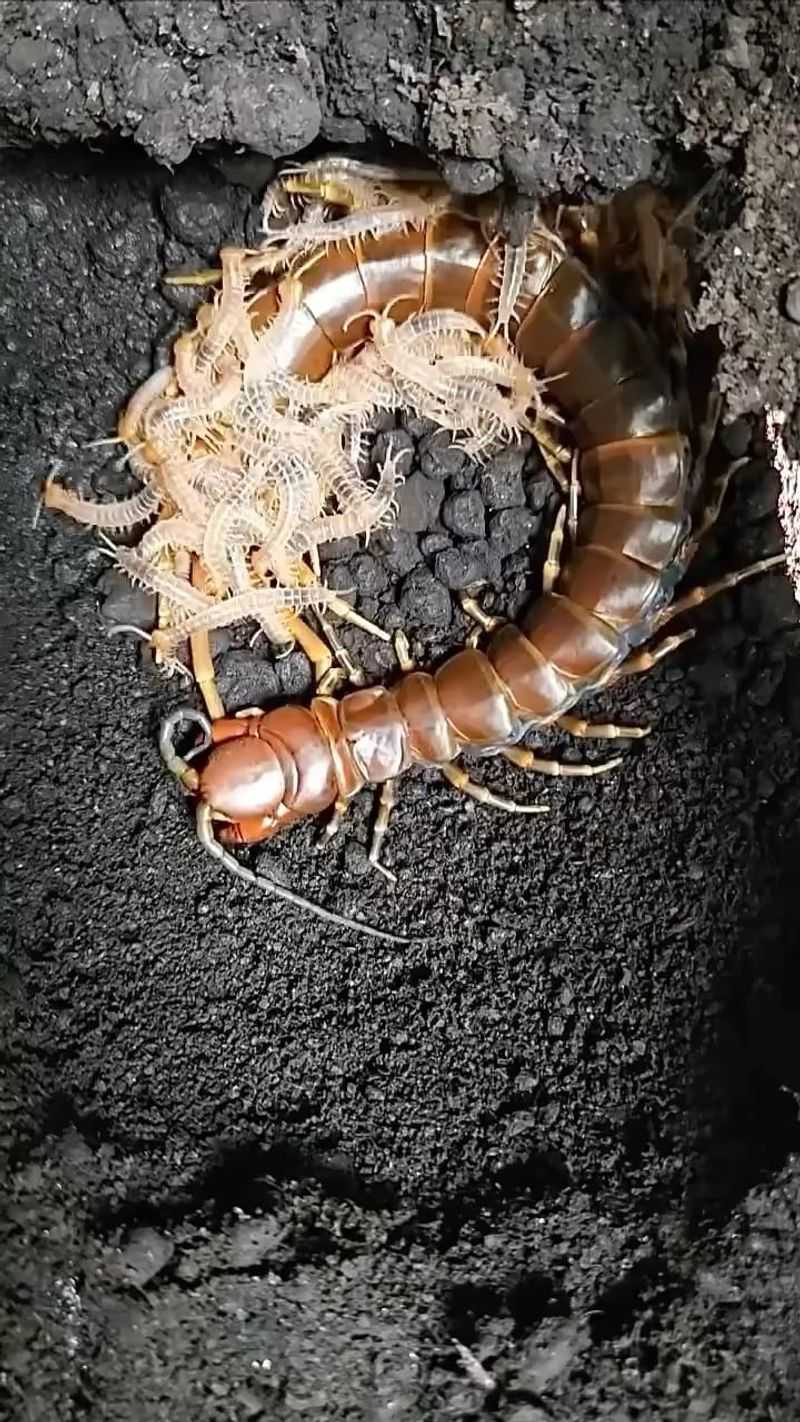
Not every object on your patio gets the same centipede attention. Pots win because of a specific combination of features.
A pot sits slightly above the ground, creating a gap. That gap traps heat and humidity while blocking direct rain and sunlight.
The drainage hole at the bottom of most containers adds bonus appeal. It acts like a tiny ventilation shaft, keeping air moving without letting in too much light.
Centipedes are photophobic, meaning they actively avoid bright light. The dark, enclosed space beneath a pot is practically a luxury suite for them.
Glazed ceramic pots tend to hold moisture in the soil longer, since the sealed surface traps dampness underneath. Unglazed terracotta and plastic pots dry out faster, which shortens the window of ideal conditions for centipedes.
If your pots sit on soil rather than pavers, the attraction is even stronger. Soil contact gives centipedes direct access to the ground below.
Pots with saucers underneath are especially appealing. Standing water in a saucer raises the local humidity and can draw in the small insects that centipedes hunt.
Clustering pots together also amplifies the effect. Multiple containers create a network of dark, humid corridors that feel safe and navigable to a centipede. Your pots check nearly every box centipedes look for after a good rainstorm.
How To Tell Centipedes From Look-Alike Pests
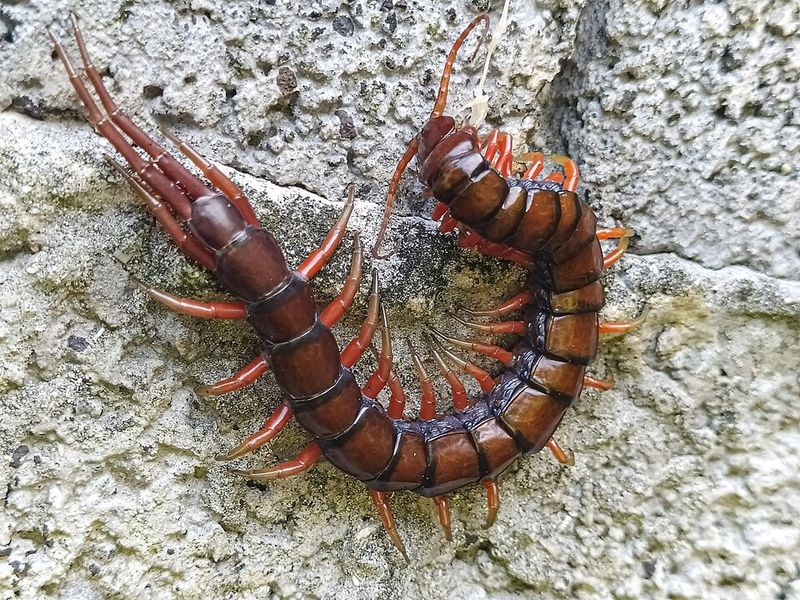
Flipping a pot and seeing a wriggling multi-legged creature can send anyone jumping backward. Knowing what you are actually looking at changes everything.
Centipedes have one pair of legs per body segment. Millipedes, their most common look-alike, have two pairs per segment and move much more slowly.
A centipede moves fast, almost alarmingly fast. If the creature you spotted sprinted away the moment light hit it, that is a centipede.
Millipedes tend to curl into a tight coil when disturbed. They are decomposers, not hunters, and they pose little to no threat to you or your plants.
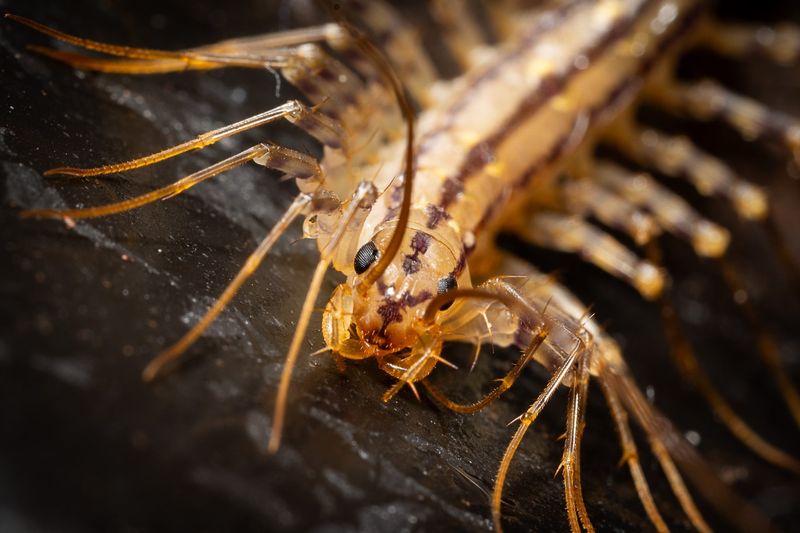
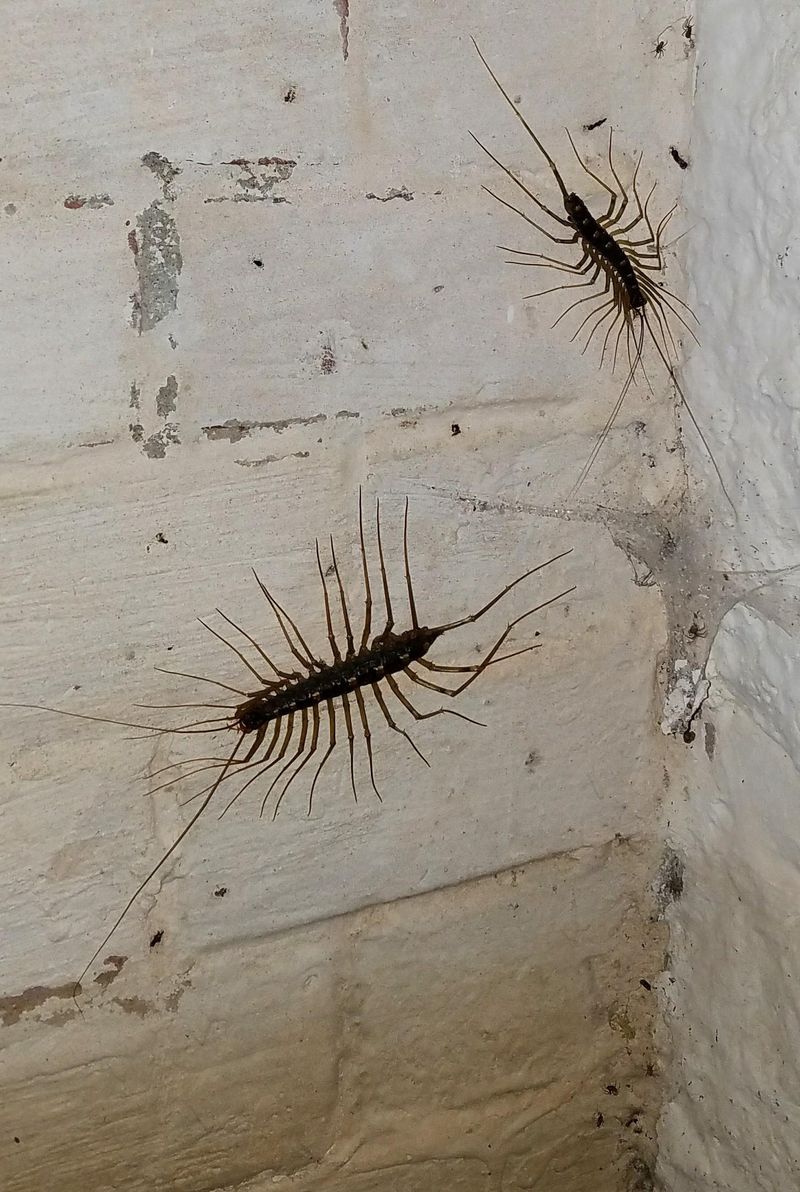
House centipedes, common in the Carolinas, have very long legs that extend outward dramatically. Their bodies look almost striped, with alternating light and dark banding.
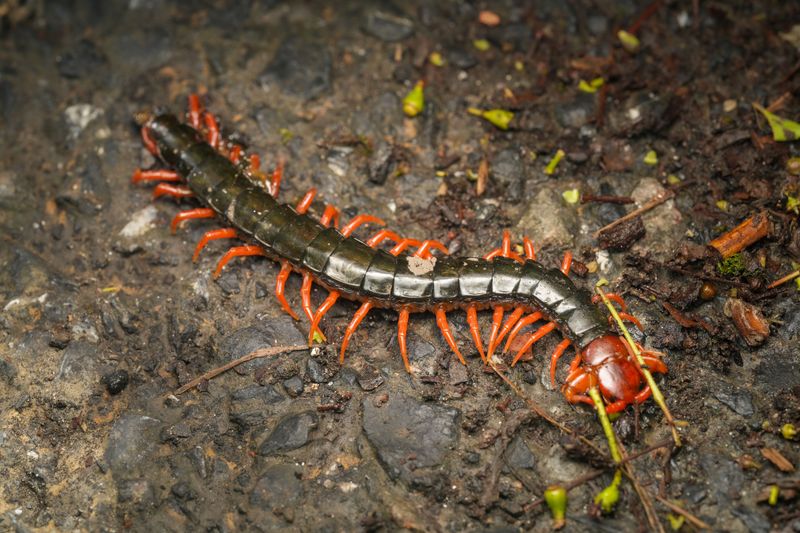
Soil centipedes are smaller and more worm-like. They are reddish-brown and tend to stay buried rather than running across open surfaces.
Earwigs also hang out under pots and get confused with centipedes. Earwigs have pincers at their tail end and only six legs, making them easy to separate once you look closely.
Silverfish sometimes appear in similar damp spots. They are flat, wingless, and fish-shaped, with three tail filaments and no visible legs at a glance.
Knowing the difference matters because each creature signals something slightly different about your patio conditions. Centipedes mean there is prey nearby.
That one clue tells you a lot about your outdoor ecosystem. Follow the centipede, and you find the real story.
Whether Their Presence Signals A Bigger Problem
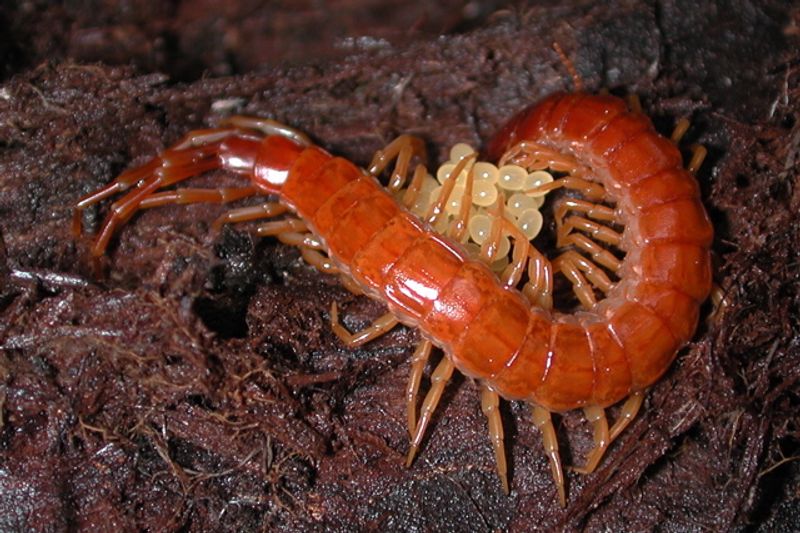
Centipedes are predators, and predators go where the food is. Finding them regularly under your pots means something else is already living there.
Ants, pill bugs, small beetles, and roaches are all common centipede prey. If centipedes keep showing up, check for these insects first.
A single centipede after a storm is nothing to stress over. Seeing them consistently, in large numbers, every time it rains suggests a thriving insect population nearby.
Excess moisture is usually the root cause. Overwatering your pots, poor drainage, or clogged gutters nearby can all create the wet conditions that attract a whole food chain.
Check your saucers for standing water after a good rain. Empty them promptly, because that pooled water is an open invitation for moisture-loving insects and the centipedes that hunt them.
Mulch piled close to your home is another factor. Thick mulch holds moisture and hosts insects, which in turn draws centipedes right to your foundation.
Centipedes near your patio are generally not a sign they are inside your home. They prefer outdoor conditions and rarely establish themselves indoors in significant numbers.
However, gaps in door frames or foundation cracks near wet areas can allow entry. Seal those spots if you are seeing centipedes regularly close to your house walls.
Their presence is more of a signal than a crisis. Think of centipedes as a living moisture meter for your patio ecosystem.
When they show up often, something in the environment is consistently damp. Fix the moisture, and the centipede traffic usually drops on its own.
Simple Ways To Reduce Centipedes Near Your Patio
You do not need pesticides to manage centipedes near your patio. A few small changes to your setup can shift the whole dynamic.
Start by lifting your pots off the ground using pot feet or small risers. That simple gap allows airflow and prevents the humid pocket that centipedes love.
Move pots away from each other slightly. Clustering creates a network of dark corridors, and spacing them out reduces that sheltered feeling centipedes seek after rain.
Empty saucers within an hour or two after rain. Standing water raises local humidity fast, and centipedes respond to that change almost immediately.
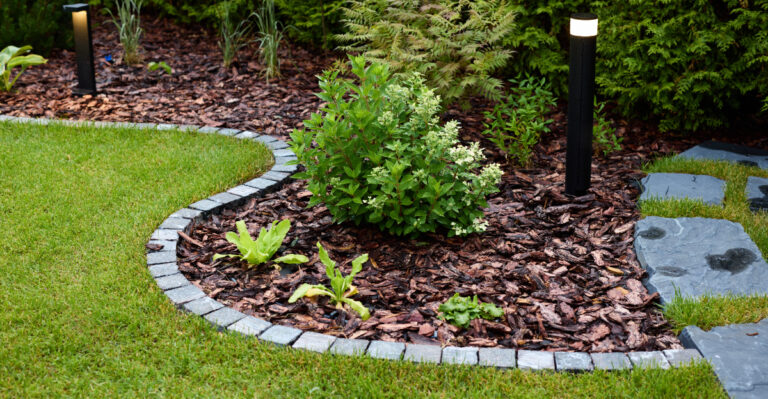
Pull mulch back at least six inches from your patio edge. Mulch is centipede habitat, and the closer it sits to your patio, the more foot traffic you will see.
Check for clogged gutters or downspouts that dump water near your patio. Redirecting that flow away from the patio can reduce overall moisture significantly.
Cedar mulch is worth trying as a possible deterrent. Some gardeners find that the natural oils in cedar make the area less appealing to centipedes.
Diatomaceous earth sprinkled around the perimeter of your patio creates a gritty barrier. It is non-toxic to people and pets but damages the protective coating on insects’ exoskeletons, causing them to dry out.
Reducing outdoor lighting near the patio also helps. Lights draw flying insects at night, and those insects draw centipedes looking for an easy meal.
Managing this behavior comes down to one thing: control the conditions, and you control the crowd.