What Oregon Shrubs Need In April For Stronger Summer Growth
April can quietly set the tone for how your shrubs perform the rest of the year in Oregon. One week everything looks still, and the next you start noticing fresh growth pushing through.
With soil warming and moisture still lingering from winter rain, this window gives shrubs a strong start if they get the right care. It is easy to overlook small tasks now, but they can make a noticeable difference by summer.
Across Oregon, from coastal gardens to inland areas, gardeners who pay attention in April often end up with fuller growth and better overall performance as the season unfolds.
1. Check Soil Moisture Before Adding Water
Early April in Oregon can fool you. The skies may look clear for a few days, but the soil beneath your shrubs often holds onto winter moisture far longer than you might expect.
Before reaching for the hose or turning on irrigation, take a moment to check what is actually happening underground.
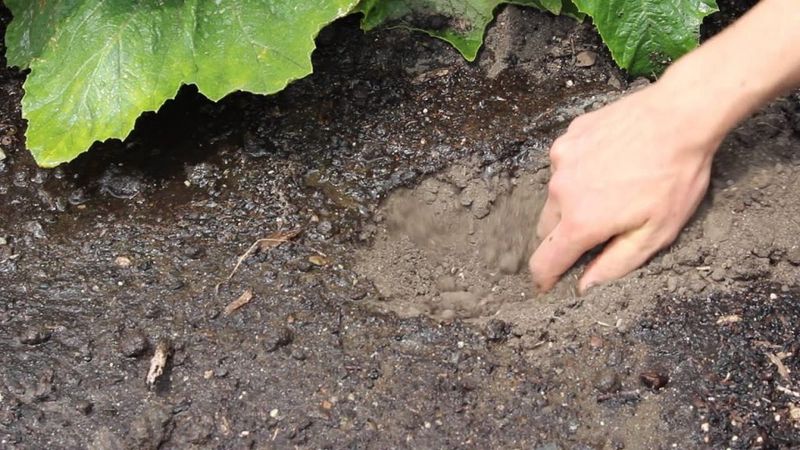
Push your finger about two inches into the soil near the base of your shrub. If it feels damp and cool, your plant likely has enough water for now.
If it feels dry and crumbly, that is a sign the shrub could use a slow, deep drink. Checking by hand is one of the most reliable methods available to any gardener.
Oregon’s spring weather shifts quickly, and overwatering in April can lead to root problems just as damaging as drought stress. Wet, compacted soil limits oxygen flow to roots, which slows growth and weakens the plant heading into summer.
Shrubs growing in heavy clay soils – common across parts of the Willamette Valley – are especially vulnerable to waterlogged conditions.
Getting into the habit of checking soil moisture before watering sets a strong foundation for the rest of the growing season. Healthy roots need balance, not excess.
A simple finger test takes seconds and can save your shrubs from unnecessary stress before summer heat even begins.
2. Apply A Light Layer Of Mulch To Retain Moisture
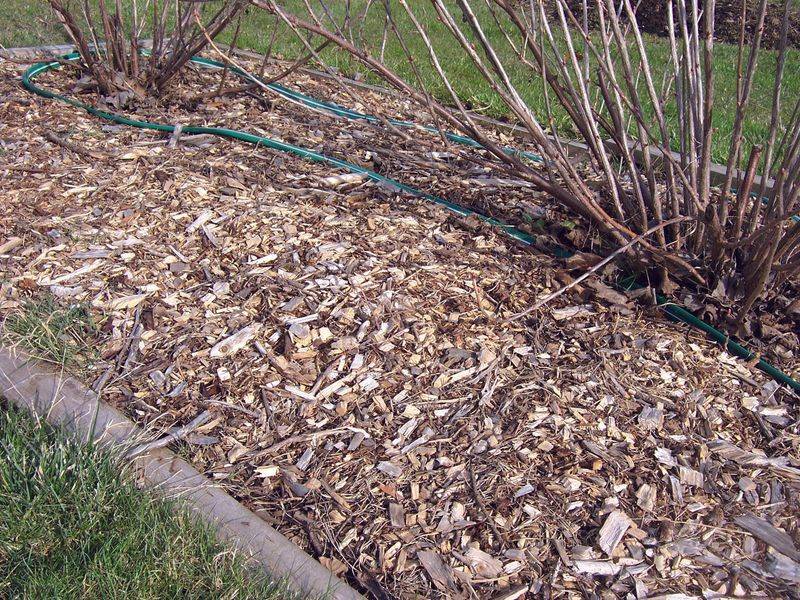
Mulch is one of the most underrated tools in an Oregon gardener’s spring routine. A fresh layer applied in April helps the soil hold onto moisture as temperatures begin to climb, reducing how often you need to water once summer arrives.
It also keeps soil temperature more stable during those unpredictable spring days when warmth and cool air trade places frequently.
Aim for a layer about two to three inches deep, spread in a wide ring around the base of each shrub. Wood chips, bark mulch, or composted leaves all work well.
One detail that matters more than most people realize – keep the mulch pulled back a few inches from the actual stem of the shrub. Piling it directly against the base traps moisture against the bark and can encourage rot over time.
In Oregon’s wetter regions, particularly along the coast and in the valleys, mulch also helps reduce soil compaction caused by heavy rainfall.
When rain hits bare soil repeatedly, it breaks down the surface structure and makes it harder for roots to breathe.
Your Oregon Garden Changes Every Week. Your Plan Should Too.
Gardening in Oregon changes quickly throughout the season. Every Friday you’ll receive a simple weekly plan showing exactly what to plant, prune, fertilize, harvest, and protect so you never miss the right timing.
A mulch layer absorbs that impact and protects the soil below.
Applying mulch in early spring rather than waiting until summer means your shrubs benefit from moisture retention right when new root growth is getting started.
That timing can make a real difference in how strong and established your shrubs become before the dry season sets in.
3. Prune Spring-Flowering Shrubs After Bloom Ends
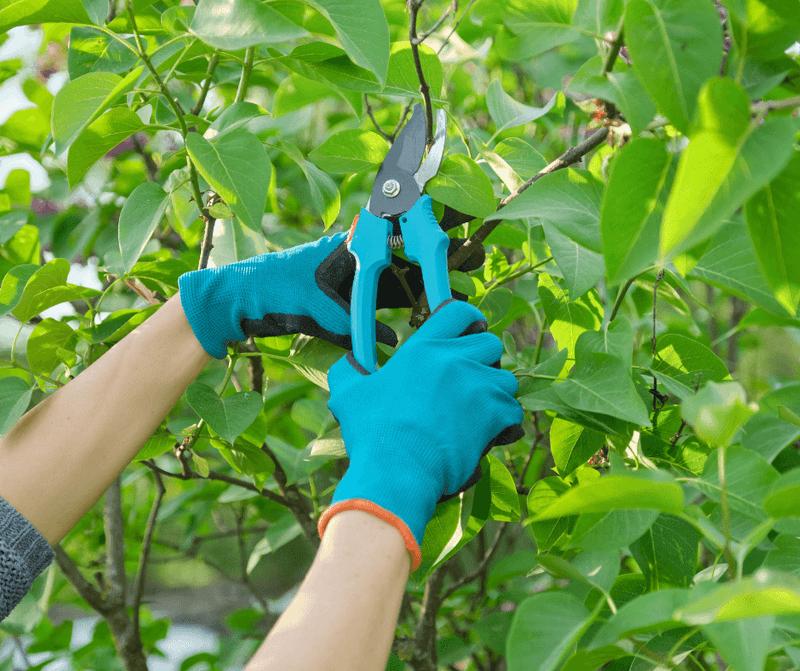
Rhododendrons, azaleas, and forsythia are some of Oregon’s most beloved spring-flowering shrubs, and they all share one important care rule – wait until the flowers finish before picking up the pruners.
These shrubs set their flower buds during the previous growing season, so cutting them back too early in spring removes the very blooms you have been looking forward to seeing.
Once the flowers fade and petals begin to drop, that is your window. Pruning right after bloom ends gives the shrub the entire growing season to develop new wood and set fresh buds for next year.
It also lets you shape the plant while you can still see its natural structure clearly, before dense summer foliage fills everything in.
Focus on removing any branches that cross awkwardly, any stems that are growing inward toward the center of the plant, and any sections that look noticeably weaker than the rest. You do not need to remove a lot to make a meaningful difference.
Light, thoughtful pruning often produces better results than heavy cutting.
Oregon gardeners who skip this step sometimes find their spring shrubs becoming leggy and overgrown over several years, producing fewer blooms and less vibrant color.
A little attention right after flowering wraps up goes a long way toward keeping these plants looking their best season after season through the Oregon growing calendar.
4. Remove Winter Damage And Weak Growth
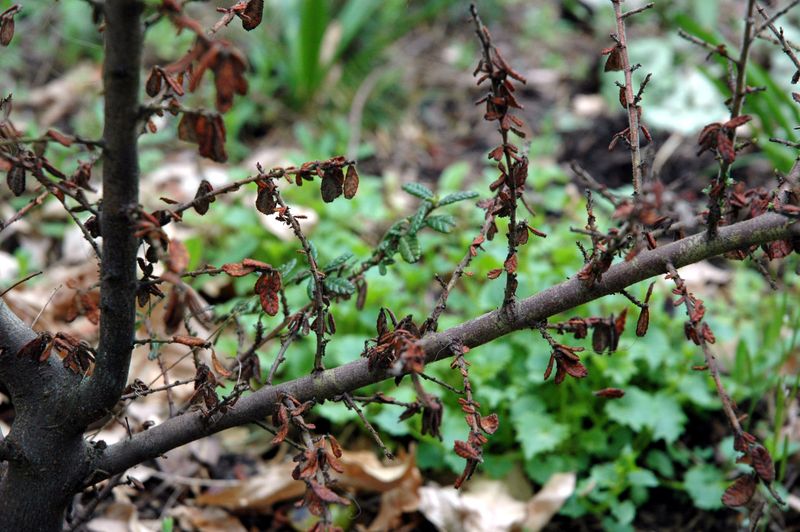
Walking through an Oregon garden in early April, it does not take long to spot the evidence of winter. Some shrubs carry frost-burned tips, snapped branches from wind or snow weight, or stems that simply did not make it through the cold months looking their best.
Clearing out that damage is one of the most helpful things you can do before summer growth picks up speed.
Start by looking for branches that are clearly discolored – often brown or gray where healthy wood should be green or cream-colored when scratched lightly with a fingernail.
Snap a small tip gently; if it is brittle and dry rather than slightly flexible, it is likely no longer viable.
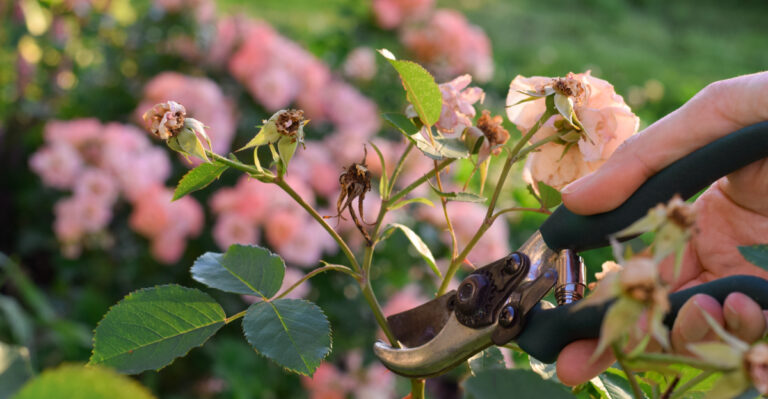
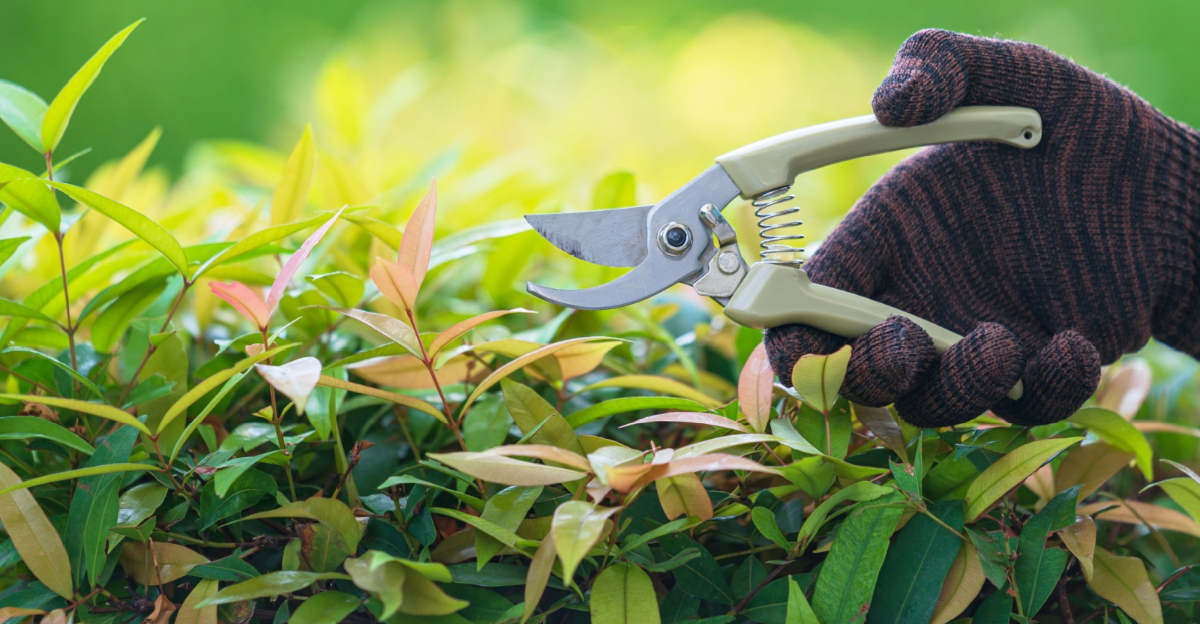
Remove those sections cleanly with sharp pruners, cutting back to healthy wood or to a living bud.
Weak, spindly growth also deserves attention at this stage. Stems that look thin and pale compared to the rest of the shrub are unlikely to contribute much to summer performance.
Removing them redirects the plant’s energy toward stronger, more productive growth instead.
Oregon winters can range from mild and rainy along the coast to genuinely harsh in higher elevations and inland valleys, so the amount of damage you find will vary year to year.
Regardless of how much or how little you find, doing a thorough check in April before new growth fully emerges makes the job cleaner and easier to manage with confidence.
5. Feed Shrubs Lightly If Soil Is Nutrient Poor
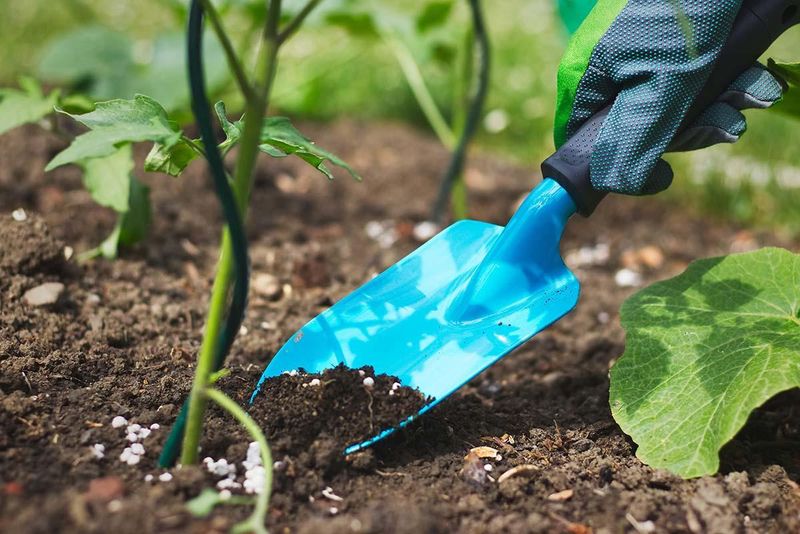
Not every shrub in Oregon needs fertilizer in April, and that is worth saying upfront.
Many shrubs growing in well-maintained garden beds with regular compost additions have enough nutrients available to support healthy spring growth without any extra feeding.
Before adding anything to the soil, it helps to think honestly about what your shrubs have been getting over the past year or two.
If your soil is sandy, thin, or has not received any organic matter in a while, a light application of a balanced, slow-release fertilizer in early April can give shrubs a modest boost as new growth begins.
Look for a product with roughly equal nitrogen, phosphorus, and potassium numbers, and follow the label rate carefully.
More is not better when it comes to spring feeding.
Heavy fertilizing in early spring pushes rapid, soft growth that can be more vulnerable to late frosts, which still occur in many Oregon regions through April.
Slow-release formulas spread nutrients gradually over weeks, which aligns much better with how shrubs actually absorb and use nutrients during active growth periods.
Composted organic material worked lightly into the soil surface around shrubs is another excellent option that feeds slowly and improves soil structure at the same time.
Whether you choose granular fertilizer or compost, the goal is modest support – not a dramatic boost – to help shrubs build steady, resilient growth that holds up well through Oregon’s warm summer months ahead.
6. Watch For Early Signs Of Pests And Disease
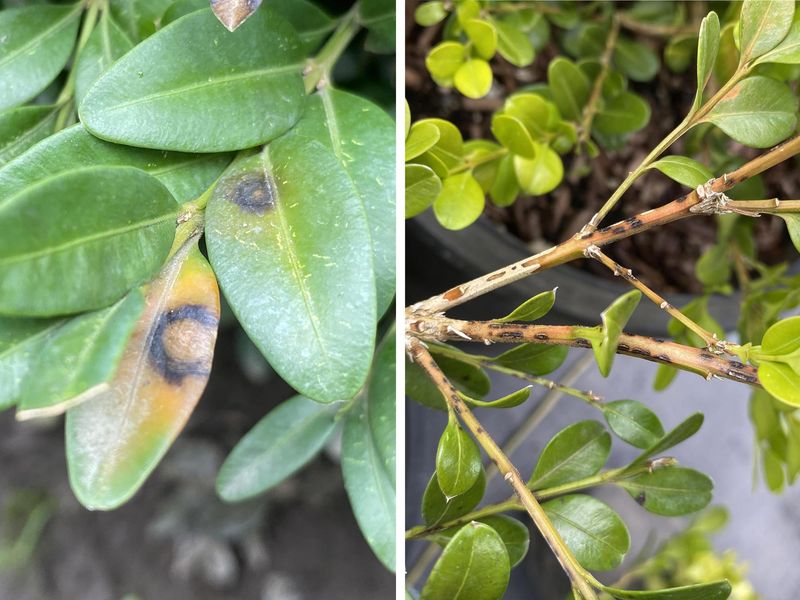
Something shifts in Oregon gardens as April warms up – and it is not just the shrubs waking up.
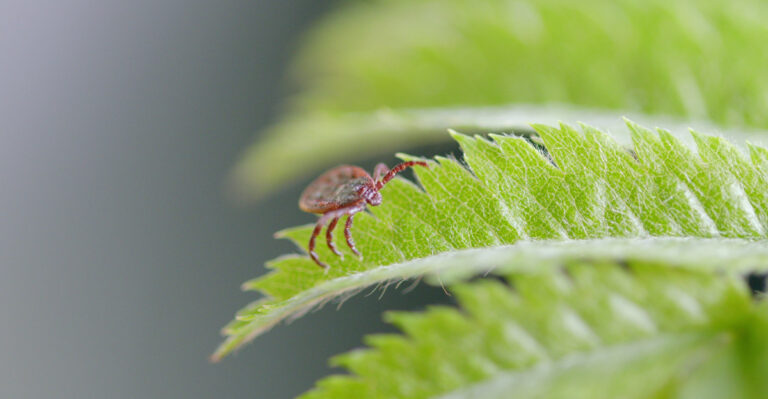
Aphids, spider mites, scale insects, and fungal issues tend to appear right around the same time new growth does, often starting small and quiet before becoming obvious problems later in the season.
Catching them early makes management far simpler and less disruptive to the plant.
Make a habit of turning leaves over and looking at their undersides, where many soft-bodied insects prefer to cluster. Check stem joints and new bud growth as well, since those tender spots attract feeding insects first.
Sticky residue on leaves, distorted new growth, or tiny discolored spots are all worth investigating before they spread further.
Fungal diseases like powdery mildew and leaf spot thrive in Oregon’s cool, moist spring conditions. Shrubs with poor air circulation are especially prone to these issues.
Removing some interior branches to allow better airflow, as part of your spring pruning, can reduce the conditions that allow fungal problems to take hold in the first place.
If you do spot aphids or similar soft-bodied pests, a firm spray of water from the hose can knock many of them off effectively.
Insecticidal soap is another option for persistent populations and is gentler on beneficial insects than broader chemical treatments.
Early attention in April keeps small pest problems from becoming major setbacks by midsummer across Oregon gardens.
7. Improve Drainage In Areas With Heavy Soil
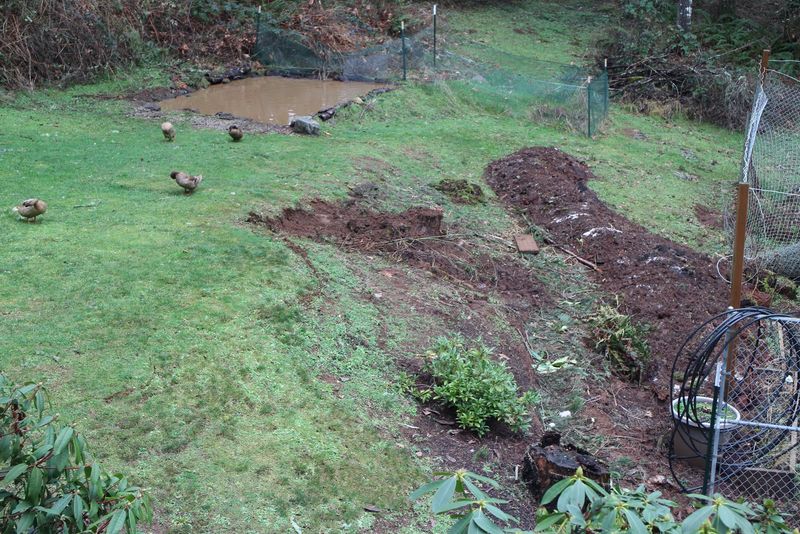
Heavy clay soil is a reality for many Oregon gardeners, particularly in the Willamette Valley and parts of western Oregon where fine-grained soils dominate.
In April, when rainfall is still frequent and soil moisture is high, poor drainage can keep shrub roots sitting in water for extended periods.
That kind of saturation limits root oxygen and slows the healthy growth you want to see heading into summer.
One of the most practical improvements you can make is working composted organic material into the top several inches of soil around your shrubs. Compost opens up clay soil over time, creating small spaces that allow both water and air to move more freely.
It is not an overnight fix, but even one good application in spring starts the process of improving soil texture meaningfully.
Raised planting areas and gentle slope adjustments can also redirect standing water away from shrub root zones.
If you notice water pooling near a shrub’s base after rain for more than a day or two, that is a signal the drainage situation needs some attention before summer root growth intensifies.
Shrubs planted in well-draining soil develop deeper, more expansive root systems, which makes them significantly more drought-tolerant once Oregon’s dry summer season arrives.
Spending a little time improving drainage conditions in April pays dividends for months afterward, giving your shrubs a stronger foundation to draw from when summer heat puts real demands on their root systems.
8. Refresh Mulch And Clear Debris Around The Base
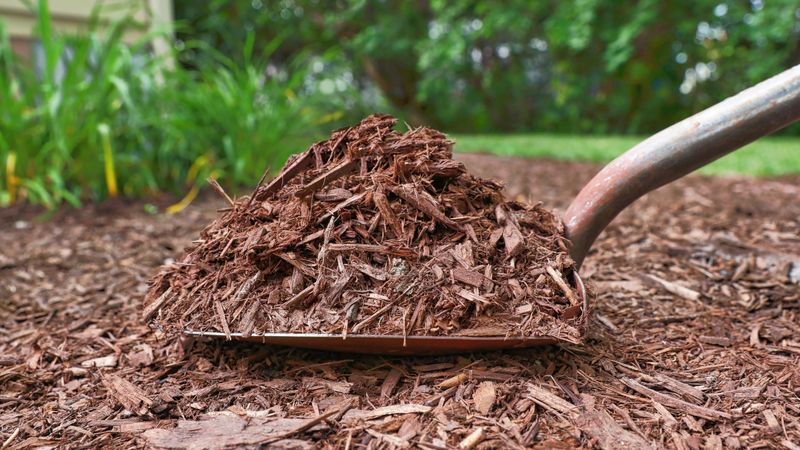
By the time April arrives, the mulch layer you put down last year has likely broken down, shifted, or become mixed with fallen leaves and winter debris.
That layer of old material sitting against your shrubs is not doing much anymore in terms of moisture retention or insulation, and in some cases it can harbor fungal spores or overwintering insects you would rather not encourage.
Start by gently raking away any debris that has collected around the base of each shrub. Old leaves, twigs, and compacted mulch fragments can all trap excess moisture against the lower stems and create conditions where fungal problems develop more easily.
A quick cleanup takes only a few minutes per plant and noticeably freshens the look of the garden bed at the same time.
Once the base area is clear, top up with fresh mulch to restore that two-to-three-inch layer. Shredded bark, wood chips, or composted material all work well for Oregon’s spring and summer conditions.
As mentioned before, keep the mulch from pressing directly against the shrub’s main stem to allow air circulation at the base.
This simple refresh in April sets up your shrubs for a much cleaner, healthier growing season.
Fresh mulch suppresses weeds that would otherwise compete for moisture and nutrients, keeps soil temperature more consistent as Oregon summers warm up, and gives the entire planting area a tidy, well-cared-for appearance that makes the garden more enjoyable to spend time in.