What Sudden Mushrooms In Your Michigan Lawn Actually Mean After Rain
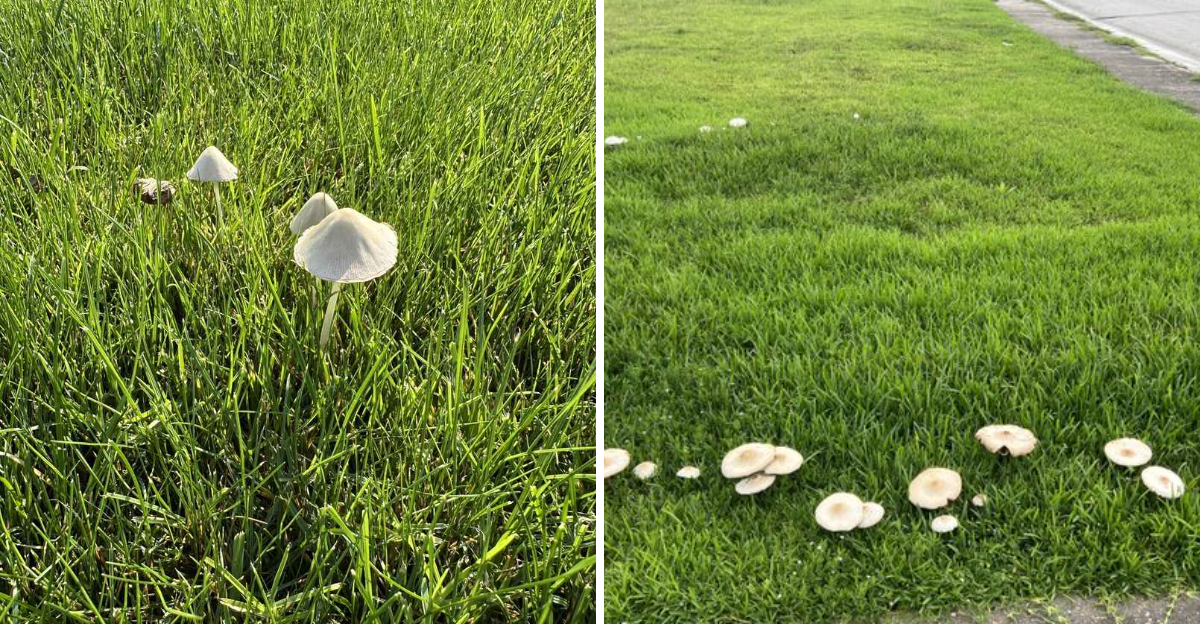
A Michigan lawn can change character overnight after a stretch of rain.
Grass that looked ordinary at sunset may be dotted with pale caps, brown umbrellas, or small clusters by breakfast.
Some appear beside an old tree site. Others trace a curve through the turf or pop up beneath the shade where the soil stays damp longest. The suddenness can make the whole event feel like a new lawn problem.
Yet the most important part is usually not the mushroom you can see.
Something beneath the surface has often been there much longer, quietly using moisture, organic material, and favorable temperatures without drawing any attention.
Rain changes which part of that hidden system becomes visible, and the pattern above ground can offer clues about what is happening below.
So what should a homeowner read from those caps?
The answer depends on their location, the condition of the grass, recent weather, buried wood, and one safety rule that matters far more than making the lawn look tidy again after a storm.
1. Read Mushrooms As A Moisture Signal
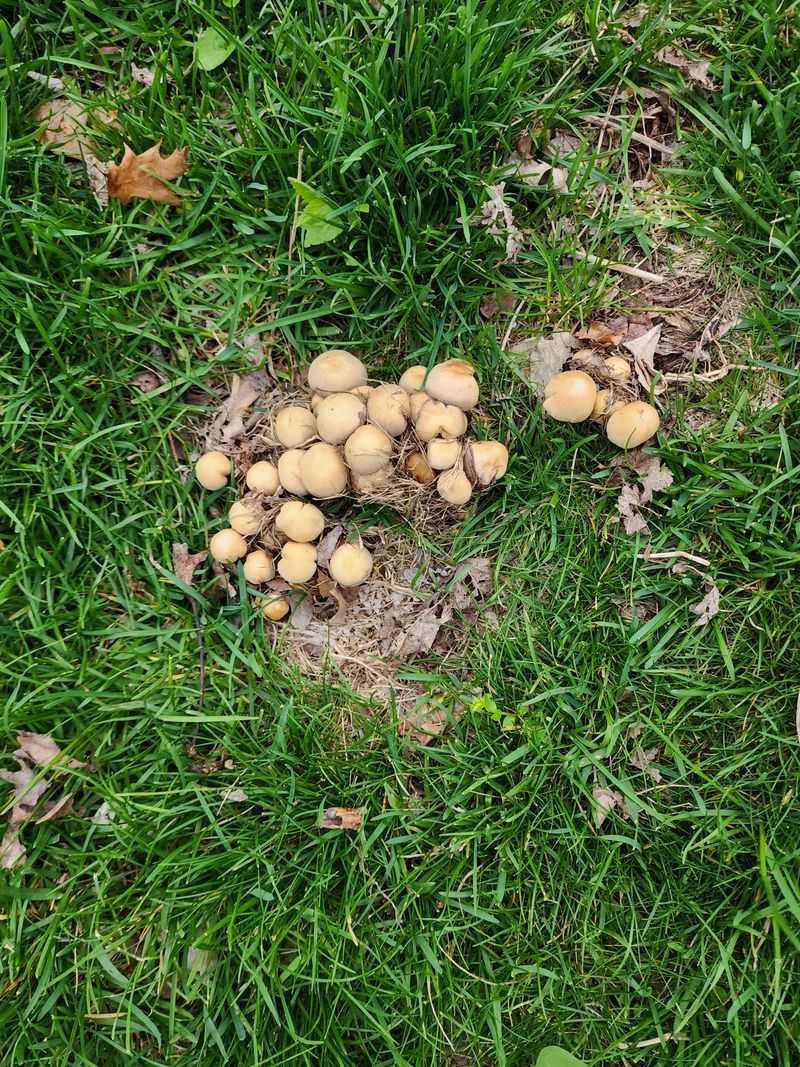
The cap in the grass is only the visible reproductive structure of a fungus that may have been present long before the rain arrived.
Much of the organism can remain hidden as mycelium in soil, thatch, roots, wood, or other organic material. When moisture and other conditions line up, that fungus can produce mushrooms that seem to appear almost overnight.
The storm did not create the organism from nothing. It helped make the fruiting stage visible.
That makes mushrooms useful as a moisture clue.
A sudden flush after rain tells you the upper soil and organic material stayed wet enough for fruiting. Shaded areas, low spots, and places with slower drying may show more caps than sunny, exposed sections of the same yard.
Do not turn that clue into a diagnosis of poor drainage automatically.
A lawn can drain reasonably well and still produce mushrooms after wet weather. The fungus may simply be taking advantage of temporary moisture around buried roots, old wood, or normal organic matter.
Look at the grass around the caps.
Healthy turf with scattered mushrooms suggests a very different situation from a ring accompanied by thinning, browned grass, or persistently water-repellent soil.
The mushroom is not a tiny umbrella announcing lawn disaster. It is more like a flag showing that an underground fungus found the weather favorable enough to send up its reproductive structure.
2. Expect Fungi After Several Wet Days
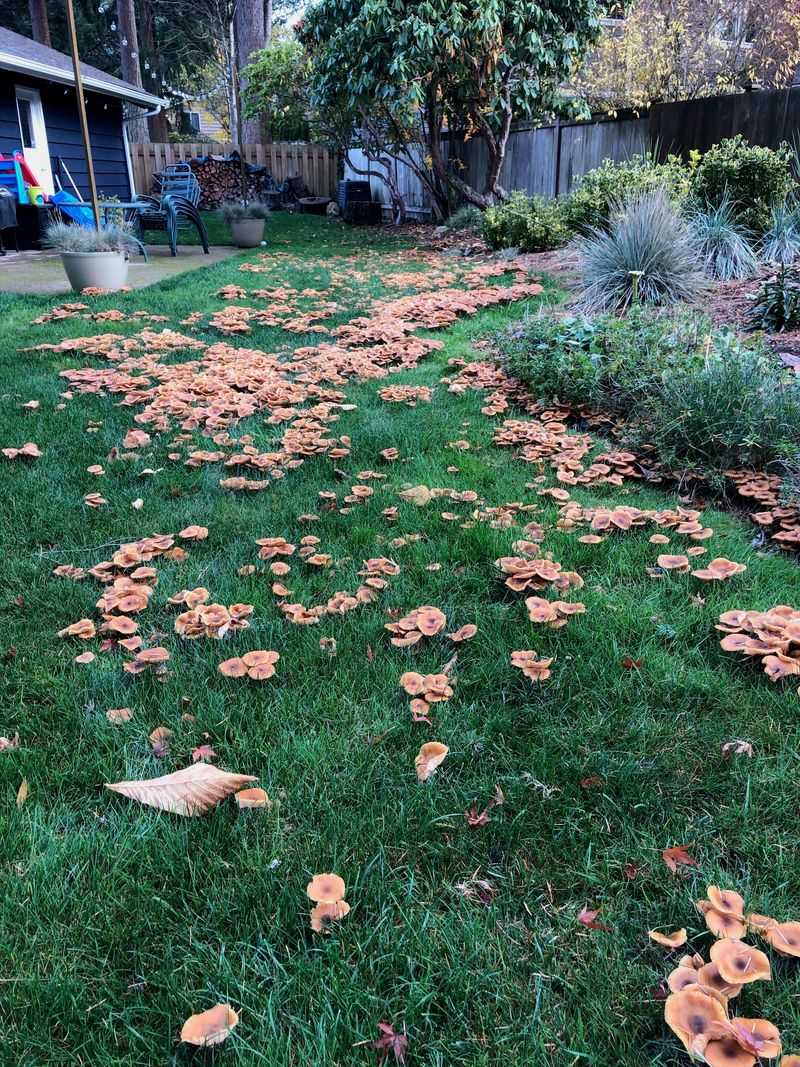
Michigan rain can make mushroom activity look far more dramatic than it really is.
Extended wet weather often brings visible fruiting bodies to lawns, mulch beds, and other places containing organic material.
The exact timing varies by fungus, temperature, moisture, and what is available below the surface, so there is no useful rule requiring a certain number of rainy days before caps appear.
That variability explains why one storm produces nothing while another seems to cover the yard.
A shaded lawn may remain damp longer than an open one. Depressions can hold moisture after the rest of the grass dries. Buried wood and old roots can create small zones where fungi keep finding both moisture and food.
Your Michigan Garden Changes Every Week. Your Plan Should Too.
Gardening in Michigan changes quickly throughout the season. Every Friday you’ll receive a simple weekly plan showing exactly what to plant, prune, fertilize, harvest, and protect so you never miss the right timing.
Soil texture can influence drying, but avoid reading mushrooms as a clay-soil test.
Michigan yards can contain very different soils even within one neighborhood, and drainage also depends on grading, compaction, rainfall intensity, and irrigation. A cap tells you fungal fruiting occurred. It does not identify the soil texture.
Use the weather pattern to predict appearances rather than fear them.
After a wet stretch, check shaded areas, old tree locations, and recurring rings before children or pets head outside. Most caps are short-lived, and mowing can remove them from view without changing the fungus below.
The lawn may look like it booked a woodland costume overnight. Usually, the rain simply made an existing fungal community easier to notice.
3. Remember The Fungus Was Already Below
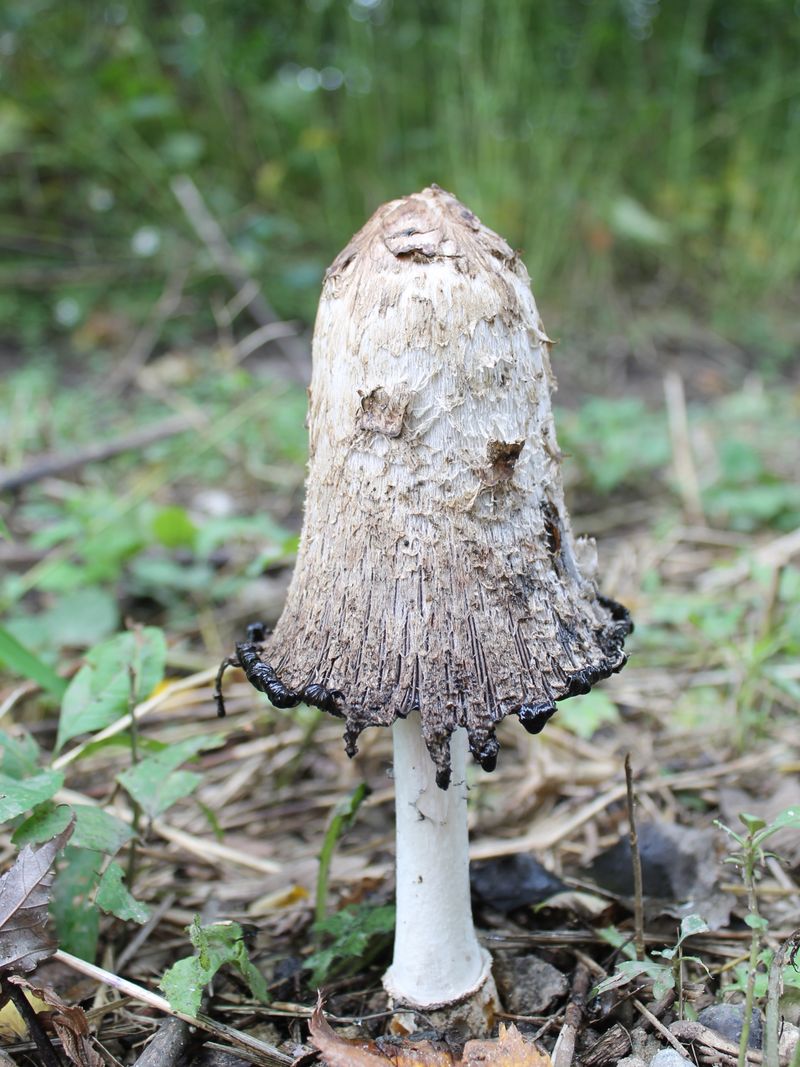
Removing a mushroom does not remove most of the fungus.
The visible cap exists to produce and release spores, while mycelium can remain hidden below. Depending on the fungus, that material may be soil organic matter, decaying wood, roots, mulch, or an association with living plant roots.
This hidden phase can persist without obvious lawn symptoms.
That is why mowing works mainly as cleanup.
Passing the mower over scattered caps can make the lawn look normal again, and hand removal can reduce access for curious children or pets.
Neither approach eliminates the underground network. Fruiting bodies can return when conditions become favorable again.
Spore control is also a poor reason to obsess over every cap.
Fungal spores are widespread in the environment, and the established fungus beneath the lawn is usually the more relevant reason repeat mushrooms appear in the same place.
Removing caps is useful for appearance and ingestion safety, not because a homeowner can realistically sterilize the yard.
Skip routine fungicide treatment for ordinary scattered mushrooms.
Treatment decisions make more sense when a diagnosed turf disease, damaging fairy ring, or pathogenic fungus is involved. An unidentified cluster after rain does not justify spraying the lawn on sight.
The cap is temporary. The underground system is the long-term resident.
Once that distinction is clear, the goal changes from erasing every mushroom to understanding what the fungus is using and deciding how much the lawn is actually being harmed.
4. Connect Mushrooms With Buried Organic Matter
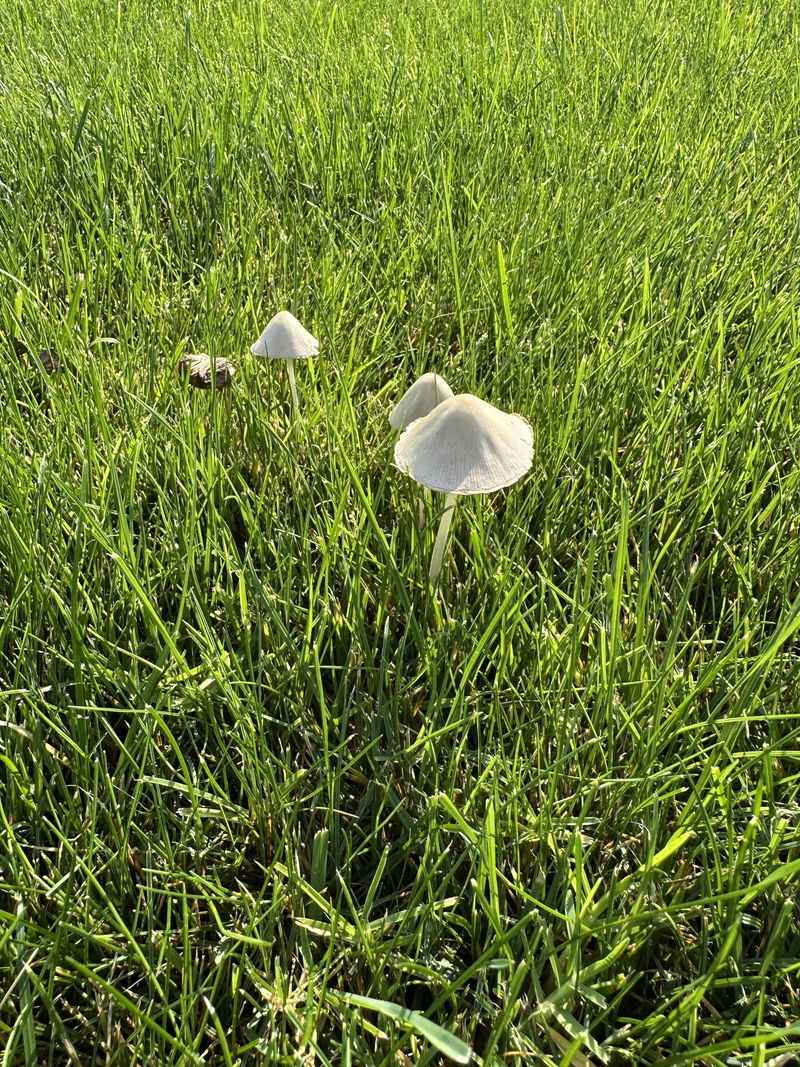
Many lawn mushrooms are doing decomposition work that homeowners never see.
Fungi can grow on decaying wood and other organic material, converting it into simpler material as decomposition continues.
In a lawn, an old stump, buried root, forgotten wood scrap, or other plant debris can provide a food source long after the surface looks clean.
The pattern of mushrooms can help narrow the search.
Caps repeatedly appearing where a tree once stood make buried roots or stump material worth considering. A curved line may follow an old root path, while a recurring cluster can mark one concentrated pocket of decaying material.
Do not assume every mushroom proves construction debris is buried below.
Some fungi live on ordinary soil organic matter, some associate with living roots, and others have different ecological roles. The location is a clue, not a shovel command.
Decomposition itself is not automatically bad for the lawn.
Organic matter supports a living soil community, and breakdown is part of normal nutrient cycling. Digging out every buried scrap can create more turf damage than the mushrooms caused.
Reserve excavation for a practical reason.
A sinking stump area, persistent turf trouble, or a confirmed disease issue may justify removal. Scattered seasonal caps above harmless decaying roots often justify patience instead.
The fungus may be doing cleanup from a tree that disappeared years ago.
Michigan lawns have long memories underground, and mushrooms are occasionally the receipt that finally reaches the surface.
5. Check For Old Roots Beneath The Turf
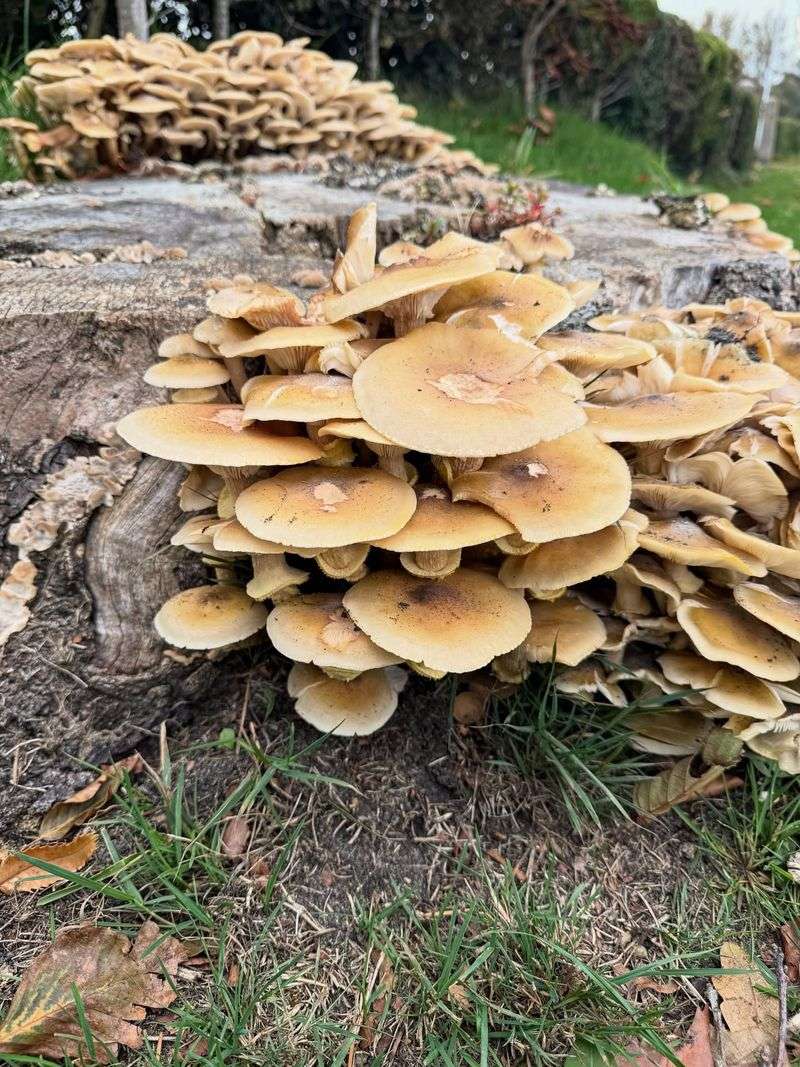
A former tree location deserves special attention when mushrooms return to the same patch year after year.
Roots remain underground after a trunk and stump are removed, and fungi can continue decomposing that wood.
Even a ground stump leaves much of the root system in place, so visible mushrooms may appear beyond the spot where the trunk once stood.
Start with the property’s history.
Look for old photos, a depression, or a remembered tree removal. Repeated mushrooms in that zone make buried woody material a reasonable explanation.
Probe gently rather than excavating the lawn immediately.
A soil probe may encounter decaying wood near the surface, but avoid aggressive digging around living trees or utility areas. Existing roots can occupy the same ground, and enthusiastic detective work can still cause damage.
Patience is often the cheapest management plan.
As buried wood decomposes, the food source changes and fruiting can eventually become less noticeable. The timetable depends on the amount and type of wood, site moisture, and fungal community, so a fixed promise is not useful.
One exception deserves attention.
Mushrooms associated with declining living trees, root decay, canopy thinning, or structural concerns need a different evaluation because some fungi can be associated with root disease rather than harmless decomposition.
Old roots can feed ordinary decomposers. Living roots can also be part of a disease story.
The lawn location tells you where to look next, not which conclusion to choose.
6. Treat The Caps As Temporary Fruiting Bodies
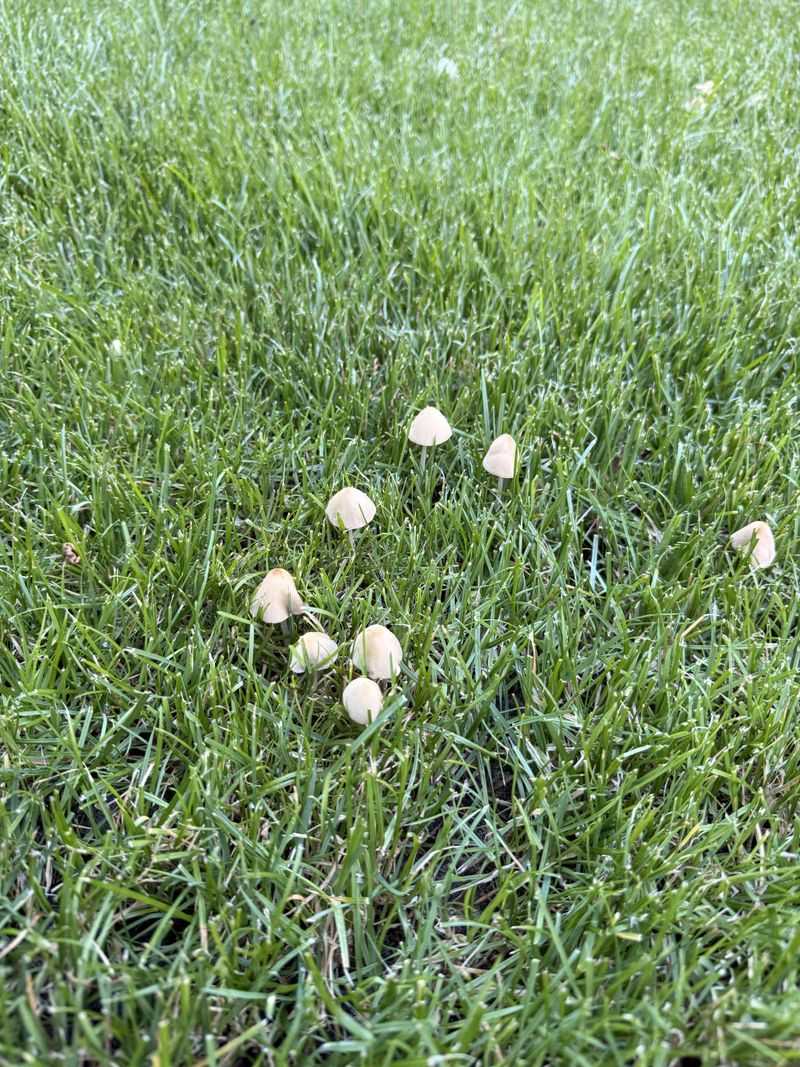
Most homeowners do not need to launch a lawn renovation every time mushrooms appear after rain.
The caps are temporary fruiting bodies, and mowing can remove them quickly when appearance is the main concern. Smaller groups can also be picked or raked up and discarded, especially in yards used by young children or pets.
The well-established poisoning concern is ingestion.
Unknown wild mushrooms can be dangerous when eaten, and children should be kept from tasting them.
Gloves remain a practical cleanup choice for keeping soil and decomposing material off your hands, followed by normal handwashing after yard work.
Do not expect cap removal to stop future fruiting.
The mycelium remains below, and new mushrooms may return after another wet period. Bagging every cap also does not erase spores already present throughout the environment.
Focus on the reason for removal.
Take caps away promptly where toddlers, dogs, or other curious animals may mouth them. Mow them where appearance is the only issue. Leave inaccessible mushrooms alone when neither safety nor turf health is affected.
Then watch the grass.
Mushrooms disappearing while the turf stays dense and green rarely demand more action. Repeated circles, browned arcs, water-repellent soil, or mushrooms beside a declining tree deserve more investigation.
Sometimes the entire management program is one mower pass, a closer look at the lawn, and the confidence to leave the underground fungus alone.
7. Never Guess At Mushroom Edibility
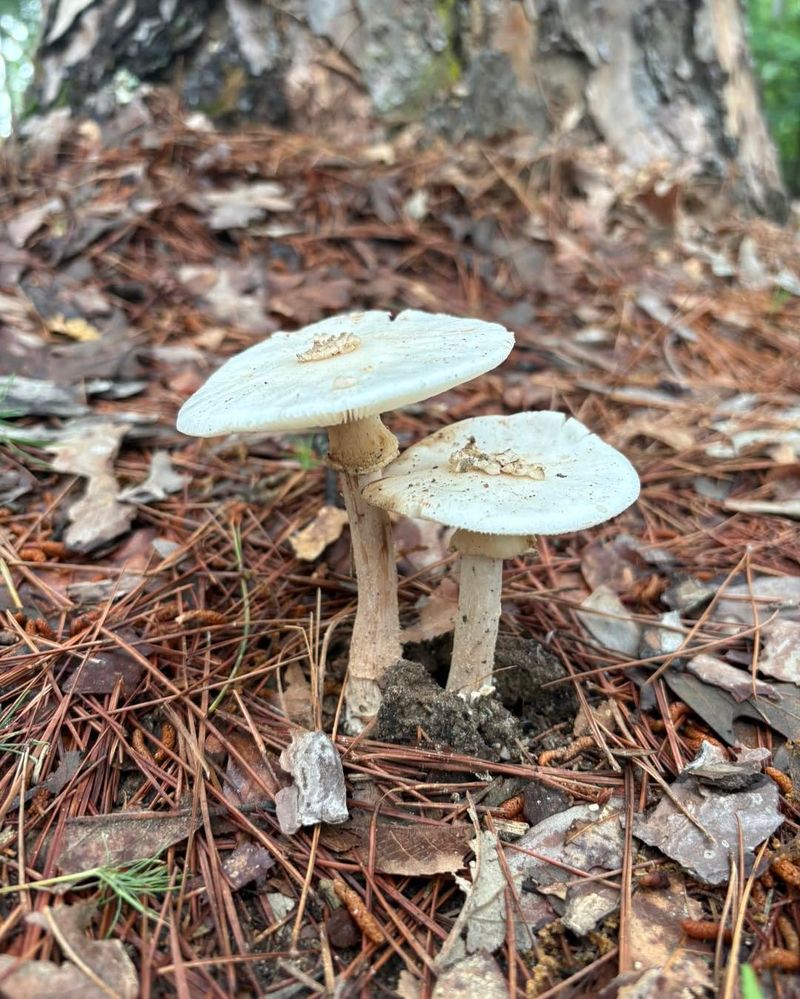
Unknown lawn mushrooms should stay off the dinner plate.
Visual identification can be difficult because many species share similar colors, cap shapes, gills, and growth habits.
Reliable identification may require several physical features, habitat information, and expert experience. A photograph or phone app alone is not enough support for declaring an unfamiliar mushroom edible.
Teach children not to taste mushrooms found outdoors.
In yards used by young children, removing fruiting bodies soon after they appear reduces an easy opportunity for accidental ingestion. The same practical cleanup makes sense around pets that investigate the lawn with their mouths.
A suspected human ingestion deserves immediate poison guidance.
Serious poisonings do not always produce early warning signs. A person who collapses, has a seizure, struggles to breathe, or cannot be awakened needs emergency services immediately.
Keep a sample when safe to do so.
Several intact mushrooms, photographs of the top and underside, and a picture of where they were growing can help professionals work through identification. Store the sample away from children and food.
Do not induce vomiting or try a home remedy unless a poison professional gives that instruction.
The safest rule is wonderfully boring.
An unknown lawn mushroom is scenery, not an ingredient. Michigan has plenty of excellent food worth eating without turning backyard fungal identification into a high-stakes guessing contest.
8. Watch For Repeating Rings In The Grass
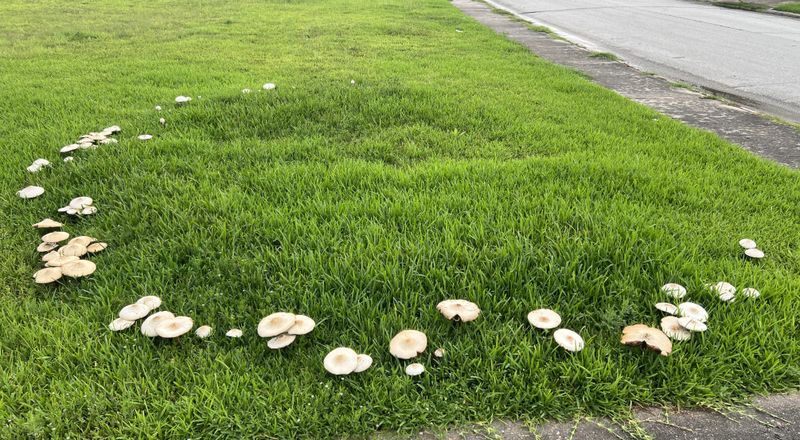
A circle or arc of mushrooms deserves a closer look because it may be a fairy ring.
Fairy ring is not one single fungus. Many soilborne fungi can create ring or arc patterns in turf, and symptoms vary.
Some rings appear mainly as mushrooms or puffballs. Others create darker green turf, while more damaging forms can produce water-repellent soil and browned grass.
That difference determines how concerned to be.
A ring of mushrooms through otherwise healthy grass can be mostly cosmetic.
A widening arc with drought-like turf injury deserves more attention because fungal activity can make parts of the soil hydrophobic, leaving grass short of usable water even after irrigation.
Mark the outline before it disappears.
A few flags or a photograph can help you compare the pattern after the mushrooms collapse. Repeat appearances in the same expanding arc strengthen the fairy-ring clue.
Do not dump extra fertilizer on the dark green band.
The color can result from nutrients released as organic matter breaks down, so darker turf does not automatically mean the rest of the lawn is deficient.
Management becomes more specialized once turf injury develops.
Improving water penetration may be part of the plan, while fungicide use belongs to a diagnosed situation rather than a casual response to a circle of caps.
Fairy rings look mysterious. Their management is less magical.
First decide which type of symptom the lawn is actually showing.