What Texas Gardeners Should Do In Early Spring For A Fuller Blooming Christmas Cactus
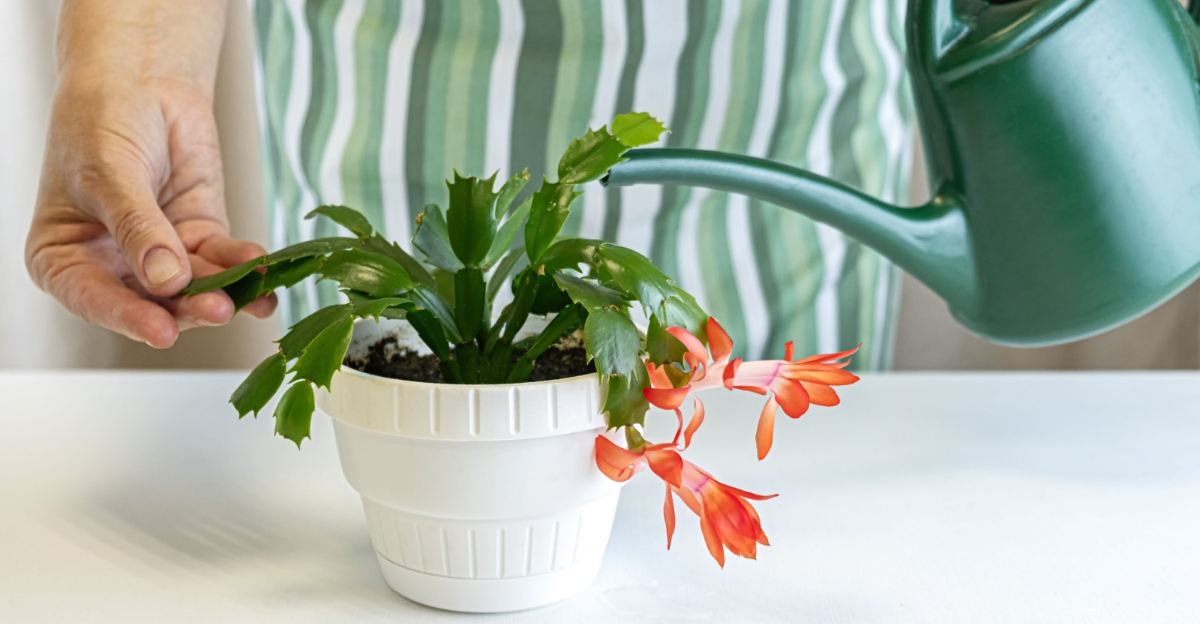
Texas indoor gardeners know that a Christmas cactus can be deceptively tricky.
Once the last blooms fade, it may look like your plant is taking a break, but early spring is actually a crucial window for setting up a fuller, healthier display next holiday season.
This tropical cactus from Brazil thrives in filtered light and moderate humidity – conditions that Texas homes rarely provide naturally.
With intense sunlight, fluctuating indoor temperatures, and dry air from AC running, your cactus can struggle if you don’t adjust care now.
By focusing on gentle watering, balanced light, moderate humidity, and careful maintenance in early spring, you can give your Christmas cactus the strong foundation it needs to produce plump, vibrant segments and a truly abundant bloom when December rolls around.
1. Check Soil Moisture Before Watering To Keep Roots Healthy
Many Texas gardeners make the mistake of watering on a set schedule rather than checking what the soil actually needs first.
In early spring, a Christmas cactus is just beginning to wake up from its post-holiday rest, and its roots are still sensitive to excess moisture.
Watering too frequently at this stage is one of the fastest ways to cause root rot, which weakens the plant and reduces bloom production later in the year.
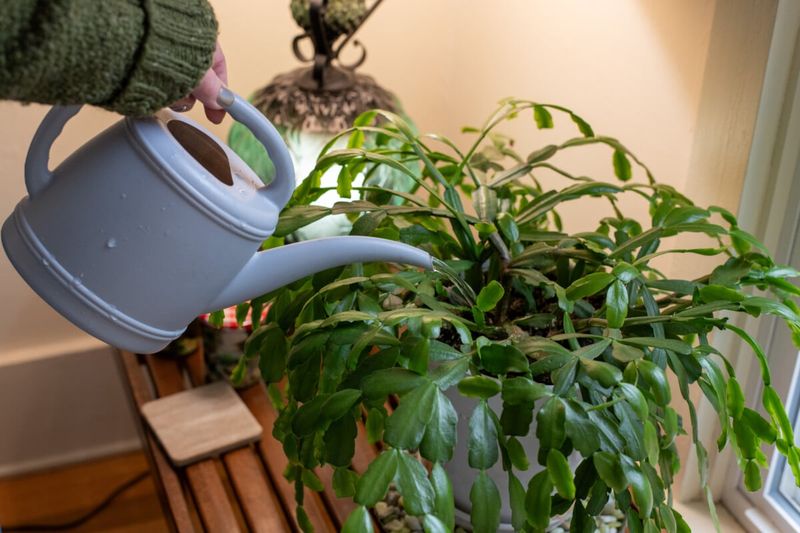
Before you reach for the watering can, press your finger about one inch into the soil. If it still feels damp, wait another day or two.
If it feels dry, water slowly and thoroughly until moisture drains freely from the bottom of the pot, then let the soil dry out again before the next watering session.
Texas homes can swing between dry and humid conditions depending on the weather and your HVAC system, so soil moisture levels can change faster than you might expect.
Checking the soil each time rather than guessing protects the roots and keeps the plant in a healthy rhythm heading into the active growing season.
Consistent moisture management now pays off in stronger segments and a fuller display of blooms come December.
2. Place Your Cactus In Gentle Light For Strong, Balanced Growth
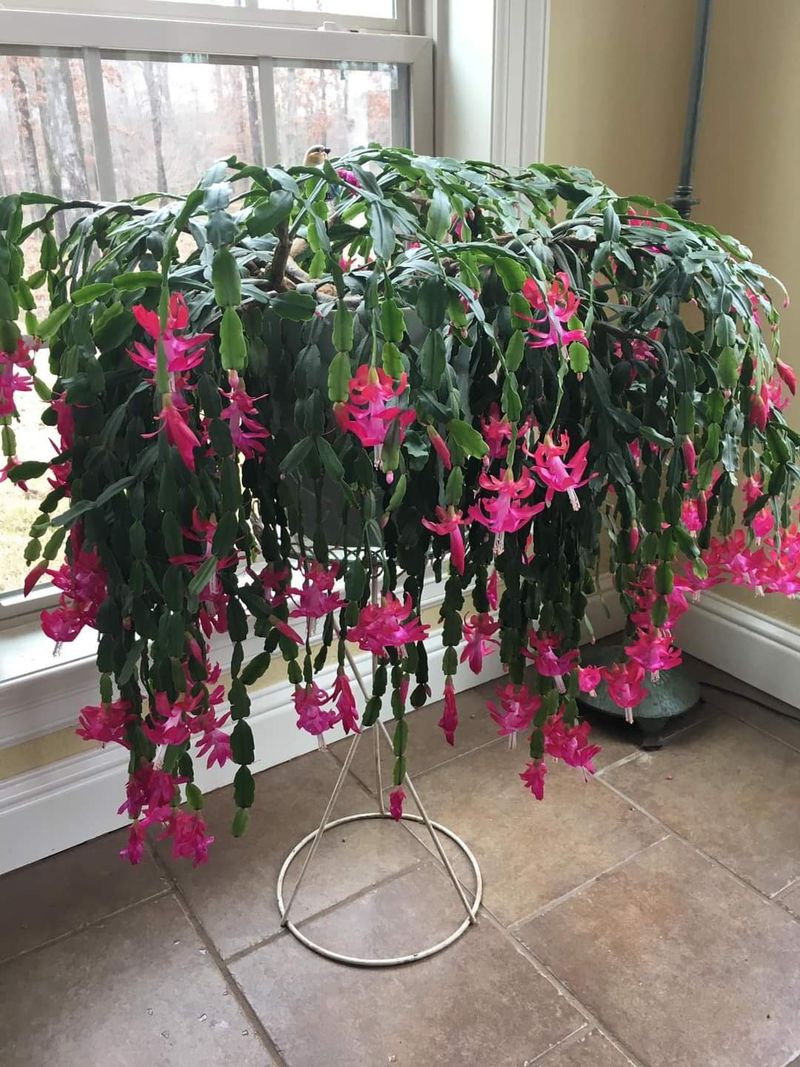
Light placement is something Texas gardeners need to think about more carefully than gardeners in cooler or cloudier states.
The Texas spring sun can feel mild in the morning but surprisingly intense by midday, and a Christmas cactus sitting in the wrong window can end up with pale, washed-out segments that struggle to produce blooms.
An east-facing window is often the best choice because it delivers soft morning light without the harsh afternoon rays that a south or west-facing window brings.
If your only option is a south-facing window, hang a sheer curtain to diffuse the light and protect the plant from scorching.
North-facing windows can work too, though you may notice slower growth since the light intensity is lower.
Rotating the pot every week or so ensures that all sides of the plant receive equal exposure, which helps it grow in a full, rounded shape rather than leaning toward the light source.
A well-lit Christmas cactus in early spring will develop strong, plump segments that store enough energy to support a generous bloom set later in the year.
Getting the light right now is one of the simplest and most impactful things a Texas gardener can do this season.
3. Hold Off On Fertilizer Until New Growth Appears
Reaching for the fertilizer bag as soon as spring arrives feels like the natural thing to do, but for a Christmas cactus, feeding too early can actually work against you.
Right after the holiday bloom cycle, the plant enters a quiet recovery phase where its root system is not actively seeking nutrients.
Applying fertilizer during this window can lead to nutrient buildup in the soil, which stresses the roots and may cause segment drop or discoloration.
The best signal to start fertilizing is the appearance of new segment growth, which usually shows up as small, bright green pads emerging from the tips of existing segments. Once you see that growth, the plant is ready to use nutrients efficiently.
Start with a balanced, water-soluble fertilizer diluted to half the recommended strength to avoid overwhelming the root system.
In Texas, the shift from late winter to early spring can happen quickly, so watch your plant closely for those first signs of new growth rather than going by the calendar alone.
Feeding at the right moment encourages strong new segments, which directly supports a fuller bloom come the holiday season.
Patience here is genuinely one of the most valuable tools in a Texas indoor gardener’s toolkit.
4. Trim Damaged Segments Lightly To Save Plant Energy
After a full blooming season, it is completely normal for a Christmas cactus to have a few segments that look shriveled, discolored, or limp.
These damaged sections are not contributing to the plant’s health, and leaving them in place forces the plant to spend energy trying to maintain tissue that is no longer functional.
Early spring is the ideal time to clean things up before the new growing season gets fully underway.
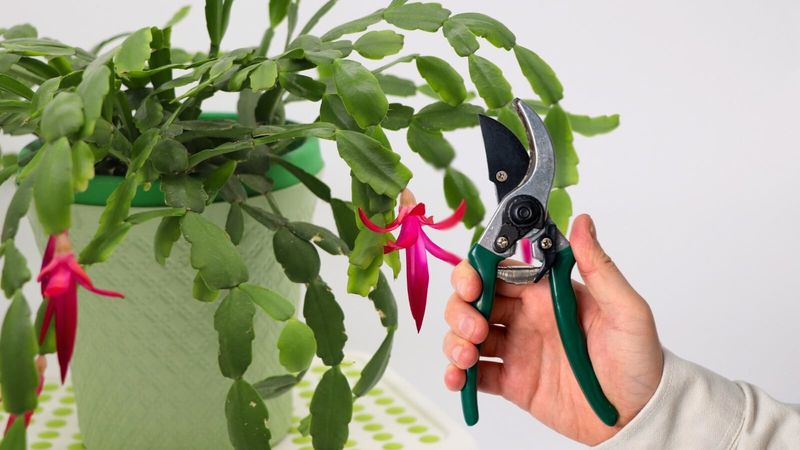
Use clean, sharp scissors or pruning snips to remove damaged segments by pinching or cutting at the natural joint between segments. Avoid cutting through the middle of a healthy segment, as this can leave an open wound that invites fungal issues.
Removing only what is clearly damaged or dead is the safest approach, especially if you are new to trimming this type of plant.
A light trim also encourages branching, which means more growing tips and ultimately more blooms when December arrives.
Texas homes can be particularly drying in winter with heaters running, so some segment damage from that period is common and nothing to worry about.
Cleaning up the plant now gives it a cleaner energy budget heading into spring and summer, allowing it to put its resources toward producing the lush, full growth that leads to a spectacular holiday display.
5. Protect Your Plant From Sudden Temperature Changes
Texas weather in early spring is famously unpredictable. One afternoon it can be 80 degrees, and by the next morning a cold front rolls through and drops temperatures by 30 degrees.
While your Christmas cactus lives indoors, those outdoor swings can still affect it through drafty windows, exterior doors, and air conditioning vents that kick on suddenly when temperatures spike.
This plant is a tropical species that prefers stable temperatures between about 60 and 70 degrees Fahrenheit during the day.
Exposure to cold drafts near windows or sudden blasts of cold air from an AC vent can cause bud drop later in the year and may stress the root system during early spring recovery.
Move the plant away from exterior walls, vents, and doors that open frequently.
Placing it in an interior room or on a shelf that stays consistently warm is a smart move during this transitional Texas season.
If you open windows for fresh air on mild days, make sure your plant is not sitting directly in the path of cool outdoor breezes.
Keeping temperatures steady during early spring supports healthy cellular activity in the segments, which directly translates into stronger growth and a more reliable bloom set when the holidays arrive later in the year.
6. Rotate The Pot Occasionally To Encourage Even Growth
One habit that experienced Texas indoor gardeners swear by is rotating their plants regularly, and it makes a real difference for a Christmas cactus.
Because indoor light almost always comes from one direction, whether from a window or a grow light, the side of the plant facing the light tends to grow faster and more densely than the shaded side.
Over time, this creates an uneven, lopsided plant that produces fewer blooms overall.
Rotating the pot by about a quarter turn every one to two weeks during the spring growing season keeps all sides of the plant growing at a similar rate.
You do not need any special tools or a strict schedule; just give the pot a gentle turn whenever you water or check the soil.
It takes about five seconds and makes a noticeable difference in plant shape over several weeks.
In Texas, where south and west-facing windows can deliver intense, directional light, this tip is especially useful for preventing one-sided growth.
A fuller, more balanced plant has more growing tips, and more growing tips mean more potential bloom sites when the plant is triggered to flower in the fall.
Something as simple as rotating the pot is one of those low-effort, high-reward habits that any Texas gardener can build into their regular indoor plant routine this spring.
7. Inspect For Pests And Remove Any Signs Early
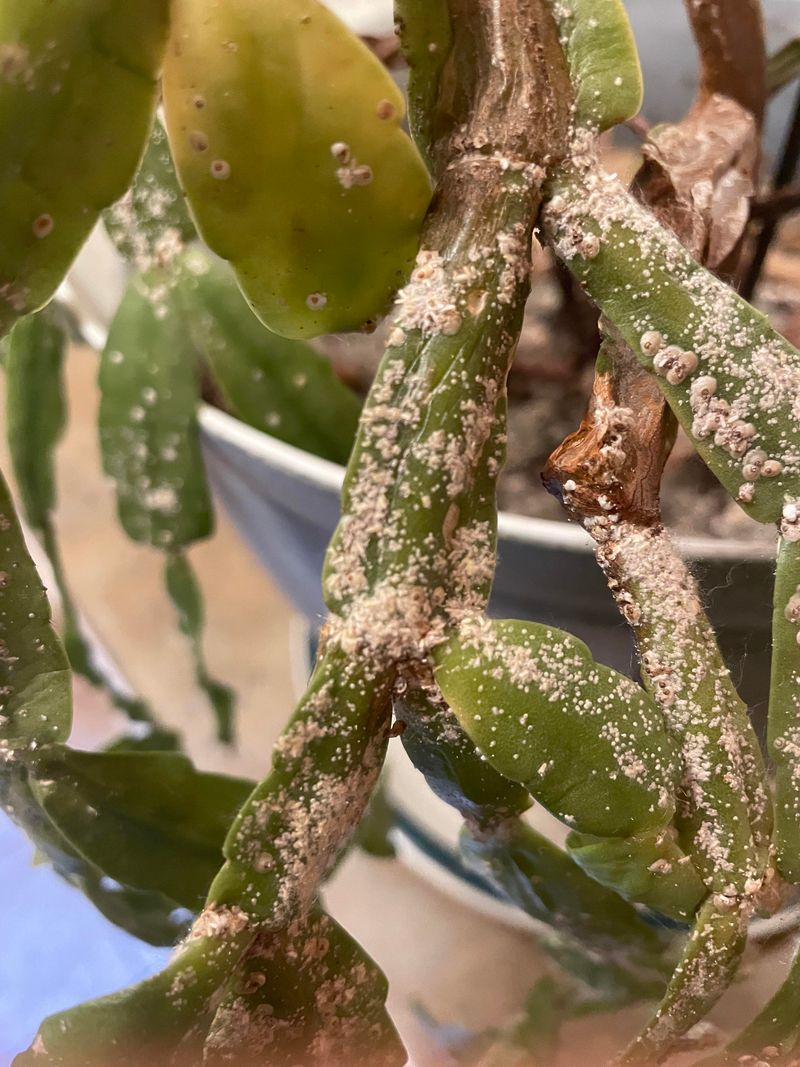
Early spring is a surprisingly active time for indoor plant pests in Texas, partly because the warming weather outside encourages insects to become more active, and some find their way indoors through open windows and doors.
A Christmas cactus that is still recovering from its blooming cycle has a slightly lower natural resistance, making it a bit more vulnerable to pests like mealybugs, scale insects, and spider mites during this period.
Make it a habit to inspect the undersides of segments, the joints between sections, and the base of the plant near the soil line at least once a week during early spring.
Mealybugs look like small tufts of white cotton, while scale insects appear as tiny brown bumps attached to the surface of segments.
Spider mites are harder to see but leave behind fine webbing between segments.
If you spot any of these pests early, remove them by dabbing a cotton swab dipped in rubbing alcohol directly onto the affected areas.
For larger infestations, a gentle spray of insecticidal soap diluted with water works well without harming the plant.
Catching pest problems early in the season means less damage to the segments, better overall plant health throughout summer, and a much stronger bloom performance when December finally arrives in Texas.
8. Keep Humidity Moderate To Support Plump, Vibrant Segments
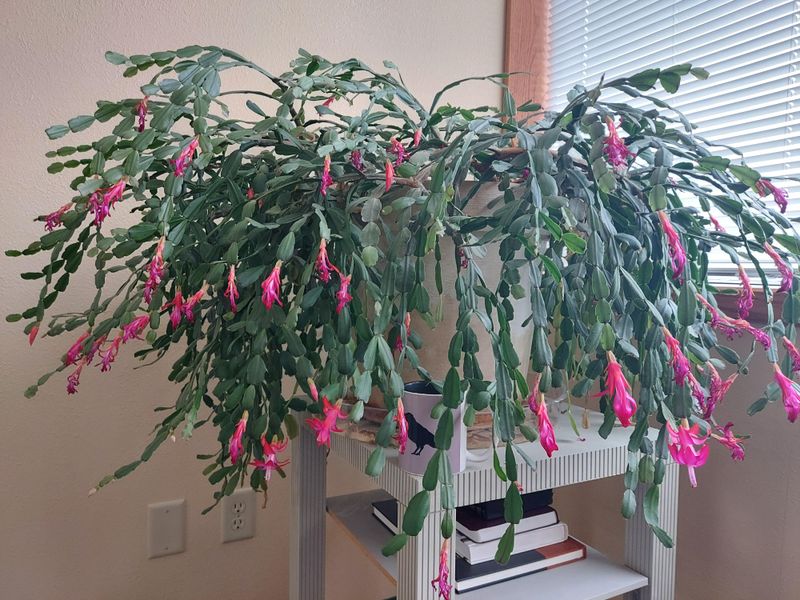
Anyone who has spent a Texas summer indoors knows how aggressively air conditioning can dry out the air inside a home.
Even in early spring, when the AC is starting to run more frequently, indoor humidity can drop to levels that stress a Christmas cactus, which originates from the naturally humid cloud forests of Brazil.
When humidity is too low, the segments can start to look slightly wrinkled or lose their firm, plump texture.
Aim to keep indoor humidity somewhere between 40 and 60 percent around your Christmas cactus. A small digital hygrometer, which is inexpensive and easy to find, lets you monitor the humidity level near the plant without guessing.
If the air is too dry, a small humidifier placed nearby can help, or you can set the pot on a shallow tray filled with pebbles and water, making sure the bottom of the pot sits above the waterline to avoid soggy roots.
Misting the segments lightly in the morning is another option, though it works best as a supplement rather than a primary humidity solution.
Keeping moisture levels moderate during early spring supports healthy cellular structure in each segment, which directly affects how vibrant and full the plant looks, and ultimately how many flowers it sets come the holiday season in Texas.
9. Use Well-Draining Soil To Avoid Root Stress
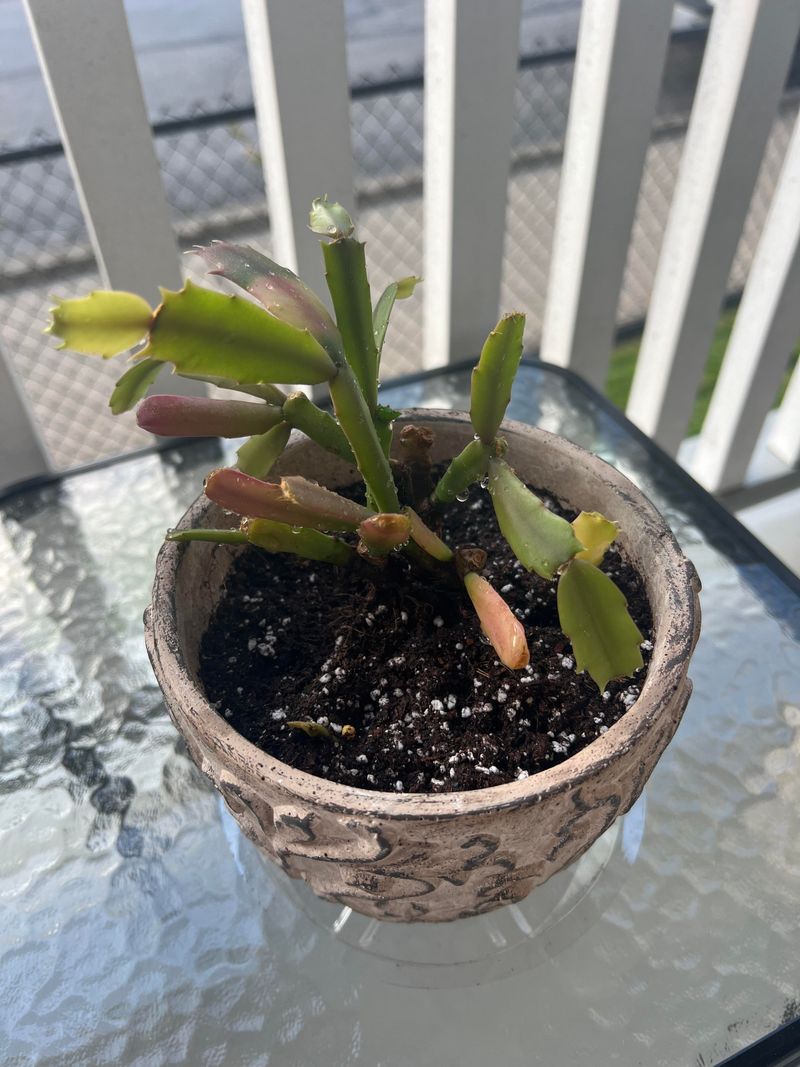
Soil quality is something that does not get enough attention in conversations about Christmas cactus care, but it is genuinely one of the most important factors for long-term plant health, especially in Texas where watering habits and indoor humidity can vary so much from home to home.
A Christmas cactus planted in heavy, dense potting mix is far more likely to develop root stress than one growing in a light, well-draining blend.
The ideal soil for this plant drains quickly but still holds a small amount of moisture so the roots are not left completely dry between waterings.
A common approach is mixing a standard potting mix with perlite or coarse sand at about a 50/50 ratio, which improves drainage significantly.
Some Texas gardeners also mix in a small amount of orchid bark, which adds air pockets around the roots and mimics the loose, organic forest floor material this plant naturally grows in.
Early spring is a good time to check whether your plant’s current soil has become compacted or waterlogged over the winter.
If the soil feels dense or water sits on the surface rather than absorbing quickly, consider repotting into a fresh, well-draining mix.
Giving the roots a clean, airy environment to grow in during the spring season sets up the entire plant for stronger segment development and a more generous bloom display when the holidays arrive.