What Texas Homeowners Should Know Before Removing An Old Tree Stump
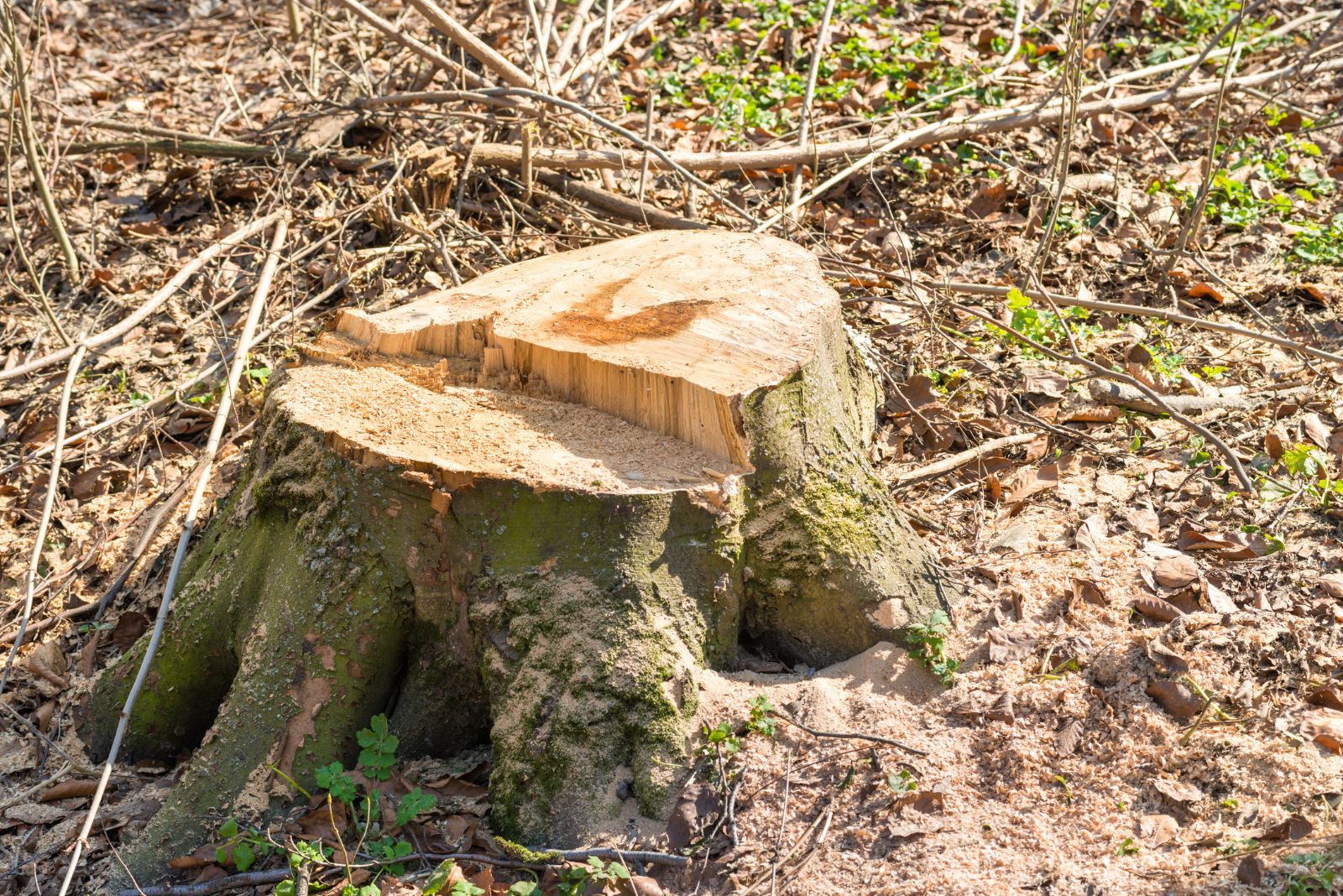
Removing an old tree stump might seem like a simple weekend project, but for many Texas homeowners, it quickly turns into a bigger job than expected.
That leftover stump can attract pests, damage lawn equipment, and even become a tripping hazard in your yard.
At the same time, rushing into removal without knowing what’s below the surface can lead to costly mistakes. Roots may stretch farther than you think, utility lines could be nearby, and the wrong method can damage your landscape.
Before you grab tools or hire help, it’s important to understand what you’re dealing with. Knowing what to expect can save time, money, and frustration.
Whether you want a clean lawn, more space for planting, or better curb appeal, learning the basics first makes all the difference.
1. Size And Age Of The Stump
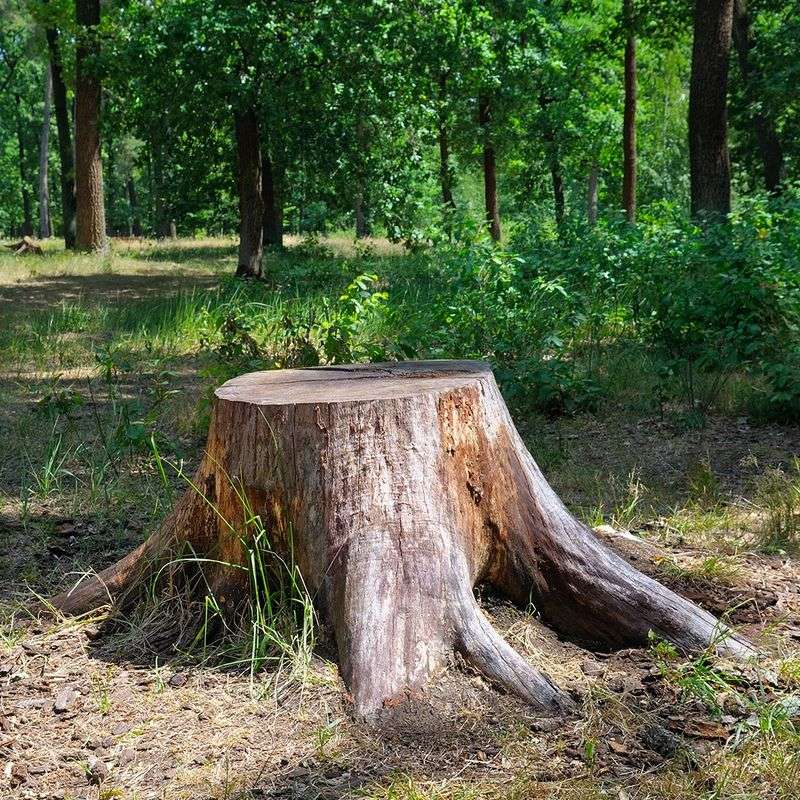
Stump size matters more than most people realize when planning removal in Texas. A small stump from a young tree might only be a foot wide, while an old oak or pecan stump could stretch three feet or more across.
The bigger the stump, the more difficult and expensive the removal becomes. Age also plays a huge role because older stumps have deeper, more established root systems that spread far underground.
Fresh stumps are actually harder to remove than older ones in many cases. The wood is still firm and the roots are strong and flexible, making grinding or digging much tougher.
Stumps that have been sitting for several years start to decay naturally, which softens the wood and makes removal easier. However, waiting too long can create other problems like pest infestations or fungal growth that spread to healthy plants nearby.
Texas heat speeds up the decay process compared to cooler climates. A stump left in the Houston area might break down faster than one in the Texas Panhandle due to humidity and temperature differences.
You should measure your stump’s diameter and estimate how long it has been there before deciding on a removal method.
Larger stumps usually require professional equipment like stump grinders, while smaller ones might be manageable with hand tools and patience.
Consider also the tree species because some woods are harder than others. Mesquite and oak stumps in Texas are notoriously tough and dense, taking longer to grind or decay.
Softer woods like pine or cottonwood break down more quickly and are easier to remove, which can significantly affect your timeline and budget for the project.
2. Underground Utilities And Pipes
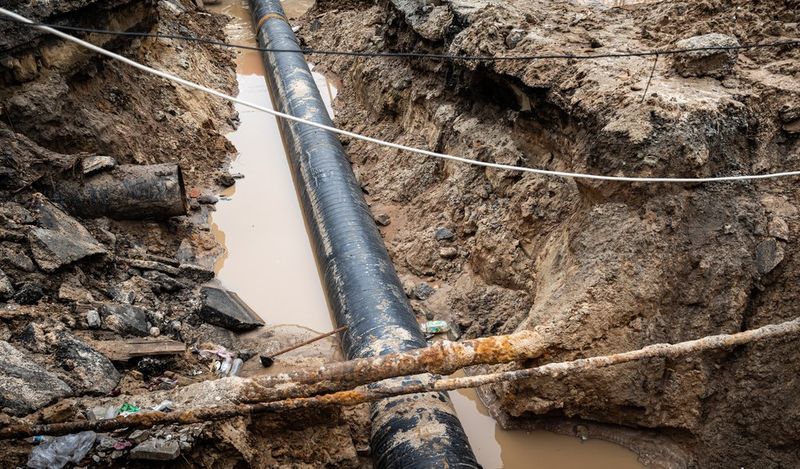
Before you start any stump removal work in Texas, you absolutely must locate underground utilities.
Water lines, gas pipes, electrical cables, and sewer systems often run through yards, and hitting one of these can cause serious damage, injury, or expensive repairs.
Many homeowners forget this step and end up with costly mistakes that could have been easily avoided with a simple phone call.
Texas law requires you to call 811 before any digging project. This free service sends utility companies to mark the location of underground lines on your property with colored flags or spray paint.
You should wait a few days after calling for the marking to be completed before starting your stump removal. This applies whether you are doing the work yourself or hiring a contractor.
Tree roots often grow around utility lines, especially water pipes that provide moisture. When you grind or dig out a stump, you might accidentally damage these lines if you are not careful.
Stump grinder teeth can easily slice through plastic water pipes or cable lines buried just below the surface. Even pulling out roots manually can tug on pipes and cause cracks or breaks that lead to leaks.
Septic systems are another major concern for Texas homeowners outside city limits. Tank locations and drain field lines need to be clearly identified before stump removal begins.
Driving heavy equipment over a septic system can crush pipes or damage the tank itself. Some older homes have utilities that were never properly mapped, making it even more important to be cautious and thorough with your investigation.
Always take pictures of the marked utility locations before you begin work. Keep the contact information for your utility companies handy in case you accidentally hit something during the removal process.
3. Cost And Budget Considerations
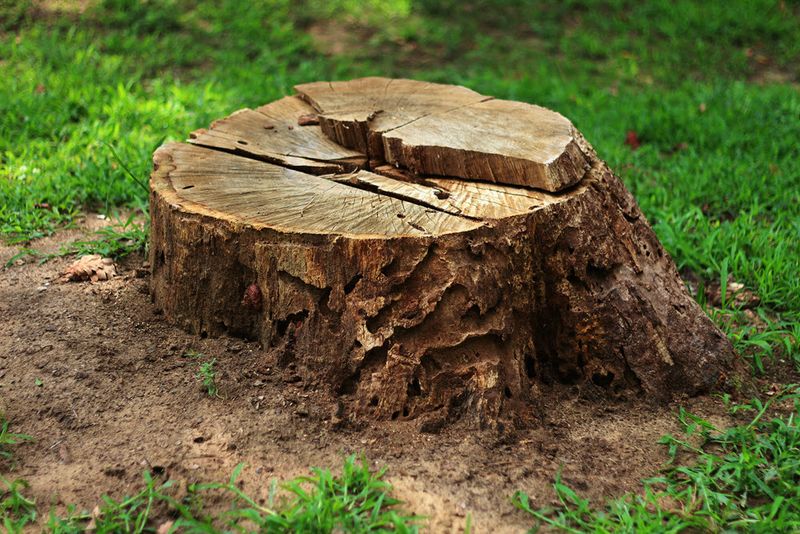
Money is often the biggest factor when deciding whether to remove a tree stump in Texas. Professional stump grinding services typically charge between two and five dollars per inch of diameter, meaning a large stump can cost several hundred dollars.
The total price depends on stump size, location accessibility, root complexity, and how many stumps you need removed at once.
DIY removal might seem cheaper at first glance, but you need to factor in equipment rental costs. Renting a stump grinder in Texas usually costs between one hundred and three hundred dollars per day, depending on the machine size and rental location.
You also need to consider your time, physical effort, and the learning curve involved in operating the equipment safely. Some hardware stores require a deposit or proof of insurance before renting heavy machinery.
Chemical stump removal products offer the cheapest upfront cost, usually under thirty dollars for treatment supplies. However, this method takes months to work and does not guarantee complete removal.
You will still need to break apart and remove the softened wood manually once the chemicals do their job. This approach works best for people who are not in a hurry and want to spread the physical work over several weeks or months.
Hidden costs can add up quickly during stump removal projects. You might need to repair your lawn afterward, dispose of wood chips, or hire someone to haul away the debris.
Some Texas cities charge fees for yard waste disposal or require special permits for tree work. If the stump is near structures, fences, or landscaping, you might need extra precautions that increase the total cost.
Getting multiple quotes from local Texas contractors helps you understand fair pricing for your area. Spring and summer are busy seasons for tree services, so scheduling during fall or winter might save you money through off-season discounts.
4. Impact On Surrounding Landscape
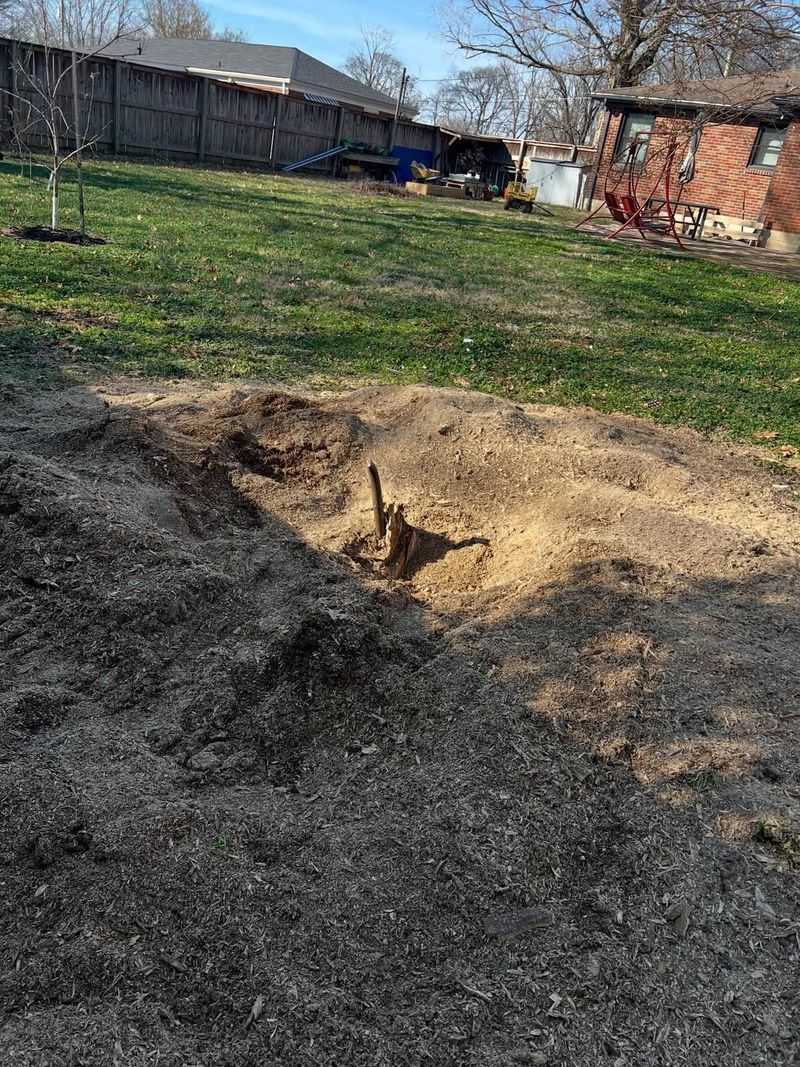
Your landscape design and nearby plants will be affected by stump removal in ways you might not expect. Tree roots extend far beyond the visible stump, sometimes reaching twice as far as the tree’s canopy once spread.
These roots can be intertwined with the root systems of shrubs, flowers, and other trees growing nearby. Removing the stump and its roots might disturb or damage these neighboring plants.
Stump grinding creates a large pile of wood chips and sawdust that needs to go somewhere. Many Texas homeowners use these chips as mulch for garden beds, which can be a great way to recycle the material.
However, fresh wood chips can temporarily tie up nitrogen in the soil as they decompose, which might affect plant growth for a season. You should age the chips for several months or mix them with compost before using them around sensitive plants.
The hole left behind after stump removal needs to be filled and leveled properly. Most grinding services only go down about twelve inches below ground level, leaving a depression that will settle over time as remaining roots decay.
You will need to fill this area with topsoil and possibly reseed or resod to match your existing lawn. Texas grass varieties like Bermuda or St. Augustine might take several weeks to fully establish in the filled area.
Consider how removing the stump will change the overall look and function of your yard. That stump might have been providing shade to shade-loving plants or acting as a natural border between different garden sections.
Once gone, you might need to adjust your landscaping plan, add new plants, or install hardscaping features to fill the visual gap and maintain your yard’s balance and appeal.
5. Wildlife And Pest Concerns
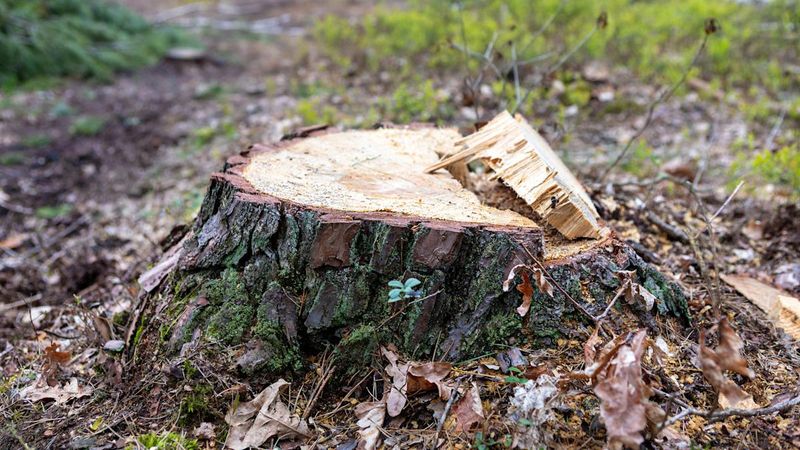
Old stumps in Texas become homes for various creatures, some beneficial and others problematic.
Decaying wood attracts termites, carpenter ants, beetles, and other wood-boring insects that can eventually spread to your house or other wooden structures nearby.
Termites are especially concerning in Texas because the warm climate allows them to stay active nearly year-round, making infested stumps a serious threat to your property.
Snakes often take shelter in and around old stumps, using the rotting wood and root cavities as hiding spots. While many Texas snakes are harmless, venomous species like copperheads and rattlesnakes also appreciate these protected spaces.
Rodents such as rats and mice nest in hollow stumps, and these pests can quickly become a problem if they move closer to your home searching for food and water.
Fungi and mushrooms frequently grow on decaying stumps, breaking down the wood as part of the natural decomposition process. Some of these fungi are harmless, but others can spread diseases to nearby healthy trees and plants.
Honey fungus and root rot are particularly problematic in Texas landscapes because they travel through soil and attack living root systems. Removing an infected stump prevents these diseases from spreading further through your yard.
On the positive side, stumps provide habitat for beneficial insects like native bees and beetles that help pollinate plants and control other pest populations. Birds often peck at stumps searching for insects to eat.
If you enjoy wildlife watching, you might hesitate to remove a stump that attracts interesting visitors. However, the risks usually outweigh the benefits when the stump sits close to your home or garden areas.
Inspect your stump carefully for signs of active pest infestations before removal. Look for small holes, sawdust piles, or visible insects crawling on the wood.
6. Future Plans For The Space
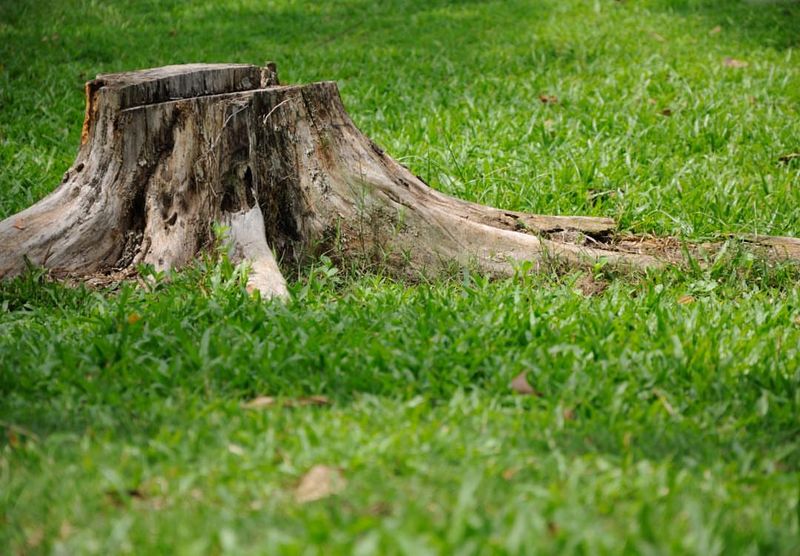
What you plan to do with the space after stump removal should guide your decision-making process. If you want to build a patio, shed, or deck where the stump currently sits, complete removal is absolutely necessary.
Even grinding the stump down might not be enough for construction projects because the remaining roots and wood debris can cause settling and structural problems over time.
Planting a new tree in the same spot requires careful consideration in Texas. The old root system will continue decomposing underground for years, creating air pockets and uneven soil that can affect the new tree’s stability and growth.
You should either remove as much of the old root system as possible or choose a planting location at least several feet away from the original stump. Some tree species are more sensitive to these conditions than others.
Lawn expansion is one of the most common reasons Texas homeowners remove stumps. A smooth, stump-free yard is easier to mow, safer for children playing outside, and simply looks better.
If this is your goal, stump grinding followed by proper filling and seeding will give you the best results. Make sure to match your existing grass type and consider the Texas growing season when planning your seeding or sodding timeline.
Maybe you want to create a garden bed, install a fence, or add an irrigation system where the stump is located. Each of these projects has different requirements for how thoroughly the stump needs to be removed.
Garden beds might tolerate some remaining roots, while fence posts need completely clear ground for proper installation. Irrigation lines require knowing exactly where old roots are located to avoid future pipe damage.
Think several years ahead when making your decision. Removing a stump now prevents it from limiting your options later when you might want to make changes to your Texas property.