What Texas Law Says About A Neighbor’s Fallen Branch And Property Damage
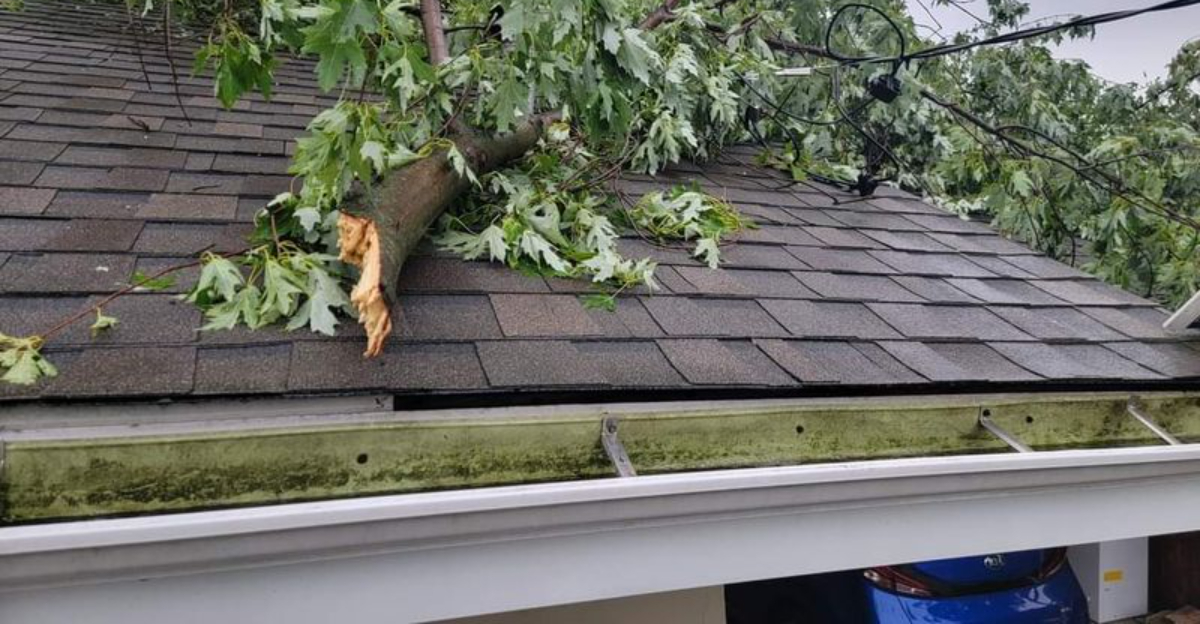
When a tree branch from your neighbor’s yard crashes onto your property, the aftermath can be frustrating and confusing.
Who pays for the damage to your fence, car, or roof?
Can you force your neighbor to clean up the mess?
Texas law has specific rules about tree branches, property lines, and who bears responsibility when nature causes problems between neighbors.
Understanding these legal principles can save you time, money, and unnecessary conflict.
Whether you’re dealing with a recent storm or worried about a dangerous limb hanging over your yard, knowing your rights and obligations is essential for protecting your property and maintaining good relationships with those living next door.
Texas Follows The Common Enemy Doctrine For Natural Conditions
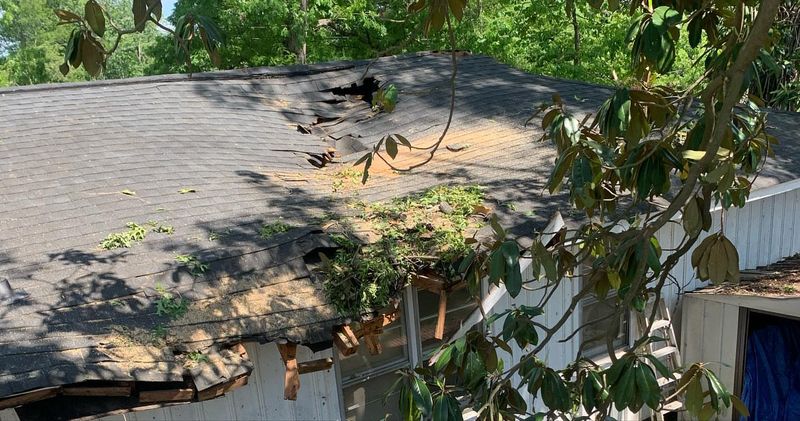
Property owners in Texas generally cannot hold their neighbors liable for damage caused by naturally occurring conditions like falling branches.
The state follows what legal experts call the common enemy doctrine, which treats natural forces as something everyone must protect themselves against.
This means if a healthy tree branch falls during a storm and damages your property, your neighbor typically isn’t responsible for repairs.
You’ll need to file a claim with your own homeowner’s insurance to cover the costs.
Texas courts have consistently ruled that property owners must accept certain risks that come with living near trees and vegetation.
However, this protection only applies when the tree and branch were in good condition before falling.
If your neighbor knew the tree was diseased, rotting, or dangerous and did nothing about it, different rules may apply.
Documenting the condition of trees near property lines can be important evidence if disputes arise later.
Taking photos of concerning branches and communicating your worries in writing creates a record that might prove useful.
Understanding this basic principle helps set realistic expectations when dealing with fallen branches in Texas neighborhoods.
Negligence Changes Everything About Liability

Your neighbor can be held responsible if they were negligent in maintaining their trees.
Negligence means they knew or should have known about a dangerous condition but failed to address it.
For example, if a tree was obviously diseased, leaning dangerously, or had large rotting branches, the owner has a duty to take action.
Ignoring clear warning signs can make them liable for any resulting damage when that tree or branch eventually falls.
Texas courts look at whether a reasonable person would have recognized the hazard and done something about it.
Professional tree inspections, arborist reports, and written warnings from neighbors can all establish that someone knew about the danger.
If you’ve complained repeatedly about a hazardous branch hanging over your property and your neighbor ignored you, that strengthens a negligence claim.
Keep copies of any letters, emails, or text messages you send about dangerous trees.
Photographs showing visible decay, cracks, or other problems are also valuable evidence.
Proving negligence isn’t always easy, but it’s the key exception to Texas’s general rule protecting neighbors from liability for natural conditions.
You Can Trim Branches That Cross Your Property Line
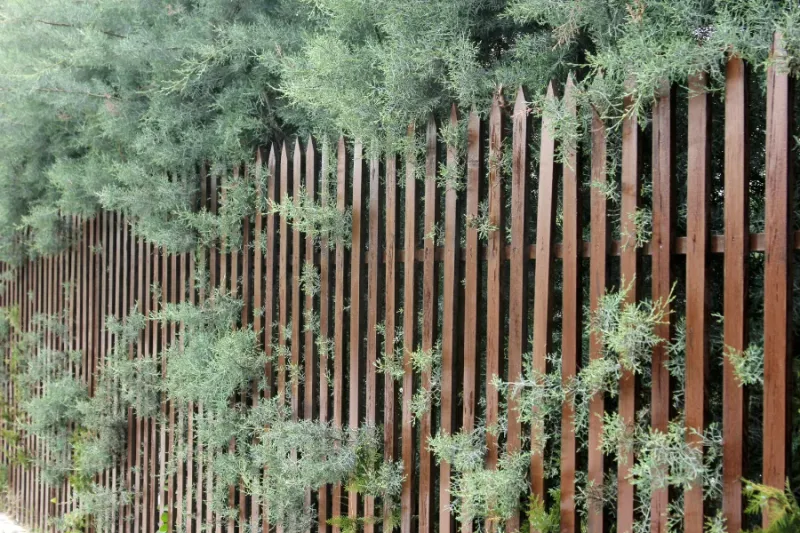
Texas law gives you the right to trim any branches that extend over your property line.
You don’t need your neighbor’s permission to cut back vegetation that crosses onto your land.
This right exists even if the tree trunk sits entirely on your neighbor’s property.
However, you must be careful not to damage the tree itself or trespass onto your neighbor’s side while doing the work.
Cutting branches on your side of the line is legal, but you cannot go onto their property or harm the tree’s health.
If your trimming destroys or seriously damages the tree, you could be held liable for those losses.
Many people hire professional tree services to ensure the work is done properly and safely.
Professionals understand how to trim branches without harming the overall tree or creating new hazards.
You’re typically responsible for disposing of any branches you cut, even though they came from your neighbor’s tree.
Before trimming, consider talking to your neighbor about the situation to maintain good relations and possibly share costs for professional help.
Homeowner’s Insurance Usually Covers Storm Damage

Most homeowner’s insurance policies in Texas cover damage from fallen trees and branches.
This coverage typically applies regardless of where the tree was originally rooted.
If your neighbor’s branch crashes through your roof during a storm, your insurance company will usually pay for repairs minus your deductible.
The insurance company might then try to recover costs from your neighbor’s insurer if negligence was involved, but that’s between the insurance companies.
You should file a claim promptly and document all damage with photographs before making repairs.
Your policy may also cover temporary repairs needed to prevent further damage, like tarping a damaged roof.
Keep all receipts for emergency repairs and temporary housing if your home becomes unlivable.
Some policies have specific limits on tree removal costs, so review your coverage carefully.
If the fallen branch didn’t damage any structures but is simply lying in your yard, insurance might not cover removal costs.
Understanding your policy details before problems occur helps you know what to expect when filing claims after storms hit your Texas property.
Written Warnings Create Important Legal Documentation
Sending your neighbor a written warning about a dangerous tree creates crucial evidence for potential future claims.
A simple letter describing the hazard and requesting action establishes that they were aware of the problem.
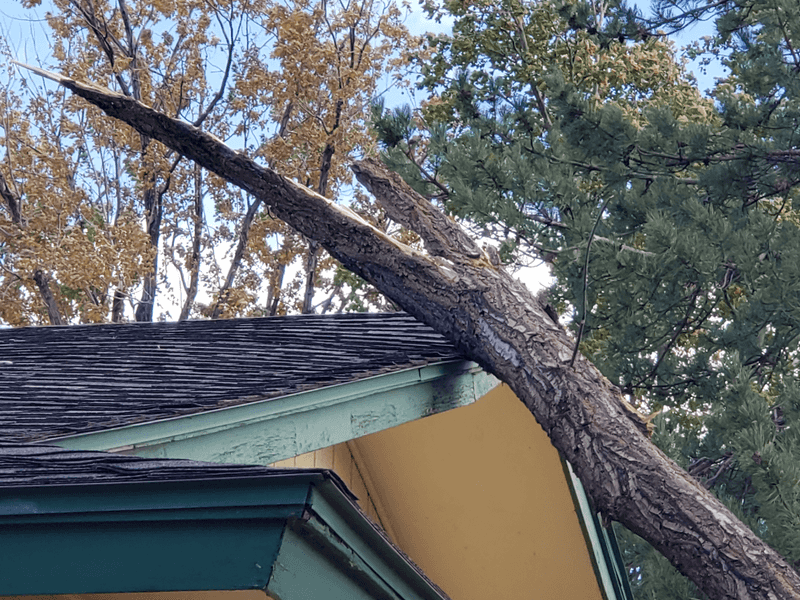
Include specific details about what concerns you, such as visible rot, large cracks, or deceased branches hanging precariously.
Attach photographs showing the condition of the tree from your property.
Send the letter via certified mail with return receipt so you have proof they received it.
Keep copies of everything for your records.
If damage occurs later, this documentation helps prove your neighbor knew about the danger and chose to ignore it.
Texas courts consider this type of notice when determining whether a property owner was negligent.
The warning also gives your neighbor a fair chance to address the problem before anyone gets hurt or property gets damaged.
Many neighbors appreciate the heads-up and will take action once they understand the risk.
Even if they don’t respond, you’ve protected yourself legally by creating a paper trail that shows you tried to prevent the problem.
Municipal Ordinances May Impose Additional Tree Maintenance Duties
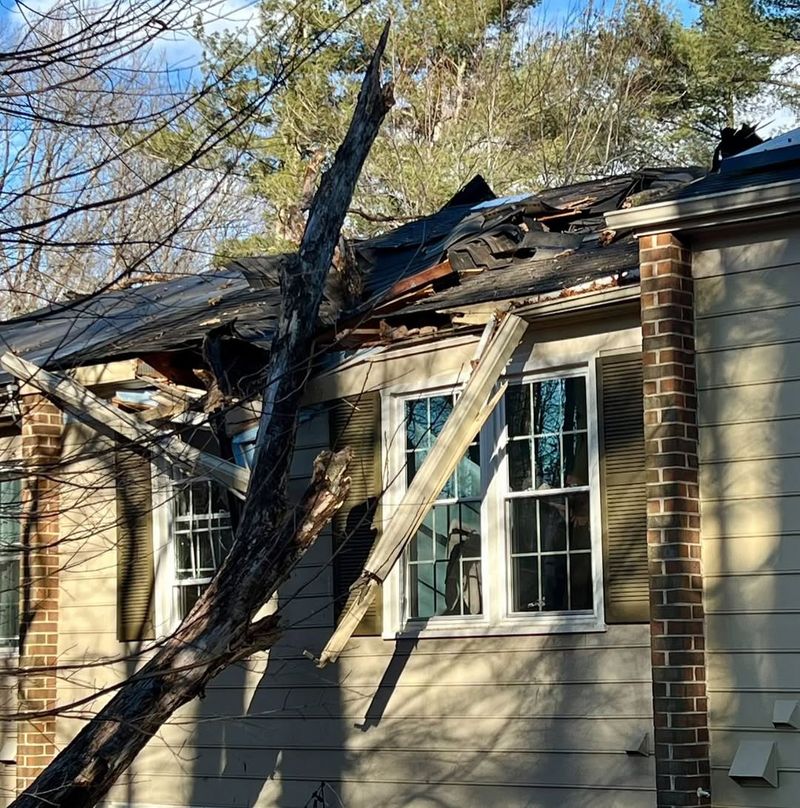
Many Texas cities and counties have local ordinances requiring property owners to maintain trees in safe condition.
These rules often go beyond state law and can create additional responsibilities for tree owners.
Some municipalities require regular inspection and removal of hazardous trees or branches.
Violating these ordinances can result in fines and may also establish negligence in civil lawsuits.
Check with your local code enforcement office to learn what rules apply in your area.
Houston, Dallas, Austin, and San Antonio all have specific tree ordinances that property owners must follow.
Some cities will even inspect trees and order removal if they pose a public safety hazard.
If your neighbor violates a local tree ordinance and their branch damages your property, you have a stronger case for holding them liable.
You can report dangerous trees to code enforcement, which may pressure your neighbor to take action.
Keep in mind that enforcement varies widely between jurisdictions, and some areas have minimal tree regulations.
Understanding local rules helps you know what standards apply in your specific Texas community.
Proving Damages Requires Thorough Documentation

If you plan to seek compensation from your neighbor for tree damage, solid documentation is essential.
Take extensive photographs of the damage from multiple angles immediately after it occurs.
Capture images of the fallen branch, the tree it came from, and all affected property.
Look for signs of disease, rot, or other pre-existing problems with the tree.
Get written estimates from contractors for all necessary repairs.
If vehicles were damaged, obtain repair quotes from body shops.
Save receipts for any emergency repairs or temporary fixes you had to make.
Consider hiring an arborist to inspect the tree and provide a professional opinion about its condition before it fell.
An expert report can be powerful evidence that the tree was diseased or dangerous.
Collect any previous correspondence with your neighbor about the tree, including warnings you may have sent.
Witness statements from other neighbors who noticed the tree’s poor condition can also help your case.
The more evidence you gather, the stronger your position if you need to file an insurance claim or lawsuit in Texas courts.
Small Claims Court Offers An Affordable Resolution Option

For smaller disputes over tree damage, Texas small claims court provides an accessible and affordable venue.
You can file a claim without hiring an attorney if the damages are under the court’s monetary limit.
In Texas, justice courts handle small claims up to ten thousand dollars, depending on the county.
The filing fees are relatively low, and the procedures are simplified for non-lawyers.
You’ll need to present your evidence, including photos, estimates, and any documentation showing your neighbor’s negligence.
The judge will hear both sides and make a decision, usually on the same day.
Small claims court works best when you have clear evidence and the facts are straightforward.
If your case is more complex or involves larger amounts of money, you might need to file in a higher court with an attorney’s help.
Before going to court, consider mediation or simply talking with your neighbor about resolving the issue.
Many disputes can be settled without formal legal action, saving everyone time, money, and stress.
Small claims court remains a practical option when communication fails and you need an official resolution to your tree damage dispute in Texas.
Preventive Measures Protect Both Properties And Relationships
Taking proactive steps to address potentially dangerous trees benefits everyone involved.
Regular inspection of trees near property lines helps identify problems before they cause damage.
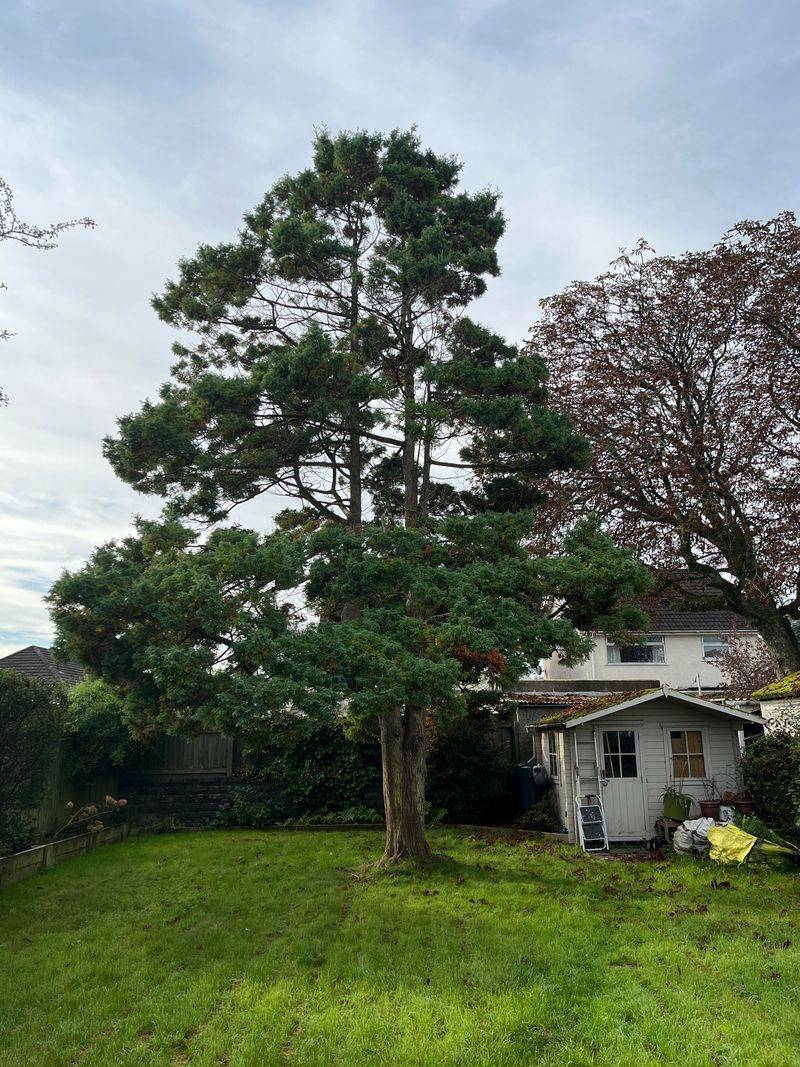
Look for warning signs like withered branches, cracks in the trunk, fungus growth, or leaning trees.
If you notice concerning conditions on your neighbor’s property, approach them politely and share your observations.
Many people simply don’t notice problems with their trees until someone points them out.
Offer to share the cost of a professional arborist inspection to assess the tree’s health.
Sometimes splitting the expense of tree removal or trimming can prevent future conflicts.
Maintaining your own trees responsibly sets a good example and shows you take property maintenance seriously.
Consider planting new trees away from property lines to reduce future boundary disputes.
Good communication with neighbors about shared concerns creates better relationships and often leads to cooperative solutions.
Preventive maintenance is almost always cheaper than repairing damage after a tree falls.
Being proactive protects your property investment while fostering the kind of neighborly cooperation that makes Texas communities pleasant places to live.
Legal Advice May Be Necessary For Complex Situations
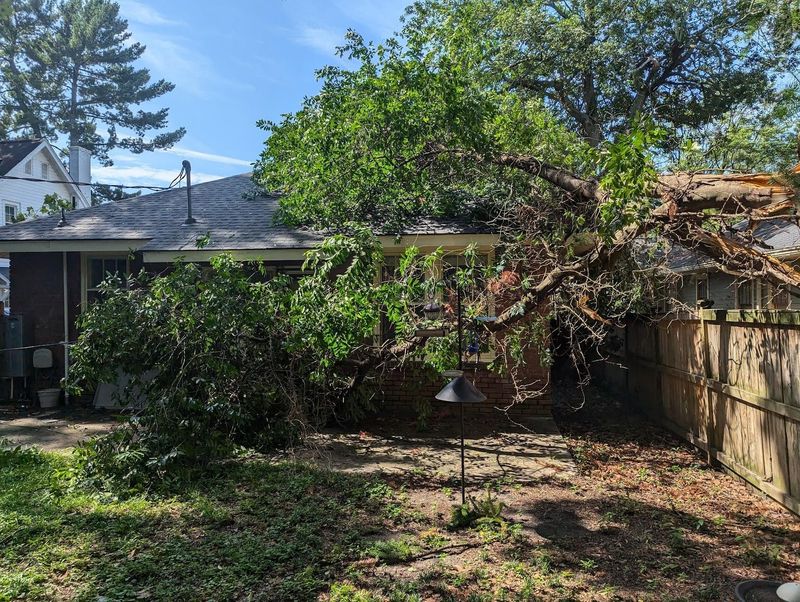
Some tree damage situations are too complicated to handle without professional legal help.
If your neighbor refuses to acknowledge their negligence or your damages are substantial, consulting an attorney makes sense.
Lawyers experienced in Texas property law can evaluate your case and advise whether you have grounds for a lawsuit.
They understand the nuances of negligence, liability, and local ordinances that might apply to your situation.
An attorney can also handle negotiations with your neighbor’s insurance company, which often leads to better settlements.
Many property attorneys offer free initial consultations to review your case.
Bring all your documentation, including photos, estimates, correspondence, and any expert reports.
The attorney will assess the strength of your claim and explain your options.
Legal fees vary, but some attorneys work on contingency, meaning they only get paid if you win your case.
For disputes involving significant property damage, injuries, or uncooperative neighbors, professional legal representation often proves worth the investment.
Understanding when to seek legal advice protects your rights and increases your chances of fair compensation for tree damage in Texas.