What That Weird Bug In Your Florida Yard Actually Is
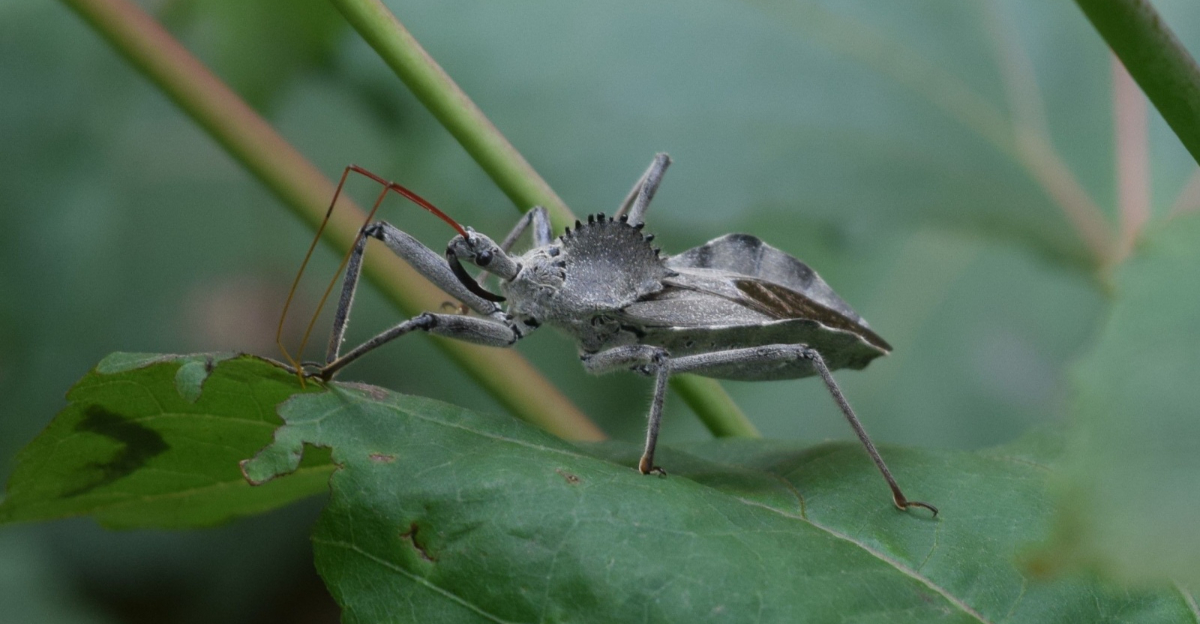
You walk outside to grab the mail and suddenly freeze. Sitting on your fence, screen door, or garden stake is a bug that looks like it escaped from a sci-fi movie.
It has a jagged gear-shaped ridge on its back, long spindly legs, and a slow, deliberate walk that makes it even more unsettling. Thousands of Florida homeowners are spotting this strange insect in yards, patios, and gardens and many are asking the same question.
What in the world is this thing and should I be worried? The answer may surprise you.
This bizarre looking creature is not an alien invasion or a dangerous new species. It is a native insect that plays an important role in Florida landscapes and can actually help protect your plants.
Before you reach for bug spray or panic, you might want to know what this unusual visitor is really doing in your yard.
Why The Wheel Bug Is Showing Up In Florida Yards
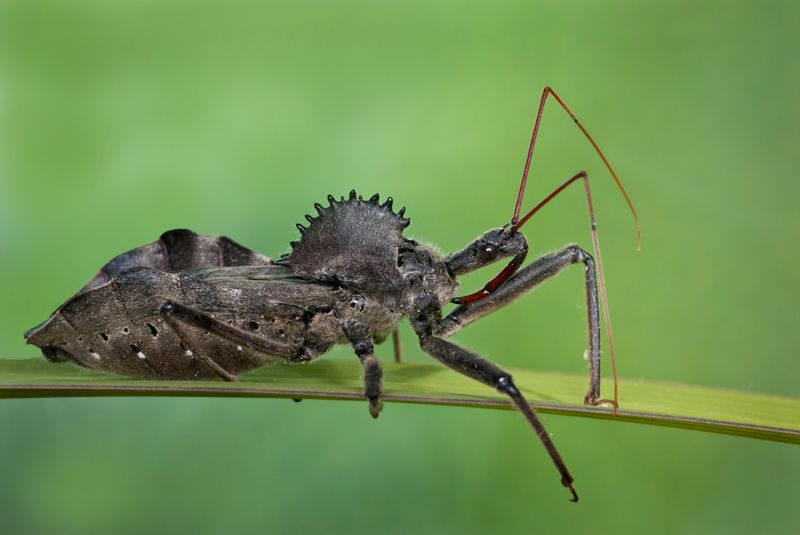
A routine check on tomato plants can quickly turn surprising when something unfamiliar appears clinging to a garden stake. Florida’s warm climate creates the perfect environment for insects that thrive in heat and humidity, and the wheel bug is one of them.
Our state offers a year-round buffet of prey insects that wheel bugs depend on for survival. Aphids, caterpillars, and other soft-bodied pests populate gardens from spring through fall, drawing these predators into residential spaces.
They follow the food, and your yard likely has plenty of it.
In much of Florida, wheel bugs become noticeable in spring as temperatures warm and insect prey populations increase. In warmer parts of the state, sightings may begin earlier in the year and last longer compared to cooler northern regions.
The extended growing season means more prey insects and more wheel bugs hunting them.
Mature trees, shrubs, and flowering plants attract the insects that wheel bugs hunt. If your yard has a diverse landscape with native plants, you have essentially created a hunting ground.
They patrol slowly along branches and stems, searching for their next meal with deliberate, almost robotic movements that make them easy to spot once you know what to look for.
What’s A Wheel Bug
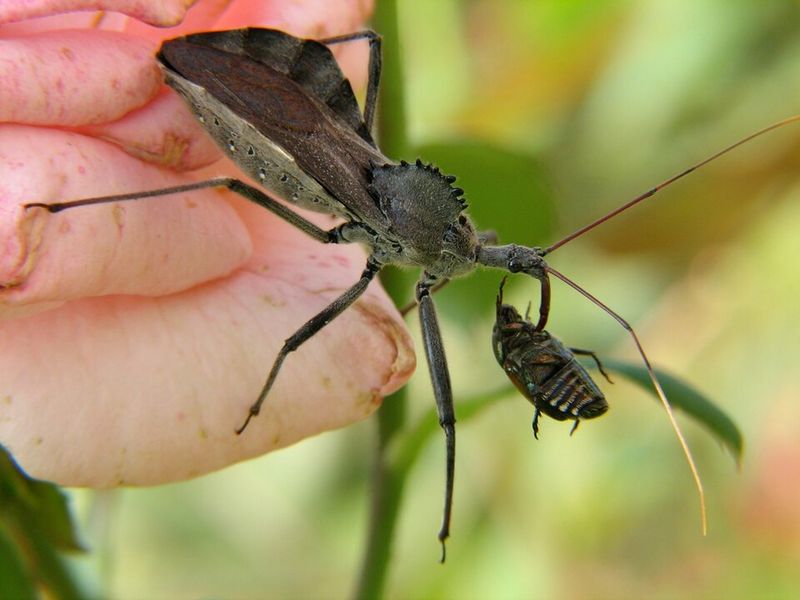
Picture this: you are sitting on your patio enjoying morning coffee when you notice something moving slowly across the wall beside you. At first glance, it looks like a large, awkward beetle, but then you see that bizarre ridge running down its back.
That is your introduction to Arilus cristatus, commonly known as the wheel bug, and it is one of North America’s largest assassin bugs.
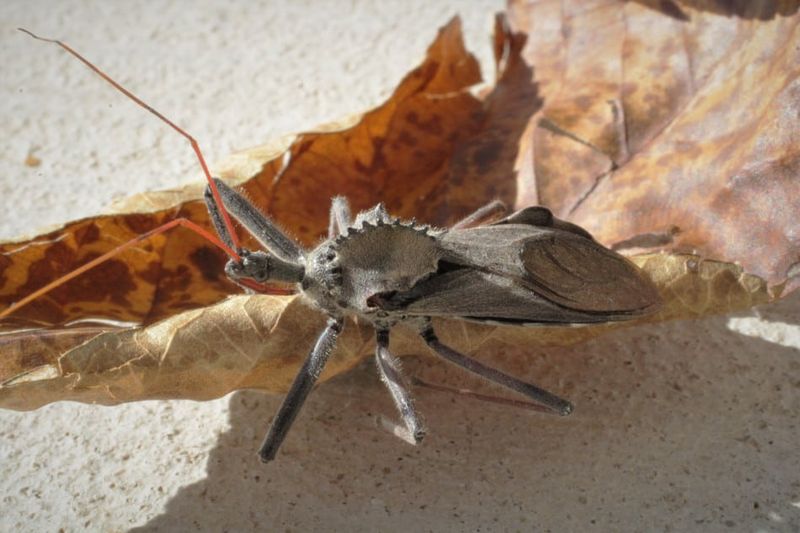
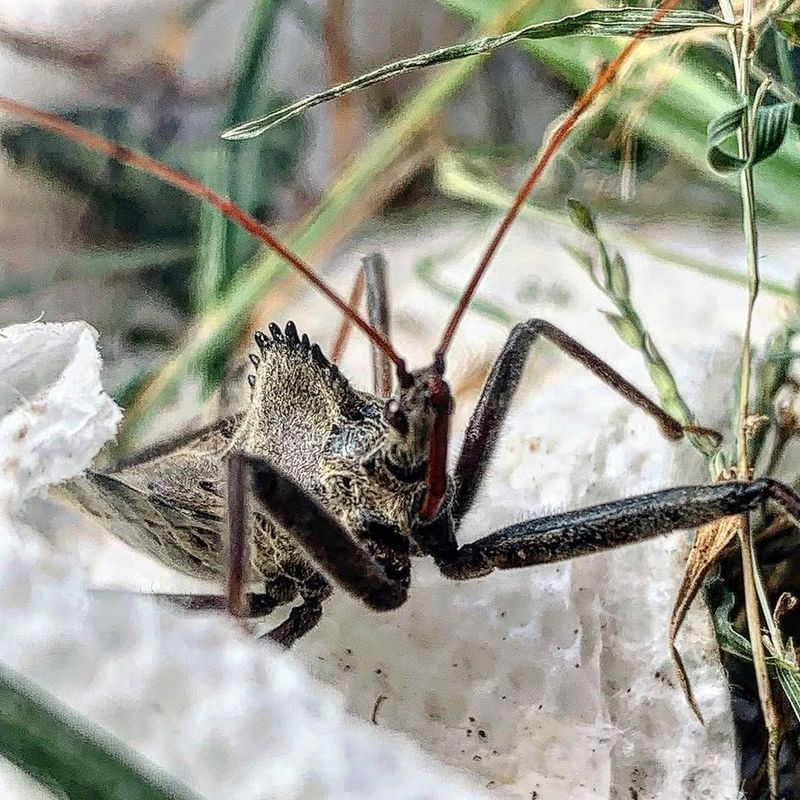
Adult wheel bugs measure about one and a half inches long, making them impossible to miss when they appear. Their most distinctive feature is the semicircular crest on their thorax that resembles a cogwheel or gear, which gives them their common name.
This structure is not just for show and helps with species identification, although scientists have not confirmed whether it serves a specific defensive or mating purpose.
Their coloring ranges from gray to brownish-black, allowing them to blend surprisingly well against tree bark despite their size. Long, spindly legs give them a gangly appearance, and their narrow head features curved, beak-like mouthparts used for piercing prey.
When they walk, their movements seem deliberate and almost mechanical.
Many homeowners mistake them for beetles at first because of their bulky bodies and slow gait. Others think they might be some kind of cockroach, which causes unnecessary alarm.
Understanding what you are actually looking at helps reduce fear and unnecessary pest control actions.
How To Identify A Wheel Bug In Florida
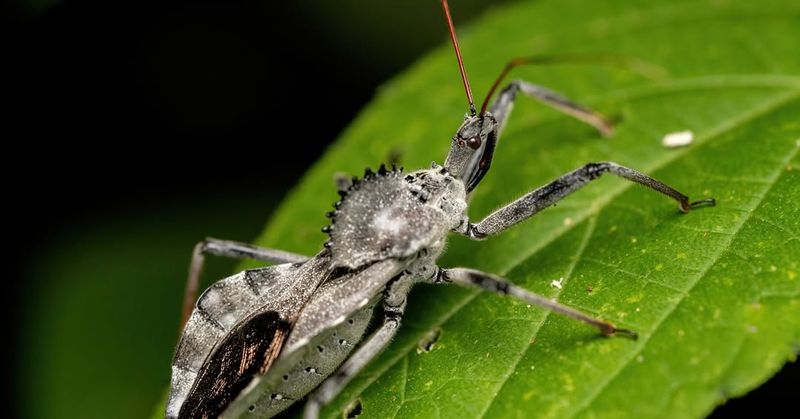
A neighbor might send a photo asking for help identifying a strange insect spotted on a hibiscus plant. The image shows something large and intimidating, but you are not quite sure what it is.
Learning to identify a wheel bug correctly prevents confusion with other large insects that might wander into your yard.
Look for that telltale cogwheel crest first. No other Florida insect has this feature, making identification relatively straightforward once you know what to check for.
The crest stands upright along the insect’s back and has a jagged, tooth-like edge that is visible even from a distance.
Check the overall body shape next. Wheel bugs have elongated, somewhat flattened bodies with a narrow head that extends forward.
Their front legs are slightly thicker than the others, adapted for grasping prey, and they hold them in a way that looks almost like they are praying or waiting patiently.
Notice how they move. Unlike many insects that scurry or fly away when disturbed, wheel bugs walk slowly and deliberately.
They do not rush, which can make them seem more intimidating than they actually are. Immature wheel bugs lack the full crest and appear more orange or red, leading some homeowners to think they are completely different species.
University of Florida IFAS Extension resources confirm that juvenile and adult wheel bugs look quite different, which adds to identification confusion.
Why Wheel Bugs Appear More Often In Certain Yards
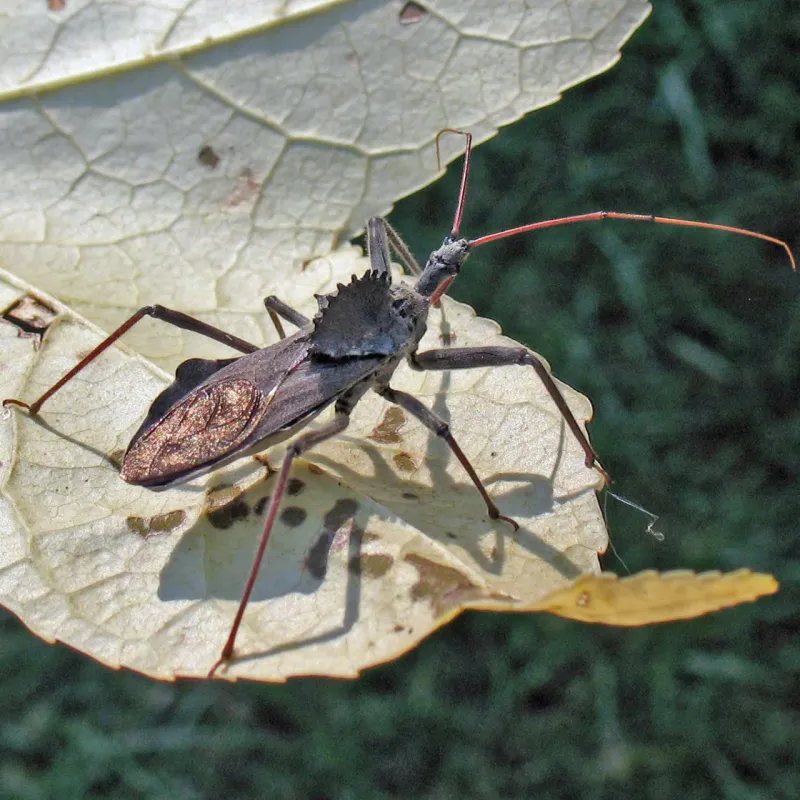
One homeowner may never see a wheel bug, while another might spot several in the same month. What makes some properties more attractive to these unusual predators?
The answer lies in what your landscape offers them.
Yards with diverse plantings naturally support larger populations of prey insects. Aphids cluster on new growth, caterpillars munch on leaves, and beetles wander across stems.
Wheel bugs patrol these areas like security guards, moving from plant to plant in search of soft-bodied targets. If your garden includes tomatoes, peppers, roses, or citrus trees, you have likely created an all-you-can-eat buffet for the insects that wheel bugs hunt.
Native Florida plants often support a wider variety of native insects, which can increase overall prey availability for predatory insects like wheel bugs. Saw palmetto, beautyberry, and coontie support native caterpillars and other insects, which in turn attract wheel bugs.
The Florida-Friendly Landscaping Program emphasizes native plantings partly because they support beneficial predator populations that help control pests naturally.
Pesticide use plays a role too. Yards treated frequently with broad-spectrum insecticides eliminate both pests and predators, leaving nothing for wheel bugs to eat.
Properties managed with integrated pest management principles maintain balanced insect populations, which naturally attract and support wheel bugs. Your yard might simply offer better hunting than your neighbor’s chemically treated lawn.
Is This Bug Dangerous To People Or Pets
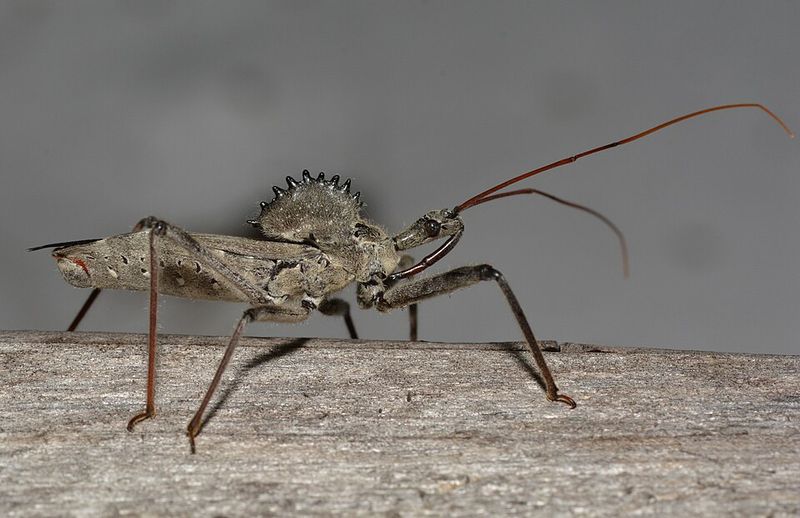
A curious dog sniffing around the patio often becomes the first sign that something unusual is nearby. When you spot the wheel bug, your first instinct is to worry about whether it poses a threat to your family or pets.
Understanding the realistic risk helps you respond appropriately.
Wheel bugs can bite if handled or threatened, and their bite is reportedly quite painful. They use their piercing mouthparts to inject digestive enzymes into prey, and those same mouthparts can penetrate human skin if the insect feels cornered.
However, wheel bugs are not aggressive and will not chase you or attack unprovoked. They prefer to walk away slowly when disturbed.
The bite itself causes localized pain, redness, and swelling similar to a wasp sting. Some people report numbness or intense burning that lasts several hours.
University of Florida entomologists note that reactions vary by individual, but serious medical complications are extremely rare. Most bites occur when someone picks up the insect without realizing what it is.
Many dogs and cats quickly lose interest in these insects after an initial investigation, though curious pets may still attempt to sniff or paw at them. If a curious pet does get bitten, watch for excessive drooling, pawing at the mouth, or swelling.
Contact your veterinarian if symptoms seem severe, but most pets recover quickly without intervention.
What Wheel Bugs Eat And Why They Can Be Helpful
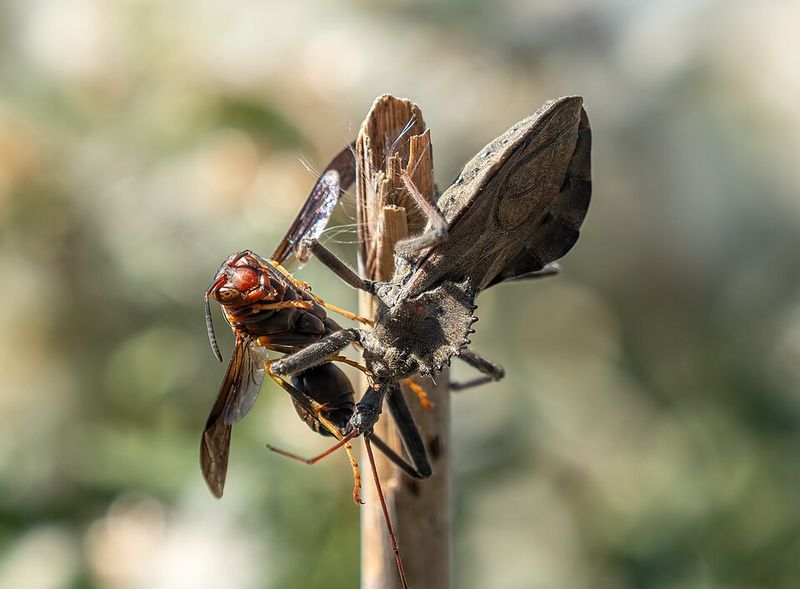
Fewer aphids on rose bushes often leave homeowners wondering if wheel bugs might be responsible. These predators consume a surprising variety of garden pests, making them valuable allies in maintaining a healthy landscape.
Wheel bugs feed primarily on soft-bodied insects including aphids, caterpillars, beetle larvae, and even stink bugs. They grab prey with their front legs, pierce the victim with their beak, and inject enzymes that liquefy internal tissues.
Then they simply suck out the resulting fluid, leaving behind an empty shell. This feeding method is efficient and allows them to consume prey much larger than themselves.
Like most predators, they may occasionally consume beneficial insects as well, but overall they are considered helpful in controlling common garden pests. In Central Florida gardens, they help control hornworms on tomatoes, cabbage loopers on vegetables, and various caterpillars that damage ornamental plants.
Their appetite for stink bugs makes them particularly valuable since these pests can be difficult to control with other methods.
Integrated pest management principles recognize wheel bugs as beneficial insects worth protecting. Rather than reaching for pesticides at the first sign of garden pests, allowing natural predators like wheel bugs to establish populations can provide long-term pest control.
Your yard benefits from their presence far more than you might initially realize.
What Florida Homeowners Should Do If They Find One
Spotting a wheel bug clinging to a screen door often leaves homeowners unsure whether to remove it, ignore it, or call for help. The good news is that wheel bugs require very little intervention, and your best response is usually the simplest one.
Leave them alone whenever possible. Wheel bugs are beneficial predators that help control pest populations naturally, and they pose no threat as long as you do not handle them.
If one appears on your patio furniture or near a doorway, simply give it space and it will move on within a few hours or by the next day.
If you need to relocate one from a high-traffic area, use a piece of cardboard or a small container to gently coax it onto a surface you can carry. Never pick up a wheel bug with bare hands, even if it appears sluggish or unresponsive.
Move it to a nearby shrub or tree where it can continue hunting without being disturbed by foot traffic.
Pesticides are unnecessary and counterproductive. Spraying a wheel bug eliminates a beneficial predator and does nothing to address the underlying pest problems in your yard.
University of Florida IFAS Extension recommends protecting wheel bugs and other natural enemies as part of a comprehensive pest management strategy. Teaching children to observe these insects from a safe distance turns the encounter into an educational opportunity rather than a source of fear.
How Long Wheel Bugs Stick Around In Florida Seasons
Seeing wheel bugs in different months often raises questions about whether the same insects return or new ones replace them. Understanding their seasonal patterns helps you know what to expect as months change.
Wheel bugs generally have a one-year life cycle, with eggs overwintering and new generations emerging as temperatures warm, although Florida’s mild climate can extend activity periods. Eggs laid in late summer or fall overwinter and hatch in spring.
The tiny nymphs go through several molts before reaching adulthood in mid to late summer. Adult wheel bugs are most commonly noticed in late summer and early fall across much of Florida, while warmer southern areas may experience activity starting earlier and lasting longer due to milder winters.
Individual wheel bugs do not live through multiple seasons. Adults mate in fall, females lay eggs in protected locations like bark crevices, and then the adults perish as cooler weather arrives.
The eggs survive winter and begin the cycle again when temperatures warm. You are likely seeing different individuals throughout the season rather than the same bug returning repeatedly.
Peak sightings coincide with peak prey availability. When caterpillar and aphid populations explode in late summer gardens, wheel bugs are there to take advantage.
As temperatures cool in late fall and prey insects decline, wheel bug activity drops off noticeably. Your yard may host new generations of these beneficial predators year after year if conditions remain favorable.