What To Add On Top Of Florida Soil Before Spring
Florida gardeners face a secret challenge every spring: sandy soil that drinks water and drains nutrients before plants even get a chance. You can spend the season fighting wilted flowers and scraggly vegetables, or you can fix the problem before planting begins.
The right soil prep transforms struggling beds into thriving gardens that soak up every drop of rain and fertilizer. Organic matter, compost, mulch, and smart amendments turn thirsty sand into a sponge that feeds roots deeply and steadily.
Timing is everything. Add these materials now, and your garden will reward you with lush growth, vibrant blooms, and vegetables that taste like summer.
Skip this step, and you’ll spend the season playing catch-up, watching plants struggle under Florida’s sun and unpredictable rain. The secret to a strong, resilient garden isn’t luck – it’s what you put on your soil before spring arrives.
1. Why Prepping Florida Soil Before Spring Matters
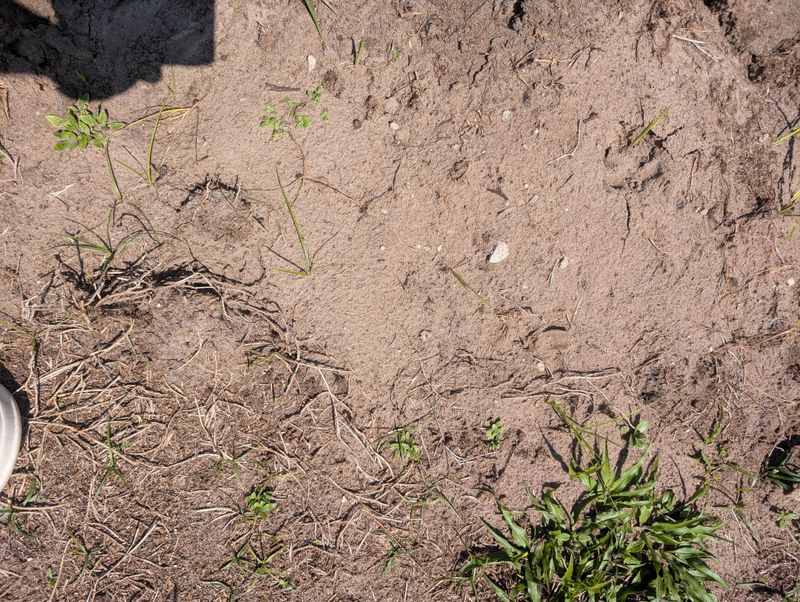
Our Florida soil behaves differently than what gardeners up north work with every day. Sandy particles drain fast, which sounds great until you realize nutrients wash away just as quickly.
When spring planting time arrives, roots need more than just a place to anchor themselves.
Building better soil structure before the growing season gives plants a strong foundation from the start. February and early March are ideal for most of Florida, though South Florida gardeners can start as early as January, while North Florida may need to wait until mid-February for soil to warm sufficiently.
This timing allows beneficial microorganisms to wake up and start working their magic in the warming soil.
Healthy soil holds moisture longer between waterings, which matters tremendously during our hot, dry springs. Roots grow deeper and stronger when organic matter creates air pockets and pathways through dense sand.
Your plants will show their appreciation through vigorous growth and better resistance to pests and diseases.
Taking action now saves you from fighting an uphill battle later when temperatures soar and rain becomes unpredictable. The effort you invest today pays dividends throughout the entire growing season and even into future years as soil health compounds over time.
2. The Best Organic Matter To Add Right Now
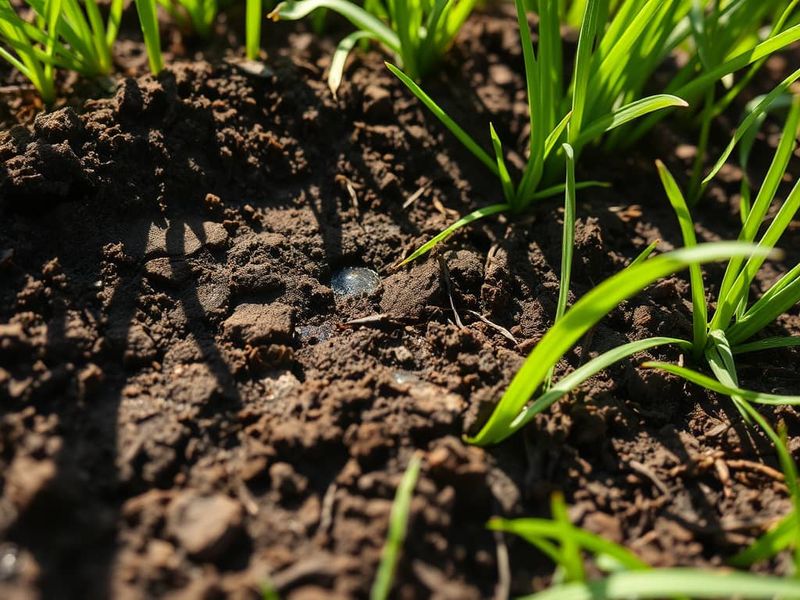
Organic matter transforms Florida’s challenging sandy soil into a garden paradise. Materials like aged leaves, grass clippings, and plant-based debris create the spongy texture that sandy soil desperately needs.
These additions help soil hold onto water and nutrients instead of letting everything drain straight through to the water table below.
Late winter represents the ideal moment to spread a generous layer across your garden beds. Microbes become more active as temperatures climb into the 70s, breaking down organic materials into humus that plants can actually use.
A two to three inch layer spread evenly across the surface works wonders without smothering existing plants or creating drainage problems.
You can source organic matter from your own yard by collecting fallen leaves, saving grass clippings from pesticide-free lawns, or gathering Spanish moss that naturally drops from trees (though it decomposes slowly and is low in nutrients, so mix it with leaves or compost for best results).
Community leaf collection programs often provide free mulched leaves to residents during fall and winter months.
Local tree services sometimes offer wood chips at no cost when they’re working in your neighborhood.
Mix different types of organic matter together for the best results rather than relying on just one material. This variety provides a broader range of nutrients and creates diverse habitat for beneficial soil organisms that keep your garden ecosystem balanced and productive.
3. Compost: Florida’s Most Powerful Soil Upgrade
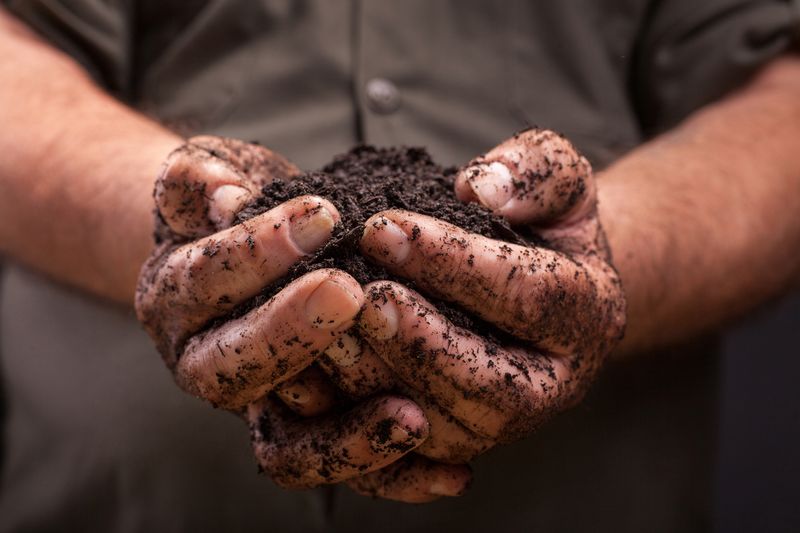
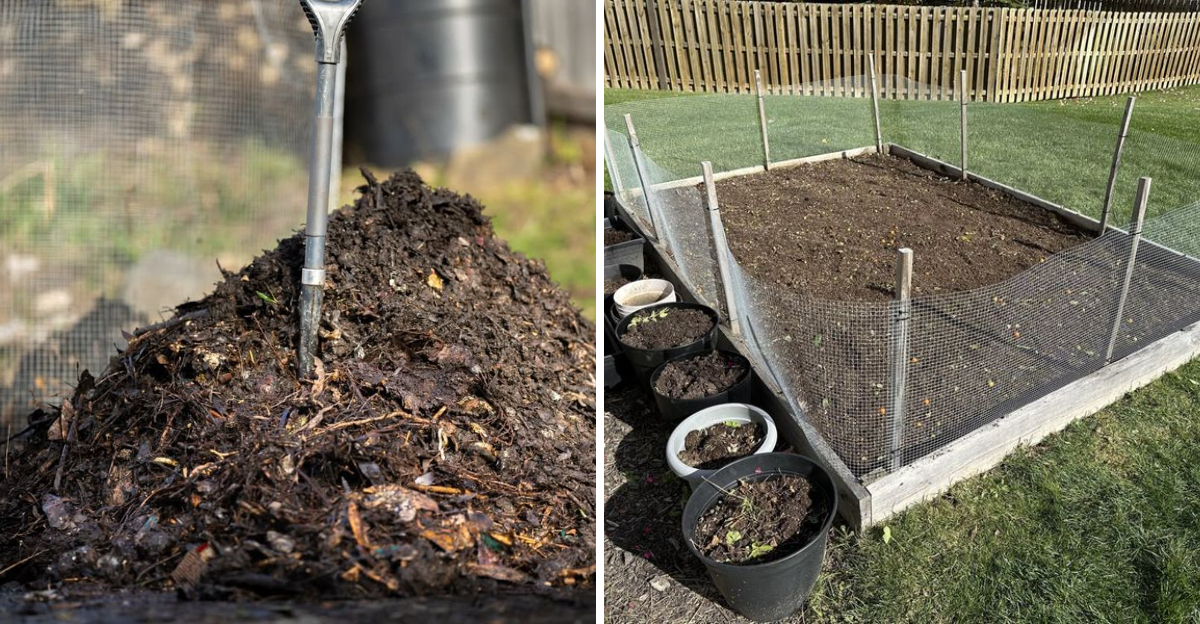
Finished compost brings life to Florida gardens like nothing else you can add. Dark, crumbly, and earthy-smelling, properly aged compost contains millions of beneficial microorganisms ready to colonize your soil.
These tiny workers break down nutrients into forms plants can absorb while improving soil structure at the same time.
Spread a one to two inch layer of compost across your beds before spring planting begins. Work it gently into the top few inches of soil for faster nutrient availability, or let it sit on the surface to be naturally incorporated by rain or irrigation over time.
Both methods work well depending on what you’re planning to plant and when.
Making your own compost from kitchen scraps and yard waste costs nothing except a bit of effort and patience. If you prefer buying compost, look for products certified by the US Composting Council or endorsed by University of Florida IFAS Extension.
Avoid compost that smells sour or contains visible chunks of undecomposed material, which indicates it hasn’t finished the aging process yet.
Compost improves sandy soil’s ability to hold nutrients and moisture while also helping clay-heavy areas drain better. Your plants respond with stronger root systems, healthier foliage, and improved ability to handle Florida’s environmental stresses.
Regular compost applications year after year build soil health that becomes more resilient with each season.
4. Mulch That Protects Roots And Locks In Moisture
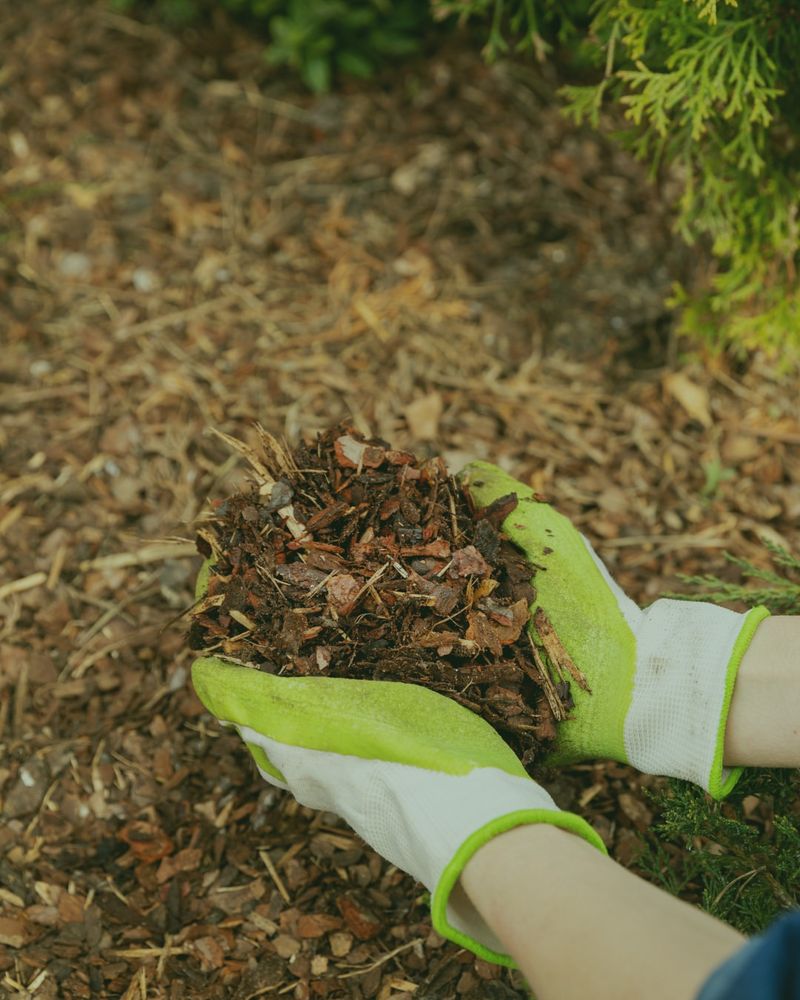
Mulch acts like a protective blanket for your soil, moderating temperature swings and preventing moisture from evaporating too quickly. Pine bark, pine straw, and melaleuca mulch all work beautifully in Florida gardens.
Each type brings its own benefits while performing the essential job of keeping soil conditions stable.
Apply a three to four inch layer of mulch around plants, keeping it pulled back a few inches from stems and trunks to prevent rot. This depth blocks weed seeds from germinating while still allowing water and air to reach the soil below.
Fresh mulch applied before spring gives your garden a polished look while delivering practical benefits that last for months.
Pine straw breaks down slowly and works especially well around acid-loving plants like blueberries and azaleas. Shredded hardwood bark creates an attractive appearance and knits together to resist washing away during heavy rains.
Sustainable alternatives like melaleuca or pine bark provide excellent longevity and appearance, while avoiding the ecological harm associated with harvesting cypress from wetlands.
Mulch keeps soil temperatures cooler during hot weather, which encourages roots to grow near the surface where they can access nutrients and water more easily. As mulch gradually decomposes, it adds organic matter to your soil, creating a continuous improvement cycle.
Refreshing your mulch layer each year maintains these benefits while keeping your garden looking its best throughout every season.
5. When To Use Manure And How To Do It Safely
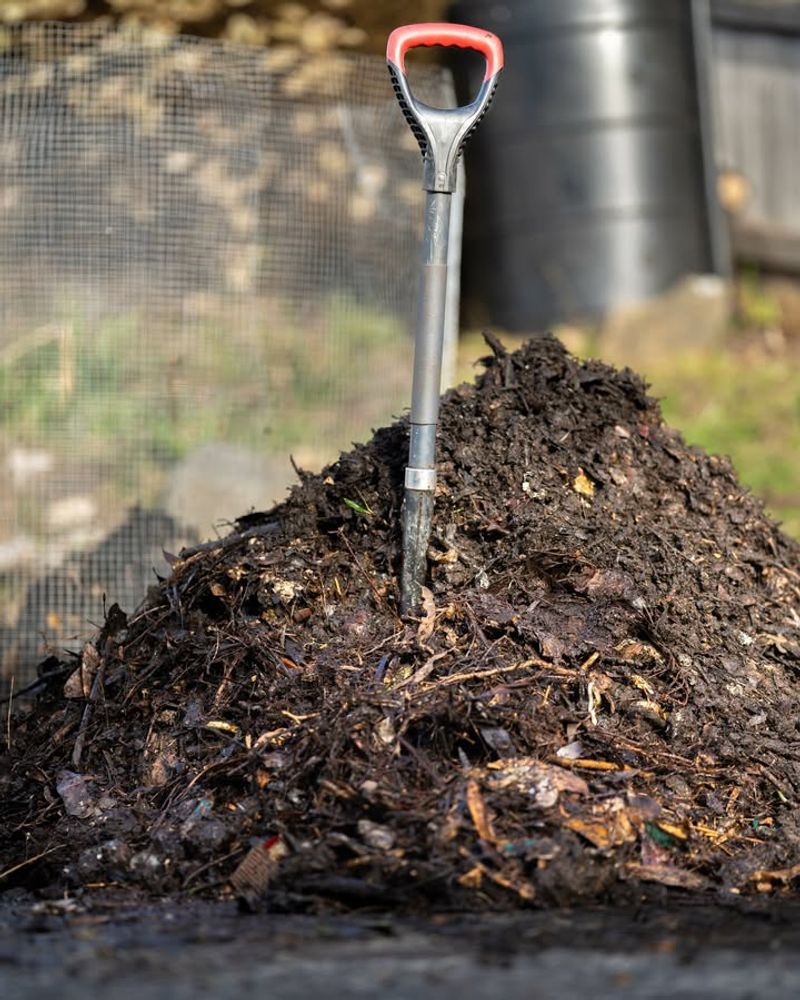
Animal manure brings powerful nutrients to Florida gardens when you handle it correctly. Composted cow manure, chicken manure, and horse manure all enrich soil with nitrogen, phosphorus, and beneficial microbes.
Fresh manure contains too much nitrogen and can actually harm plants, so proper aging or composting becomes absolutely essential before application.
Plan to add well-aged manure at least four to six weeks before planting edible crops to allow any potential pathogens to break down completely. Spread a one inch layer across your beds and work it into the top several inches of soil.
For ornamental gardens, you can apply composted manure right up until planting time without concerns about food safety.
Source your manure from farms or stables where you know animals haven’t received antibiotics or been fed hay treated with persistent herbicides. These chemicals can survive the composting process and damage sensitive garden plants for years afterward.
Always ask questions about feed and medication practices before hauling manure home.
Composted manure improves soil structure while delivering a slow-release nutrient boost that plants access gradually over time. The organic matter helps sandy soil retain moisture and nutrients instead of letting them leach away.
Your vegetables and flowers will reward you with robust growth and abundant production when soil contains the right balance of nutrients and organic amendments.
6. Soil Amendments That Improve Sandy Florida Soil
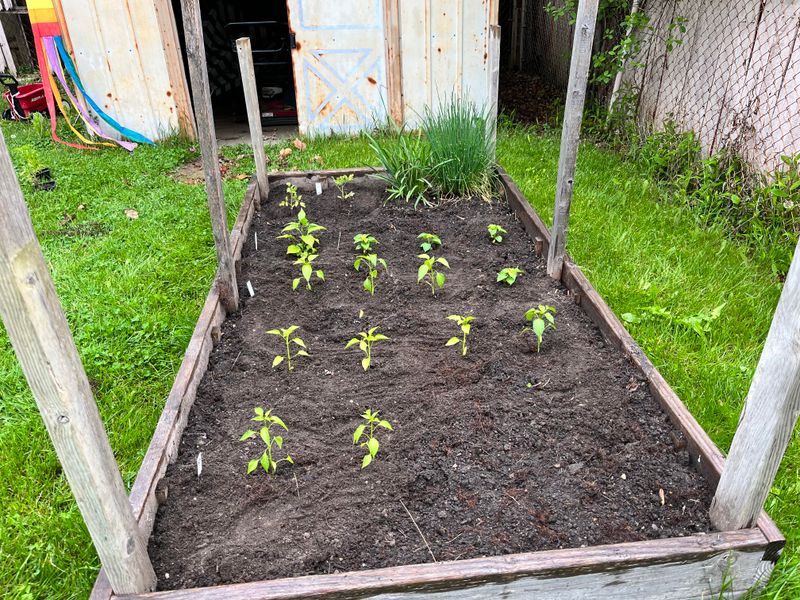
Specific mineral amendments can address common deficiencies in Florida’s naturally acidic, low-nutrient sand. Dolomitic lime raises pH levels in overly acidic soils while adding calcium and magnesium that plants need for strong cell walls and chlorophyll production.
Soil testing through your county extension office reveals exactly what your garden needs rather than guessing and potentially creating imbalances.
Greensand provides potassium and trace minerals while improving soil’s moisture-holding capacity. This natural material releases nutrients slowly over several years, making it an excellent long-term investment in soil health.
Apply amendments based on soil test recommendations, typically spreading them evenly and watering thoroughly to begin the incorporation process.
Sulfur lowers pH when soil tests reveal levels too high for acid-loving plants like blueberries or gardenias. Gypsum improves soil structure without changing pH, making it useful when you need to add calcium but don’t want to raise alkalinity.
These targeted amendments work best when applied at least a month before planting to give them time to react with soil particles.
Avoid the temptation to add amendments without testing first, since excess minerals can create problems worse than deficiencies. University of Florida IFAS Extension offices provide affordable soil testing services with recommendations specific to what you plan to grow.
Following science-based guidance ensures your amendments actually improve growing conditions rather than creating new challenges to overcome later.
7. What NOT To Add Before Spring Planting
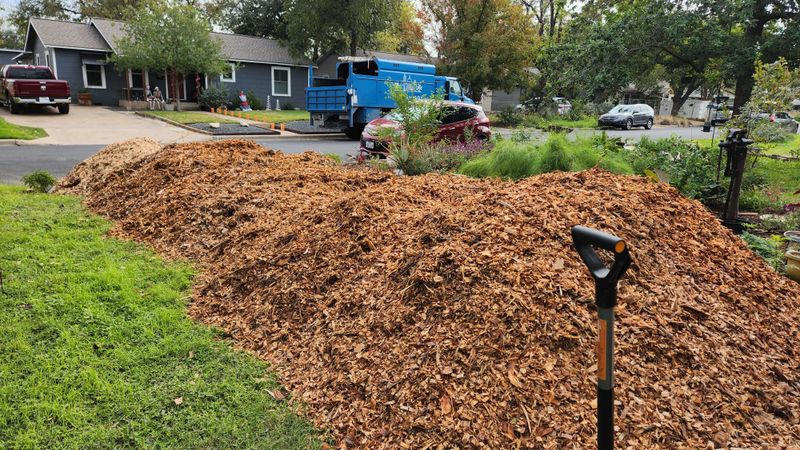
Some materials that seem helpful can actually create serious problems in Florida gardens. Fresh wood chips rob nitrogen from soil as they decompose, leaving plants pale and stunted until the breakdown process completes months later.
Save raw wood chips for pathways rather than mixing them into planting beds where roots need immediate access to nutrients.
Peat moss, while popular in other regions, is generally unnecessary in Florida, where pine bark or pine needles are better alternatives. It can still be used sparingly for acid-loving plants like blueberries.
Mining peat destroys sensitive wetland ecosystems, and the material becomes hydrophobic when it dries out in our climate. Compost and aged manure provide similar benefits without the environmental concerns or water-repelling problems.
Avoid adding large amounts of sand to clay soil or clay to sandy soil, as this can create concrete-like conditions. Small amounts of clay can help sandy soil hold water, but mix carefully and prioritize organic matter first.
Instead, focus on adding organic matter which improves both sandy and clay soils by creating better structure and drainage naturally over time.
Skip fertilizers with high salt content or synthetic chemicals that can damage soil biology and burn plant roots. Slow-release organic fertilizers work better for building long-term soil health while providing steady nutrition.
Never add materials contaminated with herbicides, pesticides, or industrial chemicals, as these substances persist in soil and can harm plants for years while potentially entering the food chain through vegetables and fruits you grow.
8. How To Apply Soil Additions For Best Results
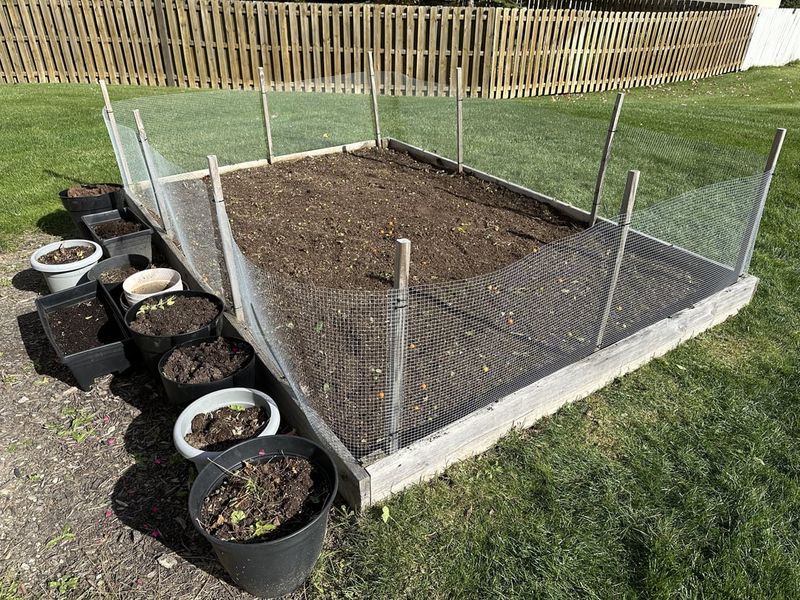
Proper application technique makes the difference between amendments that help and amendments that disappoint. Start by removing weeds and debris from your garden beds before spreading any materials.
Water the area thoroughly a day before application so amendments can begin interacting with moist soil immediately rather than sitting dry on the surface.
Spread materials evenly using a rake or your hands, creating uniform coverage across the entire bed. Avoid piling amendments against plant stems or tree trunks where excess moisture can cause rot.
For materials you plan to incorporate, use a garden fork to gently work them into the top four to six inches without disturbing deeper soil layers where beneficial organisms live.
Water again after application to settle materials and begin the integration process. This initial watering helps prevent light materials like compost from blowing away and starts the chemical reactions that make nutrients available to plant roots.
Mark your calendar to add more organic matter every few months since Florida’s warm climate causes it to break down faster than in cooler regions.
Keep records of what you add and when so you can track which amendments produce the best results in your specific garden. Every yard has unique conditions, and paying attention to how plants respond helps you refine your approach over time.
These simple application practices maximize the benefits of every amendment while protecting your investment of time and money in building better soil.