What To Do (And Not Do) When A Hawk Targets Your North Carolina Backyard Birds
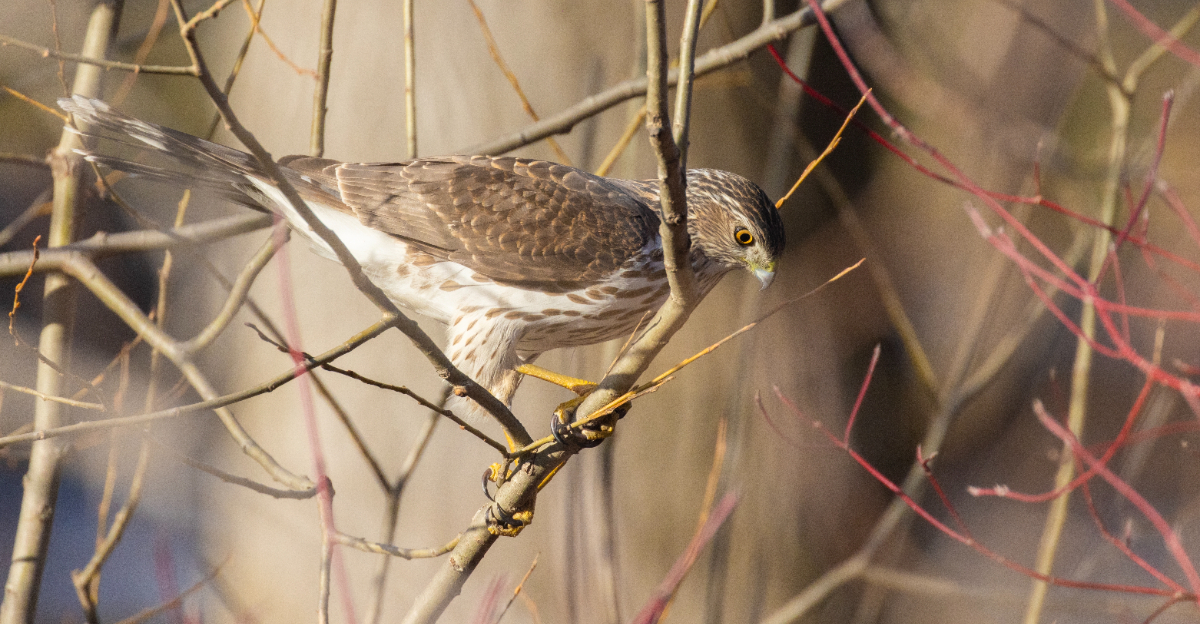
Watching a hawk take a bird from your backyard feeders is a jarring experience, and the immediate instinct for most people is to do something about it as quickly as possible.
North Carolina is home to several hawk species that have learned to associate backyard feeding stations with reliable and easy prey, and once a hawk establishes that pattern in your yard it tends to return on a regular schedule.
What most people reach for first in response often makes the situation worse or creates new problems.
There are also responses that work genuinely well, protect the birds you want to keep around, and do not interfere with the hawk in ways that create legal or ecological complications.
Understanding the difference between helpful and harmful responses matters a great deal here.
1. Provide Dense Cover For Birds
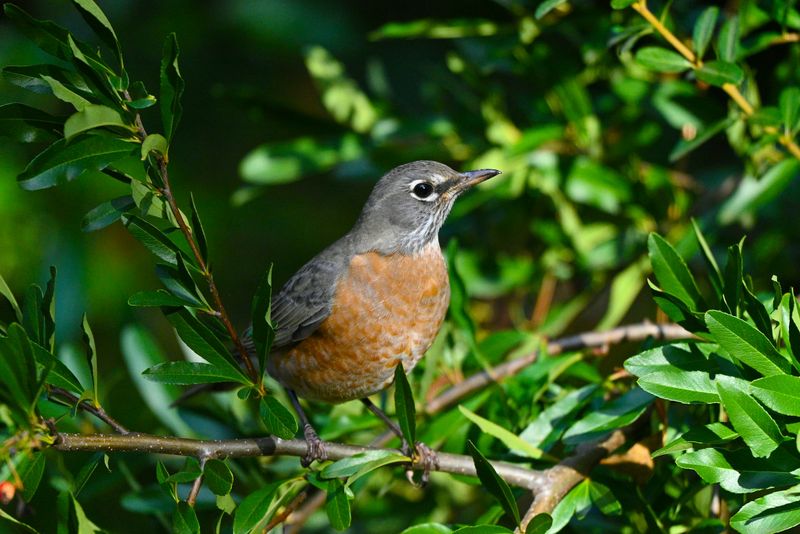
Walking through a well-planted North Carolina backyard feels like entering a tiny wildlife sanctuary, and that layered greenery does more than just look beautiful.
Dense shrubs, evergreen bushes, and native plants create a natural shield that small birds can dart into the moment danger appears overhead.
When a hawk swoops in, birds need cover within seconds, and thick plantings give them exactly that.
Native plants like Spicebush and Northern Bush Honeysuckle are excellent choices for North Carolina yards. They grow quickly, offer year-round foliage, and attract the insects that many small birds rely on for food.
Planting them in clusters rather than single rows creates even denser hiding spots that hawks simply cannot reach through.
Evergreens like Eastern Red Cedar or American Holly hold their leaves all winter, giving birds protection during the colder months when deciduous plants go bare.
Layering tall trees, mid-height shrubs, and low groundcover creates multiple escape routes at different heights.
Think of your yard as a bird apartment building where every floor offers a different level of safety. The more variety you plant, the more options your backyard birds have when a hawk decides your yard looks like a good hunting ground.
2. Place Feeders Near Cover
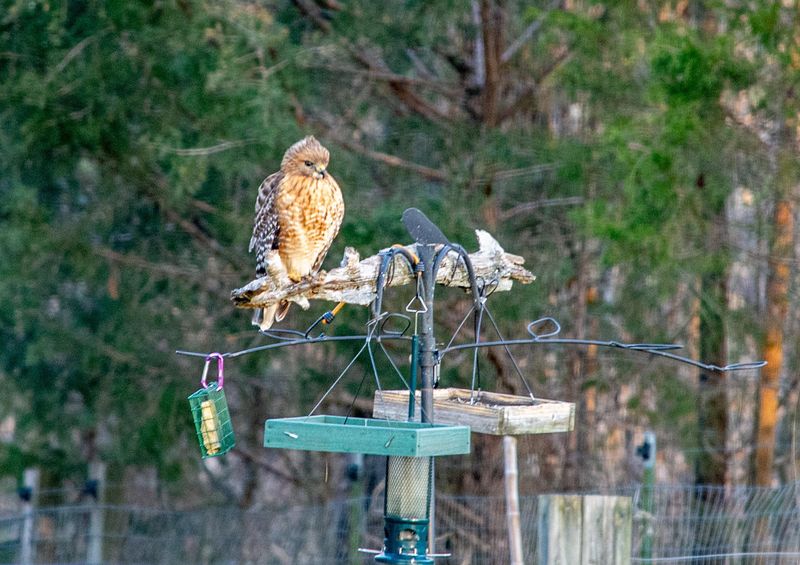
Picture a small chickadee grabbing a sunflower seed from your feeder, then glancing up to see a Cooper’s Hawk dropping fast from a nearby oak. If that feeder sits just two feet from a thick shrub, the chickadee escapes in a flash.
If the feeder stands alone in the middle of your yard, the story ends very differently. Positioning feeders within five to ten feet of dense shrubs, small trees, or hedgerows gives birds a fighting chance when a hawk appears.
Birds are instinctively aware of their surroundings, and they actually feel more comfortable feeding when cover is nearby. You may even notice more birds visiting your feeders once you move them closer to shelter.
Avoid placing feeders so deep inside shrubs that birds feel trapped, though. The sweet spot is close enough for a quick escape but open enough that birds can still see approaching threats from multiple directions.
Hanging feeders from branches at the outer edge of a shrub works really well for this balance.
Your North Carolina Garden Changes Every Week. Your Plan Should Too.
Gardening in North Carolina changes quickly throughout the season. Every Friday you’ll receive a simple weekly plan showing exactly what to plant, prune, fertilize, harvest, and protect so you never miss the right timing.
In North Carolina yards, native plantings like Inkberry Holly or Wax Myrtle make ideal feeder neighbors because they stay dense and leafy through most of the year, offering consistent protection no matter the season.
3. Rotate Feeder Locations Regularly
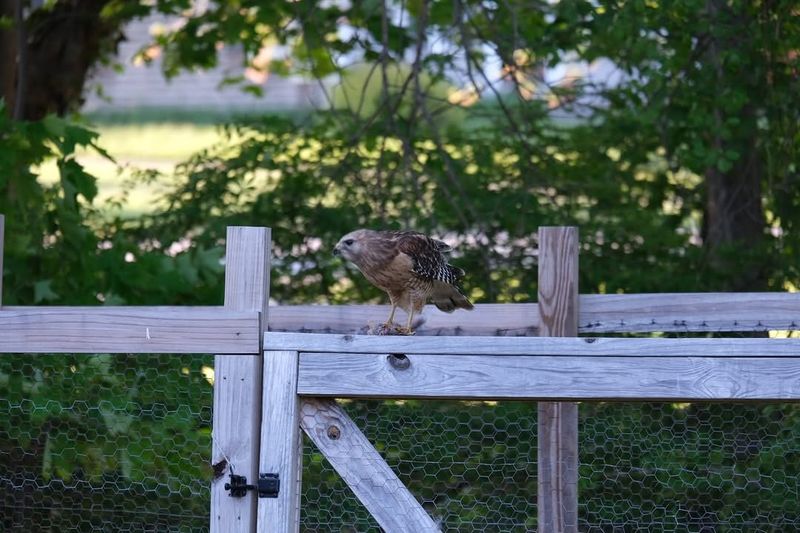
Hawks are surprisingly smart hunters. Once a Cooper’s Hawk or Sharp-shinned Hawk figures out that birds gather at a specific feeder every morning, it will start timing its visits to match your feeding schedule.
That predictability works against your backyard birds every single time.
Moving feeders every one to two weeks disrupts that learned hunting pattern. When the feeder is no longer where the hawk expects it to be, the bird of prey has to start scouting all over again, which takes time and energy.
Meanwhile, your songbirds get a chance to feed with a little less pressure from above.
Rotating locations does not have to be complicated or time-consuming. Simply shift a feeder a few yards to a new spot near different cover each time.
Keep a mental map of three or four good positions around your yard and cycle through them throughout the season.
North Carolina backyards with varied plantings offer natural rotation points, so use those existing trees, shrub borders, and garden beds to your advantage.
Some birding enthusiasts also temporarily remove feeders for a few days when hawk activity peaks, letting the predator lose interest before bringing the feeders back out.
Small, consistent changes like these can make your yard feel unpredictable enough that hawks look elsewhere for easier hunting opportunities.
4. Encourage Vigilant Bird Species
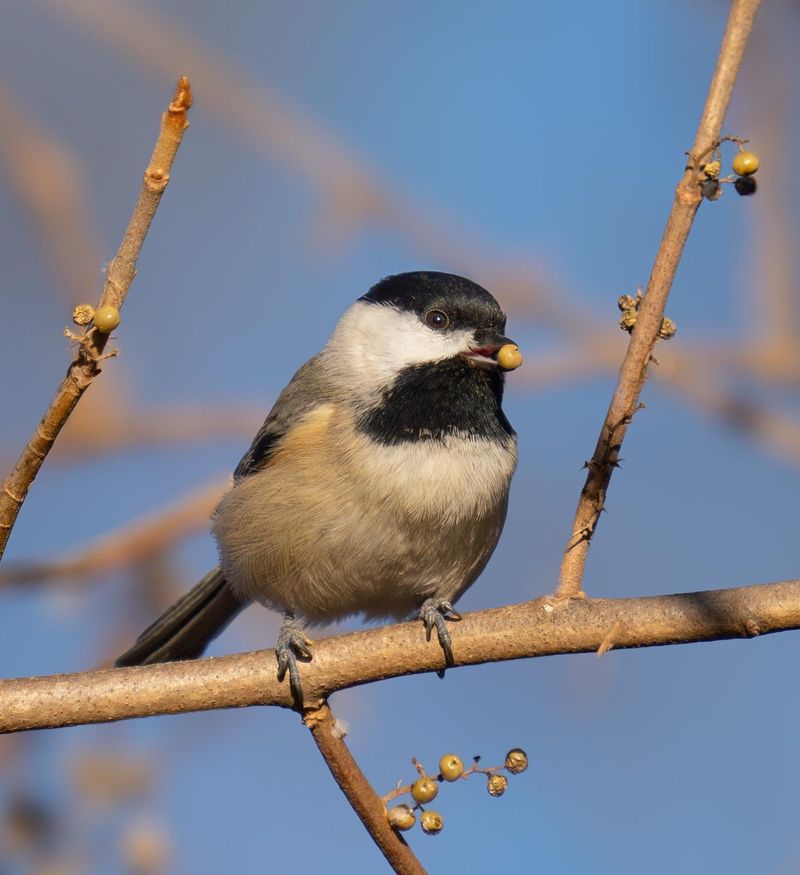
Some birds are natural lookouts, and attracting them to your yard is one of the smartest moves a North Carolina bird lover can make.
Carolina Chickadees, White-breasted Nuthatches, and Tufted Titmice are famously alert little birds that sound alarm calls the moment they detect a predator.
Other birds in the area hear those calls and scatter immediately, even if they never saw the hawk themselves.
Planting native shrubs and perennials that these watchful species love brings them into your yard consistently.
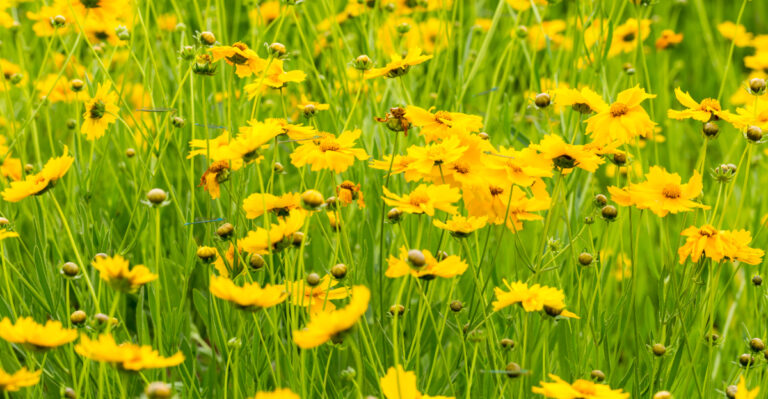
Native plants like Beautyberry, Black-eyed Susan, and Wild Azalea attract the insects and berries that chickadees and nuthatches actively seek out.
Once these birds feel at home in your garden, they become a free, full-time early warning system for every other bird visiting your feeders.
Research from wildlife biologists confirms that mixed flocks with alert species have higher survival rates against aerial predators than single-species groups.
Chickadees in particular have distinct alarm calls for different types of threats, including specific calls for fast-moving aerial predators like hawks.
Encouraging a diverse, multi-species flock through thoughtful native planting creates a community of birds that genuinely watches out for each other.
Your yard becomes safer not just through physical cover but through the living, breathing awareness of the birds themselves.
5. Do Not Place Feeders In Open Areas
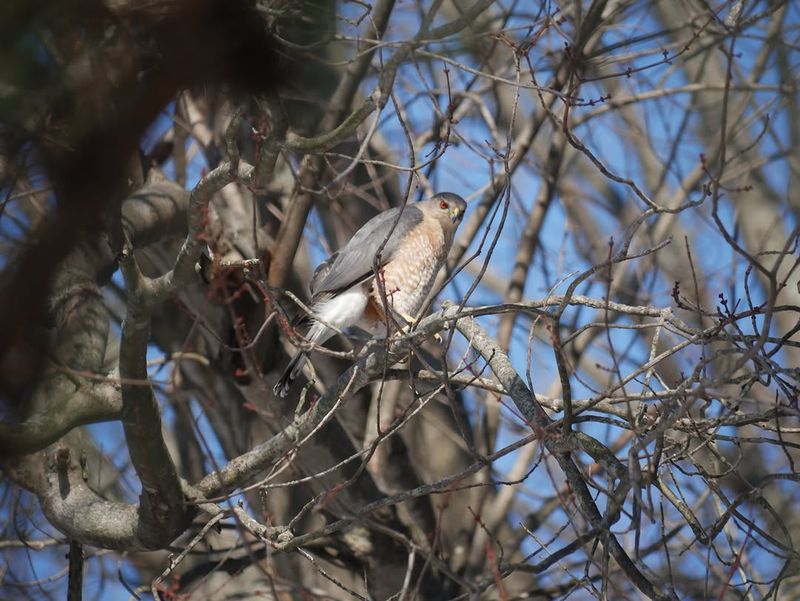
An open lawn might feel like a welcoming, easy-to-see spot for birds, but from a hawk’s perspective, it is a perfect hunting ground with no obstacles.
Birds feeding in the open have no quick escape route, which makes them easy targets for fast-diving raptors like Sharp-shinned Hawks and Cooper’s Hawks, both of which are common visitors to North Carolina yards during migration and winter months.
Feeders placed far from any trees, shrubs, or structures give birds almost no reaction time when a hawk strikes. Even a second or two of warning can mean the difference between escape and capture.
Bare, wide-open placement removes that buffer completely, and birds instinctively feel less safe there, which may actually reduce the number of birds visiting your feeders over time.
Moving feeders closer to fence lines, garden borders, or the outer edge of shrub groupings solves this problem without major landscaping work.
Even a single dense shrub planted near an existing feeder location provides meaningful protection.
North Carolina native options like Wax Myrtle, Possumhaw Holly, or Virginia Sweetspire grow relatively quickly and can be established within one to two seasons.
Combining new plantings with smart feeder placement is one of the most effective and affordable ways to make your backyard a genuinely safer space for the birds you love.
6. Do Not Overcrowd Feeders
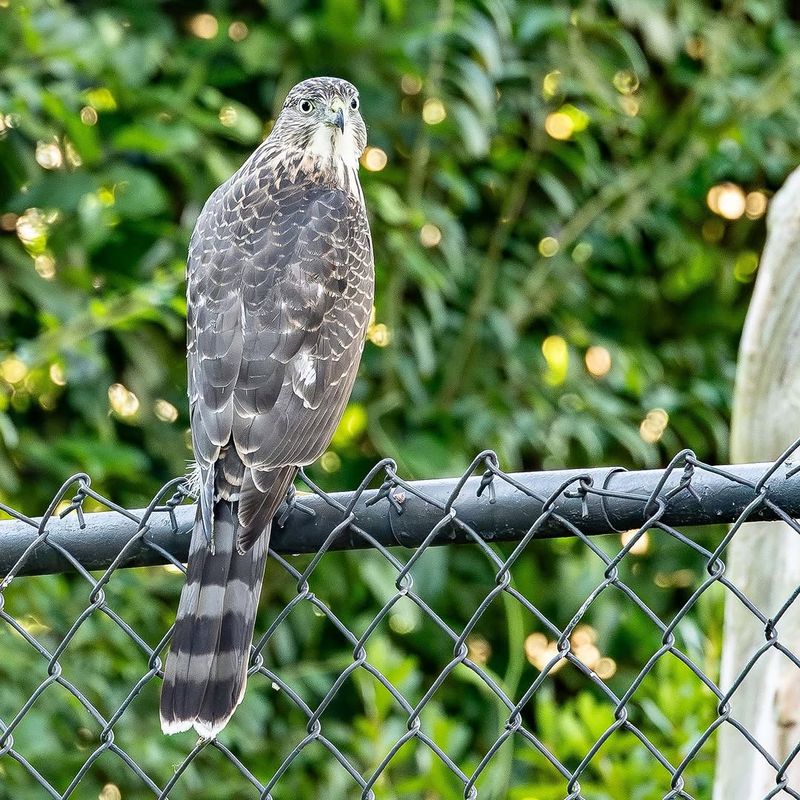
A feeder packed with birds might look like backyard bird paradise, but it actually creates a very risky situation. Large, dense groups of birds feeding in one spot are far more visible to hunting hawks than small, scattered groups.
A Cooper’s Hawk scanning from a tall tree nearby will zero in on a crowded feeder almost immediately because the movement and noise draw its attention like a flashing sign.
Spreading out your feeding stations reduces that concentrated target. Instead of one large feeder crammed with birds, try setting up two or three smaller feeders spaced around different parts of your yard, each positioned near its own patch of cover.
This spreads birds out naturally and makes each individual bird less exposed during feeding time.
Limiting the amount of seed you put out at once also helps control how many birds gather at the same time.
Filling feeders partway rather than to the brim encourages birds to feed in smaller, quicker bursts rather than long, lingering visits that leave them exposed.
North Carolina yards with multiple feeding zones tend to attract a wider variety of species too, since different birds prefer different feeder styles and heights.
Tube feeders, platform feeders, and suet cages placed in separate areas of the garden create a natural spread that benefits both bird diversity and overall safety from aerial predators.
7. Do Not Leave Fallen Seeds Or Fruit On The Ground
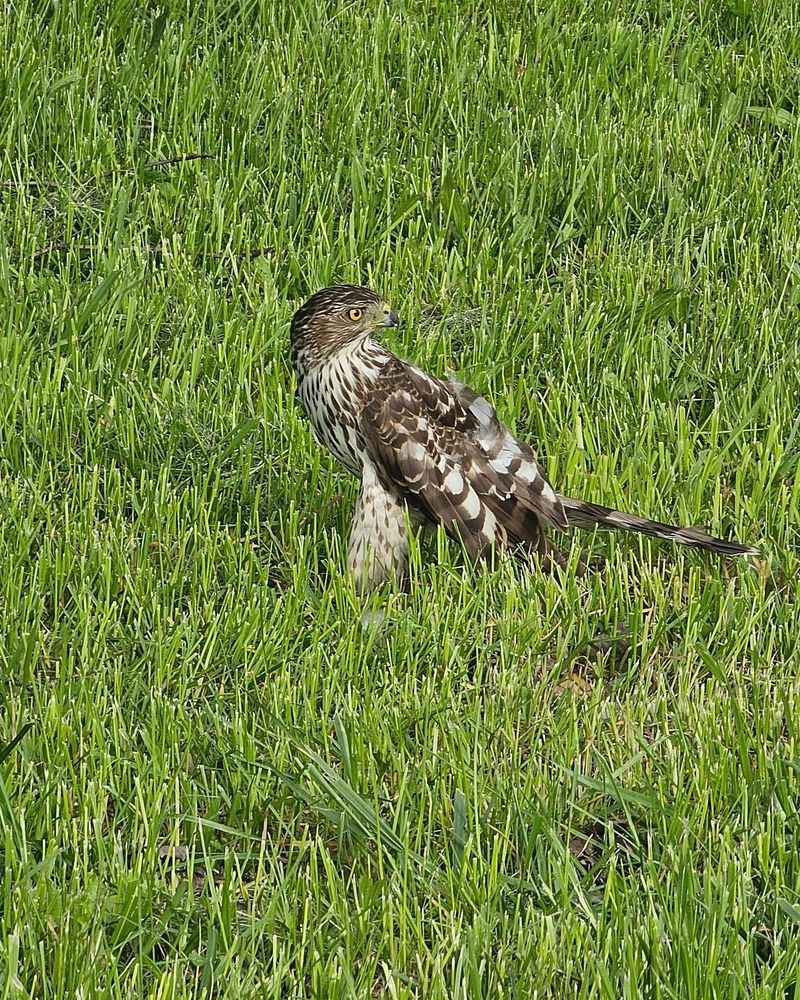
Ground cleanup might not be the most glamorous part of backyard birding, but it matters more than most people realize.
Fallen seeds, dropped fruit, and scattered hulls pile up beneath feeders quickly, and that debris attracts mice, voles, and other small rodents almost immediately.
Once rodents start visiting regularly, hawks do not come for your songbirds first. They come for the rodents, but they will absolutely take advantage of any small birds nearby while they are there.
Cleaning up beneath feeders every few days breaks that chain. A simple garden rake, a handheld broom, or even a leaf blower can clear fallen seed quickly before it becomes a rodent buffet.
Using feeders with trays that catch hulls and dropping seeds into a compost bin rather than leaving them on the ground makes a noticeable difference in how many unwanted visitors your yard attracts.
Choosing no-waste seed mixes is another practical option for North Carolina yards. Hulled sunflower seeds, shelled peanuts, and nyjer seeds leave very little mess behind because birds consume nearly everything without dropping shells.
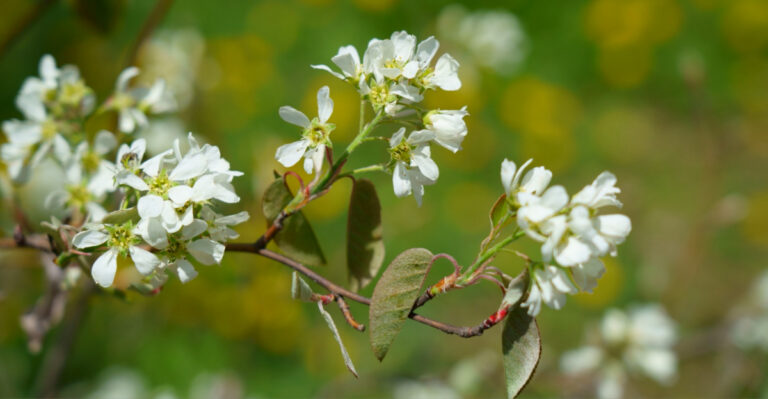
Fruit-bearing native plants like Serviceberry or Beautyberry are great additions to the yard, but picking up any dropped fruit regularly keeps the ground clean.
A tidy yard signals less food reward for rodents, which naturally reduces the hawk activity that follows them in.
8. Do Not Use Static Decoys Only
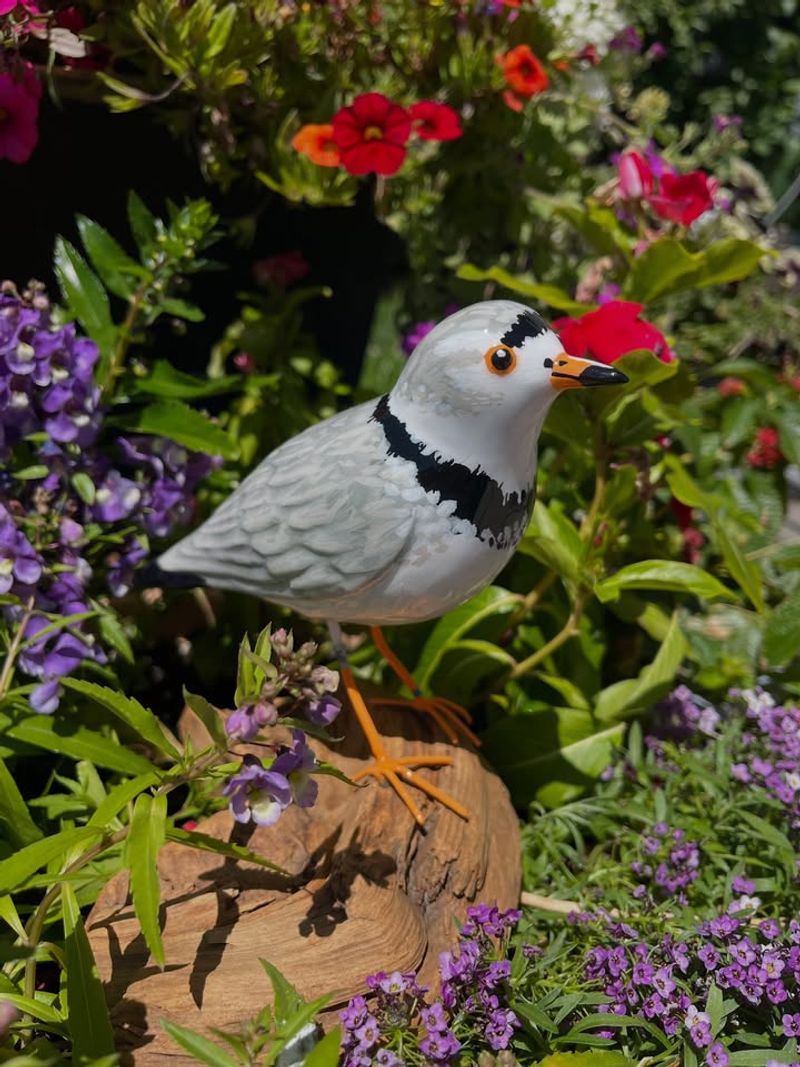
Plastic owls and hawk silhouettes look convincing at first glance, and many North Carolina homeowners pick them up hoping for an easy fix.
The problem is that birds and real hawks figure out very quickly that a decoy sitting in the same spot day after day never actually moves.
Within a week or two, songbirds stop reacting to it entirely, and it becomes nothing more than a garden ornament.
Movement is what makes a decoy effective. Rotating your owl or hawk decoy to a completely different location every two to three days keeps birds and actual predators guessing.
Some homeowners also use decoys that feature reflective surfaces or spinning parts that catch the wind, which adds realistic motion and extends how long the deterrent stays effective.
Combining decoy rotation with other protective strategies creates a much stronger defense than any single approach on its own.
Pairing a moveable decoy with dense cover planting, strategic feeder placement, and regular cleanup gives your backyard birds several layers of protection working together.
Hawk tape, which is a translucent ribbon with ultraviolet patterns that birds can see clearly, is another useful tool that pairs well with rotating decoys.
North Carolina yards that use multiple deterrent methods together tend to see noticeably lower hawk pressure over time, making the backyard a calmer and more welcoming place for the birds you enjoy watching every day.