What To Do If A Coyote Appears In Your Georgia Yard And Mistakes To Avoid
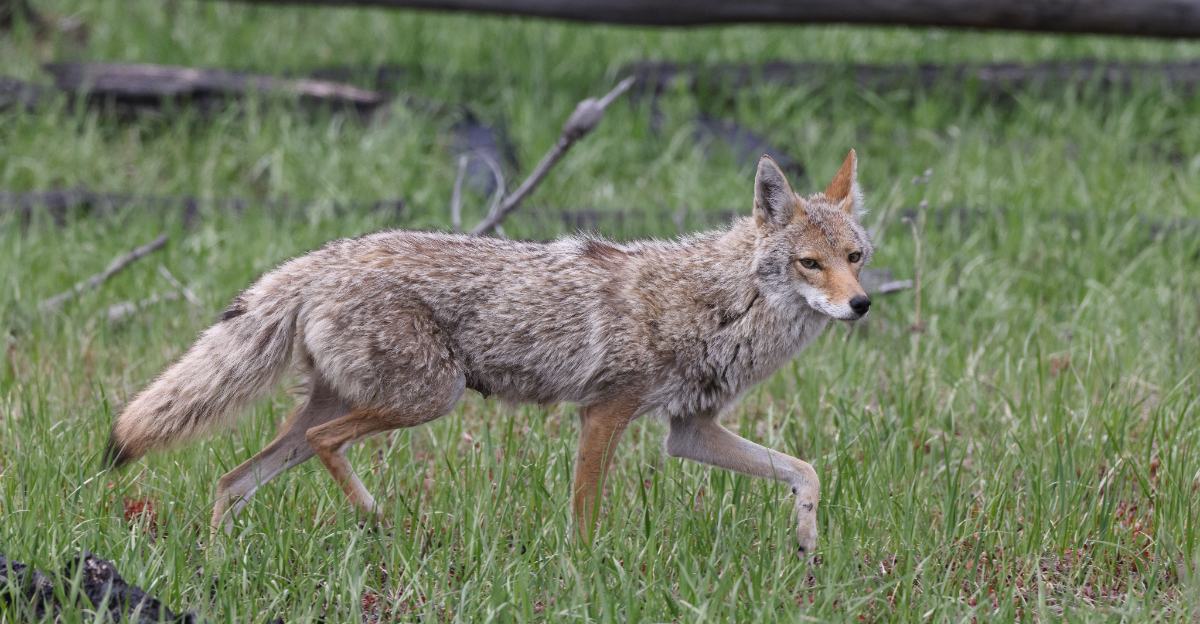
A coyote in the yard is not something most people expect to see, especially in a quiet Georgia neighborhood where everything usually feels familiar.
It might appear near a fence line or move across the back of the yard, and that moment can feel unsettling in a way that is hard to ignore. The animal pauses, looks around, and suddenly the space does not feel quite the same.
It is easy to freeze or react without thinking because the situation feels unexpected. One wrong move can change how the coyote responds, which is what makes that moment so important.
This is where knowing what to do ahead of time makes a real difference, because the right response can keep the situation calm while the wrong one can make it more complicated than it needs to be.
1. Stay Calm And Keep Your Distance
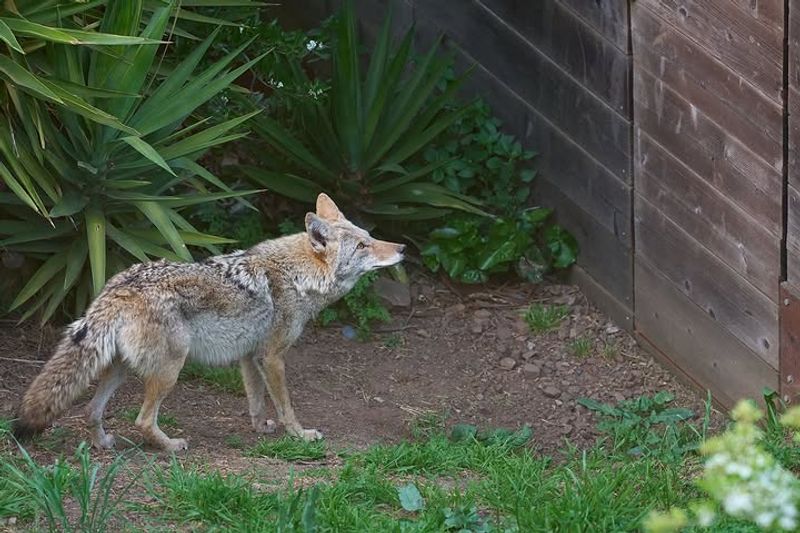
Panic is your worst enemy when a coyote wanders into your Georgia yard. Sudden movements, screaming, or rushing toward the animal can escalate a situation that might otherwise resolve itself in minutes.
Coyotes are naturally cautious around people, and most of the time, they are just passing through.
Keeping at least 50 feet between you and the animal is a solid starting point. Back away slowly if the coyote is closer than that, and keep your movements steady and deliberate.
Facing the animal while you move back sends a clear signal that you are aware of it without triggering any defensive reaction.
Loud, sharp noises work well as a deterrent. Clapping your hands firmly, banging two objects together, or shouting in a deep, firm voice can encourage the coyote to move along.
Georgia wildlife officials often call this technique hazing, and it reinforces the coyote’s natural wariness of humans.
Maintaining eye contact while you make noise helps establish your presence as something the coyote should avoid. Avoid crouching down or making yourself look smaller, since that can read as submissive or non-threatening to a wild animal.
Standing tall and holding your ground communicates confidence without aggression.
2. Call Local Animal Control If The Coyote Does Not Leave
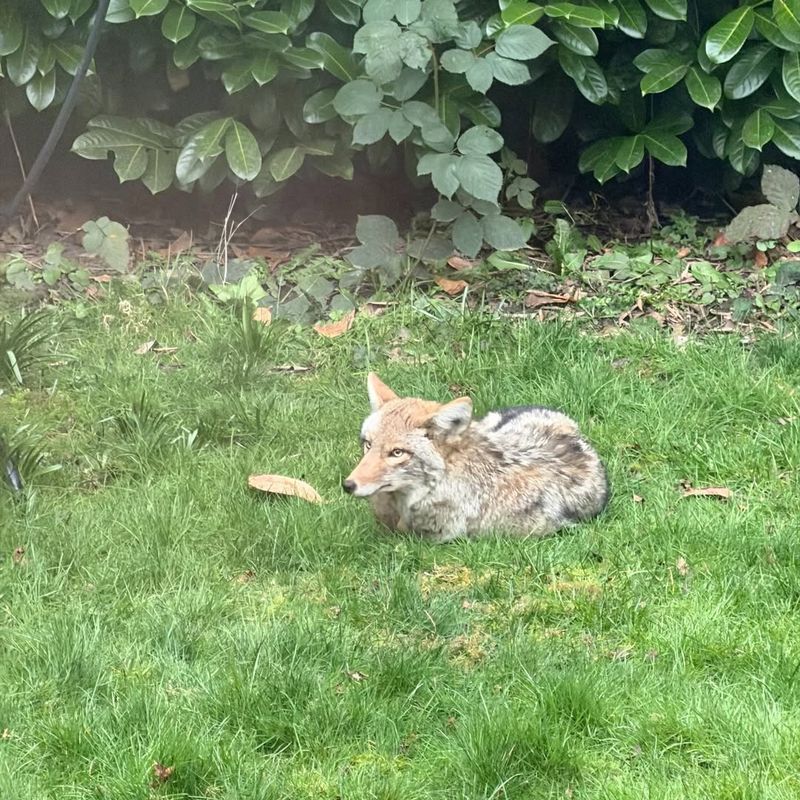
A coyote that sticks around for more than 15 or 20 minutes, especially one that seems uninterested in leaving, is worth a phone call to local animal control. Normal coyote behavior involves moving through an area quickly.
When one lingers, paces along a fence line, or keeps returning despite your hazing efforts, that changes the picture.
Georgia has county-level animal control agencies as well as the Georgia Department of Natural Resources Wildlife Division, both of which handle situations involving wild animals in residential areas. Having those numbers saved in your phone ahead of time is genuinely useful.
Searching for your specific county’s animal control contact takes less than two minutes and could save a lot of stress later.
Aggressive behavior is a clear signal to call immediately rather than wait. Growling, charging, or showing no response to loud noises are not typical behaviors, and they indicate the animal may be sick or injured.
Your Georgia Garden Changes Every Week. Your Plan Should Too.
Gardening in Georgia changes quickly throughout the season. Every Friday you’ll receive a simple weekly plan showing exactly what to plant, prune, fertilize, harvest, and protect so you never miss the right timing.
Reporting these signs quickly helps authorities respond before the situation becomes more serious.
When you call, describe the coyote’s behavior as clearly as possible. Note whether it appeared disoriented, whether it was limping, or whether it showed no reaction to noise.
Specific details help wildlife professionals determine the right response and send the appropriate resources.
3. Bring Pets Inside And Keep Watch Outside
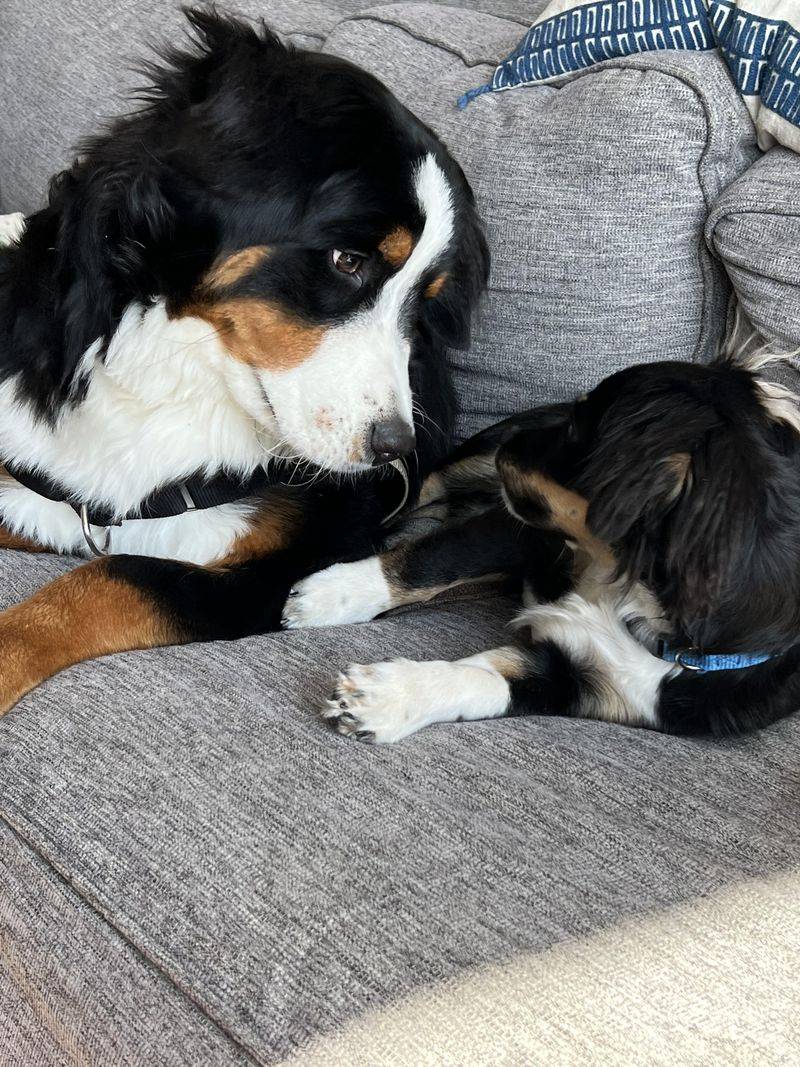
Small dogs and cats are genuinely vulnerable when a coyote is nearby. Coyotes are opportunistic, and a small pet left alone outside even briefly can attract attention from a coyote that might otherwise pass through without incident.
Getting pets inside the moment you spot one in your Georgia yard is the right first move.
Even medium-sized dogs are not necessarily safe on their own. Coyotes are quick, agile, and familiar with suburban environments across Georgia.
A fenced yard offers some protection, but it is not foolproof since coyotes can clear surprisingly tall fences or squeeze under gaps with ease.
After your pets are inside, keep an eye on the yard before letting them back out. Check the perimeter of your fence for signs the coyote passed through or is still nearby.
Scent marking, disturbed mulch, or tracks near the fence line are worth noting.
Leashing pets during evening and early morning hours is a practical habit in Georgia neighborhoods near wooded areas or green spaces. Coyotes are most active at dawn and dusk, so those windows carry higher risk.
Walking your dog on a leash and staying in well-lit areas during those times reduces exposure significantly.
4. Secure Trash And Remove Outdoor Food Sources
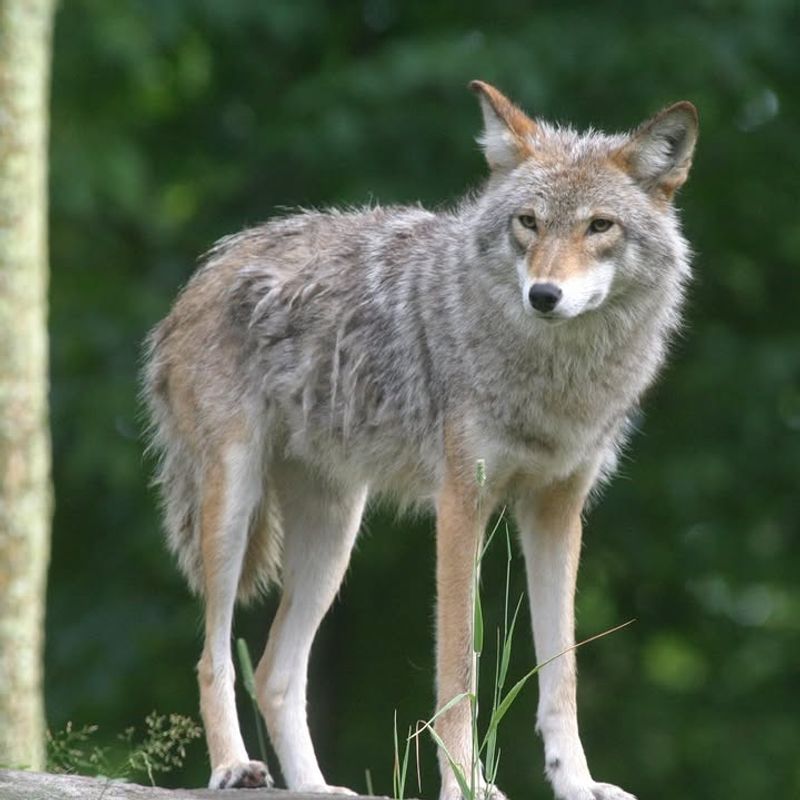
Coyotes showing up in Georgia yards are often following their nose more than anything else. Unsecured garbage, fallen fruit, outdoor pet food bowls, and even bird feeders can pull a coyote right into your yard before you even realize it.
Removing those attractants is one of the most effective long-term strategies you have.
Trash cans with locking lids make a real difference. Standard lids that sit loosely are easy for coyotes and other wildlife to knock off.
Hardware stores carry affordable bungee cord systems or latch-style lids designed specifically to keep animals out, and they are worth the small investment.
Bird feeders deserve a closer look too. Seed that spills onto the ground draws rodents, and rodents draw coyotes.
Switching to tube-style feeders that minimize spillage or temporarily removing feeders when coyote activity is high in your Georgia neighborhood can reduce foot traffic from unwanted visitors.
Fruit trees and garden compost piles are also worth managing carefully. Fallen fruit left on the ground overnight is an easy meal, and compost that includes food scraps sends a strong scent signal to any coyote in the area.
Picking up fallen fruit regularly and using an enclosed compost bin limits the problem considerably.
5. Running Can Trigger A Chase Response
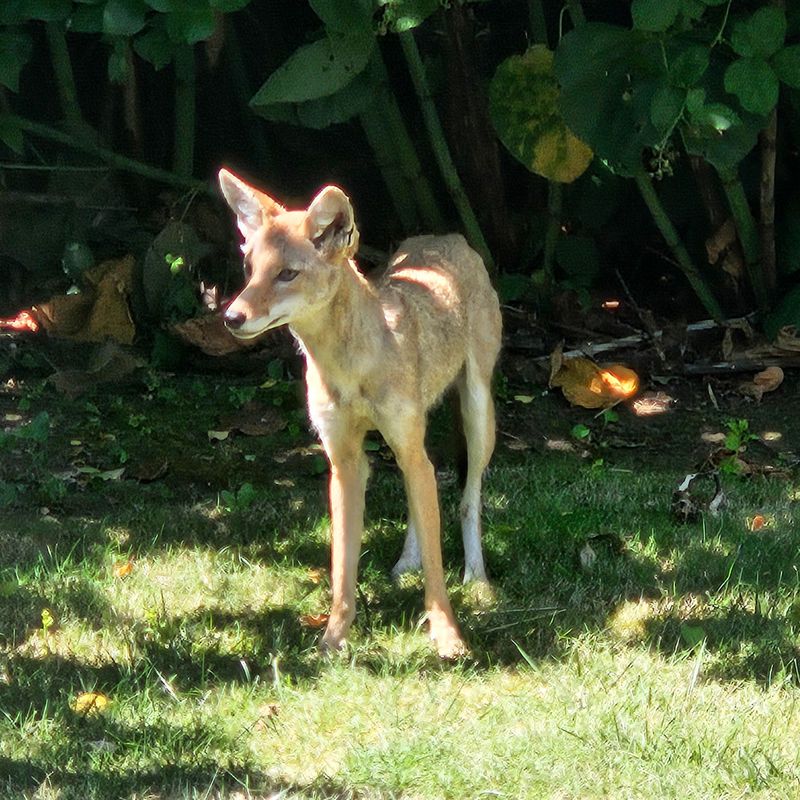
Spinning around and sprinting away from a coyote is one of the fastest ways to make a calm situation go sideways. Coyotes have a strong instinct to chase moving targets, and a person running away can shift their behavior from curious to pursuit within seconds.
Standing your ground matters more than most people realize.
Backing away slowly while keeping your eyes on the animal is the recommended approach. Turning your back completely removes your visual presence as a deterrent and signals retreat, which is the opposite of what you want to communicate.
Slow, steady backward movement while facing the coyote keeps you in control of the dynamic.
Continuing to make noise while you back away is helpful. A firm voice, repeated clapping, or even stomping your feet on the ground reinforces your presence.
Georgia wildlife biologists consistently recommend this kind of assertive response over passive retreating.
Children especially need to understand this behavior around wildlife. Instinctively, kids want to run when they are scared, which is completely natural.
Talking to children ahead of time about what to do if they see a coyote in your Georgia yard can prevent a reflexive reaction from creating a more dangerous situation.
6. Feeding Coyotes Makes Them Lose Fear Of People
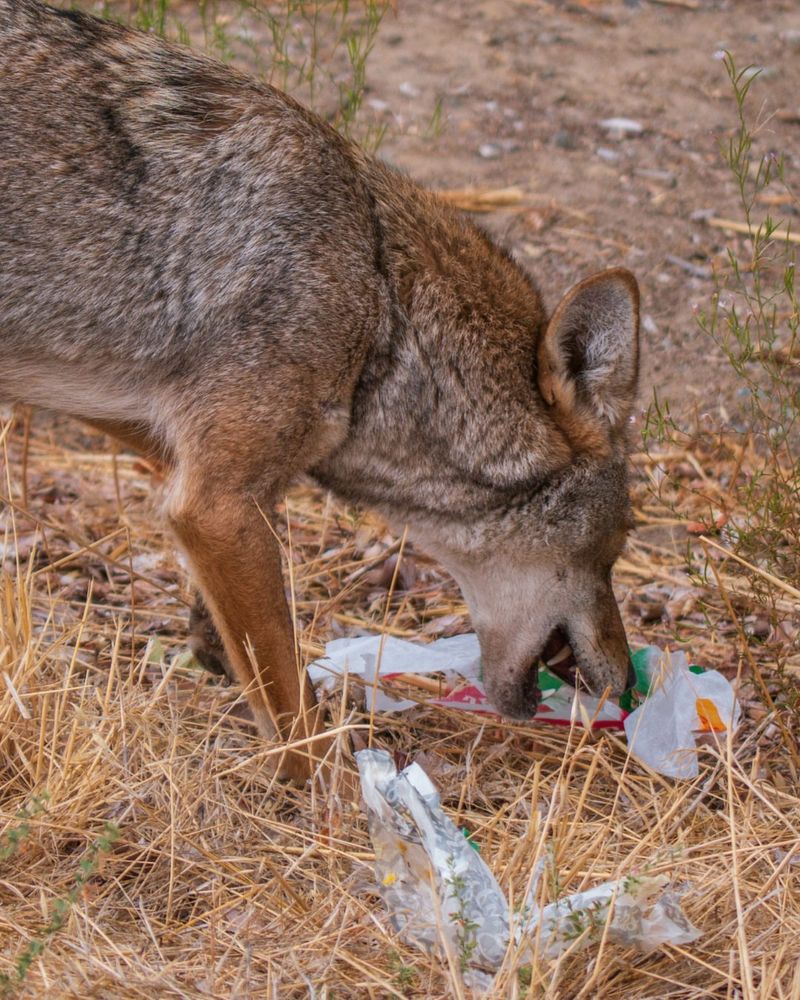
Intentionally feeding a coyote might feel harmless or even kind in the moment, but it sets off a chain of events that rarely ends well for the animal or the neighborhood. Coyotes that associate humans with food quickly lose the wariness that keeps both sides of that interaction safe.
Once that wariness is gone, it is extremely difficult to restore.
Across Georgia, wildlife officials regularly field complaints about bold, overly comfortable coyotes in residential areas. In many of those cases, the pattern traces back to intentional or accidental feeding by residents.
Even tossing out bread scraps or leaving food near the yard edge with good intentions contributes to the problem over time.
A coyote that has been fed begins to approach yards more frequently and with less hesitation. That shift in behavior tends to alarm neighbors, and the animal often ends up being reported as aggressive or dangerous when it was simply conditioned to expect a reward near human homes.
Feeding creates that expectation directly.
Indirect feeding matters just as much. Leaving pet food outside, not cleaning up after backyard cookouts, or allowing compost to sit open all contributes to the same outcome.
Coyotes are smart and adaptable, and they learn quickly which yards offer something worth returning to in Georgia neighborhoods.
Keeping your yard unappealing to coyotes is genuinely the most humane approach.
7. Approaching Increases Risk For Both You And The Animal
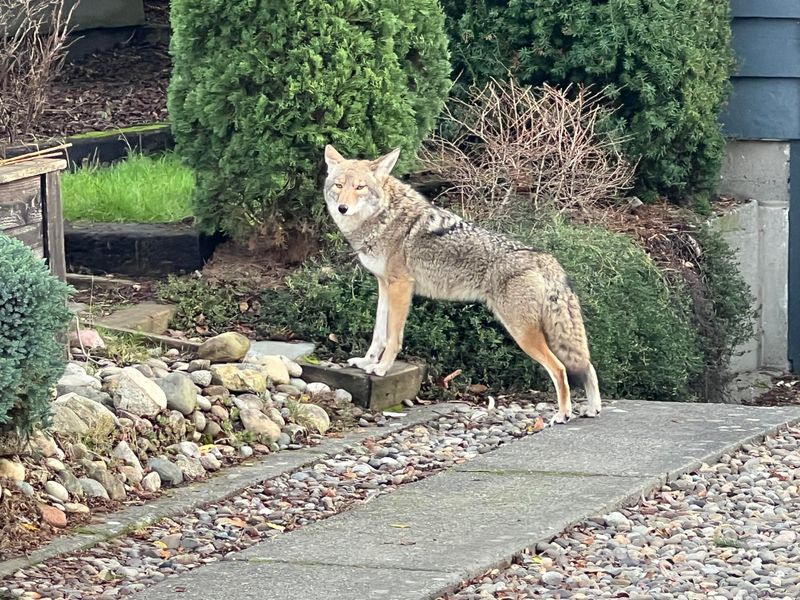
Getting closer to a coyote to see it better, photograph it, or try to shoo it away manually is a mistake that happens more often than people expect.
Coyotes that feel cornered or approached too closely can react defensively, and a defensive coyote is far more unpredictable than one that simply wandered through.
Distance is your greatest advantage in any encounter.
Photographing wildlife is tempting, especially when an animal shows up unexpectedly in your Georgia yard. A zoom lens or a phone camera from inside your home is a much safer option than stepping outside and moving toward the animal for a better shot.
Keeping the door between you and the coyote while you document its behavior is smart and practical.
Approaching also puts the coyote at risk. An animal that is repeatedly approached by humans in Georgia neighborhoods may eventually need to be removed by wildlife authorities if it becomes too habituated to close human contact.
Keeping your distance actually helps protect the animal’s long-term wellbeing.
Children and teenagers sometimes approach wildlife out of curiosity or a desire to interact, especially if the animal looks calm or non-threatening.
Clear conversations about why distance matters, even when an animal seems relaxed, are worth having before an encounter happens rather than during one.