What To Do If A Rattlesnake Settles Under Your California Porch
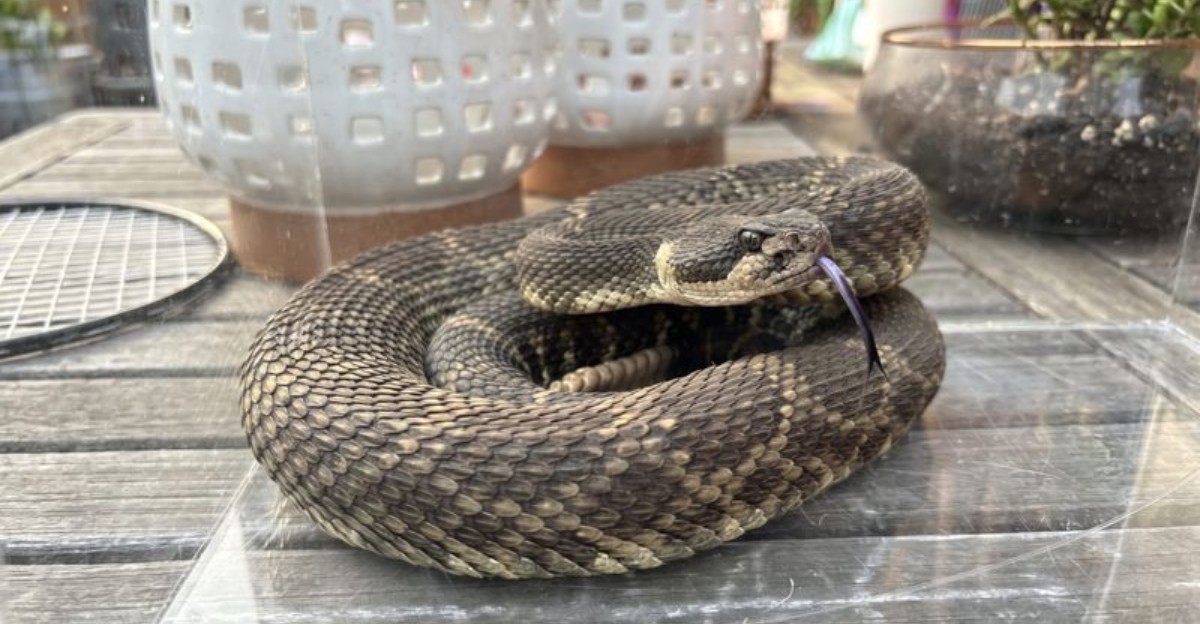
Some discoveries stop a household in its tracks. A single sound from beneath the front steps can turn an ordinary afternoon into a tense one, leaving everyone unsure of the next move.
In many parts of California, that moment is more common than people expect, and it often arrives during the warmer stretches of fall.
Instinct tends to push people toward quick fixes. Many of those well-meaning reactions create far more danger than they solve.
A calm, clear plan works much better, protecting everyone in the home while respecting a wild visitor that simply wants to be left alone.
Sometimes the bravest move on a porch is simply stepping back and letting the right help handle things.
Keep Everyone Away From The Porch
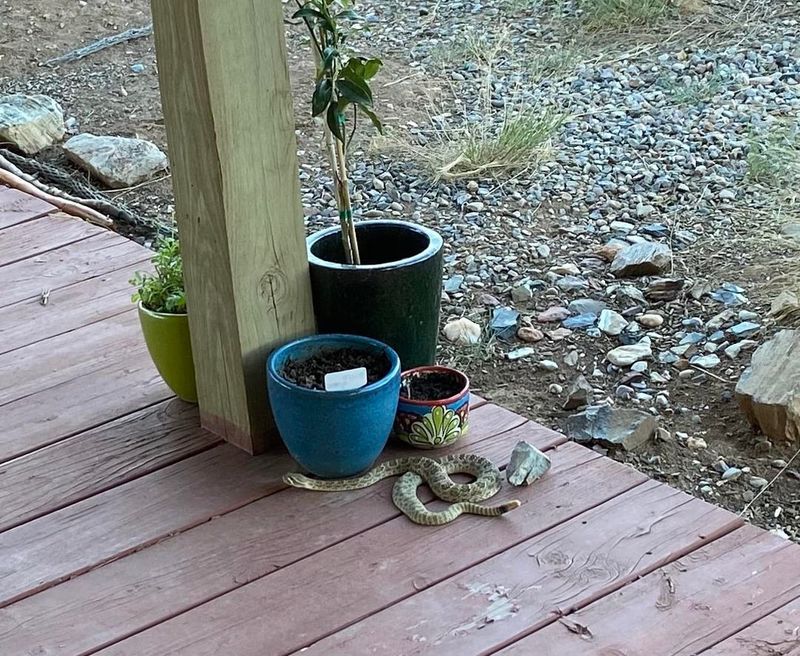
Striking range covers about half to two-thirds of a rattlesnake’s body length. For most adult snakes, that amounts to only a few feet, yet people often misjudge where a hidden snake actually lies.
Extra space becomes the best protection. Stepping back right away and giving the porch a wide berth keeps everyone safer.
A good guideline calls for staying at least several feet from the snake or the spot where the rattle sounded. More distance works even better when the snake isn’t clearly visible.
Another door can handle comings and goings, and visitors are best kept off those steps entirely.
Slow movements help during the retreat. Rattlesnakes don’t chase people, and quick, jerky motions can make a nervous snake feel threatened.
A calm exit signals that no danger exists. Most of the time, the snake simply stays put or slips away on its own.
A simple warning helps when others might stop by. A sign on the gate or a chair blocking the walkway works fine, and a quick text can alert neighbors, delivery drivers, or the mail carrier.
The urge to lean in for a closer photo is best resisted. Phones encourage people to creep forward without noticing.
Zooming in from a safe spot solves that problem. A blurry picture taken from far away beats a sharp one taken from inside striking range by a wide margin.
Bring Pets And Kids Indoors
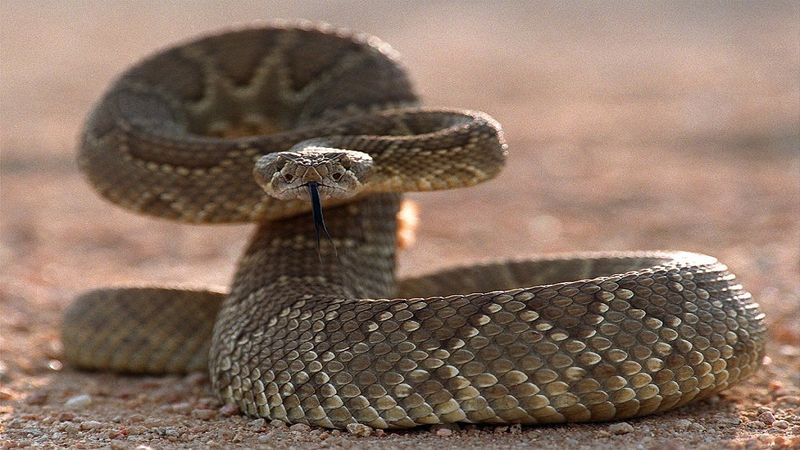
Curious noses and small hands face the highest risk. Dogs love sniffing under porches, and children may want a close look, so both wander into striking range far more easily than adults.
Bringing everyone inside right away makes the most sense. A back or side door keeps anyone from passing near the porch.
A calm, cheerful voice works better than shouting when calling dogs. A leash helps with any dog likely to bolt toward the noise, and cats are safest in a closed room.
The message for children can stay simple: a snake is resting under the porch, and a helper is on the way.
Touching or poking a snake is off limits, even one that looks still. Snakes that seem asleep can still bite, and young rattlesnakes can deliver a serious bite, too.
A quick headcount catches anyone missed. Kids, pets, and even chickens or rabbits in outdoor pens all deserve a check.
Your California Garden Changes Every Week. Your Plan Should Too.
Gardening in California changes quickly throughout the season. Every Friday you’ll receive a simple weekly plan showing exactly what to plant, prune, fertilize, harvest, and protect so you never miss the right timing.
Small animals in hutches near the porch can move only when they’re reachable safely from a distance. Otherwise, they stay put, and the professional hears about them on arrival.
Once everyone is inside, closed doors and latched screens keep things secure. A quiet house makes the wait easier.
A snack and a favorite movie can help pass the time while experts handle the work outside. Indoors offers the best seat in the house for this particular show.
Never Poke Or Pour Anything Underneath
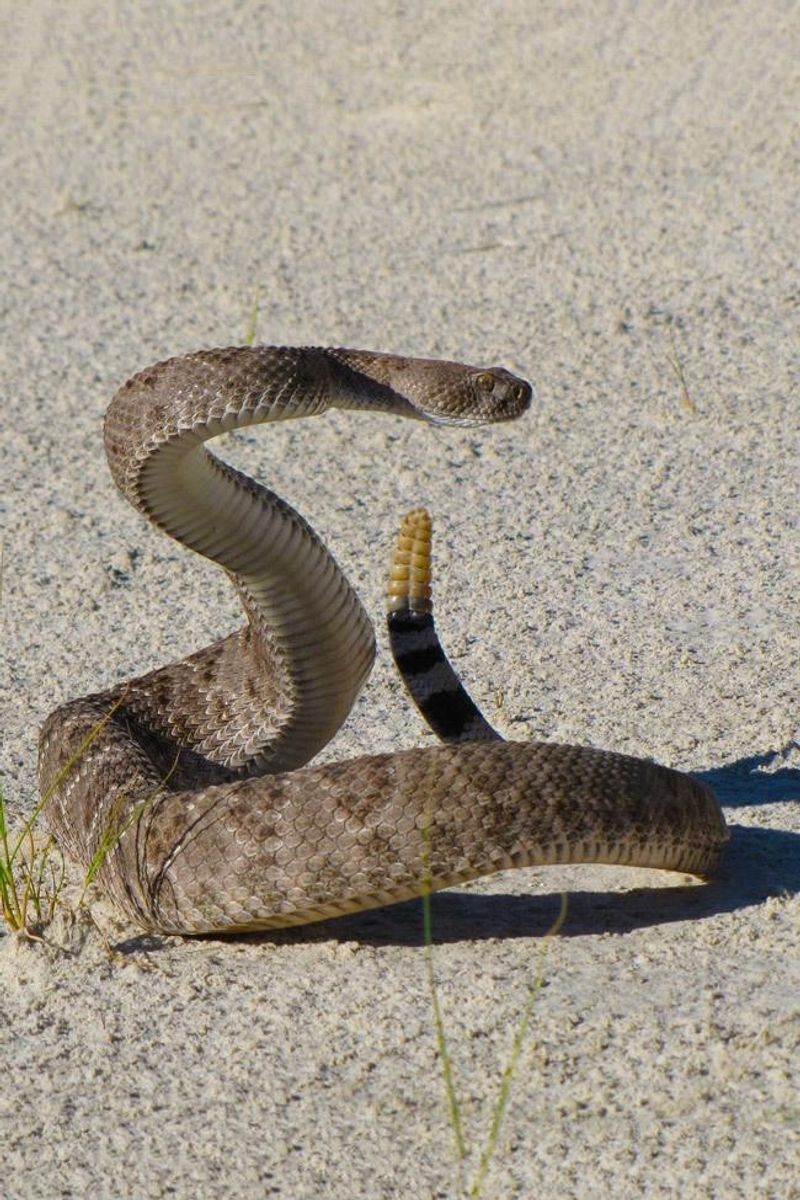
A garden hose, a rake handle, and a can of gasoline might sit nearby, each looking like a quick fix. Every one of them can turn a quiet snake into an upset one.
Poking under the porch with a stick or broom brings hands and arms close to the snake. A cornered rattlesnake defends itself.
Many bites happen exactly this way, when people try to force a snake out rather than waiting for help. Waiting for trained help avoids that risk entirely.
Flooding the space with a hose rarely works either. Water can push the snake in an unplanned direction, such as straight toward someone’s feet or deeper under the house.
Tracking its location also becomes harder, which complicates removal for the professional later.
Gasoline, bleach, and other chemicals pose serious dangers. Gasoline fumes can ignite and spread fire beneath wooden decks very quickly.
Chemicals soak into soil, endanger pets, pollute groundwater, and can violate environmental and pesticide laws. The risks far outweigh any imagined benefit.
Mothballs and powders sold as snake repellents deserve a pass, too. UC IPM notes that no repellent has proven effective against rattlesnakes. Mothballs used this way also go against label directions and pose risks to people and pets.
Hands, tools, and chemicals belong far from the porch. Patience stands as the safest tool available right now, and it costs nothing.
Call A Licensed Snake Removal Professional
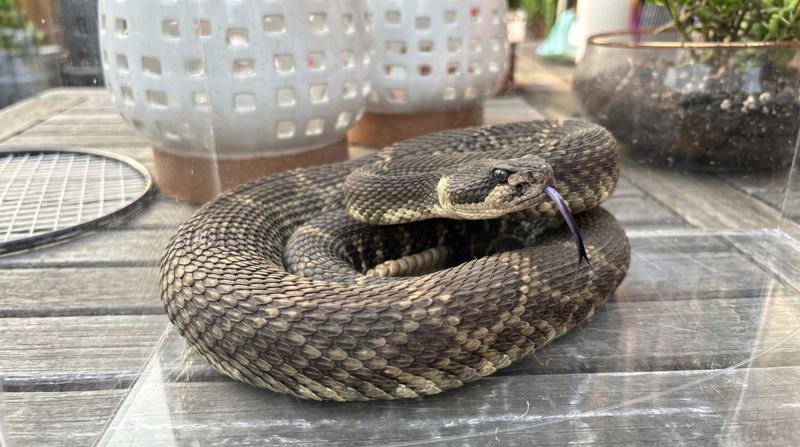
Trained snake handlers carry long tongs, hooks, and secure containers designed for this exact job. Their ability to read a snake’s posture and keep hands out of reach turns a tense situation into a quick, routine visit.
A licensed wildlife control operator or snake removal service makes the best first call. Many California communities near open land have local experts who answer rattlesnake calls all season.
Questions about licensing, insurance, and experience with venomous snakes help confirm the right fit before anyone arrives.
Clear details on the phone speed things up. Where the snake sits, how long it has been there, and whether it remains visible all matter.
Pets, kids, and tight spaces under the porch deserve a mention, too. Many professionals appreciate a photo taken from a safe distance.
Rattlesnakes are native reptiles and an important part of the ecosystem. They help control rats, mice, and ground squirrels.
The California Department of Fish and Wildlife oversees wildlife rules, and a professional will know which ones apply locally.
Asking what happens to the snake after capture makes sense. Many services relocate it a short distance to suitable habitat when local rules allow.
Some also inspect the porch for gaps and offer tips on keeping snakes out. That extra advice can prevent a second call next season, especially as fall sends snakes searching for winter shelter.
Contact Local Animal Control For Help
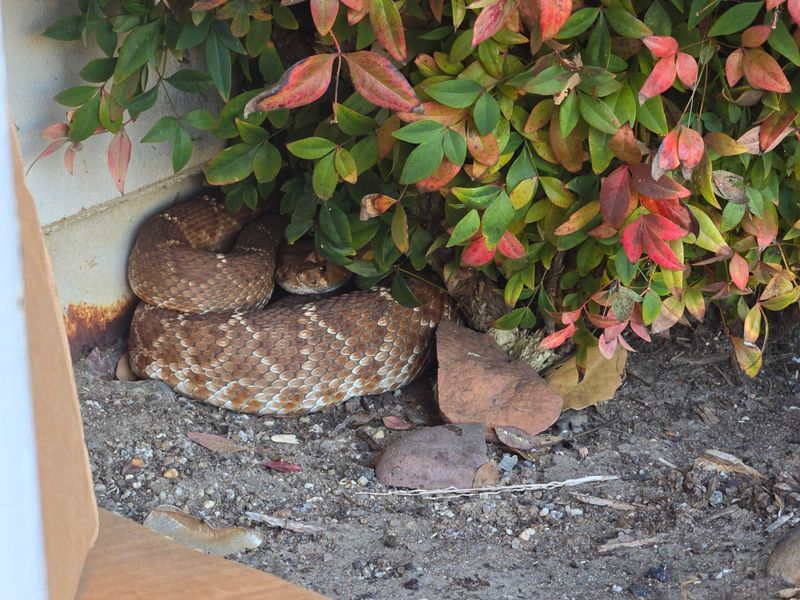
Few towns keep a snake specialist on speed dial, and plenty of homeowners rarely think about one until the day they need it. Local animal control can serve as a helpful backup when private services are booked or too far away.
City or county animal services numbers are easy to find online. Some agencies respond to rattlesnake calls, especially when a snake sits close to a home, school, or busy area.
Others offer advice by phone or refer callers to trusted removal services nearby, which still saves valuable time.
The non-emergency police or sheriff line works when animal control is closed. Dispatchers often know who handles snake calls locally.
911 stays reserved for true emergencies, such as a bite or a person in immediate danger.
A few questions usually come up during the call. Address, snake location, and confidence that it’s truly a rattlesnake top the list.
Color, pattern, and any rattling sound help with identification. Gopher snakes often get mistaken for rattlesnakes because they hiss and shake their tails, but they lack a true rattle.
A card inside a kitchen cabinet makes a handy reference. Animal control, a snake removal service, the family veterinarian, and Poison Control at 1-800-222-1222 all belong on it.
During a scare, scrolling through search results with shaky fingers helps no one. A little preparation now keeps nerves steady later.
Watch From A Safe Distance Until Help Arrives
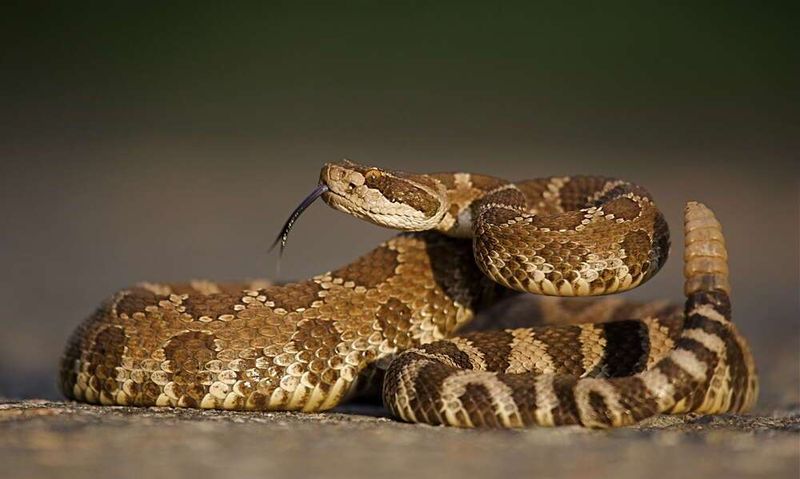
Snake experts often hear the same frustrating phrase on arrival: it was right there a minute ago. Snakes move quietly and can vanish into tiny gaps, so a watchful eye from afar helps the professional find it fast.
A safe lookout spot makes all the difference. A window, an upstairs room, or a place across the yard all work well.
Several feet of distance, plus a door or wall between the watcher and the snake when possible, keeps things safe. Binoculars or a zoomed phone camera provide a clear view without the risk.
The snake’s escape route is best left open. Boxes, boards, or buckets that block it can make a snake feel trapped and more defensive.
A snake that slides away into brush or another yard often represents a fine outcome. Noting the direction it traveled helps the professional later.
Simple notes during the wait prove useful. The time, the snake’s movements, and whether it coiled or stretched out all help the handler plan the safest approach.
A quick photo from the lookout spot adds helpful detail, too.
The rest of the household does best staying busy and away from windows near the porch. Too many faces pressed to the glass can tempt someone to step outside for a better look.
One calm spotter is plenty. Much like a lookout scanning from a ship’s crow’s nest, the job is to watch the deck, not walk it.
Seal Gaps After The Snake Leaves
Even after the snake departs, the porch still advertises a vacancy until conditions change. Rattlesnakes come for shelter, shade, and food, so removing those draws helps.
Clearing hiding spots around the house comes first. UC IPM advises removing heavy brush, tall grass, rocks, logs, and lumber piles.
Short grass near the home and shrubs trimmed to reveal the ground beneath them leave fewer places to hide. Firewood stacked away from the house and off the ground helps, too.
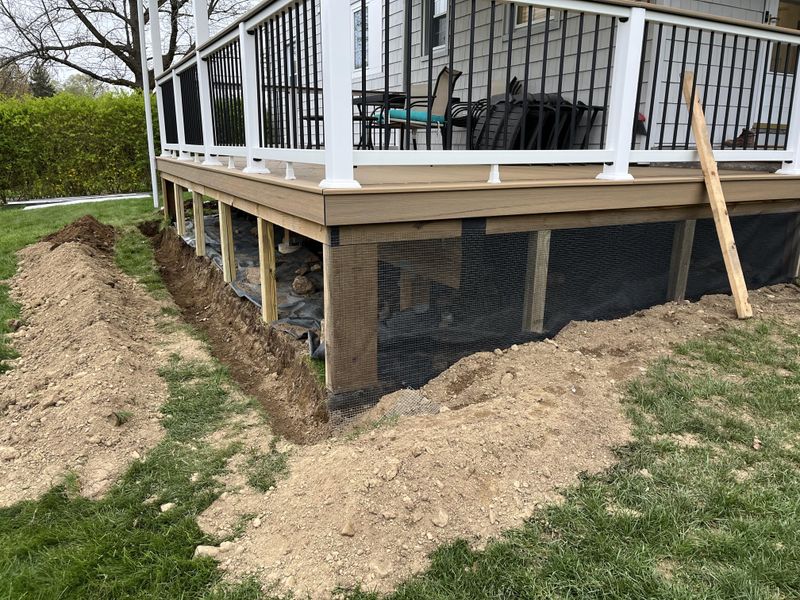
Closing off the crawl space comes next. UC IPM suggests sealing gaps of about a quarter inch or larger under buildings, porches, and decks.
Sturdy hardware cloth or wire mesh with small openings works well, with the bottom edge buried a few inches into the soil. Vents, pipe openings, and loose boards deserve a check.
Food matters as much as shelter. Rodents draw rattlesnakes close to homes, so pet food and birdseed belong in sealed bins, fallen fruit gets picked up, and rodent nesting spots get addressed.
Timing adds urgency this month. As October nights cool, snakes begin seeking sheltered spots for winter, and a crawl space can look like the perfect hideaway.
Thick gloves and boots protect hands and feet during the work. A tool for lifting rocks or boards keeps fingers out of hidden spaces, since another snake could still be nearby on warm afternoons.
A tidy yard serves as the best eviction notice a porch can post.