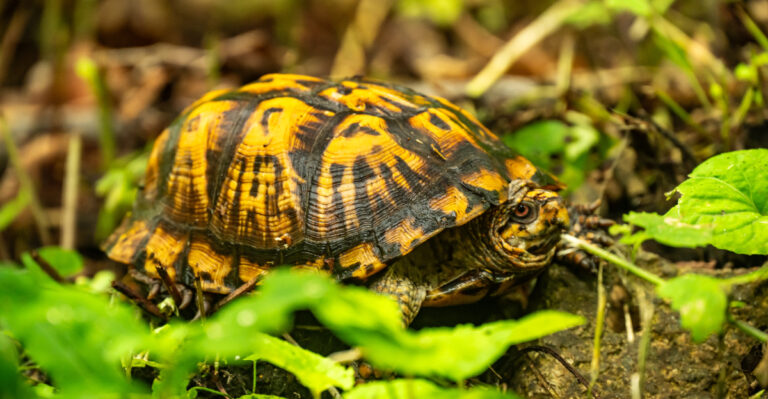
What To Do If You Find A Box Turtle Crossing Your Georgia Yard
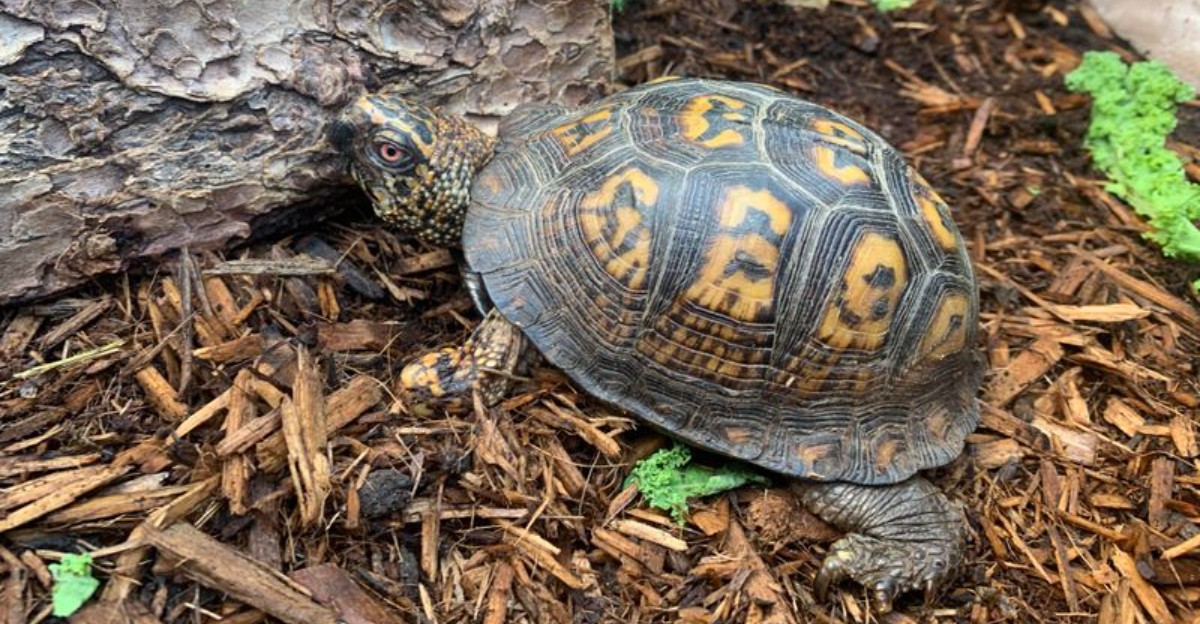
Finding a box turtle slowly crossing your yard can leave you unsure whether to help or simply stay back. In most cases, the turtle already has a destination.
That matters because moving it somewhere new can interfere with where it is trying to go.
Box turtles spend most of their lives on land and often travel through familiar areas. Georgia yards can become part of those routes, especially where wooded spaces are nearby.
Your best response depends on whether the turtle faces any immediate trouble.
Give it plenty of room when the path is clear, and pause nearby yard work until it passes. Handling should be reserved for situations where help is truly necessary.
Knowing when to assist and when to stay back can make your yard safer for this quiet visitor.
1. That Slow Visitor Usually Knows Where It Is Going
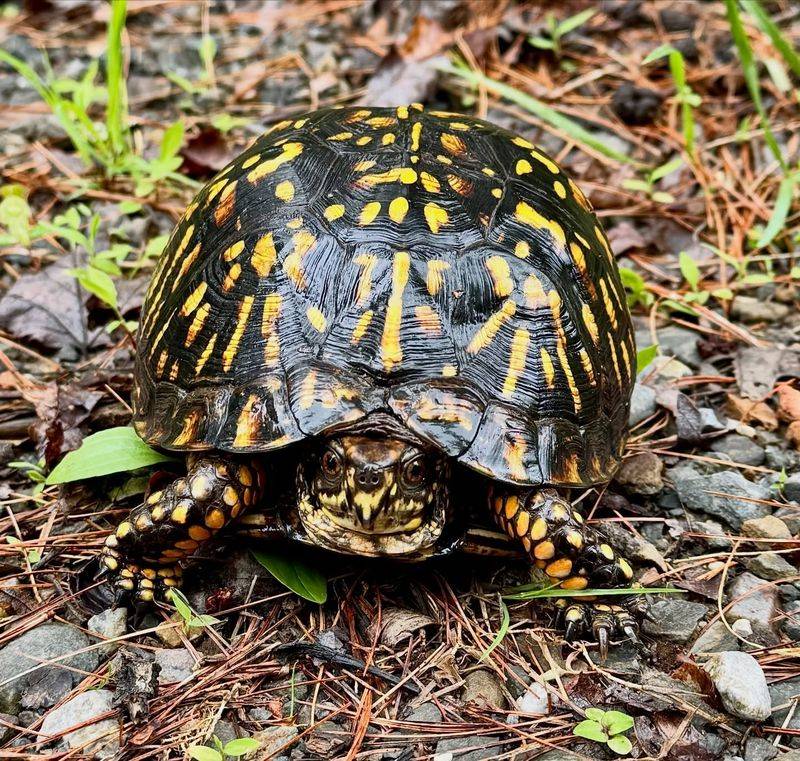
Slow does not mean lost. Box turtles wander with purpose, and what looks like aimless plodding is often a trip toward a feeding spot, a shady rest area, or a nesting site the turtle has used before.
Home ranges for these turtles are usually small, sometimes just a few acres. Your yard may simply sit inside territory the animal has known for years.
Older individuals can be remarkably long-lived, which means a single turtle may have crossed the same ground long before your house was built.
Georgia yards often border woods, creek edges, or brushy lots, and turtles move between those areas as conditions change. Rainy mornings and humid afternoons tend to bring the most activity.
Watching from a few feet away tells you plenty. Note the direction of travel, because that detail matters more than anything else you might do.
Some turtles pause and pull in when they notice you. Give them a minute or two, and most will pop back out and continue on the same heading.
Resist the urge to guide it or reroute it toward what seems like better habitat. Your judgment about turtle real estate is almost certainly worse than the turtle’s.
Enjoy the moment, then step back and let the walk finish naturally.
2. Box Turtles Spend Most Of Their Time On Land
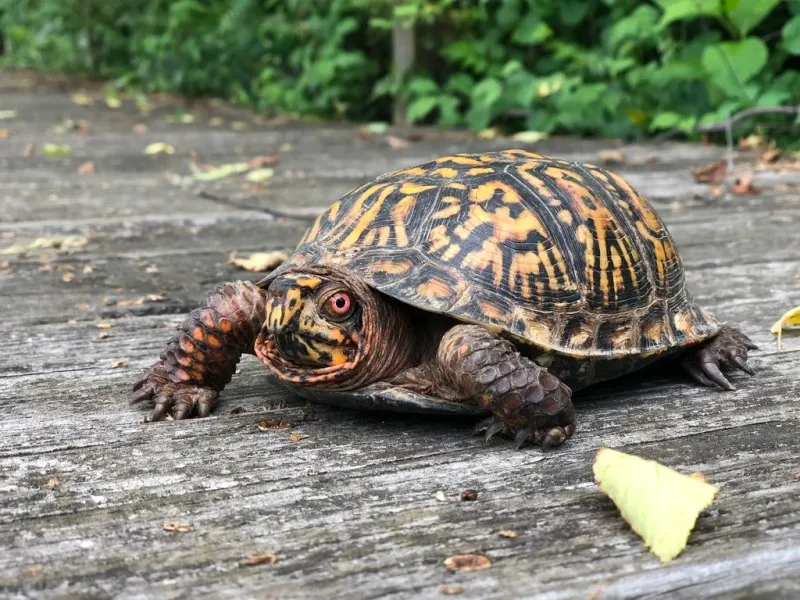
Water is not the answer here. Unlike sliders and cooters that bask on logs, box turtles are land animals, and dropping one into a pond or creek puts it somewhere it does not belong.
Their shells are high and domed, and their feet look more like short, sturdy walking feet than paddles. Swimming is not their strength.
Shallow puddles, damp leaf litter, and mud are more their style for soaking and cooling off.
Across the woodlands and pine flats of Georgia, box turtles forage on beetles, worms, slugs, berries, and mushrooms. A yard with mulch beds, fallen fruit, and leaf piles can be a decent buffet.
People sometimes mistake them for aquatic turtles that have wandered off course. That mix-up leads to well-meaning relocations that leave the animal stressed and far from home.
Look at the shell shape if you are unsure. A tall dome with a hinged bottom plate points to a box turtle.
Your Georgia Garden Changes Every Week. Your Plan Should Too.
Gardening in Georgia changes quickly throughout the season. Every Friday you’ll receive a simple weekly plan showing exactly what to plant, prune, fertilize, harvest, and protect so you never miss the right timing.
Leaving a shallow dish of water at ground level near shrubs is fine, though it is not required. Natural moisture usually does the job.
Skip the pond trip, skip the bathtub, and let it stay on solid ground where it belongs.
3. Give It Space To Continue In The Same Direction
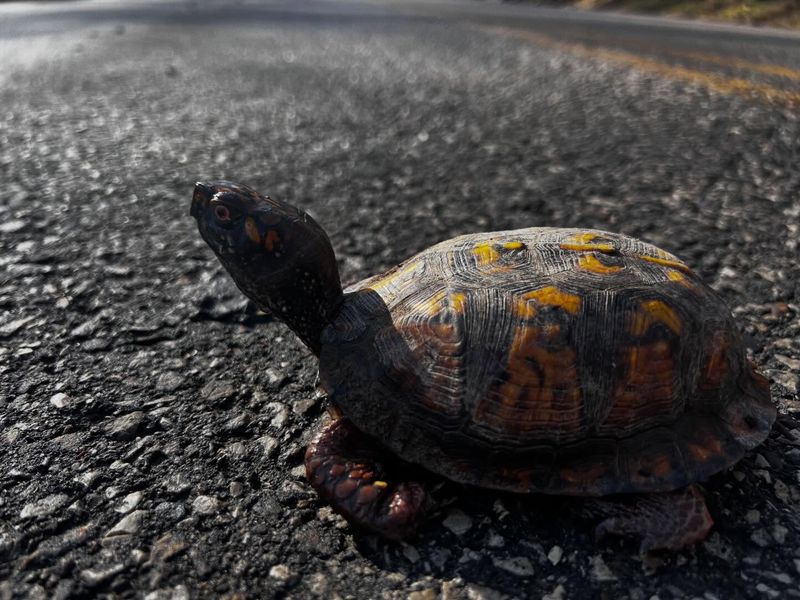
Direction is everything with a traveling turtle. Turn one around, and it will often just spin back and try the same route again, burning energy it did not need to spend.
If the path looks clear, the simplest choice is to stand aside and let it walk.
Kids and curious neighbors can watch from a short distance without crowding. A few feet of space keeps the turtle moving instead of hunkering down.
Pets are the bigger issue. Bring dogs indoors or leash them, since even playful mouthing can crack or scratch a shell.
Gates, low fencing, and steep landscape edging sometimes trap a turtle in a corner. Opening a gate or moving a stray flowerpot gives it a clean exit.
Neighborhoods across Georgia often back up to greenspace, and turtles use those corridors constantly during warm months.
Should the turtle stop for a while, that is normal behavior rather than a sign of trouble. Resting under a shrub during the heat of the day is typical.
Check back in an hour or two, and odds are good it has already moved on.
Patience beats intervention almost every time with a turtle that is simply passing through.
4. Pause Yard Work Until The Turtle Moves Through
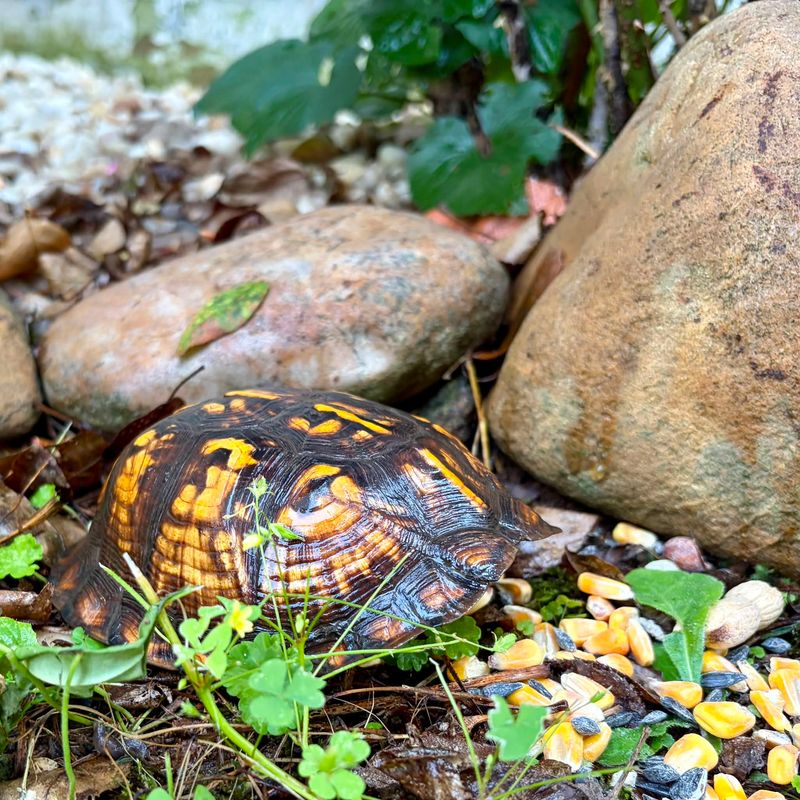
Mower blades and turtles do not mix. A box turtle tucked in tall grass is nearly invisible, which makes routine yard work the biggest hazard these animals face in suburban settings.
Cutting the lawn later that afternoon or waiting until the next day solves most of the problem.
Before mowing, walk the yard once and scan the taller edges, especially near mulch beds and fence lines. Turtles favor those transition zones.
String trimmers deserve extra care around brush piles and shrub bases. Slow down and look before you swing.
Nesting season runs roughly from late spring into early summer in much of Georgia, and females travel more during that stretch. Sandy or loose soil in sunny spots often attracts them.
If you spot a turtle digging a shallow hole with her back feet, leave her alone. She is likely laying eggs and will finish on her own schedule.
Raising your mower deck a notch helps a bit, though spotting the animal first is far more reliable.
Brush piles and leaf litter also shelter turtles, so avoid running equipment straight through them.
A short delay costs you nothing and keeps your yard safe for a slow-moving neighbor.
5. Only Handle It When Help Is Really Needed
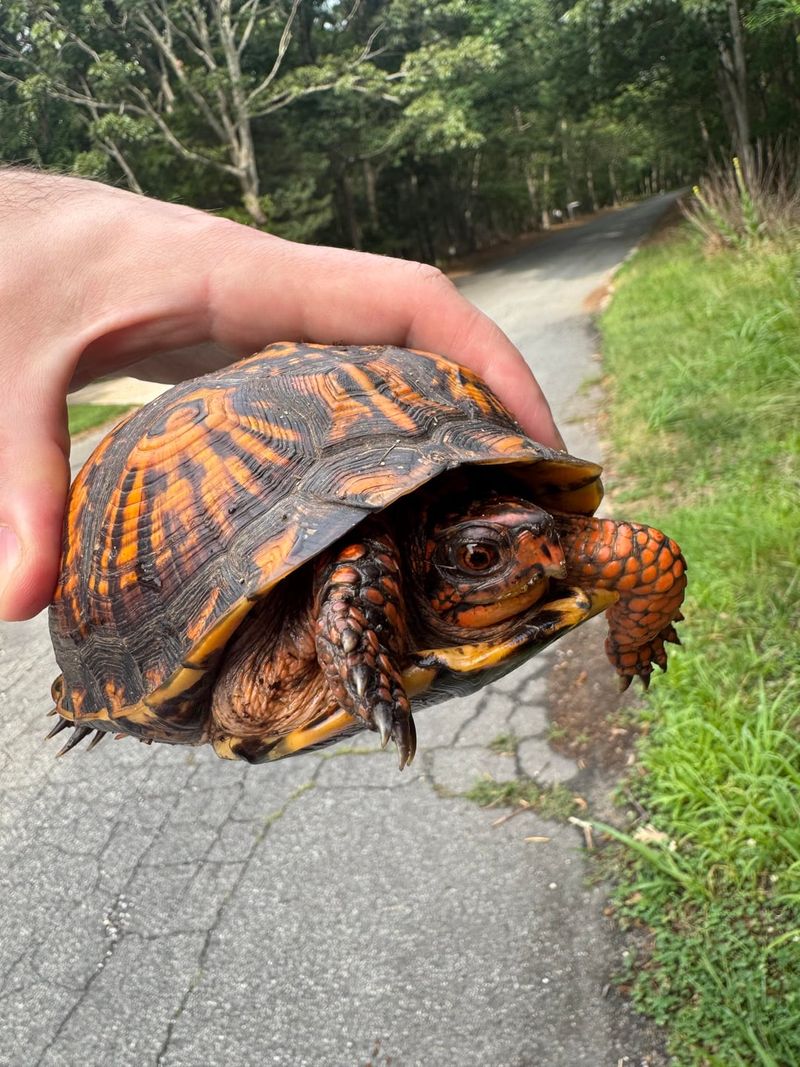
Hands off, with one clear exception. A turtle sitting in a road, a driveway with traffic, or a swimming pool needs a quick assist, and that is when picking it up makes sense.
Support the shell with both hands, keeping it level and low to the ground.
Move it a short distance, ten or twenty feet at most, and set it down facing the way it was already headed. That keeps its mental map intact.
Expect some resistance. Turtles may squirm, hiss air out, or release urine when lifted, all normal stress reactions.
Never lift one by a leg or the tail, since that can injure the spine and joints.
Roadsides throughout Georgia see plenty of turtle traffic after summer storms, so pull over safely only when it is legal and traffic allows.
Wash your hands afterward, because reptiles can carry salmonella bacteria on their skin and shell.
An injured turtle with a cracked shell needs a licensed wildlife rehabilitator rather than home treatment. Contact your state wildlife agency for a referral.
Otherwise, keep the contact brief, calm, and rare.
The best help is usually the smallest amount of help.
6. Moving It Somewhere Else Can Cause More Trouble
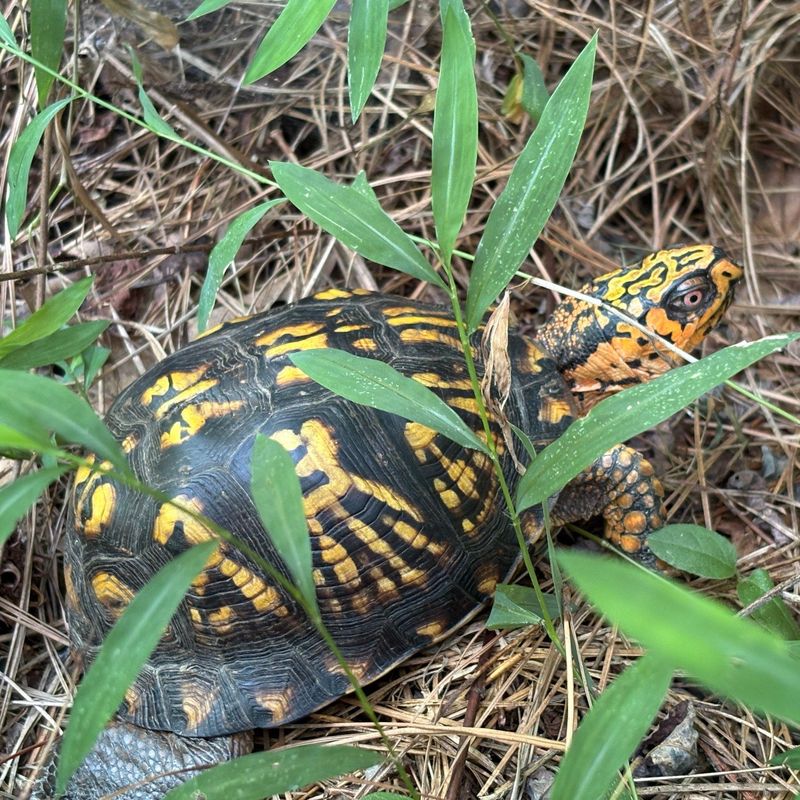
Relocation sounds kind. In practice, hauling a box turtle to a park, a farm, or a patch of woods across town strips away everything familiar it depends on.
Turtles moved outside their home range often wander for long distances trying to get back.
Long-distance wandering exposes them to roads, predators, and dehydration, and it may take months before they settle anywhere.
Familiar ground matters because it holds known water sources, winter burrowing spots, and reliable food patches. None of that transfers to a new location.
There is also a disease angle. Moving animals between areas can spread illnesses like ranavirus and upper respiratory infections into new populations.
Georgia habitats vary a lot, from mountain coves to coastal plain pine woods, so a turtle dropped into unfamiliar terrain may not find what it needs.
Even a well-intentioned move to a nearby nature preserve can backfire. Existing turtles already occupy that space and use those resources.
Short repositioning within your own yard is fine when safety requires it.
Anything beyond that generally does more harm than good, no matter how nice the new spot looks.
Leaving the turtle where you found it remains the strongest choice available to you.
7. Taking A Wild Turtle Home Is Never The Answer
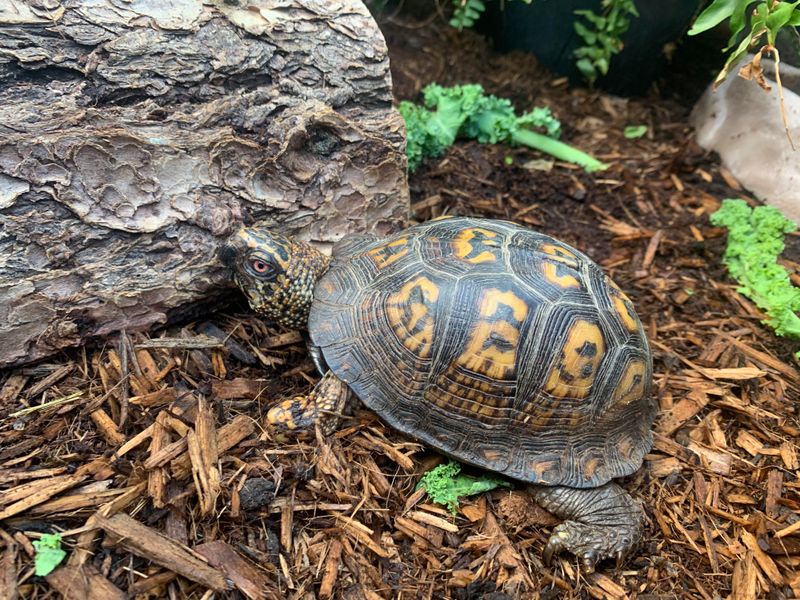
A shoebox is not a home. Wild box turtles taken indoors frequently stop eating, develop shell problems, and suffer from stress that owners rarely recognize until it is serious.
Their care needs are specific and hard to meet, including proper humidity, UVB lighting, temperature gradients, and a varied diet.
Legal rules matter too. Collecting native turtles from the wild is restricted in many places, and Georgia regulates the take and possession of native reptiles, so check current state rules before assuming anything.
Populations of box turtles have declined in parts of the Southeast, partly because they reproduce slowly. Removing even a few adults hurts a local group.
Kids naturally want a pet turtle, and that is an easy conversation to redirect.
Try keeping a yard journal instead, with photos and dates, since shell patterns let you recognize returning individuals over the years.
Building a brush pile or leaving a corner of the yard unmowed offers real support with no downside.
Should you already have a wild-caught turtle at home, do not simply release it far away. Contact a wildlife rehabilitator or state biologist for guidance.
Admire the visitor, share a picture, and let it walk back into the woods on its own terms.