Red Berries Filling An Ohio Woodland Edge? Check For Invasive Bush Honeysuckle
Those cheerful red berries lighting up the edge of an Ohio woodland might be the last thing that patch of forest needs right now.
Bush honeysuckle produces berries birds can’t resist, and that’s exactly the problem. Birds eat, scatter seeds across the landscape, and this shrub spreads into wooded areas where it crowds out the native plants those same birds actually depend on for real nutrition.
What looks like a lively, colorful edge is often one species quietly pushing everything else out.
A few details separate this shrub from native look-alikes, and most people never learn them until someone points out what they’ve been walking past for years.
Take a closer look at that woodland edge this fall. Those berries might be marking a bigger problem than a simple splash of fall color.
1. Red Berries Can Reveal Bush Honeysuckle
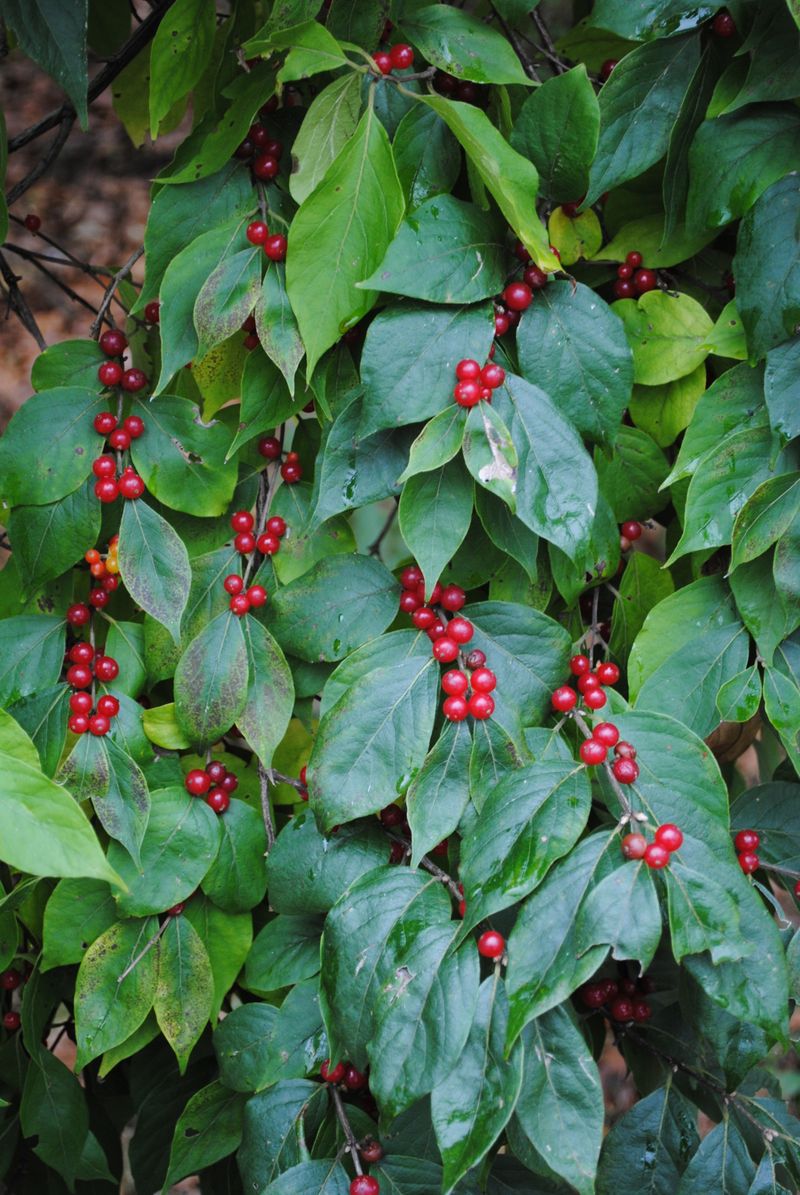
Picture a late-summer hike where every shrub along the trail seems sprinkled with glossy red beads. That splash of color is often the first hint that bush honeysuckle has moved into the neighborhood.
The berries are small and round, usually about a quarter inch across. They tend to sit in pairs or small clusters right where the leaves meet the stem.
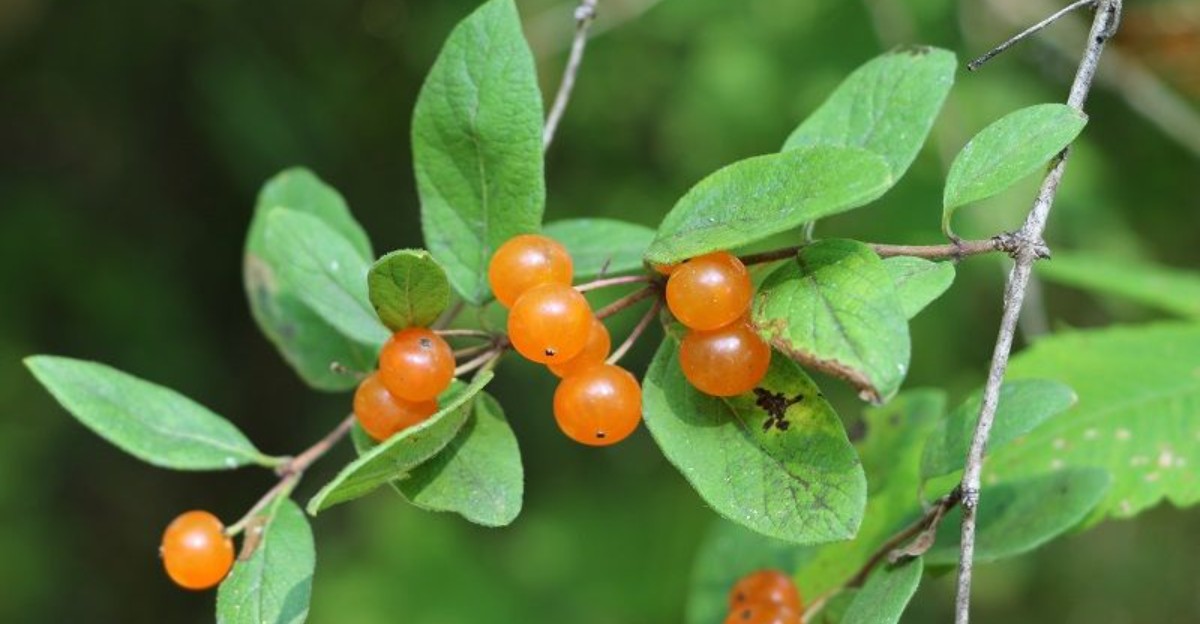
Red is the most common shade, but you might spot orange or even yellow fruit on some plants. The color depends on the species and the individual shrub, so keep an open mind.
Timing gives you another helpful clue. The fruit starts ripening in midsummer, peaks in early fall, and often hangs on well into the chilly months after most leaves have dropped.
Here is a safety tip worth sharing with younger Ohio hikers. These berries are considered mildly harmful to people, so admire them with your eyes and keep them out of your mouth.
Berries alone will not seal the case, since plenty of native plants make red fruit too. Think of the color as a flashing sign that tells you to stop and look closer.
Snap a photo of the branch, the fruit, and the leaves together. That simple habit makes it much easier to confirm what you found and share it with a local expert.
2. Opposite Leaves Help Narrow The Identification
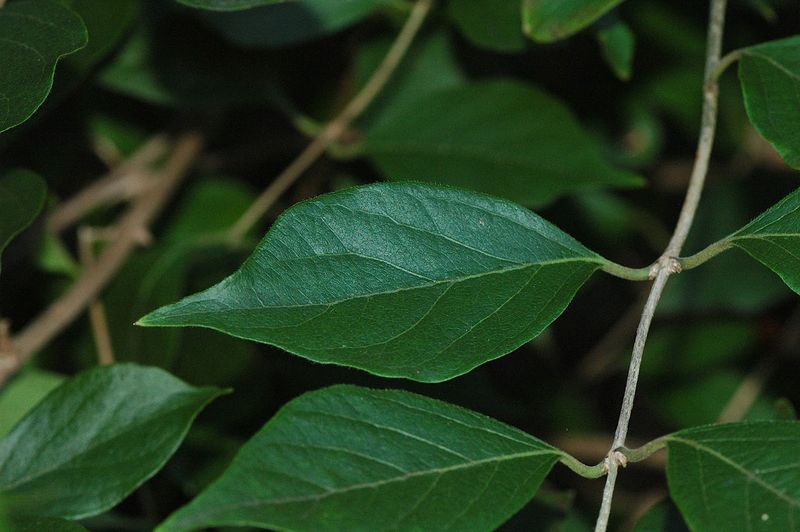
Every good detective needs a fingerprint, and for this shrub the fingerprint is leaf placement. Look closely at a twig and you will see the leaves growing in matched pairs, one on each side.
Botanists call that pattern opposite leaves. Each leaf is usually 1 to 3.5 inches long, with smooth edges and a very short stalk connecting it to the stem.
Small details can vary between species. Some have pointed tips and fuzzy undersides, while others are more egg-shaped and feel smooth to the touch.
The shrub itself grows upright with long, arching branches. Mature plants can stand 6 to 20 feet tall, and the biggest ones tower over a basketball hoop.
Want a truly reliable test? Snip an older stem and peek inside, because invasive bush honeysuckle has a hollow center, while many native honeysuckles are solid all the way through.
Your Ohio Garden Changes Every Week. Your Plan Should Too.
Gardening in Ohio changes quickly throughout the season. Every Friday you’ll receive a simple weekly plan showing exactly what to plant, prune, fertilize, harvest, and protect so you never miss the right timing.
Seasons offer one more clue. These shrubs leaf out early in spring and hold their green leaves late into fall, long after many native neighbors have turned brown.
Try walking the woods in late March or November with a notebook in hand. Patches of green in an otherwise bare understory are a strong signal that you have found your suspect.
Put those clues together and your confidence grows. Opposite leaves plus a hollow pith make a hard team to mistake.
3. Fall Fruit Helps This Shrub Spread
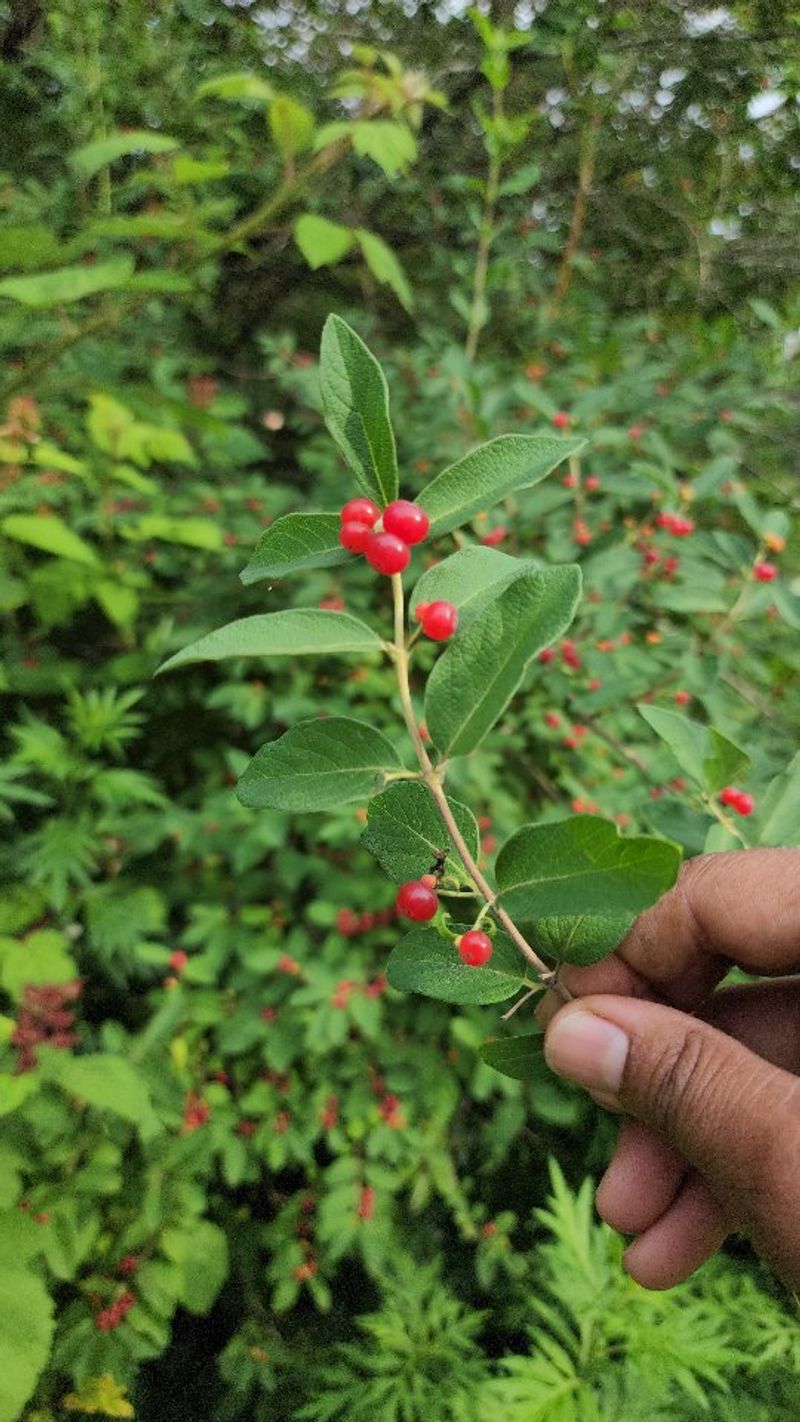
Picture one bush honeysuckle in autumn as a busy roadside snack stand. Every berry on display is a tiny package holding the next generation of shrubs.
A healthy plant can produce heaps of fruit in one season. Each berry often carries several seeds, so one shrub can release thousands of future plants before winter arrives.
Those seeds are not picky, either. They sprout readily in many kinds of soil, and a small patch can turn into a crowded thicket in just a few years.
Seeds are not the only trick up its sleeve. The shrub also sends up new sprouts from its base, especially after it gets cut or damaged.
That double strategy makes it a tough opponent. While the seeds travel outward to start new colonies, the parent plant keeps getting bushier right where it stands.
Fall is the season to pay the closest attention. When berries are ripe, you can easily spot which shrubs are producing fruit and mark them for removal before more seeds scatter.
A bright ribbon tied around a trunk works well as a reminder. Come back in winter or early spring, and those flagged plants will be easy to find even without their leaves.
Stopping even a few fruiting shrubs matters more than you might think. Fewer berries today means fewer seedlings popping up across your yard and nearby woods next year.
4. Dense Thickets Crowd Out Native Plants
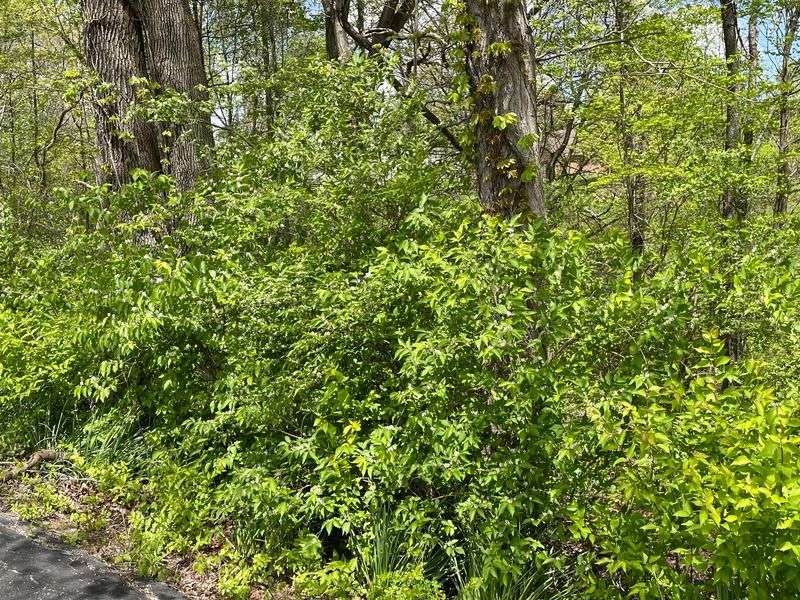
Older Ohioans sometimes remember spring woods carpeted with trillium, bloodroot, and wild geranium. In many of those same spots today, a wall of tangled shrubs stands where the flowers once bloomed.
Bush honeysuckle forms stands so dense that very little else can grow beneath them. Wildflowers, native grasses, and tree seedlings all struggle to find room in the crowded shade.
Part of the problem is timing. By leafing out early and holding leaves late, the shrub grabs sunlight before spring wildflowers wake up and keeps hogging it deep into fall.
Water and nutrients get claimed first, too. With so many roots packed into the soil, native plants are left with slim pickings.
Scientists have found another sneaky tactic. The roots can release natural chemicals that make it harder for other plants to sprout and grow nearby.
Over time, the effects ripple outward. Fewer oak and maple seedlings means fewer big trees in the future, and fewer wildflowers means less food for bees, butterflies, and other insects.
Walking through an invaded woodland can feel oddly quiet. The ground looks bare and shadowy, and the rich variety of life you would expect has thinned out.
The good news is that native seeds often wait patiently in the soil. Once the thicket is cleared, many local plants can return and fill the forest floor with color again.
5. Woodland Edges Give Honeysuckle An Advantage
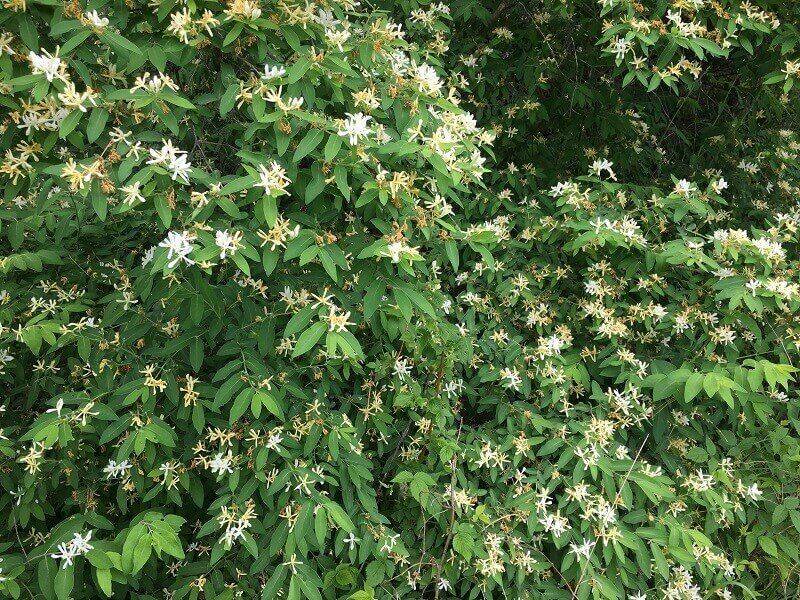
Real estate agents love to say it is all about location, and bush honeysuckle seems to agree. Woodland Ohio edges offer the shrub a prime spot with plenty of sunlight and room to stretch.
The plant thrives in full sun but tolerates moderate shade surprisingly well. That flexibility lets it grow at the bright border and then creep deeper into the trees.
Edges are busy places for wildlife. Birds perch on fences and low branches along the boundary, dropping seeds exactly where young shrubs can take off.
You will also find it along roadsides, in abandoned fields, and under power line corridors. Anywhere that sunlight meets open ground, this invader tends to show up.
Once it gains a foothold, the shrub builds a thick green curtain along the forest boundary. That curtain can block light from reaching the woods and shade out plants that normally live there.
Homeowners with property backing up to a woodlot should walk that line a few times a year. Early spring and late fall work best, since the shrub stays green when neighbors look bare.
Fence rows, trail entrances, and the sunny side of a hill deserve special attention. Those spots act like welcome mats for new seedlings.
Catching the shrub at the edge keeps it from marching farther inside. Protecting the border is a bit like guarding the front door of your favorite forest.
6. Birds Move Seeds Far Beyond The Original Shrub
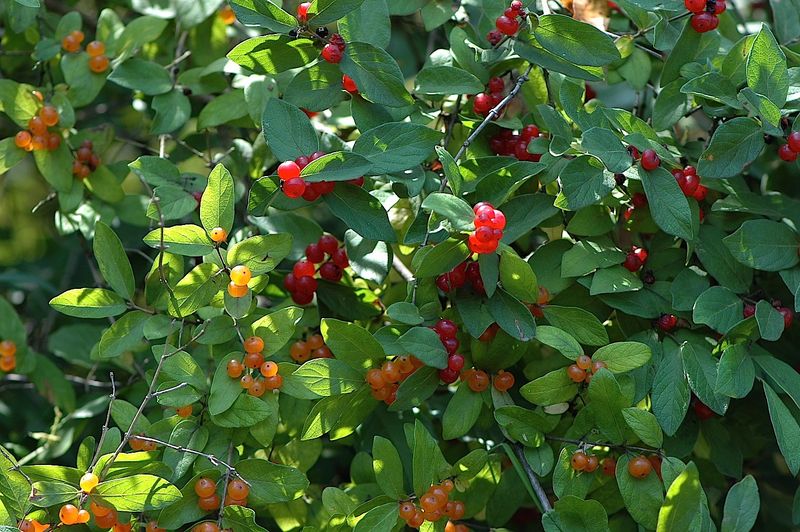
Did you know a robin can carry bush honeysuckle seeds across town without meaning to? After gulping down berries, birds fly off and drop the seeds wherever nature calls.
American robins, white-throated sparrows, and many other species gobble up the bright fruit. Because birds cover long distances, a shrub in one yard can seed a park miles away.
The berries look like a feast, but they are more like junk food. They are loaded with sugary carbohydrates yet offer less of the fat that migrating birds need for long journeys.
Ohio native fruits such as spicebush and dogwood berries pack more of that energy-rich fat. When honeysuckle replaces those plants, birds lose some of their best fuel for fall migration.
Nesting can suffer too. Some songbirds build nests in honeysuckle because it leafs out early, but those nests often sit lower to the ground where raccoons, cats, and snakes can reach them.
None of this means the birds are villains. They are simply eating what is available, and the shrub has cleverly taken advantage of their appetites.
You can help by offering better choices. Planting native shrubs with nutritious berries gives birds a healthier menu and fewer reasons to snack on invasive fruit.
Watching a flock work through a winterberry bush in December is a real treat. It is a small reward for making your yard friendlier to local wildlife.
7. Established Thickets Require More Than Simple Cutting
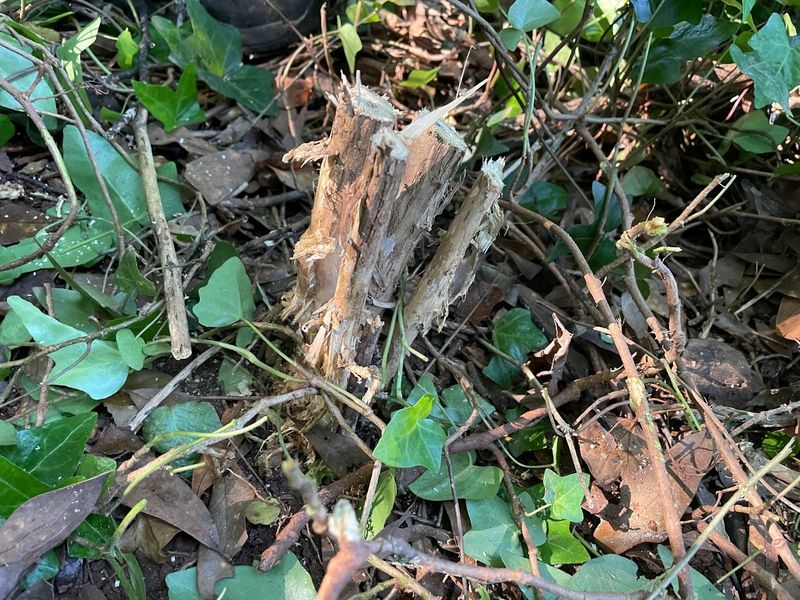
Grab a saw, chop the shrub at ground level, and call it a day, right? Unfortunately, bush honeysuckle bounces back quickly, sending up a bushy crown of fresh sprouts from the stump.
Mature plants have strong root systems that store plenty of energy. To stop regrowth, you need to deal with both the visible stems and the roots hidden underground.
One popular method is the cut-stump treatment. You cut the shrub close to the ground and quickly paint or spray herbicide onto the fresh surface.
Basal spraying is another option for dormant seasons. An oil-based herbicide gets applied to the lower 12 to 18 inches of the stem, with no cutting required.
Early fall is an especially smart time to treat plants. The shrub is busy pulling nutrients down into its roots, so treatments travel right where they need to go.
Small seedlings are a different story. After a soaking rain, you can often pull or dig them out by hand, as long as you remove the whole root.
Large infestations may call for brush cutters or even a skid steer. Many landowners hire professionals or team up with local volunteer groups for big jobs.
Safety comes first with any chemical product. Read and follow the label directions, wear gloves, and ask your county extension office for advice if you feel unsure.
8. Native Shrubs Can Fill The Vacant Space
Clearing out a thicket leaves a patch of bare ground that practically begs for new residents. If you do not fill that space, weeds and fresh honeysuckle seedlings will happily move back in.
Ohio has a wonderful lineup of native shrubs ready for the job. Spicebush, serviceberry, winterberry, and several kinds of viburnum all grow well in woodland settings.
Spicebush is a personal favorite for shady spots. Its leaves smell lemony when crushed, and it feeds the caterpillars of the striking spicebush swallowtail butterfly.
For wetter ground, buttonbush produces quirky round flowers that look like tiny fireworks. Shrub dogwoods and chokecherry offer berries that birds eagerly devour in late summer.
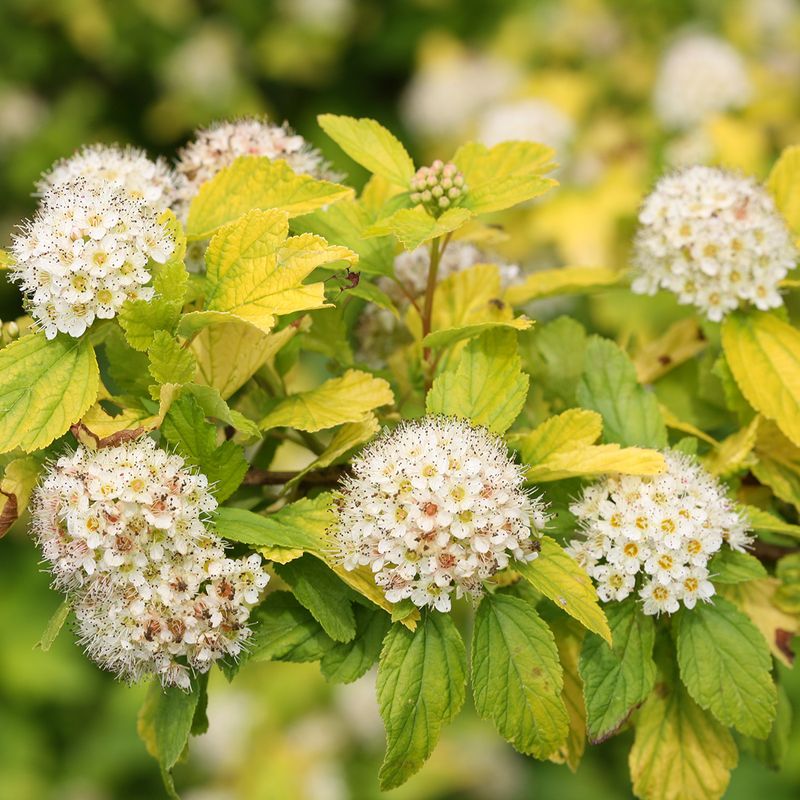
Sunny edges have great options too. Ninebark, fragrant sumac, redbud, and New Jersey tea bring flowers, fall color, and interesting textures to the landscape.
Pawpaw deserves a special shout-out as a fun fact. It grows the largest edible fruit native to North America, with a creamy flavor some folks compare to banana custard.
Eastern wahoo rounds out the list with bright pink fall capsules. Planting a mix of species creates layers of food and shelter for pollinators, songbirds, and small mammals.
Local native plant sales and soil and water conservation districts often sell these shrubs at friendly prices. Ask staff which ones suit your soil and sunlight.
9. Early Removal Makes Restoration Much Easier
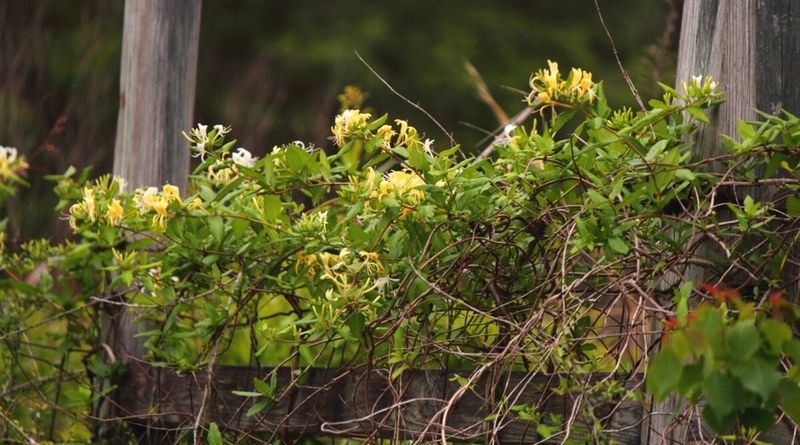
An old saying claims that an ounce of prevention is worth a pound of cure. With bush honeysuckle, that ounce might be a single seedling you can pull between two fingers.
Young plants have shallow roots, which makes hand-pulling fast and satisfying. Wait a few years, and those same plants turn into woody giants that demand saws and serious effort.
Researchers have noticed something encouraging about steady work. The hardest labor usually comes in the first couple of years, and the effort drops noticeably after that.
Early action pays off beneath the surface too. Removing invasive shrubs quickly helps protect soil health and gives native plants a better shot at bouncing back.
Try setting a yearly routine that fits your schedule. A spring walk to spot early green leaves and a fall walk to find berries can catch most newcomers before they settle in.
Replanting right away is the secret ingredient. Filling cleared areas with native shrubs shades out new seedlings and leaves less room for the invader to return.
Neighbors can make a huge difference as a team. Since birds scatter seeds across property lines, a shared effort along a whole street or trail works far better than one yard alone.
Every seedling you pull today is one less thicket tomorrow. Grab some gloves, head to that woodland edge, and give the native plants a head start.