What To Do If You Find Snake Eggs In Your Florida Yard
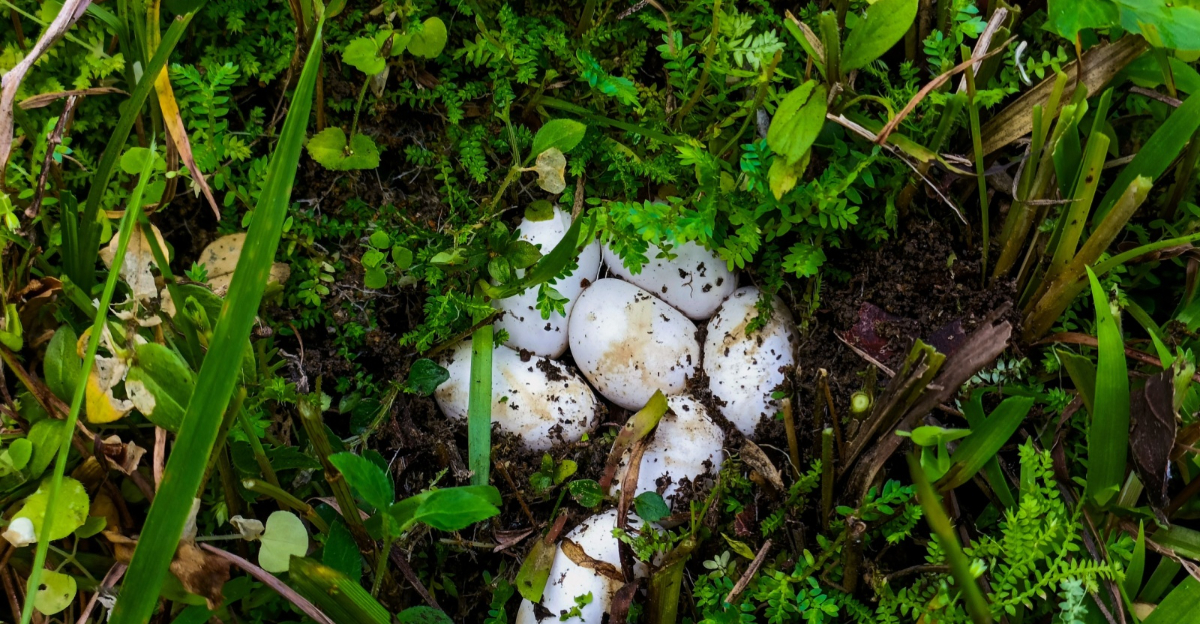
A quiet walk through your Florida yard can turn unsettling in seconds. Beneath mulch, tucked near roots, or hidden in loose soil, a small cluster of pale, leathery eggs suddenly appears.
Heart rate jumps, questions race, and one thought takes over: snakes. Many homeowners react with fear or rush to remove them, yet a wrong move can create more trouble than the discovery itself.
Not every egg signals danger, and not every response keeps your yard safe. Nature often works in secret, and this moment calls for calm, awareness, and careful decisions.
Disturbing the nest too soon, handling eggs, or ignoring the situation can all lead to unexpected consequences.
Before panic sets in or drastic action begins, take a breath and understand what this surprising find could mean for your yard, your safety, and the hidden wildlife sharing your space.
1. Confirm The Eggs Are From A Snake
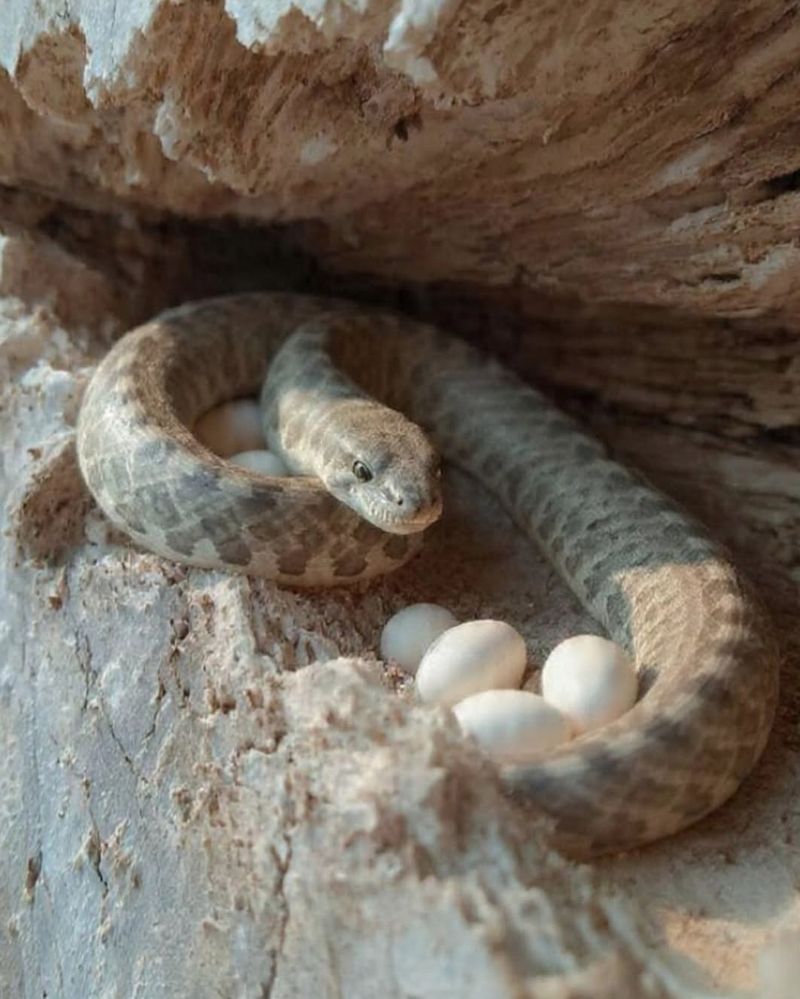
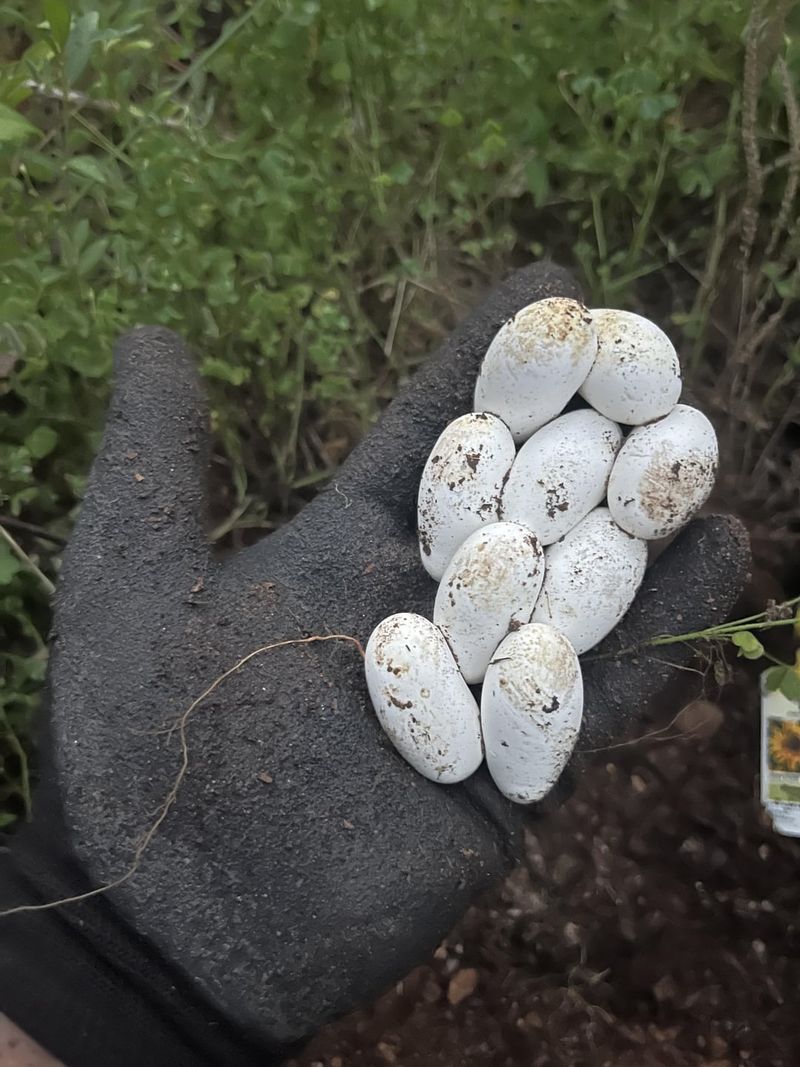
Snake eggs have a distinct appearance that sets them apart from other reptile eggs you might find in a Florida yard. Most snake eggs are oblong or elongated with a soft, leathery shell that feels slightly pliable to the touch, though you should avoid handling them directly.
They’re typically white or off-white in color and may appear slightly translucent.
Turtle eggs, by comparison, tend to be round and have a harder, more brittle shell. Lizard eggs are usually much smaller and may have a more spherical shape.
Snake eggs are often found in clusters, laid together in a hidden, protected spot where moisture and warmth can support incubation.
If you’re trying to confirm what you’ve found, observe from a safe distance without disturbing the nest. Take note of the size, shape, and texture.
Avoid picking up or moving the eggs, as this can harm developing embryos or expose you to unnecessary risk.
Florida is home to more than 50 snake species, and many of them lay eggs in suburban environments. Visual identification is your safest first step.
If you’re uncertain, a photo taken from a respectful distance can help wildlife professionals provide guidance without putting you or the eggs in harm’s way.
2. Understand Why Eggs Appear In Yards
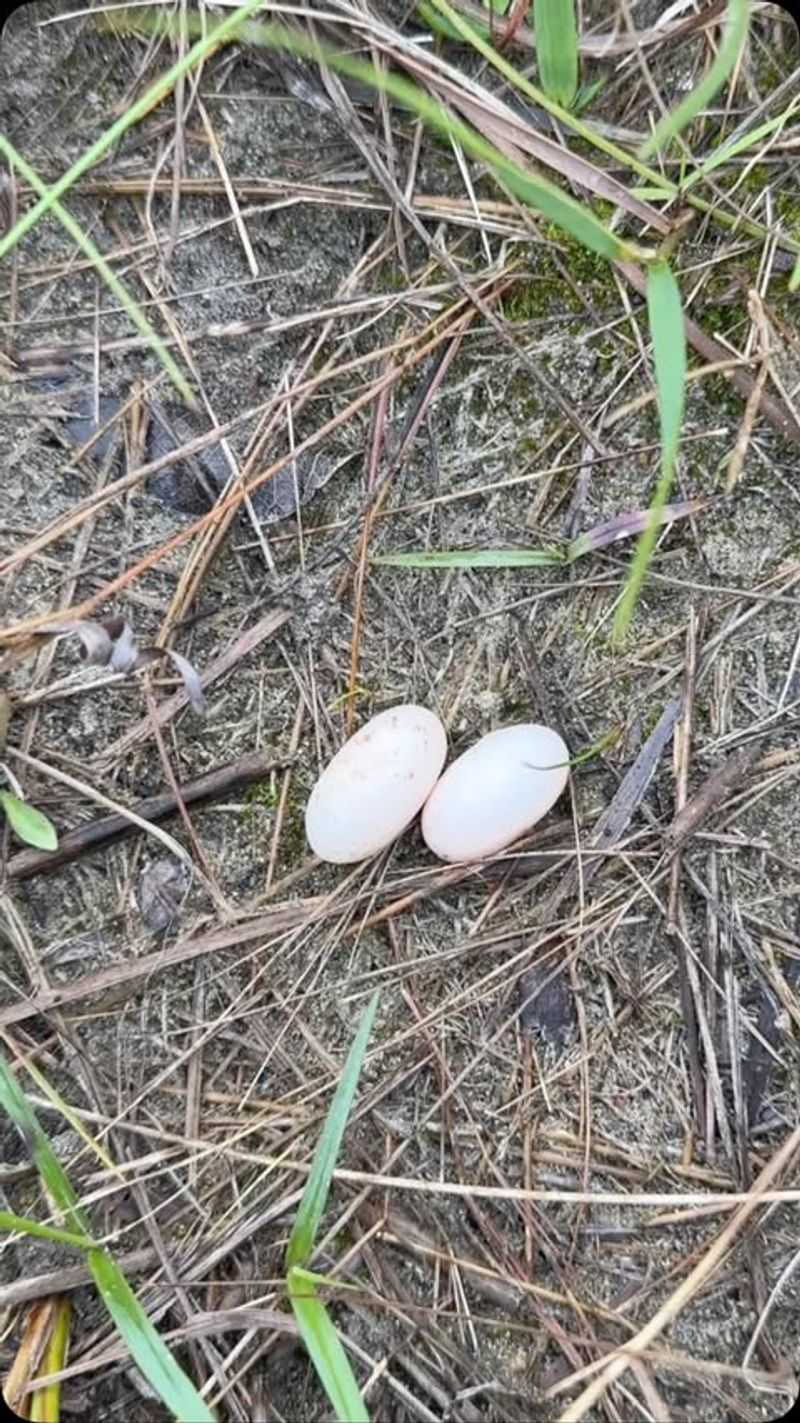
Snakes seek out warm, sheltered locations to lay their eggs, and Florida yards often provide ideal conditions. Sandy soil retains heat well and allows for easy digging, making it a preferred nesting site for many species.
Mulch piles, compost heaps, and areas beneath sheds or decks offer both warmth and protection from predators.
Female snakes are drawn to environments that maintain stable temperatures and moisture levels. Your yard may have dense vegetation, leaf litter, or debris piles that create microclimates perfect for incubation.
Suburban expansion into natural habitats also means snakes are adapting to human-altered landscapes.
Florida’s climate supports year-round activity for many reptiles, and nesting typically occurs during warmer months. Snakes don’t build elaborate nests; instead, they deposit eggs in existing cavities or loose substrate.
This means even a well-maintained yard can become a temporary nursery if conditions are right.
Understanding why snakes choose your property helps you make informed decisions about habitat management. It’s not a reflection of poor yard care or an invitation for danger.
Instead, it’s a natural behavior shaped by millions of years of evolution and the state’s unique ecosystem that supports diverse wildlife populations throughout residential areas.
3. Identify Common Florida Snake Eggs Safely
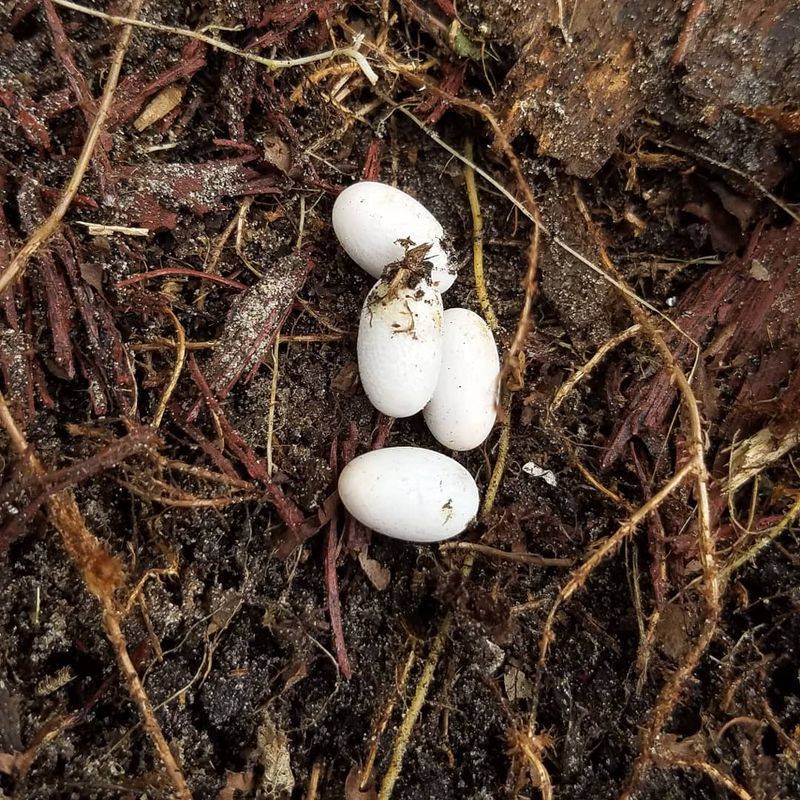
Florida is home to numerous snake species, and many of them lay eggs with similar characteristics. Common nonvenomous species like black racers, rat snakes, and corn snakes all produce white, leathery eggs that are roughly one to two inches long.
These eggs are often laid in clutches ranging from a few to several dozen, depending on the species and the size of the female.
Identifying the exact species from eggs alone is nearly impossible without expert knowledge. Egg size, shape, and clutch size can provide clues, but they’re not definitive.
Even experienced herpetologists often need to observe hatchlings or the adult snake to confirm species identity.
It’s important to remember that Florida law protects many native snake species, and some are considered threatened or of special concern. A few venomous species, such as the Eastern coral snake, lay eggs, though encountering their nests is uncommon.
Without professional input, assume any eggs you find could belong to a protected species.
Safe identification means observing without disturbing. Take clear photos from multiple angles and note the location, clutch size, and surrounding environment.
This information can be shared with Florida Fish and Wildlife Conservation Commission or a licensed wildlife professional who can provide accurate guidance based on your specific situation and local species distribution.
4. Leave Undisturbed When Possible
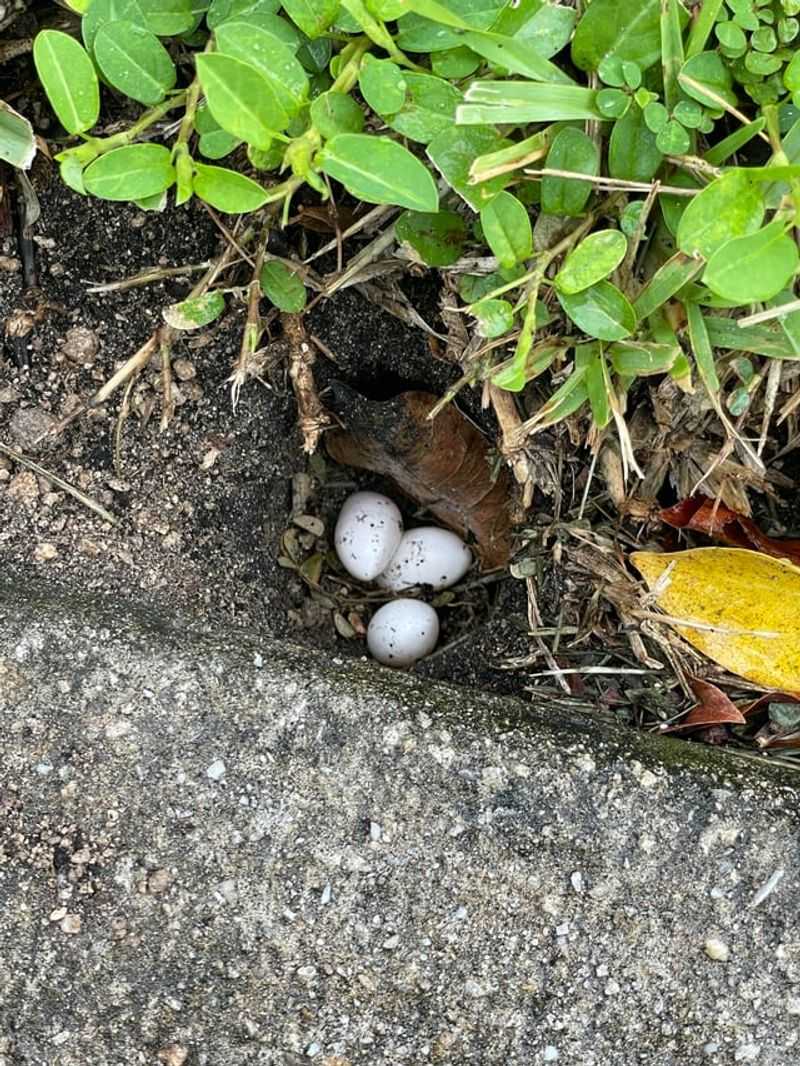
Many native Florida snakes play vital roles in controlling rodent populations and maintaining ecological balance. Rat snakes, for example, are exceptional at keeping mice and rats away from homes and gardens.
Black racers help manage lizard and insect populations. These species are harmless to humans and generally avoid contact whenever possible.
Leaving eggs undisturbed is often the best course of action, especially if they’re located in an area that doesn’t pose a safety concern. Florida law protects many native snake species, and some are listed as threatened or protected.
Even nonvenomous species contribute to a healthy ecosystem and deserve protection.
Snakes are naturally reclusive and will move away from human activity once hatchlings emerge. The presence of eggs doesn’t mean your yard will become overrun with snakes.
Hatchlings disperse quickly to find their own territories, and adult snakes don’t return to nest sites year after year in the same way some birds do.
If the nest is in a low-traffic area like a back corner of your property or under an unused structure, consider letting nature take its course. Monitor the site from a distance and educate family members about respecting wildlife.
This approach supports Florida’s biodiversity and allows you to coexist peacefully with the natural world.
5. Keep A Safe Distance From The Nest
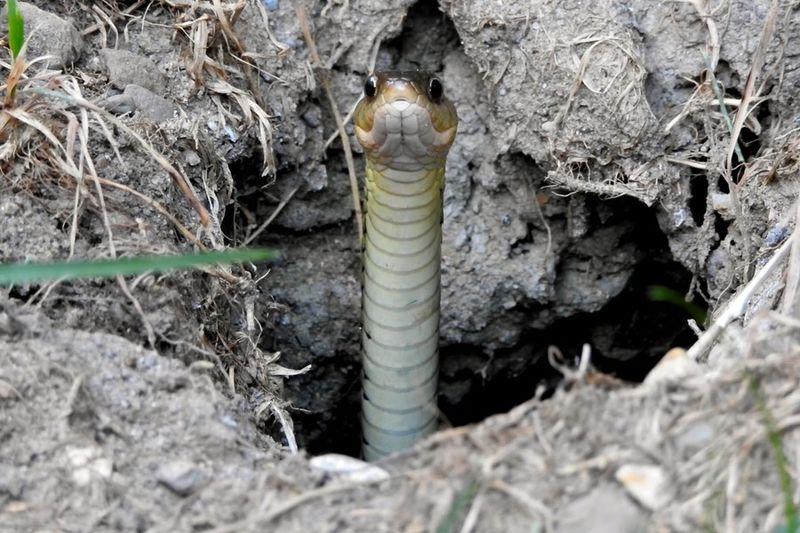
Once you’ve located snake eggs in your yard, establishing a safe perimeter is essential for both your safety and the well-being of the eggs. Avoid direct contact with the nest, as handling eggs can damage developing embryos or introduce harmful bacteria.
Most egg-laying snakes do not guard their nests and typically leave after laying eggs.
Keep children and pets away from the nest site by marking it with temporary fencing or visual markers. Explain to family members why the area should be avoided without creating unnecessary fear.
Most snakes are non-aggressive and will retreat if given space, but protective instincts can trigger defensive postures if they feel threatened.
Check the area from a distance periodically to monitor any changes. Look for signs of hatching, such as deflated or broken eggshells, or the presence of small snakes.
Avoid using tools or sticks to probe the nest, as this can cause harm and may be considered harassment of protected wildlife under Florida law.
If the nest is located near a high-traffic area like a walkway or patio, consider temporarily altering your routine to avoid the space. This simple adjustment allows the natural incubation process to continue while minimizing risk.
Safety doesn’t require removal; it requires awareness and respectful distance from wildlife.
6. Contact Wildlife Experts If Needed
Certain situations warrant professional assistance, especially if you’re uncertain about the species, the nest is in a problematic location, or you have concerns about safety. The Florida Fish and Wildlife Conservation Commission offers resources and guidance for residents dealing with wildlife encounters.
Licensed wildlife professionals can assess the situation and provide species-specific advice.
Relocation of snake eggs should only be performed by trained experts. Moving eggs improperly can harm developing embryos, violate state wildlife laws, and disrupt natural behaviors.
Professionals understand the legal and biological considerations involved and can determine whether relocation is necessary or if leaving the nest in place is the better option.
If you suspect the eggs belong to a venomous species, contact a professional immediately. While venomous snake nests are uncommon in residential areas, they do occur.
Never attempt to handle or move eggs yourself if you’re unsure of the species. Professional wildlife handlers have the training and equipment to manage these situations safely.
Many Florida counties have nuisance wildlife hotlines or licensed trappers who specialize in reptile management. When calling for help, provide clear information about the nest location, egg appearance, and any observed snake activity.
This allows professionals to respond appropriately and ensures that both you and Florida’s protected wildlife are treated with the care and respect required by law.
7. Discourage Future Nesting Humanely
Making your yard less attractive to nesting snakes doesn’t require harsh chemicals or harmful methods. Simple habitat modifications can discourage future egg-laying while maintaining a healthy, functional landscape.
Start by reducing debris piles, such as stacked wood, unused building materials, or dense leaf litter that provides cover and warmth.
Manage mulch depth around your home’s foundation and garden beds. While mulch is beneficial for plants, thick layers create ideal nesting conditions.
Keep mulch to a depth of two to three inches and pull it back slightly from structures to reduce sheltered spaces. Regularly turn compost piles to disrupt potential nesting sites.
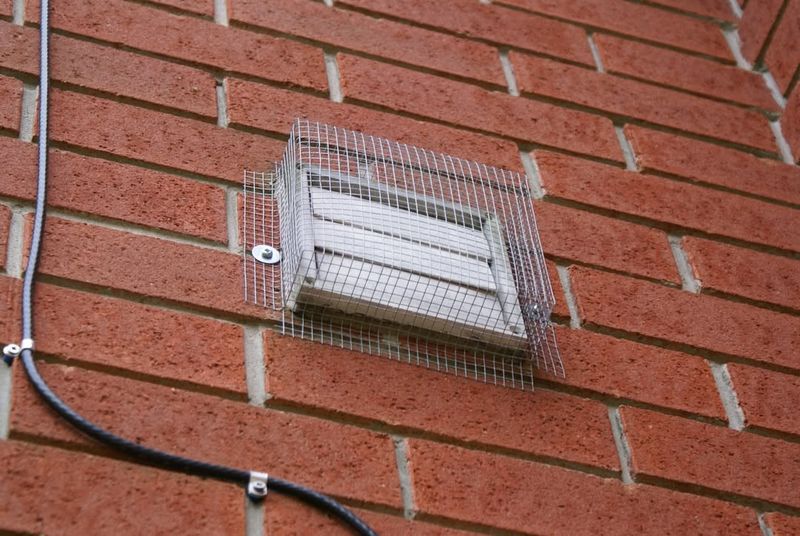
Seal gaps and openings around sheds, decks, and crawl spaces. Snakes seek out enclosed areas for egg-laying, and blocking access points makes these spaces less appealing.
Use hardware cloth or similar materials to cover vents and openings, ensuring they’re secure but still allow for proper ventilation.
Remove attractants that draw prey species to your yard. Bird feeders can spill seed that attracts rodents, which in turn attract snakes.
Store pet food indoors and address any rodent issues promptly. A yard with fewer prey animals is less likely to support a resident snake population, reducing the chance of future nesting without causing harm to wildlife or disrupting Florida’s natural ecosystems.
8. Know What Happens After Hatching
Snake eggs in Florida typically incubate for roughly six to nine weeks in warm conditions, depending on the species and environmental conditions. Warmer temperatures can speed up development, while cooler periods may extend incubation time.
As hatching approaches, you may notice slight changes in egg appearance, such as dimpling or a softer texture, though these signs are subtle.
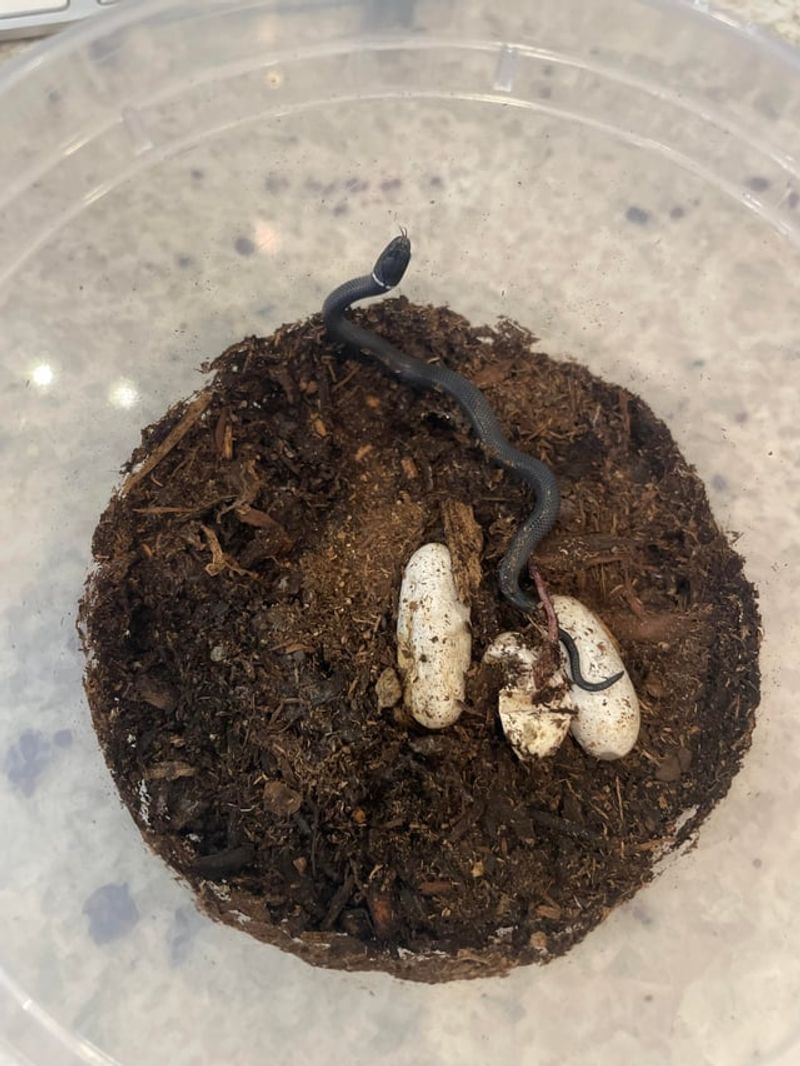
When hatchlings emerge, they use a specialized egg tooth to slice through the leathery shell. Baby snakes are independent from birth and receive no parental care.
They instinctively seek cover, food, and water, dispersing quickly from the nest site. Most hatchlings are only a few inches long and pose no threat to humans or pets.
Young snakes are vulnerable to predators and environmental challenges, and many do not survive their first year. Birds, larger snakes, and mammals all prey on hatchlings.
This natural attrition is part of Florida’s ecosystem balance and helps regulate snake populations without human intervention.
After hatching, empty eggshells may remain at the nest site for a short time before decomposing. There’s no need to clean up or disturb the area unless it’s in a location that requires maintenance.
Hatchlings will move away from the nest within hours or days, seeking their own territories. Understanding this natural process helps you remain calm and informed, knowing that the presence of eggs is temporary and that Florida’s wildlife continues its ancient rhythms even in suburban spaces.