What To Do In October To Get A Christmas Cactus Full Of Buds
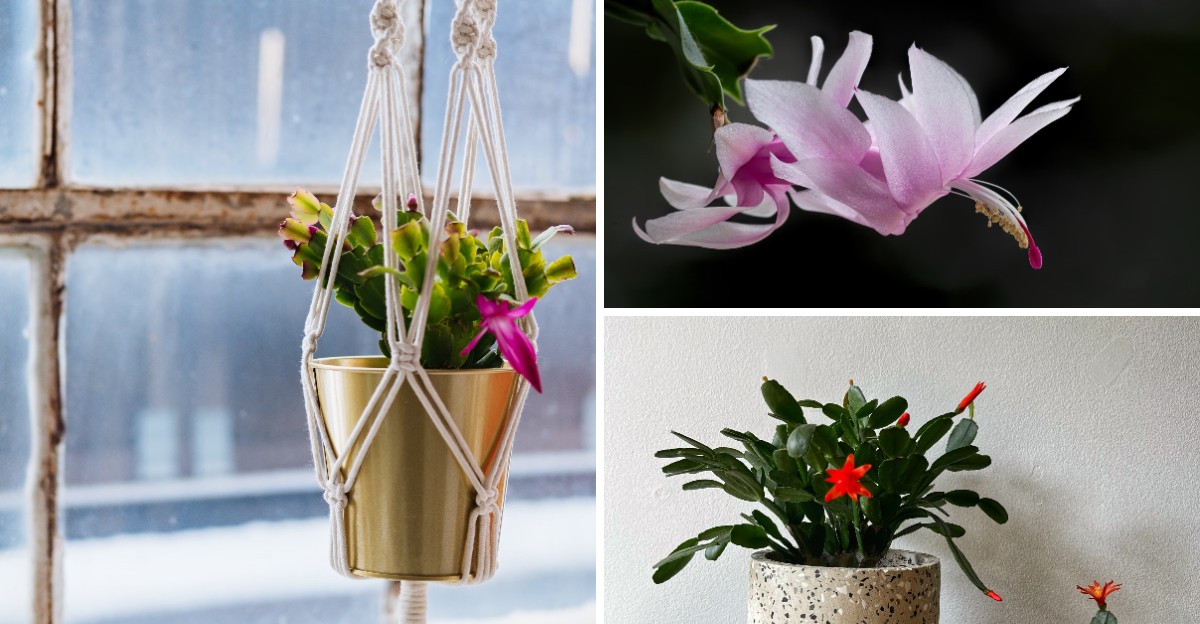
Why does your Christmas cactus stay green while a neighbor’s glows magenta? Light plays a major role, and you may be sending a mixed signal.
Buds form when you give them long, dark, cool nights each evening. A lamp glowing in your living room can shift the whole schedule.
Steady temperatures and quiet corners help buds set. Even small changes in routine can shift the timing.
Fertilizer timing matters too, and you can adjust it easily this week. Move your pots well away from heaters, drafts, and glowing screens.
Pause the turning once buds appear, because sudden shifts make buds fall. Cover them with a cardboard box tonight so your lamps stay out.
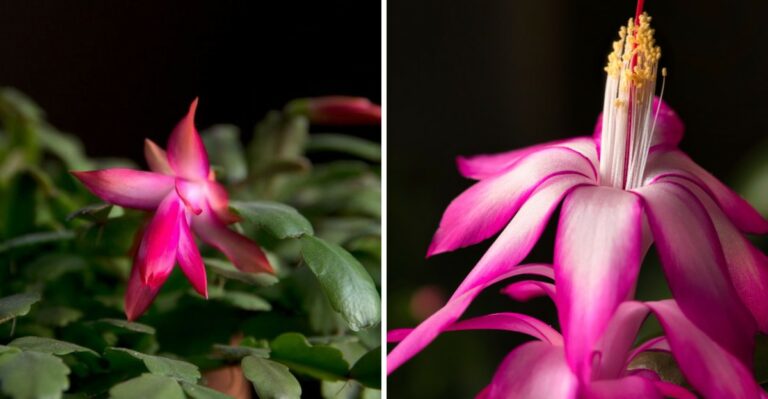
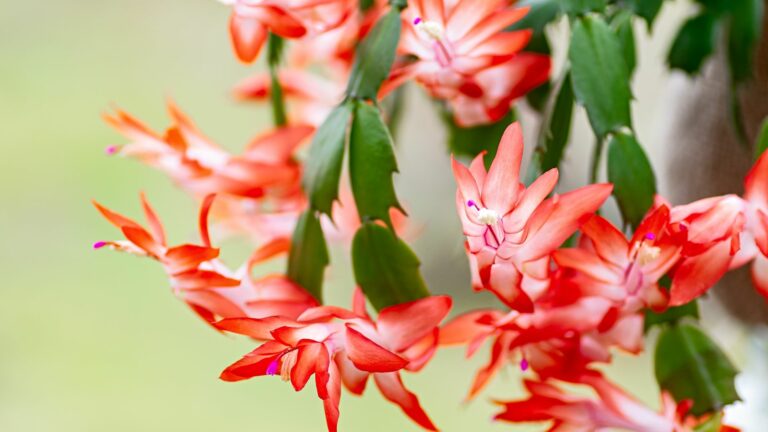
Water sparingly while buds set, and you may see more clusters form. Imagine your windowsill glowing with fuchsia tubes and scarlet stars before your holiday guests arrive.
Give It Long, Dark Nights
These tips assume you live in the Northern Hemisphere. Plants sold as Christmas cactus may include Thanksgiving cactus, which tends to bloom a few weeks earlier and reacts more to day length than to temperature.
In October, aim for about 12 to 14 hours of darkness each night. That darkness signals to the plant that winter is approaching.
Even a lamp or TV glow can confuse it. Regular light at night may delay budding. So where should it go? A spare bedroom, a quiet closet shelf, or a rarely used guest room works well.
Some people simply cover the plant with a cardboard box each evening. Just remember to uncover it in the morning so it gets daylight.
Daytime light still matters a lot for energy. Bright, indirect sunlight during the day keeps leaves plump and green.
Try setting a phone reminder at 6 p.m. and 8 a.m. That simple habit keeps the routine steady without much thinking.
Stick with this pattern for six to eight weeks. Many plants show tiny pink or red bud tips within that window.
Once buds appear, keep conditions steady until they open. Think of it as tucking your plant in each night. It is a small nightly routine with a clear payoff.
Keep The Room Cool And Crisp
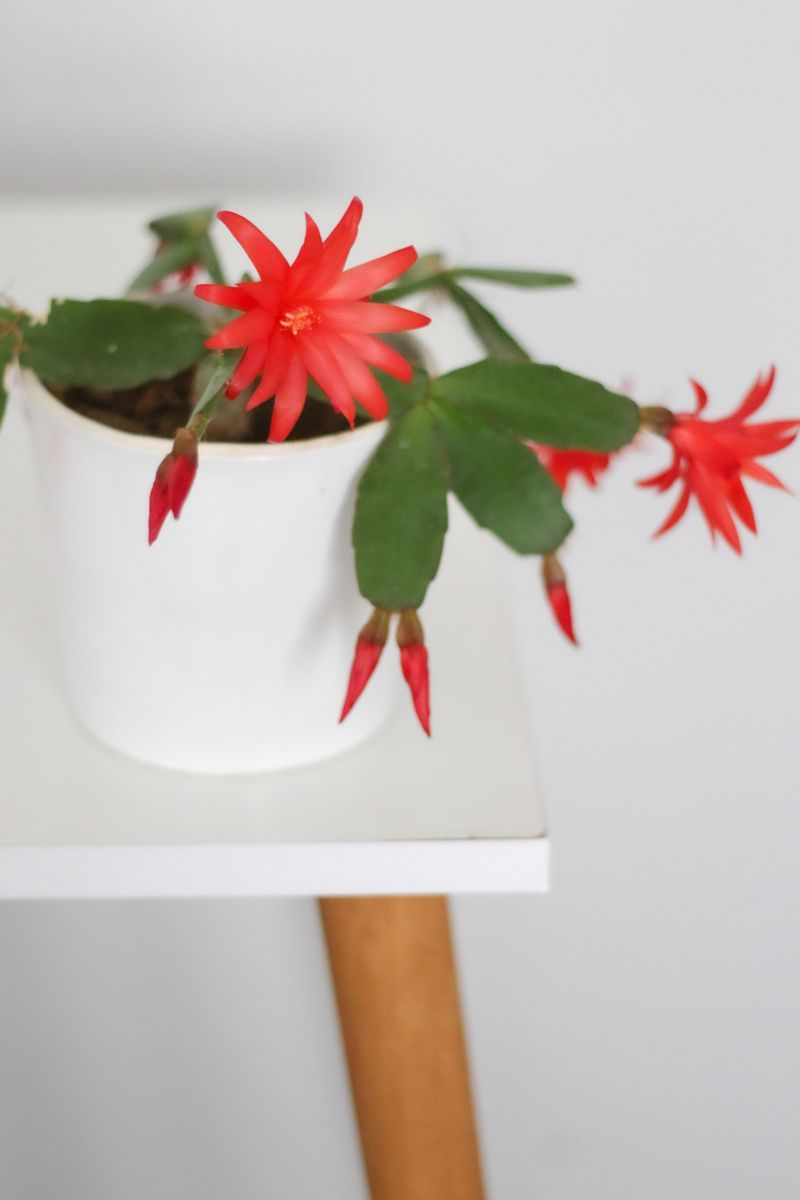
Grandma had her cactus on a chilly back porch, and it bloomed heavily. Her secret was likely just cool air.
Christmas cacti love nights around 50 to 55 degrees Fahrenheit. Cool temperatures help push the plant into budding mode.
Warm rooms near heaters can slow things down. A toasty living room may feel cozy for you but confusing for the plant.
Look for a spot away from heating vents and fireplaces. An unheated sunroom or a cool hallway can work well.
Avoid freezing drafts, though, since frost will harm the leaves. Anything below 45 degrees starts getting risky for this tropical plant.
Some gardeners leave pots outside in early October while nights stay above 45 degrees. They bring them in before the first frost warning shows up.
A cheap indoor thermometer makes guessing unnecessary. Place it right beside the pot and check it each morning.
Cool nights paired with long darkness work like a double push. Together, they send a loud and clear message to bloom.
If your home runs warm, budding may be delayed or reduced, so find the coolest spot you can at night.
Cut Back On The Watering Can
Less water in fall sounds wrong, right? Most plants seem to want more care, yet this one prefers a lighter touch now. In October, let the top inch or two of soil dry out. Then give a modest drink, not a flood.
Slightly drier soil helps the plant rest and prepare for flowers. Constantly wet roots, on the other hand, can develop rot.
Use your finger as a moisture meter. Push it into the soil, and if it feels damp, wait a few days. Water should drain freely out the bottom of the pot. Empty any saucer so the roots do not sit in a puddle.
Leaves give helpful clues too. Wrinkled segments often mean thirst, while mushy or limp ones can signal too much water or root problems.
Room temperature water is kinder than cold tap water. Let a jug sit out overnight before using it.
Watering every one to two weeks is common in fall. Your home’s humidity and pot size will change that a bit.
Do not let the soil dry out completely. Drought stress can make it drop the buds you worked so hard for.
Think of it like a snack instead of a feast. A balanced, careful routine keeps everything moving toward blooms.
Put The Fertilizer On Pause

Feeding a plant feels like showing love. In October, though, a Christmas cactus wants you to put the plant food away.
Fertilizer encourages leafy growth instead of flowers. The plant needs to slow down and focus on making buds.
Many growers stop feeding in early fall. They resume once blooming ends or new growth starts in spring.
During spring and summer, feeding monthly helps build strong stems. That stored energy is what fuels fall flowers.
So your summer effort is already paying off. October is simply the month to sit back and let it work.
If you used a slow-release fertilizer earlier, check the label. Some products keep feeding for months without you noticing.
Salt buildup can also appear from repeated feeding. White crust on the soil is a sign you should flush it with water.
To flush, run plain water slowly through the pot. Let it drain fully, then return the plant to its spot.
Skipping fertilizer also saves you a little money. That leaves extra cash for a pretty holiday pot later.
Picture it like a runner resting before a big race. Pausing the food now leads to a stronger finish in December.
Find A Bright Spot By Day
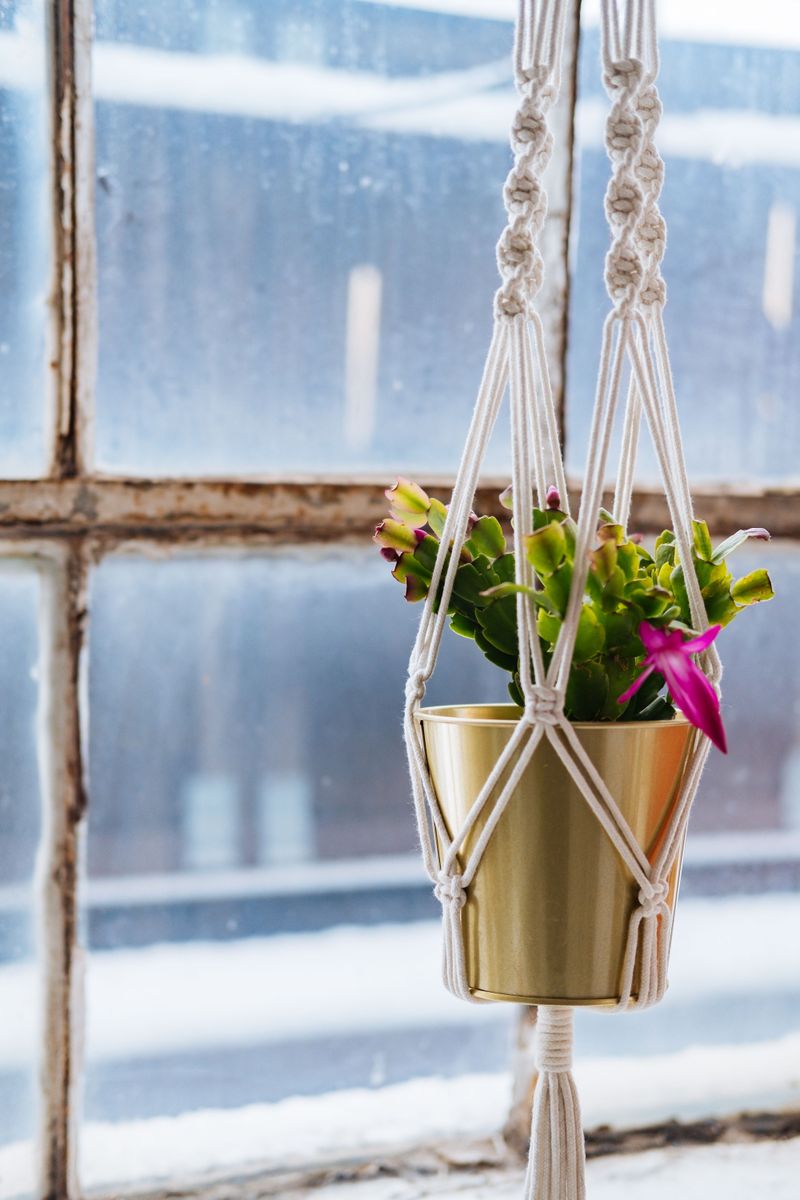
Sunlight fuels plants, but too much can damage leaves. Christmas cacti grow wild in shady forests, perched on tree branches.
That background explains their love of bright, filtered light. Direct afternoon sun can turn leaves reddish or yellow.
An east-facing window is often ideal. It offers gentle morning light without harsh midday rays.
A sheer curtain helps soften strong southern or western sun. Your plant will thank you with deep green segments.
Daylight hours matter because the plant needs energy for buds. Without enough light, flowers may be few and small.
October days are shorter, so every bright hour counts. Clean dusty windows to let more light shine through.
Wipe the leaves gently with a damp cloth too. Dust blocks light and makes the plant work harder.
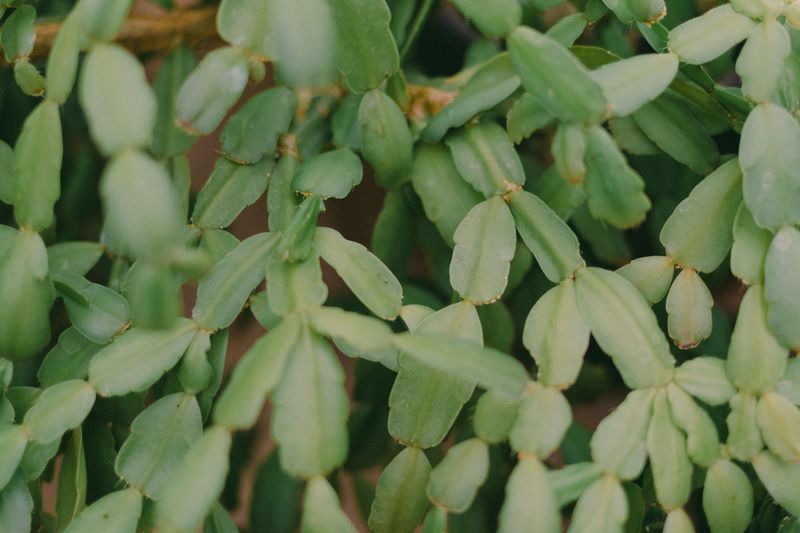
Before buds form, turn the pot a quarter turn every week or so. Once buds appear, stop turning to avoid bud drop.
Just remember the nighttime darkness rule still applies. Bright days and dark nights make the winning combination.
These plants come from Brazilian mountain forests, so they prefer dappled light over desert glare.
Avoid Moving The Pot Once Buds Form
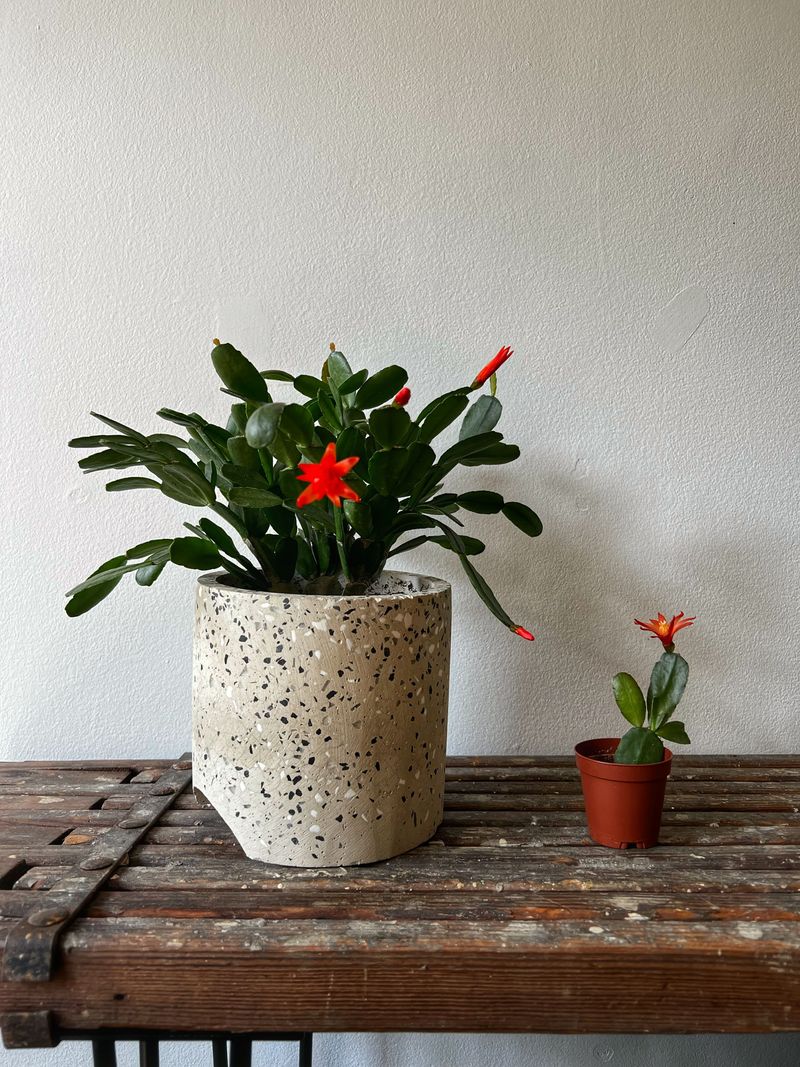
Ever rearranged furniture and felt off for days? A budding Christmas cactus feels much the same about being moved.
Once buds start forming, sudden changes can cause trouble. The plant may drop its buds like a nervous performer.
Shifts in light, temperature, or drafts all add stress. Even carrying it to another room can upset the balance.
Choose its fall home carefully early in the month. Then try to keep it there until blooming begins. Repotting should wait too. Save that job for spring when the plant is actively growing.
Christmas cacti actually enjoy being a bit root-bound. Snug pots often produce more flowers than roomy ones.
Watch out for curious pets and kids bumping the pot. A sturdy table away from busy paths keeps it safe.
If you must move it, do so gently and briefly. Return it to similar light and temperature as soon as possible.
Some bud drop can still happen, so do not panic. Healthy plants often hold on to many of their buds.
Sometimes the hardest gardening job is doing nothing. Letting the plant settle in might feel lazy, but it really works.
Boost The Humidity Around It
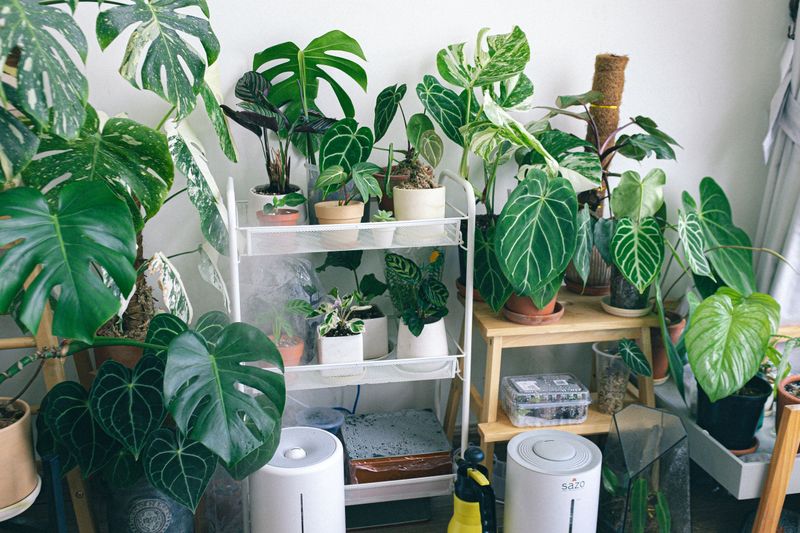
Indoor air gets surprisingly dry once heaters kick on. Your lips notice it, and your Christmas cactus does too.
These plants come from humid forests, so moisture in the air helps. Dry air can lead to shriveled buds and limp leaves.
A pebble tray is a low-cost way to add a little local humidity. Fill a tray with pebbles and water, then set the pot on top.
Keep the water level below the pot’s bottom. That way, roots stay dry while moisture rises around the leaves.
Grouping plants together also raises humidity. Plants release moisture, creating a cozy little microclimate.
A small room humidifier works well too. Aim for humidity around 50 to 60 percent if possible.
Misting helps a bit, but the effect fades fast. It is better as a bonus than a main strategy.
Bathrooms with a bright window can be great spots. Steam from showers gives a natural humidity boost.
Just make sure the bathroom stays dark at night. Light switching on at midnight can mess with budding.
A cheap humidity gauge makes tracking easy. More humid air is often more comfortable for people too.
Check For Pests And Tidy Up The Leaves
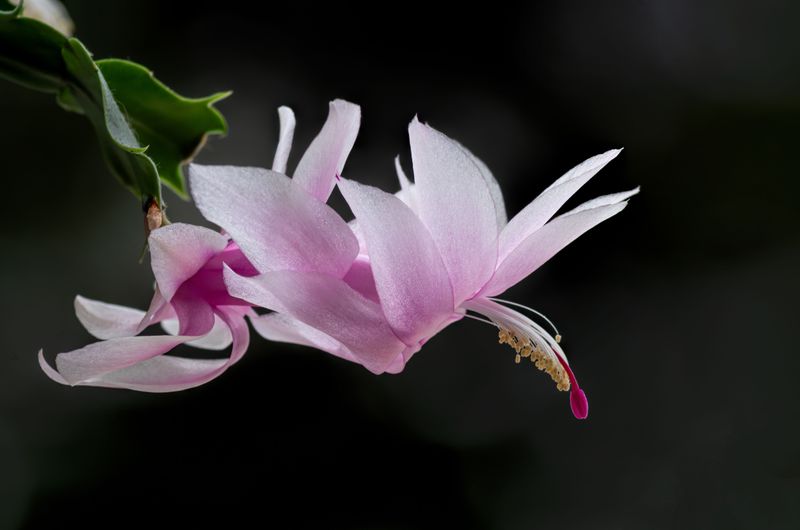
Small pests can travel indoors in fall. Plants that summered outside may bring some along. Mealybugs look like small cotton fluffs on stems. Spider mites leave fine webbing and speckled leaves.
Inspect every segment, especially where pieces join together. A magnifying glass makes spotting bugs much easier.
Dab mealybugs with a cotton swab dipped in rubbing alcohol, testing one segment first to check for damage. For bigger problems, try insecticidal soap from a garden store.
Keep a new or outdoor plant apart for two to four weeks. That simple step protects the rest of your houseplants.
Pinch off any yellow, shriveled, or damaged segments. Clean plants can direct more energy toward flowers.
Remove fallen leaves and debris from the soil too. Rotting bits can invite fungus gnats and mold.
Healthy plants resist pests better in the first place. Good light, careful watering, and clean leaves all work together.
October is a good time for this checkup. Buds are just starting, so fixing problems now prevents bloom losses.
Think of it as a spa day for your cactus. A tidy, bug-free plant is ready for a bright holiday display.