What To Do In Your Florida Garden In March For A Strong Spring Start
Florida gardens are waking up, and March is the month that sets the tone for the entire season. Flowers are starting to pop, trees are leafing out, and the air is buzzing with growth.
While the rest of the country is still bundled up, gardeners here are already balancing warm sunshine with the occasional cold snap, making this a tricky but exciting time to work in the yard. Want blooms, lush foliage, and a garden that can handle the heat and humidity ahead?
The steps taken now can transform a good garden into one that feels effortless, thrives all season, and becomes the envy of the neighborhood.
1. Refresh Garden Beds Before Spring Growth Surges
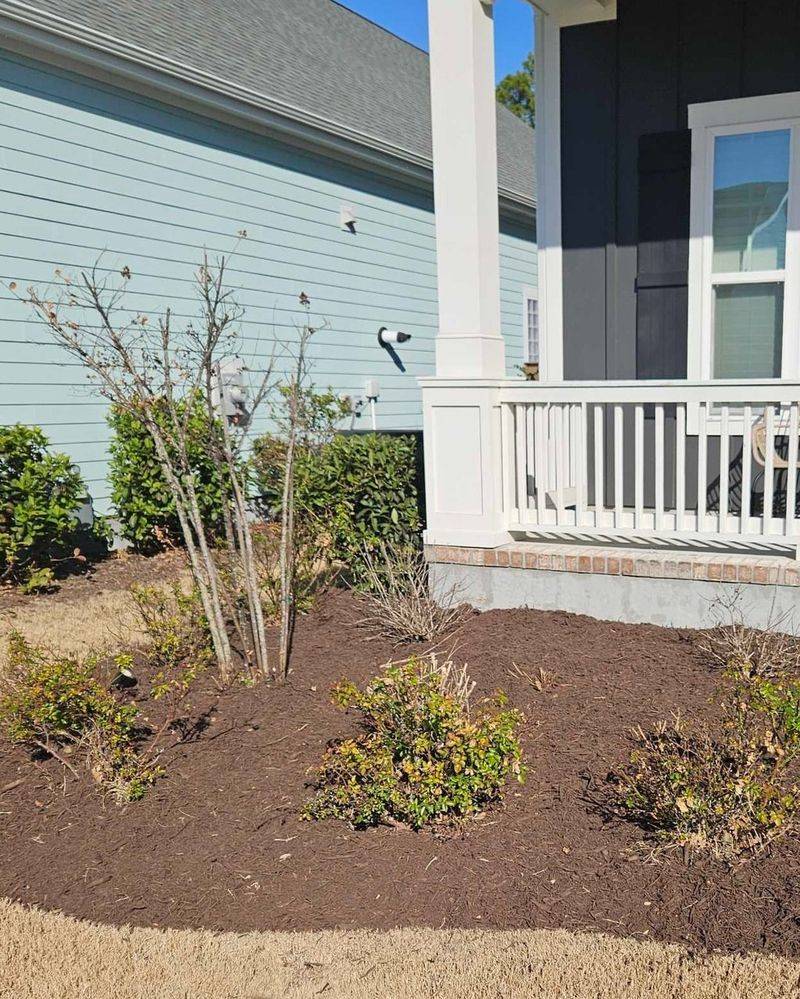
After a Florida winter, garden beds can look a little tired and neglected. Fallen leaves, declined plant matter, and compacted soil all build up over the cooler months, and March is the perfect time to clear everything out before spring growth really kicks in.
Start by removing any lingering winter debris such as withered stems, old mulch, and fallen foliage. This reduces hiding spots for pests and prevents fungal issues that thrive in damp, rotting material.
UF/IFAS Extension specialists consistently point out that good bed hygiene in early spring makes a measurable difference in plant performance throughout the growing season.
Once the bed is cleared, loosen the top few inches of soil with a garden fork or hand cultivator. Florida soils, especially sandy ones, tend to compact easily and benefit from regular aeration.
Work in a layer of compost or aged organic matter to boost nutrient content and improve moisture retention.
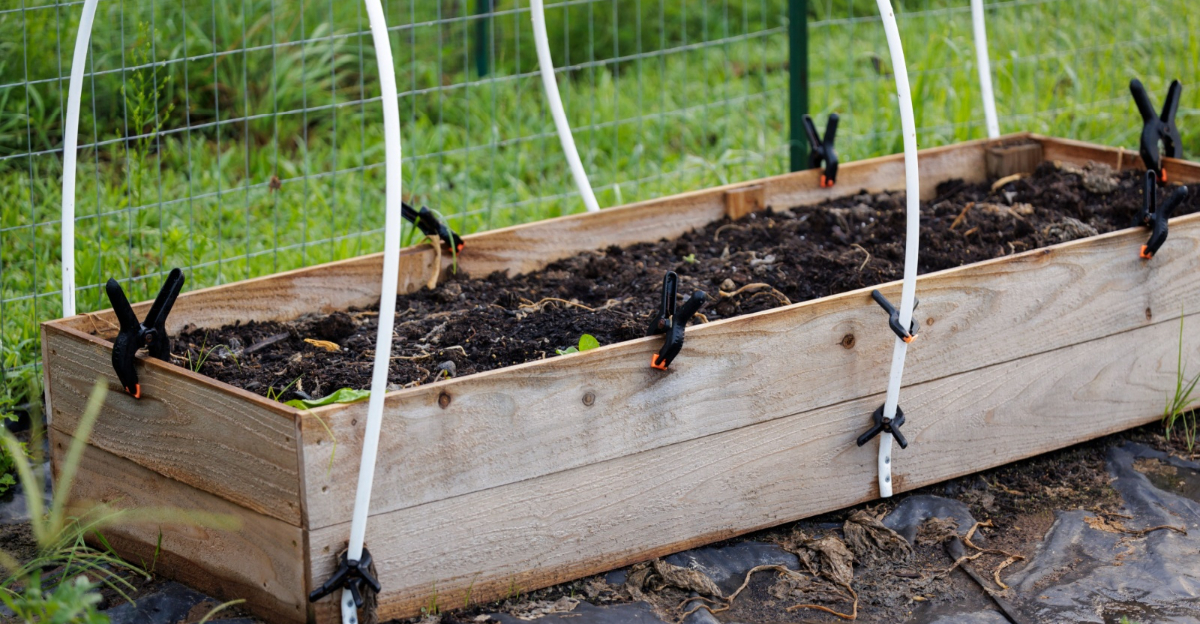
Raised beds should get fresh soil amendments too, since nutrients deplete over time. A refreshed bed drains better, warms up faster, and gives plant roots the loose, rich environment they need to establish quickly.
Think of this step as laying down a welcome mat for every seed and transplant you plan to add this spring.
2. Plant Warm-Season Vegetables While Soil Warms Up
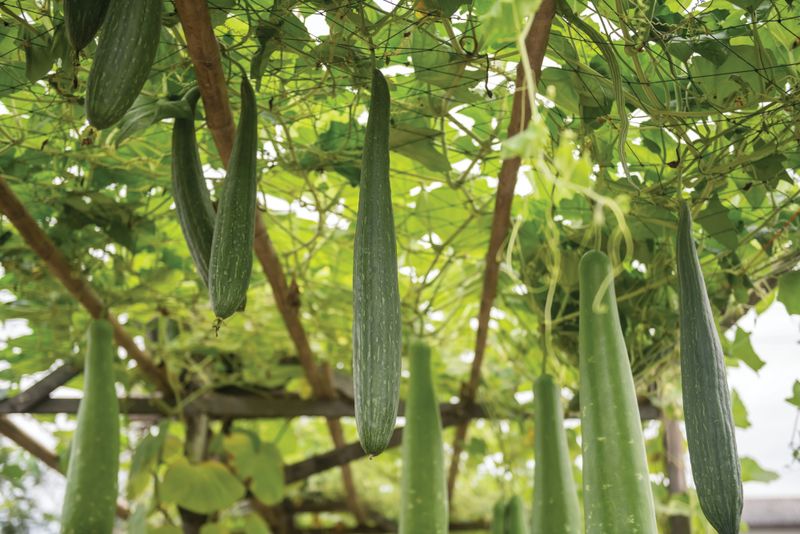
Right now, across much of Florida, the soil is reaching that ideal temperature range where warm-season vegetables absolutely take off. According to the UF/IFAS Florida Vegetable Gardening Guide, March is prime planting time for crops like tomatoes, peppers, beans, cucumbers, squash, and eggplant throughout the state.
Tomatoes are probably the most popular choice, and for good reason. Varieties like ‘Celebrity,’ ‘Sweet 100,’ and ‘Heatmaster’ are well-suited to Florida’s climate and available at most local garden centers this time of year.
Get transplants in the ground now so they can establish strong root systems before the intense summer heat arrives.
Beans and cucumbers are fast producers and do especially well when direct-seeded into warm soil. Squash can go in now too, though keep an eye on squash vine borers as the season progresses.
Peppers love the warmth and will reward you with harvests that stretch well into summer.
One thing Florida gardeners sometimes overlook is spacing. Giving plants enough room improves airflow, which helps reduce fungal disease pressure in Florida’s humid conditions.
Follow the spacing recommendations on your seed packets or transplant tags, and you will be amazed at how productive a well-planned spring vegetable bed can be.
3. Add Fast-Growing Annual Flowers For Instant Color
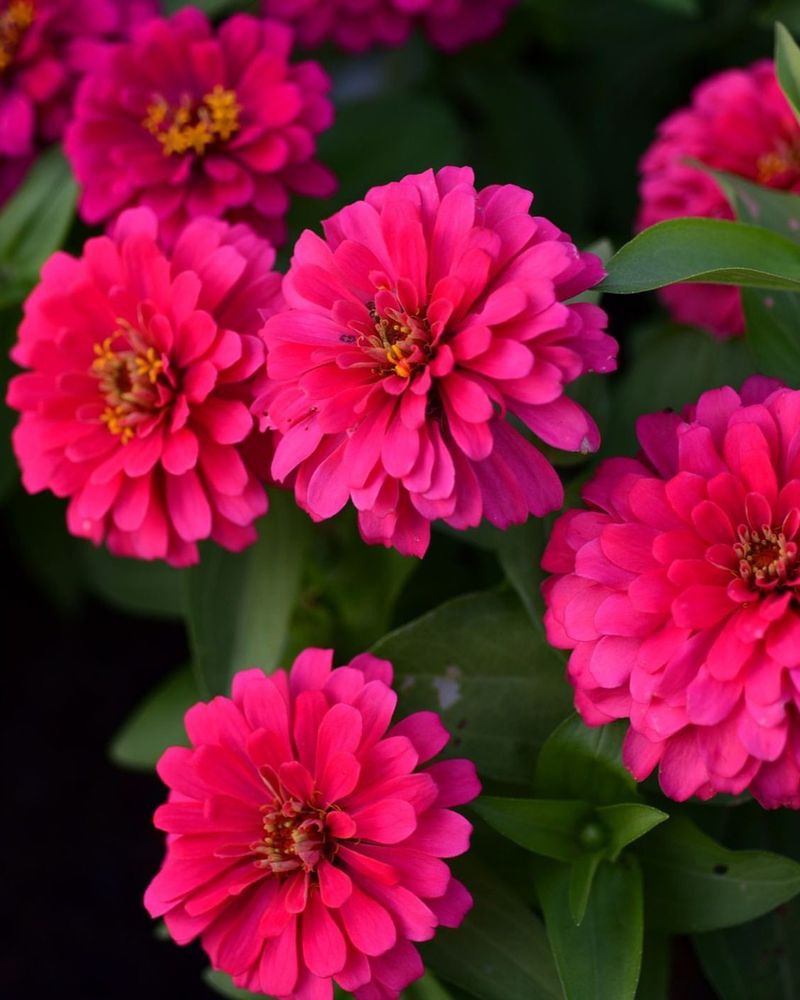
Few things brighten up a Florida yard faster than a fresh planting of warm-season annual flowers. March gives you a fantastic head start because the temperatures are warm enough for these plants to establish quickly, but not yet so hot that young seedlings struggle to get going.
Zinnias are a Florida favorite for good reason. They grow fast, come in bold colors, and attract butterflies and bees like a magnet.
Marigolds are another reliable pick, offering cheerful orange and yellow blooms while also helping deter certain garden pests naturally. Vinca, also known as periwinkle, is incredibly heat-tolerant and keeps flowering even when summer temperatures soar.
Cosmos add a soft, airy look to garden borders and grow so quickly from seed that you can have flowers within weeks of planting. For shadier spots, impatiens remain a go-to option in Florida, though it is worth selecting downy mildew-resistant varieties given Florida’s humidity levels.
Pollinators benefit enormously from these plantings. A yard filled with flowering annuals supports local bees, butterflies, and beneficial insects that also help control pest populations.
Planting a variety of flower types and colors extends the bloom season and keeps your garden looking lively from spring all the way into fall.
4. Divide Overgrown Perennials For Healthier Plants
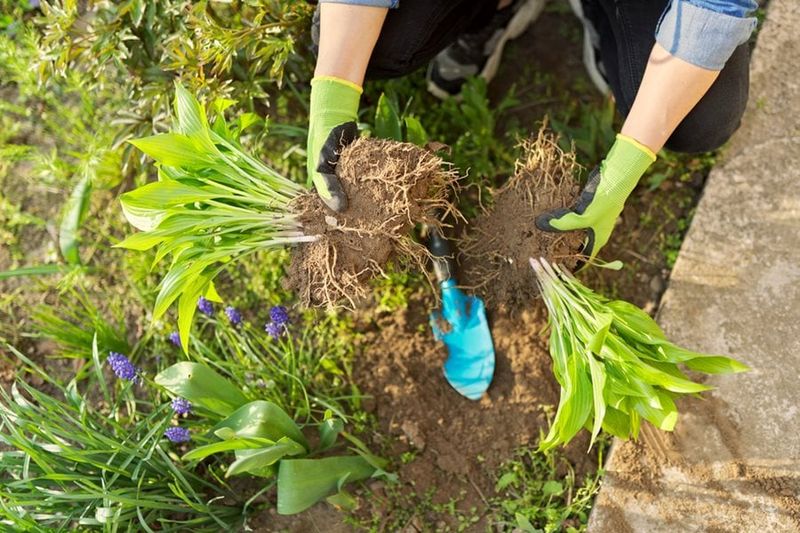
Perennials that have been sitting in the same spot for a few years often start to look crowded, produce fewer blooms, or develop bare patches in the center of the clump. March, just before vigorous spring growth kicks in, is one of the best times to divide them and give each section a fresh start.
Dividing perennials is surprisingly straightforward. Use a sharp garden spade or fork to lift the entire clump out of the ground, then separate it into smaller sections, each with healthy roots and foliage.
Replant the divisions at the same depth they were growing before, water them in well, and watch them take off with renewed energy.
Popular Florida perennials that respond well to spring division include agapanthus, liriope, society garlic, and ornamental grasses. Canna lilies can also be divided now, as can daylilies if they have become overcrowded.
The UF/IFAS Extension recommends dividing most herbaceous perennials every three to four years to keep them performing at their best.
Beyond rejuvenating the original plant, division gives you free plants to fill in other areas of the garden or share with neighbors. A single overgrown clump can yield four to six healthy new plants, which is a pretty satisfying return on a morning’s worth of work.
5. Feed Lawns And Plants For A Strong Spring Push
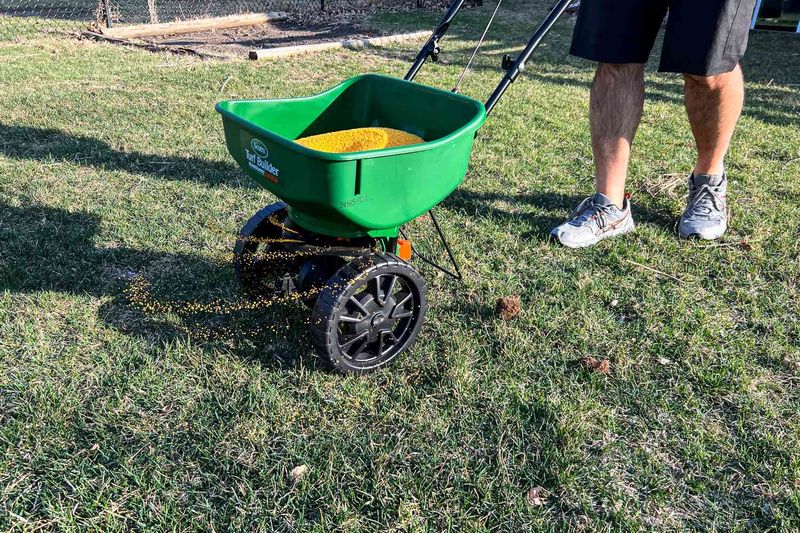
Timing fertilizer applications correctly makes a real difference in Florida, where warm weather stretches the growing season but also means nutrients can leach quickly through sandy soil. UF/IFAS recommends waiting until your lawn has fully greened up before applying the first fertilizer of the year, which for most Florida lawns happens around mid to late March.
For St. Augustine, Bahia, and Zoysia lawns, a slow-release nitrogen fertilizer is the smart choice. Slow-release formulas feed plants gradually over several weeks, reducing the risk of nutrient runoff into local waterways and minimizing the chance of burning grass blades during warm weather.
Many Florida counties also have fertilizer blackout ordinances during the rainy season, so getting an application in during March is ideal timing.
Garden plants benefit from a spring feeding too. Flowering shrubs, perennial beds, and container plants all appreciate a balanced fertilizer at the start of the growing season.
For tropical plants like hibiscus and ixora, a fertilizer with minor nutrients including iron and magnesium helps prevent the yellowing that is common in Florida’s alkaline soils.
Avoid over-fertilizing, which can actually lead to lush, weak growth that attracts pests. Follow the label rates carefully and water the fertilizer in well after application to help nutrients reach the root zone where plants can actually use them.
6. Refresh Mulch To Lock In Moisture And Stop Weeds
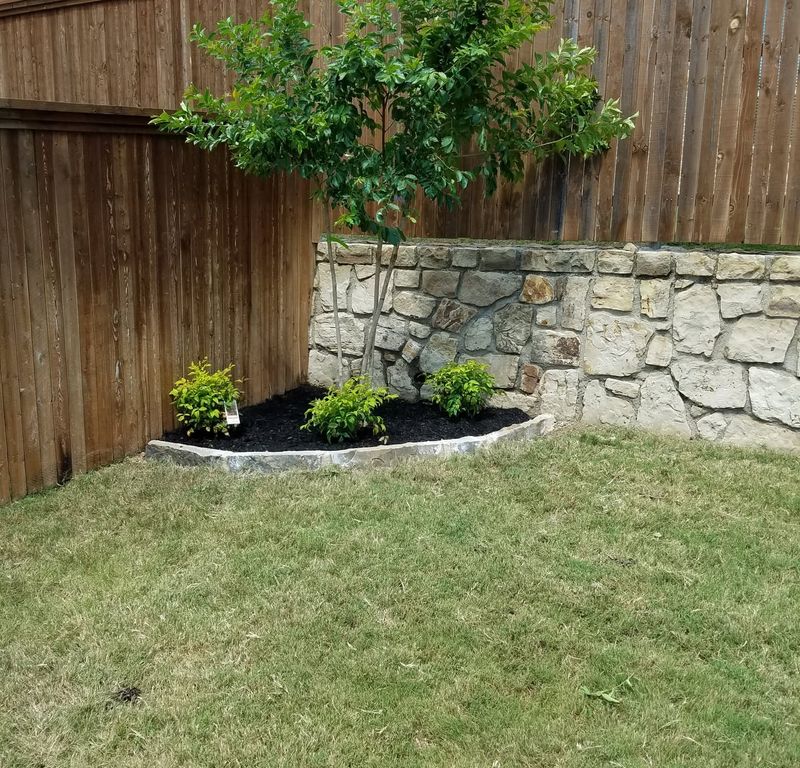
A fresh layer of mulch in March is one of the most cost-effective things you can do for your Florida garden before summer heat arrives. Mulch acts as a natural insulator, keeping soil moisture from evaporating quickly during warm, dry stretches that are common in Florida’s late spring before the rainy season begins.
Aim for a two to three inch layer of mulch across all garden beds, keeping it pulled back a few inches from the base of plant stems and tree trunks. Piling mulch directly against stems traps moisture against the bark and creates conditions where rot and fungal issues can develop.
A donut shape around trees and shrubs, rather than a volcano pile, is the correct technique.
Florida-friendly mulch options include pine bark, pine straw, melaleuca mulch, and eucalyptus mulch. Pine straw is especially popular in North and Central Florida and breaks down slowly, making it a long-lasting option.
Organic mulches also gradually improve soil structure as they decompose, adding a small but steady supply of organic matter.
Weed suppression is another major benefit. A properly applied mulch layer blocks sunlight from reaching weed seeds in the soil, dramatically cutting down on the time you spend pulling weeds throughout spring and summer.
That alone makes the effort well worth it.
7. Check Irrigation Systems Before Heat Arrives
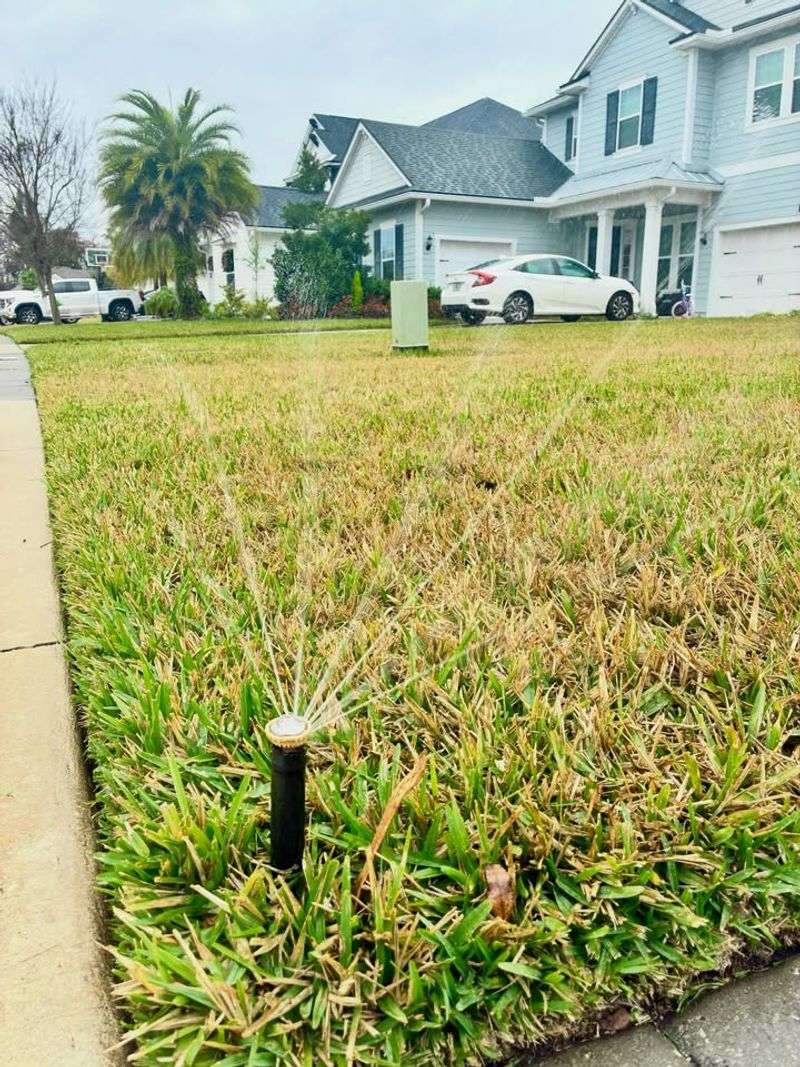
March is a quiet month for rainfall across much of Florida, sitting in that dry window before the summer rainy season kicks in around June. That makes it the perfect time to walk your property and give your irrigation system a thorough inspection while the stakes are still low and plants are not yet under serious heat stress.
Turn each irrigation zone on manually and watch for heads that are clogged, tilted, or spraying in the wrong direction. Broken heads and misaligned nozzles waste enormous amounts of water and can leave dry patches in your lawn or garden without you even noticing until plants start showing stress.
Replacing a sprinkler head is inexpensive and takes only a few minutes.
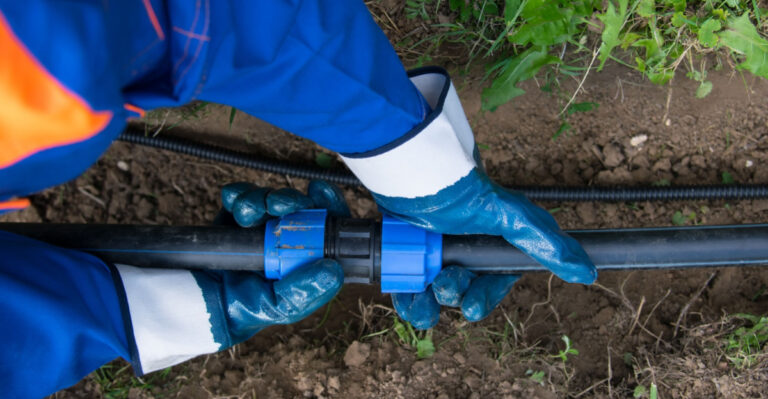
Check drip irrigation lines and emitters in garden beds too. Emitters can clog with mineral deposits over time, especially in areas with hard water.
A simple cleaning or replacement keeps water flowing directly to plant roots where it does the most good.
Also review your irrigation controller settings. Many Florida homeowners forget to update their schedules seasonally, running systems on winter settings well into spring.
UF/IFAS recommends watering based on actual plant need rather than a fixed schedule, and adjusting run times as temperatures and evapotranspiration rates increase through spring and into summer.
8. Watch For Early Pests As Temperatures Rise
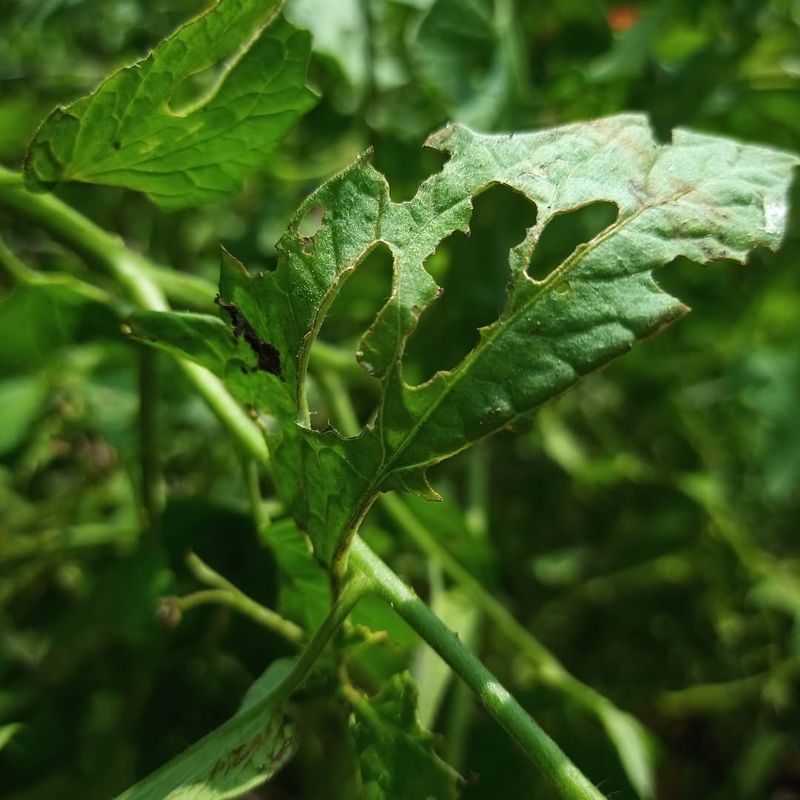
Warmer temperatures in March wake up more than just your plants. Insect populations begin building rapidly as the weather heats up, and catching pest problems early is far easier than trying to manage a full-blown infestation later in the season.
A few minutes of careful observation each week can save a lot of frustration.
Common early-season pests in Florida include aphids, whiteflies, spider mites, and caterpillars. Aphids tend to cluster on new growth and can multiply quickly on vegetables and flowering plants.
Whiteflies are a persistent challenge on ornamentals and vegetables alike, especially in South Florida where populations rarely drop off completely during winter.
Integrated pest management, or IPM, is the approach recommended by UF/IFAS Extension for home gardeners. IPM focuses on identifying pests accurately before taking action, starting with the least toxic control options, and preserving beneficial insects that naturally keep pest populations in check.
Beneficial insects like ladybugs, lacewings, and parasitic wasps are valuable allies in any Florida garden.
Check the undersides of leaves regularly, since many pests feed and lay eggs there where they are easy to miss. A strong spray of water from a garden hose can dislodge aphid colonies effectively.
For heavier infestations, insecticidal soap or neem oil are low-impact options that are widely available and safe for most garden plants.