Indiana’s Dry Fall Means Trees Planted This Year Still Need Water After The Leaves Drop
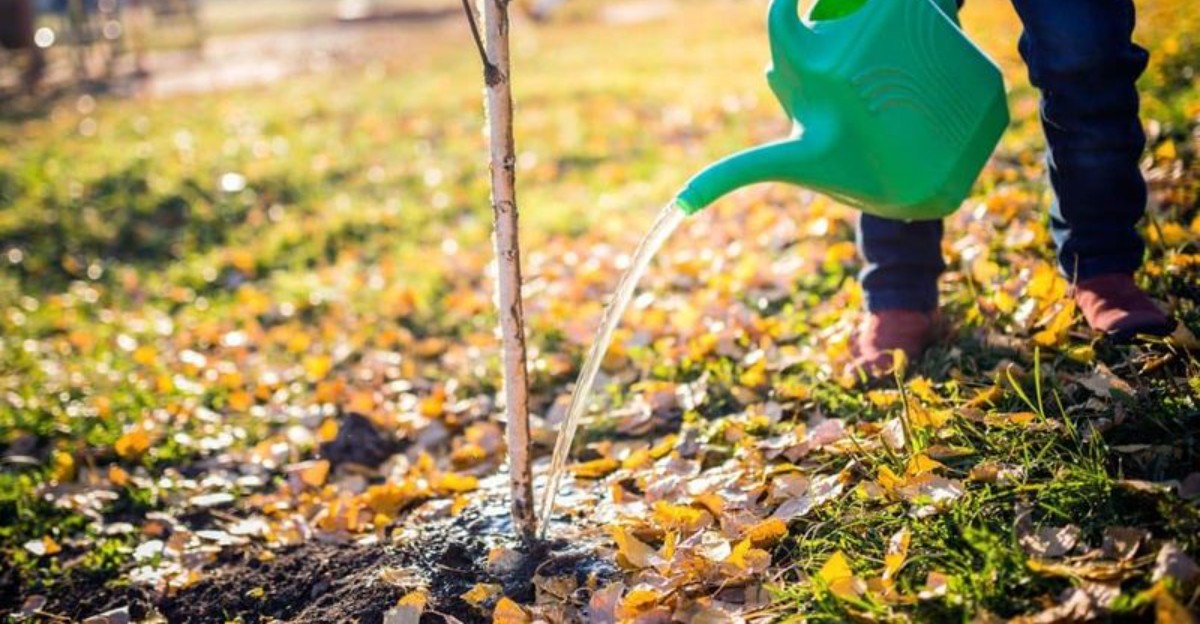
Tree roots can keep growing in soil as cool as the low 40s, long after the branches look fast asleep. That means a tree planted this year is still building its root system well into fall.
The low 40s figure surprised me the first time I read it. Bare twigs seem to say the job is finished, yet the real work is happening where you cannot see it.
This fall, parts of Indiana have run noticeably drier than normal, and young trees feel that shortage first. Their roots are still small and packed close to the original nursery ball. They cannot reach far for moisture like the old oak down the street.
Personally, I hate the idea of babying a sapling all summer and then losing ground in November. You put in the digging, the mulch, and the hope. So why let a few dry weeks undo it before winter even arrives?
Bare Branches Hide A Busy Root System Underground
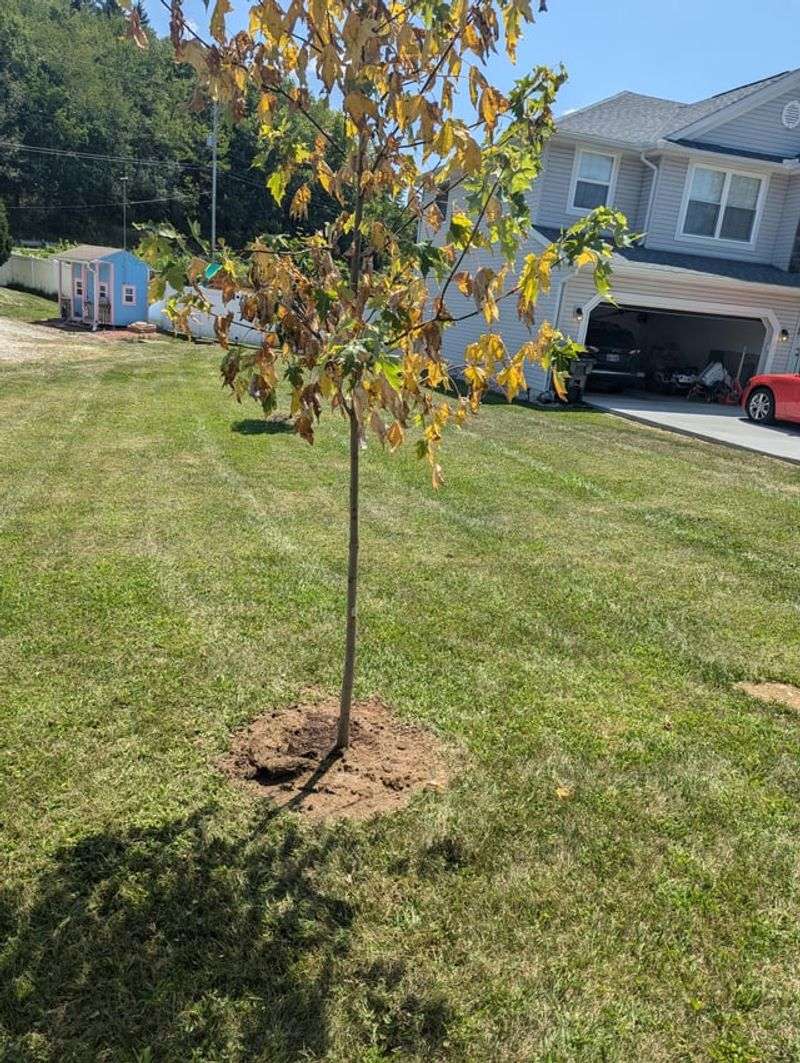
Leaves on the ground look like a closing sign, but a young tree is still working hard below your feet. Purdue Extension notes that roots keep growing in fall whenever the soil stays above roughly 40 degrees.
That means the tree you planted in spring or summer is busy pushing out fine roots right now. Those tiny roots do most of the drinking, and they need moist soil to grow into. When the ground turns dry and crumbly, root growth slows to a crawl.
I like to think of autumn as a quiet construction season. The top of the tree has stopped making food, so it sends stored energy downward. Roots that expand now give the tree a head start next spring, before the leaves even open.
New trees have a special handicap, too. Most of their roots still sit inside the original root ball, which dries out faster than the surrounding soil. Even a lawn that looks okay can hide a parched root ball.
So the bare branches are not the full story. A dry fall leaves those busy roots thirsty, and you are the only rain they can count on until the weather changes its mind.
Give That Young Tree A Slow, Deep Soak Once A Week
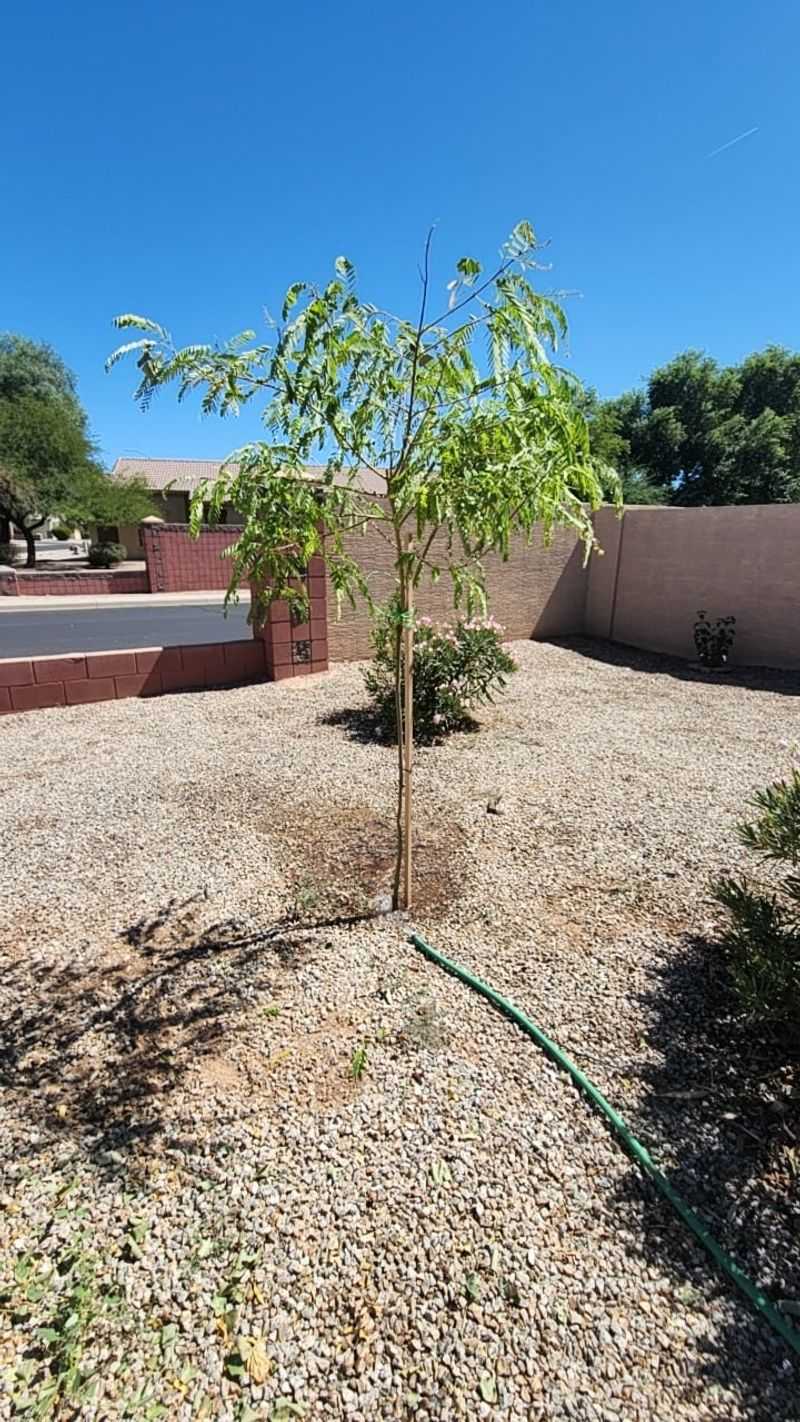
Slow and deep wins this race every time. A quick splash from the hose wets the surface, but the water rarely reaches the roots that need it.
Many extension services suggest about 10 to 15 gallons per watering for a newly planted tree during dry spells. Another handy guide is the 5 plus 5 rule, which means 5 gallons plus 5 more gallons for each inch of trunk diameter. Aim to moisten the soil about 12 inches deep.
Here is my favorite lazy trick. Set the hose at the base, turn it to a thin trickle, and walk away for 20 to 30 minutes. The water soaks in instead of running off across the lawn.
Point the water right over the root ball first, then a little beyond it. Roots on a first-year tree have not wandered far yet, so watering way out at the edge of the branches wastes effort.
Your Indiana Garden Changes Every Week. Your Plan Should Too.
Gardening in Indiana changes quickly throughout the season. Every Friday you’ll receive a simple weekly plan showing exactly what to plant, prune, fertilize, harvest, and protect so you never miss the right timing.
Once a week usually works when rain is scarce. If you get a solid inch of rain, skip that week. Watering in the morning or midday during mild weather lets the soil absorb moisture before nighttime chills arrive.
Your Fingertips Beat The Calendar For Checking Soil Moisture
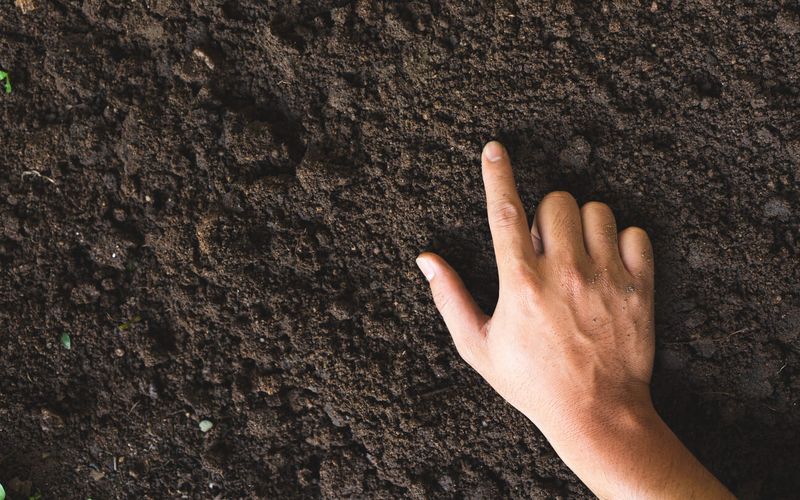
Forget a fixed schedule for a moment and trust your own hand. Pull back the mulch near the trunk and push a finger or a small trowel about two to four inches into the soil.
Cool and slightly damp? Your tree is fine for now. Dry and dusty means it is time to grab the hose.
I check right at the edge of the root ball, since it dries faster than the native soil. Heavy clay soils in central and northern Indiana can feel moist on top while the root ball stays dry underneath, and sandy soils in the northwest drain quickly and need checks more often.
A long screwdriver works as a fun moisture probe, too. It slides easily into moist soil and stops hard in dry ground.
Checking first also protects you from the opposite problem. Soggy soil squeezes out air, and roots need oxygen just as much as water. Overwatering a tree in poorly drained clay can cause root rot, which is a slow, sneaky trouble.
Two minutes with your fingers tells you more than any app on your phone.
Watering Bags Make Fall Tree Care Way Easier
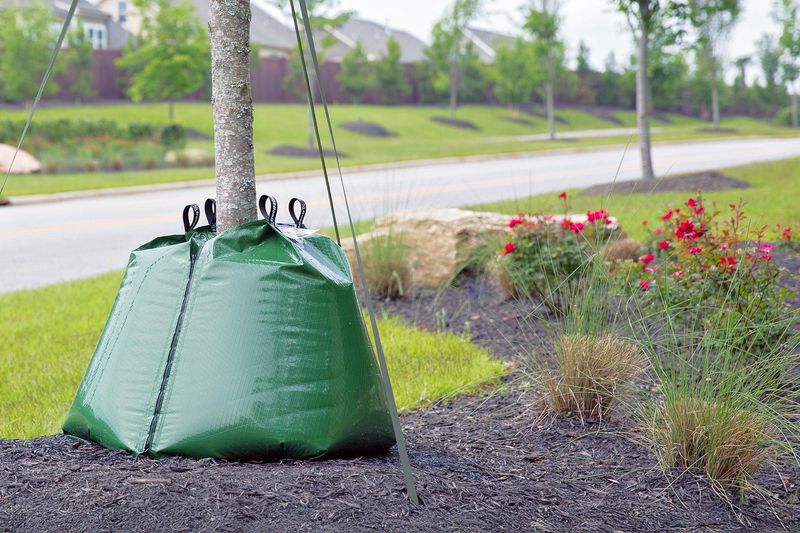
Busy weekends and short days make hose duty easy to forget. That is where a slow-release watering bag earns its spot in the garage.
These zippered bags wrap around the trunk and hold roughly 15 to 20 gallons. Tiny holes in the bottom let water drip out over several hours, right onto the root ball. You fill it, walk away, and the tree drinks at its own pace.
I love how simple they make the job for city trees and curbside plantings. Many towns and cities use them on new street trees for exactly that reason.
A few tips help them work better. Remove the bag between fillings once or twice a month so the bark can breathe and stay dry. Check that the water is actually soaking in, not puddling off a slope.
Take the bags off before hard freezes arrive. A bag full of ice against a young trunk is not doing anyone any favors.
Five-gallon buckets with a couple of small holes drilled near the bottom work as a budget option. Place one or two beside the trunk and fill them up for the same slow, steady soak.
A Wood Chip Mulch Ring Holds Moisture Like A Blanket
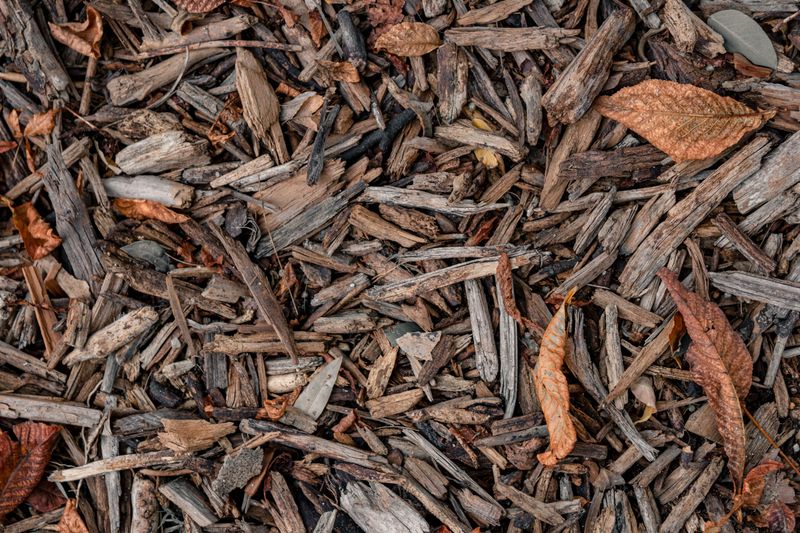
Mulch might be the cheapest drought insurance you can buy. A two to three inch layer of shredded wood or wood chips slows evaporation and keeps soil temperatures steadier.
Spread it in a wide circle, ideally three feet or more across for a young tree. Wider is better, since it also keeps the mower and string trimmer away from tender bark.
Now the rule I preach to everyone. Keep mulch a few inches away from the trunk. Piling it up like a volcano traps moisture against the bark, invites rot, and gives rodents a cozy winter hideout.
Fallen leaves can help, too. Shred them with the mower and tuck them on top of the mulch ring for a free, natural layer.
Grass is a sneaky water thief. Turf roots grab moisture from the top few inches of soil before tree roots get a chance, so a clean mulch circle gives your sapling first dibs.
Moist soil under mulch also holds heat better than dry soil. That steady warmth helps roots keep growing a little longer as the season cools down, which is a nice bonus for any first-year tree.
Early Leaf Drop And Cracked Soil Are Thirst Warnings
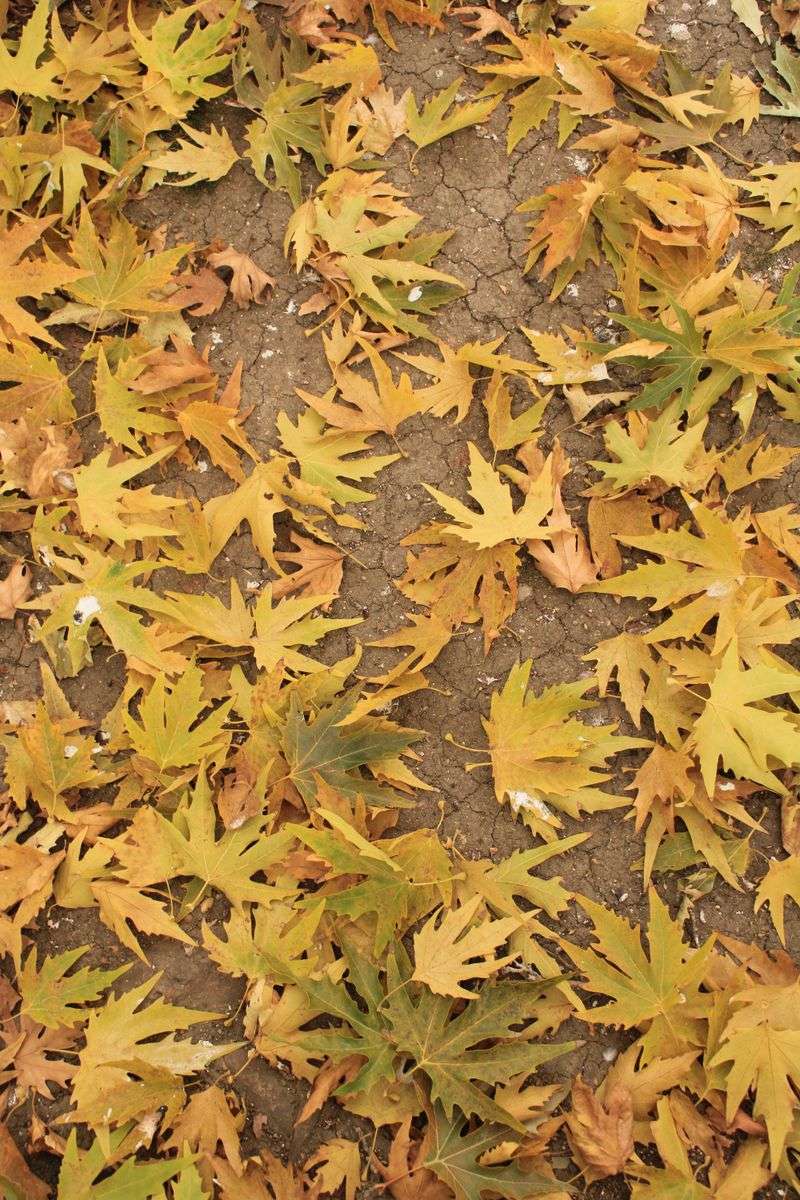
Some trees around Indiana dropped leaves earlier than usual this year, and dry weather is a likely reason. Shedding foliage early is one way a stressed tree cuts down on water loss.
Fall color can suffer too. Instead of bright reds and oranges, drought-stressed trees often show dull browns, scorched leaf edges, or curled leaves that hang on stubbornly.
Look down as well as up. Cracks in the soil around the base, a root ball that has pulled away from the planting hole, or soil that feels hard as pavement all point to a thirsty tree.
Early leaf drop does not always mean drought, though. Pests, diseases, transplant shock, or planting too deep can cause similar symptoms. If the soil feels moist yet the tree looks rough, something else may be going on.
Trouble from a dry fall often shows up next spring. Watch for late leaf-out, small leaves, or twigs that fail to sprout.
Purdue Extension and your county extension office can help diagnose puzzling problems. Snap a few photos now so you have something to compare against when spring arrives.
Newly Planted Evergreens Need Extra Water Before Winter
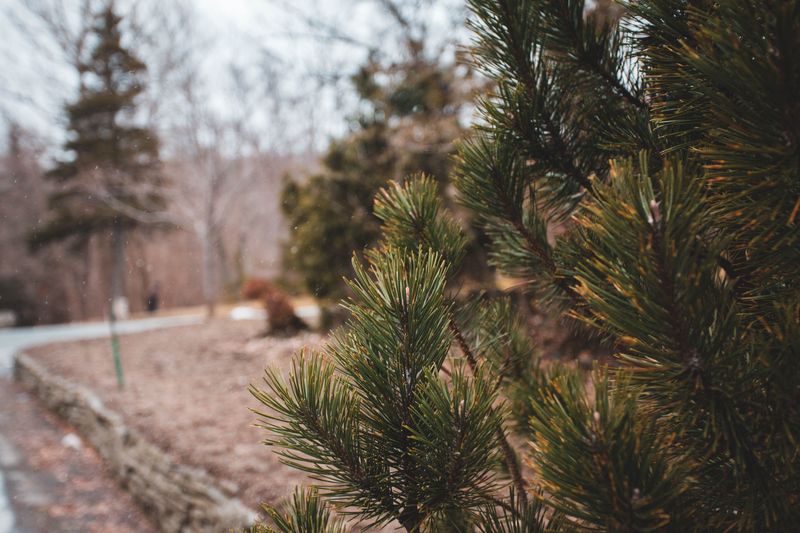
Pines, spruces, and arborvitae keep losing water all winter. Their needles stay on all winter, and sunny, windy days pull moisture out of them even when the ground is cold.
That is how winter burn happens. Needles turn brown, especially on the side facing wind or afternoon sun, because the roots cannot replace water fast enough.
A newly planted evergreen has it worst. Its small root system has less reach, so a well-soaked root zone going into winter matters a lot.
I give my young evergreens a deep drink right up until the ground freezes. Broadleaf evergreens like boxwood and holly appreciate the same treatment.
A burlap screen on the windy side can help exposed plants in open yards. Leave the top open and keep the fabric off the foliage so air can move.
Skip the urge to wrap them tightly in plastic. That traps heat on sunny days and can cause more harm than good.
Antidesiccant sprays exist, but research results on them are mixed. Steady soil moisture and good mulch remain the most reliable winter protection you can give.
Keep The Hose Handy Until The Ground Freezes Solid
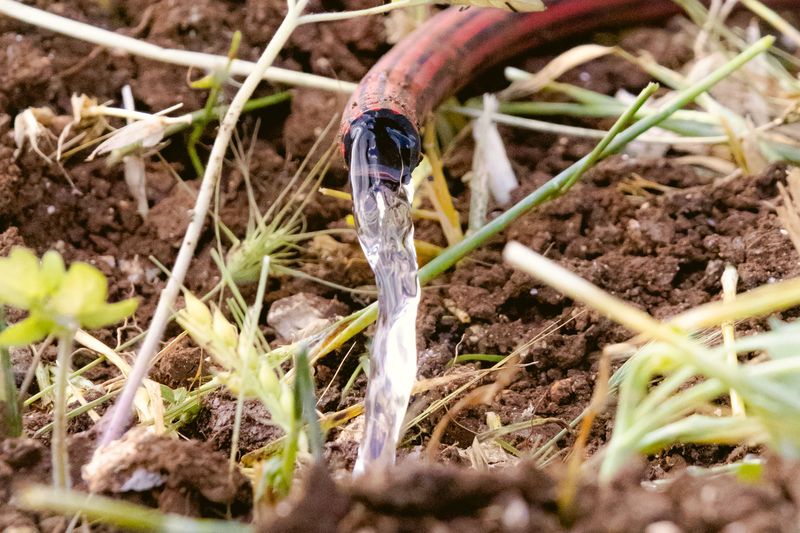
Ready for the finish line? Keep checking soil and watering during dry stretches until the ground freezes hard. In much of Indiana that lands somewhere in late November or December, with southern counties often staying workable longer than the north.
Once the soil freezes, water simply sits on top or runs off. That is your signal to drain the hose and tuck it away so it does not crack.
Winter may still give you a few chances to help. If a thaw brings several days above 40 degrees with no snow and dry soil, a midday watering can top off the root zone, especially for evergreens.
Keep your effort going next year too. Most new trees need regular watering for at least one to two full growing seasons, and larger trees take even longer to settle in.
I find it helpful to jot watering dates on a calendar or phone note. Patterns jump out quickly.
Every gallon you give now builds roots for decades of shade, birdsong, and cooler summer afternoons. A little hose time this fall is a small price for a tree that thrives.