What To Do With Oregon Fig Trees When Fruit Is Still Green As Fall Approaches
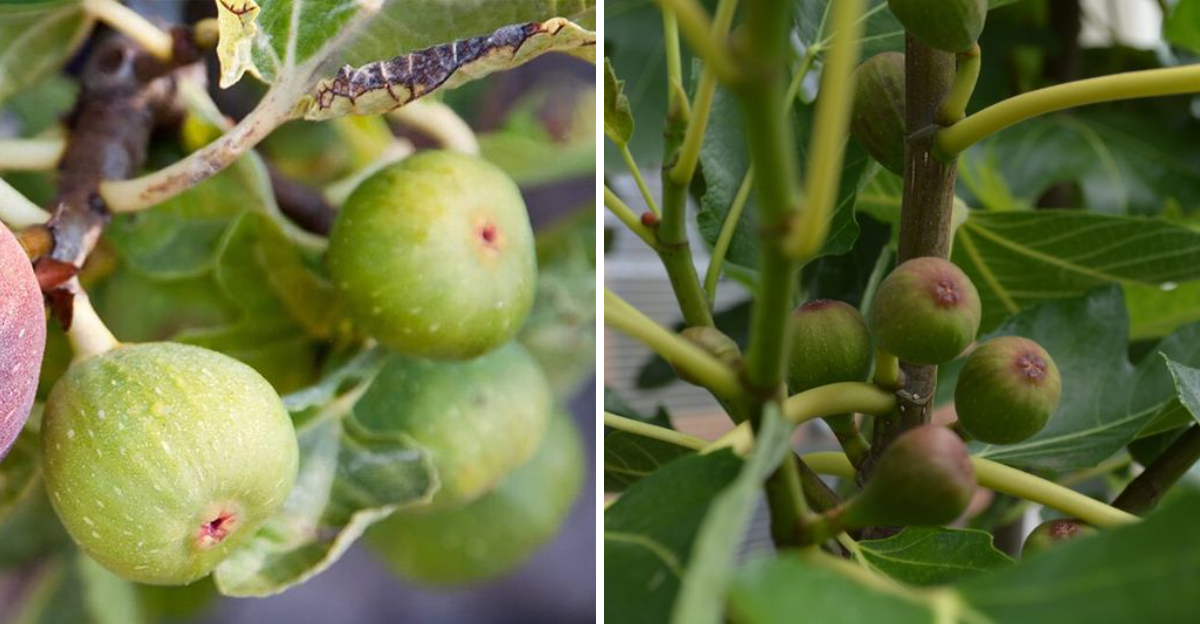
Your fig tree looks fantastic and it might be lying to you. Full canopy, healthy leaves, branches loaded with fruit. Dozens of figs, maybe hundreds.
Every one of them hard, green, and going nowhere.
September arrives, then October, and those figs sit there looking exactly the same as they did in August. No softening, no color change, no droop.
Here’s what most Oregon gardeners never learn. Your tree is probably carrying two completely different crops, and only one of them was ever likely to finish here.
That distinction explains almost everything about fig frustration in this state. It also changes what you should do right now, which is not what instinct suggests.
The green fruit is not a sign you did something wrong. It’s a sign of geography.
There’s a productive way to spend the next few weeks, and it has almost nothing to do with those figs.
Curious what your tree is actually telling you?
1. Accept Some Fruit Will Not Ripen
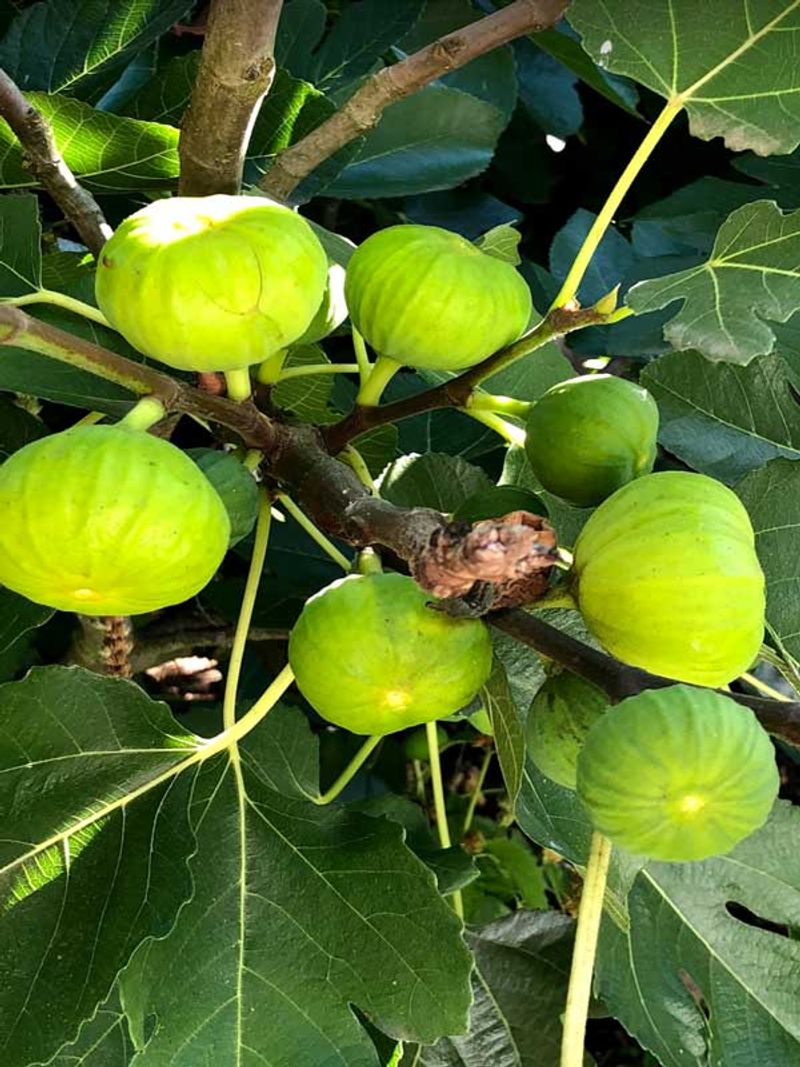
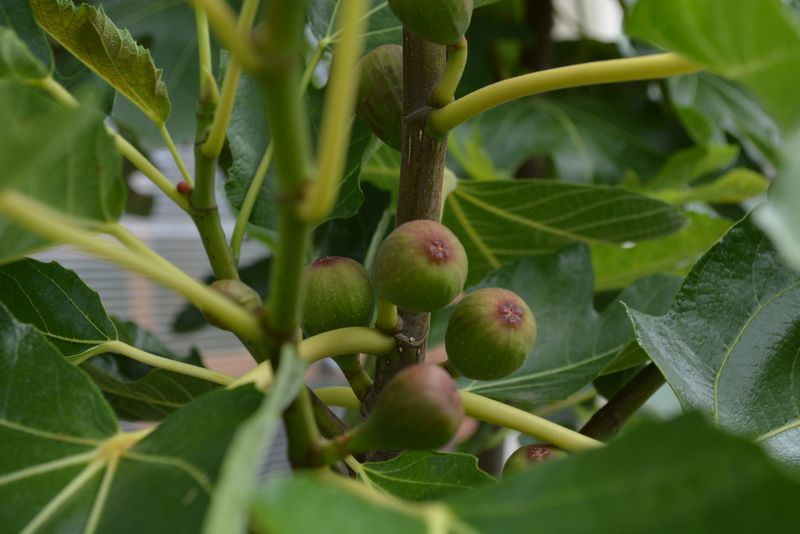
A fig tree packed with green fruit in September makes any gardener hope for one more warm stretch.
In Oregon, that late fruit usually belongs to the main crop, which develops on new growth and often runs out of time before cool weather settles in.
Figs can be productive here, though ripening is genuinely limited by the shorter milder season.
Unripe fruit is not automatically a warning sign. A healthy tree may carry plenty of figs that simply started too late.
The earlier breba crop, forming on last year’s wood, tends to be the more dependable harvest across much of western Oregon since it ripens during summer rather than fall.
Once nights cool, green figs rarely progress much.
They need warmth, sun, and enough accumulated time to soften, droop slightly, and develop deeper color.
Figs staying firm and bright green well into fall are better addressed by adjusting expectations than by continued waiting.
Location shifts the odds considerably. Coastal and higher elevation gardens have shorter effective seasons than the warmest spots in the Willamette Valley.
South-facing walls and urban heat both extend ripening meaningfully, which is why one neighbor succeeds while another does not.
Start by assessing the tree calmly. Normal leaves, decent branch growth, and a plant that came through summer well all suggest late unripe fruit is just part of growing figs in Oregon.
Knowing that saves worry and improves next season’s decisions.
2. Remove Green Figs To Save Energy
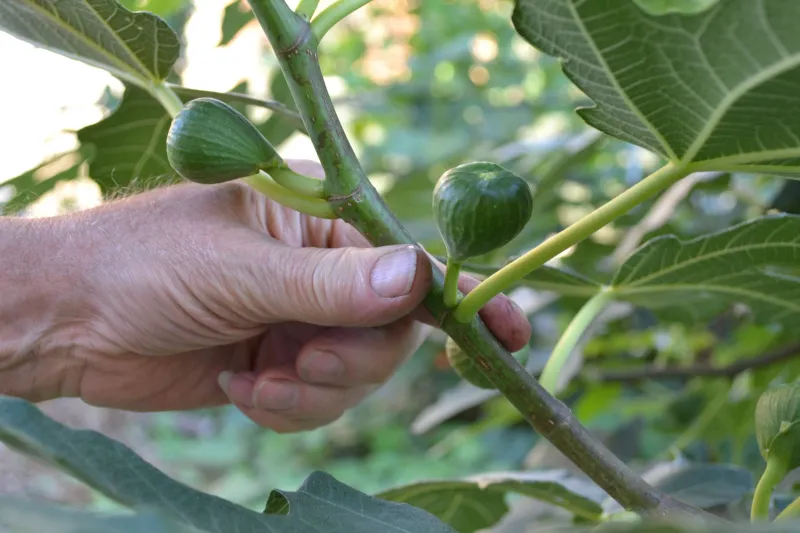
Sometimes the useful move is taking fruit off before weather does it for you.
When fall is closing and figs remain small, hard, and clearly far from ripe, many gardeners remove them so the plant can stop supporting a crop that won’t finish.
That approach applies particularly to late main crop figs in Oregon.
A tree still maintaining lots of immature fruit continues spending resources on tissue that will never sweeten.
Removal won’t produce savings you can measure precisely, and it does reduce clutter and let you focus on wood, buds, and overall tree condition.
Your Oregon Garden Changes Every Week. Your Plan Should Too.
Gardening in Oregon changes quickly throughout the season. Every Friday you’ll receive a simple weekly plan showing exactly what to plant, prune, fertilize, harvest, and protect so you never miss the right timing.
Use clean fingers or pruners and work gently around stems and leaf nodes.
Leave anything clearly close to ripe, meaning figs that have softened, changed color, or begun to bend at the neck.
Remove the tiny marble-sized fruit and firm green figs that still feel far off once cool weather has arrived.
Choose a dry day so any wounds close quickly.
Fig sap deserves a mention here, since it irritates skin for some people and gloves prevent that entirely.
Afterward, clear fallen fruit from the ground to discourage insects and rot.
Wasps and fruit flies both find dropped figs quickly, and fermenting fruit at the base of a tree draws more attention than it’s worth.
Many Oregon growers find this cleanup makes the tree easier to manage and considerably less disappointing to look at through fall.
3. Protect Next Year Growth Instead
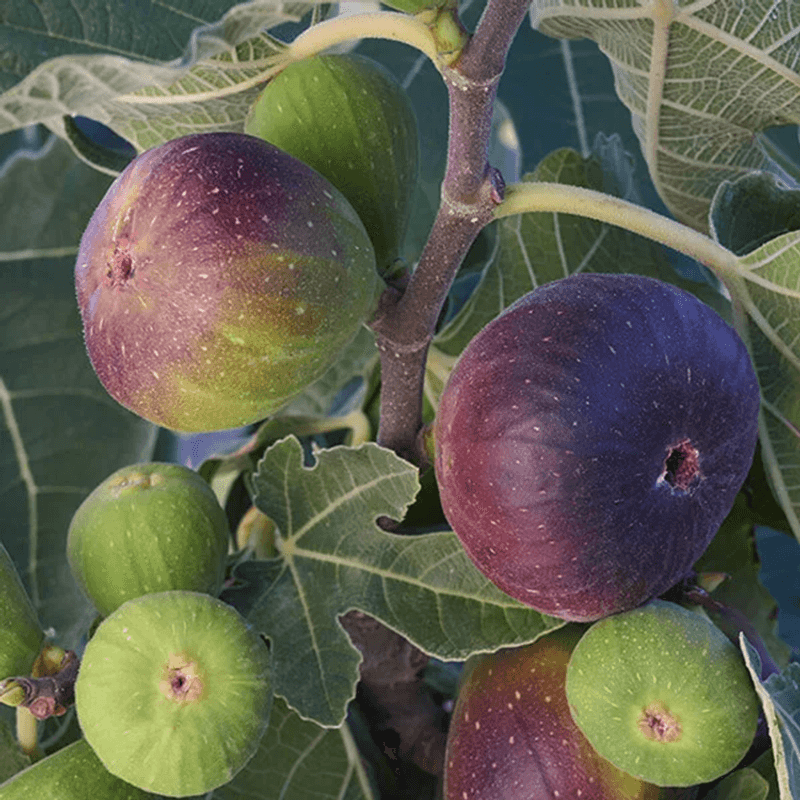
When a fig tree won’t finish its fruit, moving the goal is the productive response.
Rather than worrying about green figs that missed their window, direct effort toward protecting the wood and buds capable of producing next year, particularly the growth that may carry breba figs.
Winter injury matters enormously in Oregon because breba fruit forms on older wood.
Cold snaps damaging stems cost you that earlier more reliable crop before spring arrives.
That’s why many growers care less about stubborn late figs and more about keeping branches alive and well hardened before winter.
Start with basics. Keep the tree watered through dry fall periods until regular rains begin, since drought-stressed plants enter winter weaker.
Add mulch over the root zone without piling it against the trunk.
In colder locations, wrapping the canopy with frost cloth during severe freezes helps, and growing figs near a wall or fence provides real shelter.
Container trees have an advantage worth using. Moving pots to a garage or unheated shed during hard freezes protects wood that in-ground trees cannot shield.
Avoid encouraging soft new growth this late. Let shoots slow naturally and firm up.
Even when top growth dies back, established figs often resprout from the base, so a hard winter rarely means total loss.
A tree holding more sound wood through winter has a better chance at retaining buds and ripening breba fruit earlier next year.
4. Watch For The Earlier Breba Crop
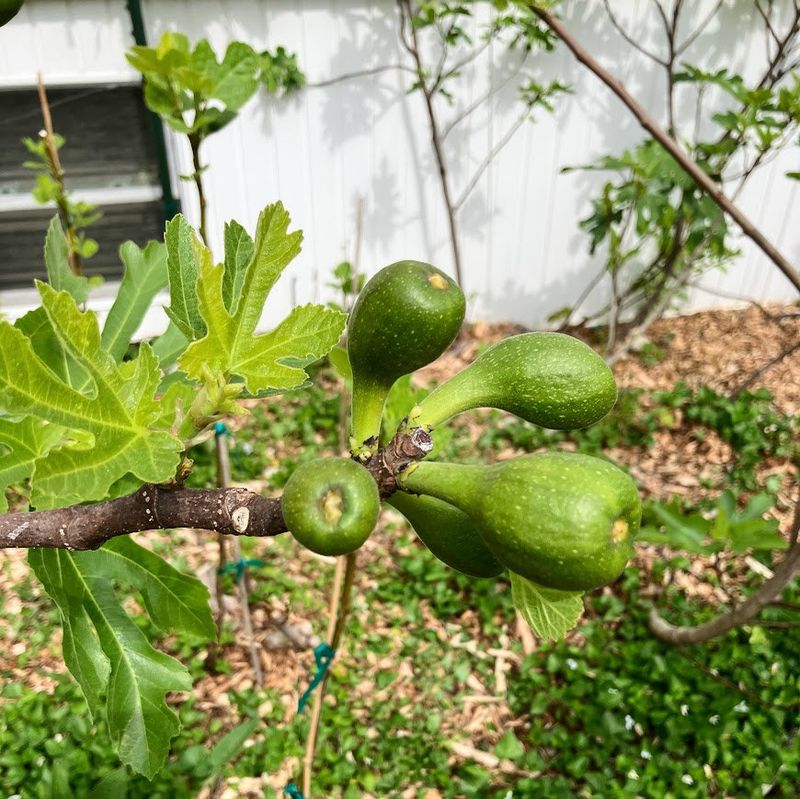
Much Oregon fig frustration makes sense once you understand there are often two separate crops.
The breba crop develops on last year’s wood and generally ripens earlier, while the main crop grows on new shoots and frequently arrives too late for Oregon’s cooler pattern.
That timing difference matters more than beginners expect.
Breba is commonly the more dependable harvest across much of the state.
A tree producing sweet figs in early or mid summer, then holding a second wave of green fruit into fall, is showing exactly that split between breba success and main crop disappointment.
Pay attention next spring and summer so you can identify which wood carries what.
Breba figs appear on older stems that survived winter. Marking productive branches with soft garden tape helps you remember them.
Later, when new shoots set tiny figs, you’ll recognize those as main crop fruit needing more warmth and time.
Variety matters here too. Desert King is widely grown in the Pacific Northwest specifically because it produces a reliable breba crop, while some varieties set little or no breba at all.
Checking what your tree actually is explains a great deal.
Learning the pattern changes how you evaluate the plant.
Judging it by the crop your climate supports rather than the one you hoped for makes pruning, protection, and variety decisions considerably clearer.
5. Cover Trees If Frost Threatens Fruit
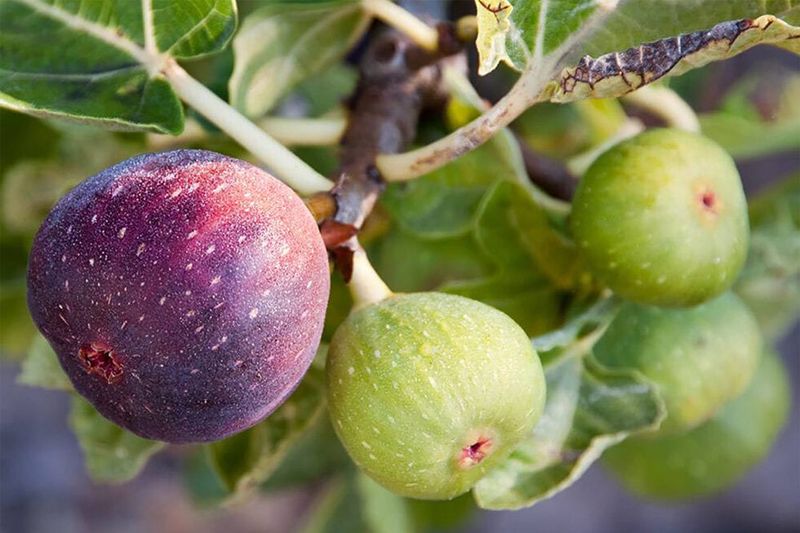
One cold night can end the season quickly, so fast action occasionally buys useful time.
When the forecast shows light frost and your figs are close to ripening, covering the tree may protect fruit and leaves long enough for a few more mild days to finish the job.
Simple materials work fine for home gardens.
Frost cloth, old sheets, light blankets, and burlap all serve. Drape them over the canopy before sunset so daytime warmth stays trapped underneath.
Remove covers during the day once temperatures rise, since leaving them on through sun can overheat the plant.
Plastic sitting directly on foliage causes problems, trapping moisture and increasing cold injury where it contacts leaves or fruit.
This step earns its effort when figs are nearly ready.
Look for fruit that has colored up, softened, bent at the neck, or begun to swell and droop.
Hard green figs far behind schedule won’t finish because of one or two protected nights, so save the effort for realistic cases.
Small trees benefit from a stake or frame keeping fabric off tender growth.
Container plants can simply move to a south-facing wall or under an eave, which is easier than wrapping anything.
Anchoring cover edges to the ground traps more heat than draping alone, since rising warmth from soil is what actually protects the plant.
Frost protection is a short-term rescue rather than a solution to Oregon’s seasonal limits.
6. Skip Fertilizer This Late In Season
Late fertilizer feels like a rescue button and fall is the wrong moment to press it.
When green fruit lags in Oregon, extra feeding does nothing for ripening.
It may instead encourage tender new shoots with little chance of hardening before cold arrives.
That fresh growth is precisely what you don’t want heading into winter.
Soft stems suffer more freeze damage, and damaged wood reduces next year’s breba crop directly.
A tree slowing naturally in fall is following the season correctly, and forcing energy into it creates a larger problem than the green fruit you hoped to fix.
Save fertilizer for spring, when active growth begins and the tree can actually use nutrients for leaves, roots, and strong shoots.
Figs are not heavy feeders in general, so restraint costs very little.
Excess nitrogen at any point tends to produce vigorous vegetative growth at the expense of fruit, which works against the goal even in season.
If the plant seems weak, note it now and review your care routine instead.
Watering, sun exposure, variety choice, and winter protection all affect Oregon fig success more than any feeding schedule.
Container trees need the same caution and arguably more, since potted figs respond quickly to fertilizer and that response becomes a liability when a cold snap arrives.
As fall advances, think steady rather than fast. Let the plant settle toward dormancy calmly.
7. Plan Pruning For A Better Spring
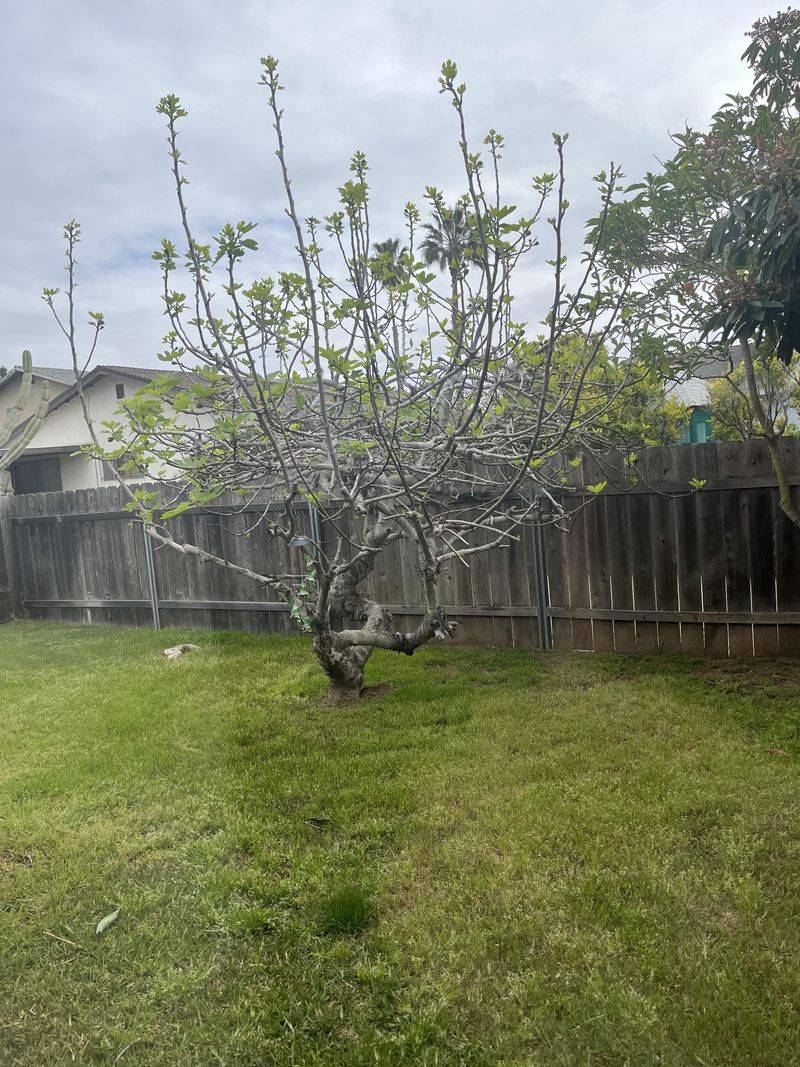
Fall disappointment converts into a solid winter plan if you study the tree before leaves drop.
Note which branches grew well, which stayed weak, and where fruit actually appeared.
That observation guides dormant pruning and helps you shape a tree easier to protect and more likely to ripen useful crops earlier.
Wait until the tree is dormant, then remove damaged and crowded wood.
Keep in mind that heavy pruning reduces breba production, since breba figs form on last year’s growth.
In Oregon, where breba is often the more reliable crop, preserving healthy older wood while thinning enough to improve light and airflow is the balance most growers aim for.
Late winter before bud break is generally the right window, since pruning during hard freezes can damage wood further.
Aim for a shape that suits your space and winter conditions.
Lower reachable branches are easier to cover during cold snaps and easier to harvest when fruit does ripen.
Keeping a tree smaller through consistent pruning makes frost protection genuinely practical rather than theoretical.
If your variety consistently sets a late main crop that never finishes, use your notes to decide whether a warmer microclimate, different training, or a better-adapted cultivar makes more sense.
Desert King and similar breba-reliable varieties exist for exactly this reason.
Sometimes the honest answer is that the tree is fine and the location asks too much of it.