What To Do With Petunias Before Fall Arrives
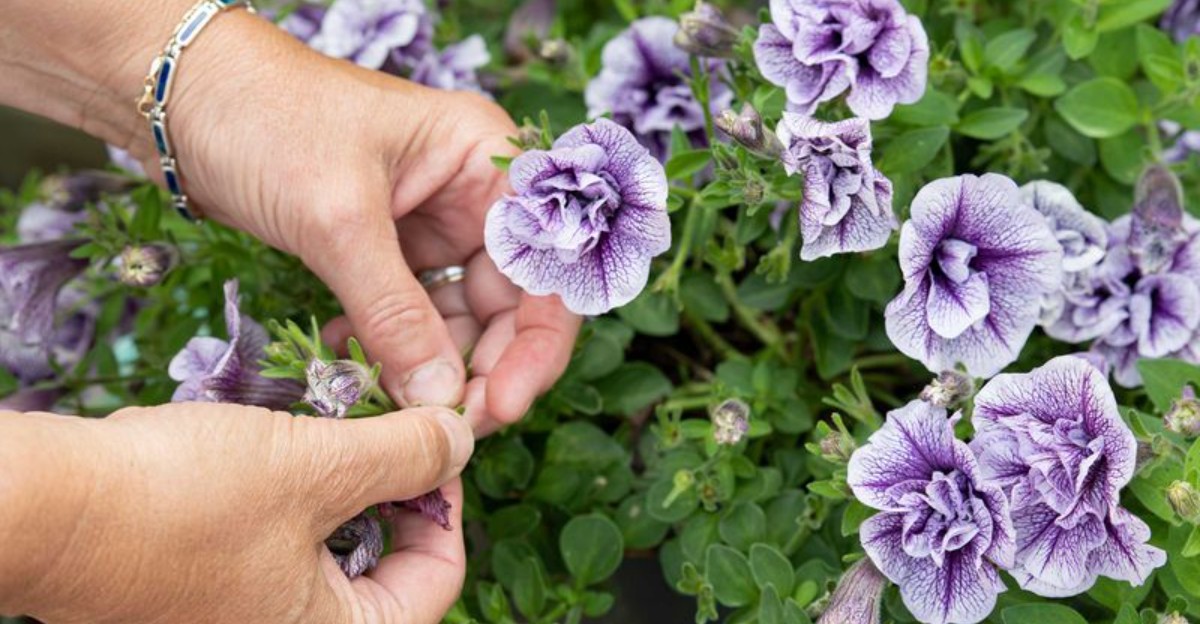
Something shifts in the garden around September, when the light turns golden and the evenings cool off. Your flower baskets feel it too, and they start dropping hints you probably have been ignoring.
Those leggy stems, the faded blooms, the sudden bare patches in the middle of the pot. None of it means the show is over, though it does mean the rules have changed.
A little effort now buys you weeks of color while your neighbors are already hauling out pumpkins. Skip that effort, and you get a hanging basket of sad green spaghetti by October.
Autumn chores have a way of sneaking up, and the container garden is usually last on the list. Move it up a few spots, because those blooms are far more stubborn than they look.
1. Trim Back The Leggy Stems
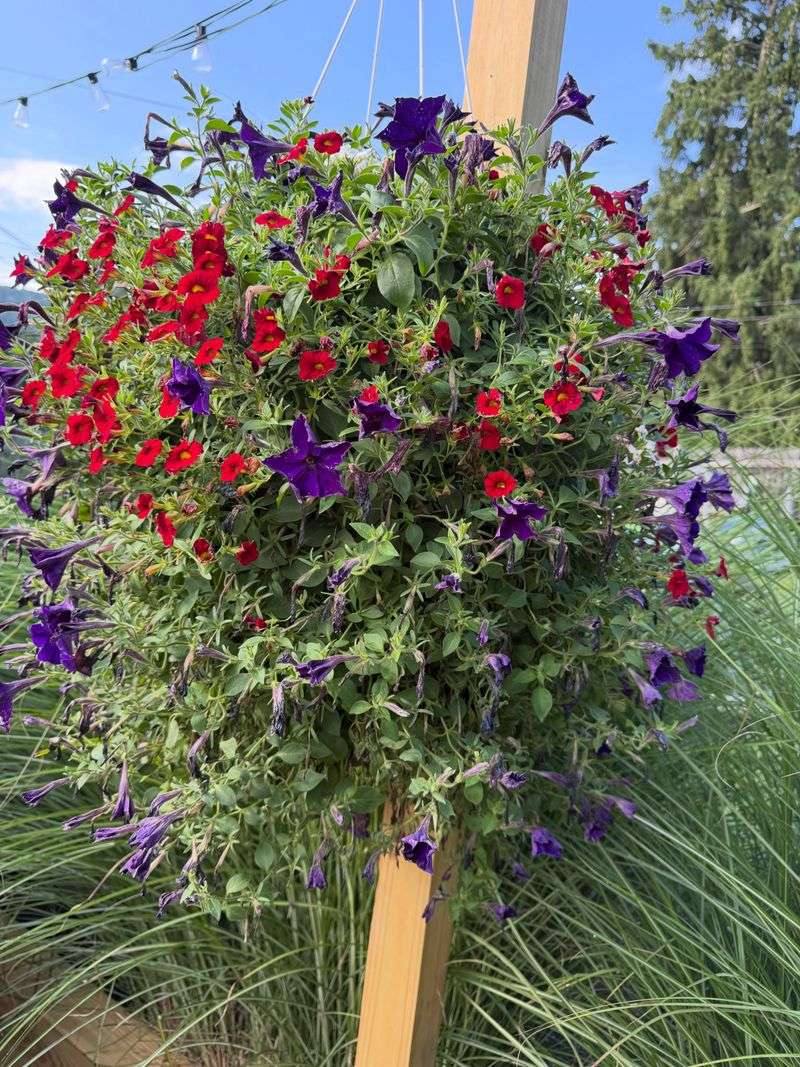
Gardeners call it the August flop, and petunias are the reigning champions of it. Stems stretch, flowers retreat to the tips, and the middle looks strangely empty.
Grab clean scissors and cut every stem back by about one third. It feels harsh, but the plant responds by branching out instead of racing outward.
Work in stages if you are nervous about it. Trim half the stems this week and the other half ten days later.
That way your basket still has color while the fresh growth catches up. New shoots usually appear within a week, especially if the weather stays warm.
Cut just above a leaf node, the little bump where leaves meet the stem. Growth pushes out from that point, so your cut decides the future shape.
Wave and Supertunia types bounce back fastest and barely need a recovery period. Older grandiflora varieties take a bit longer, so give them extra patience.
Water right after trimming and add a light feeding to fuel the rebound. A trimmed plant with no fuel just sits there looking annoyed.
Expect a fresh flush of blooms roughly two to three weeks after cutting. Timed right, that means steady color in your pots through most of October.
Toss the clippings into the compost pile rather than leaving them in the pot. Damp trimmings sitting on soil invite mold and fungus gnats.
Wipe your scissors with an isopropyl solution between plants to avoid spreading trouble. Clean tools cost nothing and save a surprising number of headaches.
2. Feed Them With A Liquid Fertilizer
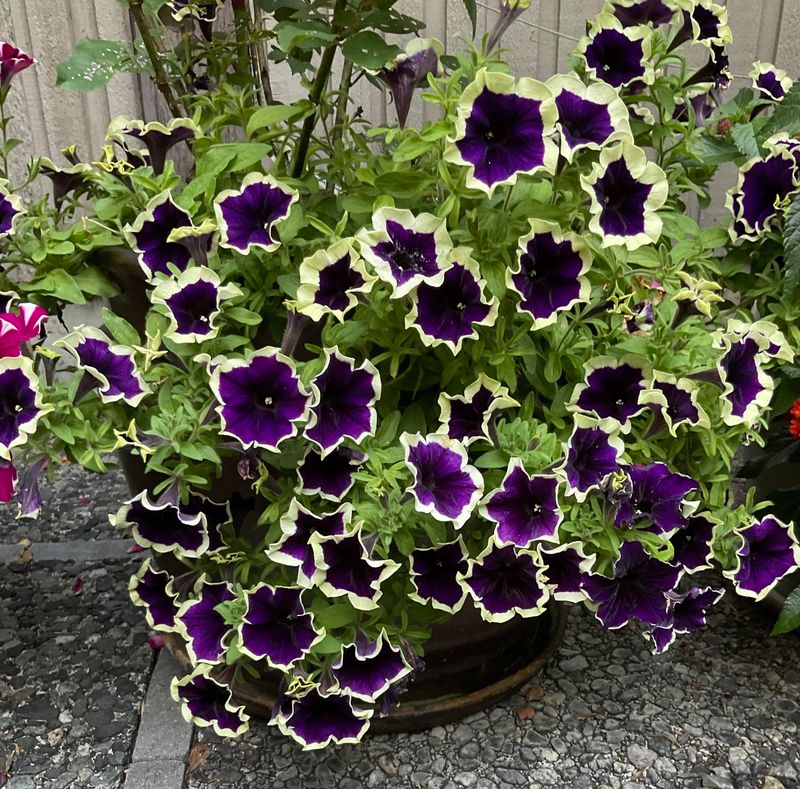
Hungry is the kindest word for a petunia in a container. They burn through nutrients fast, and by late summer the pot is basically empty.
Rain and daily watering wash fertilizer straight out the drainage holes. Whatever you mixed in back in May left the building weeks ago.
Switch to a liquid feed every seven to ten days through September. Look for a balanced blend like 20-20-20, or a bloom-boosting formula like 15-30-15 for flowers.
Yellow leaves near the base usually signal a nitrogen shortage. Plenty of leaves but few flowers points to a phosphorus problem instead.
Mix at half strength if you feed weekly rather than every other week. Gentle and frequent beats one giant dose that scorches tender roots.
Water the pot first, then apply the fertilizer solution. Feeding bone dry soil can burn roots and stress the plant badly.
Slow release granules work too, though they fade after about three months. Sprinkle a fresh handful in early September for steady background nutrition.
Iron supplements help petunias growing in hard water or alkaline soil. Pale new leaves with dark green veins are the classic clue.
Compost tea or fish emulsion works if you prefer organic options. The smell fades quickly outdoors, and the blooms respond just the same.
Stop heavy feeding once nighttime temperatures settle below fifty degrees. Soft new growth at that point just gets damaged by cold air. Fed properly, a tired basket can look noticeably fuller within two weeks.
3. Pinch Off The Spent Blooms
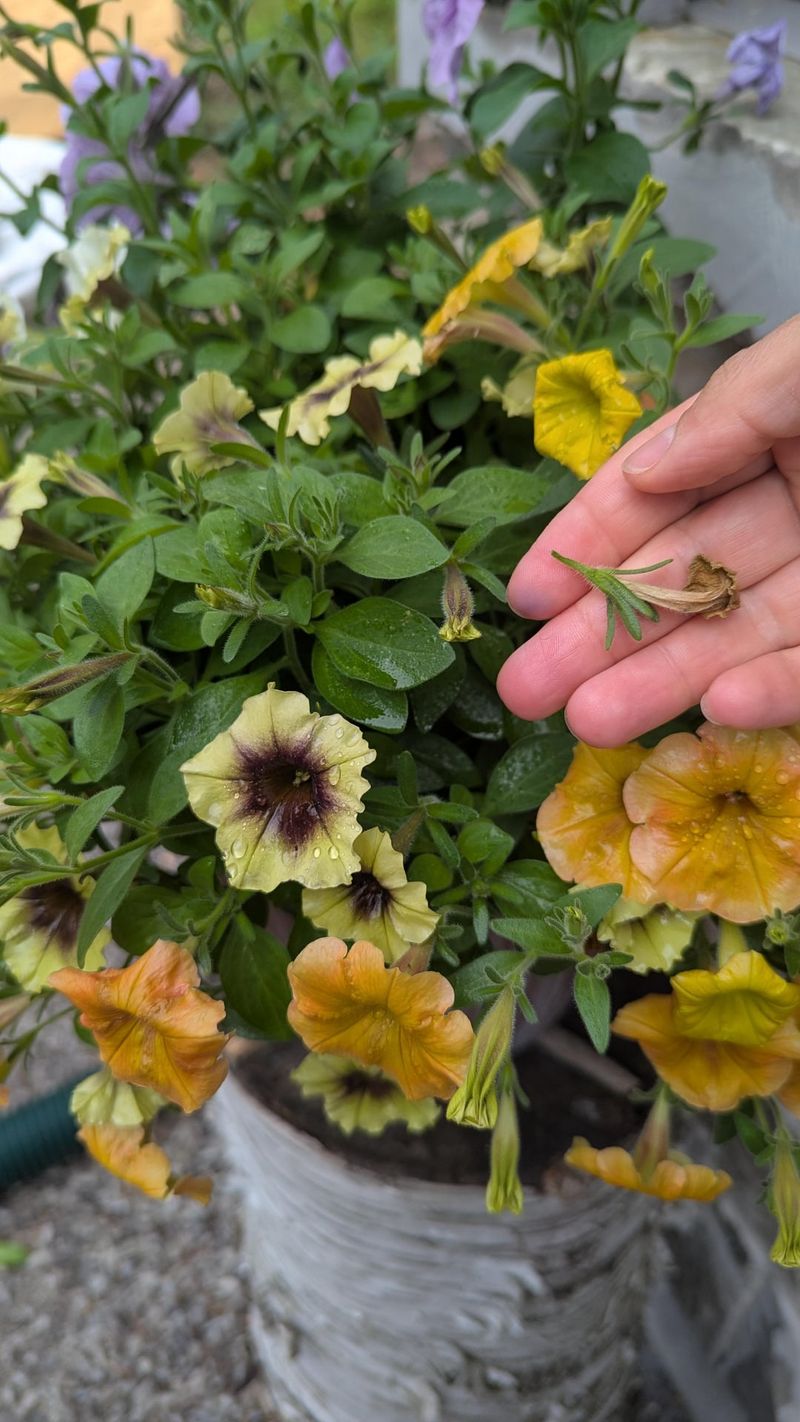
Every faded flower left on the plant is a seed factory in progress. Seed production steals energy that could be making more blooms.
Pinch the whole spent flower, including the small green base behind it. Pulling only the wilted petals leaves the seed pod attached and working.
Old fashioned grandifloras need this most, since their big blooms turn to mush. Wave and Supertunia lines clean themselves and ask far less of you.
Ten minutes on a Saturday morning covers a porch full of pots. Carry a small bucket so the sticky petals do not end up everywhere.
Petunia foliage feels tacky, and that is normal rather than a problem. Rinse your hands afterward or the stickiness follows you all afternoon.
Wet mush left on leaves invites botrytis, a fuzzy gray mold. Removing it keeps air moving and the whole plant looking tidier.
September pinching pays off faster than August pinching did. Cooler nights push petunias into one of their best blooming stretches.
Combine pinching with a quick look for aphids under the leaves. Two jobs, one trip, and problems get caught while they are small.
Skip the pinching on purpose if you want seeds for next season. Leave a few flowers on one plant and harvest the pods later.
Fingers work better than scissors here because the stems snap cleanly. Scissors get sticky within minutes and slow the whole job down.
Keep at it weekly and the display holds until the first hard frost. That single habit separates lush October pots from sad ones.
4. Water Them Deeply And Consistently
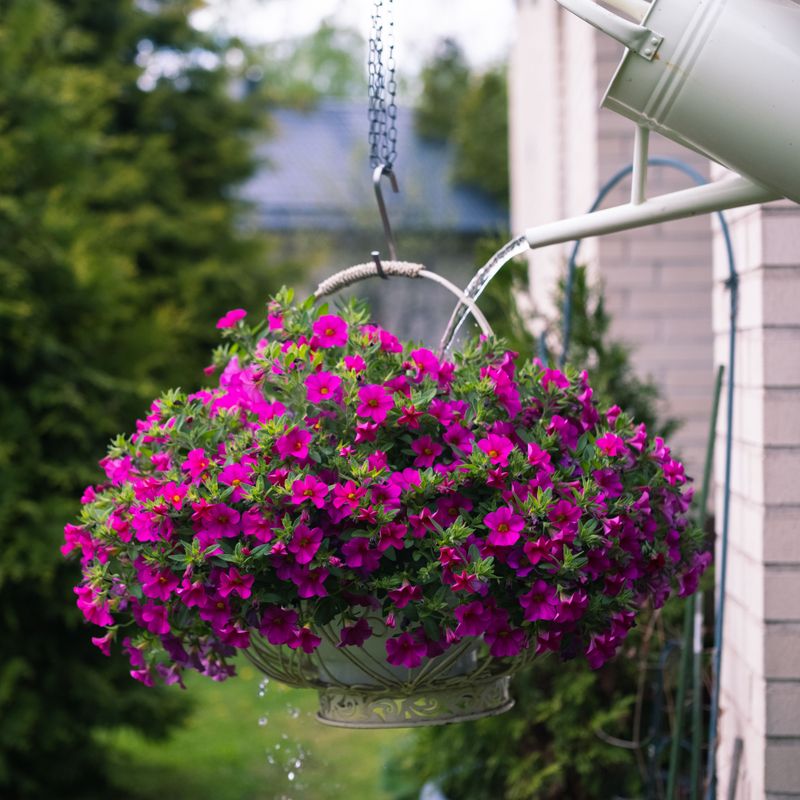
Container petunias drink more than most people expect, even in cooler weather. September sun still bakes a hanging basket by two in the afternoon.
Stick a finger two inches into the soil before reaching for the hose. Dry at that depth means water, damp means wait another day.
Water until it runs freely from the drainage holes underneath. Shallow sips keep roots near the surface where they dry out fastest.
Morning watering gives leaves all day to dry off. Evening soakings leave foliage damp overnight, which fungus loves.
Aim the water at the soil rather than over the top of the flowers. Petunia blooms turn to tissue paper mush when they get repeatedly soaked.
Hanging baskets dry out faster than ground beds by a wide margin. Wind pulls moisture from all sides, so check those twice on hot days.
Add a saucer under pots in September to catch and hold runoff. Dump standing water after an hour so roots do not sit soggy.
Cut back gradually as temperatures drop and growth naturally slows. Cool soil plus constant moisture equals root rot before you notice.
Mulch the surface with a thin layer of bark or coconut coir. It holds moisture and keeps the top from crusting over.
Wilted plants usually perk up within two hours of a good soak. If they stay droopy, check the drainage instead of adding more water.
Consistency matters more than volume with these flowers. Feast and famine cycles cause bud drop, and bud drop ruins the show.
5. Take Cuttings For Next Year
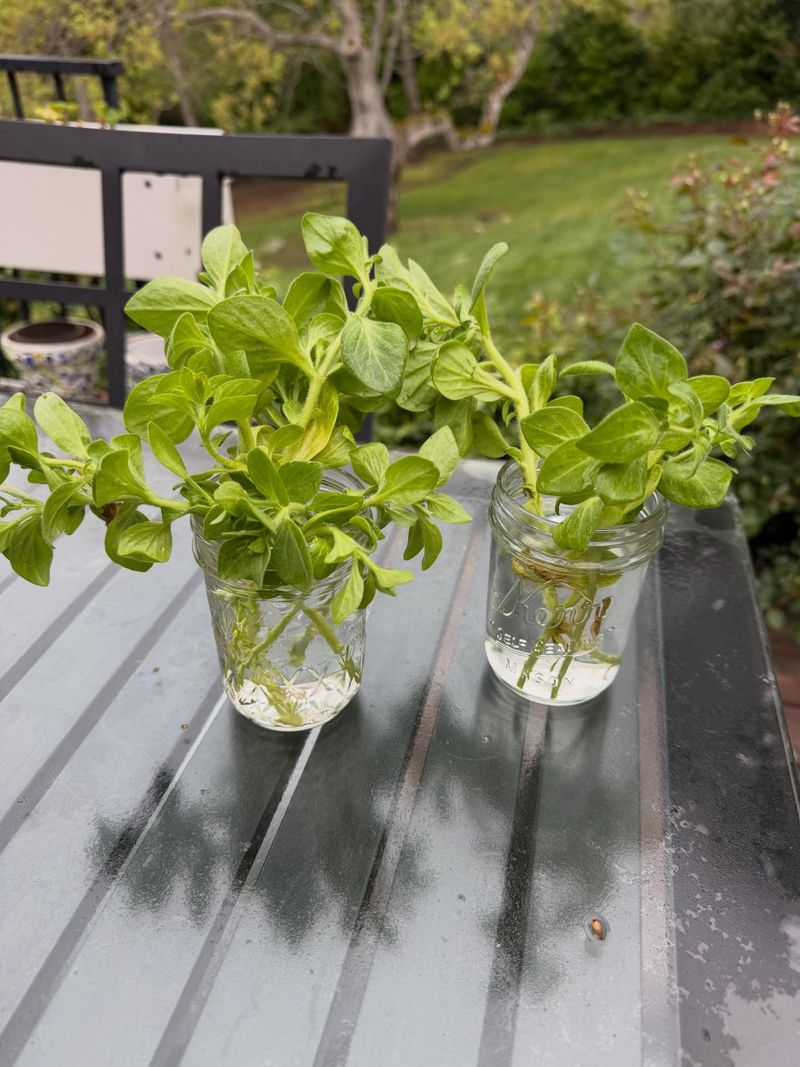
Here is a trick most people never try. One healthy petunia can supply a dozen free plants for spring.
Snip four inch pieces from strong stems in early September. Choose shoots without flowers, since blooming tips root slowly and sulk.
Strip the lower leaves and leave two or three at the top. Buried leaves rot and turn your jar of water cloudy fast.
Rooting hormone helps, though petunias root well without it. A glass of water on a bright windowsill works surprisingly often.
Roots usually appear in seven to fourteen days at room temperature. Move them into small pots of damp potting mix once roots reach an inch.
Cover new transplants loosely with a plastic bag for humidity. Remove the bag daily for an hour so mildew stays away.
Keep the young plants under a bright window or a cheap grow light. Sixteen hours of light prevents the stretched, spindly look.
Pinch the tips every few weeks through winter to build bushy shape. Skipping that step gives you tall, floppy stems by March.
Note that patented varieties like Wave are legally protected from being propagated at all without permission, even for personal use, so save cuttings from non-patented types instead.
Cuttings come out identical to the parent, unlike seed grown plants. That color you loved all summer shows up again next June.
The whole project costs next to nothing in potting mix. Few winter hobbies pay back that well when spring finally arrives.
6. Move The Containers Indoors Before Frost
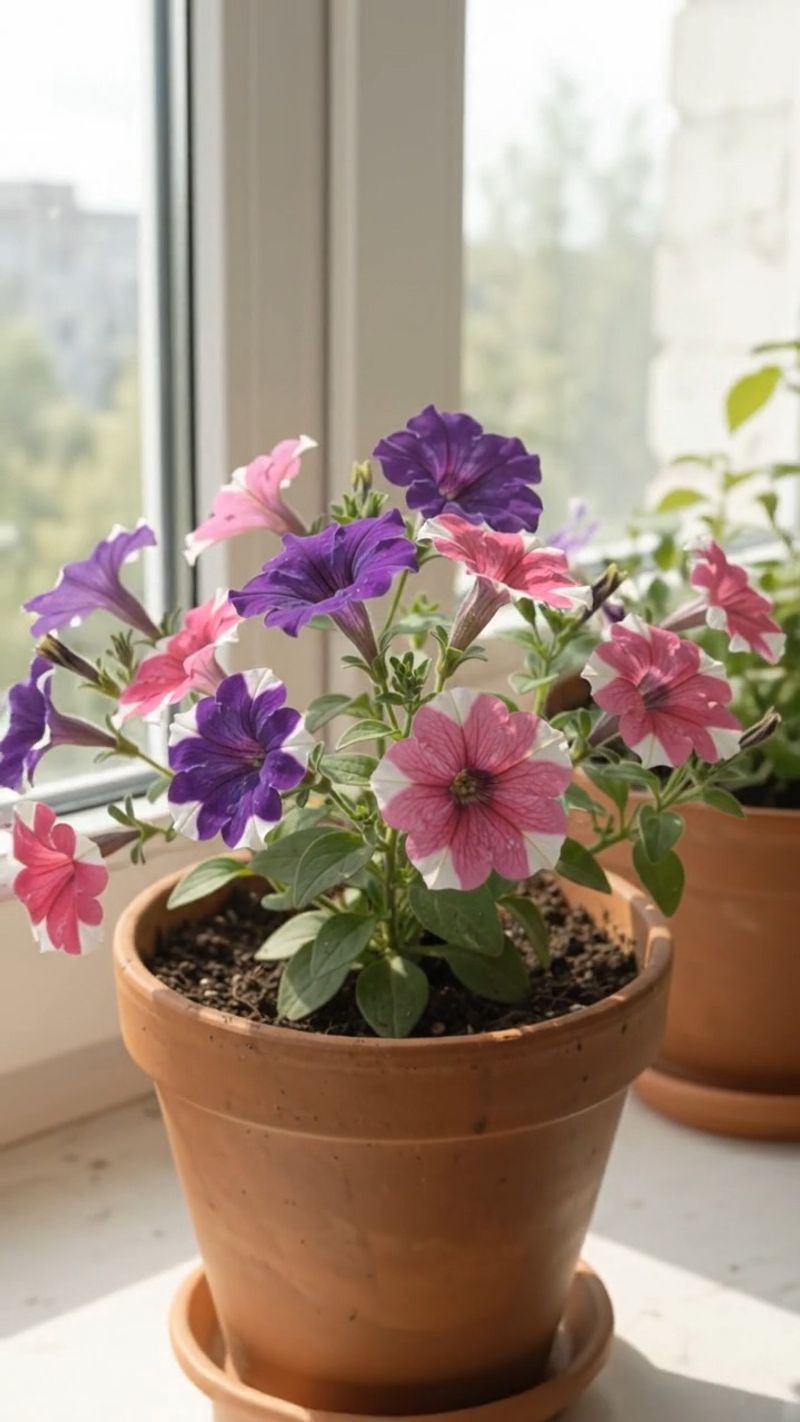
Petunias handle a light chill but give out at the first hard freeze. Watch the forecast once nights start dipping toward forty degrees.
Bring pots inside when temperatures threaten to drop below thirty two. A single cold night can undo months of careful work.
Cut the plant back by half before hauling it through the door. Indoor light is weaker, and a smaller plant handles the change better.
Inspect every leaf for aphids, whiteflies, and spider mites first. Hitchhiking pests multiply fast in a warm house with no predators.
A firm spray from the hose knocks most insects loose. Follow with insecticidal soap if webbing or sticky residue appears.
Park the pot near a south facing window for maximum light. A basic shop light hung a foot above works just as well.
Expect leaf drop during the first two weeks as the plant adjusts. That sulking phase is normal and usually passes without any drama.
Water far less often indoors, maybe once every ten days. Cool rooms and low light mean the soil stays wet much longer.
Skip fertilizer until February, when daylight hours start stretching again. Feeding a resting plant just produces weak, stringy growth.
Temperatures between fifty five and sixty five degrees suit them best. Keep pots away from heat vents.
Move them back outside gradually in May over about a week. Sudden full sun after a winter indoors scorches the leaves white.
Not every plant survives the winter indoors, and that is fine. The ones that make it feel like a small personal victory.
7. Collect And Store The Seeds
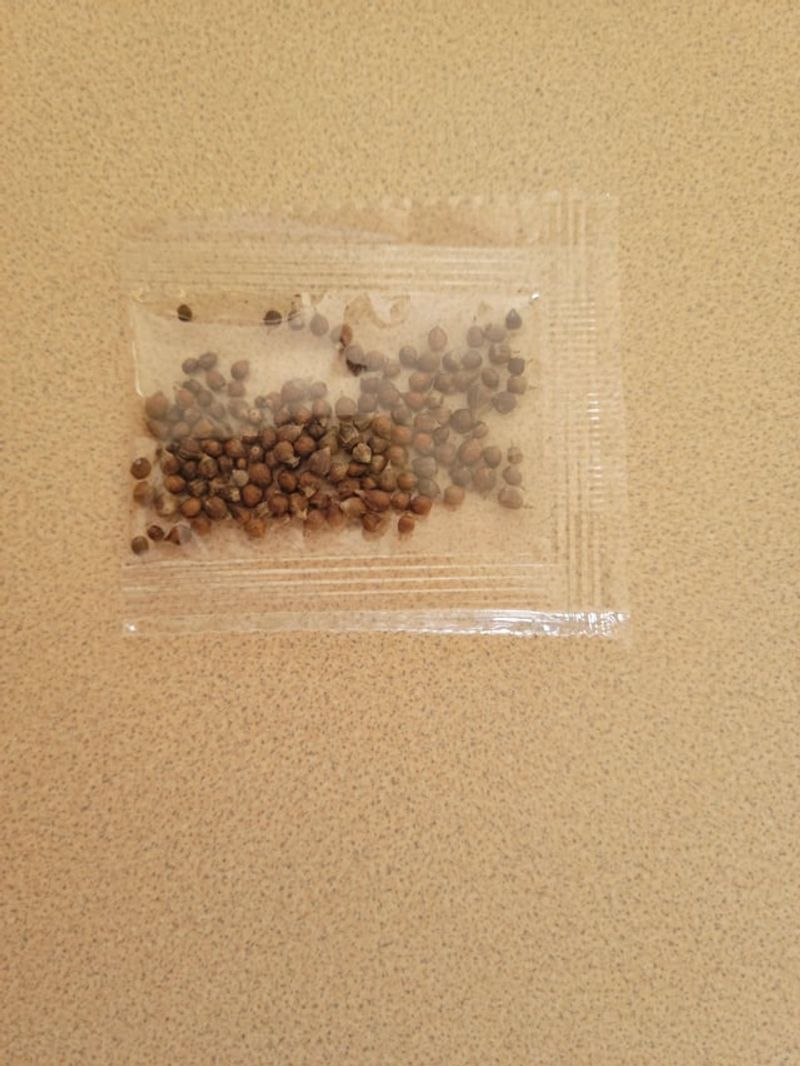
Free flowers next year start with a paper envelope and some patience. Seed pods form right where the old blooms faded.
Let a few flowers stay on the plant instead of pinching them off. Green pods swell behind the petals within a week or two.
Wait until the pod turns tan and feels papery to the touch. Harvest too early and the seeds rarely sprout well.
Pods split open on their own and scatter everything you wanted. Slip a small bag over ripening pods if you keep missing them.
Petunia seeds are shockingly tiny, like fine black pepper. Work over a white plate so you can actually see them.
Spread the seeds on paper and dry them for about a week. Any leftover moisture leads to mold inside the storage envelope.
Store them in a labeled paper envelope, not a plastic bag. Paper breathes, and trapped humidity ruins seeds faster than anything.
Keep the envelope somewhere cool, dark, and dry until February. A jar in the refrigerator with a silica packet works beautifully.
Hybrid varieties will not come true from saved seed. Expect surprises, which honestly makes the whole experiment more fun.
Sow them indoors ten to twelve weeks before your last frost date. Press them onto the surface because light triggers germination.
Old fashioned varieties tend to produce the most reliable seed. Grandma grew them this way, and her window boxes proved the point.
One pod holds hundreds of seeds, far more than you need. Share the extras and become the most popular person on the block.
8. Clear Out The Beds And Compost The Rest
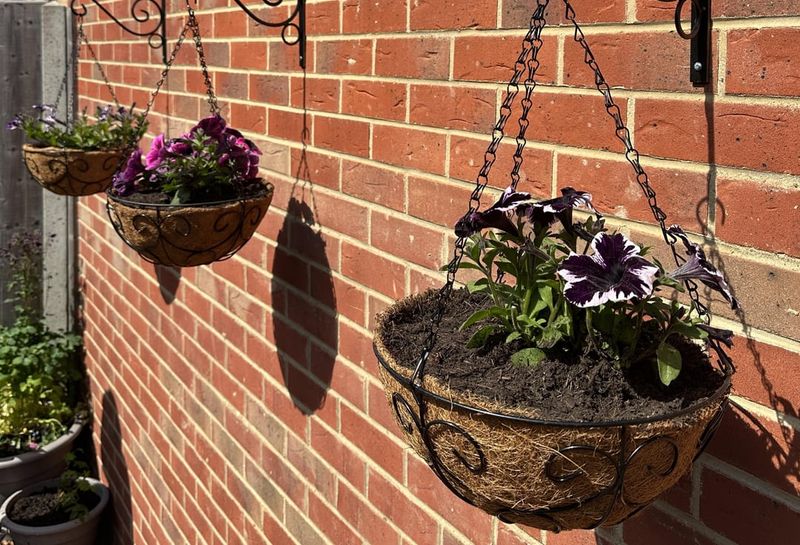
Eventually frost wins, and the garden bed needs an honest cleanup. Leaving frozen mush in place creates problems that wait for spring.
Pull the whole plant, roots included, once growth clearly stops. Roots left behind break down slowly and harbor soil borne fungus.
Healthy plant material belongs in the compost pile without hesitation. It breaks down into rich material by the following summer.
Anything with gray mold or leaf spot goes in the trash instead. Home compost piles rarely get hot enough to handle those spores.
Empty container soil into beds or the compost rather than reusing it. Old potting mix loses structure and holds tired roots and salts.
Scrub pots with soapy water and a splash of bleach. Clean containers in October save you scrubbing on a busy April morning.
Turn over the bed and work in an inch of compost. Winter weather does the mixing while you stay warm indoors.
Plant fall pansies or mums in the freshly emptied spots. The bed keeps earning its keep instead of sitting bare for months.
Rake out fallen petunia leaves hiding under nearby shrubs. Slugs and pill bugs treat that debris like a winter hotel.
Jot down which colors performed best before the memory fades. February seed catalogs are far easier to shop with real notes.
Mulch the cleared bed lightly to protect soil from heavy rain. Bare ground compacts and erodes through a long wet winter.
Finishing the cleanup takes one afternoon and a decent playlist. Spring you will send a thank you note, probably in flower form.