8 Signs Your Hydrangea Is Getting Too Much Afternoon Sun
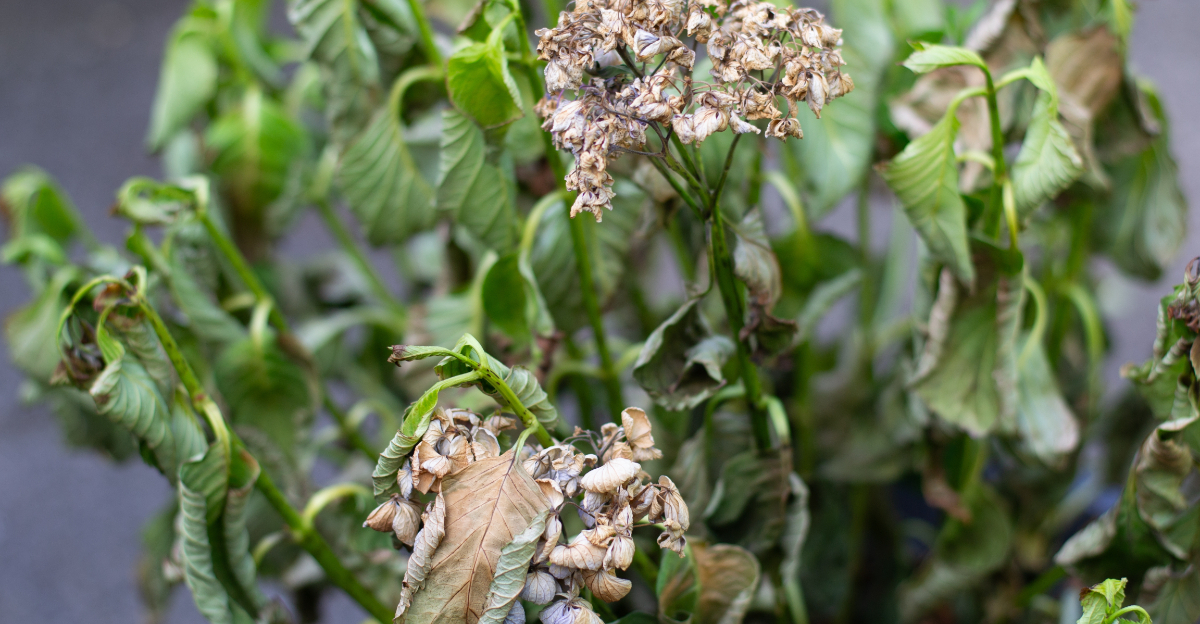
Hydrangeas have a flair for the dramatic, and few things expose that quite like a rough afternoon in direct sun. One minute the blooms look lush, the next the leaves are drooping like they’ve given up on the whole day. It’s not subtle, and it’s not random.
That wilting isn’t just a reaction to heat. It’s a specific signal your hydrangea sends when the sun exposure has crossed a line it can’t handle on its own.
Most gardeners reach for the watering can first, assuming thirst is the culprit, when the problem sits somewhere else entirely. Your hydrangea has its own way of telling you it’s struggling, and once you know what that looks like, you won’t miss it.
1. Leaves And Blooms Drooping Even After Watering
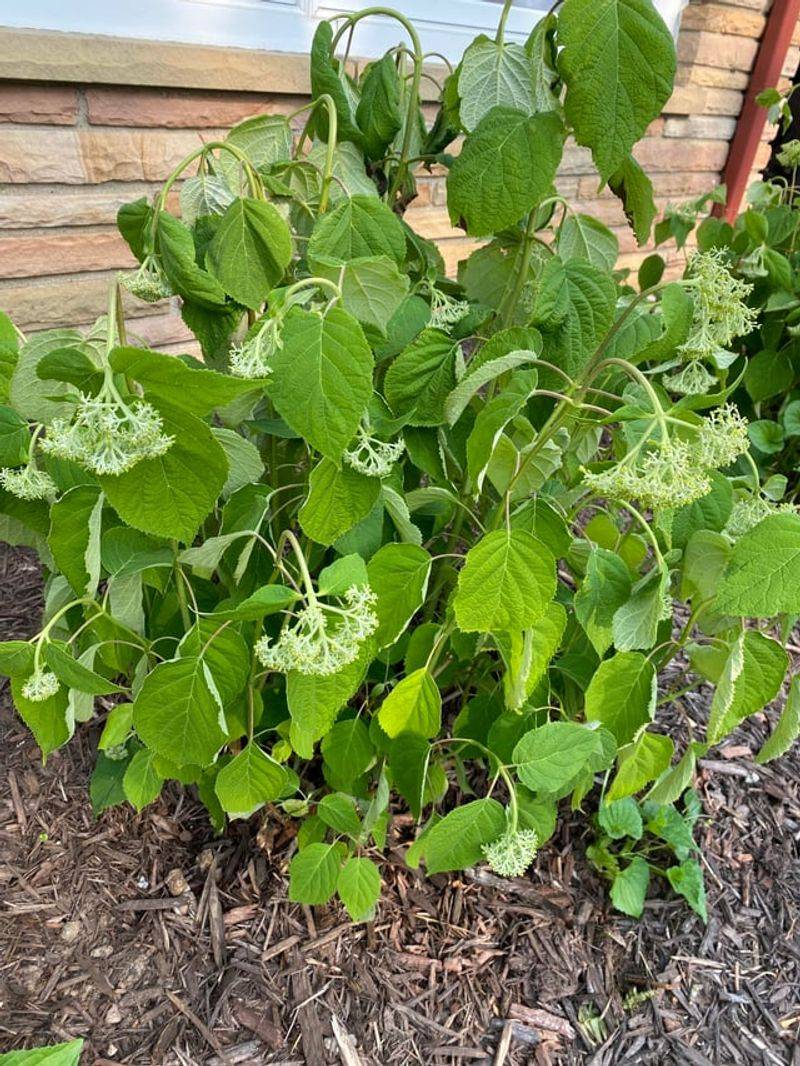
You watered your hydrangea this morning, and it still looks wiped out. That droopy, defeated look is one of the clearest signs your plant is getting too much afternoon sun.
Hydrangeas love moisture, but intense sun pulls water out of leaves faster than roots can replace it. Even a well-watered plant can droop badly when afternoon heat is relentless.
Think of it like running a marathon in July without shade. Your body sweats out water faster than you can drink it back.
The same thing happens inside your hydrangea’s leaves. Water evaporates through tiny pores called stomata, and the plant just can’t keep up.
Check the soil before assuming your plant needs more water. If the soil is already moist and the plant is still drooping, sun stress is likely the real problem.
Moving your hydrangea to a spot with morning sun and afternoon shade is the most effective fix. Eastern exposures are ideal because they offer bright light early without the brutal afternoon heat.
If transplanting isn’t an option right now, try using a shade cloth during peak sun hours. Even a few hours of afternoon protection can make a noticeable difference in how your plant holds up.
Drooping leaves after watering is your hydrangea’s loudest cry for help. Listen to it before the stress gets worse.
2. Brown Crispy Edges From Leaf Scorch
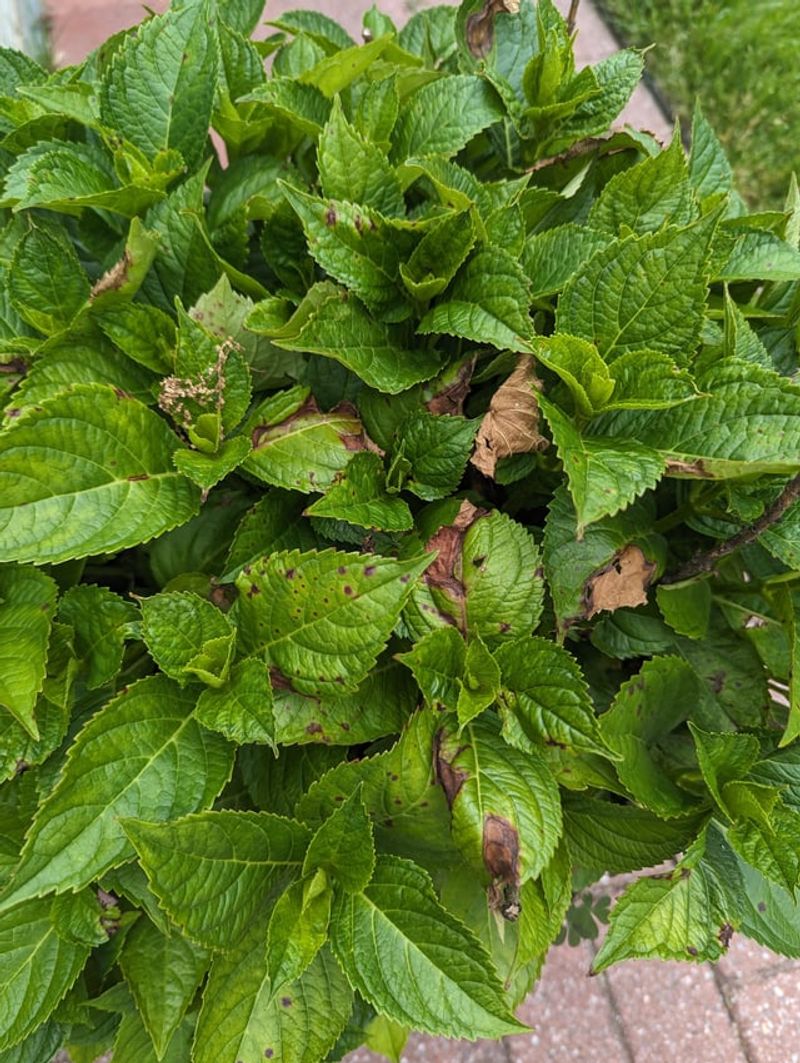
Those brown, paper-thin edges on your hydrangea leaves are not a good look. Leaf scorch is a classic sign that your plant is getting way too much afternoon sun.
Scorch happens when the sun’s heat damages leaf tissue faster than the plant can recover. The edges and tips go brown and crispy because those areas lose moisture first.
It’s a lot like leaving a piece of paper too close to a heat source. The outer edges go first, and the damage spreads inward if conditions don’t change.
Leaf scorch on hydrangeas often appears suddenly after a stretch of hot, sunny days. You might wake up one morning and notice your plant looks like it got a bad sunburn overnight.
Once tissue is scorched, it won’t green back up. Those brown patches are permanent for that leaf, so prevention matters more than any cure.
Pruning off the worst-affected leaves can help the plant redirect energy to healthier growth. Just don’t remove too many at once, since leaves still help the plant photosynthesize.
To prevent future scorch, consider adding a layer of mulch around the base of the plant. Mulch keeps soil cooler and holds moisture longer, reducing overall heat stress on the root system.
Afternoon sun and hydrangeas are a tough combination. Giving your plant some shade is the kindest thing you can do for it this season.
3. Flower Color Fading Faster Than Usual
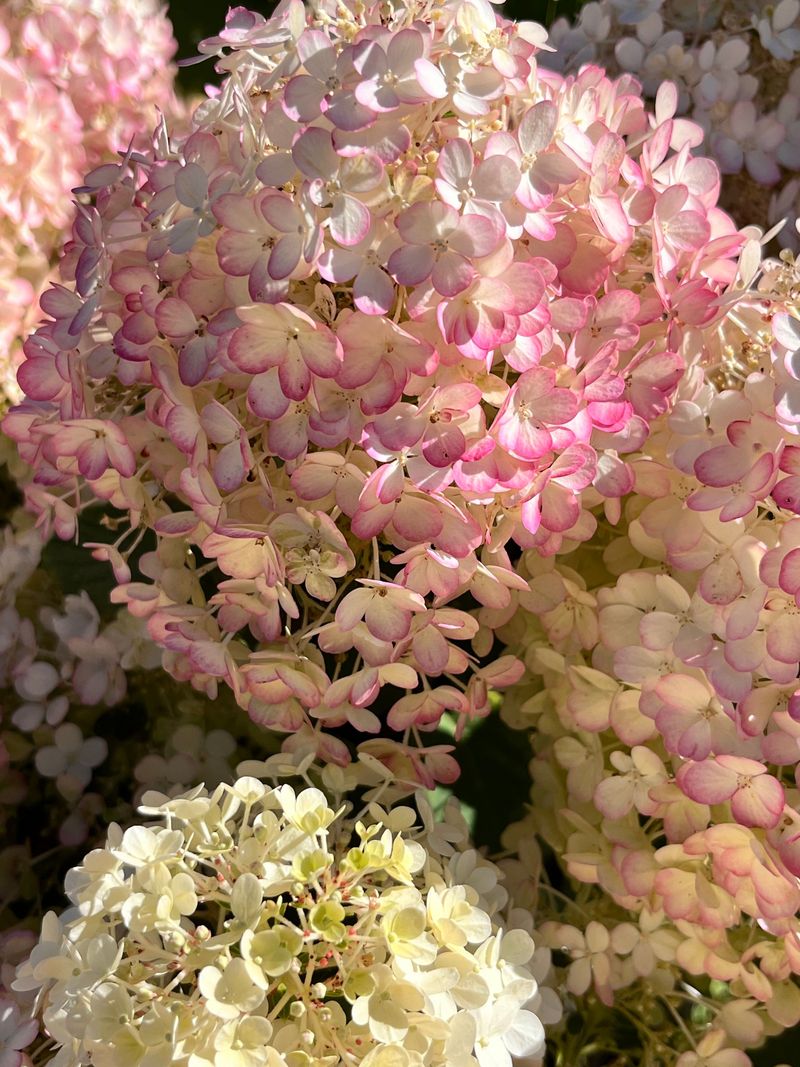
Hydrangea blooms are famous for their rich, vibrant colors. So when those colors start washing out weeks ahead of schedule, something is definitely off.
Too much afternoon sun bleaches the pigments in hydrangea flowers. What starts as a deep blue or vivid pink can turn a sad, washed-out version of itself in just a few days of intense heat.
Flower pigments are sensitive to UV light, especially during the most intense midday and afternoon hours. Prolonged exposure breaks down the color compounds faster than the plant can produce them.
You might notice the fading starts at the outermost petals and works its way inward. That pattern is a telltale clue that sunlight, not disease or pests, is the cause.
Healthy hydrangea blooms can last several weeks in the right conditions. When sun stress is involved, you might lose that color in half the time.
Shifting your plant to a spot with filtered afternoon light can dramatically extend bloom life. Even dappled shade from a nearby tree can make a big difference in color longevity.
If moving the plant isn’t possible, try cutting blooms for indoor arrangements once they reach peak color. That way you get to enjoy them fully before the sun has a chance to fade them out.
Fading flowers are not just an aesthetic problem. They’re a signal that your hydrangea is working overtime just to survive the afternoon heat.
4. Curling Leaves During The Hottest Hours
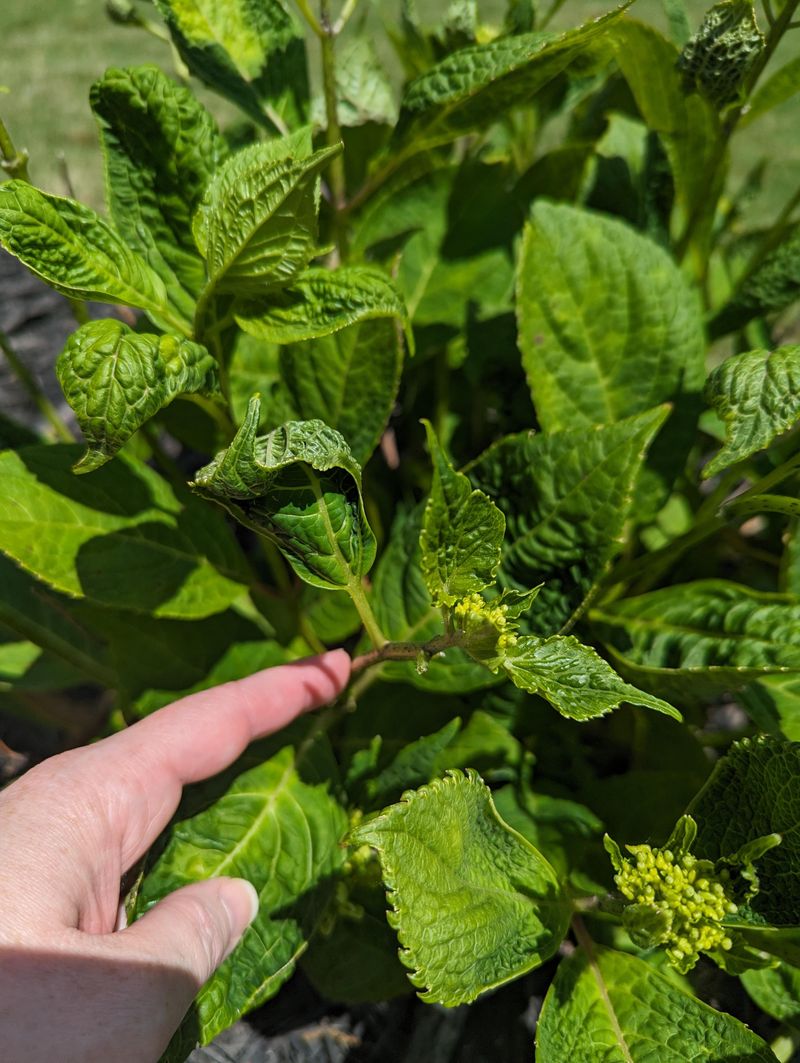
Around two in the afternoon, you glance at your hydrangea and notice the leaves are curling inward like little taco shells. That’s not a coincidence – it’s a survival move.
Leaf curling is your plant’s way of reducing the surface area exposed to direct sun. By cupping inward, the leaves try to limit moisture loss during the most brutal part of the day.
It’s a clever defense, but it also signals that your hydrangea is under more stress than it should handle regularly. A plant that curls its leaves every single afternoon is not thriving.
This behavior is most common during heat waves or in garden spots with full western sun exposure. West-facing beds tend to get the hottest, most direct light late in the day.
If the leaves uncurl by evening and look normal again by morning, the plant is managing but barely. Repeated daily curling puts ongoing strain on the plant’s overall health.
Adding afternoon shade is the most direct solution to this problem. A shade sail, a garden umbrella, or even a strategically placed taller plant can block the worst of the heat.
Watering deeply in the early morning also helps, since well-hydrated roots give leaves more moisture to work with during peak heat hours. Shallow watering won’t cut it when afternoon temperatures are high.
Curling leaves are a quiet alarm bell. Your hydrangea is asking for relief, and it’s worth listening before the stress becomes visible damage.
5. Wilting That Doesn’t Recover Once Evening Comes
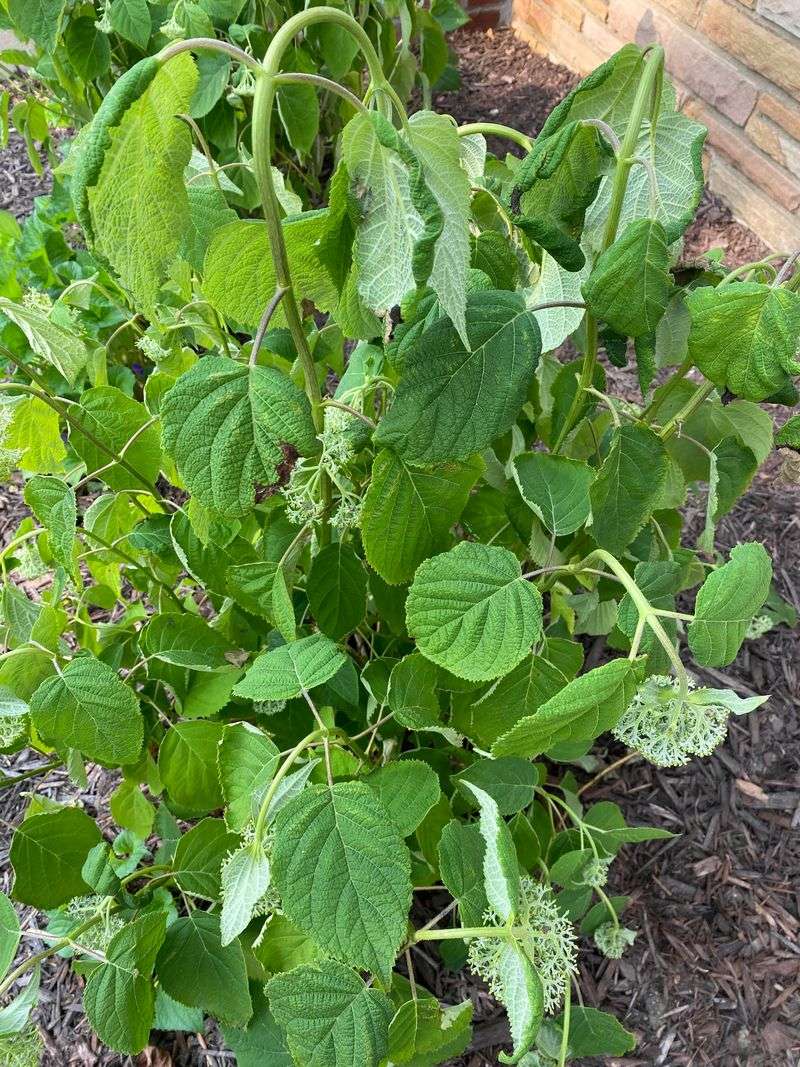
Most plants that wilt in afternoon heat will perk back up once the sun goes down. When your hydrangea is still limp and lifeless at eight in the evening, that’s a red flag worth taking seriously.
Evening recovery is a sign that a plant’s stress was temporary and manageable. No recovery by nightfall means the damage has gone deeper than surface wilting.
Prolonged sun stress can weaken the plant’s ability to move water through its stems and leaves, even once evening temperatures cool things down.
Think of it like a garden hose with a kink in it. Even if the water source is full, nothing flows through properly to where it’s needed.
Check the soil moisture first to rule out simple dehydration. If the soil is moist and the plant still won’t recover by evening, sun damage is very likely the cause.
At this stage, your hydrangea may need more than just shade. Deep watering combined with afternoon protection gives the plant the best chance of bouncing back over the next few days.
If the wilting persists for more than two or three days despite good watering and shade, it may be time to consider moving the plant to a better location. Some garden spots are just too harsh for hydrangeas to survive long-term.
Evening wilting that won’t quit is a clear signal your plant needs help. Act quickly and it may still have a strong season ahead.
6. Smaller Or Underdeveloped Flower Heads
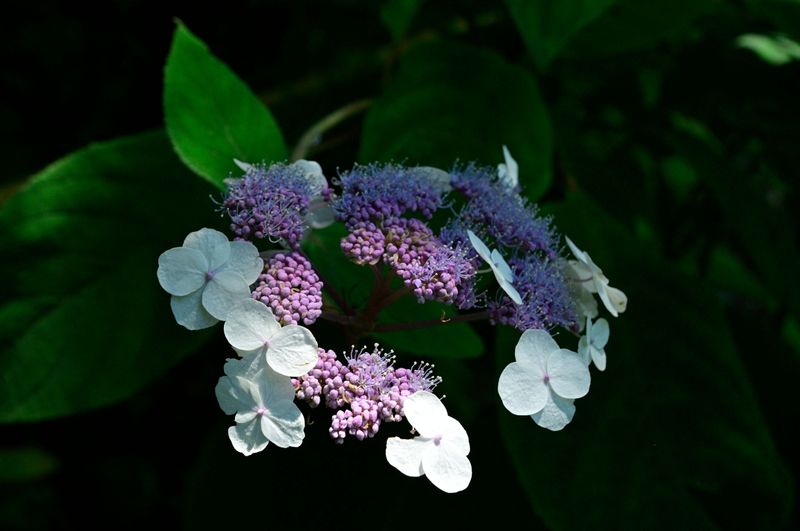
You planted your hydrangea expecting those big, lush mophead blooms. Instead, you’re getting tiny, sparse flower heads that look more like an afterthought than a showstopper.
Smaller blooms are often a sign that your plant is spending most of its energy just surviving the afternoon heat. When a plant is stressed, it shifts resources away from flowering and toward basic survival functions.
Flower development requires a lot of energy and consistent moisture. Afternoon sun disrupts both by stressing the plant and pulling soil moisture away before roots can absorb enough.
Underdeveloped blooms can also result from heat affecting the plant during its budding phase. If intense sun hits during that critical window, buds may not develop fully, leaving you with disappointing results come bloom season.
Soil quality plays a role here too, so make sure your hydrangea has rich, well-draining soil with plenty of organic matter. Good soil holds moisture longer, which helps buffer the effects of afternoon heat.
Fertilizing with a balanced, slow-release fertilizer in spring can support stronger bloom development. But fertilizer alone won’t fix a sun placement problem – shade is still the priority.
Comparing your current blooms to photos from previous seasons can help you gauge how much the plant has declined. A noticeable drop in bloom size year over year is worth investigating seriously.
Small blooms are a quiet cry for better conditions. Give your hydrangea the shade it craves, and watch those flower heads grow to their full, glorious potential.
7. Soil Drying Out Faster Than It Should
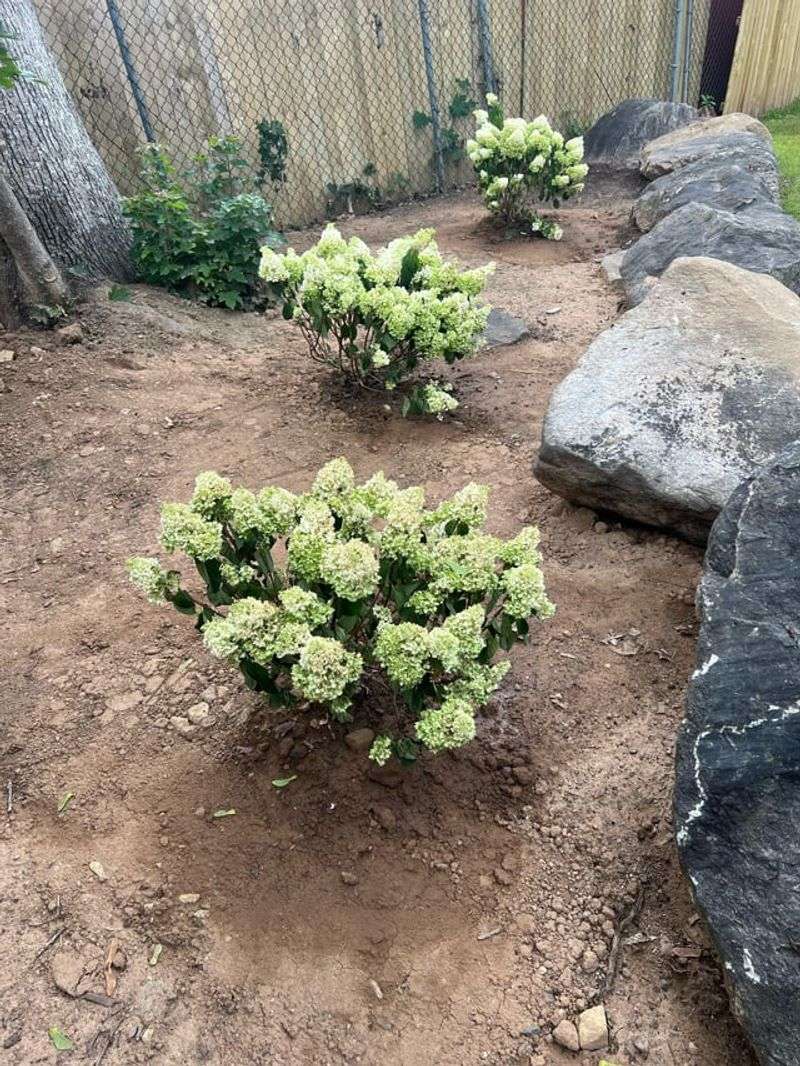
You water your hydrangea in the morning, and by early afternoon the soil already feels dry an inch below the surface. That’s not normal, and it’s not your imagination.
Afternoon sun heats the soil surface rapidly, speeding up evaporation and pulling moisture away from roots much faster than it should happen. Your plant ends up in a constant cycle of thirst.
Hydrangeas need consistently moist soil to thrive. When the sun bakes the ground around them, even frequent watering struggles to keep up with the rate of moisture loss.
A good layer of mulch is one of the best tools you have against this problem. Two to three inches of organic mulch around the base of the plant can cut soil moisture loss significantly.
Shredded bark, wood chips, or straw all work well for retaining moisture. Avoid piling mulch directly against the stem, since that can cause rot and create a new set of problems.
Watering deeply and less frequently is more effective than light daily watering. Deep watering encourages roots to grow further down into cooler, more stable soil layers.
You can also try a soaker hose set on a timer for early morning watering. This method delivers water slowly and directly to the root zone, reducing waste and maximizing absorption.
Soil that dries out too fast is your garden’s way of saying the sun load is too heavy. Fix the shade situation, and your moisture problems will improve dramatically.
8. Overall Plant Looking Stressed By Midday
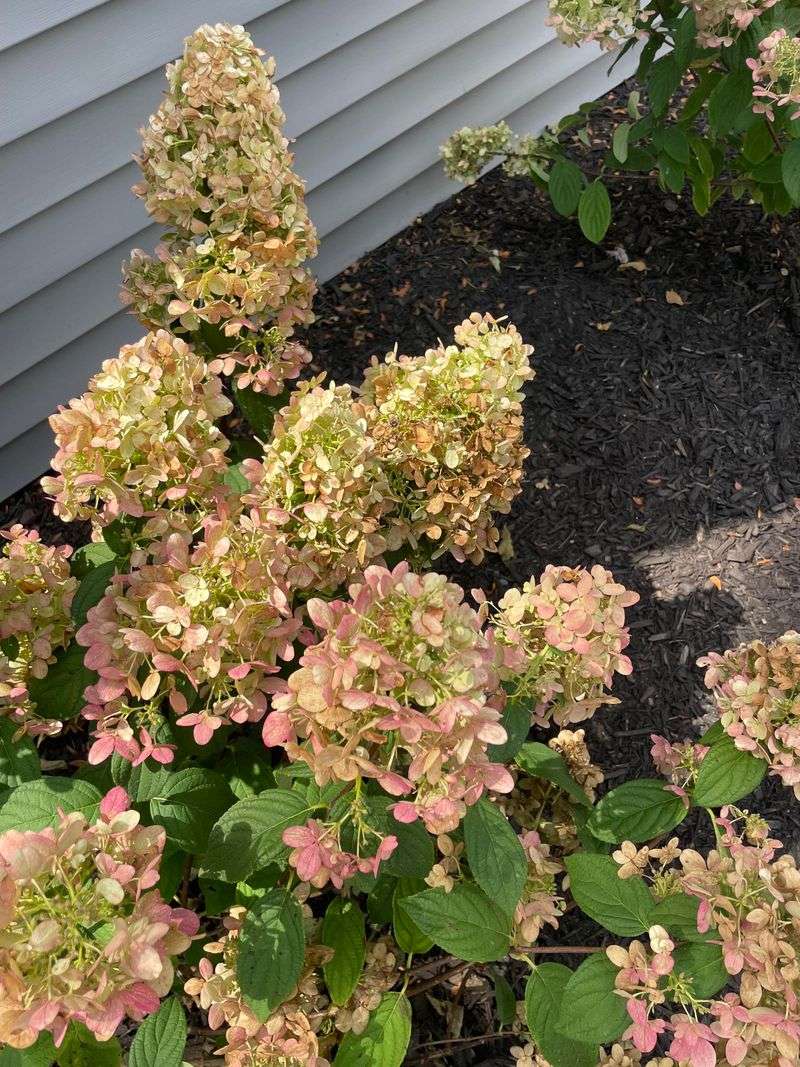
By noon, a healthy hydrangea should still look lush and full of life. If yours looks like it’s already exhausted halfway through the day, afternoon sun is almost certainly the problem.
Midday stress shows up as a combination of symptoms rather than just one obvious sign. You might see drooping, fading color, curling leaves, and pale foliage all happening at the same time.
When a plant is getting too much afternoon sun, its systems get overwhelmed trying to manage heat, moisture loss, and UV exposure all at once. The result is a plant that looks generally beaten down by the time lunch rolls around.
Stepping back and looking at the whole plant from a few feet away can reveal stress patterns you might miss up close. A stressed hydrangea has a dull, flattened look compared to a healthy, vibrant one.
Compare your plant’s midday appearance to how it looks at sunrise. A dramatic difference between morning and midday is a strong indicator that afternoon sun is doing real damage.
Relocating your hydrangea to a north or east-facing bed is often the most lasting solution. Those spots typically offer bright morning light and natural afternoon shade from structures or other plants.
If you’re not ready to transplant, start with temporary shade solutions while you plan a permanent fix. Your hydrangea is a resilient plant, and it can bounce back with the right conditions in place.
A stressed plant by midday is a plant telling you it needs a change. Make that change, and your hydrangea is getting the fresh start it deserves.