What To Do With Your Bougainvillea In Florida Before Summer Hits
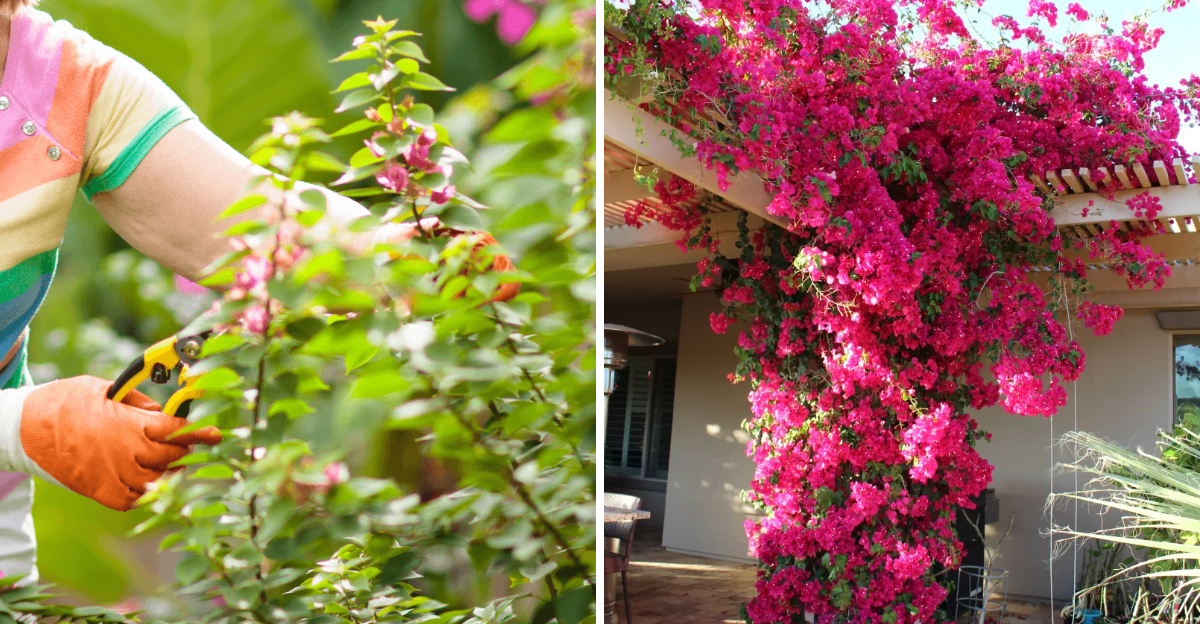
There is a point in Florida when everything stops giving you second chances. The heat locks in, the sun gets relentless, and whatever your plants are going to do for the next few months is already set in motion.
Bougainvillea is one of those plants that makes that shift obvious. Some explode into color that barely lets up all summer.
Others stay green, grow like crazy, and somehow never deliver the show you expected. It rarely comes down to luck.
What happens next is shaped by a handful of decisions made right before the season turns, and most of them are easy to overlook when everything still looks under control.
1. Start Pruning Early To Shape Growth Before Heat Builds
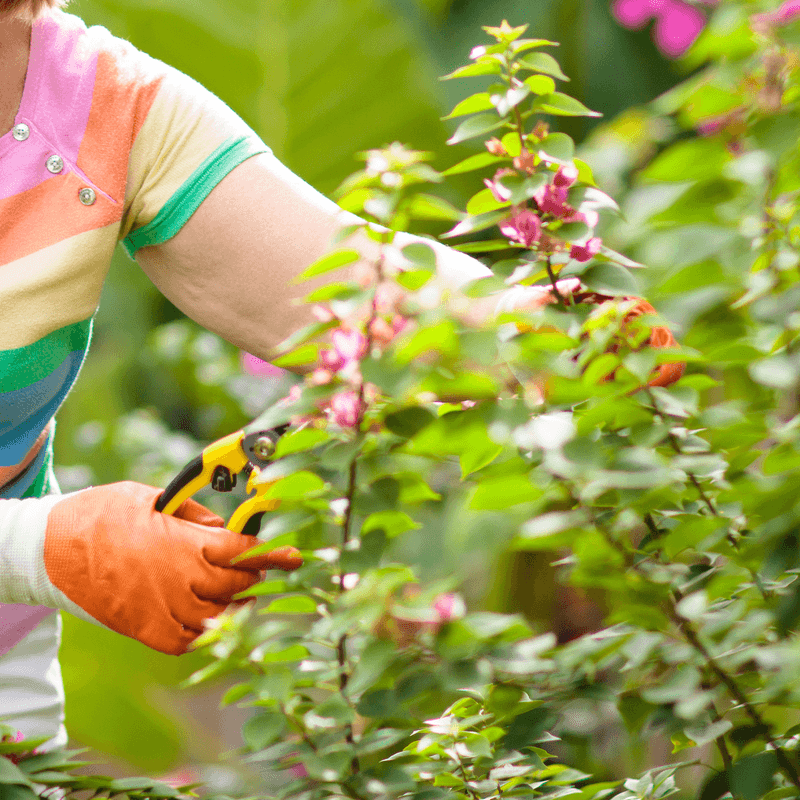
Spring is the sweet spot for getting your bougainvillea back into shape before the real heat arrives. Pruning in late winter or early spring, right before new growth kicks in, encourages the plant to push out fuller, bushier stems instead of long, scraggly shoots.
Timing matters more than most people realize, and getting ahead of the growing season gives you control over the plant’s overall form.
Focus on removing any withered or damaged branches first. Look for stems that crossed each other awkwardly or grew in directions that threw off the plant’s shape.
Cleaning up those problem areas improves airflow through the plant, which actually helps reduce pest pressure as temperatures start climbing.
Keep your cuts clean and deliberate. Use sharp bypass pruners rather than dull tools that can crush the stems and create openings for disease.
Light shaping now means the plant puts its energy into producing those vivid bracts instead of recovering from stress. Think of early spring pruning as giving your bougainvillea a fresh haircut before the big season, not a dramatic overhaul.
2. Cut Back Lightly And Avoid Heavy Spring Pruning
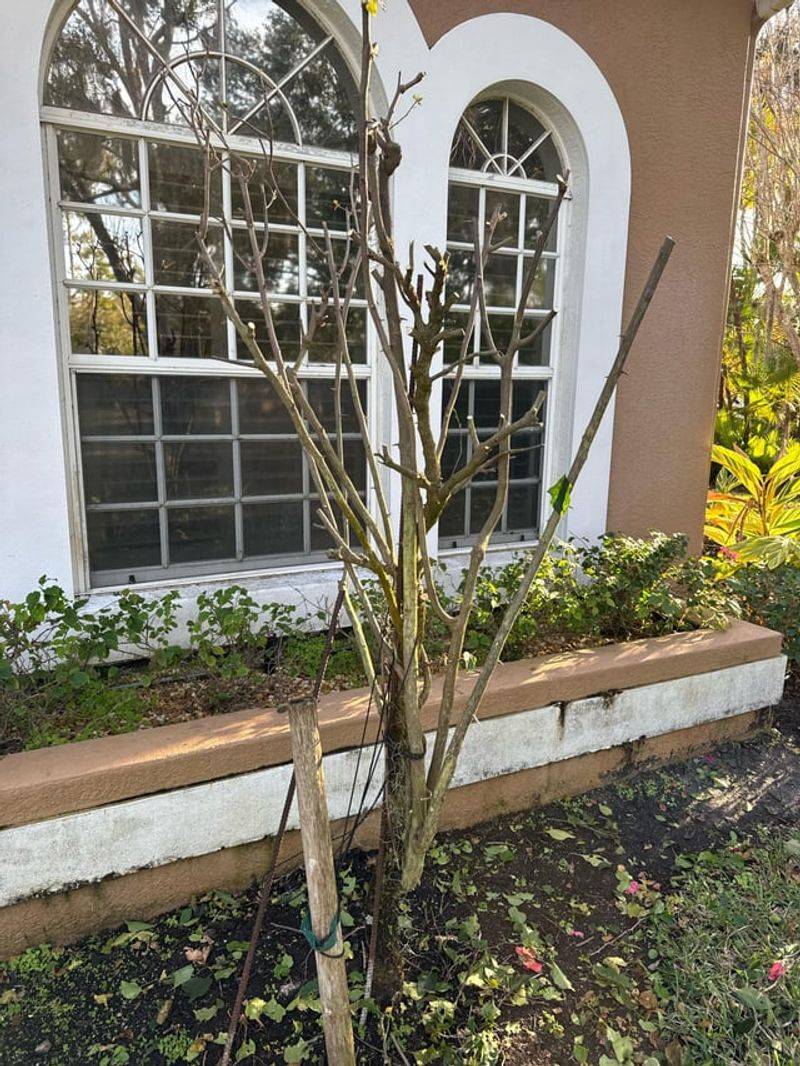
One of the most common mistakes Florida gardeners make is going too hard with the pruners in spring. It feels satisfying to cut everything back dramatically, but heavy pruning at the wrong time can seriously set back your bloom cycles.
Bougainvillea produces its colorful bracts on new growth that follows a growth cycle, so cutting too much removes exactly what you need for a great display.
Moderation is the approach that actually works. Trim back no more than one-third of the plant at a time, and focus on shaping rather than reducing size.
If you want a smaller plant overall, it is much better to do gradual reductions over several seasons than to shock the plant with one aggressive cut right before summer.
Aggressive pruning in late spring can push the plant into a long recovery mode right when it should be blooming. You might end up with lots of lush green leaves and almost no color through the hottest months.
Keeping your hand light now protects the flowering potential your plant has been building since winter. Patience here pays off in color later.
3. Place It In Full Sun For Stronger Blooms
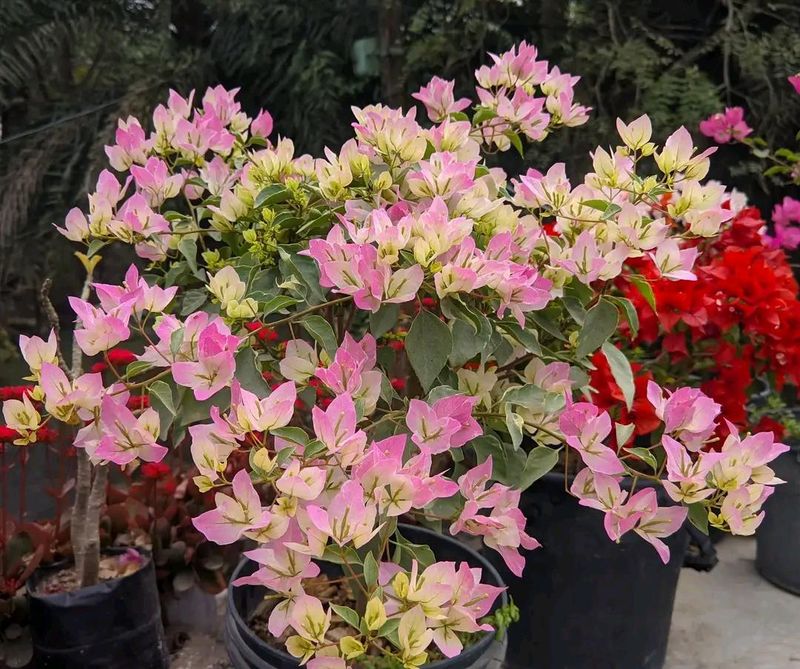
Sunlight is the single biggest factor that separates a bougainvillea that thrives from one that just survives. These plants are sun lovers through and through, and they need a minimum of six hours of direct sunlight every day to produce their signature burst of color.
Shady spots might keep the plant alive, but the blooms will be disappointing at best.
Before summer arrives, take a walk around your yard and honestly assess where your bougainvillea is positioned. Trees that were bare in winter might now be leafing out and casting shade where there was none before.
If your plant has been getting less light than it needs, repositioning a container plant or rethinking support structures for a vine can make a real difference in performance.
Full sun exposure in Florida is not hard to find, which is actually one reason bougainvillea performs so well here compared to cooler climates. South-facing walls and open fences with western exposure tend to be excellent spots.
More light means more stress-triggered blooming, since bougainvillea responds to mild stress by pushing out those colorful bracts rather than endless leafy growth.
4. Let Soil Dry Slightly Between Watering Sessions
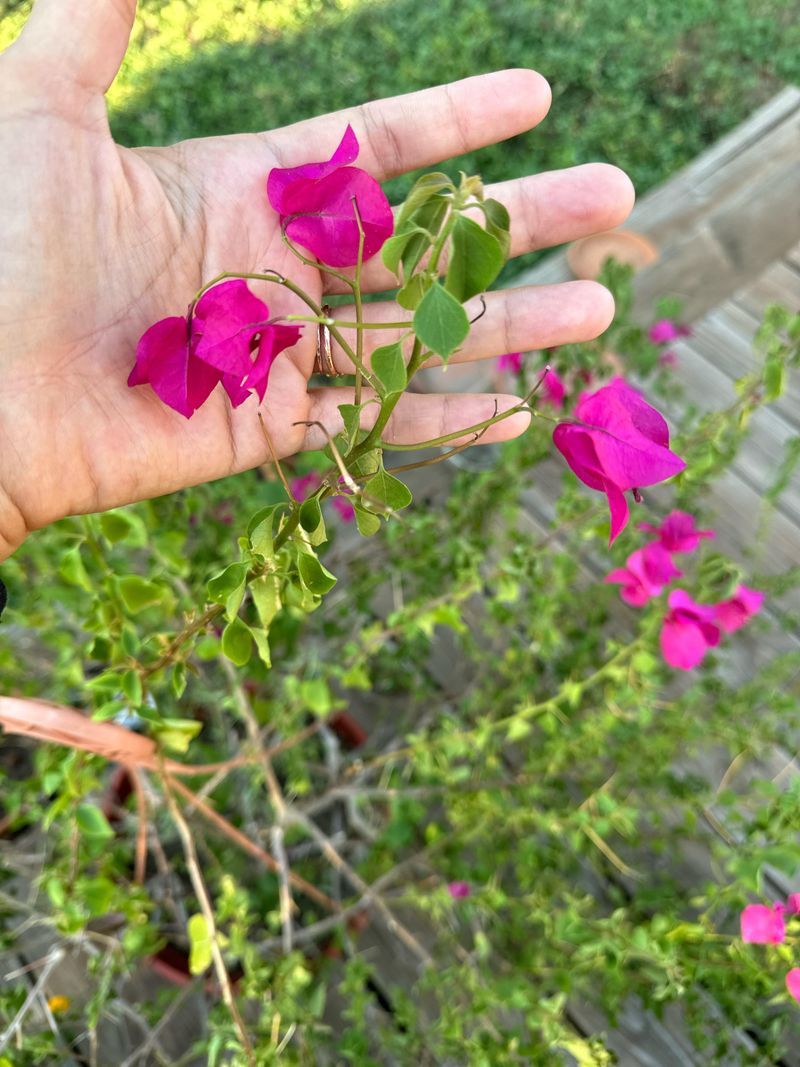
Watering bougainvillea correctly is less about doing more and more about knowing when to hold back. Once this plant is established in the ground, it handles dry spells remarkably well.
Letting the soil dry out slightly between watering sessions actually encourages the plant to bloom rather than just push out leafy growth.
Overwatering is one of the fastest ways to run into trouble. Soggy soil around the roots creates conditions that can lead to root rot, which weakens the plant significantly.
Florida’s summer rain patterns can already provide more moisture than bougainvillea prefers, so paying attention to how much natural rainfall your plant is getting helps you avoid adding unnecessary water on top of what nature delivers.
A good rule of thumb is to water deeply but infrequently. Push your finger about two inches into the soil near the base of the plant.
If it still feels damp, wait another day or two before watering again. Deep, less frequent watering encourages roots to grow downward and become more resilient, which pays off during the intense heat of a Florida summer when the plant needs strong roots most.
5. Use A Balanced Fertilizer Without Overfeeding
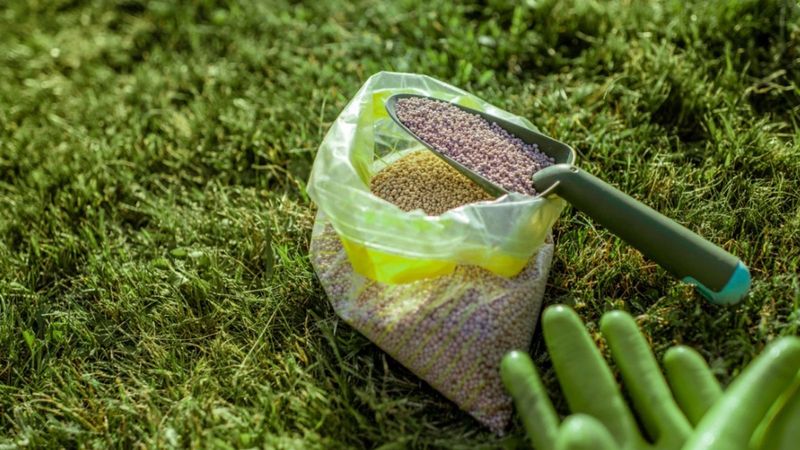
Feeding your bougainvillea before summer is a smart move, but more is definitely not better with this plant. Too much nitrogen pushes the plant into producing lush, dark green foliage at the expense of those brilliant bracts everyone grows bougainvillea for in the first place.
A balanced fertilizer with moderate nitrogen levels is the right call.
Look for formulations like 10-10-10 or even something slightly lower in nitrogen, such as a 5-10-10 blend. Begin fertilizing in early spring when you start to see new growth emerging.
For plants growing in the ground, feeding every four to six weeks through the growing season is generally sufficient. Container plants may need more frequent feeding since nutrients wash out of pots faster with regular watering.
Pulling back on fertilizer toward late summer also matters. Reducing feeding as the season winds down helps the plant naturally transition rather than pushing out tender new growth that might struggle.
Think of fertilizer as a tool for support, not a shortcut to more blooms. Consistent, measured feeding throughout the season produces far better results than heavy doses applied inconsistently.
6. Check For Pests As Temperatures Begin To Rise
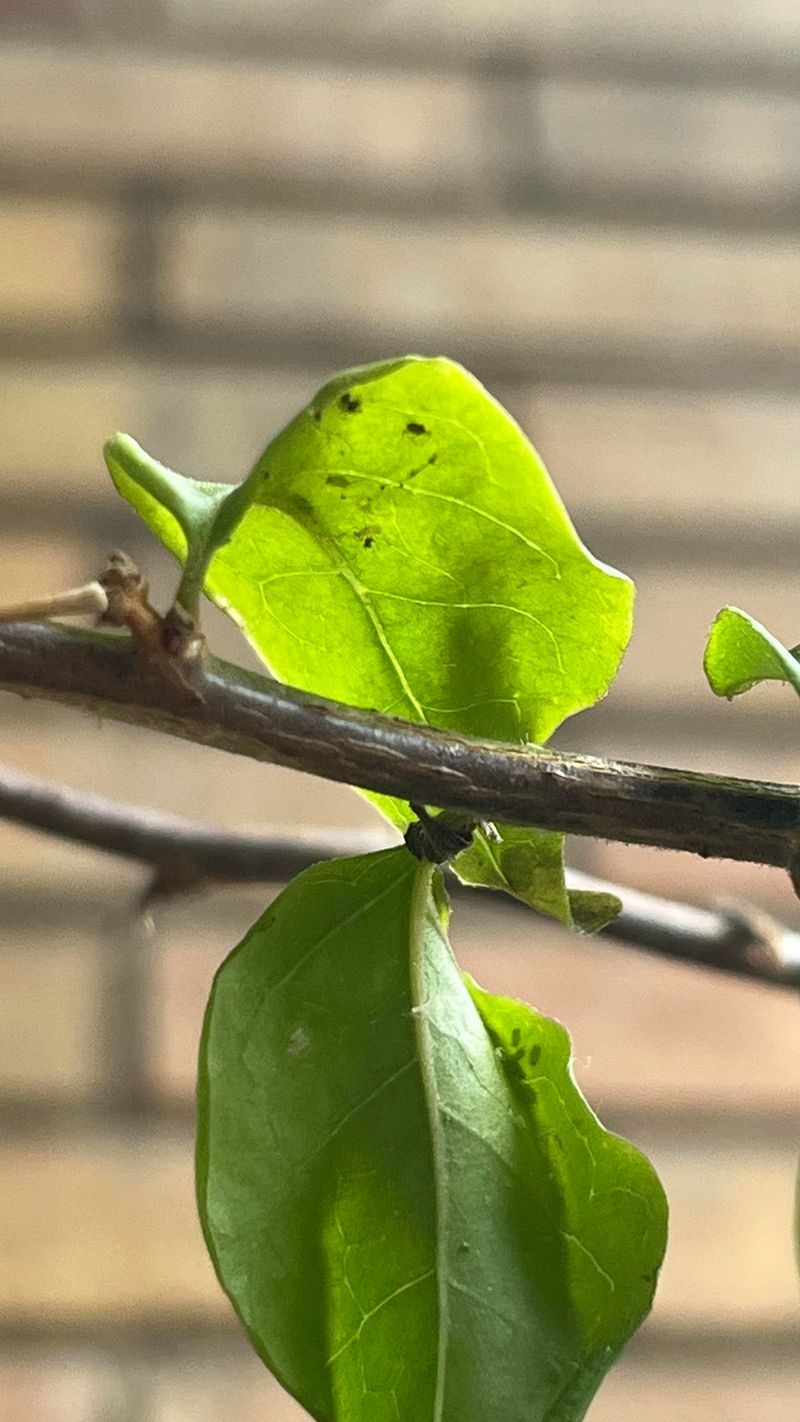
Warming temperatures bring more than just sunshine and longer days. Pest populations tend to surge as Florida heats up in spring, and bougainvillea can attract a handful of unwanted visitors if you are not watching.
Getting into the habit of checking your plant regularly before summer peaks gives you a major advantage in staying ahead of any infestations.
Aphids are among the most frequent offenders. These tiny insects cluster on new growth and soft stem tips, sucking sap and weakening the plant over time.
Caterpillars, particularly the larvae of certain moths, can chew through leaves and bracts quickly if left unchecked. Mealybugs and scale insects also show up occasionally, hiding in leaf joints and along stems.
Early detection is genuinely your best tool here. Flip leaves over and inspect the undersides, since that is where many pests prefer to hide.
A strong spray of water can knock off aphid colonies without resorting to chemicals. For more stubborn infestations, insecticidal soap or neem oil applied according to label directions can be effective options.
Checking weekly as temperatures rise keeps small problems from becoming big headaches.
7. Support Vining Growth With Proper Training
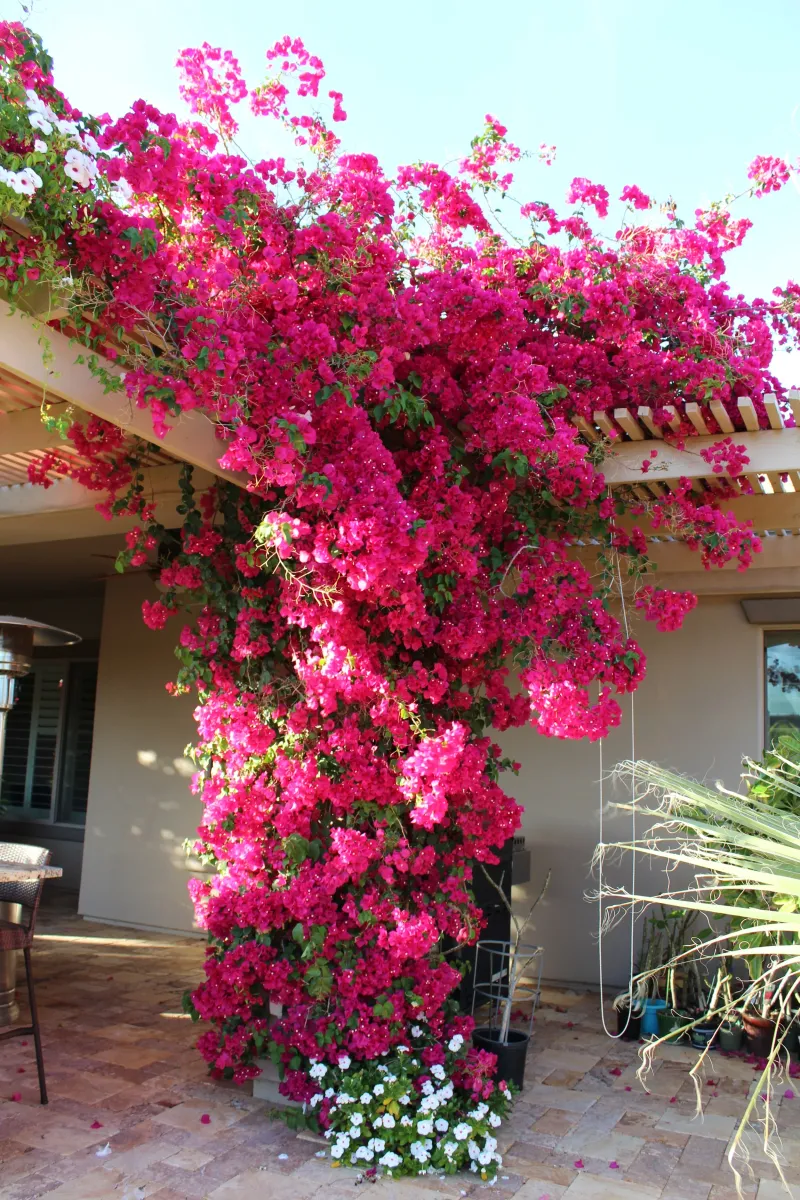
Left on its own, bougainvillea will grow in whatever direction it pleases, which sometimes means sprawling across the ground or tangling into other plants.
Training the vining growth onto a trellis, fence, or structure before summer gives you control over the plant’s direction and creates a far more impressive display when the blooms arrive.
Bougainvillea does not have true tendrils like some climbing plants. Instead, it uses its thorns to hook onto surfaces and support itself.
You will need to gently tie new growth to your chosen structure using soft plant ties or garden twine. Avoid wire or anything that might cut into the stems as the plant thickens over the season.
Training works best when stems are still young and flexible. Older woody stems are much harder to redirect without snapping them.
Guiding growth in early spring, before the heat accelerates growth rates, gives you the most flexibility.
Whether you want a dramatic wall of color, a cascading effect over a fence, or a more structured look on an arbor, consistent training now shapes the entire summer display.
A little guidance goes a long way with this vigorous grower.
8. Protect Roots From Poor Drainage And Heavy Soil
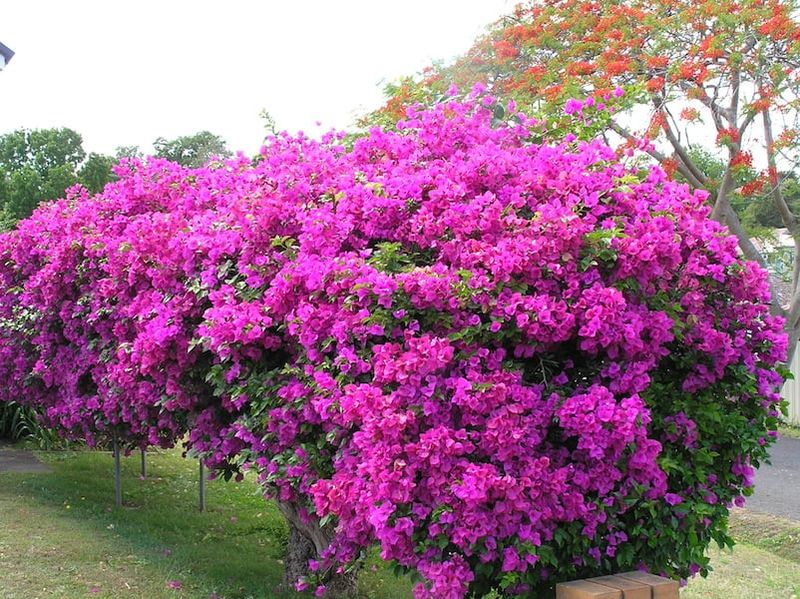
Root health is the foundation of everything your bougainvillea does above ground. When roots sit in waterlogged or heavy clay-like soil, the plant struggles to take up nutrients and oxygen, which leads to weak growth and very few blooms.
Florida’s soil varies widely across the state, and knowing what you are working with matters a lot for this plant’s long-term success.
Well-drained, loamy or sandy soil is ideal for bougainvillea. If your yard has heavier soil that holds water after rain, consider amending it with coarse sand or perlite to improve drainage before summer storms arrive.
Raised planting beds are another practical solution that gives roots the dry conditions they perform best in.
Container-grown bougainvillea needs pots with drainage holes, full stop. Sitting water at the bottom of a pot is just as problematic as poor garden soil.
Using a fast-draining potting mix designed for cacti or succulents works well for container plants and prevents the soggy conditions that cause so much trouble.
Protecting the root zone from excess moisture now means the plant can focus its energy on producing the vivid blooms that make bougainvillea one of Florida’s most beloved plants.