What To Do With Your Ohio Lantana Before The First Frost Arrives
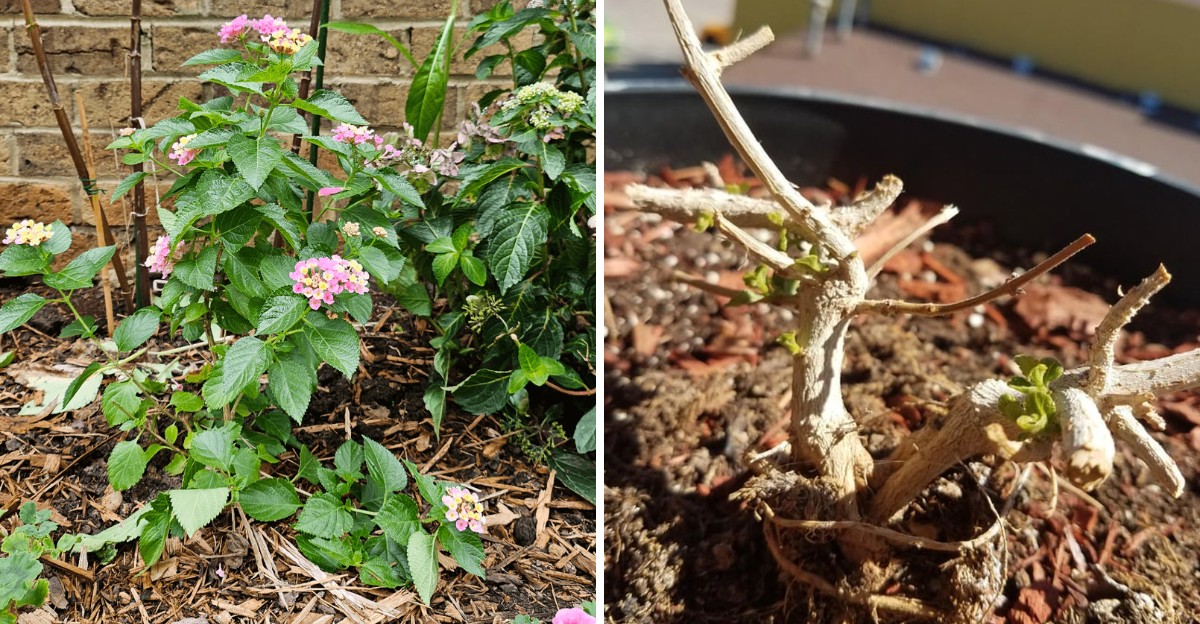
Those lantana pots on the deck are still working overtime right now, clusters of orange and yellow and pink packed tight enough to keep every last bee and butterfly in the neighborhood coming back for more.
It’s easy to look at that kind of display and assume the season still has plenty of runway left.
It doesn’t. Lantana has no patience whatsoever for cold, and the first real frost of an Ohio autumn can turn that whole thriving pot into a blackened, wilted mess practically overnight.
One cold snap is all it takes, and there’s rarely much warning before temperatures drop low enough to do the damage.
The upside is that lantana handles the transition indoors better than a lot of tender plants, provided the move happens before that first frost rather than after.
Waiting too long is the single biggest mistake gardeners make with it. So what’s the right way to get ahead of the cold this time around?
1. Track Local Frost Dates
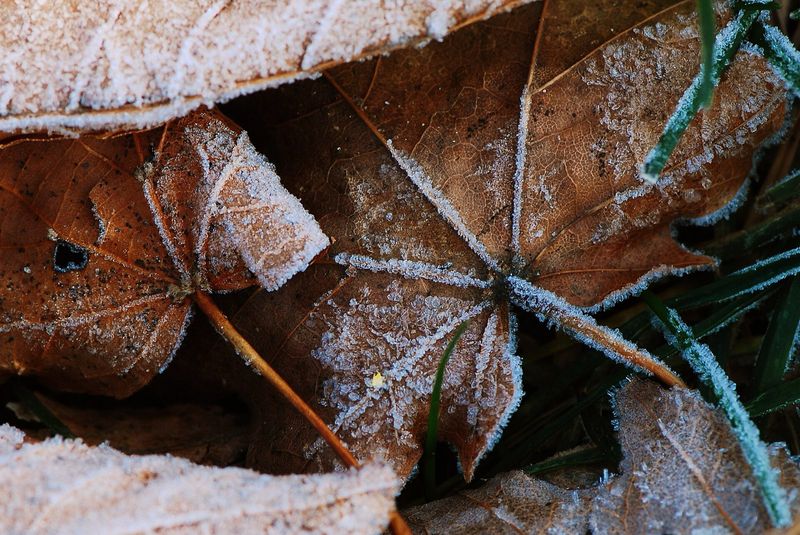
Timing makes all the difference when you want to rescue tender plants, and lantana simply cannot handle a frosty morning. Ohio’s first frost timing varies by location and year, but many gardeners begin watching forecasts in October as cold nights become more likely
Weather forecasters help you plan ahead. Frost Advisories are issued when conditions are favorable for frost formation, while Freeze Warnings signal more damaging cold conditions.
Lantana starts slowing down and slipping toward dormancy once temperatures drop below 36 degrees. Keeping an eye on your local forecast gives you a heads-up to act before that chilly night hits.
Try setting a phone reminder or bookmarking a weather app. That small habit lets you move quickly instead of scrambling at the last minute.
Knowing your date turns winter prep from a guessing game into a simple, low-stress routine you can handle with ease.
2. Prepare Potted Plants For Relocation
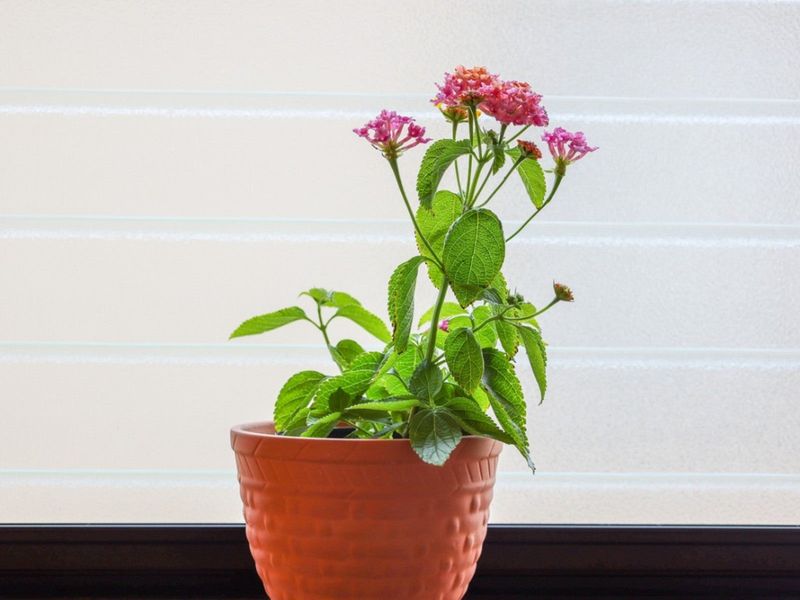
Container lantana has a big advantage over its garden cousins, and that is portability. When the forecast hints at a cold snap, simply carry your pot indoors before the first frost settles in.
Moving the plant inside shields it from freezing air that would harm those tender leaves and stems. Think of it like bringing a friend in from the cold porch for a warm cup of cocoa.
Before you haul the pot inside, give the leaves a quick check for hitchhiking bugs. Inspect the leaves and stems carefully, and rinse or treat any pests before bringing the plant indoors.
Pick a spot near a window where the plant still gets a little light. Even a garage or sunroom works if it stays above freezing.
Lift with your knees, not your back, since wet soil makes pots surprisingly heavy. A wheeled plant caddy turns this chore into a breeze.
Getting your potted lantana settled early means one less thing to worry about when temperatures start tumbling. Your plant will thank you next spring.
3. Carefully Dig And Pot In-Ground Plants
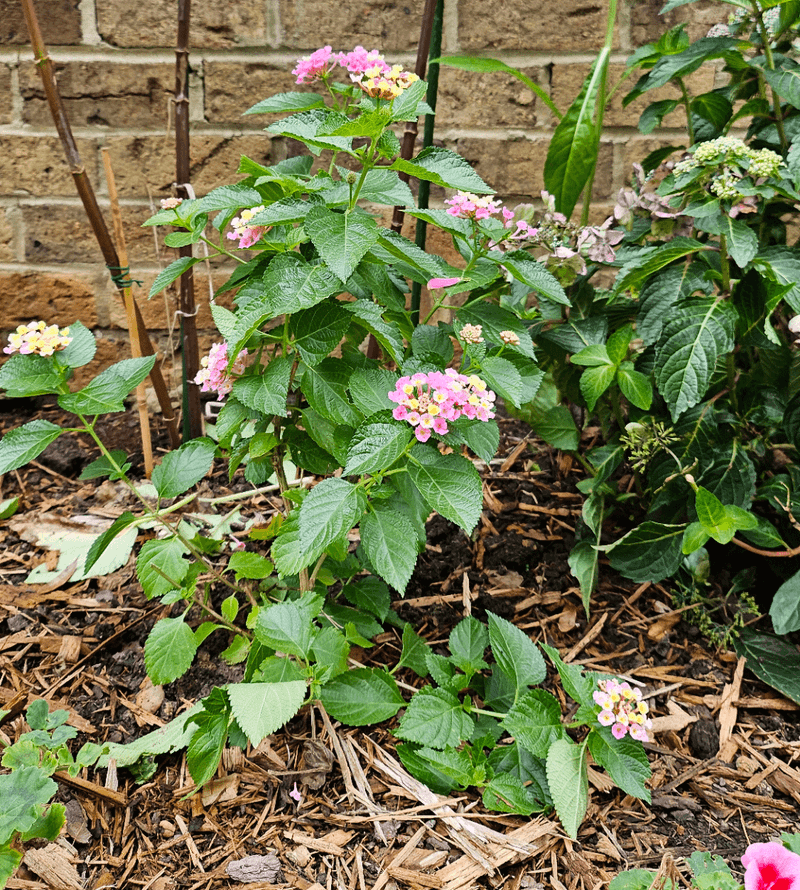
Not every Ohio lantana lives in a handy container, and that’s perfectly fine. For plants tucked into garden beds, you can still bring them along for the winter ride with a little digging.
Your Ohio Garden Changes Every Week. Your Plan Should Too.
Gardening in Ohio changes quickly throughout the season. Every Friday you’ll receive a simple weekly plan showing exactly what to plant, prune, fertilize, harvest, and protect so you never miss the right timing.
Work slowly around the base with a spade, giving the roots plenty of room. The goal is to keep that root ball as whole as possible, since roots hold the plant’s future growth.
Once it’s free, gently shake off some loose dirt and settle the plant into a pot filled with well-draining soil. Good drainage keeps water from pooling and troubling the roots.
Water it lightly after potting to help the roots settle into their new home. Then find a sheltered indoor spot where it can ride out the season.
A quick tip: dig on a cool, cloudy day when the plant is less stressed. Morning hours often work best.
Transplanting can feel a bit nerve-wracking, but lantana is a forgiving plant. With careful hands and a decent pot, your garden favorite gets a second chance to shine.
Do this before the first hard frost arrives, while the plant is still actively growing
4. Prune Back For Winter’s Rest
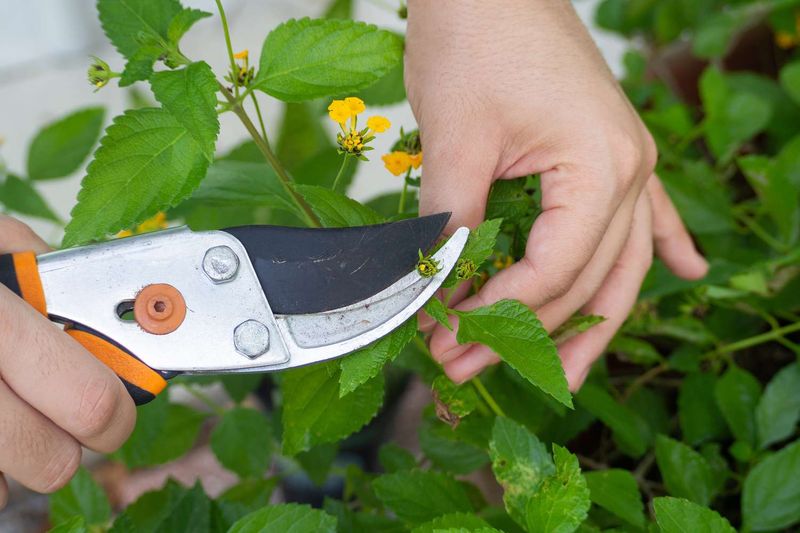
A good haircut does wonders, even for plants. Once the plant begins slowing down, prune back long or damaged growth to make storage easier.
Plants left dormant outdoors can be cut back after frost damage.
Grab clean, sharp pruners and reduce the plant to a manageable size while leaving enough healthy stems for regrowth. Some gardeners go even shorter, snipping to just 2 to 6 inches for a tidy look.
Waiting matters here. Pruning too soon can trick the plant into pushing out tender new shoots, and those fresh sprouts get nipped easily by a surprise cold snap.
Toss the trimmings into your compost pile if they look healthy. This keeps your garden neat and recycles nutrients back into the soil.
Wipe your blades with rubbing alcohol between plants to stop any lingering troublemakers from spreading. Clean tools mean happier plants.
Cutting back also makes the plant easier to store or move indoors, since a bushy tangle takes up far more room. A compact plant simply travels better.
With a thoughtful trim, your lantana settles into winter looking lean and ready to bounce back come spring.
5. Choose An Indoor Location For Dormancy
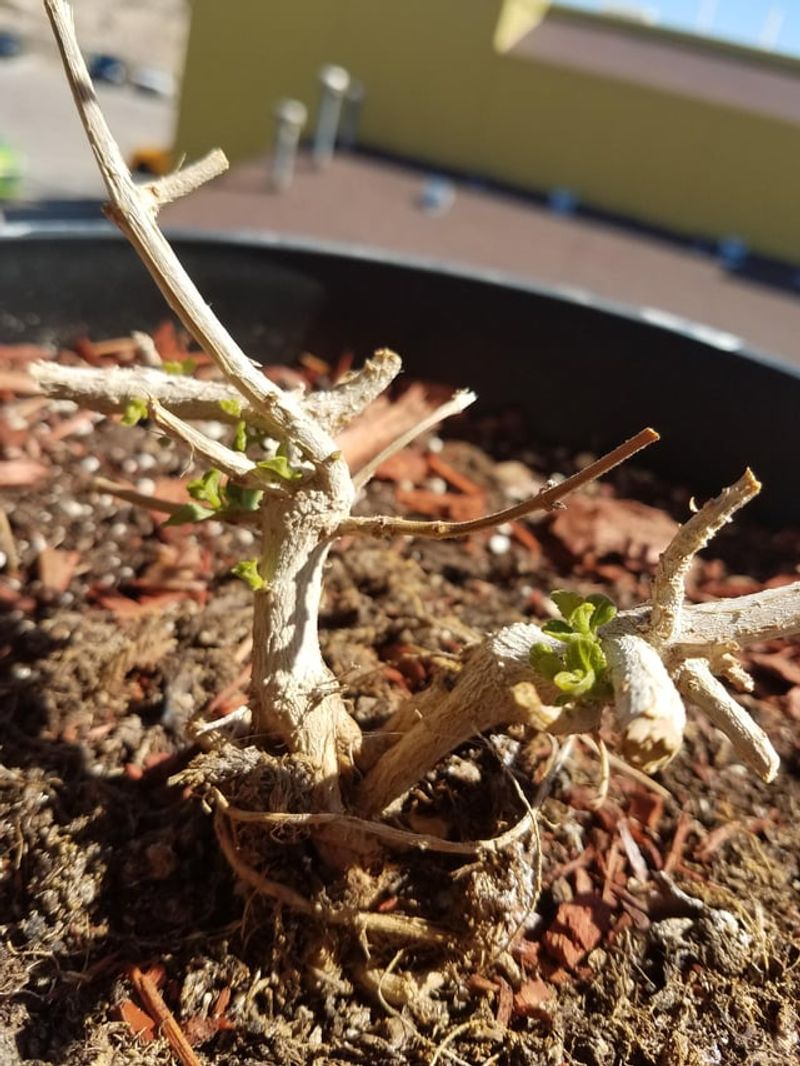
Where you park your lantana for Ohio winter shapes how it behaves until spring. If you want the plant to rest quietly, a cool, frost-free room with low light does the trick.
Aim for a spot where temperatures stay steady between 50 and 60 degrees. A basement corner, spare closet, or unused bedroom often fits the bill nicely.
Cooler air and dim light send the plant a clear signal to slow down and snooze. Dormancy is like a long, restful sleep that saves energy for the busy growing season ahead.
Prefer to watch your lantana keep growing through winter? Set it in a bright, sunny window where temperatures hover between 55 and 65 degrees instead.
Keep the plant away from drafty doors and blasting heat vents, since sudden temperature swings can stress it out. Steady conditions keep it content.
Check on it now and then, giving leaves a gentle look for pests or dryness. A quick weekly peek keeps small problems from growing big.
Picking the right winter home lets your lantana rest easy and wake up refreshed when warmer days return.
6. Adjust Winter Watering Habits
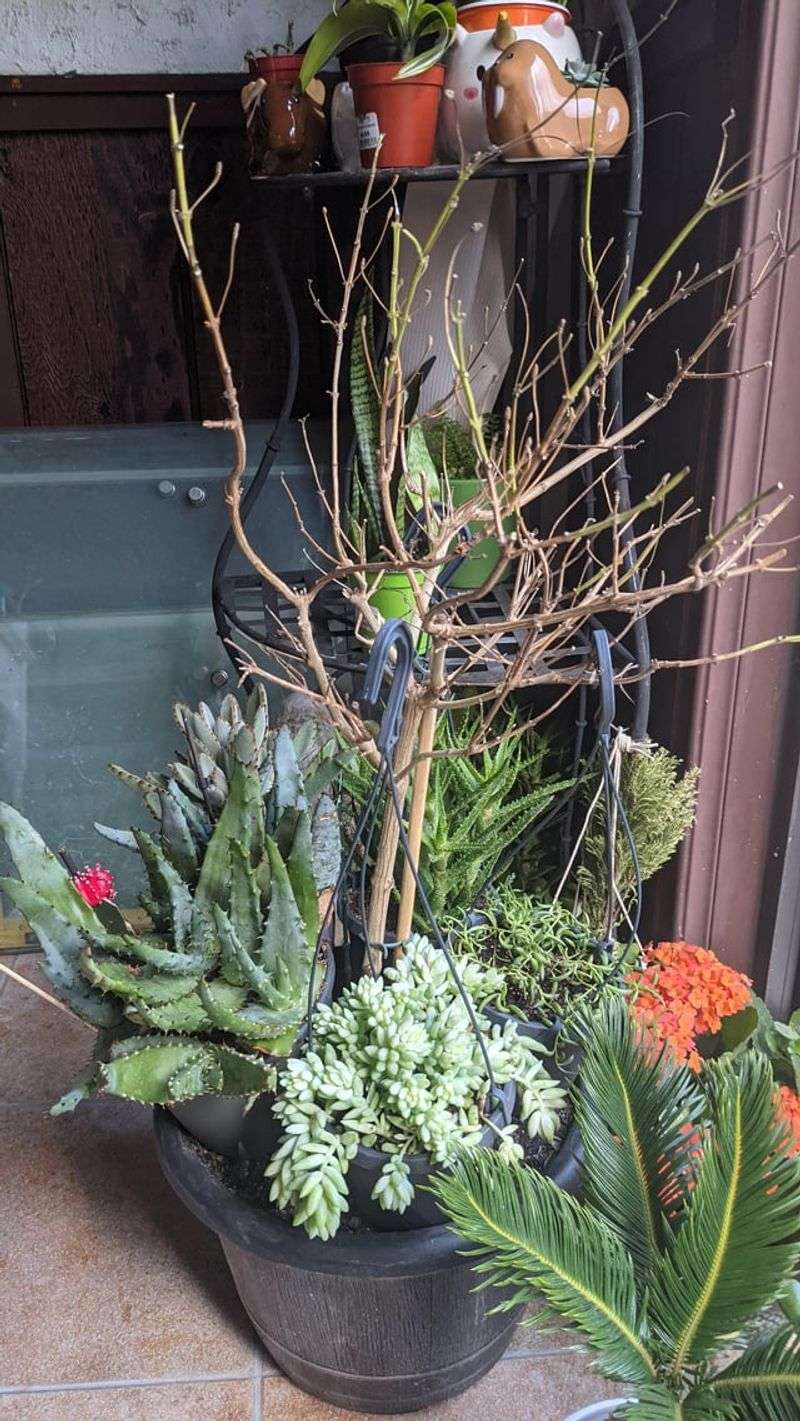
Winter changes the rules when it comes to watering. A dormant lantana sips very little, so you’ll want to trade your summer soaking routine for a lighter touch.
Let the soil dry out slightly between waterings. This simple habit helps prevent root rot, which sneaks in when soil stays soggy for too long.
Overwatering is one of the most common slip-ups gardeners make in the cold months. When in doubt, poke your finger into the soil and only add water if it feels dry an inch down.
Skip the fertilizer entirely while the plant sleeps. Feeding a dormant lantana is like offering a big dinner to someone who is fast asleep, since it simply can’t use the extra nutrients.
Once you spot fresh green growth in late winter or early spring, that’s your cue to slowly reintroduce food. Start light and build up as the plant wakes.
A cheap moisture meter can take the guesswork out of this whole routine if you like extra help. Many gardeners find them handy.
Gentle, mindful watering carries your lantana safely through winter and sets the stage for a lively spring return.
7. Consider The Bare-Root Storage Method
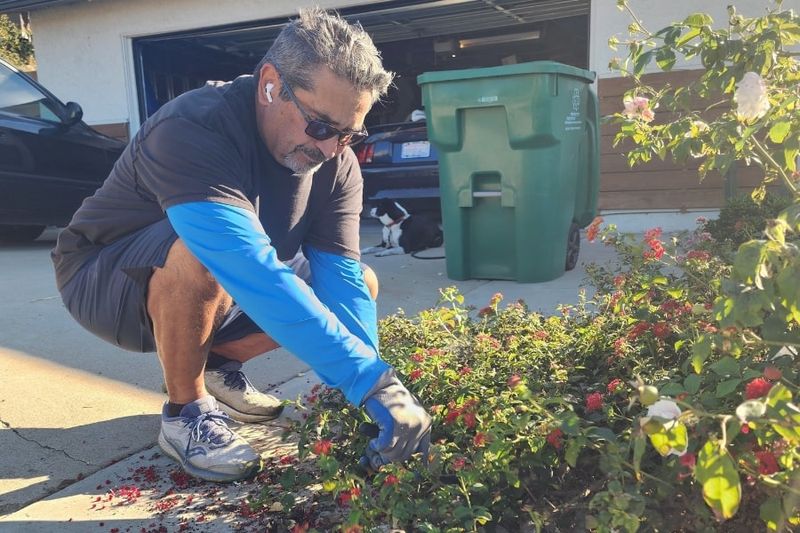
Short on sunny windowsills? Bare-root storage can work, but it requires careful moisture control and is usually less forgiving than keeping lantana in a container
Start by digging up the plant and gently brushing away the extra soil clinging to its roots. You don’t need them spotless, just free of heavy clumps.
Tuck the roots into a box filled with peat moss, sawdust, or shredded newspaper. These cozy materials keep the roots from drying out during their long rest.
Set the box in a cool, dry place like a basement or garage where temperatures stay steady. The plant basically hibernates in the dark, waiting patiently for spring.
Every few weeks, peek inside and check for any mold or soft, mushy spots. Catching trouble early keeps the rest of the roots in good shape.
If the packing material feels bone dry, a light misting can restore just enough moisture. Avoid soaking it, since dampness invites rot.
This old-fashioned trick saves loads of space and works surprisingly well. Come spring, you’ll pot up those roots and watch your thrifty storage effort pay off with fresh growth.
8. Propagate New Plants From Cuttings
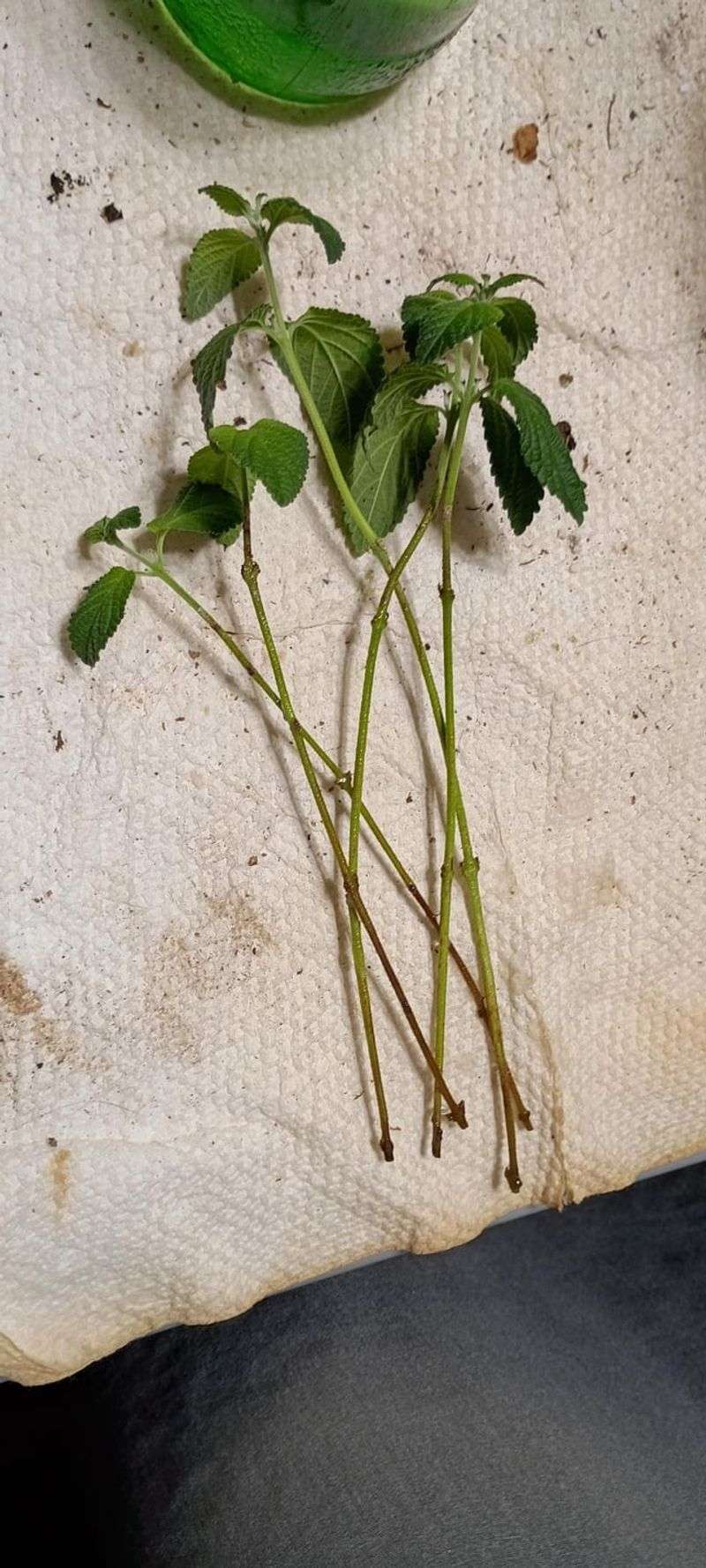
Here’s a fun bit of garden magic: one lantana can become many with just a few snips. Taking cuttings in fall gives you a reliable backup in case the parent plant struggles.
Choose healthy stems and clip a few pieces several inches long. Strip the leaves from the lower half so those bare stems can focus on making roots.
Place cuttings in water or a moist rooting medium and keep them warm and bright while roots develop. Set them somewhere bright but out of harsh direct sun and wait for the roots to appear.
Patience pays off here, since roots usually take several weeks to form. Change the water every few days to keep it fresh and clear.
Once tiny white roots grow an inch or so long, you can move the cuttings into small pots. Grow them on a sunny windowsill all winter long.
When spring arrives and frost worries fade, plant your rooted babies outdoors. You’ll have free plants to fill your beds or share with neighbors.
Propagating feels a little like a science experiment, and the reward of new plants makes it genuinely satisfying.
9. Mulch For Borderline Outdoor Survival
Most Ohio gardeners treat lantana as a yearly guest, since our colder zones (USDA 5b to 7a) rarely let it survive outdoors. Still, folks in the mildest pockets can gamble on leaving it in the ground.
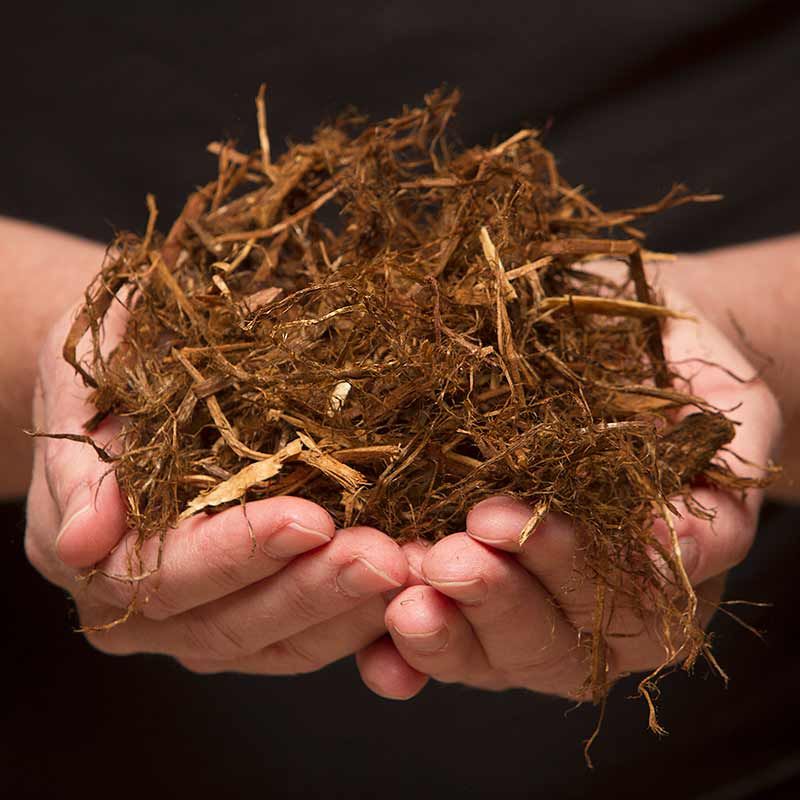
If you’re feeling adventurous, spread a 2 to 3 inch layer of mulch around the plant’s base. Leaves, straw, or pine bark all work well as cozy blankets for the roots.
That mulch traps a bit of warmth, offering roughly 2 to 3 degrees of extra protection. It’s a small buffer, but every degree counts on a bitter night.
Give the soil a thorough drink before a long stretch of freezing weather rolls in. Moist soil holds heat better than dry soil, adding a touch more insurance.
Keep your expectations gentle, since this trick works best in the state’s warmest corners. Colder regions may still see the plant fade despite your efforts.
Think of mulching as a hopeful experiment rather than a guarantee. Even if it doesn’t pan out, you’ll learn something useful about your own garden’s quirks.