The Potted Citrus Problem California Gardeners Often Mistake For Underwatering
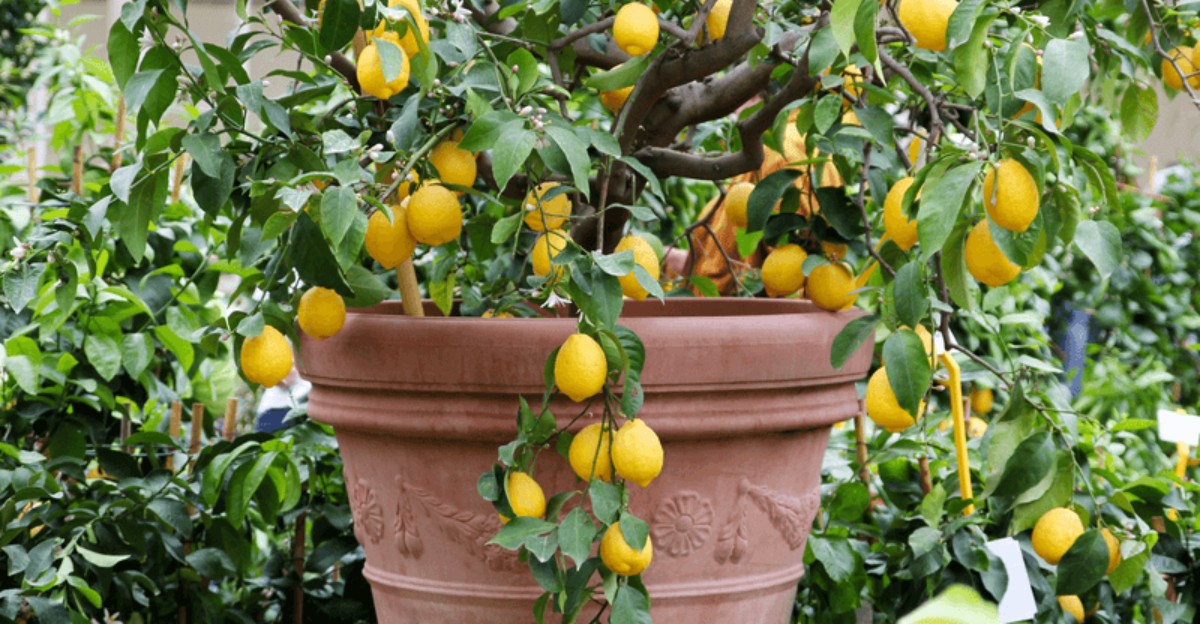
Your potted citrus tree might be trying to tell you something, but the problem is not always a lack of water. Yellow leaves, drooping growth, and stressed-looking branches can make you reach for the watering can, yet too much moisture can create the same warning signs.
Many California gardeners accidentally make the issue worse by watering more when their tree actually needs a different fix.
Take a closer look at the soil, pot, and drainage before adding more water. Citrus trees grown in containers have less room for their roots, which means small problems can quickly affect the whole plant.
Poor drainage, compacted soil, or root stress can leave your tree struggling even when the soil seems damp. A few simple checks can help you figure out what your citrus really needs and keep your potted tree growing strong.
1. Root Crowding Can Look Like Water Stress
Most California gardeners never think to check the roots when their citrus tree starts looking droopy. It feels natural to blame the heat or a missed watering.
But sometimes the tree is struggling because its roots have run out of room to grow.
When roots pack too tightly inside a container, they lose the ability to absorb water and nutrients properly. Even if you water on a regular schedule, a crowded root system simply cannot take in what it needs.
The tree ends up showing signs that look exactly like drought stress, including wilting leaves and dry-looking soil at the surface.
Root crowding is sneaky because the symptoms mimic other problems so closely. Leaves may curl at the edges or feel slightly stiff.
New growth might look pale or small. The tree may even drop leaves during warm weather, which many people blame on heat alone.
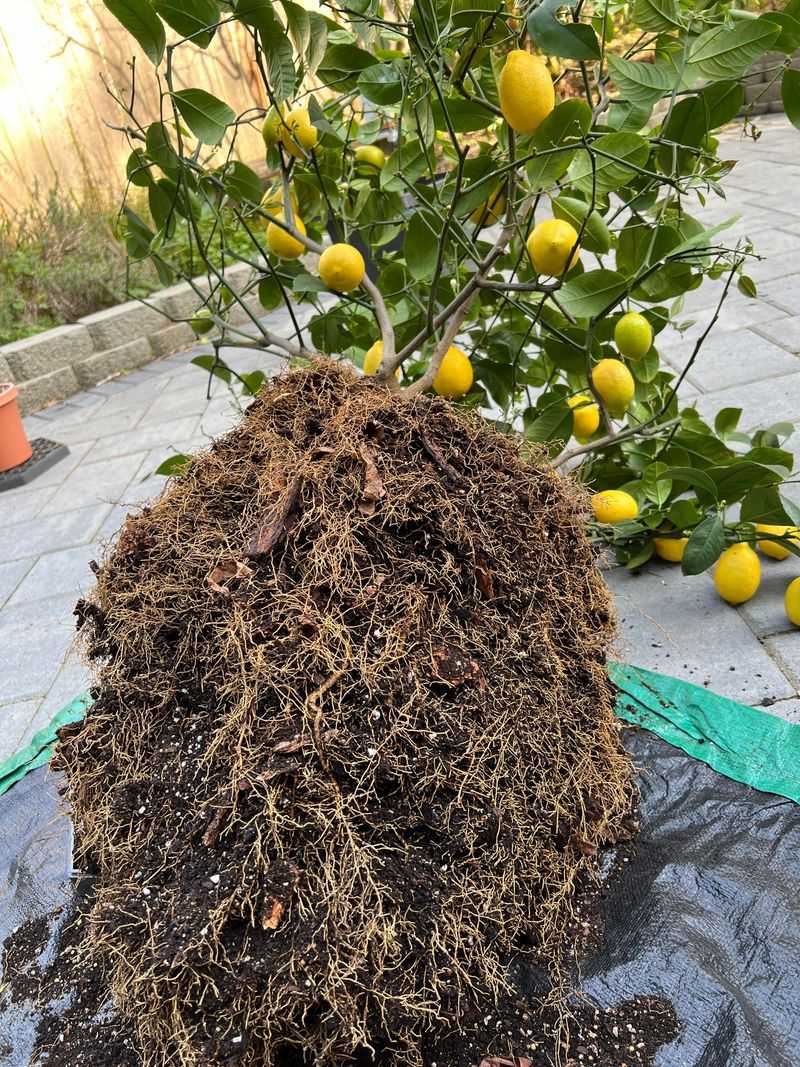
Checking the roots is the only way to know for sure. Gently tip the pot on its side and slide the root ball out.
If roots are circling around the bottom or forming a tight mass, the tree needs more space. A healthy root system should look loose and spread out, not tangled or packed.
Catching this early gives your tree a much better chance of bouncing back quickly.
2. Roots Can Fill The Container Too Quickly
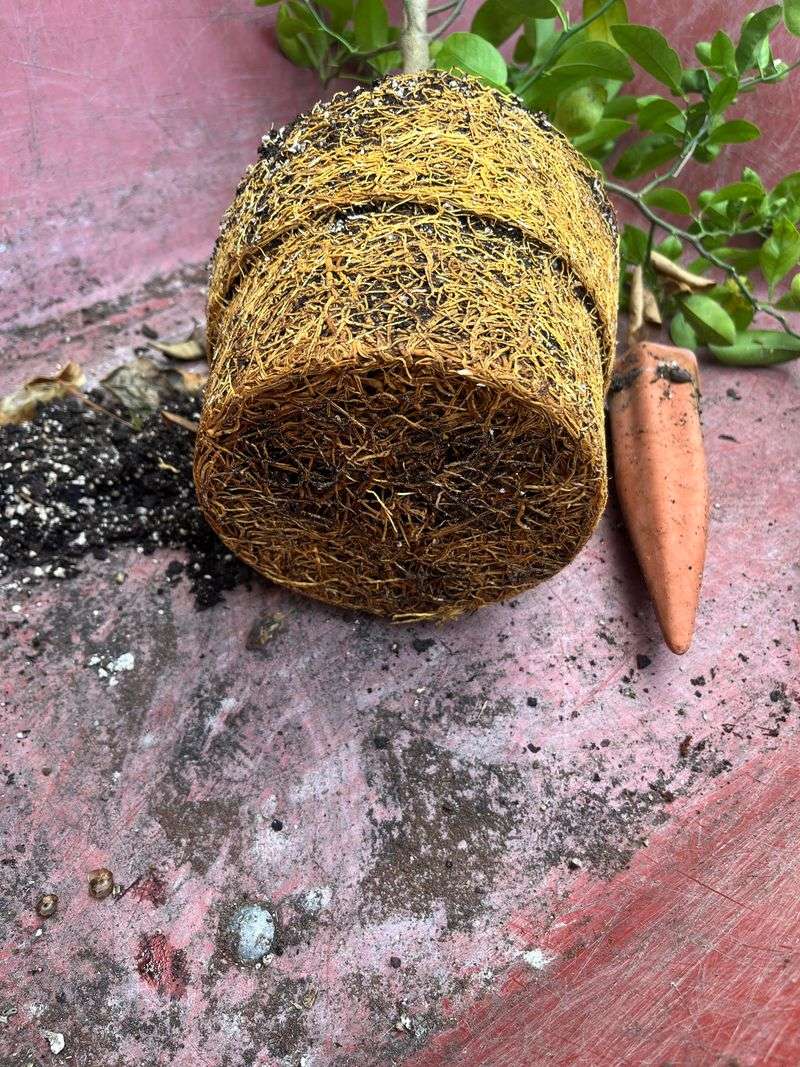
Citrus trees are surprisingly fast growers when conditions are right. In a warm climate with regular watering, roots can fill a container within a single growing season.
Many California gardeners are caught off guard by how quickly this happens.
Once the roots hit the walls of the pot, they start circling. Over time, those circling roots create a dense, tangled mass that blocks water from moving evenly through the soil.
Pockets of dry soil can form even right after watering, leaving parts of the root system without moisture.
A tree that fills its pot too fast may also push itself slightly upward. You might notice the soil surface rising near the base of the trunk or the pot bulging slightly at the sides.
These are physical signs that the roots have taken over the entire container.
Your California Garden Changes Every Week. Your Plan Should Too.
Gardening in California changes quickly throughout the season. Every Friday you’ll receive a simple weekly plan showing exactly what to plant, prune, fertilize, harvest, and protect so you never miss the right timing.
Choosing a slightly larger pot from the start can slow this process down. Going up one or two pot sizes when you first plant gives roots more room to spread naturally.
Avoid jumping to a pot that is too large, though, because excess soil holds too much moisture and can cause other problems. A pot that is four to six inches wider than the current root ball is usually a good starting point for most citrus varieties.
3. Water May Run Straight Through The Pot
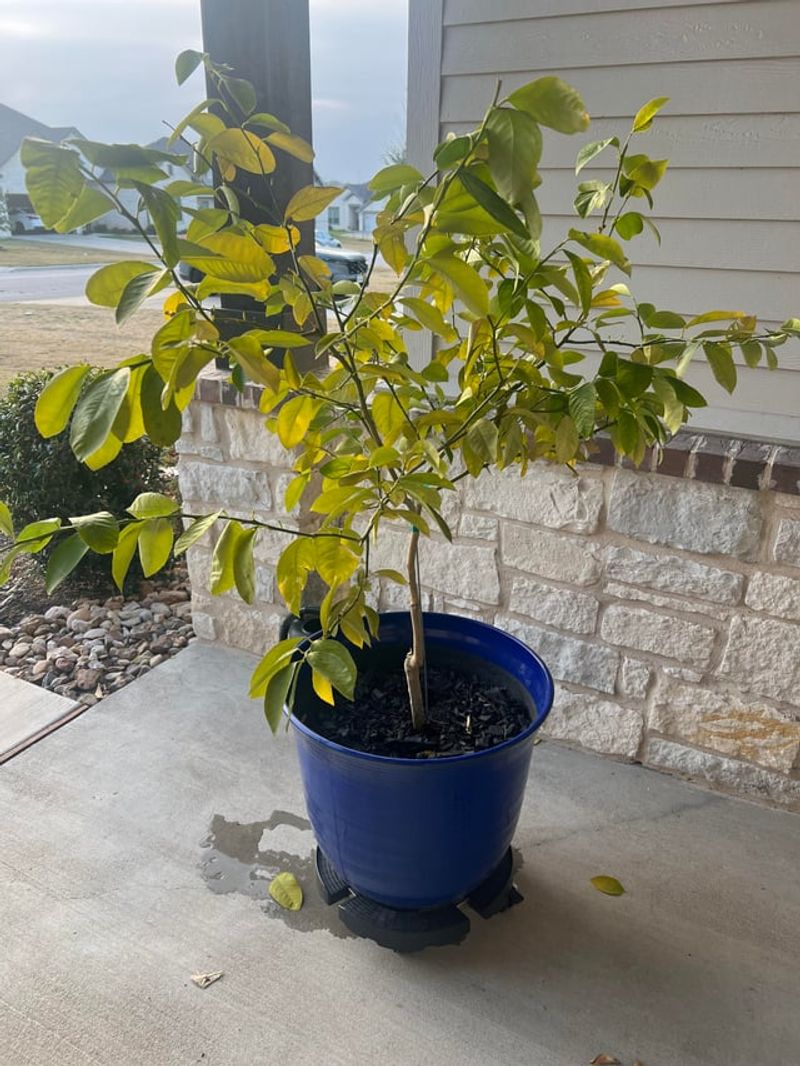
Watering a pot does not always mean the roots are getting water. When a container is severely root-bound, the soil becomes so compressed that water flows right through it without soaking in.
You pour water in at the top, it drains out the bottom in seconds, and the roots stay dry. The pot feels lighter than expected just minutes after watering.
The tree keeps showing signs of stress, and the cycle continues without ever solving the real problem.
This happens because compacted roots leave very little open space in the soil. Water needs loose soil particles to slow down and absorb properly.
When there is no room, it takes the path of least resistance and exits through the drainage holes almost immediately.
One way to test this is to water slowly and watch how fast the water exits the pot. If it runs out within a few seconds, the soil is too compacted.
You can try bottom watering by placing the pot in a shallow tray of water and letting it soak for thirty minutes. This forces moisture up through the drainage holes and into the root zone.
But the longer-term fix is repotting the tree into fresh soil with more breathing room for the roots to function the way they should.
4. Yellow Leaves Do Not Always Mean Dry Soil
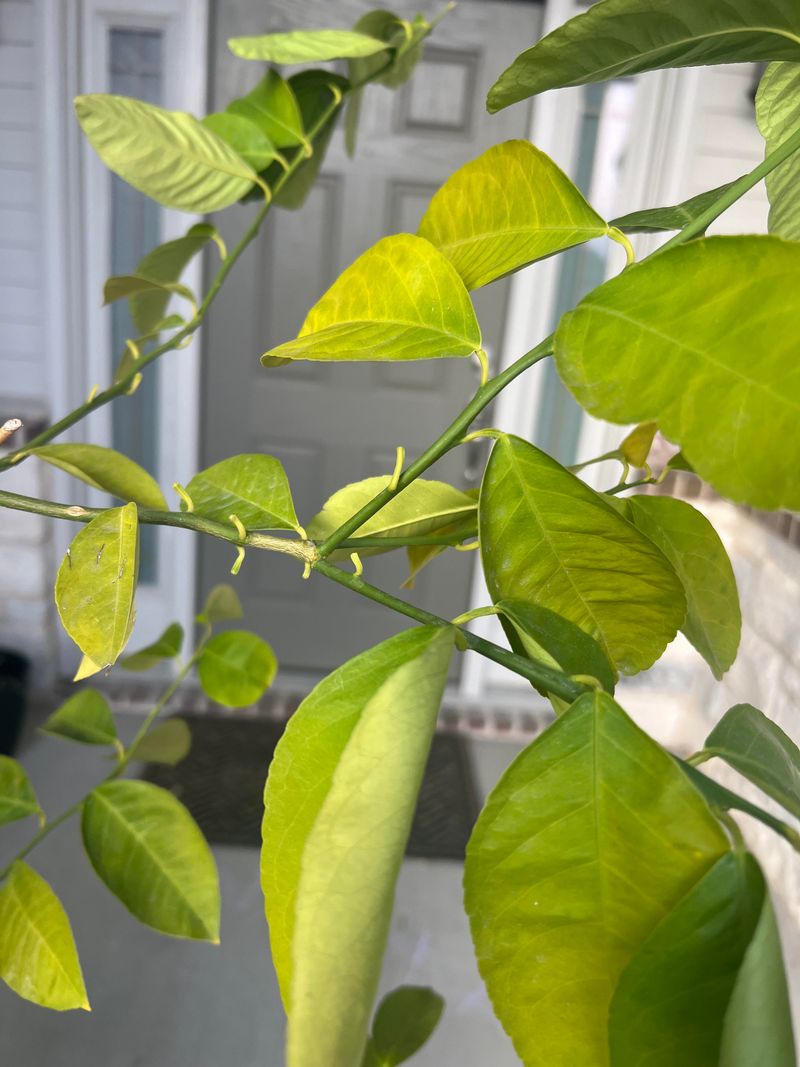
Yellow leaves are one of the first things California gardeners notice when something is wrong with their citrus tree. The go-to response is usually more water.
But yellowing leaves can have several different causes, and dry soil is just one of them.
When roots are crowded and struggling, they cannot pull nutrients from the soil efficiently. Nitrogen and iron are two nutrients that citrus trees need in large amounts.
Without them, leaves turn yellow even when the soil feels moist. This condition is called nutrient deficiency, and it looks almost identical to drought stress from the outside.
Overwatering can also cause yellow leaves. When a root-bound tree gets watered too often because the gardener thinks it is thirsty, the roots can sit in standing water.
This cuts off oxygen to the roots and causes them to break down slowly. Yellowing leaves are often the first visible sign of this happening underground.
Before adding more water, press your finger two inches into the soil. If it feels moist, water is not the issue.
Look at the pattern of yellowing instead. Yellowing that starts from the bottom of the tree and works upward often points to nitrogen issues.
Yellowing between the leaf veins while the veins stay green usually suggests an iron deficiency. Both problems are linked to root health, not watering frequency.
5. Small Containers Heat Up Faster
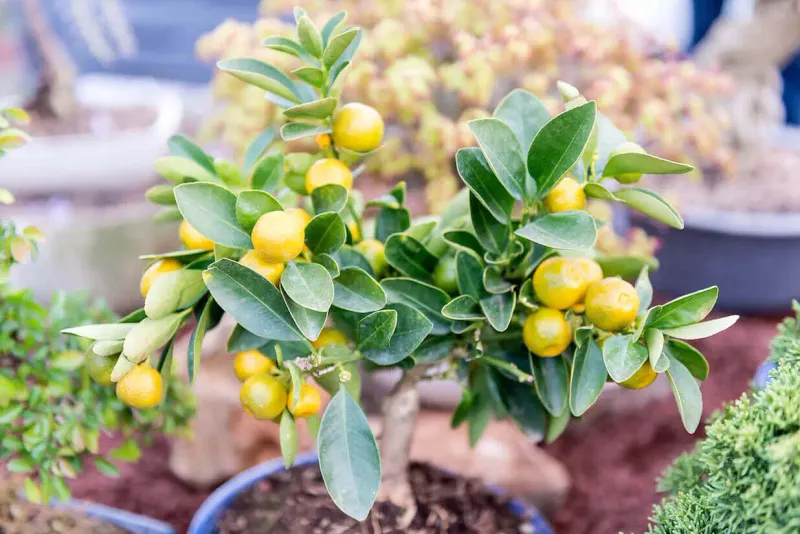
Pot size affects more than just root space. Smaller containers heat up much faster in direct sun, and that extra heat puts serious stress on citrus roots.
Many gardeners do not realize that the soil inside a small dark pot can reach temperatures that damage roots on a hot afternoon.
When roots get too hot, they stop absorbing water effectively. The tree responds by wilting and dropping leaves, which looks exactly like a plant that has not been watered.
But adding more water to hot, overheated soil does not help much if the roots are already stressed from the heat.
Dark-colored plastic pots absorb the most heat. Terra cotta pots breathe better but also dry out faster.
Light-colored pots or fabric grow bags tend to keep roots cooler and allow better airflow. Moving pots to a spot with afternoon shade during the hottest months can also make a big difference.
In warm parts of California, this problem is especially common during summer. Roots near the edges of a small pot can get cooked while the center stays cooler.
Wrapping pots in burlap or setting them inside a larger decorative pot can help insulate the roots. Keeping the pot elevated slightly also allows air to circulate underneath, which helps regulate soil temperature and keeps the root zone healthier throughout the season.
6. Drainage Problems Can Mimic Thirst
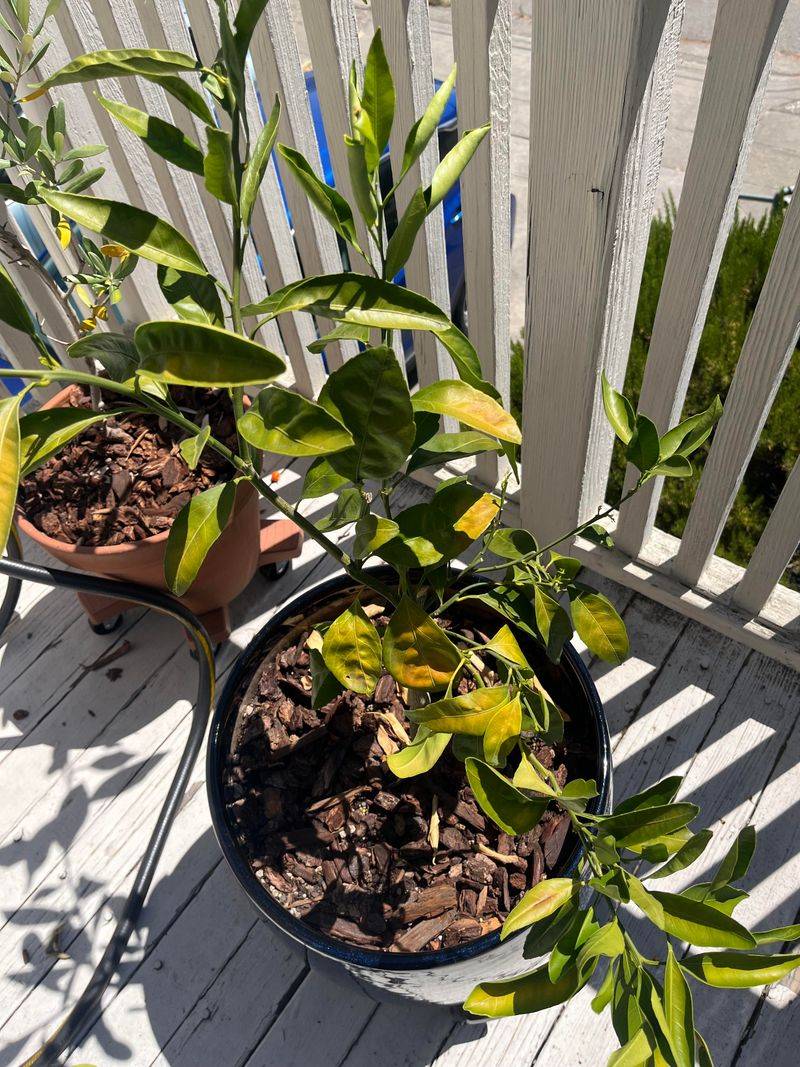
Not all watering problems come from giving a plant too little moisture. Poor drainage is a common issue that creates symptoms almost identical to underwatering, and it catches many gardeners by surprise.
When water cannot drain out of a pot properly, it collects at the bottom around the roots. The top layer of soil may feel dry and crumbly, which tricks gardeners into thinking the plant needs more water.
Meanwhile, the roots at the bottom are sitting in soggy conditions that slowly break them down.
Blocked drainage holes are a common cause of this problem. Soil, roots, or even small pebbles can clog the holes at the bottom of the pot.
Some decorative pots do not have drainage holes at all, which makes the problem even worse. Always check that water flows freely out of the bottom after each watering session.
Soil mix also plays a big role. Regular garden soil holds too much moisture for potted citrus.
A well-draining mix designed for citrus or cactus works much better. These mixes include materials like perlite or coarse sand that allow excess water to move through quickly.
If your current soil feels dense and heavy when wet, it is probably holding too much moisture. Refreshing the soil during repotting gives you the chance to start with a better mix that supports proper drainage from the beginning.
7. Repotting May Solve The Real Issue
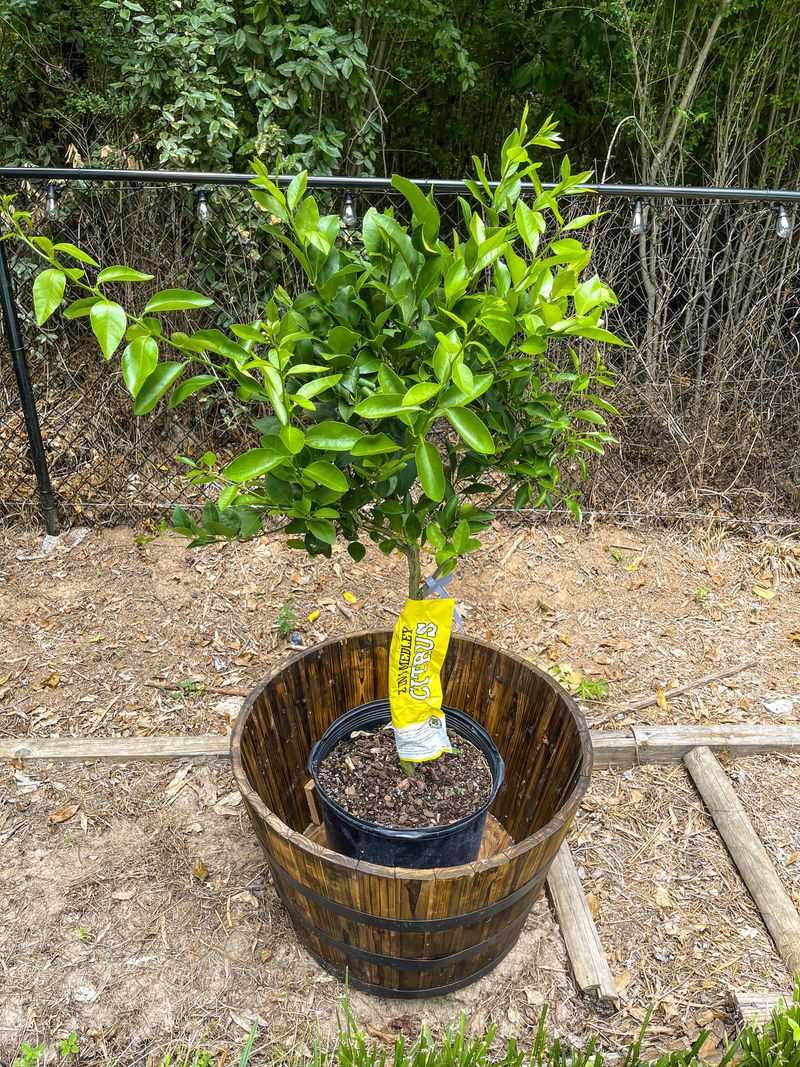
Sometimes the best thing you can do for a struggling citrus tree has nothing to do with water or fertilizer. Moving it into a bigger pot with fresh soil can completely turn things around.
Repotting gives roots the space they need to spread out and start absorbing nutrients again.
The best time to repot is in late winter or early spring, just before the growing season begins. This gives the tree time to settle into its new container before the heat of summer arrives.
Avoid repotting during a heat wave in California or when the tree is already under heavy stress, because that can make recovery harder.
When you repot, remove as much of the old compacted soil as you can without damaging the roots. Gently loosen any roots that have started circling and spread them outward before placing the tree in the new pot.
Fill in with fresh citrus potting mix and water it in slowly until moisture runs out of the drainage holes.
After repotting, place the tree in a spot with bright but indirect light for a week or two. This gives it time to adjust without the added pressure of intense sun.
You may notice new growth appearing within a few weeks, which is a good sign that the roots are settling in and the tree is recovering. Repotting every two to three years keeps most potted citrus trees healthy and productive long-term.
8. Check The Roots Before Adding More Water
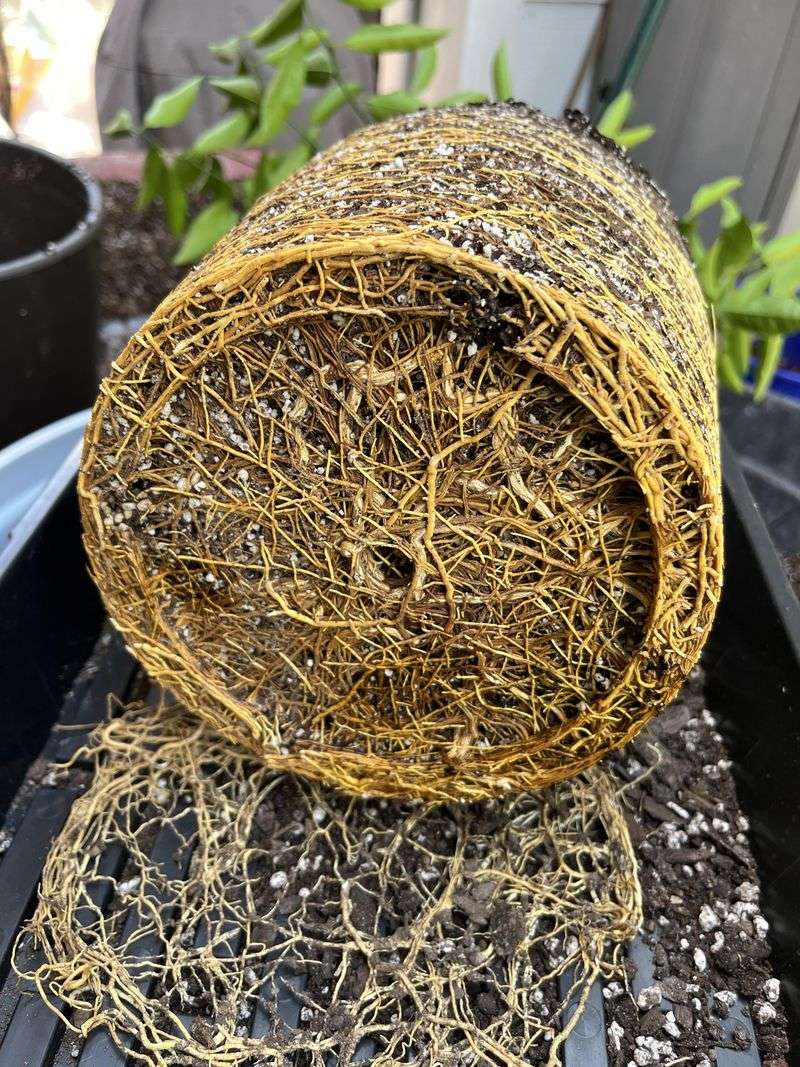
Before you reach for the watering can, take a moment to actually check the roots. This one simple step can prevent a lot of unnecessary damage.
California gardeners add water out of habit or worry, but checking the roots first gives you real information to work with.
Start by lifting the pot. A pot-bound tree will feel very heavy even when the soil is dry, because the roots take up so much space.
If it feels lighter than expected, the soil may genuinely be dry and water is needed. But if it feels dense and heavy, roots are likely the issue.
Next, try to gently slide the root ball out. If it comes out as a solid, compact mass with roots wrapped tightly around the outside, the tree has outgrown its container.
Healthy roots should be white or light tan and slightly flexible. Dark, mushy roots suggest rot from overwatering or poor drainage, not drought.
Getting into the habit of checking roots twice a year helps you stay ahead of problems before they become serious. Spring and fall are good times to do a quick inspection.
You do not need to repot every time, but knowing what is going on underground helps you make better decisions about watering, fertilizing, and pot size. A little hands-on attention goes a long way toward keeping potted citrus trees healthy and thriving year after year.