The 8 Fruit Trees That Thrive In Northern California’s Climate
Northern California makes fruit tree growing feel a little magical when you pick the right ones.
Cool winters, warm summers, coastal influence in some spots, inland heat in others, it all adds up to a region where certain trees settle in beautifully and reward gardeners with baskets of homegrown fruit.
Of course, not every fruit tree is up for the job. Some struggle with chill hours, some want more heat, and some just never seem as happy as you hoped.
That is why the best choices matter so much. A tree that suits Northern California’s climate can be productive, easier to care for, and a lot more satisfying to grow.
It also makes the whole yard feel more generous, especially once blossoms appear and fruit starts to form.
There is something deeply satisfying about stepping outside and seeing a tree that truly belongs there. Pick well, and your garden starts offering beauty, shade, and fresh harvests all in one.
1. Apple
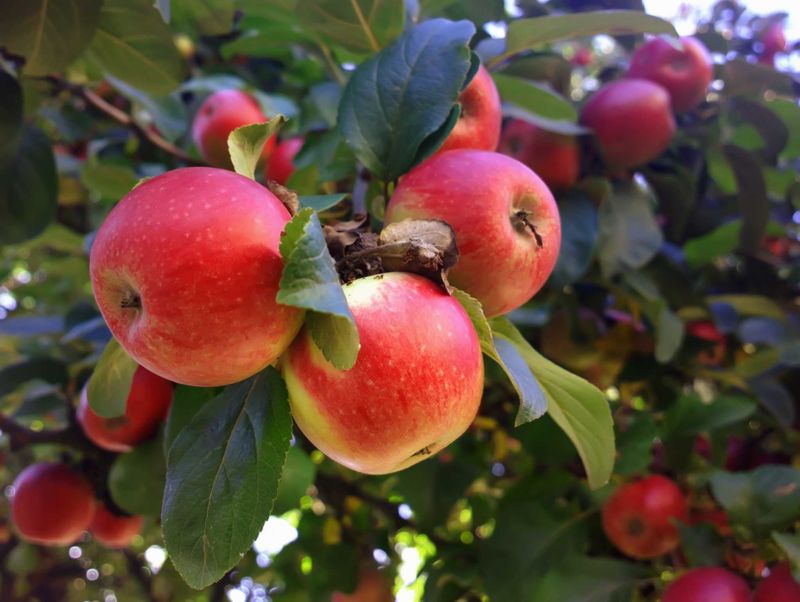
Few things feel more classic than picking a crisp apple right off the tree in your own backyard. In Northern California, apple trees do especially well in the cooler mountainous zones and higher elevation inland areas where winters get cold enough to meet their chilling requirements.
Varieties like Granny Smith and Fuji are popular choices because they adapt well to the region’s temperature swings.
Apple trees need at least six hours of direct sunlight every day. They also prefer well-drained soil with a pH between 6.0 and 7.0.
Adding organic compost to your soil before planting gives your tree a strong head start.
One helpful tip is to prune your apple tree during its dormant season, usually in late winter. This encourages healthy new growth and better fruit production come harvest time.
Most apple trees also need a second nearby tree for cross-pollination, so consider planting two different varieties close together. With proper care, a mature apple tree in Northern California can produce fruit for decades, making it a fantastic long-term investment for any home grower looking to enjoy fresh, homegrown apples every fall.
2. Pear
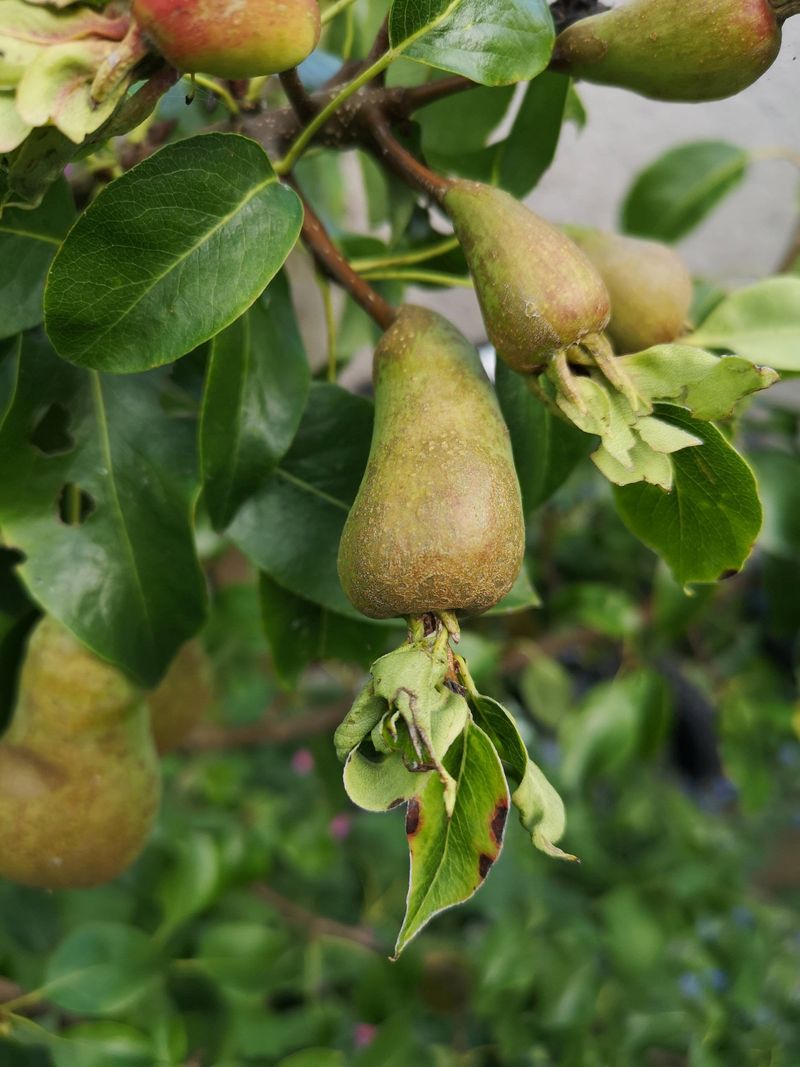
Pear trees have a quiet kind of charm. They bloom beautifully in spring, provide generous shade in summer, and reward patient gardeners with sweet, juicy fruit by late summer or early fall.
In Northern California, pears thrive particularly well in mountainous and cooler inland regions where the winters are just cold enough to satisfy their chilling needs.
Bartlett and Anjou are two of the most popular pear varieties grown across the region. Both handle Northern California’s climate well and produce generous harvests when cared for properly.
Pear trees prefer deep, well-drained soil and consistent moisture, especially during the warmer months.
Applying a layer of mulch around the base of your tree is a simple but effective trick. It keeps the soil moist, regulates temperature, and reduces weed competition.
Pear trees generally need about 600 to 900 chill hours per year depending on the variety, so check your local zone before choosing which type to plant. Pruning during dormancy also helps shape the tree and boost fruit production.
Your California Garden Changes Every Week. Your Plan Should Too.
Gardening in California changes quickly throughout the season. Every Friday you’ll receive a simple weekly plan showing exactly what to plant, prune, fertilize, harvest, and protect so you never miss the right timing.
With the right variety and a little attention, pear trees can become one of the most reliable fruit producers in a Northern California home orchard.
3. Plum
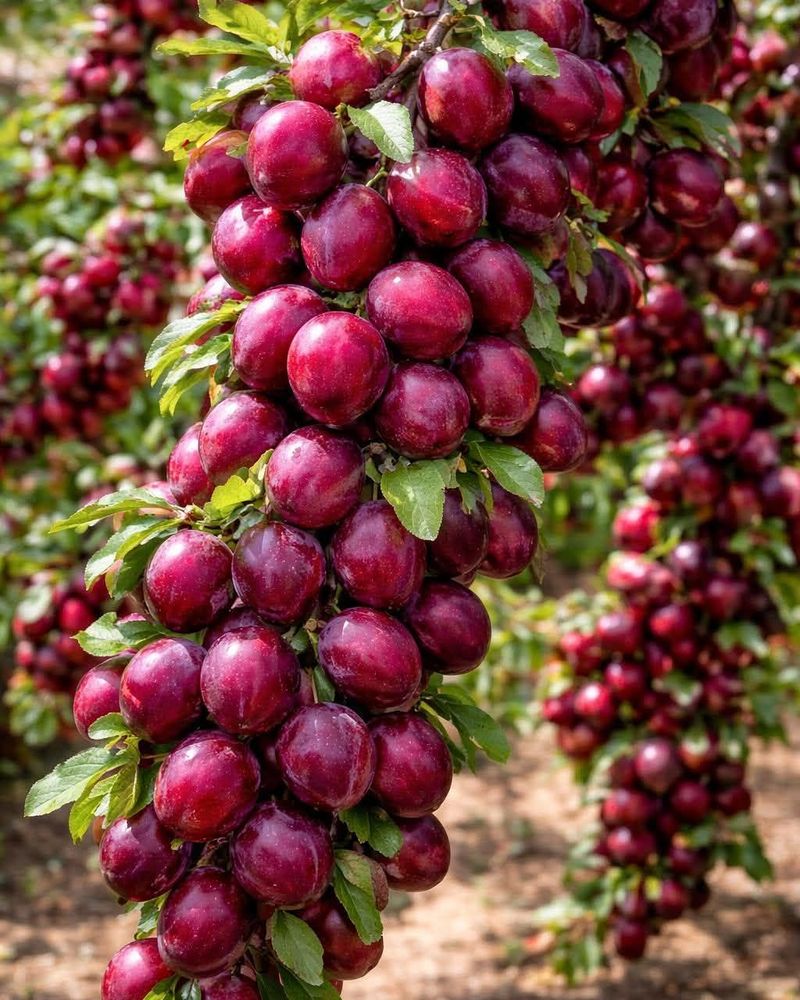
Plum trees are some of the most easygoing fruit trees you can grow in Northern California. They adapt to a wide range of conditions across the region, from warm inland valleys to slightly cooler hillside gardens.
The Santa Rosa plum, developed right here in California by horticulturist Luther Burbank, is a local favorite known for its rich flavor and reliable production.
Plum trees love full sun and do best with at least six to eight hours of direct sunlight each day. They are relatively drought-tolerant once established, which makes them a smart choice for water-conscious gardeners in the region.
Still, regular watering during the growing season helps produce larger, juicier fruit.
One thing that makes plums especially appealing is how quickly they start producing. Many plum trees begin bearing fruit within three to five years of planting.
That is faster than many other fruit trees. Pruning in late winter helps maintain a manageable shape and removes any crowded or weak branches.
Good air circulation between branches also reduces the risk of common fungal issues. If you want a low-maintenance fruit tree that delivers big flavor, a plum tree is a fantastic option for any Northern California garden.
4. Peach
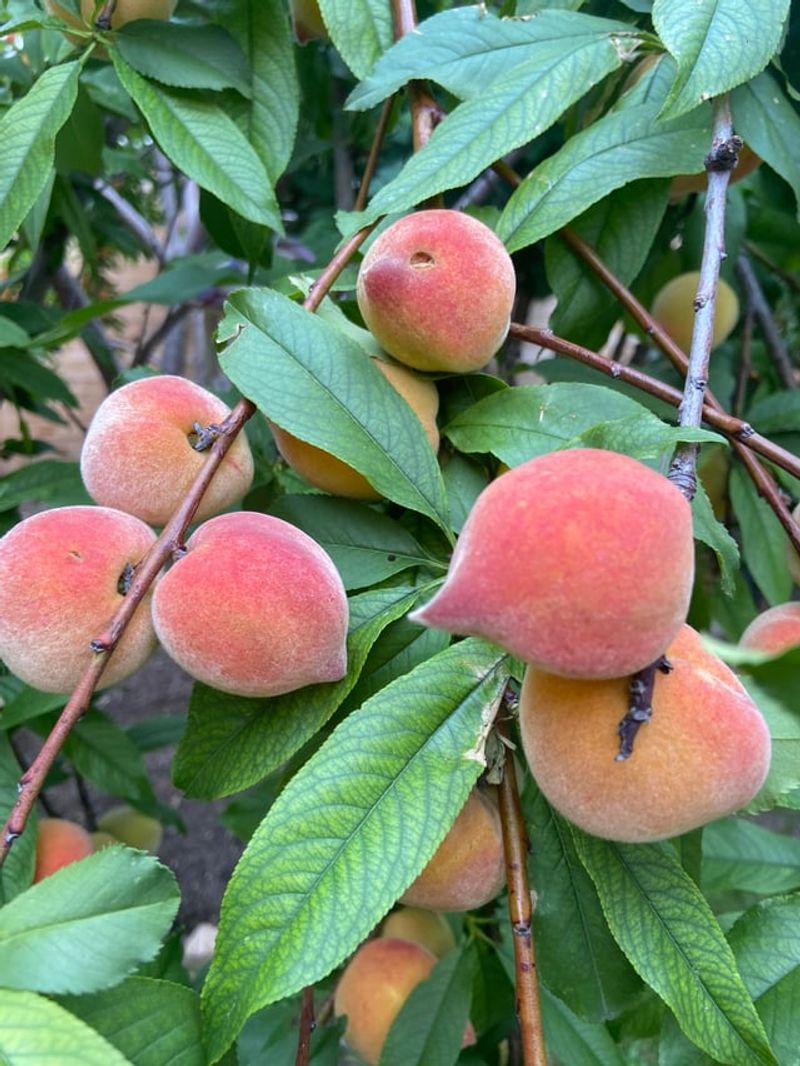
Biting into a sun-warmed peach fresh from the tree is one of summer’s greatest pleasures. Peach trees thrive in Northern California’s inland regions, where hot summers and cold winters create nearly ideal growing conditions.
Varieties like Freestone and Clingstone are widely grown across the region and are known for producing abundant, flavorful fruit.
Peach trees need full sun and good air circulation to stay healthy and productive. They prefer well-drained, loamy soil and benefit from regular fertilizing in early spring just as new growth begins.
Deep, infrequent watering encourages strong root development and helps the tree handle the heat of inland Northern California summers.
One important thing to know about peach trees is that they require a certain number of chill hours during winter to produce fruit properly. Most peach varieties need between 700 and 1,000 chill hours, which inland areas of Northern California typically provide.
Thinning the fruit early in the season, when they are still small, leads to larger and better-quality peaches at harvest. Pruning each year also keeps the tree productive and manageable in size.
With a little seasonal attention, a peach tree can become a backyard highlight that delivers sweet rewards every summer.
5. Nectarine
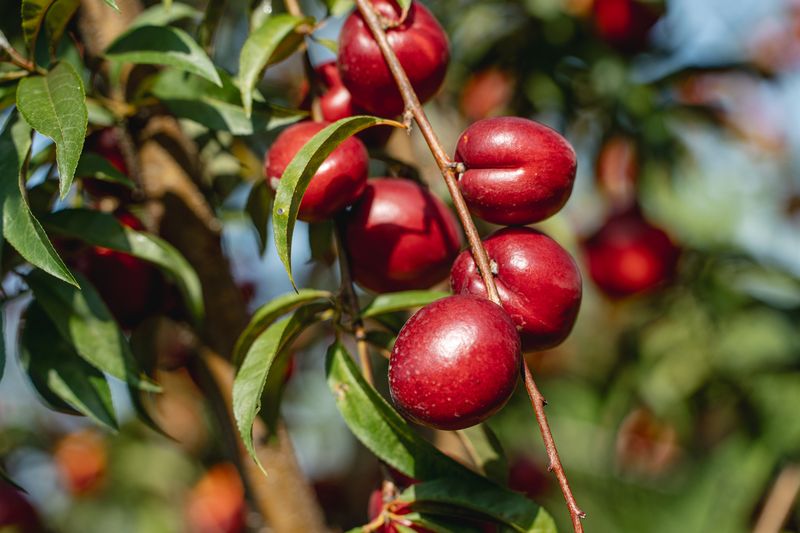
Nectarines are basically peaches without the fuzz, and they are just as delicious. They grow exceptionally well in Northern California’s warmer inland areas, where the long sunny summers give the fruit time to develop its signature sweet and slightly tangy flavor.
If you already grow peaches, adding a nectarine tree nearby makes a great pairing since they have very similar care needs.
Like peaches, nectarines need full sun and well-drained soil. They also have chill hour requirements, typically between 600 and 900 hours depending on the variety.
Popular choices for Northern California include Fantasia and Flavortop, both known for producing large, flavorful fruit with beautiful red and yellow skin.
Nectarine trees tend to be a bit more compact than some other fruit trees, which makes them a great fit for smaller yards or even large containers. Regular pruning keeps them at a manageable height and promotes better light penetration throughout the canopy.
Fertilizing in early spring gives the tree the nutrients it needs right when growth kicks into gear. One fun fact: nectarines are not a separate species from peaches.
They are the result of a natural genetic variation. Either way, they are a wonderfully rewarding tree to grow anywhere in Northern California.
6. Fig
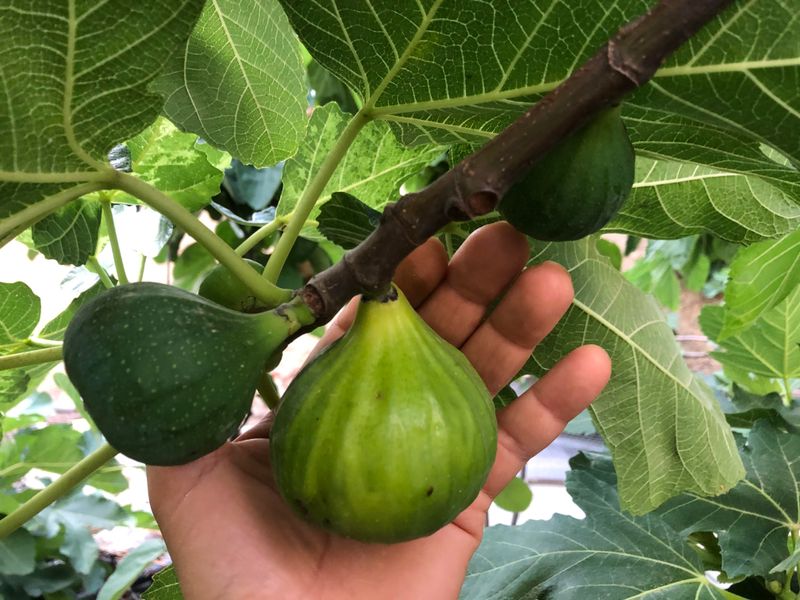
Fig trees have been grown in California for hundreds of years, and it is easy to see why. They are tough, generous, and remarkably low-maintenance once they get established.
In Northern California, figs do well in both coastal and inland areas, thriving in the warm, dry summers that the region is known for. The Brown Turkey and Black Mission varieties are especially popular with home growers.
One of the best things about fig trees is how forgiving they are. They can handle periods of drought, adapt to different soil types, and do not need much fertilizer to produce well.
In fact, too much nitrogen can actually reduce fruit production, so less is more when it comes to feeding your fig.
Fig trees prefer full sun and warm temperatures. In coastal Northern California, they may need a south-facing wall or a protected spot to get enough warmth.
In inland areas, they generally have no trouble soaking up the heat. Figs can grow quite large if left unpruned, so regular trimming helps keep the tree at a manageable size.
With two crops possible each year in warmer spots, a fig tree is one of the most productive and satisfying trees you can grow in Northern California.
7. Cherry
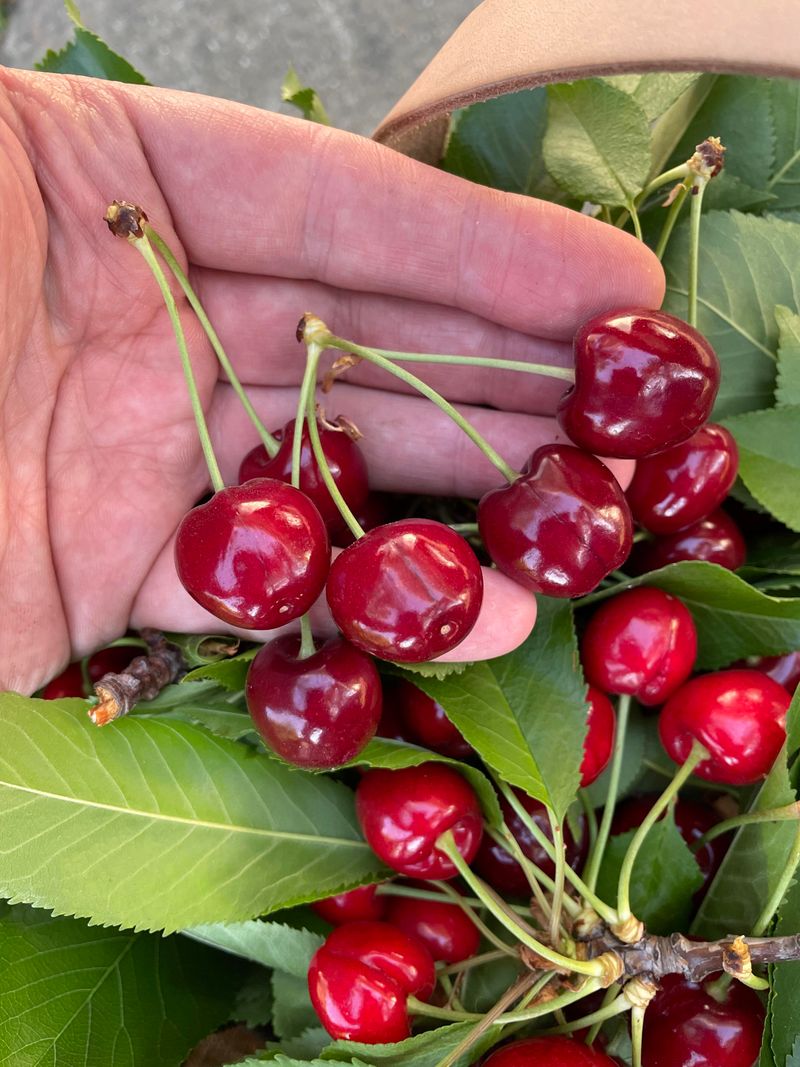
There is something almost magical about a cherry tree in full bloom. The blossoms are stunning in spring, and the fruit that follows is sweet, rich, and worth every bit of the wait.
In Northern California, sweet cherry varieties like Bing and Rainier grow best in inland areas where cold winters provide the high chill hours these trees need, typically between 700 and 1,200 hours.
Cherry trees love well-drained soil and full sun. They are a bit more demanding than some other fruit trees, but the payoff is absolutely worth it.
Proper spacing is important because cherry trees need good air circulation to stay healthy. Crowded branches can lead to moisture buildup and fungal problems.
One challenge with growing cherries is protecting the fruit from birds, who tend to discover ripe cherries before the gardener does. Using bird netting as the fruit matures is a simple and effective solution.
Cherries are also best harvested on the ripe side since they do not continue to ripen after picking. Most sweet cherry trees also require a compatible pollinator nearby, so planting two varieties is usually recommended.
In the right inland Northern California location, a cherry tree is a showstopping addition to any home orchard.
8. Apricot
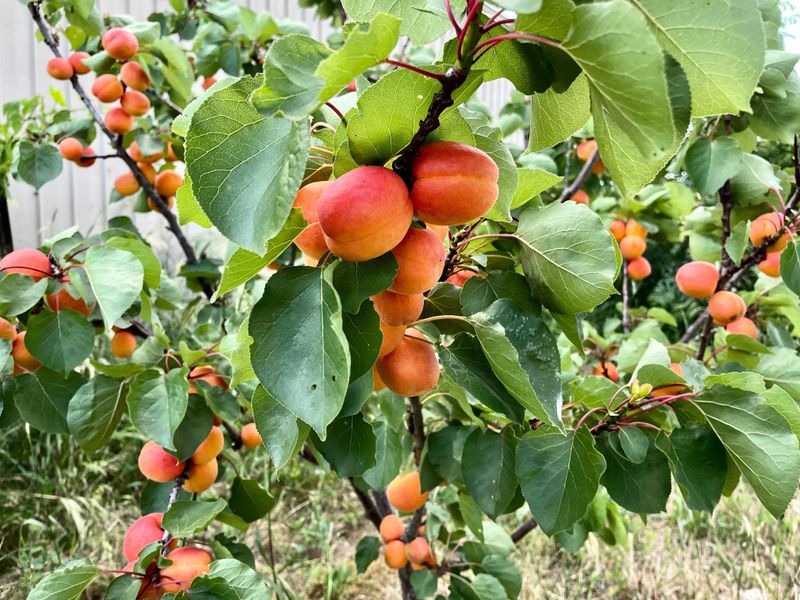
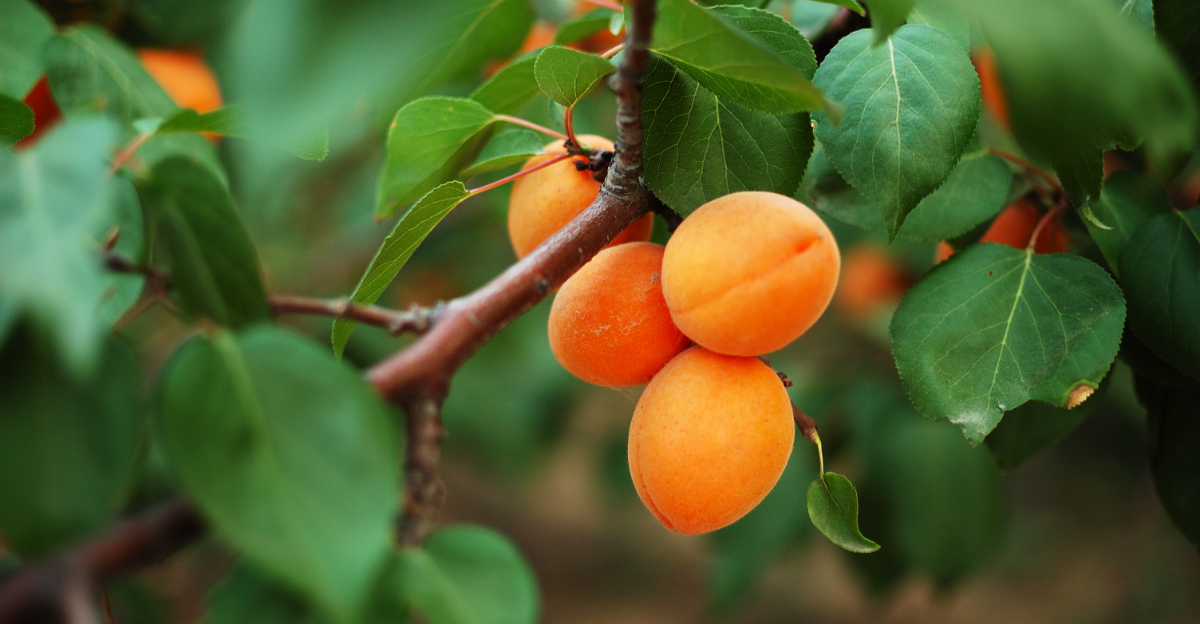
California has a long and proud history with apricots. At one point, the Santa Clara Valley, right here in Northern California, was one of the world’s leading apricot-producing regions.
That legacy lives on in home gardens across the state, where apricot trees continue to reward growers with sweet, golden fruit every summer. The Blenheim variety, sometimes called Royal Blenheim, is considered by many to be the finest-tasting apricot in the world.
Apricot trees are well-suited to Northern California’s inland climate. They love hot summers and can handle cold winters, though late frosts can be a concern since apricots bloom early in the season.
Planting in a slightly elevated spot or near a south-facing wall can help protect blossoms from unexpected cold snaps.
These trees grow vigorously and can reach 20 to 25 feet if left unpruned, so regular trimming helps keep them at a manageable size and maximizes sunlight throughout the canopy. Apricot trees are mostly self-fertile, meaning you only need one tree to get fruit.
They prefer well-drained soil and benefit from deep watering during the growing season. If you want a tree with deep roots in California’s agricultural heritage and big flavor, an apricot tree is a perfect choice for your Northern California garden.