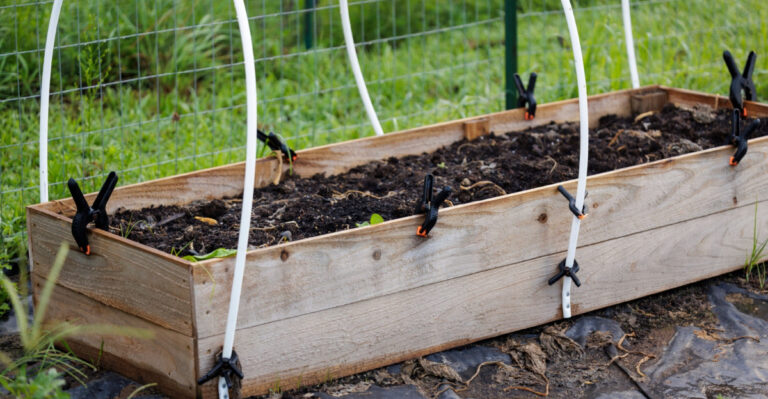
What To Plant By The Moon In Florida’s Year-Round Growing Season
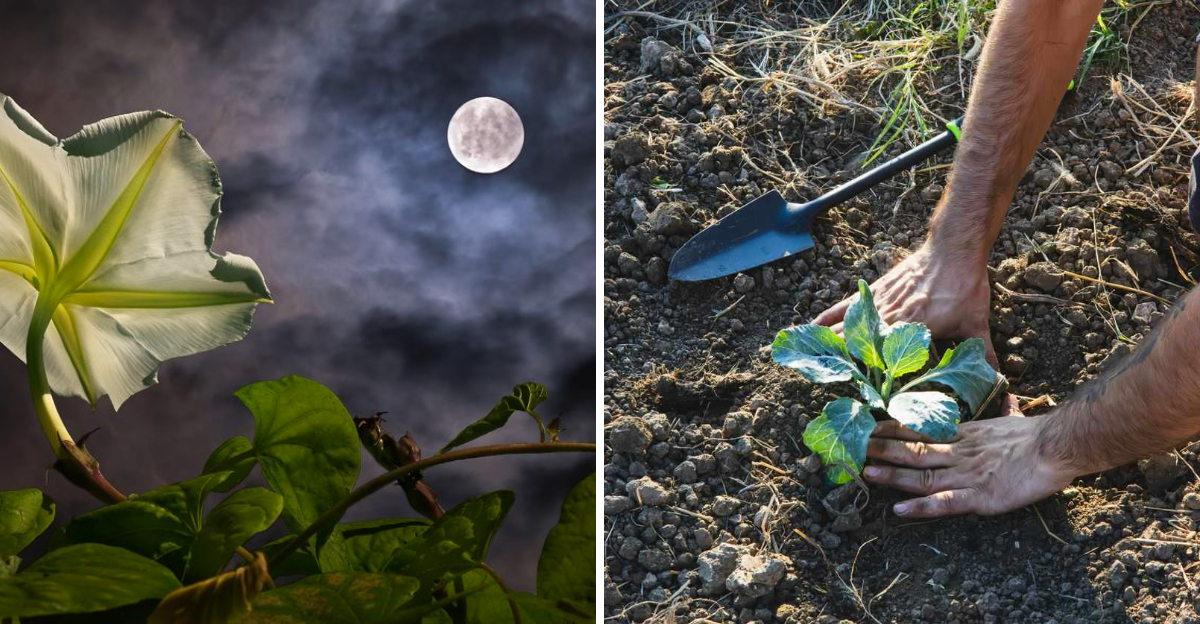
Florida’s year-round growing season gives gardeners plenty of flexibility, but timing still plays a big role in how plants perform.
Alongside Florida’s planting calendar, some gardeners follow a long-standing practice known as lunar planting, using the moon’s phases as a general guide for when to sow, transplant, and care for soil.
While this approach is rooted in tradition rather than proven science, it continues to interest growers across the state.
Whether you’re tending vegetables in Tampa or planting greens in the Panhandle, pairing moon-phase timing with Florida’s seasonal windows can help bring a bit more rhythm and intention to your gardening routine.
1. Plant Leafy Greens As The Moon Waxing Phase Begins
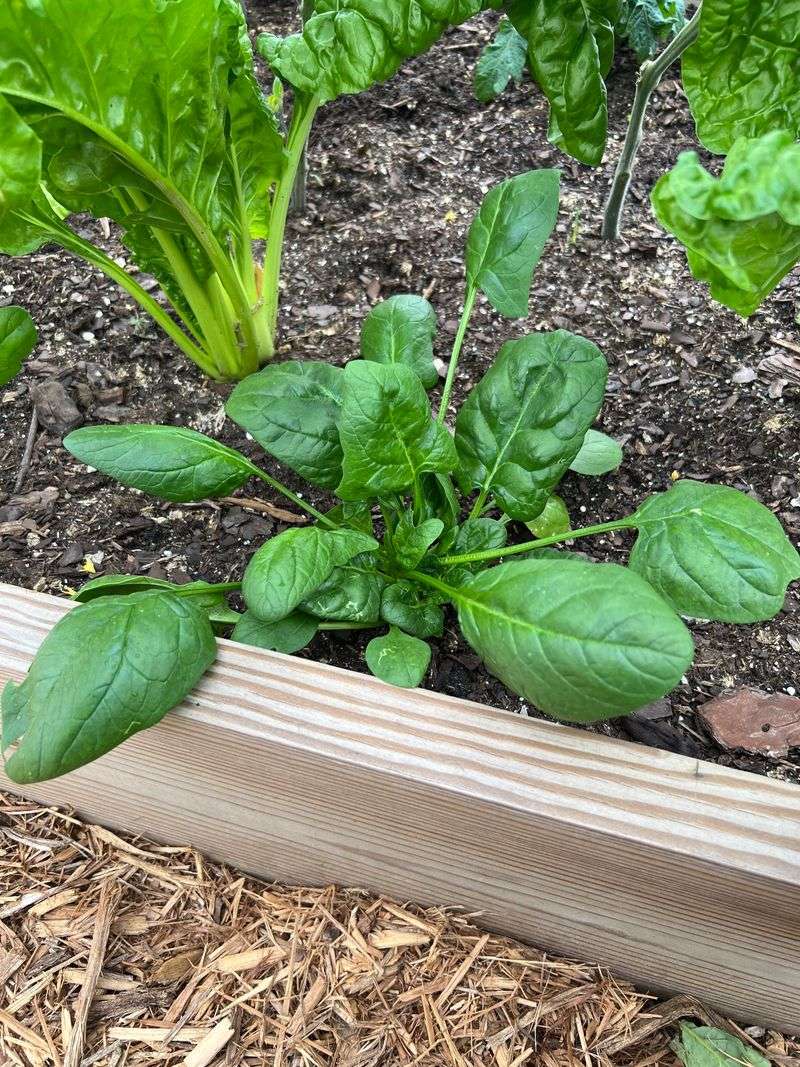
Florida gardeners who grow lettuce, spinach, arugula, and other leafy greens often find the most success when they pay close attention to timing.
According to lunar planting tradition, the waxing crescent phase – when the moon is just beginning to grow brighter – is considered one of the best windows for sowing leafy vegetables.
The idea behind this is that rising lunar gravity pulls moisture upward through the soil, giving germinating seeds better access to water right when they need it most.
In Florida, leafy greens thrive during the cooler months from October through March, depending on your region.
North Florida can start greens as early as September, while South Florida gardeners often plant through the winter months without any frost concern.
Timing your sowings to align with the waxing crescent moon during these windows gives you a structured planting schedule that feels purposeful and easy to follow.
Spinach, Swiss chard, and butterhead lettuce are popular choices across Florida because they grow relatively quickly and handle the state’s mild winters well.
Starting seeds during the waxing phase also means your plants will be establishing roots and pushing up their first leaves during a period when lunar tradition considers above-ground growth most supported.
Pairing this moon-phase approach with Florida’s soil temperature recommendations – generally below 75 degrees Fahrenheit for most cool-season greens – rounds out a reliable planting strategy.
2. Start Fruiting Crops As The Moon Grows Brighter
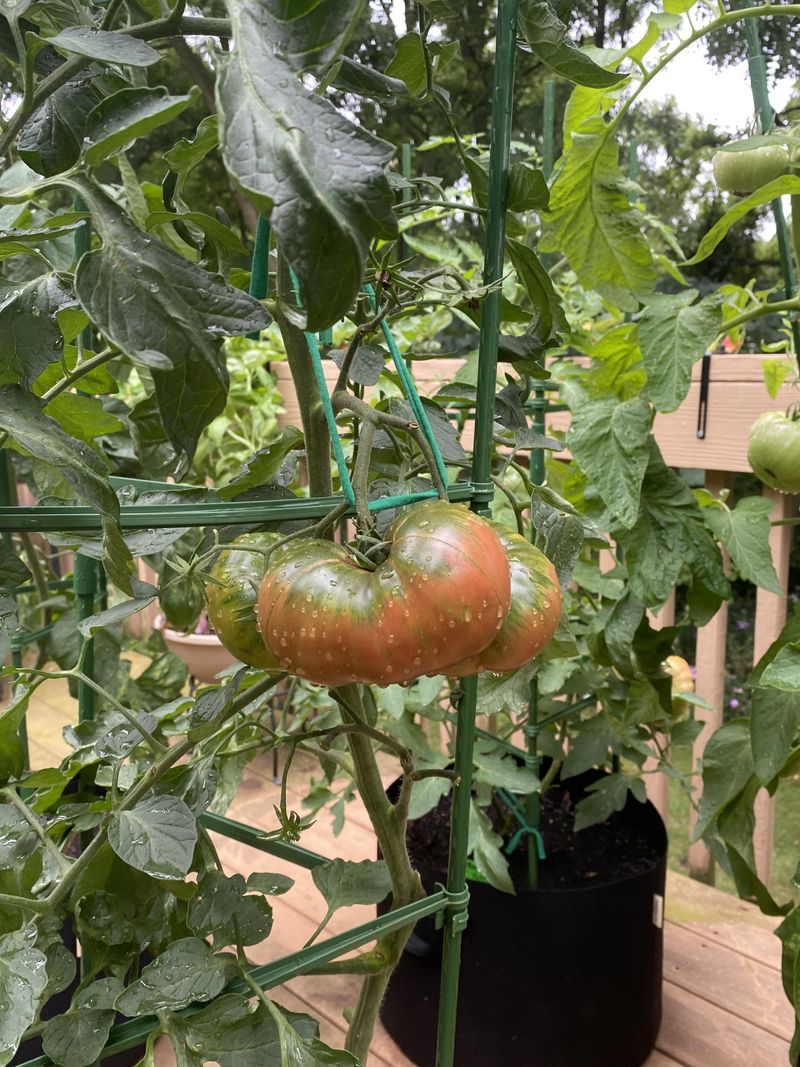
Tomatoes, peppers, cucumbers, squash, and beans are some of the most popular fruiting crops grown across Florida, and lunar planting tradition suggests starting them during the first quarter to full moon phase.
During this time, the moon is growing noticeably brighter in the night sky, and traditional growers believe this increased light encourages stronger above-ground development, including fruit production and flowering.
Florida has two main windows for fruiting crops – a spring season running roughly from February through April, and a fall season from August through October.
South Florida growers may extend these windows further due to milder temperatures year-round.
Aligning your seed starting or transplanting with the waxing gibbous phase during these planting windows can help you build a more consistent and organized garden calendar without relying purely on guesswork.
Tomatoes are among the most widely grown vegetables in Florida home gardens, and they respond well to warm soil temperatures of around 60 to 95 degrees Fahrenheit. Peppers and cucumbers prefer similar conditions.
Planting during the brighter waxing phase gives these crops a moon-aligned start while Florida’s warm temperatures provide the real growing energy they need.
Combining both approaches – lunar timing and regional planting windows – tends to produce more reliable results than following either method alone.
Keeping a simple garden journal noting moon phases and planting dates helps you track patterns across Florida’s multiple growing seasons each year.
3. Set Root Crops As The Moon Moves Toward Waning
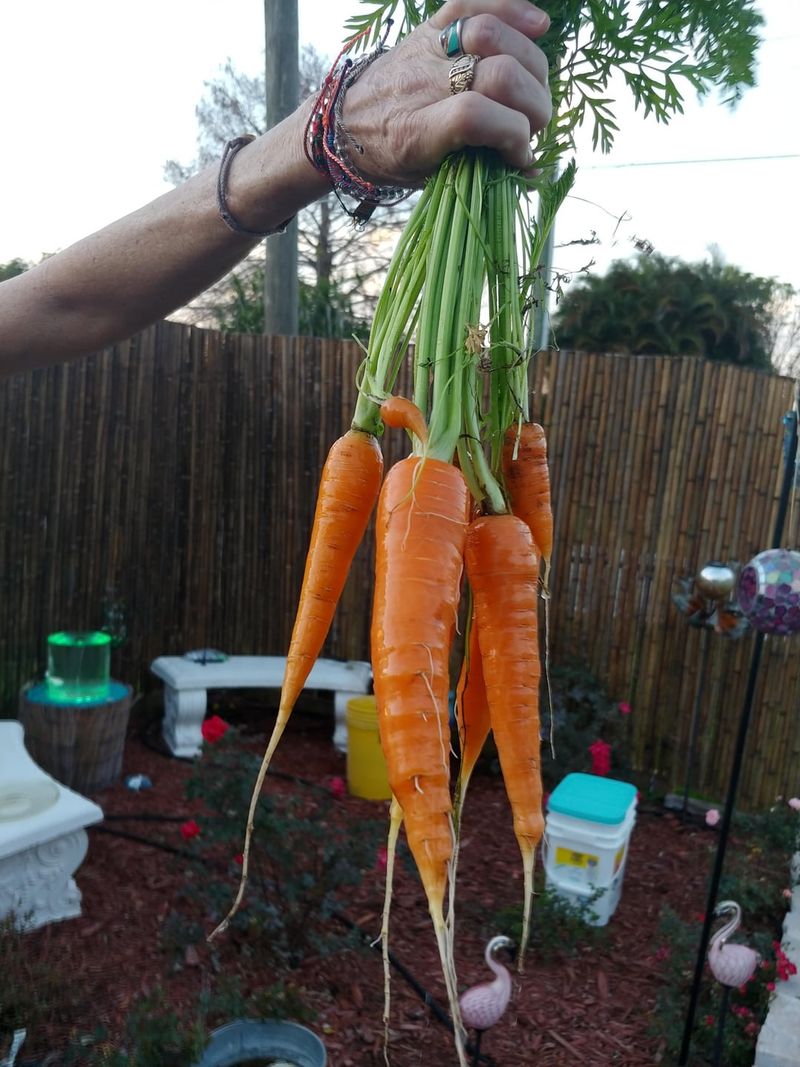
Root vegetables like carrots, radishes, beets, turnips, and sweet potatoes hold a special place in Florida home gardens because many of them thrive during the cooler fall and winter months when other crops slow down.
Lunar planting tradition places root crop sowing during the waning phase, specifically after the full moon when the moon’s brightness begins to fade.
The belief is that gravitational pull shifts during this phase, drawing energy deeper into the soil and encouraging strong root development below the surface.
In Florida, root crops generally perform best when planted from September through January, with some variation by region.
North Florida gardeners often start carrots and beets in October, while Central and South Florida gardeners may plant them as late as December.
Timing these sowings to coincide with the waning gibbous phase fits naturally into Florida’s fall planting rhythm without requiring major schedule adjustments.
Carrots can be tricky in Florida because the state’s sandy soils drain quickly, which actually benefits loose-rooted crops but requires consistent watering.
Beets and radishes tend to be more forgiving and can produce a harvest in as little as 30 days.
Radishes are a great option for gardeners who want fast results while practicing moon-phase planting for the first time.
Setting root crop seeds during the waning moon phase, while also watching Florida’s soil temperature and rainfall patterns, gives you a well-rounded approach that honors both tradition and practical regional gardening knowledge.
4. Transplant Seedlings While The Moon Is Building Light
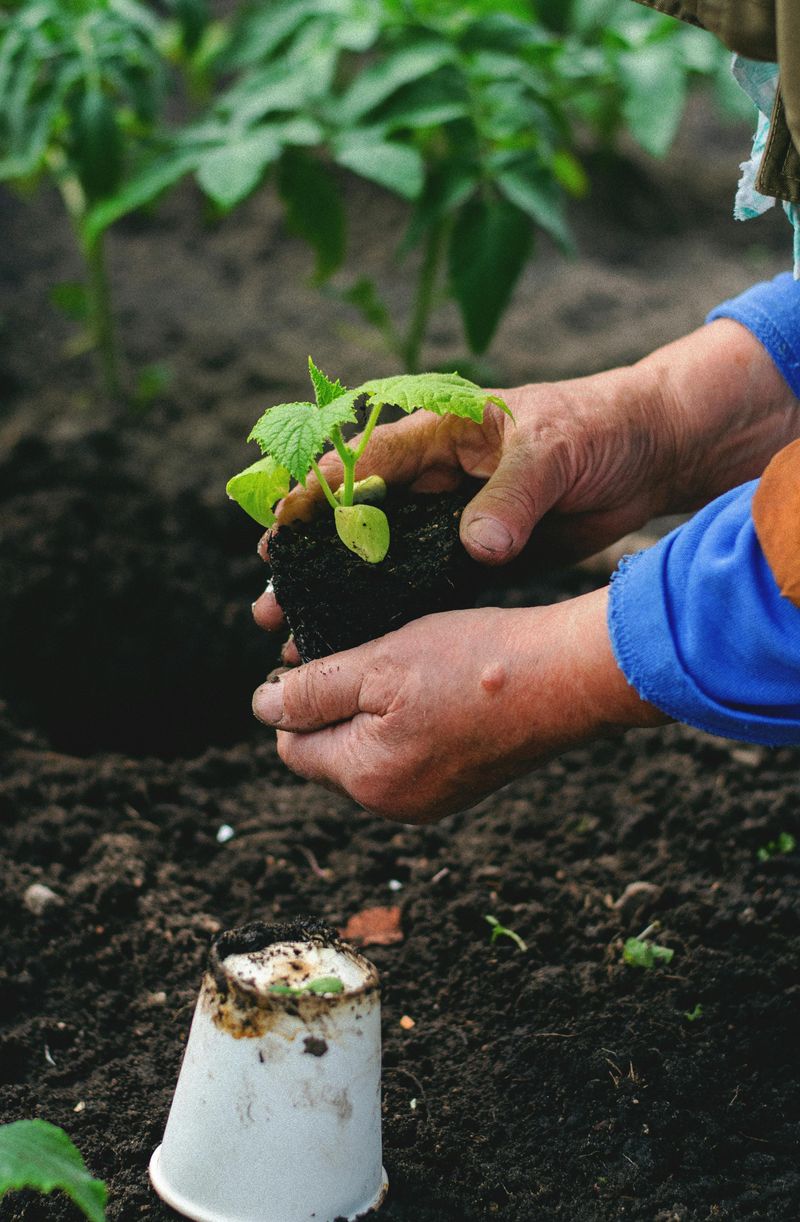
Moving seedlings from a tray into the ground is one of the most critical moments in a plant’s early life, and giving it the best possible start matters.
Lunar planting tradition recommends transplanting during the waxing phase – when the moon is building toward full – because rising moisture levels in the soil are thought to help transplants settle in with less stress and stronger early root contact.
Florida gardeners know that transplant timing is especially sensitive during the warmer months when afternoon heat can quickly wilt newly moved plants.
Transplanting in the early morning during a waxing moon phase, while temperatures are cooler, reduces shock and gives roots time to anchor before the midday sun arrives.
This combination of moon-phase awareness and Florida’s heat management strategies works together in a practical and manageable way.
Tomato, pepper, and eggplant transplants are commonly started indoors or under shade cloth in Florida before being moved to garden beds.
Giving these plants a few days to harden off before transplanting is always a good idea regardless of moon phase.
Herbs like basil, parsley, and cilantro also transplant well during the waxing phase and are popular additions to Florida herb gardens.
Keeping track of your transplanting dates alongside moon phase notes in a simple garden log can reveal patterns over time that help you refine your approach and improve success rates across Florida’s multiple planting seasons.
5. Prune And Maintain Plants During The Waning Phase For Slower Regrowth
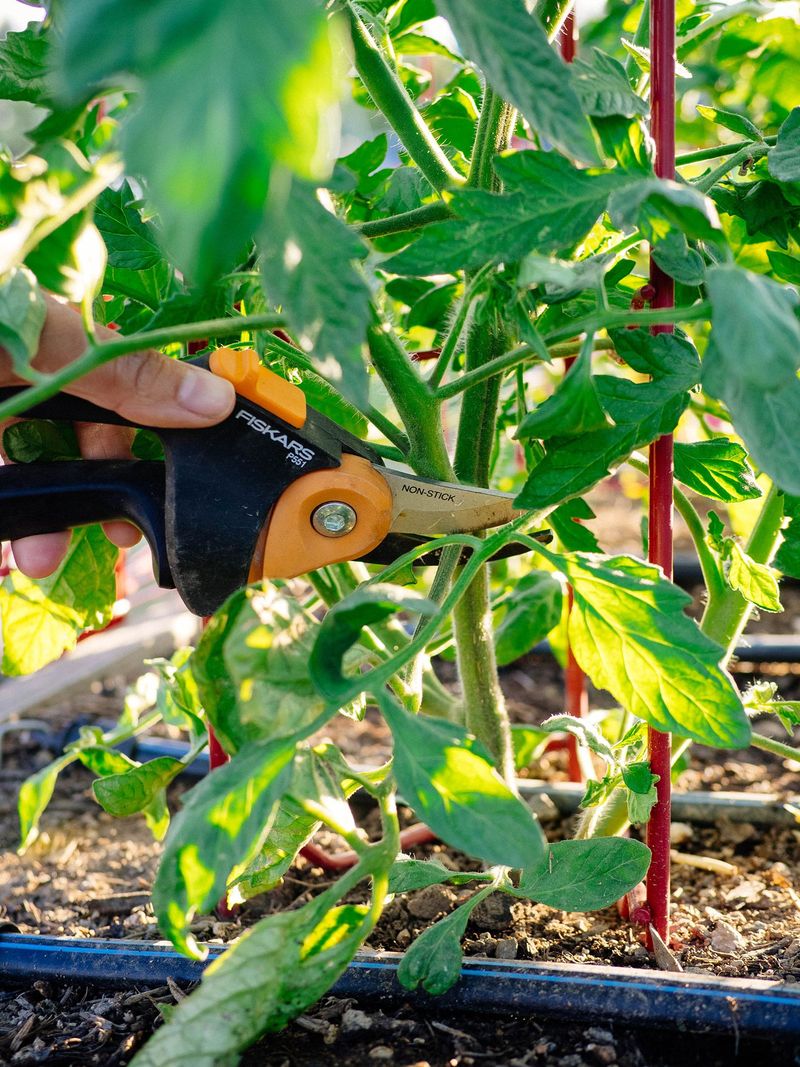
Pruning is one of those garden tasks that many home growers either forget about or put off too long, but doing it at the right time can make a noticeable difference in how plants respond.
Lunar planting tradition suggests that the waning phase – after the full moon and heading toward the new moon – is a favorable window for pruning, trimming, and general plant maintenance.
During this period, plant energy is believed to move downward toward roots rather than pushing outward into new shoots.
In Florida, pruning becomes especially relevant during the hot summer months when fast-growing plants like tomatoes, squash, and herbs can become unruly in a matter of weeks.
Cutting back plants during the waning phase is thought to slow regrowth slightly, which can be helpful when you want to manage plant size rather than encourage aggressive new growth.
This is a useful approach for Florida gardeners managing limited raised bed space or container gardens on patios and balconies.
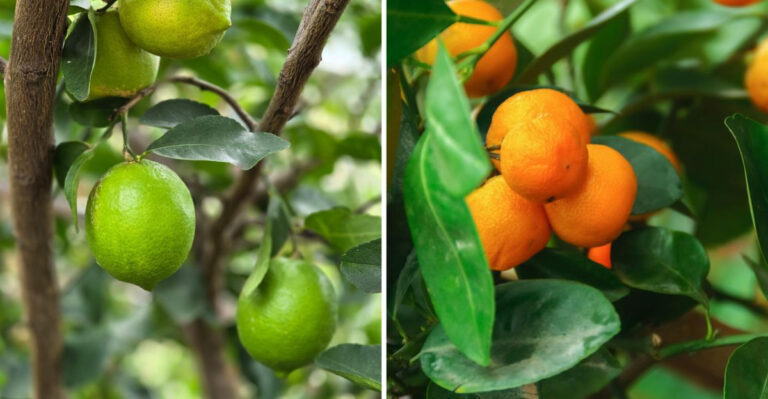
Citrus trees, widely grown across Florida, also benefit from occasional pruning to remove damaged wood and improve air circulation. Doing this during the waning phase aligns with the lunar tradition of slower regrowth following cuts.
Herbs like rosemary, thyme, and lemongrass respond well to regular trimming and stay more compact when cut back thoughtfully.
Combining the waning moon window with Florida’s seasonal weather patterns – avoiding pruning just before frost in North Florida or before heavy summer rains – helps protect plants while honoring the lunar timing tradition.
6. Focus On Soil Care And Composting During The Dark Moon Period
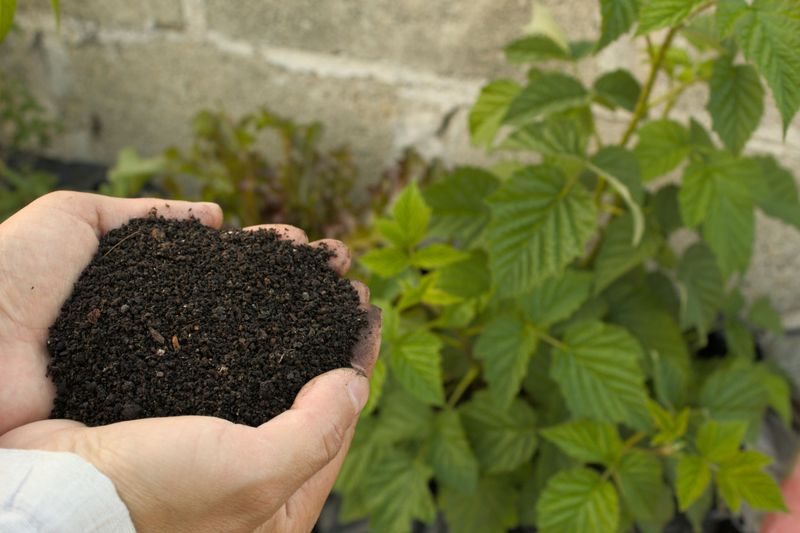
The dark moon period – also called the new moon phase – is considered a rest period in lunar planting tradition.
Rather than planting or harvesting during this time, many traditional gardeners use it for soil preparation, adding compost, turning garden beds, and pulling weeds.
The idea is that the soil itself benefits from attention during this quieter phase, setting the stage for stronger plantings once the moon begins waxing again.
Florida soils vary widely across the state, from the sandy soils common in Central Florida to the heavier clay-influenced soils found in parts of North Florida.
Most Florida garden soils benefit greatly from regular organic matter additions because the state’s heat and rain break down compost quickly.
Using the dark moon period as a dedicated composting and soil amendment window turns a traditional belief into a genuinely practical habit that keeps Florida gardens productive year-round.
Adding finished compost, aged manure, or organic mulch during the dark moon phase gives materials time to settle and begin integrating before new seeds go in during the waxing crescent phase.
Florida gardeners who grow in raised beds can use this window to refresh their bed mix by blending in fresh compost every few months.
Pulling weeds during the dark moon is also part of the tradition, and it makes good practical sense since removing weeds before they set seed reduces future competition.
Building this soil-care rhythm into your Florida garden routine keeps beds healthy between planting cycles.
7. Align Moon Timing With Florida’s Year-Round Planting
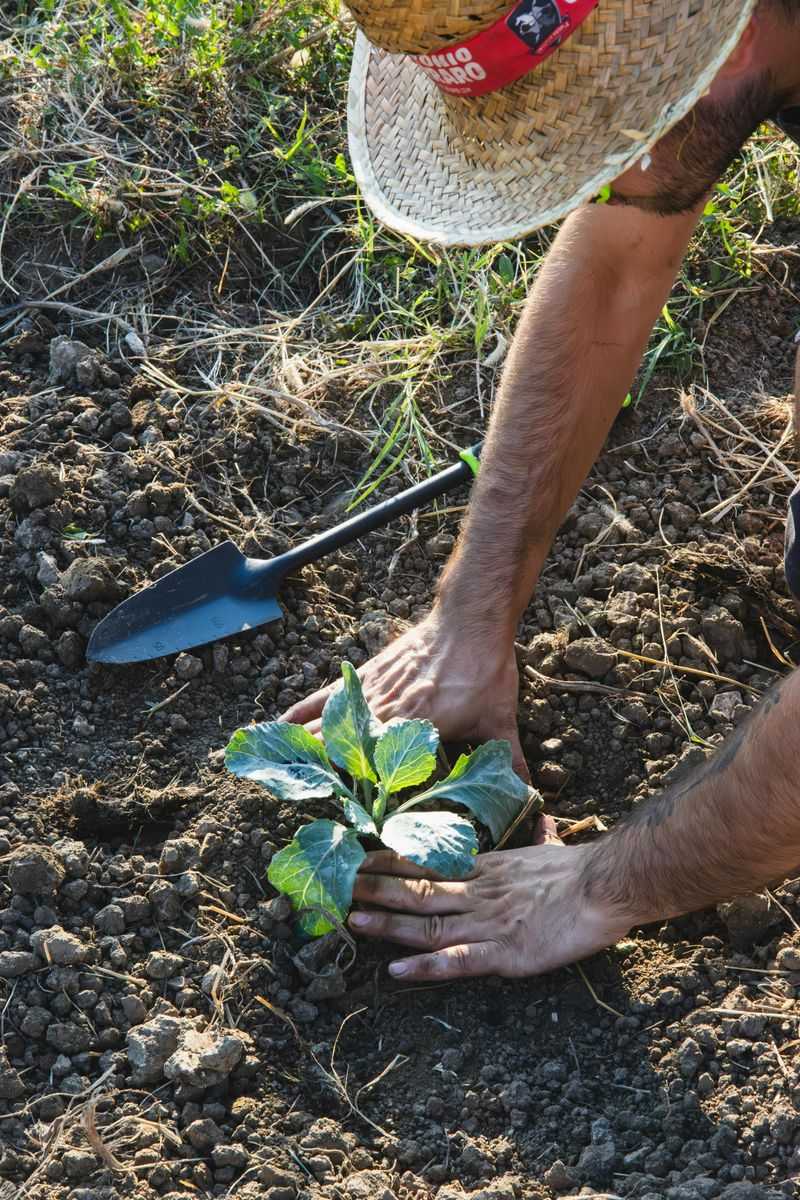
One of the biggest advantages Florida gardeners have is the ability to grow something nearly every month of the year, which means moon-phase planting can be applied across multiple growing cycles rather than just one short season.
Unlike northern gardeners who work within a narrow spring-to-fall window, Florida growers can align moon phases with fall, winter, spring, and even summer plantings depending on the crop and region.
Florida’s planting calendar is generally divided into warm-season and cool-season crops, with warm-season vegetables like tomatoes, peppers, and squash thriving from late winter through spring and again in early fall.
Cool-season crops like broccoli, cabbage, and leafy greens take over from fall through early spring.
Mapping these windows onto a lunar calendar each month helps Florida gardeners plan sowings and transplants that fall during favorable moon phases without having to overhaul their existing routine.
A simple approach is to look at the upcoming moon phases for the month and identify which waxing or waning windows line up closest with your intended planting dates.
If a planting window falls during the waning phase when you had hoped to start leafy greens, adjusting by a few days to catch the next waxing crescent is often all it takes.
Florida’s long growing season gives you the flexibility to make small timing shifts without missing an entire planting cycle.
Staying flexible and observant is really the key to making moon-phase planting work alongside Florida’s diverse and active gardening calendar.
8. Adjust By Region Across Florida’s Growing Zones
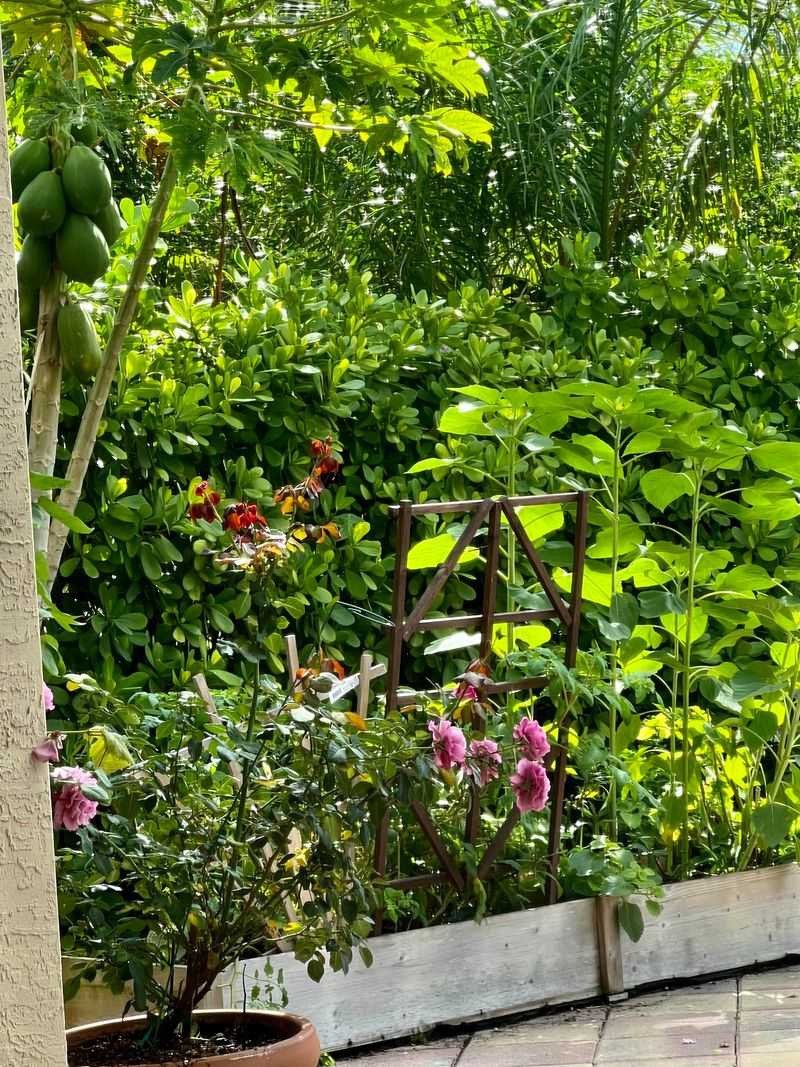
Florida spans multiple USDA hardiness zones, ranging from Zone 8a in the Panhandle to Zone 11a in the Florida Keys, and this range means that planting timing can differ significantly depending on where you live in the state.
A gardener in Pensacola follows a very different seasonal rhythm than one in Miami, and moon-phase planting needs to account for these regional differences to be genuinely useful rather than a one-size-fits-all approach.
North Florida gardeners deal with actual frost and occasional freezes, which means their cool-season planting window runs from around October through February.
Central Florida growers in zones 9 and 10 enjoy milder winters and can push cool-season crops slightly later into the year.
South Florida gardeners in zones 10 and 11 essentially grow cool-season crops through what the rest of the country considers winter, making their lunar planting calendar almost the reverse of northern growers.
When applying moon-phase timing across different Florida regions, the key is to first identify your local planting windows based on your zone and then layer moon phases on top of those dates.
A waxing crescent that falls in mid-October is ideal for leafy greens in North Florida but may not be the right time for the same crops in South Florida, where October is still warm.
Regional awareness keeps moon-phase planting grounded in Florida’s real growing conditions rather than becoming an abstract or overly rigid system that ignores the state’s remarkable climate diversity.
9. Use Moon Phases As A Guide While Still Following Florida’s Planting Calendar
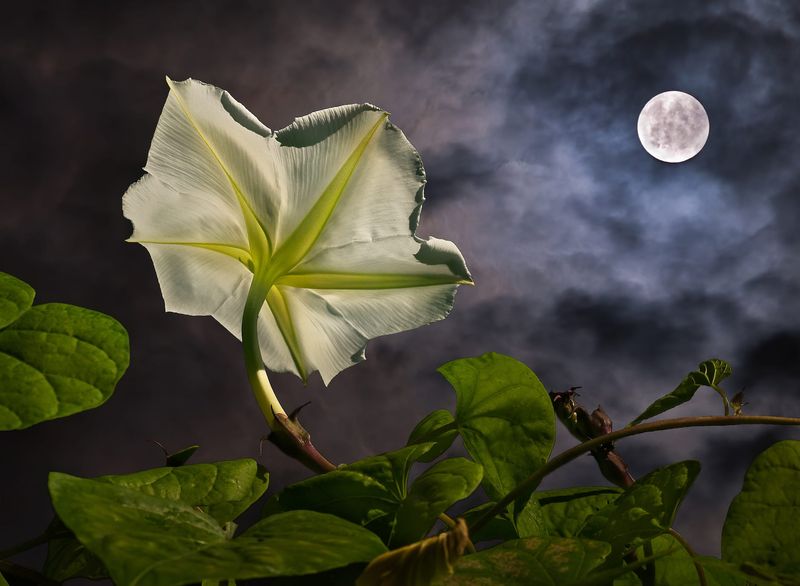
Moon-phase planting is best understood as a helpful framework rather than a strict rulebook, and Florida gardeners who approach it this way tend to get the most out of the practice.
Following lunar timing does not replace the need to watch soil temperatures, manage irrigation, prepare beds properly, or choose varieties suited to Florida’s climate.
Rather, it adds a layer of intentional timing that some gardeners find makes their planting schedule more organized and thoughtful.
Florida’s extension programs provide detailed planting calendars for each region of the state, and these calendars are built on decades of research about what crops grow best, when, and under what conditions.
Using these calendars as your primary guide and then aligning planting dates with favorable moon phases whenever possible gives you the strongest foundation.
Most of the time, you will find that planting windows and favorable moon phases overlap naturally, especially across Florida’s longer growing seasons.
Keeping a garden journal that tracks both moon phases and planting outcomes over time is one of the most practical things a Florida gardener can do.
After a season or two, patterns may emerge that feel meaningful to your specific garden and microclimate.
Some Florida gardeners have followed lunar planting for generations and consider it an essential part of their routine, while others treat it as an interesting add-on to conventional gardening.
Either way, staying curious, staying observant, and staying connected to Florida’s natural growing rhythms will always serve your garden well.