What To Plant In Central Texas Before April Starts
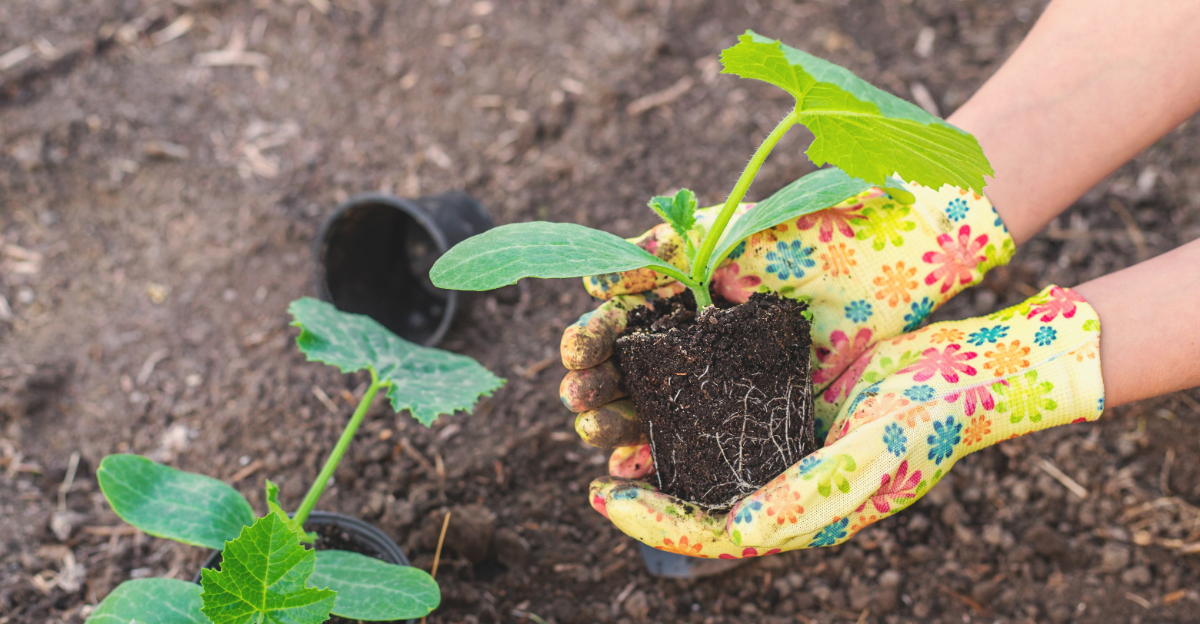
Central Texas in late March carries a unique promise: the soil is warming, days are longer, and the garden begins to hum with potential.
After watching the region’s springs come and go, you know that timing and selection are everything.
The right plants put in the ground now will develop strong roots, flourish in the rising temperatures, and reward you with robust growth through early summer.
Cool-season vegetables, herbs, and early blooms can be planted as soon as the soil is workable, giving you a head start on the season.
Planting too early or choosing the wrong crops can slow progress and create frustration, but careful attention ensures steady development and an abundant harvest.
By choosing the right spots for each plant, keeping soil conditions in mind, and monitoring the occasional late frost, your Central Texas garden begins to fill with life and color. The first sprouts push upward, hinting at the vibrant, productive season ahead.
1. Lettuce And Its Crisp Leaves
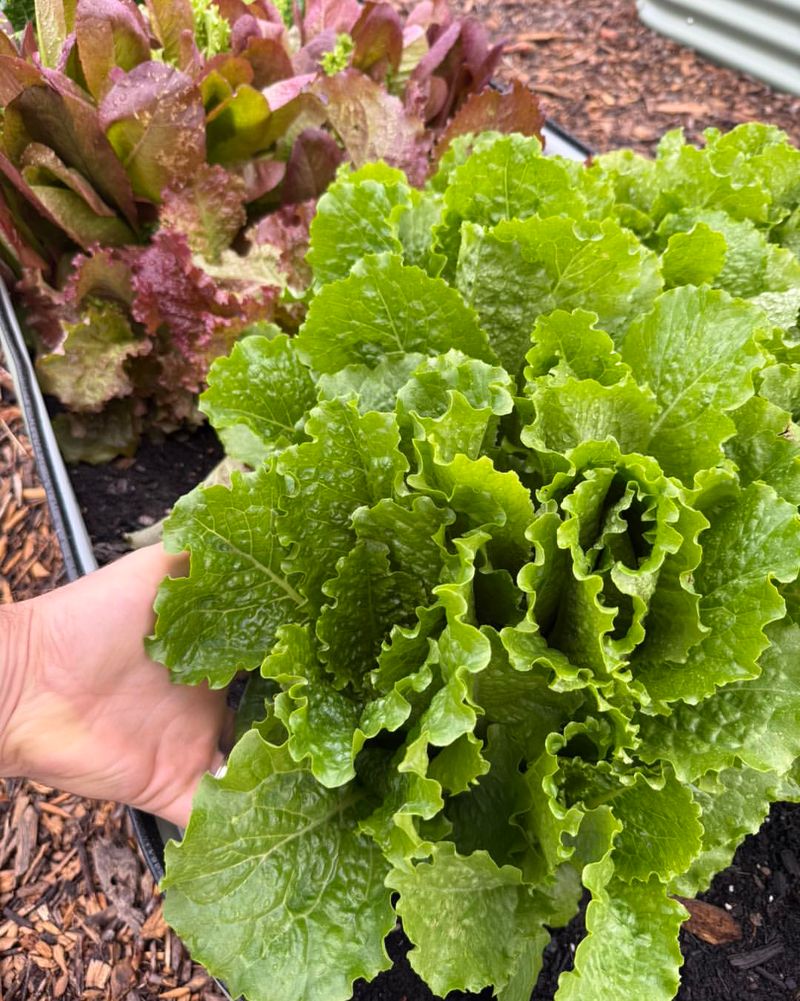
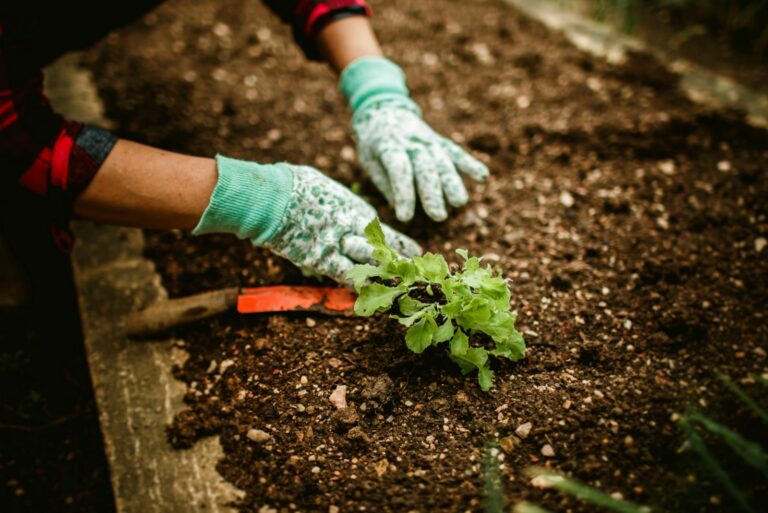
Few things beat the crunch of fresh lettuce you grew yourself, and Central Texas gives you the perfect early spring window to make that happen. Lettuce loves cool temperatures, and the mild days of late February through March are ideal for direct sowing seeds right into the ground.
Loose-leaf varieties like Black Seeded Simpson or Red Sails are especially popular choices for Central Texas gardens.
Sow seeds about a quarter inch deep in well-drained soil, and keep them consistently moist until they sprout. Since lettuce has shallow roots, raised beds and containers work wonderfully if your yard soil is heavy clay.
A light layer of mulch helps hold moisture and keep the soil from drying out too quickly on warm afternoons.
Harvest lettuce leaves early and often by snipping outer leaves first, which can help promote additional growth under favorable conditions. Pay attention to the forecast because once temperatures climb into the upper 80s, lettuce tends to bolt and turn bitter.
Planting in a spot with afternoon shade may help extend your harvest in Central Texas heat.
2. Arugula With Peppery Punch
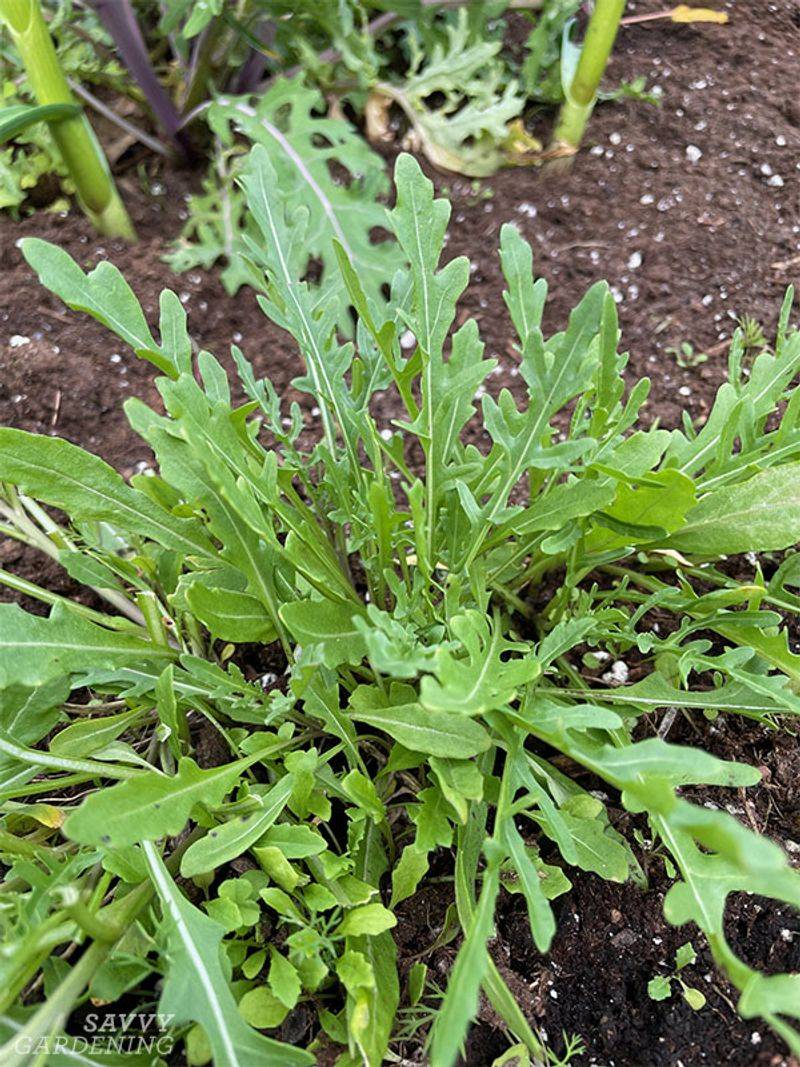
Bringing a bold, peppery punch to salads and sandwiches, arugula grows surprisingly fast in the cool Central Texas spring. Direct sow seeds as early as late February, and you can expect to see tiny sprouts within a week or two.
This leafy green is a real overachiever when temperatures stay between 45 and 65 degrees Fahrenheit.
Scatter seeds thinly across loose, fertile soil and cover lightly with about a quarter inch of dirt. Arugula does not need a ton of space, making it a great option for small raised beds or container gardens on a porch or patio.
Water consistently but avoid soaking the soil, as arugula prefers moisture without sitting in puddles.
Arugula can often be ready to harvest in about three weeks, though exact timing depends on growing conditions. Like lettuce, arugula will bolt when summer heat arrives, so plant it early and enjoy it often.
A second sowing in early fall is another great option for Central Texas gardeners looking for a second round of fresh greens.
3. Mustard Greens Bringing Bold Flavor
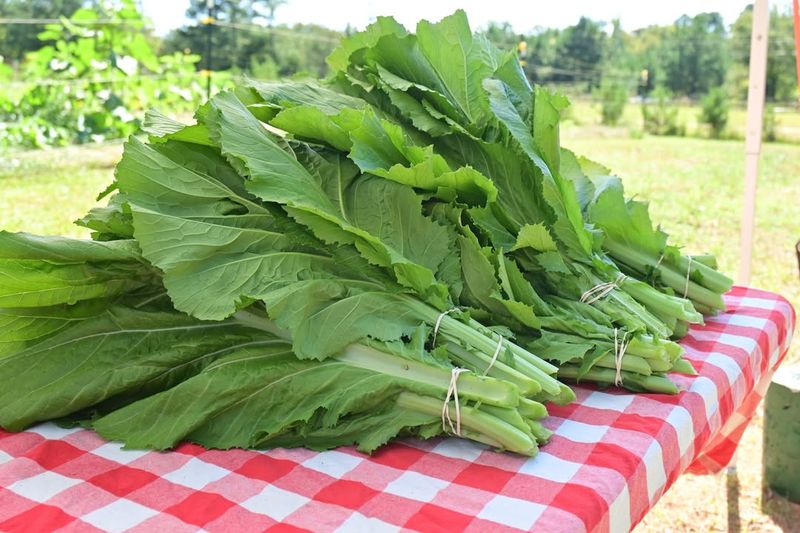
A staple in Southern kitchens for generations, mustard greens give Central Texas gardeners good reason to keep the tradition alive. With a slightly spicy, earthy flavor, these greens are packed with vitamins and grow quickly in the cool weeks before April.
Varieties like Southern Giant Curled or Florida Broadleaf are well-suited for the Texas climate.
Direct sow mustard green seeds in early March, placing them about half an inch deep in rows spaced around 12 inches apart. They germinate quickly, often within three to five days in warm soil.
Once seedlings emerge, thin them out so each plant has room to spread its big, beautiful leaves.
Mustard greens grow best in full sun with regular watering, though they are more tolerant of dry spells than some other leafy greens. Harvest outer leaves as the plant grows to encourage continued production throughout the season.
In Central Texas, you can enjoy a solid harvest window from late March through early May before summer heat pushes in. Cooking them with a little garlic and olive oil turns a simple garden harvest into a genuinely delicious meal.
4. Swiss Chard With Colorful Stalks
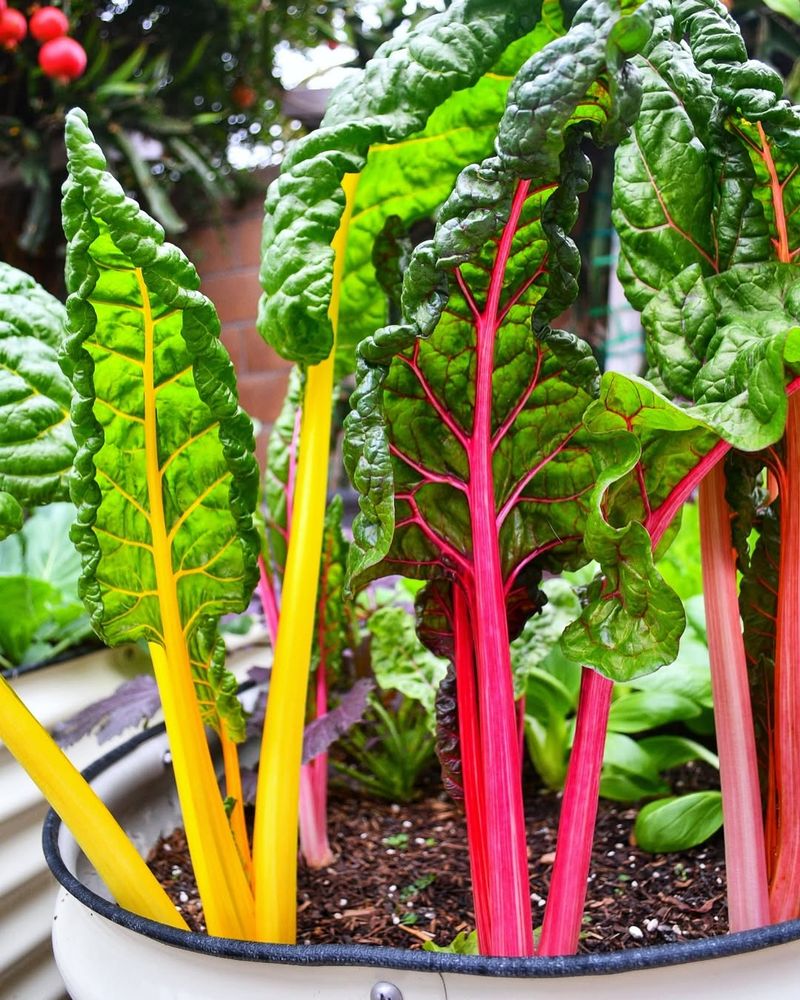
If your garden could use a little color, Swiss chard is the answer. With stems that come in brilliant shades of red, yellow, orange, and white, this vegetable is as beautiful as it is nutritious.
It is also one of the more forgiving crops you can grow in Central Texas, handling both cool and warm temperatures better than most leafy greens.
Start seeds directly in the garden in early March, planting them about half an inch deep. Swiss chard prefers rich, well-drained soil with plenty of organic matter mixed in.
Water regularly and keep the bed weeded so your plants can focus their energy on producing those gorgeous, glossy leaves.
Harvest begins when leaves are around six to eight inches long. Snip individual outer leaves at the base to keep the plant producing all season long.
Swiss chard tends to tolerate some summer heat, making it a generally longer-lasting option for Central Texas gardens under favorable conditions. A single planting can reward you with fresh greens from spring well into early summer.
Try sauteing the stems and leaves separately since the stems take a bit longer to become tender.
5. Bush Beans For Quick Harvest
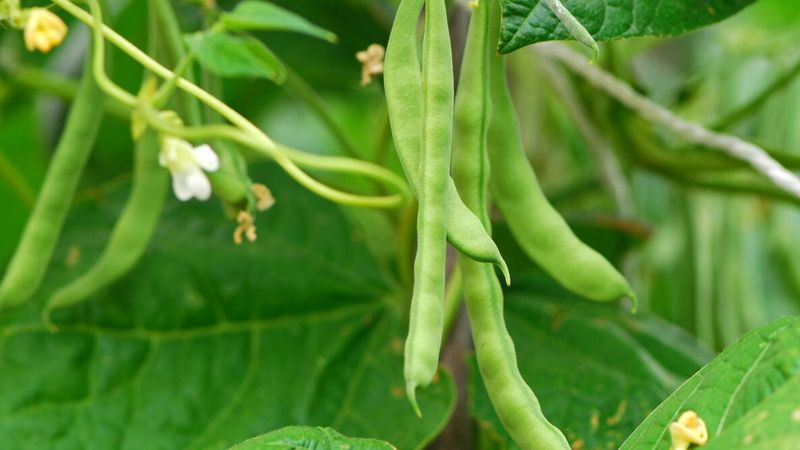
One of those satisfying crops that go from seed to harvest in about 50 to 60 days is bush beans, making them a fantastic choice for planting just before April in Central Texas. Unlike pole beans, bush beans grow in a compact, bushy shape and do not need any staking or trellising.
Plant them and provide consistent care, and they should grow steadily under suitable conditions.
Wait until soil temperatures are consistently above 60 degrees Fahrenheit before sowing, which usually happens in late March across Central Texas. Plant seeds about an inch deep and space them three to four inches apart in rows.
Bush beans prefer full sun and well-drained soil, so avoid planting them in low spots where water tends to collect after rain.
Water at the base of the plants rather than overhead to reduce the chance of fungal problems on the leaves. Bush beans often produce a flush of pods, which can be useful for canning, freezing, or sharing.
Harvest pods when they are firm and snap cleanly, usually before any visible seeds bulge through the skin. Central Texas gardeners can often squeeze in a second planting in late summer for a fall harvest as well.
6. Pole Beans Climbing Strong
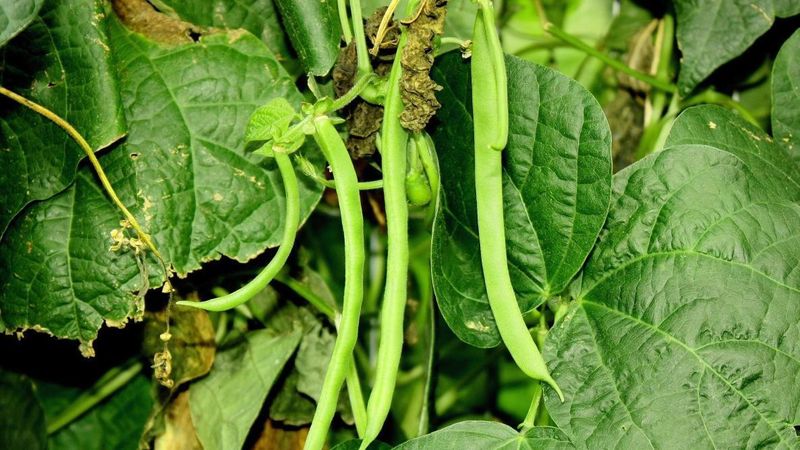
The climbers of the bean world, pole beans reward Central Texas gardeners with a long, steady harvest that outpaces bush beans over time. They need something to climb, like a trellis, fence, or a set of bamboo poles, but that vertical growth habit actually makes them a smart choice for smaller garden spaces.
Variety options like Kentucky Wonder and Blue Lake Pole are proven performers in Texas gardens.
Plant seeds directly in the ground once soil temperatures reach at least 60 degrees Fahrenheit, which typically means late March in Central Texas. Sow seeds about an inch deep and four to six inches apart near your support structure.
As the vines grow, gently guide them toward the trellis if they need a little encouragement in the early stages.
Pole beans generally produce pods over a longer stretch than bush beans, allowing for a more gradual harvest under favorable conditions. Pick pods regularly to keep the plant producing because leaving mature pods on the vine signals the plant to slow down.
In Central Texas, the key is getting pole beans established before the brutal summer heat arrives, so starting by late March is the sweet spot.
7. Cucumbers Dominating Salads
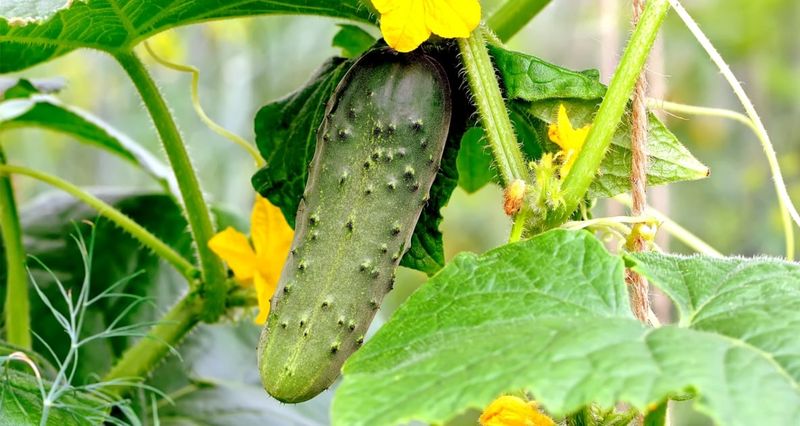
Nothing says Central Texas summer quite like cucumbers thriving in the warm sun. But the trick is getting them planted and established before the scorching heat of July and August settles in.
Starting seeds or transplants in late March gives your cucumber vines a solid head start on the growing season.
Cucumbers do best in soil above 65 degrees Fahrenheit, though optimal conditions can vary by variety. Sow seeds about an inch deep in rich, well-drained soil, or set out transplants with care since cucumbers do not love having their roots disturbed.
Give them full sun and a trellis or cage to climb, which also helps improve air circulation and reduce disease pressure on the leaves and fruits.
Keep the soil evenly moist because irregular watering can lead to bitter-tasting cucumbers or misshapen fruits. Mulching around the base of the plants helps lock in moisture during the warm Central Texas spring days.
Harvest cucumbers when they are firm and dark green, before they turn yellow or get too large. Frequent harvesting can help the plant continue producing, though results vary with conditions.
Slicing varieties like Straight Eight and pickling types like National Pickling both do well in Central Texas gardens.
8. Summer Squash Producing Abundantly
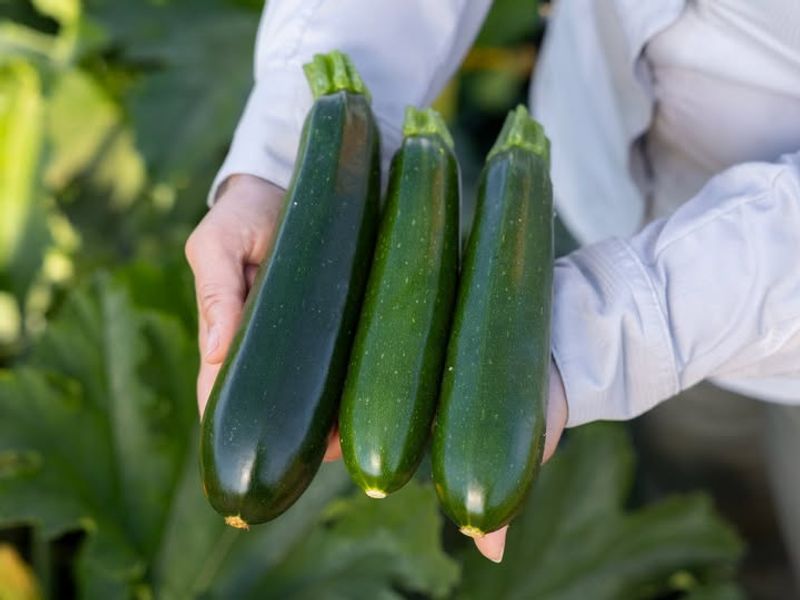
Summer squash is one of the most productive plants you can put in a Central Texas garden. A healthy plant can produce a substantial amount of squash, sometimes more than a small family might use in a week.
Straight neck and crookneck yellow varieties are classic choices that have performed well in Texas gardens for decades.
Plant summer squash from seed or transplant in late March when the soil has warmed up nicely. Seeds go in about an inch deep, and plants should be spaced at least 24 inches apart to give those big leaves room to spread.
Summer squash needs full sun and consistent moisture, especially once the fruits start forming and sizing up quickly.
Check your plants every day once they begin producing because squash can go from perfect to oversized almost overnight. Harvesting fruits when they are six to eight inches long gives you the best flavor and texture.
Leaving oversized fruits on the plant slows down production, so keep picking regularly. In Central Texas, summer squash planted in late March can start producing by mid to late May, giving you a generous harvest window before peak summer heat arrives.
9. Zucchini With Unstoppable Growth
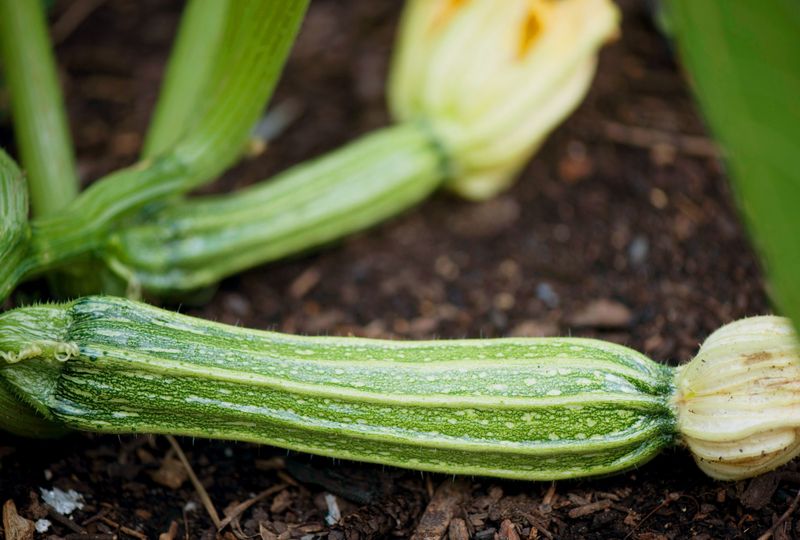
Known for being almost too productive, zucchini earns that reputation in Central Texas gardens. Plant a couple of zucchini in late March, and by May, you may harvest enough to share with neighbors, depending on growing conditions.
Jokes aside, zucchini is one of the easiest and most rewarding vegetables you can grow in this region.
Like summer squash, zucchini needs warm soil and full sun to really take off. Plant seeds about an inch deep or set out transplants, spacing plants about two feet apart.
Rich, well-amended soil with good drainage gives zucchini the foundation it needs to thrive throughout the Central Texas spring season.
Consistent watering is important, especially once fruits start forming. A drip irrigation system or soaker hose works great for keeping moisture at the root level without wetting the leaves, which can invite powdery mildew.
Harvest zucchini when fruits are six to eight inches long for the best flavor. Leaving them to grow into giant clubs reduces the plant’s overall output.
Dark green varieties like Black Beauty and lighter ones like Grey Zucchini are both solid performers in Central Texas gardens.
10. Basil And Its Fragrant Leaves
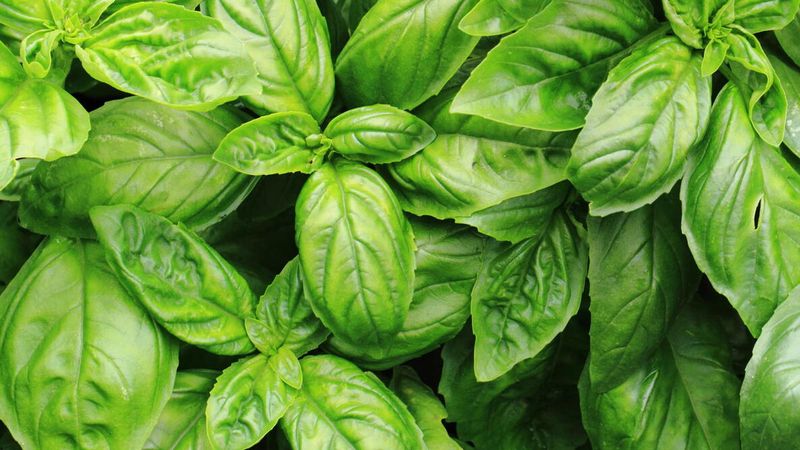
Perhaps the most beloved herb in the kitchen garden, basil thrives in Central Texas with the warm, sunny conditions it craves. However, basil is particular about cold, so do not rush it into the ground too early.
Wait until nighttime temperatures are consistently above 50 degrees Fahrenheit, which usually means late March in Central Texas.
You can start basil from seeds or purchase small transplants from a local nursery. Seeds germinate quickly in warm soil, usually within five to seven days.
Plant in a sunny spot with rich, well-drained soil and give plants about 12 inches of space to bush out. Basil planted in late March can often produce leaves within a few weeks, depending on conditions.
Pinch off flower buds as soon as they appear to keep the plant focused on leaf production rather than going to seed. Regular harvesting also encourages bushier, more productive growth.
Sweet Genovese is the classic choice for Italian cooking, but Thai basil and lemon basil also do wonderfully in Central Texas gardens. Keep basil well-watered but never waterlogged, and it will reward you all spring and summer long with incredible fragrance and flavor.
11. Oregano Thriving Hardily
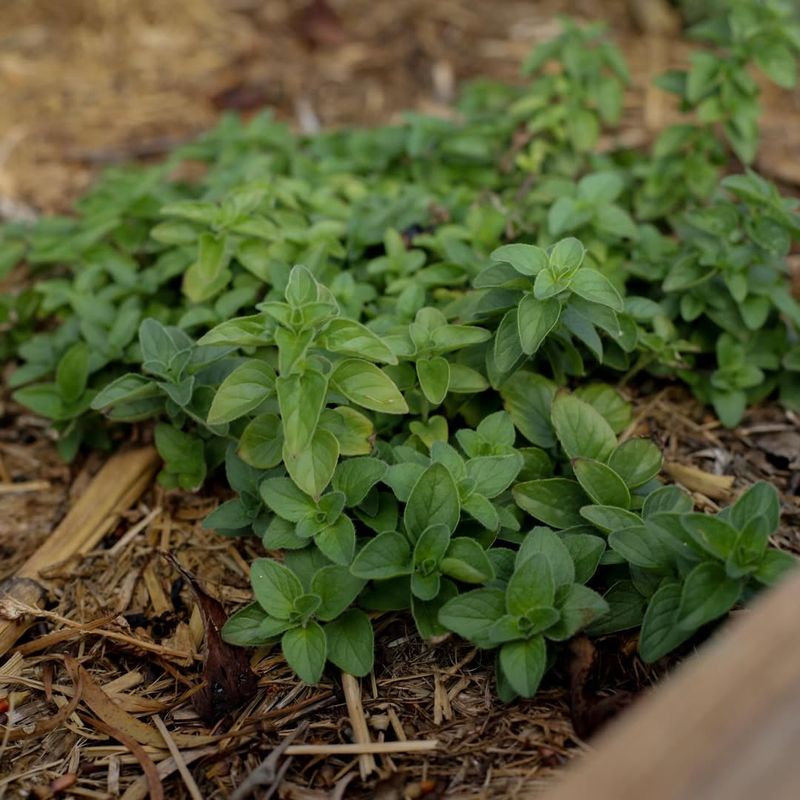
A tough, aromatic herb, oregano practically thrives on a little neglect, making it ideal for the sometimes unpredictable Central Texas spring. Once established, it grows into a full, bushy plant that can provide fresh leaves for cooking all season long.
Greek oregano is the most flavorful variety and is widely available at Texas nurseries in late winter and early spring.
Plant oregano transplants or seeds in a sunny location with well-drained soil. Oregano does not like wet feet, so avoid heavy clay soil or areas that stay soggy after rain.
If your soil drains poorly, planting in a raised bed or container is a smart move for Central Texas gardeners. Space plants about 12 inches apart so they have room to spread.
Water oregano moderately, allowing the soil to dry out slightly between waterings. Once the plant is established, it is quite drought-tolerant, which is a real advantage during dry Central Texas springs.
Harvest sprigs as needed by snipping stems just above a set of leaves. Oregano pairs beautifully with tomatoes, grilled vegetables, and meats, making it one of the most useful herbs you can grow in a Central Texas kitchen garden.
12. Sage And Earthy Aroma
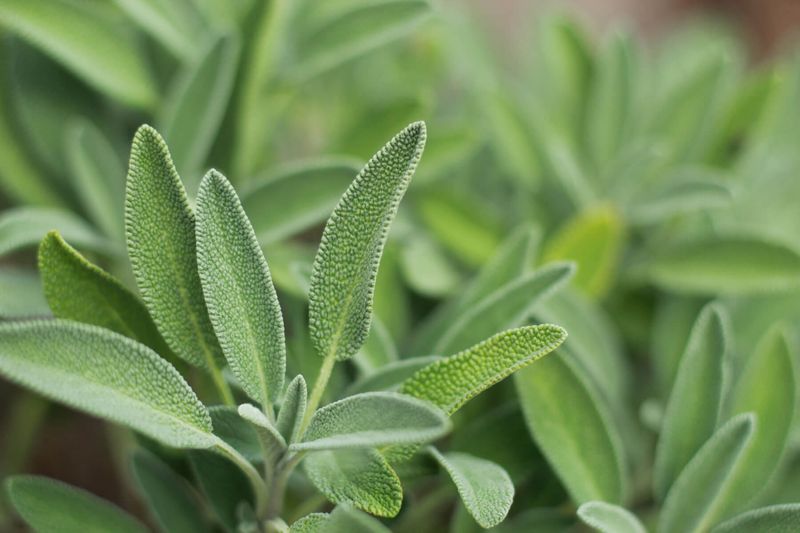
Bringing a woodsy, earthy aroma to the garden and kitchen, sage thrives in the dry, sunny conditions of Central Texas. The soft, velvety leaves are as beautiful to look at as they are useful in the kitchen.
Common culinary sage is the go-to variety, though purple sage and tricolor sage add a decorative element to garden beds and containers.
Plant sage transplants in early spring after the last frost date, which in Central Texas typically falls in late February. Give sage a sunny, well-drained spot and avoid planting it anywhere that holds standing water.
Like thyme and oregano, sage prefers soil that is not overly rich or heavily amended, so skip the extra fertilizer and let it grow in moderately lean conditions.
Water sage deeply but infrequently, allowing the soil to dry out between sessions. Once established, sage is quite drought-hardy, which makes it a low-maintenance herb for busy Central Texas gardeners.
Harvest leaves as needed throughout the spring and summer, and be sure to cut back the plant after it flowers to encourage fresh, tender new growth. Sage also attracts pollinators when it blooms, which is a bonus for the entire garden.
13. Rosemary Dominating Sunny Gardens
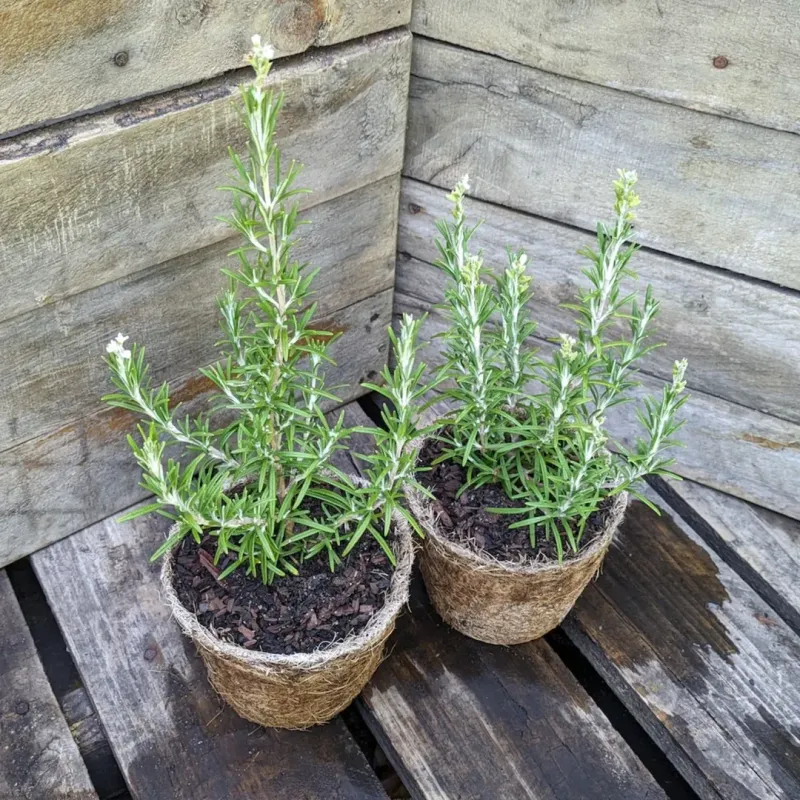
Practically made for Central Texas, rosemary thrives in hot, dry conditions and can grow into a large, long-lasting shrubby plant with minimal care. Its needle-like leaves carry a piney, savory fragrance that is instantly recognizable, and it is one of the most versatile herbs you can grow in a Texas kitchen garden.
Plant rosemary transplants in early spring, choosing a sunny location with excellent drainage. Rocky or sandy soil is perfectly fine for rosemary, and it actually prefers it over heavy, moisture-retaining clay.
If your Central Texas yard has clay soil, planting rosemary in a raised bed or a large container is the best approach. Space plants at least 18 to 24 inches apart since they can spread quite wide over time.
Water rosemary deeply but infrequently, and avoid overhead watering which can encourage fungal issues. Once established, rosemary handles drought extremely well, making it a smart, water-wise choice for Central Texas landscapes.
Harvest sprigs regularly to keep the plant tidy and productive. Rosemary pairs beautifully with roasted meats, breads, and vegetables, and its blue flowers attract bees and butterflies, adding life and color to your spring garden.