What To Plant In Late February In Florida That Can Handle One More Cold Night
Florida gardeners sense spring drawing closer, yet winter still holds one last card. Warm days invite fresh planting, cool nights warn against haste.
The soil loosens, sunlight lingers longer, and anticipation builds across every garden bed. What belongs in the ground right now with strength to face a sudden chill?
The answer rests in smart timing, careful selection, and respect for nature’s shifting moods. Late February offers a narrow window where progress and caution must move together.
A brief cold night can test young roots, yet the right choices stay firm and surge ahead once warmth returns. Garden success now depends on preparation, steady attention to forecasts, and simple protection during temperature dips.
Florida’s growing season never truly sleeps, it only pauses. Step into this moment with confidence, plant with purpose, and prepare for the quiet transformation as gardens awaken and color returns stronger than before.
1. Add Bright Color With Cheerful Pansies
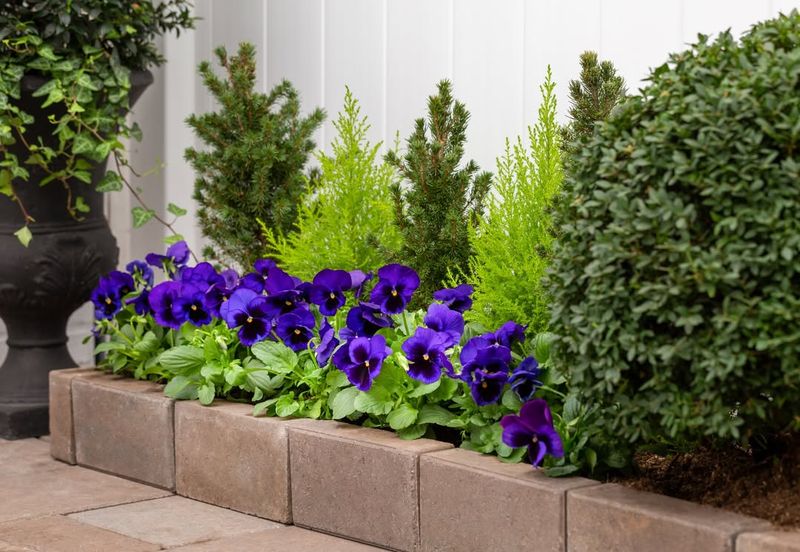
Garden centers across Florida stock pansies throughout winter because these cheerful flowers genuinely enjoy cooler weather. Their ability to bloom reliably even when temperatures drop into the upper thirties makes them ideal for late February planting.
Unlike heat-loving annuals that sulk in cold conditions, pansies actually produce their best flowers when nights stay cool.
Plant them in spots receiving morning sun and afternoon shade for longest bloom time. Space plants about six to eight inches apart in well-draining soil enriched with compost.
Water thoroughly after planting and keep soil consistently moist but never soggy.
Pansies work beautifully along walkways, in container combinations, or as colorful groundcover beneath taller plants. Their compact growth habit keeps them tidy without constant trimming.
Pinch off spent blooms regularly to encourage continuous flowering through spring.
These tough little flowers handle brief temperature dips without damage to foliage or blooms. Their thick leaves and sturdy stems resist cold better than many flowering annuals.
Choose varieties in colors that complement your existing landscape or mix several shades for a cottage garden effect.
Fertilize lightly every few weeks with a balanced liquid fertilizer to support heavy blooming. Pansies typically perform well until Florida heat arrives in late April or May, giving you months of reliable color from a single planting.
2. Let Snapdragons Bring Height And Drama
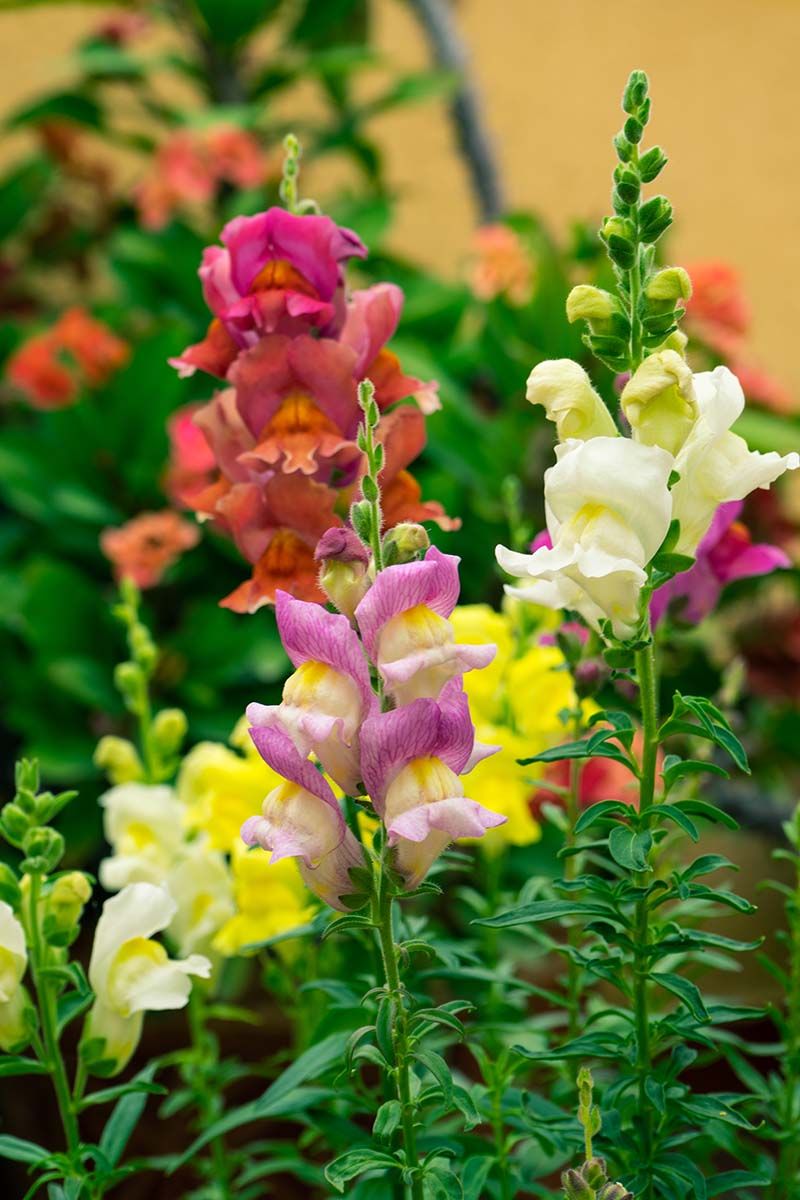
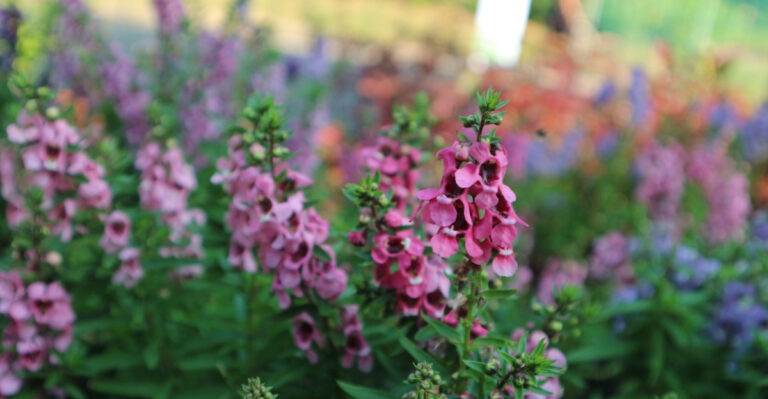
Vertical interest transforms ordinary flower beds into something special, and snapdragons deliver exactly that dimension. Their tall flower spikes reach anywhere from twelve to thirty-six inches depending on variety, creating layers of color that draw the eye upward.
Cool nights in late February don’t bother these resilient bloomers one bit.
Select a planting location with full sun to partial shade and soil that drains well. Snapdragons tolerate Florida’s occasional cold snaps but need good drainage to prevent root problems.
Space plants ten to twelve inches apart to allow air circulation as they mature.
The tubular flowers attract pollinators while adding a cottage garden charm to landscapes. Colors range from soft pastels to bold reds and purples, with many bicolor options available.
Taller varieties may need staking in windy locations, though dwarf types stay compact without support.
Pinch back young plants when they reach about six inches tall to encourage bushier growth and more flower spikes. Water consistently during establishment, then reduce frequency once roots develop.
Snapdragons prefer well-drained soil and moderate, even moisture.
These cool season performers bloom prolifically until warm weather arrives, typically lasting through April in most Florida regions. Remove faded flower spikes promptly to redirect energy into producing new blooms rather than seed formation.
3. Edge Beds With Fragrant Dianthus
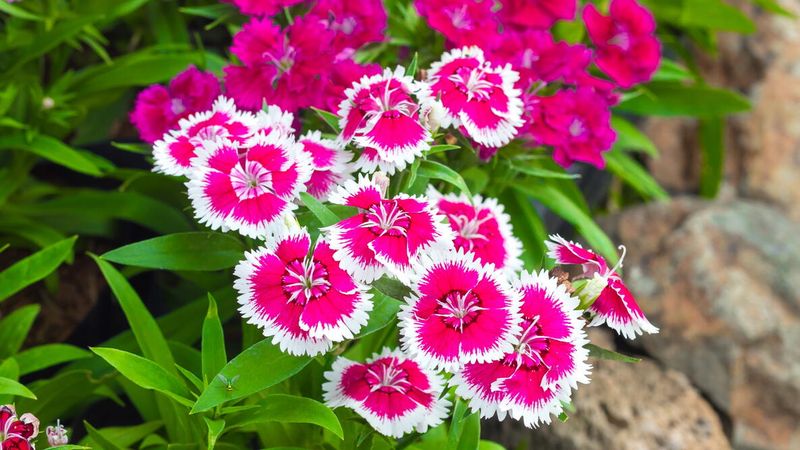
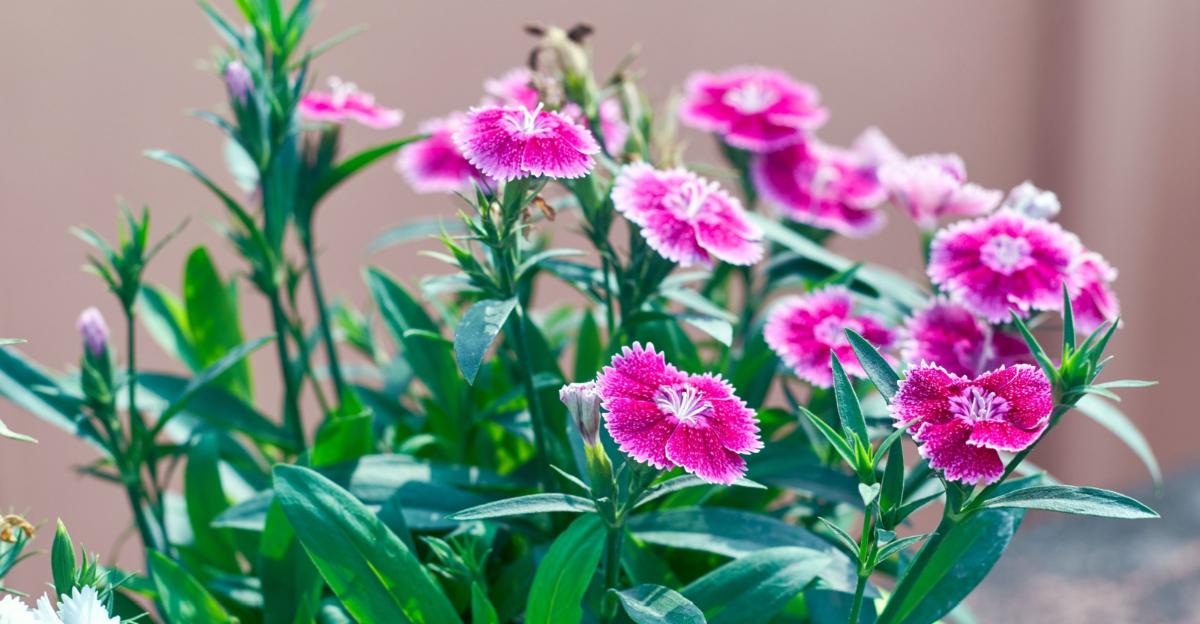
Spicy-sweet fragrance drifts from dianthus flowers on sunny days, adding sensory appeal beyond their visual charm. These low-growing plants form neat mounds of blue-green foliage topped with fringed blooms in shades of pink, red, white, and bicolors.
Their compact nature makes them perfect for edging beds or lining pathways.
Cold tolerance ranks high with dianthus, which actually struggles more with heat and humidity than cold in Florida gardens. Late February planting gives them time to establish and bloom heavily before temperatures climb.
Choose spots with excellent drainage since wet feet cause more problems than chilly nights.
Space plants eight to ten inches apart along bed edges or in rock gardens where drainage stays sharp. Mix compost into planting holes but avoid heavy fertilization, which produces leafy growth at the expense of flowers.
Dianthus prefers lean soil conditions.
Their tidy growth habit requires little maintenance beyond occasional deadheading to prolong blooming. The blue-green foliage provides attractive texture even when flowers fade between flushes.
Many varieties bloom repeatedly if spent flowers are removed promptly.
Morning sun with afternoon shade works well in Florida, protecting plants from the most intense heat while providing enough light for good flowering. Water moderately, allowing soil to dry slightly between waterings.
These charming plants typically perform well through spring before declining as summer heat intensifies.
4. Soften Plantings With Silvery Dusty Miller
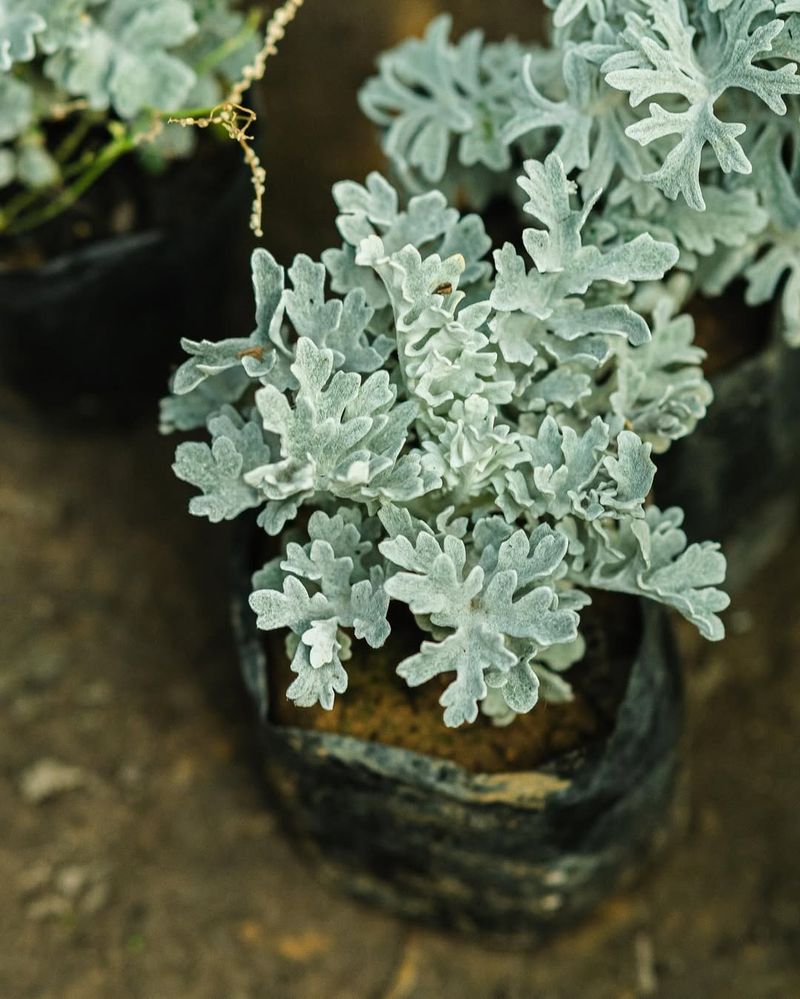
Foliage plants often get overlooked in favor of flashy flowers, but dusty miller proves that leaves alone can make powerful design statements. The silvery-white fuzzy foliage creates stunning contrast against darker greens and bright flower colors.
This tough plant laughs at light frosts that would damage more tender foliage.
Texture matters as much as color in successful garden design, and dusty miller delivers both. The felt-like leaves catch light differently than smooth foliage, creating visual interest throughout the day.
Plant it anywhere you need to brighten dark corners or separate clashing flower colors.
Full sun to partial shade suits dusty miller well, though it develops the whitest foliage in brighter locations. Space plants twelve to fifteen inches apart since mature specimens spread into substantial mounds.
They tolerate poor soil better than many ornamentals but perform best with moderate fertility.
Water regularly during establishment, then reduce frequency once plants settle in. Dusty miller handles dry conditions better than consistently wet soil.
Trim back any leggy growth to maintain compact shape, though most varieties stay naturally tidy.
This foliage workhorse continues looking good even as Florida temperatures rise, often lasting well into summer before declining. Pair it with purple petunias, red salvia, or pink geraniums for classic color combinations.
The silvery leaves cool down hot color schemes while unifying diverse plantings.
5. Plant Sunny Calendula For Golden Blooms
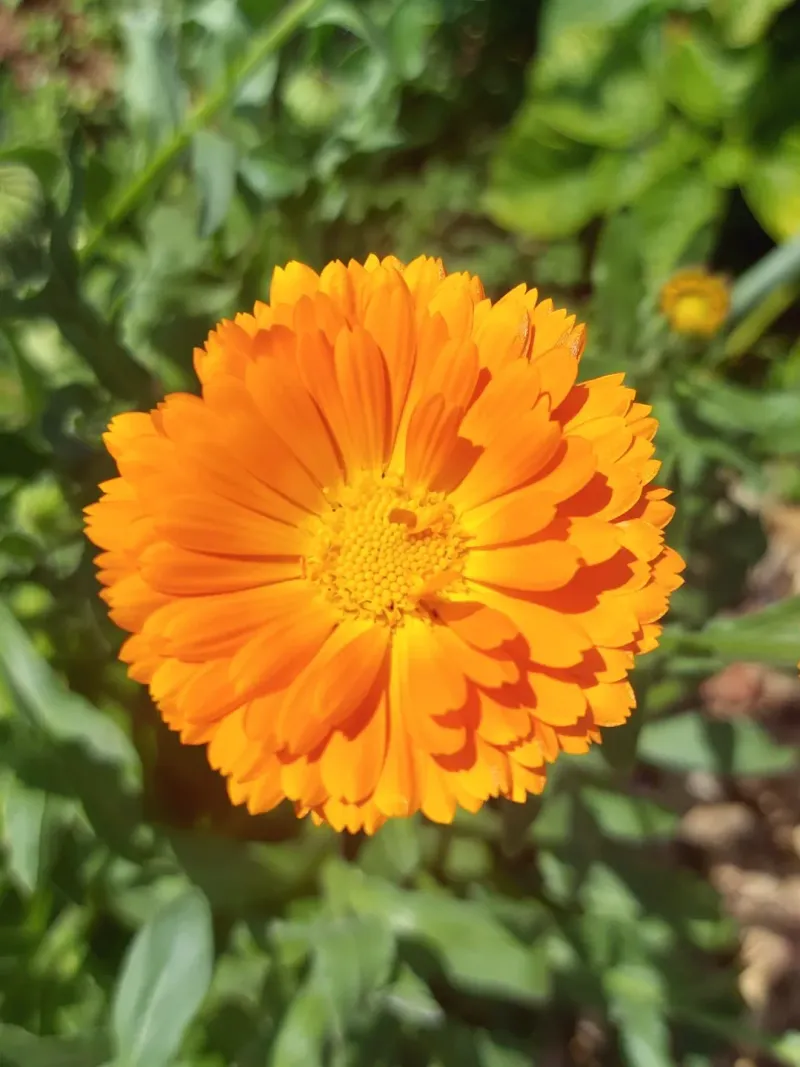
Cheerful daisy-like blooms in shades of orange, yellow, and gold make calendula a garden favorite with old-fashioned charm. These easy-care flowers prefer the mild conditions of late winter and early spring in Florida, blooming prolifically when many other plants remain dormant.
Their tolerance to occasional cold nights makes late February planting worry-free.
Pollinators flock to calendula flowers, bringing beneficial insects into your garden early in the season. The edible petals add color to salads and have been used traditionally in various preparations, though most gardeners grow them purely for ornamental value.
Blooms appear continuously when planted at the right time.
Choose a sunny location with average soil that drains reasonably well. Calendula isn’t fussy about soil quality but performs better with occasional feeding.
Space plants ten to twelve inches apart and water consistently until established.
Deadhead spent blooms regularly to keep plants flowering heavily rather than setting seed. This simple maintenance task extends the blooming period significantly.
Calendula typically self-sows readily, so you may find volunteer seedlings appearing in subsequent seasons if you allow some flowers to mature.
These reliable bloomers continue performing until Florida heat becomes intense, usually lasting through April or into May depending on your specific location. Their bright colors combine beautifully with other cool season flowers or stand alone in cottage-style plantings.
6. Fill Spaces With Sweet Alyssum
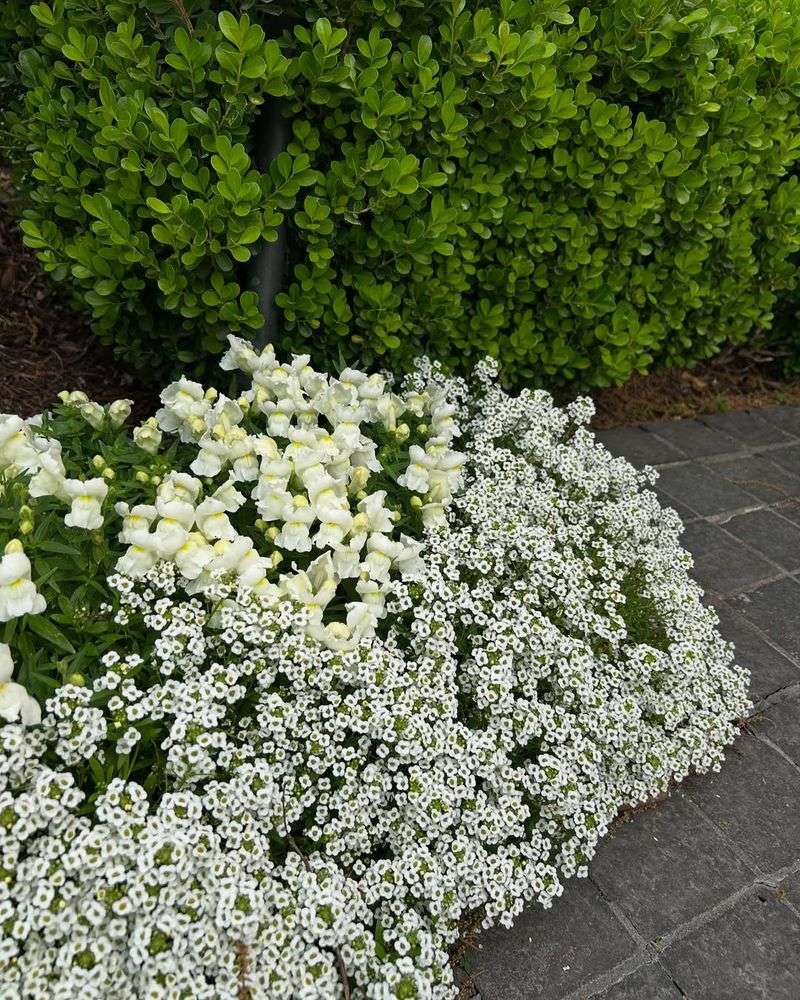
Honey-scented clouds of tiny flowers make sweet alyssum a sensory delight in late winter gardens. This low-growing annual spreads gently to fill gaps between larger plants or cascade over container edges.
The delicate appearance belies its toughness, as alyssum handles cool nights without complaint.
White remains the most common color, but purple and pink varieties add different dimensions to plantings. The fine texture contrasts beautifully with bold-leaved plants or larger flowers.
Sweet alyssum works equally well in formal designs or casual cottage gardens.
Plant in full sun to light shade, spacing small transplants six to eight inches apart. They’ll quickly fill in to form a continuous carpet of blooms.
Alyssum prefers consistent moisture but tolerates brief dry spells once established.
The sweet fragrance attracts beneficial insects including tiny parasitic wasps that help control garden pests naturally. This makes alyssum a smart companion plant throughout vegetable and flower gardens.
Bees and butterflies also visit the nectar-rich flowers regularly.
Shear plants lightly if blooming slows, and they’ll quickly regrow and rebloom. This simple trim keeps alyssum looking fresh and flowering heavily.
In Florida, these charming flowers typically perform well through spring before heat causes decline. Their ability to self-sow means you might enjoy volunteer plants in future seasons.
7. Grow Fresh Parsley For The Kitchen
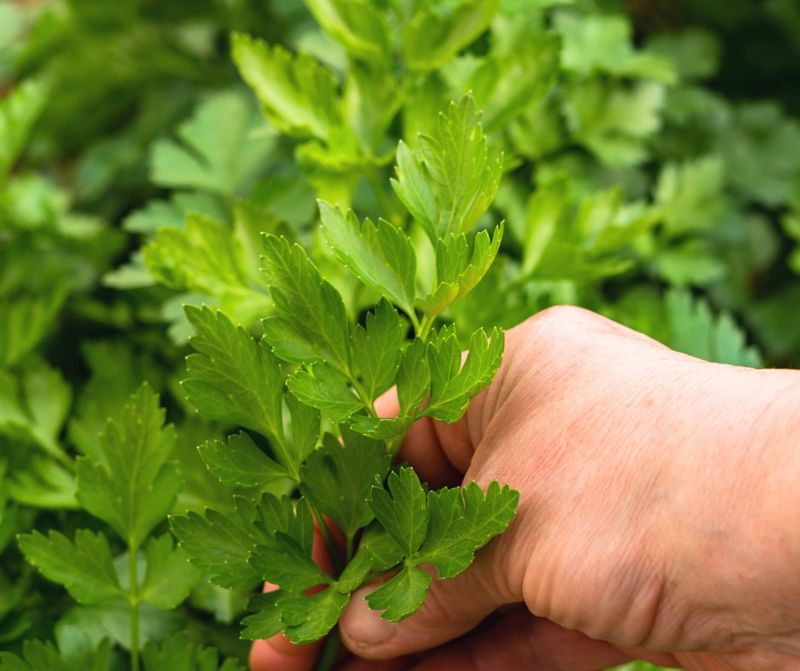
Fresh herbs transform everyday cooking, and parsley ranks among the most versatile for kitchen use. Both curly and flat-leaf varieties tolerate Florida’s occasional late February cold snaps while establishing strong root systems.
This biennial herb performs as an annual in Florida, providing months of fresh leaves before warm weather causes bolting.
Choose a location receiving morning sun and afternoon shade for best results in Florida gardens. Full sun works in cooler months, but some shade protection helps as temperatures rise.
Plant in well-amended soil enriched with compost for optimal growth.
Space plants eight to ten inches apart in garden beds or grow in containers near the kitchen door for convenient harvesting. Water consistently to keep soil evenly moist, as parsley dislikes drying out completely.
Mulch around plants to conserve moisture and moderate soil temperature.
Begin harvesting outer leaves once plants reach six to eight inches tall, cutting stems near the base rather than pinching individual leaves. This method encourages continued production from the center of the plant.
Regular harvesting actually promotes bushier growth and more abundant foliage.
Flat-leaf parsley offers stronger flavor preferred by many cooks, while curly types provide attractive garnishes and milder taste. Both types grow equally well in late February plantings.
Feed lightly every few weeks with balanced fertilizer to support continuous leaf production throughout spring.
8. Start Cilantro For Quick Flavor
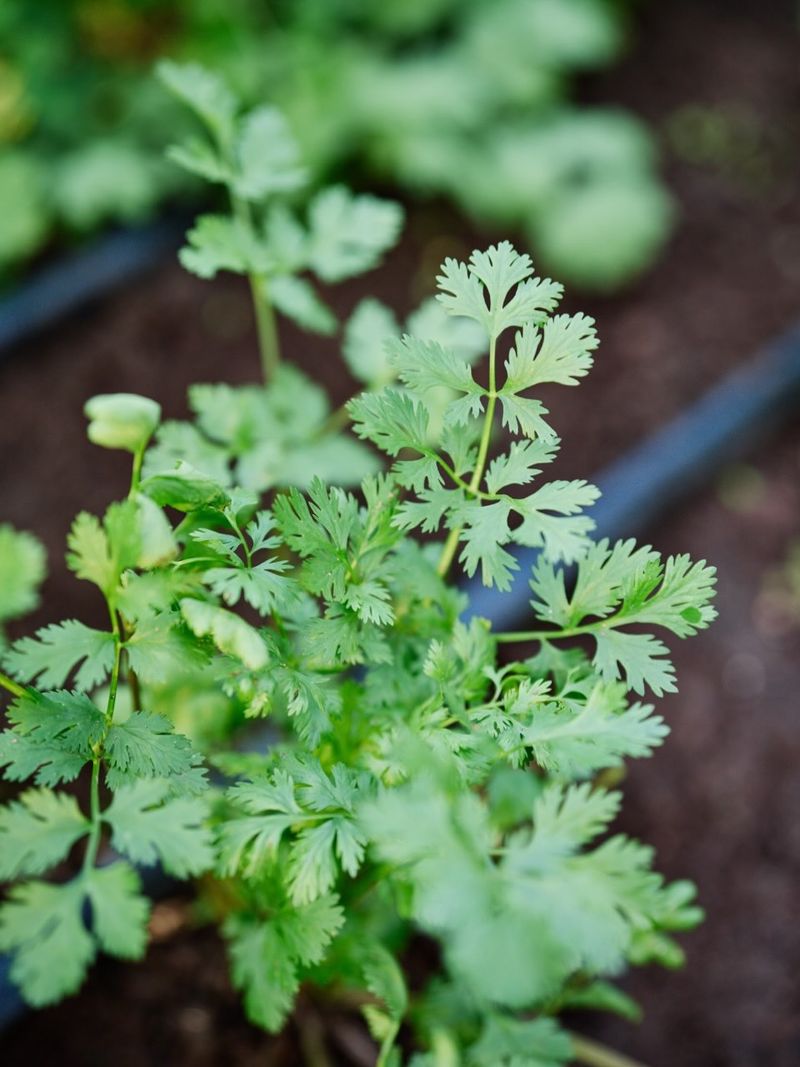
Timing matters tremendously with cilantro since this fast-growing herb quickly bolts to seed when temperatures rise. Late February represents an ideal planting window in Florida, giving plants time to establish and produce abundant foliage before heat triggers flowering.
Cool nights actually improve flavor while encouraging leafy growth over premature seed production.
Direct sowing works well with cilantro since it dislikes root disturbance from transplanting. Scatter seeds in prepared soil and cover lightly, keeping the area consistently moist until germination occurs.
Thin seedlings to four to six inches apart once they develop true leaves.
Full sun to partial shade suits cilantro in Florida, with some afternoon shade helping extend the harvest period. Plant in loose, well-draining soil amended with compost.
This herb prefers slightly drier conditions than parsley but still needs regular watering.
Begin harvesting leaves when plants reach six inches tall, cutting outer stems and leaving the center to continue growing. Use fresh cilantro quickly since it doesn’t store well, or freeze chopped leaves in ice cube trays with water for later use.
The distinctive flavor enhances Mexican, Asian, and Middle Eastern dishes.
Expect cilantro to bolt relatively quickly as Florida warms, typically providing four to six weeks of good leaf production from late February plantings. Succession plant every two weeks to maintain continuous supply.
9. Add Dill For Feathery Texture
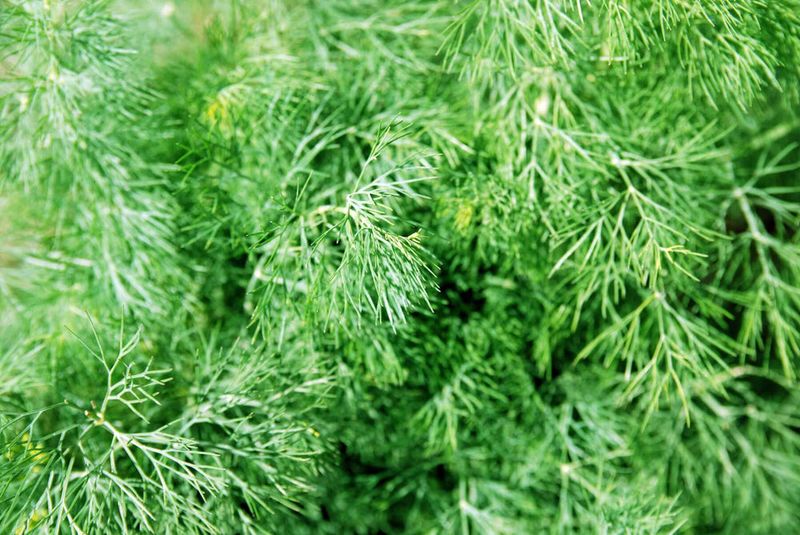
Delicate fronds of dill add vertical interest and fine texture to herb gardens while providing flavorful leaves for cooking. This annual herb tolerates cool conditions well, making late February planting successful in Florida.
The feathery foliage creates an airy appearance that contrasts beautifully with broader-leaved plants.
Dill develops a taproot that dislikes transplanting, so direct seeding produces the strongest plants. Sow seeds in loose, well-prepared soil and thin seedlings to ten to twelve inches apart.
Choose a location with full sun and protection from strong winds that can topple tall plants.
Water regularly during establishment, then allow soil to dry slightly between waterings once plants mature. Dill tolerates drier conditions than many herbs but produces more abundant foliage with consistent moisture.
Avoid heavy fertilization which can reduce the aromatic oils that provide flavor.
Harvest individual fronds as needed or cut entire stems, leaving a few inches of growth to encourage new shoots. Fresh dill elevates fish dishes, pickles, salads, and egg preparations.
The seeds that develop after flowering also provide culinary value, though allowing seed production ends leaf harvest.
Dill attracts beneficial insects including ladybugs and parasitic wasps that help control garden pests naturally. Swallowtail butterfly caterpillars also feed on dill foliage, which some gardeners consider a welcome addition.
Plant enough to share with these helpful garden visitors while maintaining harvest for kitchen use.