What To Plant In North Florida Gardens In March
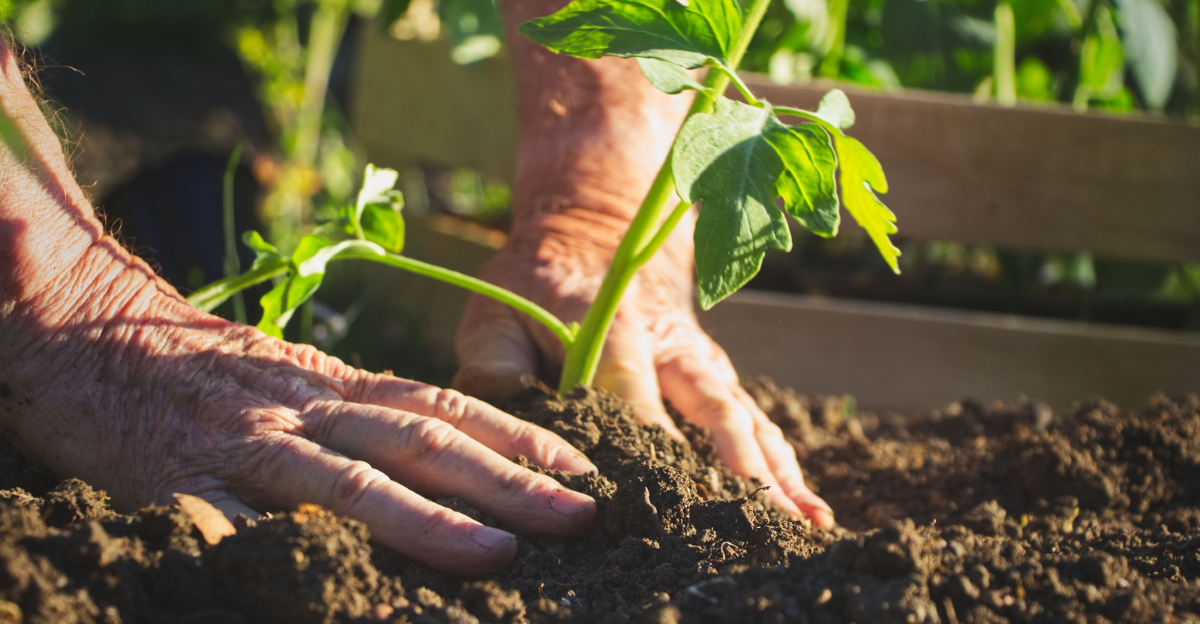
Are you ready to beat the sweltering North Florida humidity and harvest before the “big heat” hits? March is the ultimate “goldilocks” window for gardeners from Tallahassee to Gainesville.
With the soil finally warming up and the threat of frost fading into the rearview mirror, it’s the perfect moment to get your warm-season crops in the ground.
Don’t let our sandy soils and high humidity intimidate you – success in a subtropical climate is all about timing.
By jumping on these nine proven performers now, you’ll give everything from crisp cucumbers to vibrant peppers a massive head start on a long, productive season.
Whether you’re working a backyard plot or a few raised beds, these March essentials are your ticket to a thriving harvest.
1. Bush Beans Bring Quick Growth And Easy Harvests
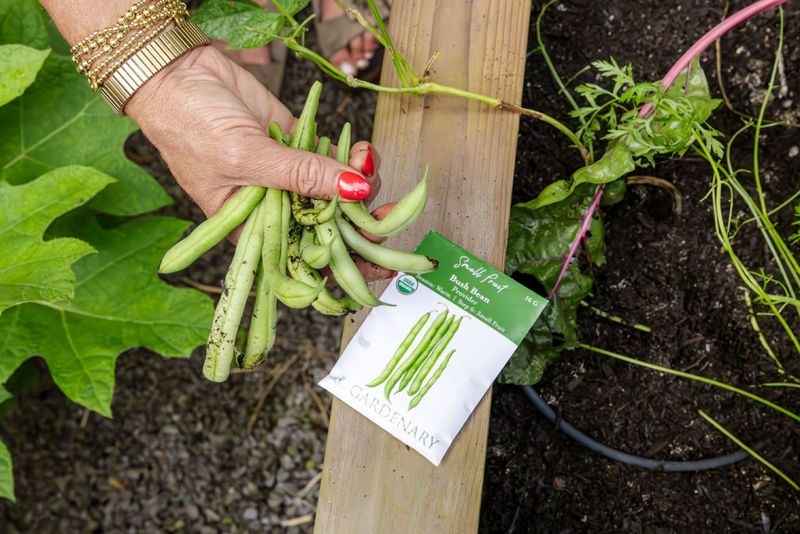
Few vegetables reward a North Florida gardener as quickly as bush beans do in March. Soil temperatures are climbing toward the mid-60s, which is right in the sweet spot for bean germination, and plants can go from seed to harvest in as little as 50 to 60 days.
That quick turnaround makes bush beans one of the most satisfying crops you can grow during the spring season.
Plant seeds directly in the ground about one inch deep and space them roughly three to four inches apart in rows set about 18 inches apart. Bush beans do not need a trellis or stake, which keeps the setup simple and beginner-friendly.
Choose a spot with full sun, meaning at least six hours of direct sunlight each day, and make sure the soil drains well so roots stay healthy.
Water your bean plants consistently, aiming for about one inch of water per week. Avoid wetting the leaves when you water, since moisture on foliage can encourage fungal problems in North Florida’s humid spring air.
A light layer of mulch around the base of the plants helps keep soil moisture even and reduces weeding time. Harvest pods when they feel firm and snap cleanly, before the seeds inside start to bulge.
Picking regularly encourages the plant to keep producing more beans throughout the season.
2. Sweet Corn Adds Height And Classic Garden Appeal
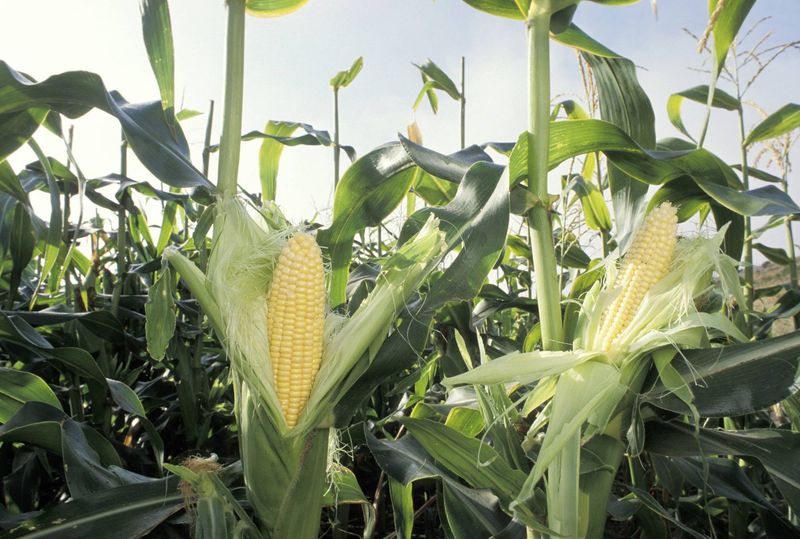
There is something undeniably satisfying about watching sweet corn shoot up from bare soil into tall, rustling stalks over the course of a warm spring.
March is the right time to get corn seeds in the ground in North Florida, as the warming soil encourages fast and even germination.
Soil temperatures of at least 60 degrees Fahrenheit help seeds sprout reliably without rotting in the ground.
Plant corn seeds one inch deep and about nine to twelve inches apart. Because corn is wind-pollinated, planting in blocks of at least four rows rather than a single long row leads to much better ear development.
Each plant needs room to grow, so rows should be spaced about 30 to 36 inches apart to give the stalks space to spread their root systems without competing too heavily.
Sweet corn craves full sun and consistent moisture, especially once the plants begin tasseling. Water deeply a few times each week rather than giving shallow, frequent sprinkles.
North Florida’s sandy soils can dry out quickly, so mulching between rows helps retain moisture and keeps weeds from crowding the base of your plants.
Side-dress with a nitrogen-rich fertilizer when plants reach about knee height to support strong stalk development.
Harvest ears when the silk turns brown and the kernels feel plump under the husk.
3. Cucumbers Grow Fast And Deliver Crisp Fruit
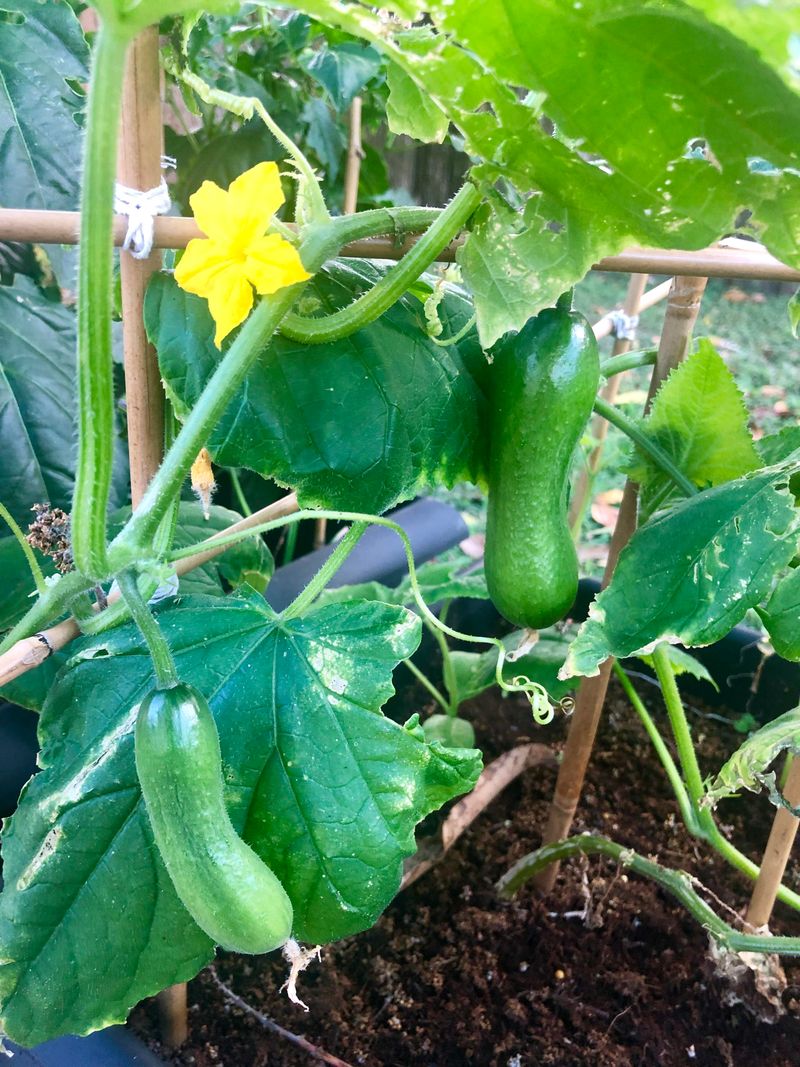
Warm soil, long days, and plenty of sunshine make March in North Florida an outstanding time to get cucumber seeds or transplants in the ground.
Cucumbers are vigorous growers that can go from seed to first harvest in roughly 50 to 65 days, which means you could be picking crisp fruit before the real heat of summer sets in.
Starting early also gives plants time to establish before pest pressure increases later in the spring.
Plant cucumber seeds about half an inch to one inch deep, spacing plants 12 inches apart if you plan to train them up a trellis.
Vertical growing is a smart strategy in North Florida gardens because it improves air circulation, reduces foliar disease, and makes harvesting much easier.
If you prefer to let vines sprawl on the ground, space plants about 36 inches apart and mulch heavily beneath them.
Cucumbers are thirsty plants and need steady, even watering to produce well-shaped fruit. Uneven moisture can lead to bitter cucumbers or misshapen pods, so aim for one to two inches of water per week.
Full sun is a must, and well-drained, slightly acidic soil with a pH between 6.0 and 6.5 gives roots the best environment to thrive.
Pick cucumbers when they reach full size but before they yellow, since leaving overripe fruit on the vine slows overall production significantly.
4. Summer Squash Produces Abundant Early Crops
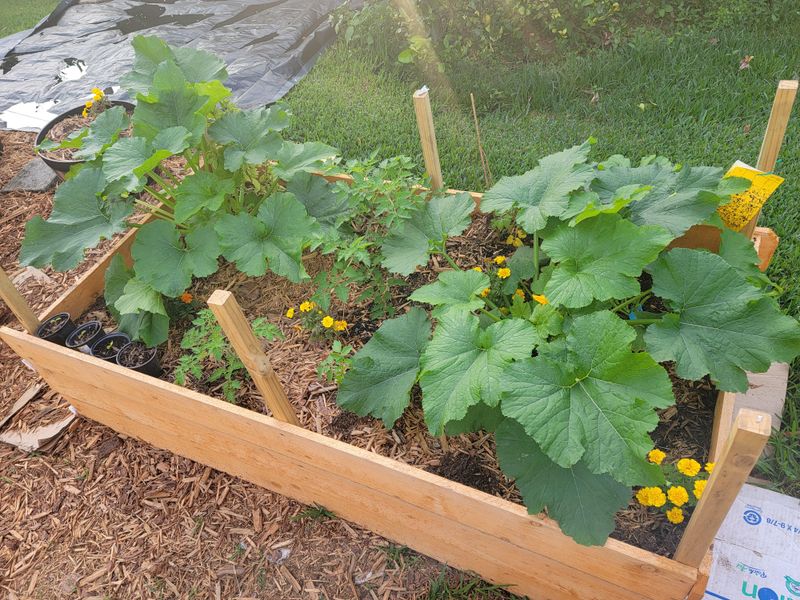
Getting squash transplants in the ground by mid-March is a well-known strategy among experienced North Florida gardeners.
Starting early helps plants mature and begin producing before the squash vine borer becomes active later in the season, which can seriously damage vines.
Transplants established by mid-March tend to produce their best harvests before the worst pest pressure arrives.
Summer squash varieties like yellow crookneck and straightneck do especially well in North Florida’s warm spring conditions.
Set transplants about 24 to 36 inches apart in rows spaced three feet apart, giving each plant room to spread its wide, sprawling leaves.
Choose a planting spot that gets full sun all day, since squash grown in shade tends to produce fewer fruits and becomes more prone to powdery mildew.
Squash plants are heavy feeders, so work compost or a balanced fertilizer into the soil before planting.
Once plants are established, side-dress with a nitrogen-rich fertilizer every few weeks to keep growth strong.
Water at the base of the plant rather than overhead to reduce fungal issues in North Florida’s humid climate.
Harvest summer squash when fruits are small to medium-sized, typically six to eight inches long, for the best texture and flavor.
Leaving fruits on the plant too long causes them to become tough and seedy, and it signals the plant to slow down production.
5. Zucchini Fills Garden Beds With Tender Green Fruit
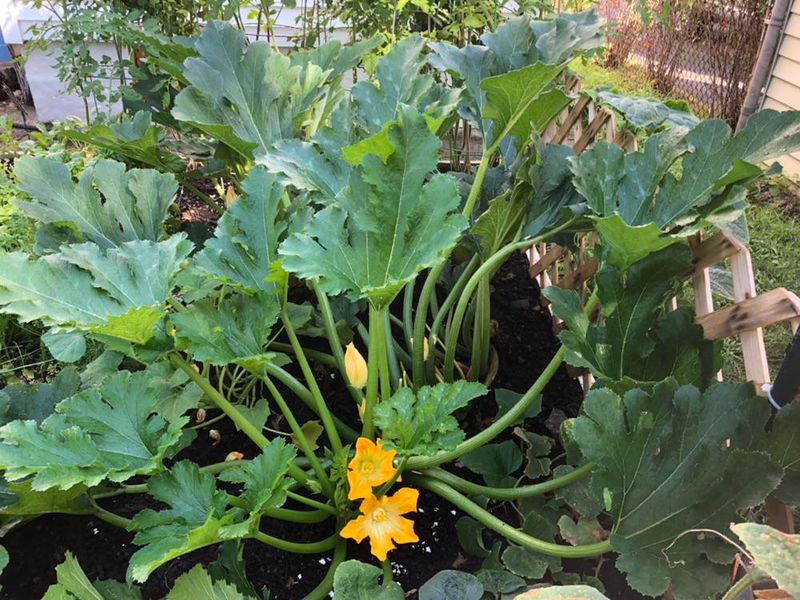
Zucchini has a reputation for being wildly productive, and in a North Florida garden started in March, that reputation is well-earned.
Plants can begin producing fruit in as little as 45 to 55 days from transplanting, which means your garden beds could be overflowing with tender green zucchini by late April or early May.
The key is getting plants established early enough to take advantage of mild spring temperatures before the summer heat arrives.
Space zucchini plants about 24 to 36 inches apart in a spot that receives full sun throughout the day. Zucchini plants get large quickly, so giving them adequate room prevents crowding and improves air circulation around the leaves.
Good airflow is especially helpful in North Florida, where humidity can encourage powdery mildew on dense plantings.
Prepare your soil with compost before planting to improve drainage and nutrient availability. Sandy soils common in North Florida benefit greatly from organic matter additions.
Water deeply two to three times per week and mulch around the base of each plant to retain moisture between watering sessions.
Zucchini flowers need pollinator visits to set fruit, so avoid applying insecticides during bloom time to protect bees visiting your garden.
Harvest zucchini when fruits are six to eight inches long for the most tender texture, and check plants daily once production begins because fruits grow surprisingly fast in warm spring weather.
6. Tomatoes Reward Gardeners With Juicy Warm-Season Harvests
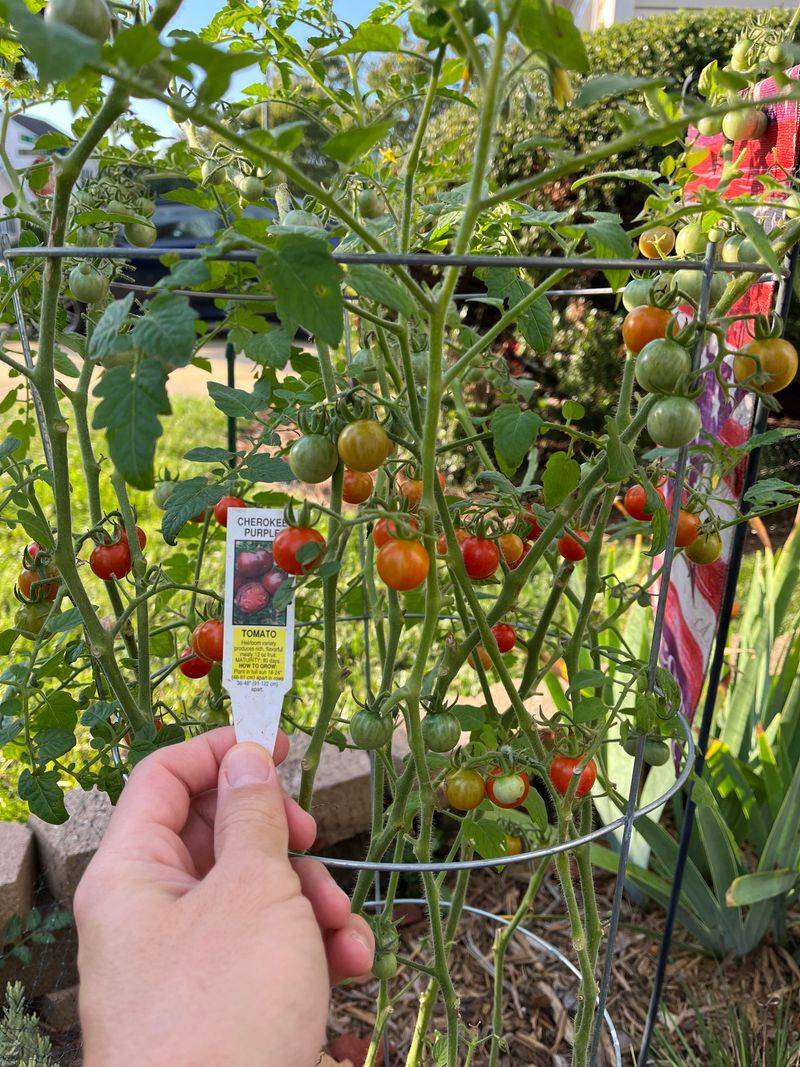
Timing is everything with tomatoes in North Florida, and March is the month when the season really opens up.
Tomatoes set fruit best when nighttime temperatures stay below 80 degrees Fahrenheit, so getting transplants in the ground in March gives plants a window to establish and begin flowering before the hottest nights of summer arrive.
Starting with sturdy six-week-old transplants rather than seeds at this point in the season helps maximize that window.
Choose a planting spot with full sun and space transplants 18 to 24 inches apart, with rows set about three to four feet apart.
Sink transplants deep in the soil, burying the stem up to the lowest set of leaves, since tomatoes can grow roots along their buried stems and develop a stronger root system as a result.
Stake or cage plants at the time of planting to avoid disturbing roots later.
Tomatoes in North Florida’s sandy soil benefit from regular fertilization with a balanced vegetable fertilizer every two to three weeks. Consistent watering is critical, as uneven moisture leads to blossom end rot and cracked fruit.
Aim for about one to two inches of water per week and mulch thickly around the base to keep soil moisture steady.
Heat-tolerant varieties bred for the Southeast tend to outperform standard grocery-store varieties in North Florida’s challenging spring-to-summer transition.
7. Peppers Add Color And Flavor To Spring Gardens
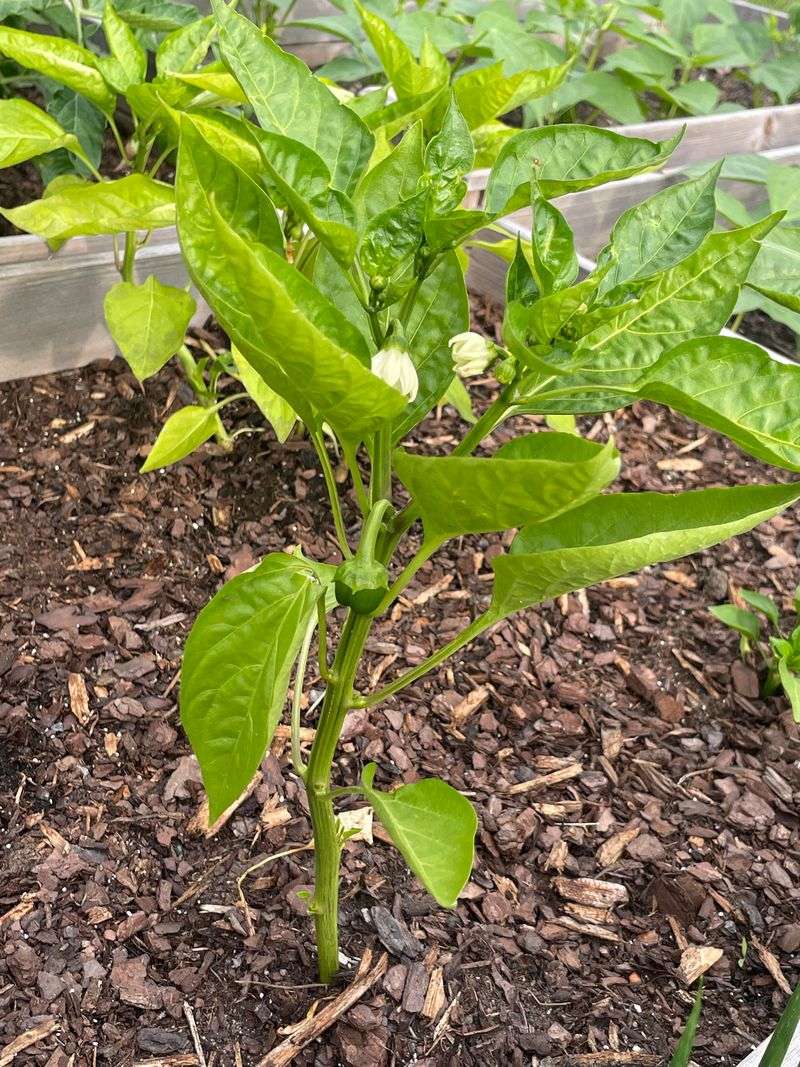
Planting peppers early in March gives North Florida gardeners a real advantage, since these plants take time to establish before they start setting fruit.
Unlike tomatoes, peppers can handle warmer nights a bit better and may continue producing well into summer and even survive mild North Florida winters to fruit again the following year.
That kind of longevity makes them an excellent investment of garden space and effort.
Set pepper transplants about 18 inches apart in rows spaced two feet apart. They prefer full sun and thrive in well-drained soil with a pH between 6.0 and 6.8.
Peppers are sensitive to cold soil, so if March nights are still dropping below 55 degrees Fahrenheit in your area, consider covering young transplants with a lightweight row cover for the first few weeks to keep them warm and growing steadily.
Fertilize peppers at planting with a balanced vegetable fertilizer and follow up with additional applications every three to four weeks throughout the season.
Water consistently, providing about one inch per week, and mulch around the base of plants to reduce moisture loss and keep soil temperatures stable.
Bell peppers, banana peppers, and jalapeños all perform well in North Florida spring gardens.
Harvest fruits at the size and color you prefer, knowing that leaving peppers on the plant longer allows them to ripen to red, yellow, or orange depending on the variety.
8. Eggplant Grows Strong Stems And Delicious Fruit
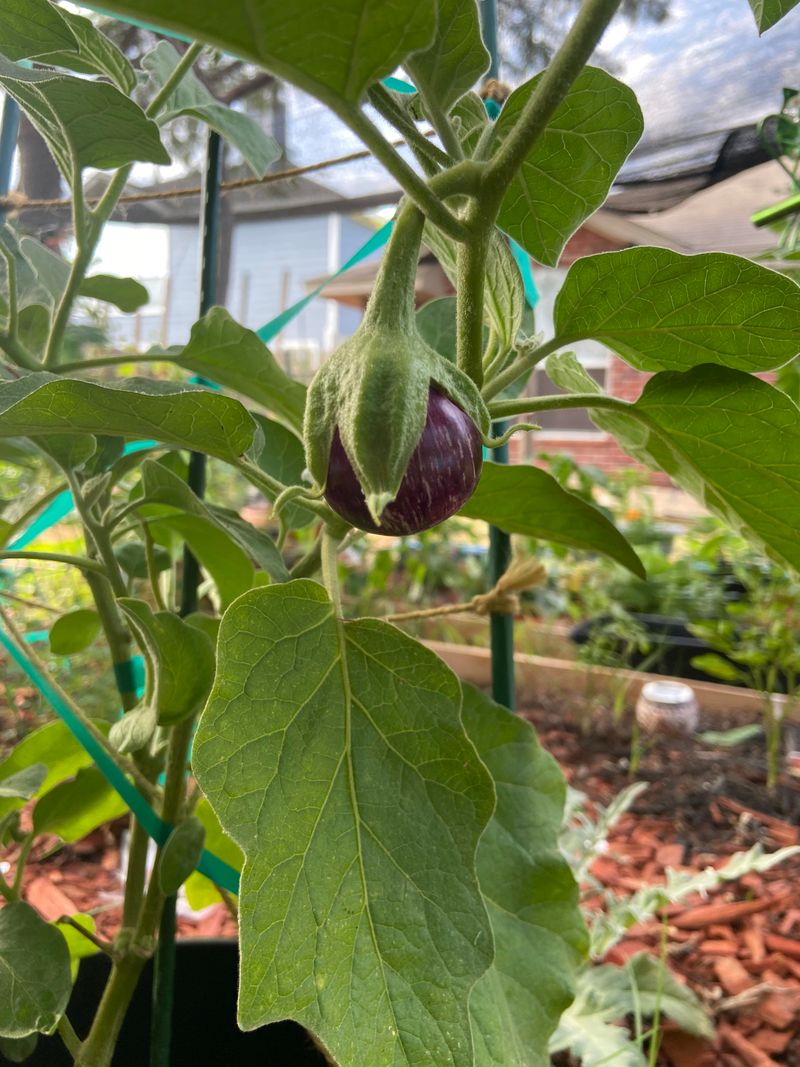
Eggplant is one of those crops that truly comes alive in North Florida’s warm spring conditions, and March transplanting sets it up for a long and productive season.
The plant’s preference for heat and humidity aligns well with what North Florida delivers from spring through early summer.
Given enough sunshine and consistent care, eggplant plants can grow two to four feet tall and produce fruit for several months.
Set transplants about 18 to 24 inches apart in rows spaced roughly two to three feet apart. Choose a location with at least eight hours of direct sunlight each day, since eggplant really does need full sun to develop well.
Work a balanced fertilizer or compost into the planting bed before setting transplants, and follow up with side-dressing every three to four weeks once plants are established and actively growing.
Water eggplant consistently, aiming for about one inch per week, and avoid letting the soil dry out completely between waterings. Mulching around the base of plants helps North Florida’s sandy soil retain moisture more effectively.
Eggplant is susceptible to flea beetles, small insects that chew tiny holes in the leaves, so monitor plants regularly and use row covers during early establishment if pressure is high.
Harvest fruit when the skin is shiny and firm, typically when fruits reach six to eight inches in length, before the flesh becomes seedy and bitter.
9. Okra Offers Tall Plants And Late Spring Harvests
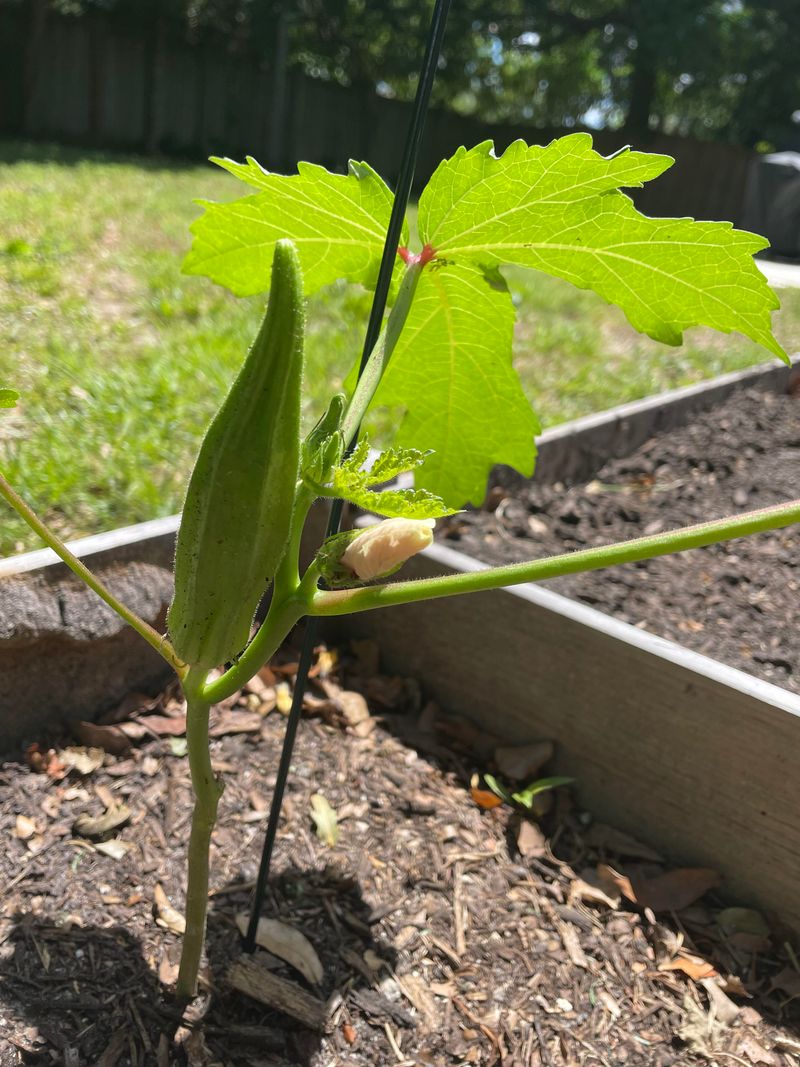
Okra is practically built for North Florida summers, but getting seeds in the ground in March means you can start harvesting by late spring before the season gets fully underway.
This crop loves heat, tolerates North Florida’s sandy soils well, and can grow into impressive plants that reach five to six feet tall by midsummer.
Starting in March gives okra plenty of time to establish a strong root system before the most intense heat arrives.
Soak okra seeds overnight before planting to soften the seed coat and encourage faster germination. Plant seeds one inch deep and thin seedlings to about 12 to 18 inches apart once they reach a few inches tall.
Okra needs full sun, so choose the sunniest spot in your garden for the best results. Rows should be spaced about three feet apart to give the tall plants room to grow without shading each other out.
Fertilize okra at planting and again when plants are about a foot tall using a balanced vegetable fertilizer.
Water deeply once or twice a week rather than giving shallow daily sprinkles, since deeper watering encourages roots to grow down into the soil for better drought tolerance.
Harvest pods when they are two to four inches long and still tender, checking plants every one to two days once production begins. Pods left on the plant too long become tough and fibrous very quickly in North Florida’s warm spring conditions.