The Best DIY Greenhouse Ideas For Arizona That Handle Sun And Heat
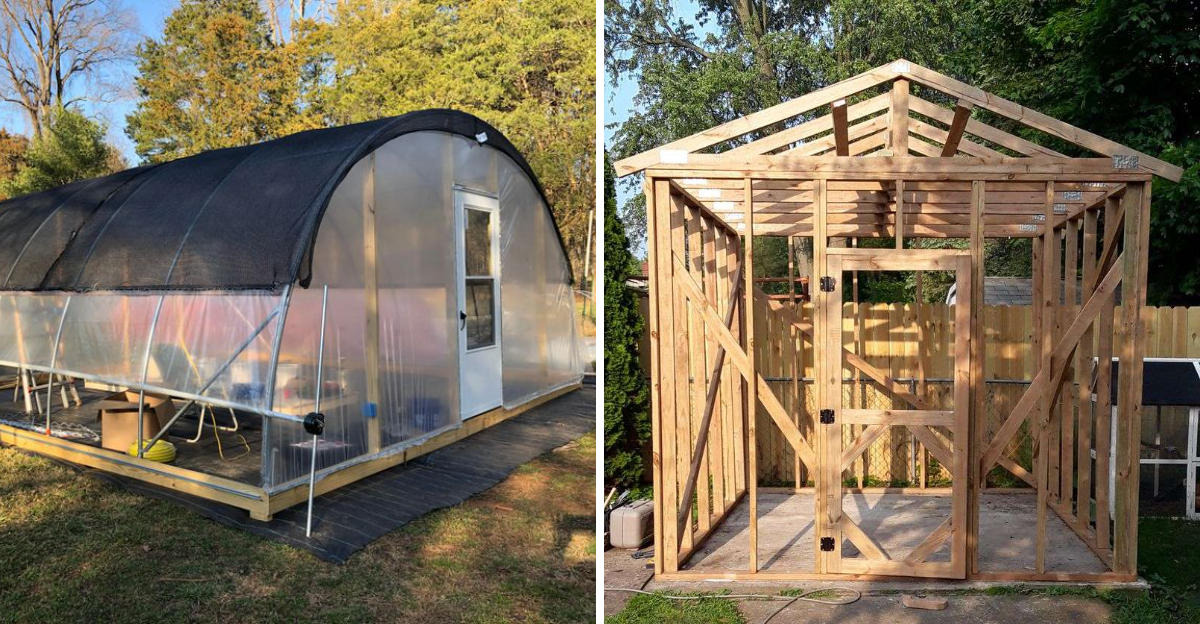
Strong sun and rising heat in Arizona can push plants past their limits faster than expected, even when everything seems set up the right way. Many gardeners reach a point where shade alone is not enough and growth starts to slow instead of improve.
Simple greenhouse ideas are starting to stand out as a smarter way to stay in control without turning the space into something complicated or expensive.
Creative setups are making it easier to protect plants while still letting in the light they need to grow well.
Materials, placement, and airflow all start to matter more once temperatures climb, and small adjustments can change how plants respond day after day.
Options exist for every kind of yard, from compact areas to more open layouts, and some of them come together faster than expected.
Finding the right approach can completely shift how a garden handles heat through the toughest part of the season.
1. Shade Cloth Hoop House That Cuts Down Harsh Sun
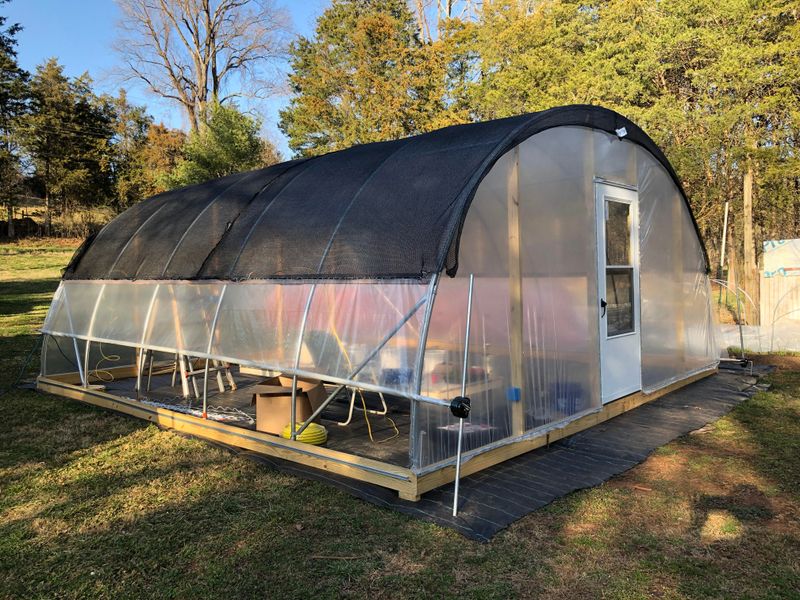
Shade cloth hoop houses might just be the smartest move an Arizona gardener can make. When summer rolls in and the sun turns brutal, standard greenhouse covers let in way too much light and heat.
Shade cloth, rated between 30% and 50% for most vegetables, filters out the harshest rays while still letting enough light through for solid plant growth.
Building one is surprisingly straightforward. You push PVC pipes or metal conduit into the ground in arched rows, connect them at the top, and drape your shade cloth over the frame.
Secure the edges with clips or sandbags and you are ready to go. Most gardeners in the Phoenix area can put one together in a single weekend without special tools.
What makes this setup shine in Arizona is flexibility. You can swap out a 30% cloth in spring for a 50% or even 70% cloth when July hits and temperatures climb past 110 degrees.
That kind of adjustability is hard to beat with any other greenhouse style.
Ventilation is naturally built in because shade cloth breathes. Hot air does not get trapped the way it does under solid plastic panels.
Plants like tomatoes, peppers, and herbs do noticeably better when they get filtered light rather than full desert exposure.
Keep the ends of the hoop house open or add screen mesh doors for extra airflow. Watering needs will still be high in Arizona summers, but your plants will stay far healthier under that shade cloth canopy than out in the open desert sun.
2. Cattle Panel Greenhouse With Strong Airflow Design
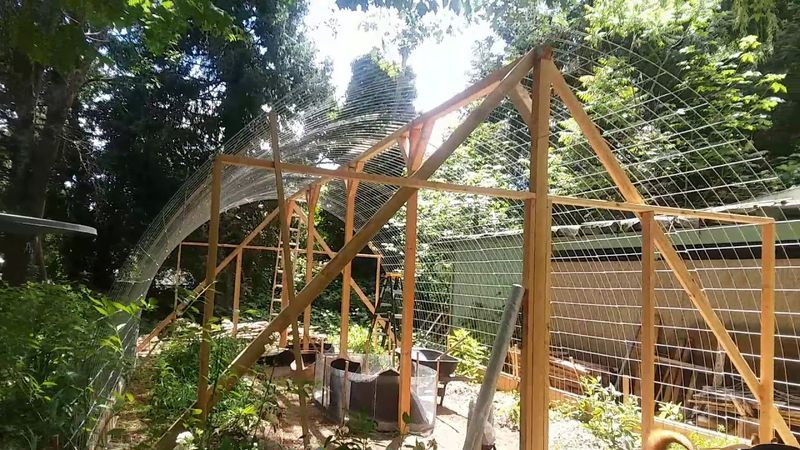
Cattle panels are one of the toughest building materials a DIY greenhouse builder in Arizona can get their hands on. These rigid wire panels, usually 16 feet long and 50 inches tall, bend into a perfect arch when you anchor both ends to wooden base boards.
The result is a strong, low-cost tunnel greenhouse that holds up to Arizona wind and heat without warping or sagging.
Airflow is where this design really earns its place in the desert. Because cattle panels are open wire, you can choose exactly how much coverage to add and where.
Your Arizona Garden Changes Every Week. Your Plan Should Too.
Gardening in Arizona changes quickly throughout the season. Every Friday you’ll receive a simple weekly plan showing exactly what to plant, prune, fertilize, harvest, and protect so you never miss the right timing.
Drape shade cloth over the top two-thirds and leave the lower sides open to let ground-level breezes move through freely. Hot air rises and escapes while cooler air pulls in from the sides, creating a natural ventilation loop.
Setup costs are reasonable compared to other greenhouse builds. A single cattle panel runs between $25 and $35 at most farm supply stores.
You need a few panels, two long wooden boards for the base, and some clips or zip ties to hold the covering in place. No welding or advanced carpentry needed.
Gardeners in Tucson and the surrounding Sonoran Desert region have used cattle panel greenhouses to grow cool-season crops like lettuce, spinach, and kale well into late spring by managing the shade cloth coverage carefully.
Swapping covers between seasons takes about 20 minutes.
Anchoring the base boards into the ground with rebar stakes adds stability during Arizona monsoon season when strong gusts roll through unexpectedly.
3. PVC Frame Greenhouse With Roll Up Sides For Venting
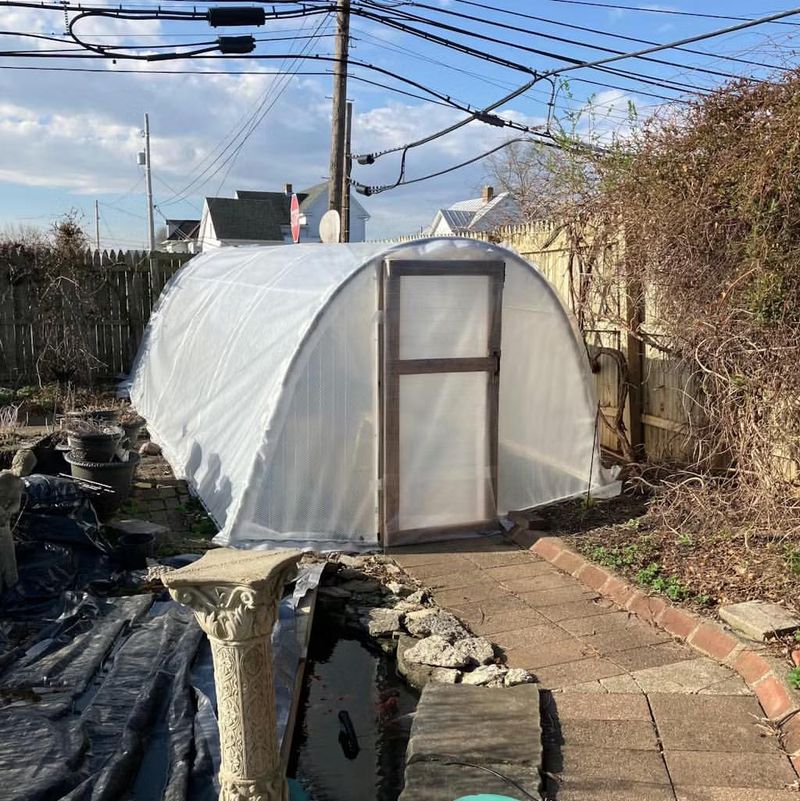
Rolling up the sides of a greenhouse sounds simple, but in Arizona, that feature can mean the difference between thriving plants and heat-stressed ones. A PVC frame greenhouse built with roll-up side panels gives you full control over airflow without any complicated venting hardware.
When afternoon temperatures spike, you just roll up the sides and let the breeze do the work.
PVC pipe is affordable, lightweight, and easy to cut with a basic handsaw. A standard 10×12 foot greenhouse frame uses mostly one-inch diameter pipe, elbow connectors, and tee fittings.
The whole frame can be assembled without glue if you want to break it down and store it during the most extreme summer months, which some Arizona gardeners prefer.
For the covering, a 6-mil polyethylene greenhouse film works well in cooler months, while shade cloth panels work better from May through September. The roll-up sides attach using clips sewn into the edge of the cover material.
A simple wooden dowel at the bottom of each side panel makes rolling smooth and keeps the material taut when lowered back down.
Growers in the Mesa and Chandler areas of Arizona have found this setup especially useful for extending the fall and winter growing season.
Once outdoor temps drop below 50 degrees at night, lowering the sides traps warmth and protects frost-sensitive plants with no extra heating needed in many cases.
Adding a ridge vent along the top of the PVC frame boosts hot air escape even further, making this one of the more practical all-season greenhouse builds for the Arizona climate.
4. Raised Bed Greenhouse Combo For Better Heat Control
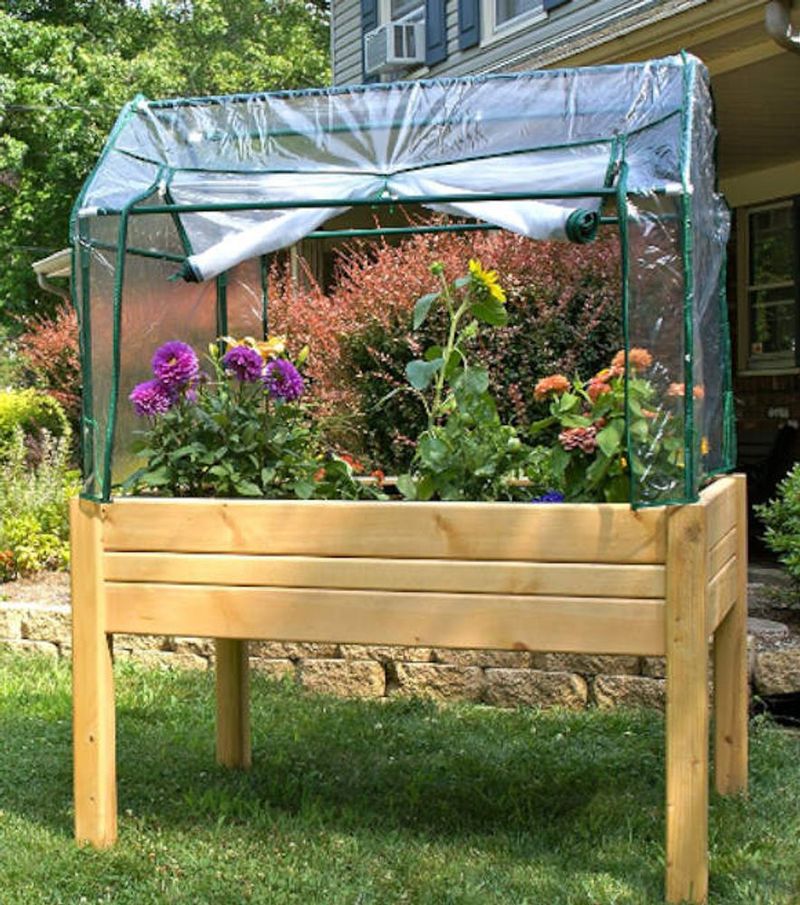
Pairing a raised bed with a greenhouse frame is one of the cleverest heat management tricks available to Arizona growers.
Raised beds naturally improve drainage, which matters a lot in Arizona clay or sandy soils, but when you add a greenhouse cover directly over the bed, you create a microclimate that is far easier to manage than a full-size structure.
Ground temperatures in Arizona can reach dangerous levels during summer. Raised beds filled with a quality soil mix stay cooler than in-ground soil because better drainage prevents the heat from building up the same way.
Adding a layer of mulch on top drops soil temps even further, sometimes by 10 to 15 degrees on the hottest days.
Building the combo is a two-part project. First, construct a standard raised bed from untreated cedar or redwood boards, sized to whatever fits your space.
Then build a simple hoop or A-frame cover that sits directly on top of the bed walls. The cover can be shade cloth in summer and clear plastic film in winter, making this a true year-round growing setup.
Watering is easier to manage with this style because you are working with a contained soil volume. Drip irrigation laid inside the raised bed keeps moisture consistent without overwatering, which matters in Arizona where water conservation is always a priority.
Gardeners in Scottsdale have used this combo successfully to grow strawberries, herbs, and salad greens throughout the year by swapping covers with the seasons and adjusting their watering schedule accordingly.
5. Lean To Greenhouse Placed On The East Side Of A Wall
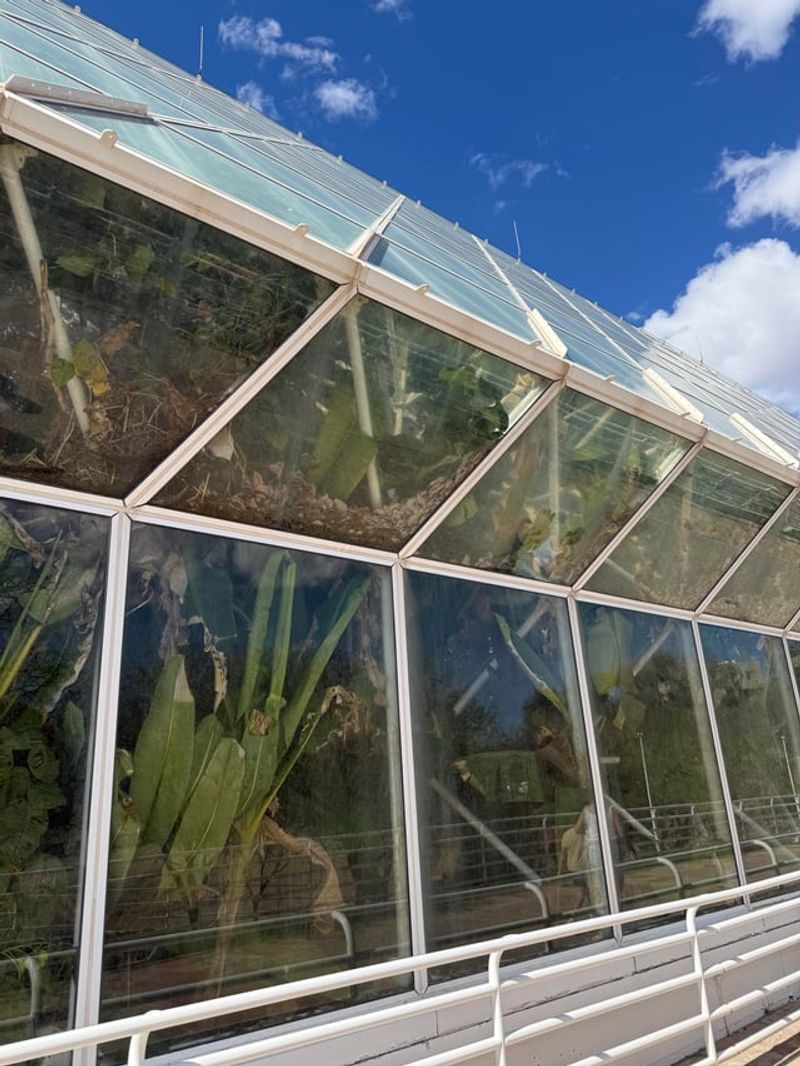
Placement is everything in Arizona, and a lean-to greenhouse on the east side of a wall is proof of that. East-facing structures catch the gentler morning sun and stay shaded during the brutal afternoon hours when temperatures peak.
That single positioning decision can reduce interior greenhouse temps by 15 to 20 degrees compared to a south or west-facing setup.
A lean-to greenhouse attaches directly to an existing wall, which cuts your building material costs significantly. One side of the structure is already built.
You only need to frame three sides and a roof, then attach the whole thing to the wall with appropriate brackets or ledger boards. Most builders complete a 6×8 foot lean-to in a single weekend with basic tools.
The wall itself acts as a thermal mass in Arizona winters. Masonry or stucco walls absorb heat during the day and slowly release it at night, which keeps the lean-to warmer after sunset without any added heating.
For cold-sensitive plants like citrus seedlings or tropical herbs, that passive warmth makes a real difference.
Using shade cloth for the roof and upper walls during summer and swapping to polycarbonate panels in winter gives this structure genuine year-round usefulness.
Many Arizona homeowners in the Tempe and Gilbert areas use lean-to greenhouses to start vegetable seedlings in late summer for fall planting, timed perfectly with Arizona’s second growing season.
Keeping the front open or adding a screen door improves cross ventilation and prevents moisture buildup, which can become an issue against a wall with limited airflow.
6. Mini Greenhouse With Removable Cover For Summer Use
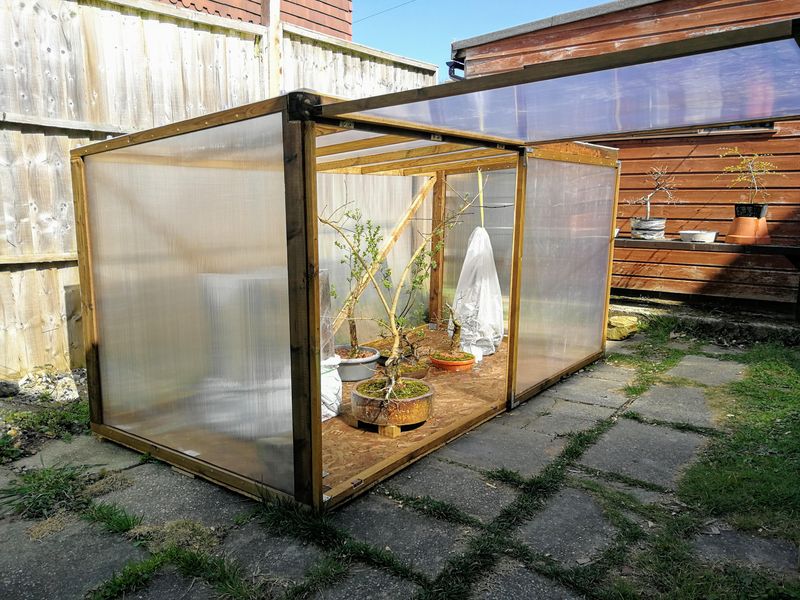
Not everyone in Arizona has room for a large greenhouse, and honestly, a mini greenhouse with a removable cover might be all you need.
Small-scale structures heat up faster than large ones, but when the cover comes off completely, you get full shade cloth protection without any trapped heat.
That swap-and-remove approach works really well in the low desert from May through September.
A mini greenhouse typically covers an area between 4×4 feet and 4×8 feet. You can build the frame from PVC pipe, cedar lumber, or even repurposed wood pallets.
The key feature is a cover designed to be removed quickly, not just rolled up. Velcro straps, snap clips, or simple wooden dowels through grommets let you pull the cover off in under two minutes when the heat becomes too intense.
During Arizona’s milder months, October through April, you drop a clear polyethylene cover over the frame to trap warmth and protect plants from occasional frost. Flagstaff and higher elevation Arizona locations get real frost in winter, so the protective cover matters more there than in Phoenix or Yuma.
One often-overlooked benefit of a mini greenhouse is how easy it is to water properly. You are working with a small contained space, so drip lines or even hand watering stays manageable.
Overwatering is less likely because you can see exactly what each plant needs.
Grouping two or three mini greenhouses together creates a modular garden system that scales up as your growing ambitions grow, without requiring a major construction project all at once.
7. Wooden Frame Greenhouse With Roof Vents For Hot Air Release
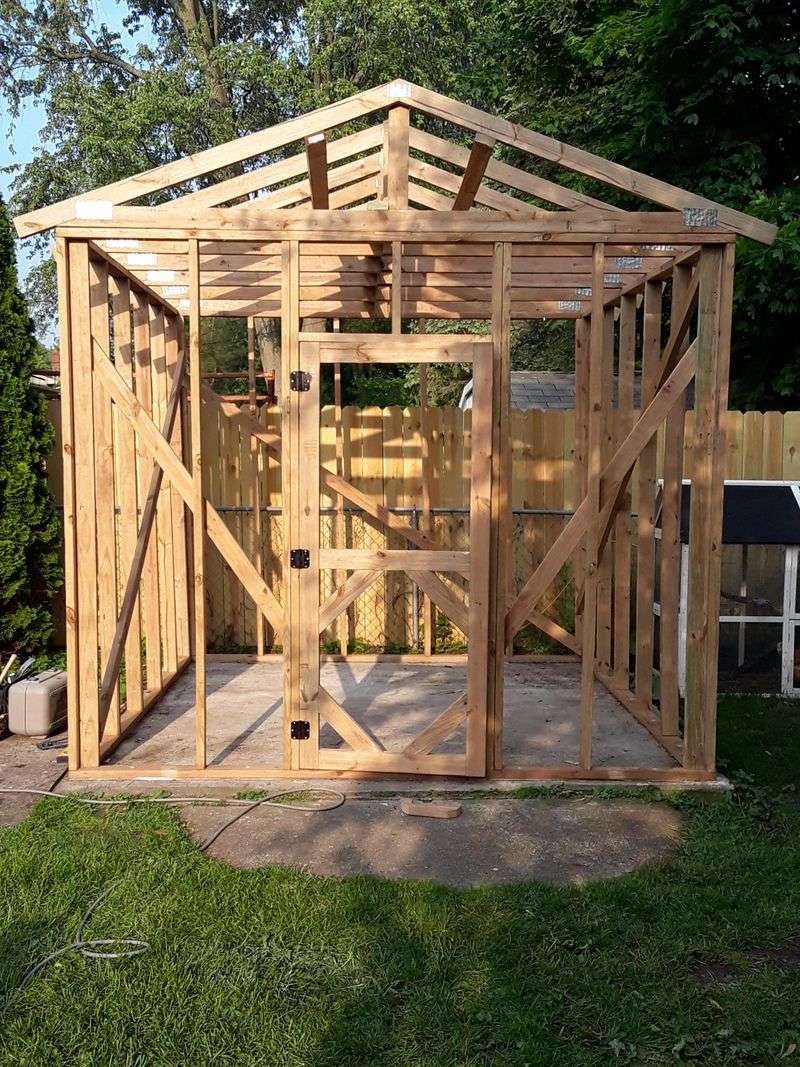
Hot air rises, and a wooden frame greenhouse with roof vents takes full advantage of that basic fact. When temperatures inside a greenhouse climb past 90 degrees, roof vents open automatically or manually to let that superheated air escape straight up and out.
Fresh air pulls in from lower openings, keeping the interior at a much more manageable temperature than a sealed structure would allow.
Wood is a practical framing choice for Arizona because it handles temperature swings better than metal in some respects. Metal frames expand and contract significantly with Arizona’s extreme daily temperature changes, which can loosen fasteners over time.
A well-built cedar or redwood frame stays stable across seasons and resists moisture from summer monsoon rains without rotting quickly.
Roof vent placement matters. Ridge vents running along the peak of the roofline work best because heat concentrates there first.
Adding two or three vents spaced evenly across a 12-foot greenhouse lets hot air escape from multiple points simultaneously.
Automatic vent openers that use a wax cylinder mechanism require no electricity and open when interior temps exceed a set threshold, usually around 75 degrees.
Polycarbonate twin-wall panels are a better choice than glass for the roof in Arizona. Polycarbonate diffuses light, reducing hot spots on plants, and it does not shatter in hail during monsoon season the way glass can.
Growers across the Tucson and Phoenix metro areas have built wood-frame greenhouses with roof vents to successfully grow year-round crops including tomatoes, cucumbers, and peppers, adjusting vent openings with the seasons to maintain steady growing conditions.