What Yellow Leaves On Your Michigan Porch Plants Really Mean In October
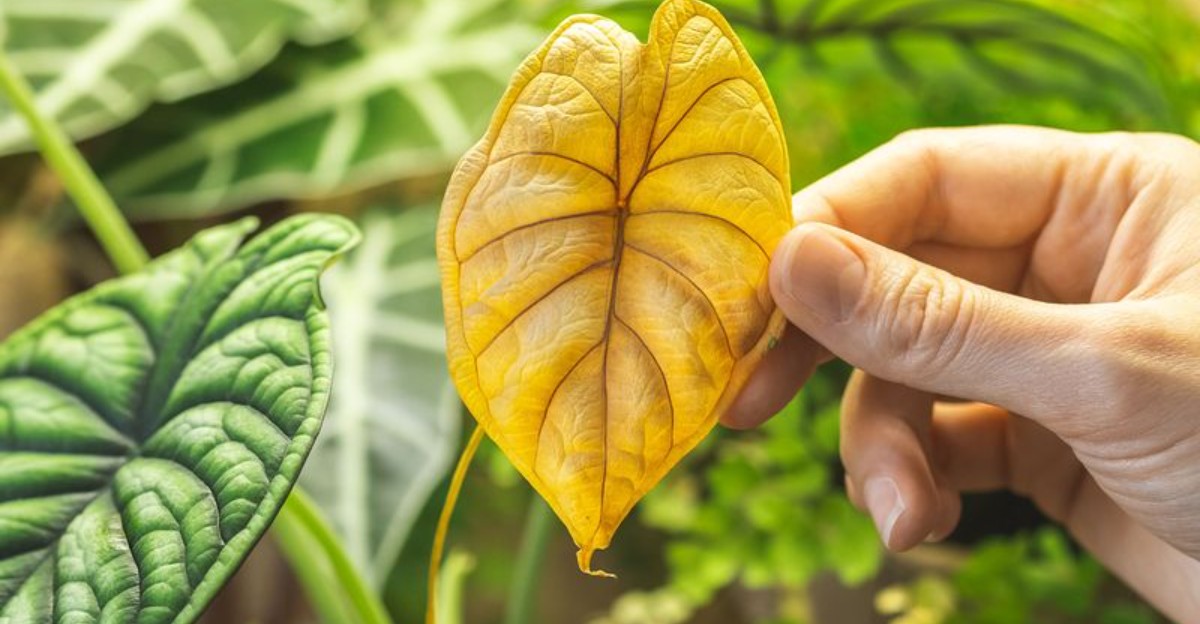
Yellow leaves in October can look alarming, yet the cause is often simple. Cooling nights slow plant growth, so water stays in the pot longer.
Soil that stays wet makes roots struggle, and the leaves turn yellow. Shorter days and weaker sun can also cause older leaves to fade and drop.
A plant moved from a bright spot to a shady corner may protest the same way. Nutrients can play a role, though fall is rarely the time to start feeding.
The pattern of yellowing tells you a lot. Lower leaves, whole leaves, and spotted leaves each point to a different cause. A quick check of the pot, soil, and light helps you choose the right fix instead of guessing.
1. Cold Nights Are Stressing Tender Plants
Warm afternoons in October can fool anyone. You might sit on the porch in a T-shirt at 3 p.m. and need a jacket by 9 p.m., and your plants feel that swing too.
Tropical and tender plants come from places where nights stay warm. Mandevilla, tropical hibiscus, pothos, philodendron, and many annuals can get stressed or damaged once temperatures slip below about 50°F.
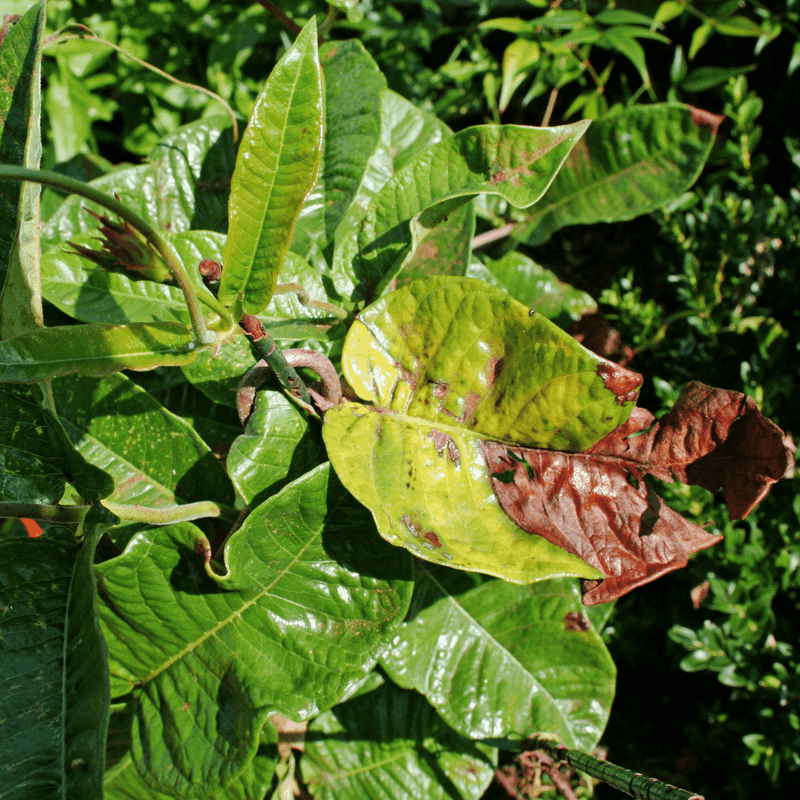
The tricky part is that chilling injury often shows up a few days later, so the yellow, spotted, or drooping leaves you notice on Thursday may come from a cold snap on Monday.
Quick action makes a real difference. On chilly nights, carry tender pots into the house or a garage, then set them back outside when the day warms up.
Lightweight pots or a small plant caddy with wheels can make this nightly shuffle much easier.
Leaves that are badly damaged will not turn green again. Trim them off with clean scissors so the plant can put its energy into healthy growth.
Leave any leaves that are only slightly spotted, since they can still help feed the plant. Timing matters most of all. Plan to bring tropical plants inside for the winter before nights regularly fall into the 40s, not after the first frost warning.
Waiting too long means the plant has already suffered several rounds of cold stress. Michigan weather makes this especially important.
October nights here often dip into the 30s and 40s even after sunny, pleasant days, and lake effect patterns can change things quickly.
Keep an eye on your local forecast, and treat any night below 50°F as a signal to protect your tropical friends.
2. Some Plants Are Simply Going Dormant
Good news first. Not every yellow leaf is a cry for help, and some of the prettiest gold tones on your porch are completely normal.
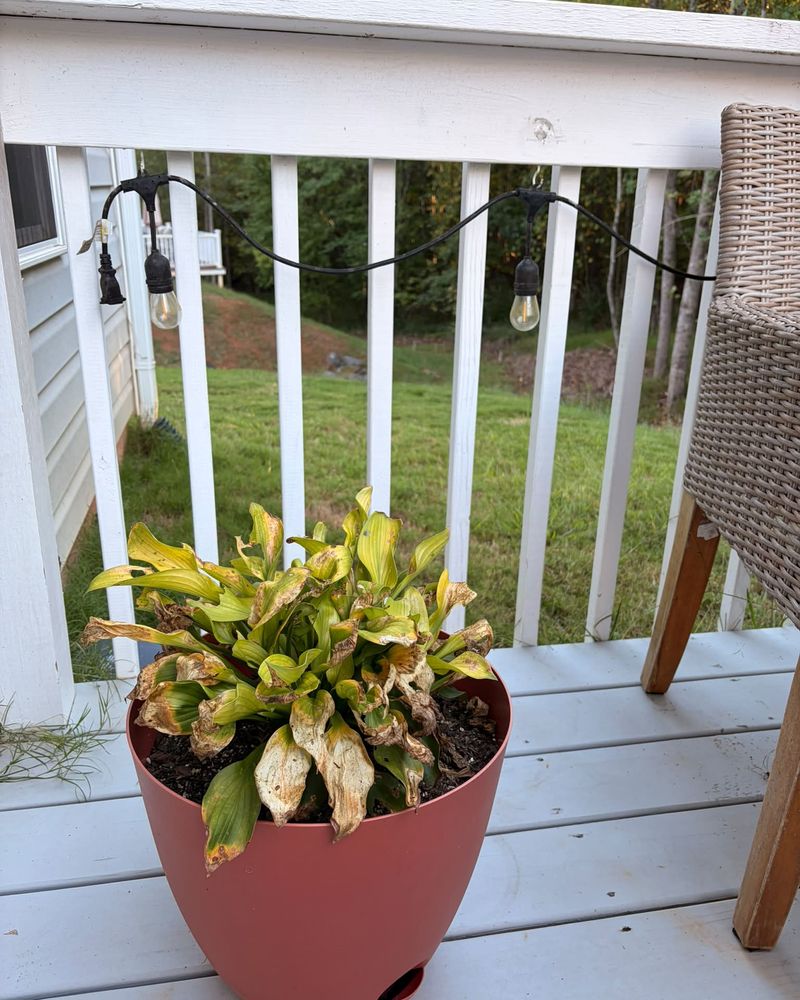
Hardy plants follow a natural calendar. Perennials, hostas, ornamental grasses, and many hardy shrubs growing in containers begin to yellow and drop their leaves in fall as they get ready for winter dormancy.
Think of it as the plant tucking itself into bed, pulling energy down into its roots so it can rest and wake up strong in spring. So what should you do? Mostly, relax and let the process happen.
Your Michigan Garden Changes Every Week. Your Plan Should Too.
Gardening in Michigan changes quickly throughout the season. Every Friday you’ll receive a simple weekly plan showing exactly what to plant, prune, fertilize, harvest, and protect so you never miss the right timing.
Avoid cutting off leaves while they are still yellowing, because the plant is still pulling stored food from them. Once the foliage has turned brown and flopped over, you can trim it back if you like a tidy look.
After your hardy perennials have gone fully dormant, move their containers to a sheltered place. An unheated garage, a shed, or a spot against the house out of the wind works well.
Pots get much colder than garden soil, so a little shelter helps protect the roots from repeated freezing and thawing.
Skip the fertilizer this time of year. Feeding in fall can push out soft new growth that the first hard freeze will damage, and it confuses a plant that is trying to slow down.
Michigan winters are long, and hardy porch plants truly need that rest. A proper dormant season helps them bloom better and grow fuller next year.
So when your hosta turns butter yellow in October, take it as a sign that things are right on track.
3. Older Leaves Are Being Shed First
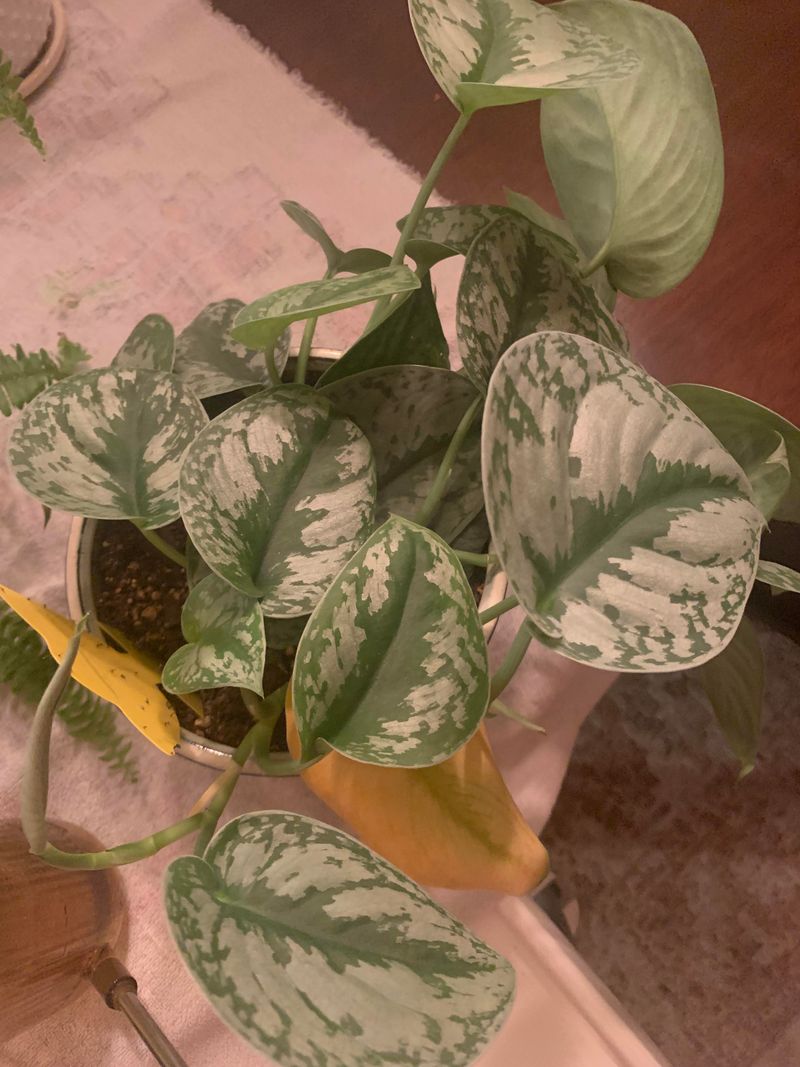
Plants are smart about saving energy. When the light starts to fade, they make tough choices about which leaves are worth keeping.
As days get shorter, many plants let go of their older, lower leaves. Those leaves often sit in the shade of newer growth and do not catch as much sun, so they are not pulling their weight anymore.
The plant moves useful nutrients out of them, and they turn yellow before dropping. Meanwhile, the fresh leaves near the top stay green and busy. A simple check tells you a lot. Look at where the yellow is showing up.
If it is mostly on the oldest, bottom leaves and the newer growth looks healthy, your plant is likely just doing some seasonal cleanup.
Wait until those leaves are fully yellow before removing them. At that point, they usually come off with a gentle tug, and the plant has already taken back what it needs.
Clearing them away also keeps the soil surface cleaner and helps prevent mold or pests from hiding in fallen leaves.
Pay closer attention if the yellowing creeps upward. When new leaves at the top start turning pale or yellow too, something else may be going on, like watering trouble, pests, or a nutrient problem.
That is your cue to read through the other causes on this list. Michigan loses daylight fast in October.
Over the month, the state drops more than an hour of daylight, and that shift is easy for plants to notice even when we barely do. A few yellow bottom leaves are simply part of the season’s rhythm.
4. Pots Are Staying Wet Too Long
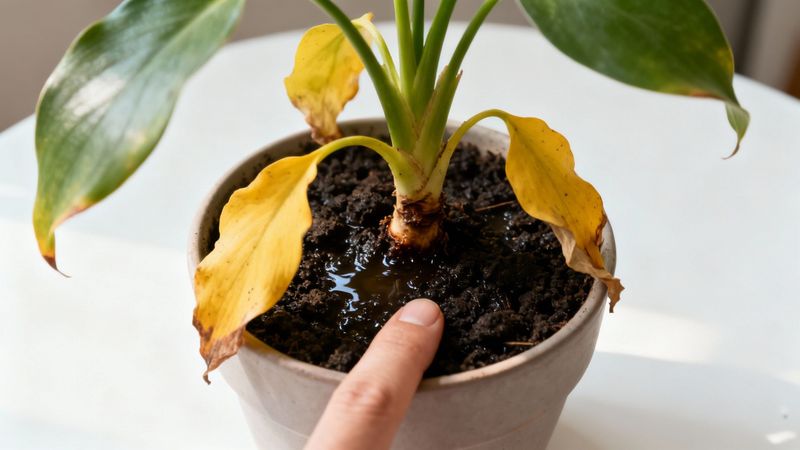
Here is a surprise for many gardeners. More plants get into trouble from too much water in fall than from too little.
Cool weather changes everything about how plants drink. They grow more slowly, use less water, and the soil dries out much more slowly than it did in July.
If you keep the same summer watering routine, or if fall rain keeps soaking your pots, the roots can sit in soggy soil. Without air, roots start to rot, and yellow leaves are often the first warning.
Your finger is the best tool you own. Before watering, push it into the soil. Only water when the top inch or two feels dry, which might mean every few days or even once a week now.
Drainage holes are a must. Pots without them trap water at the bottom, and roots sitting in that pool will struggle no matter how careful you are.
If you love a decorative pot without holes, slip a plastic nursery pot inside it instead. Saucers deserve a second look too. After a rainy day, tip out any standing water so the pot is not soaking from below.
During long rainy spells, slide containers under the porch roof or another covered spot to give them a break.
Michigan falls tend to be damp, with gray skies, frequent showers, and cooler temperatures that slow drying. Porch containers can stay wet for days at a time.
Watering less often and watching drainage closely will keep roots healthy and leaves green much longer into the season.
5. Nutrients Have Washed Out Of The Pots
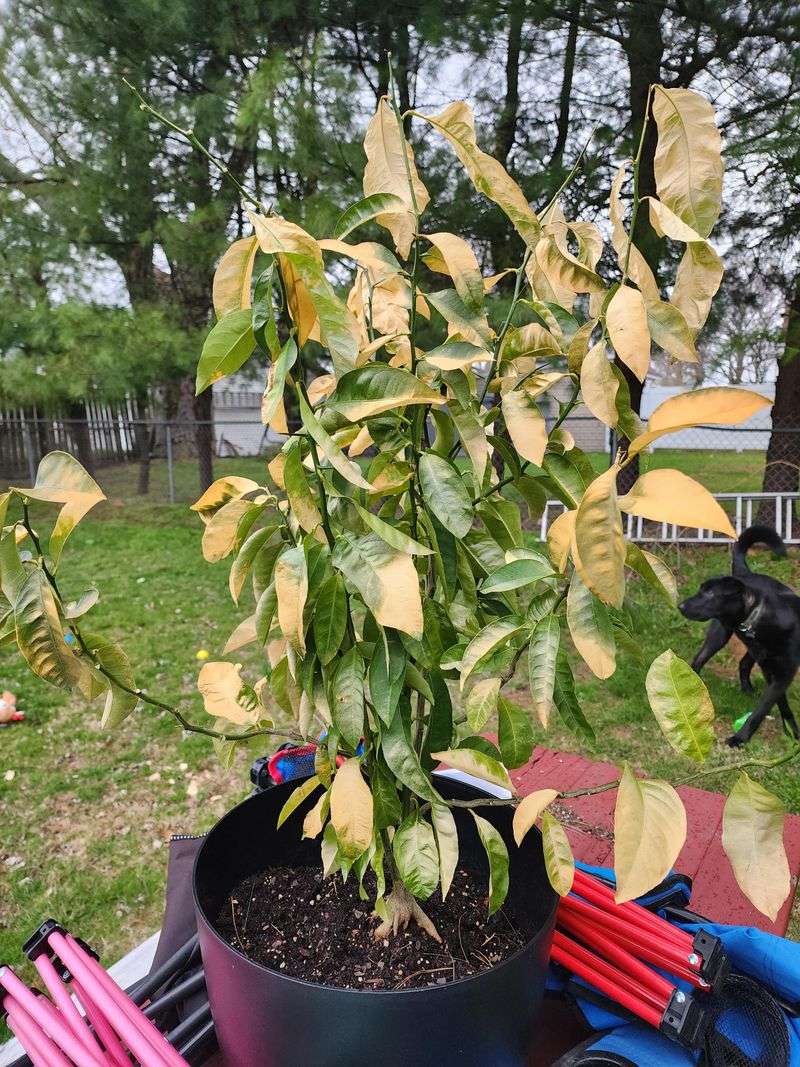
Think back to all those hot summer days. You probably watered your porch pots daily, maybe even twice on the hottest afternoons, and every drink came with a hidden cost.
Each time water runs out the bottom of a pot, it carries some nutrients with it. By fall, many container plants have used up or lost much of the food in their potting mix.
Nitrogen is often the first to run low, and a plant short on nitrogen tends to show yellowing on its older leaves first while the rest of the plant looks pale or washed out.
Your plan depends on the plant. For plants you plan to keep through winter, like a favorite fern or a tropical you are bringing inside, a light feeding can help.
Use a balanced fertilizer at half strength, but only if the plant is still putting out new leaves.
Plants heading into dormancy need nothing at all. Hardy perennials and shrubs that are slowing down should skip fertilizer completely, since extra food now can trigger weak growth right before winter.
Spring is the perfect time for a real refresh. Repot your keeper plants into fresh potting mix once the days warm up, and they will have a full pantry of nutrients for the new season.
Old mix also breaks down over time and holds water poorly, so swapping it out helps in more than one way.
Michigan summers can be hot and sticky, and porch containers often need daily watering to survive. That heavy watering is exactly why fall nutrient shortages are so common here.
6. Pests May Be Feeding On The Leaves
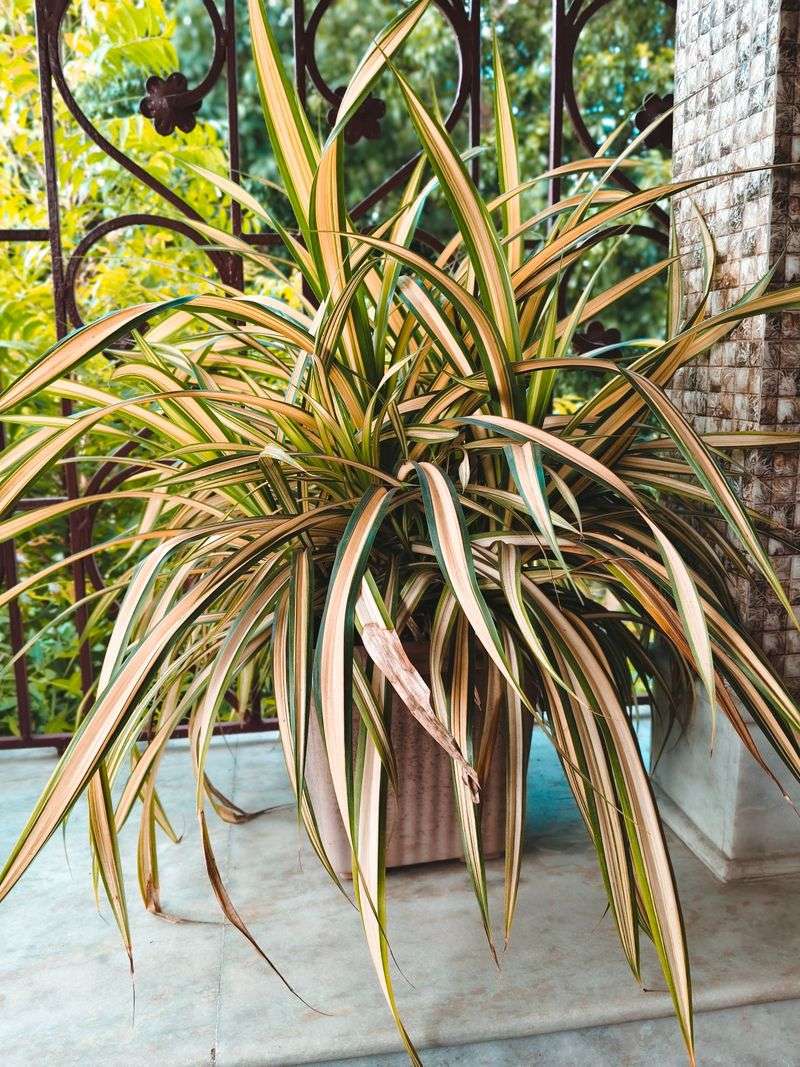
Tiny troublemakers can hide in plain sight. Spider mites are so small that many people never see them until a plant already looks tired and speckled.
Spider mites, aphids, whiteflies, and mealybugs all feed by sucking sap from leaves. That feeding leaves behind yellow freckles, curled edges, or pale patches.
By late summer and early fall, their numbers have often grown quite large, which is why damage seems to appear out of nowhere in October.
Flip a yellowing leaf over and look closely. Watch for tiny moving dots, fine webbing, white cottony clumps, or a sticky shine on the leaves or the surface below. A cheap magnifying glass makes the hunt much easier.
Start with the gentle fix. Rinse the plant well with a spray of water, paying extra attention to the leaf undersides, which knocks many pests right off.
If they come back, treat with insecticidal soap, following the label and covering all leaf surfaces. One step matters more than any other this month. Inspect every plant carefully before it comes inside.
Check stems, leaf joints, and even the soil surface, and consider keeping new arrivals in a separate room for a week or two to watch for trouble.
October is moving month for Michigan porch plants. Once pests hitch a ride indoors, warm, dry air can help them multiply and spread quickly to your houseplants.
A few minutes of checking now can save your whole indoor collection from a long winter battle.
7. Plants Are Adjusting To A Move Or Less Light
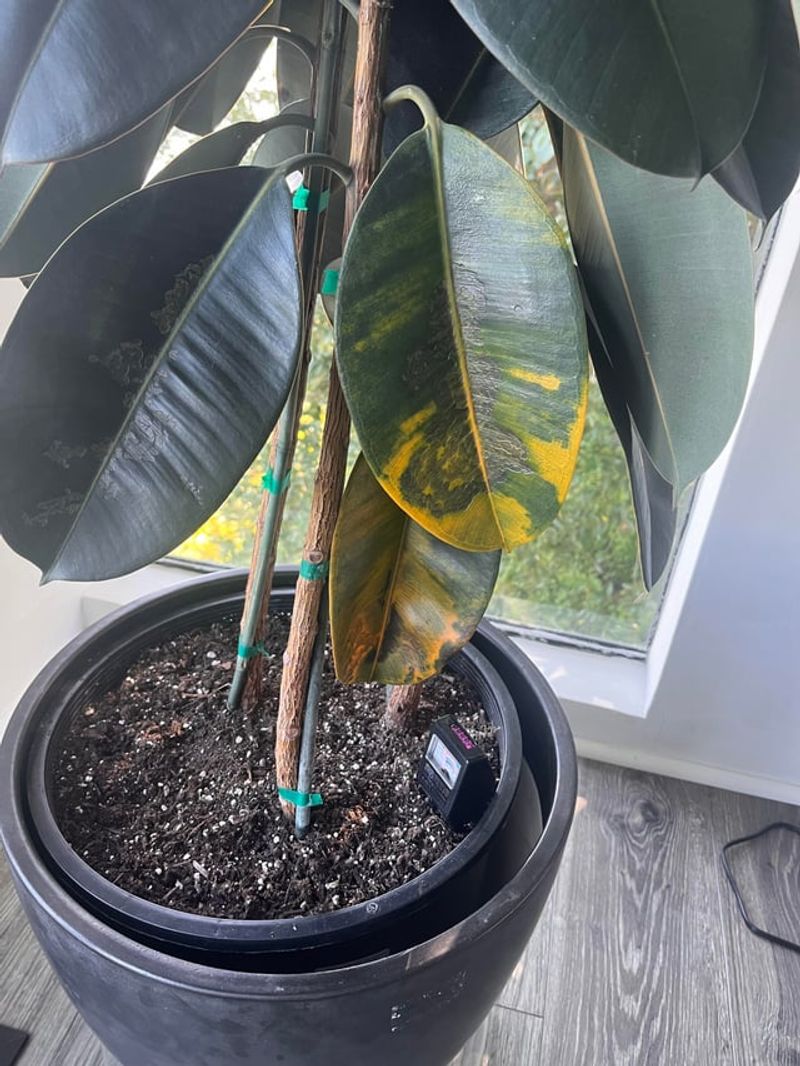
Moving is hard on everyone, plants included. Ask anyone who has carried a big ficus inside and watched it drop leaves all over the living room floor.
Outdoor light is far stronger than indoor light, even on a cloudy day. When plants go from a bright yard or sunny steps to a shaded porch or a spot inside the house, they suddenly get much less light.
They respond by letting go of leaves they can no longer support. Ficus, hibiscus, and many other tropicals are famous for this reaction.
Easing the change helps a lot. Before bringing plants inside, move them to a shadier part of the porch for a week or two. That step helps them get used to lower light before the bigger move.
Once indoors, give them the brightest spot you have. A south or west facing window works best, and a simple grow light can fill the gap during short winter days. Keep plants away from heat vents and cold drafts, which add even more stress.
Water less often after the move. With less light and cooler conditions, plants use much less water, so check the soil before every drink.
Patience is the final ingredient. Give your plants a few weeks to settle in before you worry, since some leaf drop is normal and new growth often follows.
Michigan gardeners move most porch plants indoors in October, so a little yellowing now is usually just a plant finding its footing in a new home.