How Michigan Gardeners Are Navigating New Prohibited And Restricted Plant Rules For A Healthier Landscape
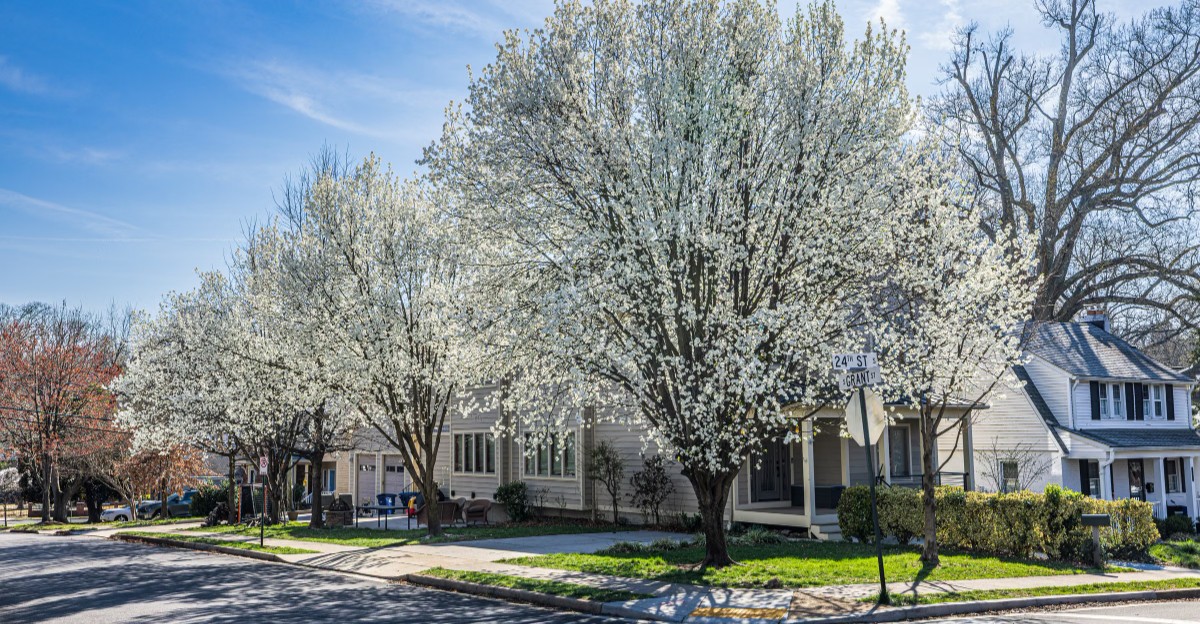
A shrub sold at garden centers for decades is about to become illegal to sell in Michigan. Same goes for a spring-blooming tree that lines countless suburban streets.
Truth is, I planted both years ago and felt pretty proud of them. Birds carried the seeds into nearby woods, and I had no clue it was happening. Those tidy hedges were quietly starting families far from my yard.
State agencies keep official lists of plants that harm forests, wetlands, lakes, and the wildlife that depends on them. Some are banned outright, while others face strict limits on sales and planting. The rules keep growing as new troublemakers show up.
So what happens to the plants already in your beds? Do you have to rip them out tomorrow? The answers surprised me, and a few of them made my weekend chores feel a lot more meaningful.
Some Familiar Barberry Hedges And Pear Trees Just Landed On A State List
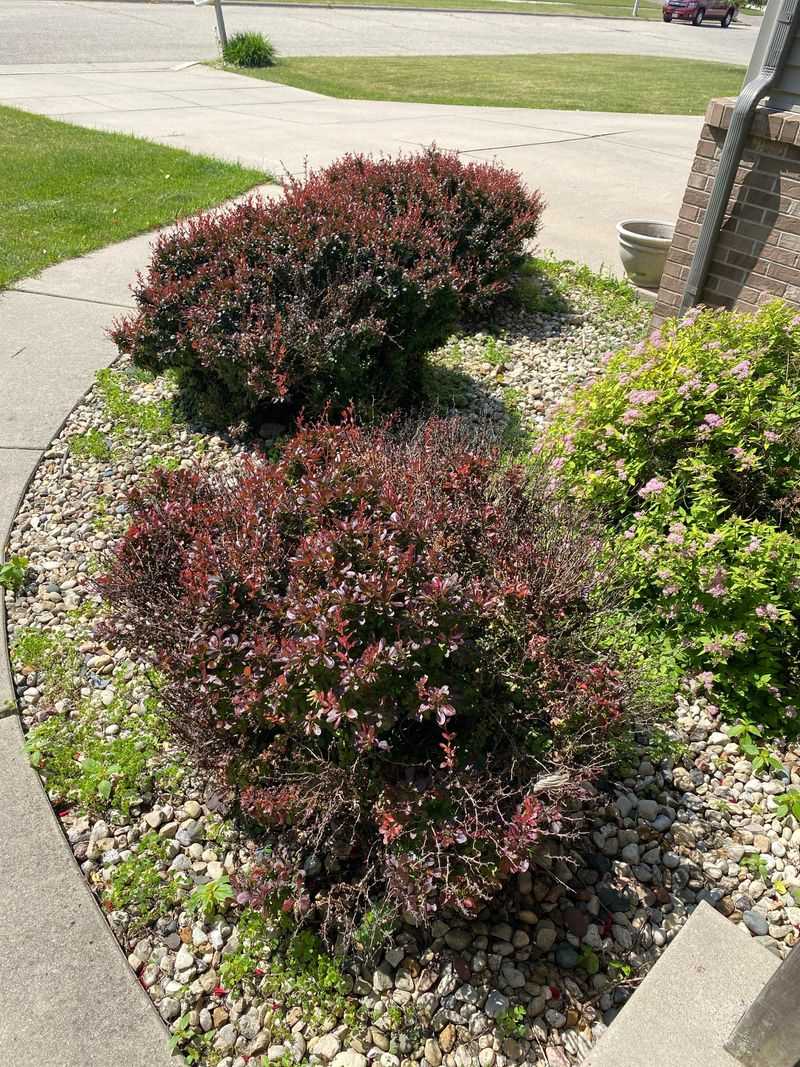
Guilty as charged, I once bought three Japanese barberry shrubs because the red leaves looked great by my front steps. A few years later, I found little barberry seedlings popping up along the tree line out back.
That sneaky spread is exactly why state officials acted. Japanese barberry, Callery pear, common buckthorn, and glossy buckthorn have been added to Michigan’s restricted species list. Under the order, it becomes unlawful to sell, import, or intentionally propagate them starting January 1, 2028.
The long runway gives nurseries time to sell through stock and adjust what they grow. It also gives gardeners a chance to plan ahead instead of scrambling.
The rule covers named cultivars too. Many barberry and pear varieties were once promoted as low-seeding or sterile, but research showed they can still cross-pollinate and produce fruit that birds carry away.
Bradford pear is a popular cultivar of Callery pear. Those white spring blossoms are pretty, but escaped trees now form thorny thickets in fields and roadsides.
Buckthorn has a similar story. It leafs out early, holds leaves late, and shades out wildflowers on the forest floor. Seeing all four plants grouped together finally helped me understand the bigger picture.
Prohibited And Restricted Plant Labels Mean Different Things
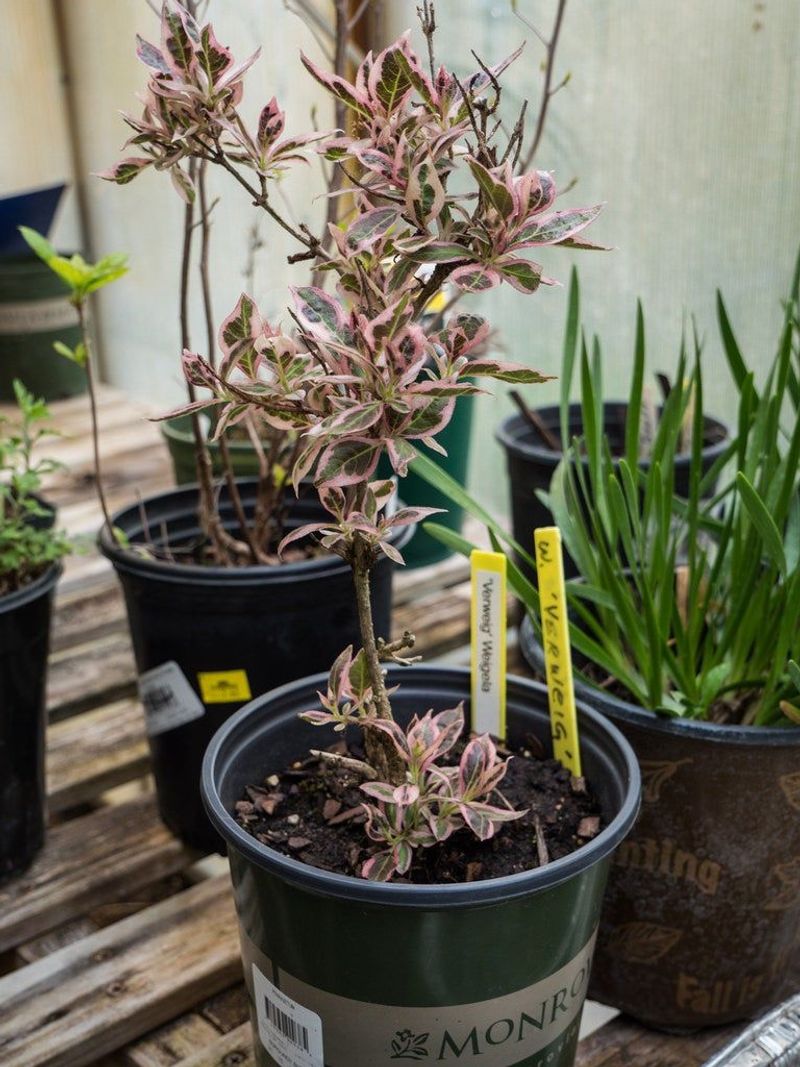
Two little words do most of the heavy lifting in these rules. Once you know the difference, the whole system makes a lot more sense.
A prohibited species is usually not yet widespread in the state. It often lacks reliable control methods, so the law aims to stop it before it gets a foothold. Possessing, importing, selling, or introducing these plants is not allowed without a special permit.
A restricted species is already established in many areas. It still causes real harm, so selling, importing, introducing, and intentionally spreading it are off-limits too.
The key practical difference for home gardeners involves plants already in the ground. With restricted species, simply having one on your property is generally not a violation.
These categories come from Part 413 of the Natural Resources and Environmental Protection Act. The Michigan Commission of Agriculture and Rural Development updates the lists through official orders, often after a public comment period.
I keep a bookmark to the state invasive species website on my phone. Before buying anything unfamiliar at a plant swap or online shop, I take thirty seconds to check. That tiny habit has saved me from a couple of regrettable purchases already.
That Bradford Pear In Your Front Yard Can Stay For Now
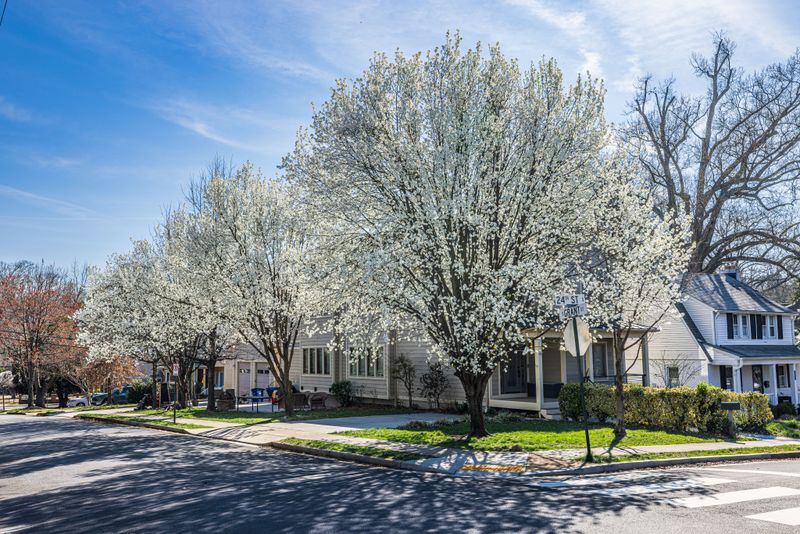
Relax, nobody is coming to inspect your landscaping. If a restricted shrub or tree is already growing on your property, keeping it does not break the law.
The rules mainly target sales, importing, and intentional propagation. So you should not dig up root suckers to share with friends or plant cuttings in a new bed.
Even so, I started thinking about what my plants do when I am not watching. Birds eat barberry berries and small pear fruits, then drop the seeds miles away in woodlots and wetlands.
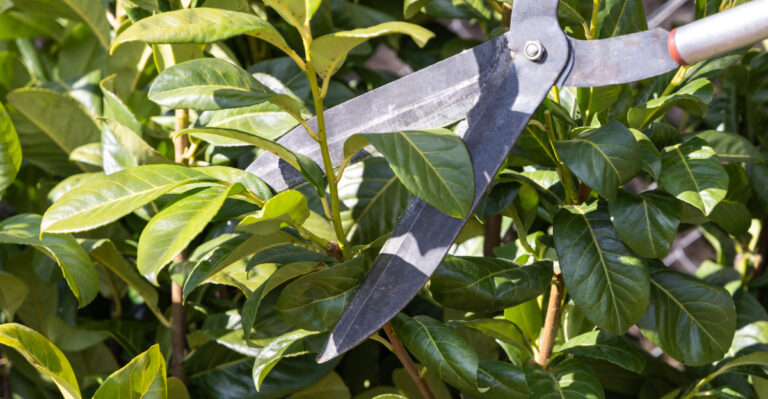
One easy step is managing fruit. Pruning barberry right after flowering can reduce berry production, and removing low-hanging pear fruit helps a bit too.
Many gardeners choose a gradual approach instead. They plan to replace one shrub per season, which spreads out the cost and the work.
Callery pears also have a reputation for weak branch angles that split in storms. If yours is cracking or leaning, replacing it might solve two problems at once.
For larger removals, a certified arborist can help, especially near houses or power lines. Ask about grinding the stump, since Callery pear and buckthorn often resprout vigorously after cutting.
Pond Owners Should Take A Closer Look At Floating Water Hyacinth
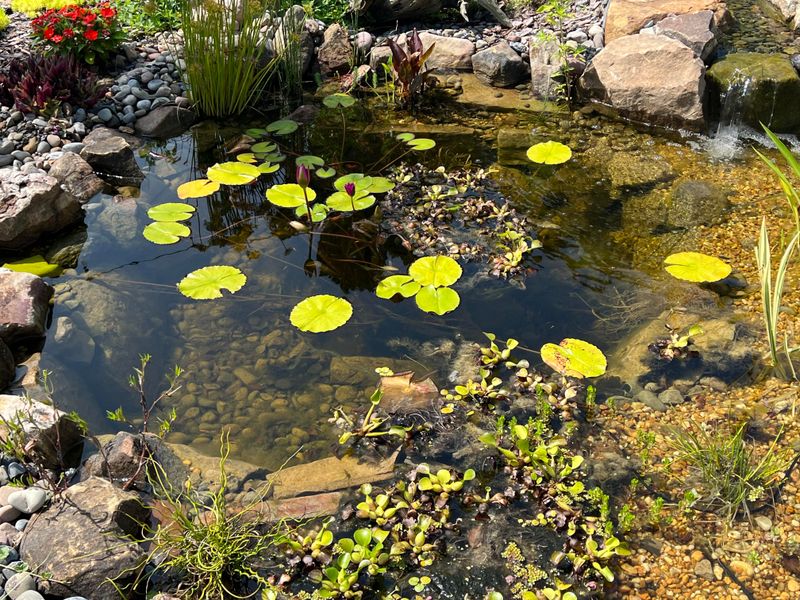
Floating plants with purple flowers and puffy leaves look adorable in a backyard pond. I bought water hyacinth one summer and watched it double faster than I expected.
Water hyacinth and water lettuce have both been placed on Michigan’s prohibited list. These tropical floaters reproduce quickly and can form thick mats that block sunlight and reduce oxygen for fish.
Many people assumed northern winters would handle the problem. Researchers have found that some populations can persist in warm spots, such as areas near power plant discharges, so the risk is real.
The same caution applies to other water garden favorites. Check European frog-bit, parrot feather, and yellow floating heart against the state list before adding anything to a pond or aquarium.
Removing these plants is fairly simple with a net or rake. Let them dry out on a tarp in the sun, then bag them for the trash.
Please skip the easy shortcut of tipping a bucket into a creek or ditch. One small fragment can start a new colony downstream.
For pretty, safe options, try native pickerelweed, blue flag iris, or white water lily in your water feature.
Lesser Celandine And Water-Primrose Could Be Next In Line
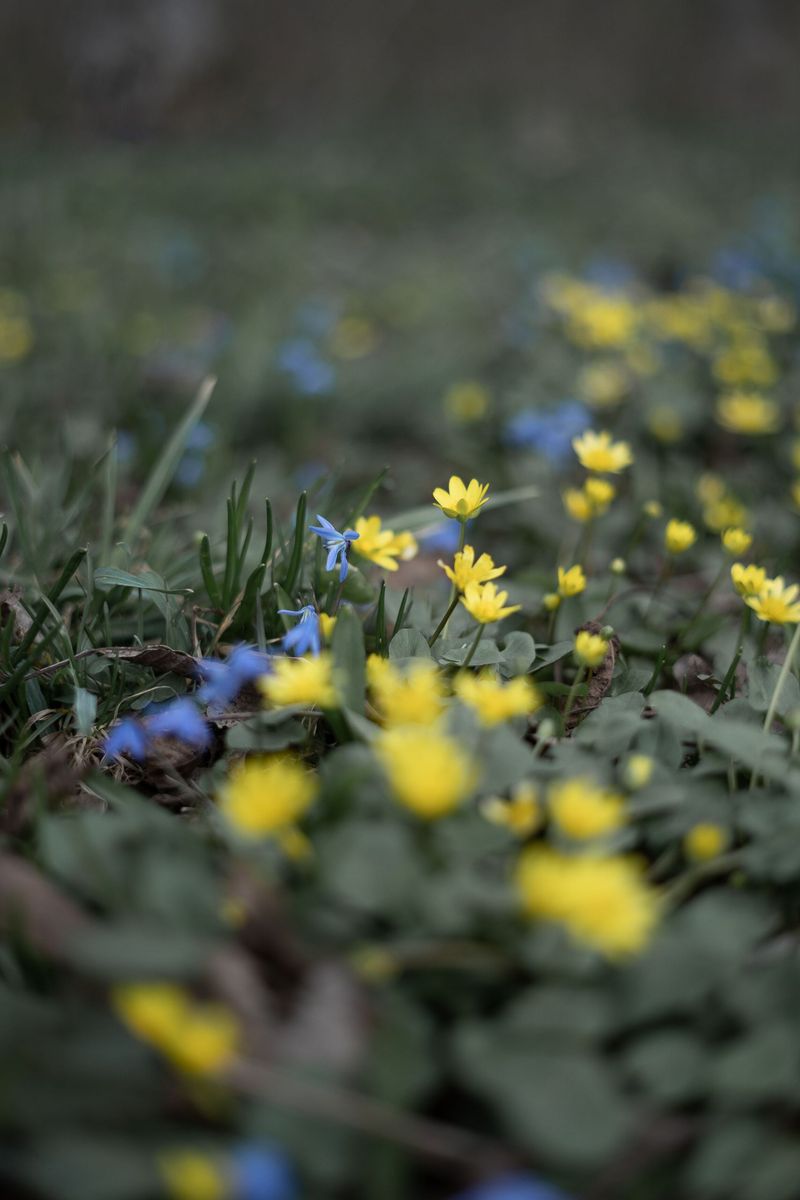
Lists like these are living documents. State agencies regularly review new threats and propose additions through draft orders with public comment periods.
Recent proposals have included creeping water-primrose and large-flowered water-primrose for prohibition. Common butterbur, lesser celandine, and round-leaf bittersweet have been suggested for the restricted category.
Lesser celandine caught my eye because it is so cheerful. Its shiny yellow flowers carpet shady yards in early spring, then it spreads through little bulblets and tubers that hitch rides on shovels and boots.
Round-leaf bittersweet, sometimes called Oriental bittersweet, is a twining vine. Its orange and red berries were once popular in fall wreaths, which helped carry seeds to new places.
Final decisions take time, and details can change after public feedback. I recommend checking the state invasive species website for the latest status instead of relying on old news stories.
Meanwhile, nothing stops you from acting early. If one of these proposed plants is creeping across your lawn, removing it now is easier than waiting until it covers the whole slope.
Watching the draft lists also gives you a heads-up about what to skip at spring plant sales.
Bagging Pulled Buckthorn Beats Tossing It Into The Woods
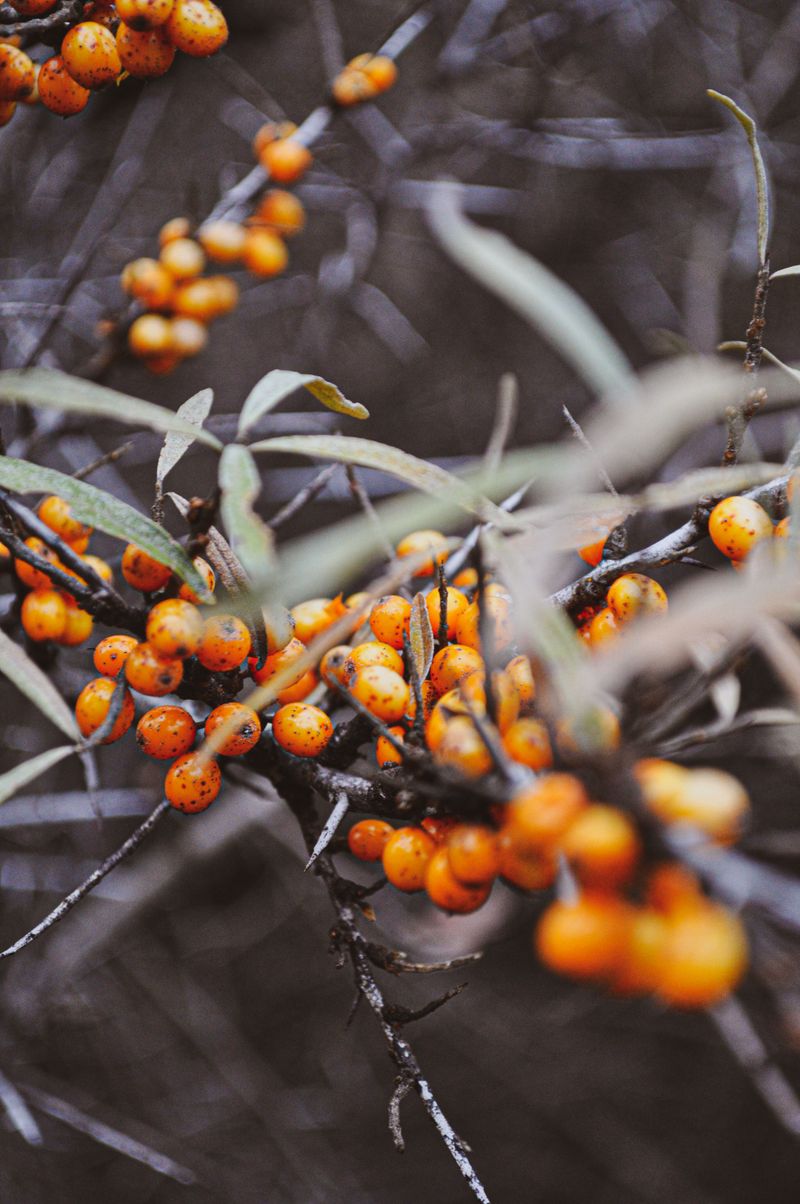
I’m not proud of this, but I used to toss yard waste over the back fence. Turns out that pile was basically a seed nursery for invasive plants.
Disposal matters just as much as removal. Many invasive species can reroot from stems or root pieces, and berries left on branches can still sprout.
Michigan’s Citizen’s Guide to Invasive Plant Disposal lays out safe options. For seedy plants like buckthorn and barberry, removing them before fruit forms is the simplest win.
If berries are already present, bag the clippings in heavy plastic. Some guides suggest leaving sealed bags in the sun for a few weeks to cook the material before sending it to a landfill.
Backyard compost piles often stay too cool to neutralize seeds and roots. It is safer to keep invasive material out of the compost bin.
Burning may be allowed in some areas, but local rules and burn permits vary widely. Check with your township or fire department first.
Finally, clean your tools, boots, and tires before moving to another part of the yard. Seeds and tiny root bits travel farther than most of us realize.
Ninebark, Serviceberry, And Winterberry Make Fantastic Swaps
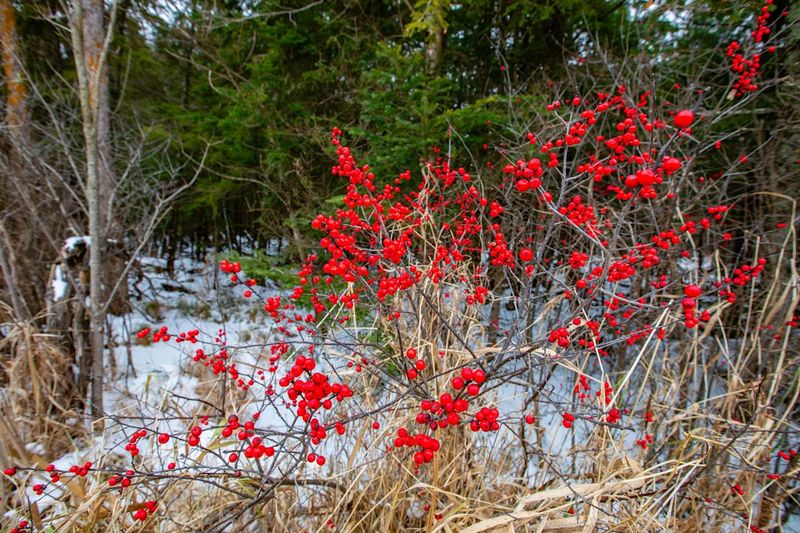
Swapping out a favorite shrub felt like a loss at first. Then I planted winterberry, and the cardinals showed up in January for those bright red berries.
Native plants offer real replacements for nearly every banned favorite. For the red foliage of barberry, try purple-leaved ninebark cultivars, which handle sun, clay, and dry spells well.
Winterberry holly gives brilliant winter color, though you need a male plant nearby for female shrubs to produce berries. Gray dogwood and American hazelnut work nicely for informal hedges where buckthorn once grew.
Missing those spring pear blossoms? Serviceberry produces white flowers in early spring, tasty summer fruit, and orange fall color.
Eastern redbud is another crowd-pleaser in southern parts of the state. Farther north, check your hardiness zone, since Michigan ranges from roughly zone 4 to zone 6.
Native shrubs support local caterpillars, which feed baby songbirds during nesting season. That connection made the switch feel exciting instead of disappointing.
Fall and early spring are great planting windows. Water new shrubs weekly during their first season, and add a few inches of mulch while keeping it away from the stems.
Local Nurseries And CISMA Crews Can Help Plan Your Next Garden Move
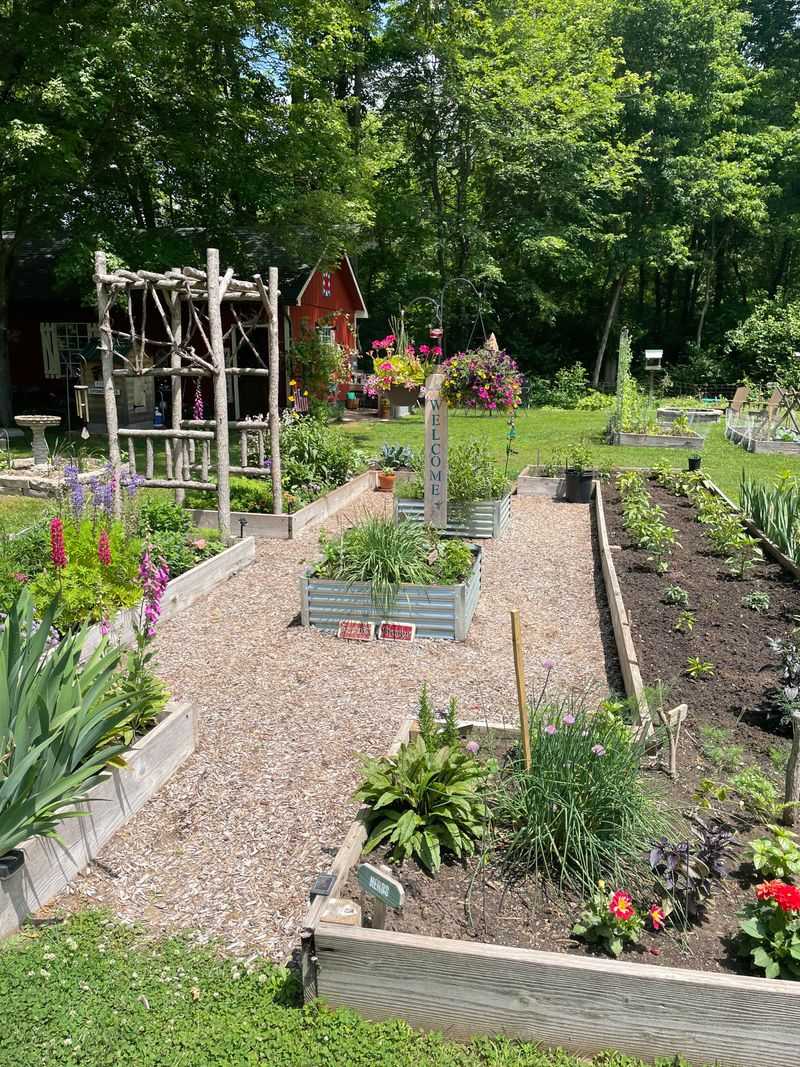
Nobody has to figure this out alone. Some of my best advice came from a volunteer at a free invasive plant workshop who happily answered every question I had.
Michigan has a network of Cooperative Invasive Species Management Areas, usually called CISMAs. These regional groups often offer plant identification help, removal tips, and sometimes workdays or equipment loans.
MSU Extension provides research-based fact sheets and diagnostic services. Local conservation districts frequently host native plant sales in spring, which are a budget-friendly way to stock up.
Look for nurseries involved in the Go Beyond Beauty program. Participating businesses commit to phasing out high-threat invasive plants, making shopping much easier.
The free MISIN app lets you report invasive plants you spot in parks or along trails. Your sightings can help experts catch new problems early.
My suggestion is to start small. Pick one problem plant this season, find a native replacement, and celebrate when it settles in.
Small changes across thousands of yards add up quickly. Every pulled buckthorn and new serviceberry nudges the neighborhood toward healthier woods, cleaner lakes, and more birds at the feeder.